
12 Things Your Dog Does That Your Doctor Would Be Shocked to Learn Have a Medical Explanation
If you live with a dog, you already know they can be weird in the most endearing ways. The head tilts, the zoomies, the way they sniff one specific spot on you like it holds the secrets of the universe. Most of the time we laugh it off, call them silly, and move on.
But underneath a lot of those “quirky dog things” is real biology – the kind of thing your doctor or a medical researcher would recognize immediately. Your dog is basically a furry little health scanner running on instinct and finely tuned senses, doing things that line up shockingly well with modern medicine and neuroscience.
1. Sniffing Your Breath: An Untrained Disease Detector
When your dog leans in close and takes a deep, deliberate sniff of your mouth, it can feel a little too intimate. It might seem like they’re just curious about what you had for lunch, but there’s much more going on. Your breath carries tiny chemical signals called volatile organic compounds that can change when you have certain diseases, metabolic issues, or even infections.
In controlled studies, trained dogs have been able to detect conditions like some cancers, diabetes-related blood sugar changes, and certain infections just from breath samples. The wild part is that even untrained pet dogs are still sensing these chemical shifts; they just don’t know they’re doing something medically impressive. When your dog seems “oddly interested” in your breath, your doctor would recognize that as your personal, four-legged gas chromatograph at work.
2. Licking or Nosing One Specific Spot on Your Body

Many dog owners notice their dog keeps nudging, sniffing, or licking the same place on their body – a mole, a knee, a breast, a patch of skin – sometimes long before they themselves think anything of it. That repetitive attention can look random, or even annoying, but it lines up closely with how medical detection dogs are trained to signal areas of concern. Dogs can pick up subtle changes in odor from inflammation, infection, bleeding, or abnormal cell activity.
Doctors and researchers are increasingly interested in cases where dogs persistently focus on a body part that later turns out to have a medical issue. While it’s not a diagnosis and shouldn’t replace proper screening, the underlying explanation is biological: disease processes alter the chemical landscape of your skin and sweat, and your dog’s nose is simply too powerful to miss it. What looks like clingy behavior can actually be your dog quietly reading a health report coming off your body.
3. Waking You Before a Migraine or Seizure Hits
Some people swear their dog can predict their migraines or seizures before any obvious symptoms appear. The dog might start pacing, pawing, whining, staring intensely, or refusing to leave their side. To an outsider, it looks like the dog is being dramatic or needy. To a neurologist, that timing is incredibly interesting. Neurological events like migraines and seizures are preceded by changes in brain activity, stress hormones, and even tiny shifts in body odor and behavior.
Researchers believe dogs are picking up on a mix of subtle cues: small facial changes, altered breathing, micro-movements, and chemical shifts from the body. Medical alert dogs can be trained to respond in specific ways, but lots of regular pets show a raw version of this sensitivity. So that strange clinginess before you get hit with pain or brain fog is not magic – it’s biology interacting with a dog’s hyper-awareness of your body.
4. Staring at You While You Sleep (And Timing Your Wake-Ups)

Waking up to your dog silently staring at you can feel a bit creepy, like you’re starring in a low-budget horror movie. But if you pay attention, you might notice they often show up right as you’re about to wake on your own, or when you’re restless, feverish, or having a rough night. Human sleep is made of different stages, and our breathing, movement, and even scent change as we switch between light sleep, deep sleep, and dreaming.
Your dog is an expert at reading those micro-changes. They can detect restlessness, increased body temperature, and shifts in your breathing pattern that might be linked to nightmares, anxiety, or even sleep apnea. Doctors use monitors and sensors to track the same patterns in sleep studies. Your dog is doing a low-tech, high-instinct version on the floor next to your bed – and sometimes it means they “mysteriously” wake you when your body is already on the edge of waking or in distress.
5. Leaning Against You When Your Heart or Blood Pressure Changes
That full-body dog lean – where they press their weight into your legs, chest, or side – often feels like pure affection. And sure, it is. But in people with heart issues or blood pressure changes, dogs have been observed leaning in, slowing down, and sticking closer right when vital signs are shifting. Dogs are sensitive to heart rate changes through subtle movements in your chest, pulse differences, breathing rhythm, and even sound.
Cardiac alert dogs are specifically trained to notice and respond, but again, the raw sensory capacity is there in most dogs. A doctor uses stethoscopes, blood pressure cuffs, and monitors to track these things; your dog uses their body. When they lean, they’re stabilizing themselves against you, but they’re also taking in a flood of tactile and sensory data – and sometimes their “cuddle” syncs eerily well with moments when your cardiovascular system is not quite normal.
6. Following You to the Bathroom: Monitoring Your Internal Signals

Dogs that insist on joining you in the bathroom are often treated as clingy or nosy. But from a medical and evolutionary angle, that behavior is packed with meaning. Bathroom time is when a lot of your internal chemistry literally leaves your body – through urine, stool, sweat, and even breath if you’re straining or uncomfortable. All of that carries powerful scent information about hydration, infection, hormones, and digestion.
Your doctor sends your samples to a lab to learn what your dog can smell in real time. Stronger or “off” odors from the body can signal infection, dehydration, blood sugar issues, or digestive imbalance. For a dog hard-wired to monitor the health of their social group, those signals are important. So yes, it feels invasive when they follow you in there, but on a biological level they are simply showing up for the most information-rich part of your daily routine.
7. Sudden Zoomies When You’re Stressed or Low
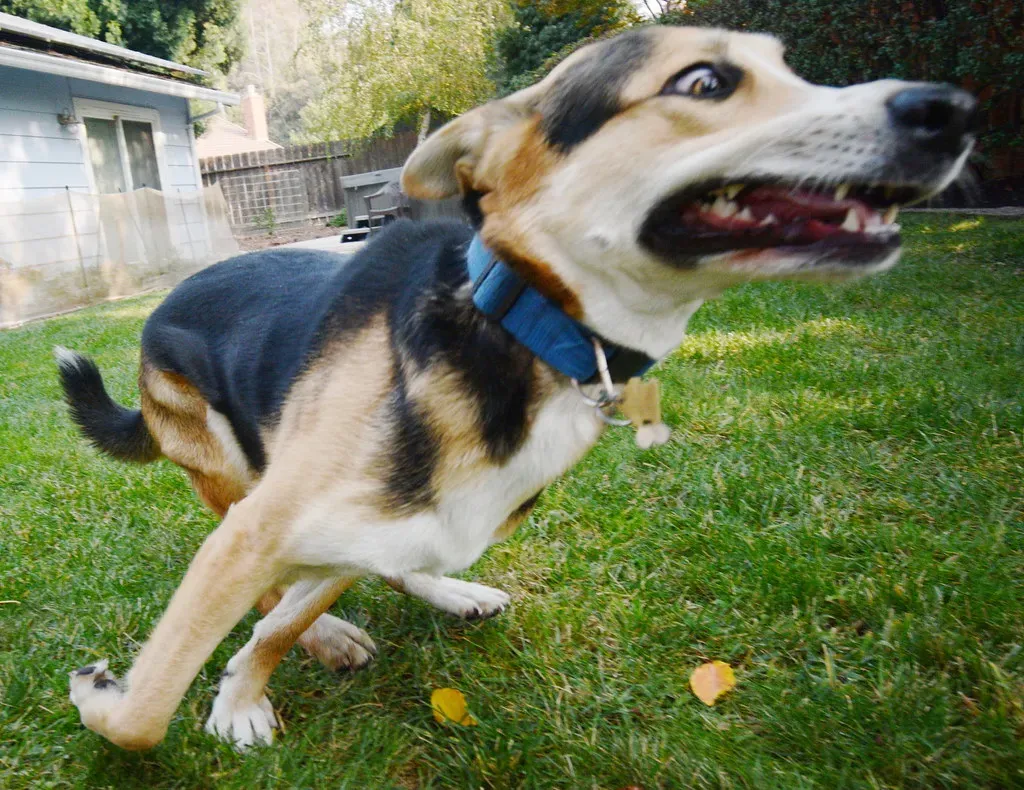
The classic zoomies – those wild bursts of running, spinning, and bouncing – often look like random silliness. But pay attention to the context: you come home from a hard day, you’re anxious, you’ve been crying, or your energy is low, and suddenly your dog turns into a furry missile. Dogs are exquisitely tuned into your emotional state through scent, posture, voice tone, and micro-expressions. Stress and anxiety change your body chemistry, from cortisol to sweat composition.
Your doctor might recommend exercise, deep breathing, or laughter as a way to shift your stress response. Your dog, without being told, often uses play and movement as their prescription. Zoomies can be a self-regulation tool for the dog, burning off their own tension, but they can also be a way to jolt you out of a stressed mental loop. It’s as if they’re throwing a living, bouncing interruption into your emotional system to trigger a physical and hormonal reset.
8. Pawing, Whining, or Staring Before Your Blood Sugar Crashes

In people with diabetes or blood sugar instability, dogs sometimes seem to “just know” when something is off. The dog may paw insistently, whine, bring a toy but refuse to play, or stare with unnerving intensity. From a medical standpoint, changes in blood sugar can alter your breath, sweat, and overall scent profile in recognizable ways, even before you feel obvious symptoms. Trained diabetic alert dogs are taught to associate those chemical patterns with a specific response.
What is surprising is how many untrained pet dogs still show a raw version of this awareness. They might not be perfect or consistent, but their behavior often lines up with real physiological shifts. Your doctor uses glucose meters and lab tests to track these levels; your dog uses millions of olfactory receptors and constant proximity. That frantic paw on your leg is not just neediness – it is sometimes your dog noticing your internal chemistry sliding out of its usual range.
9. Sniffing Your Groin or Armpits Like It’s Their Job
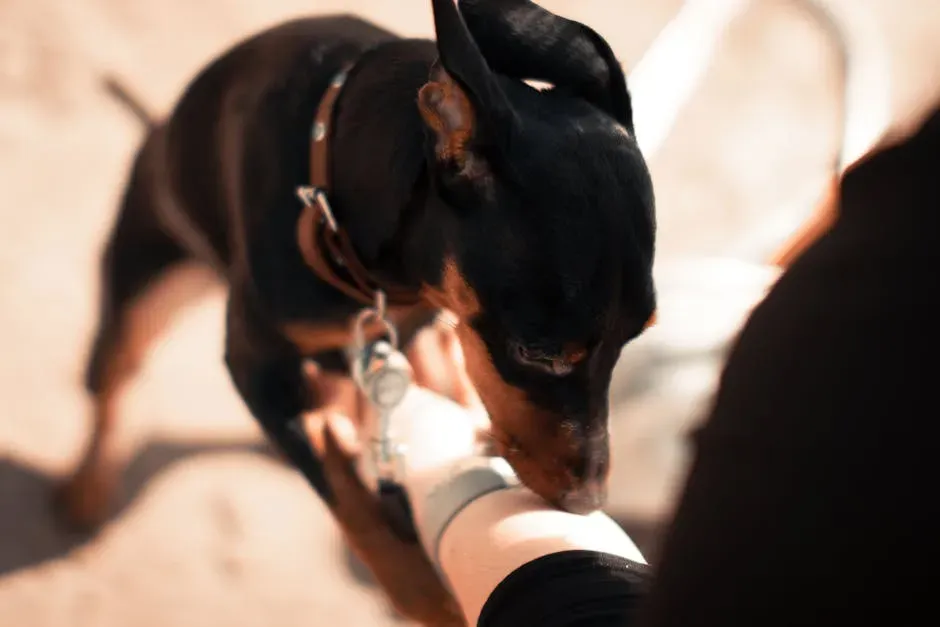
Few dog behaviors are more socially awkward than the intense groin or armpit sniff. It feels rude and embarrassing, especially around guests, but in biological terms your dog is going straight to the most information-dense hubs on your body. Those areas are rich in apocrine glands, which produce scent-linked secretions that shift with hormones, immune activity, and even some diseases. Doctors know that certain infections, metabolic conditions, and hormonal changes can affect body odor in those regions.
To your dog, those spots are like reading your health, mood, and hormonal status in bold print. Changes in menstruation, pregnancy, stress, sexual hormones, or infection can all tweak the scent profile. So when your dog repeatedly investigates those areas, they may be reacting to real underlying changes. It is not polite by human standards, but medically, they are doing exactly what a highly evolved scent-based species is built to do: sample your most chemically honest zones.
10. Refusing Walks or Play When You’re Sick or in Pain
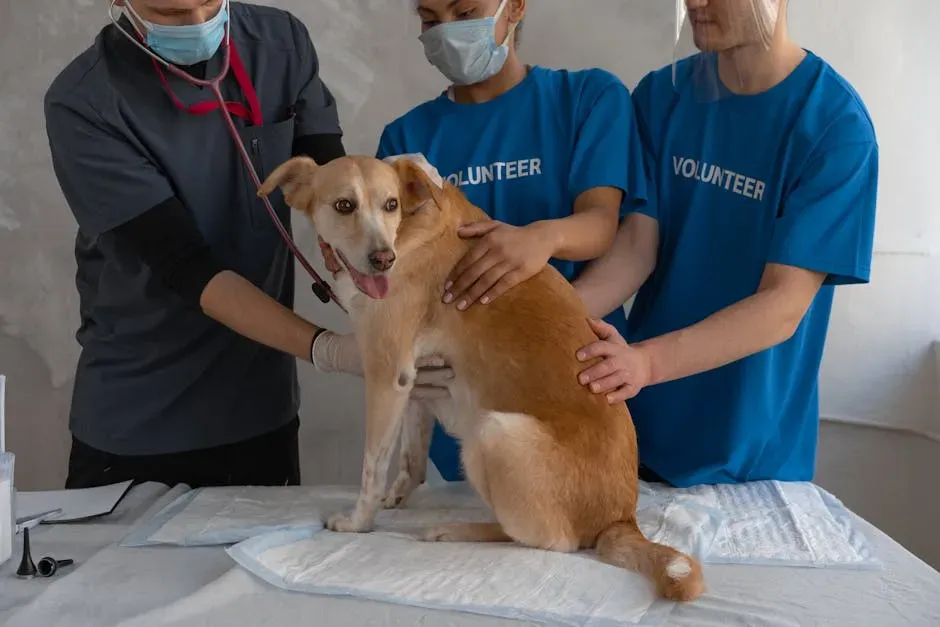
People often think dogs are always ready to go, no matter how you feel. Yet many dog owners notice that on days when they are sick, in pain, or emotionally drained, their usually energetic dog backs off. The dog may move more slowly, skip the usual zoomies, or be oddly gentle around them. Doctors use pain scales, physical exams, and imaging to detect discomfort, but dogs pick up on stiffness, altered gait, slower movements, flinching, and micro-changes in how you get up or sit down.
On top of that, your scent changes when you are fighting infection, inflammation, or exhaustion. Your dog is constantly sampling that without thinking about it. So when they choose to nap with you instead of begging for a run, it can reflect a deep, instinctive recognition that your body is not in its normal range. It looks like compassion, and emotionally it absolutely is, but beneath that is a quiet biological assessment that any doctor would find fascinating.
11. Barking or Alerting at Nothing Right Before You Feel Faint
That moment when your dog suddenly barks, starts pacing, or tries to get your attention for no obvious reason can feel random or annoying. But if you’ve ever felt dizzy, faint, or strangely off right after, there might be more to it. Fainting and near-fainting episodes are tied to changes in heart rate, blood pressure, skin temperature, and breathing patterns. Doctors see those shifts on monitors and EKGs; dogs sense them through touch, scent, and sound.
Some cardiac or syncope alert dogs are specifically trained to respond when they sense certain patterns, but even untrained dogs can notice when your body is about to hit a threshold. What looks like barking at the air can be a rough, instinctive attempt to intervene – to get you to sit, move, respond, or pay attention. In a strange way, your dog is acting like a noisy, overexcited vital-signs monitor with paws.
12. Curling Up on Injured or Aching Body Parts

Dogs have an uncanny habit of curling up exactly where you hurt: on your arthritic knee, against your lower back, across your chest, or near a healing incision. To you, it can feel sweet, coincidental, or even slightly uncomfortable if they are heavy. To someone with a medical background, the pattern is hard to ignore. Inflammation and injury often create more heat, different scent molecules, and subtle changes in how you protect or move that area.
Your dog is drawn to those changes and often responds by applying their warmth and weight, almost like a living heating pad. Light pressure and warmth can genuinely help relax muscle tension and soothe discomfort, which is why similar principles show up in physical therapy and pain management. So when your dog insists on lounging right on your sore spot, they are not just being clingy; they are responding to physical cues that line up with what your doctor would call a localized problem area.
Conclusion: Your Dog Is Not a Doctor – But They Are Definitely Not Random
Living with a dog sometimes feels like sharing your home with a furry little weirdo, and honestly, that is part of the charm. But when you start to look at their habits through a medical lens, those quirks start to look a lot more like instinctive health checks, emotional triage, and nonstop sensory surveillance. Your doctor uses labs, machines, and years of training; your dog uses a nose that puts our equipment to shame and a brain wired to care about the survival of its humans.
I am firmly in the camp that says we should respect what dogs notice without turning them into mystical fortune tellers. They are not a replacement for medical advice, but ignoring consistent, unusual behavior from a dog that knows you well is like ignoring a smoke alarm just because it does not have a degree. The most powerful takeaway is this: your body is constantly sending out signals, and your dog is listening in ways you cannot. The real question is, are you paying enough attention back to them?