
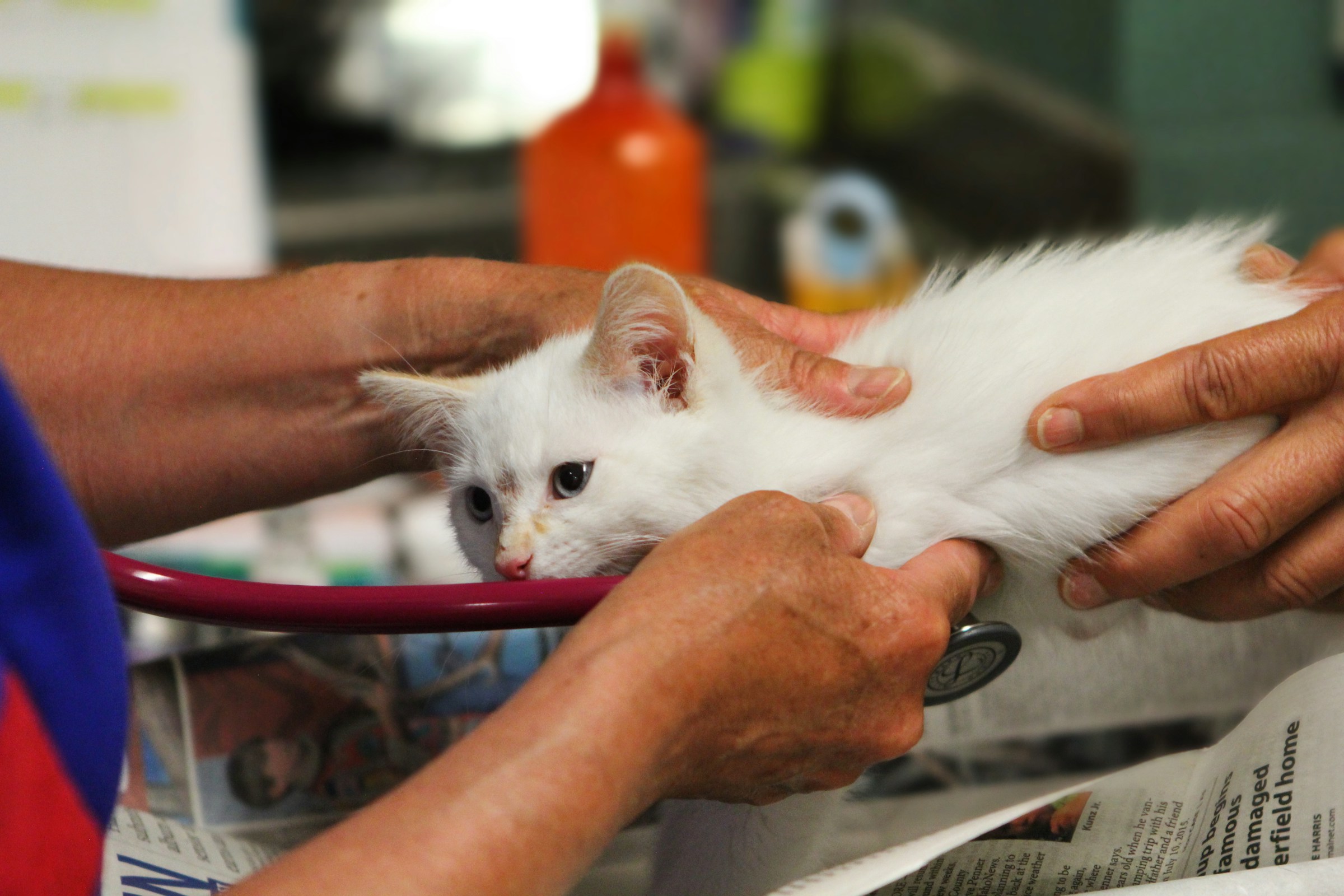
If you’ve ever stared at a vet bill and felt your stomach drop, you’re not alone. Modern veterinary care is incredible, but it can also be painfully expensive, especially as our cats live longer and develop the same chronic issues people do: kidney disease, diabetes, arthritis, dental problems and more.
The good news is that a huge chunk of those long-term costs is actually influenced by what you do at home. Think of your cat’s health like maintaining a car: a small habit you keep up with every week can prevent an eye‑watering repair ten years down the line. Let’s walk through practical, science-backed ways to keep your cat healthier for longer while protecting your bank account at the same time.
1. Feed for health, not for marketing claims

One of the biggest long-term health drivers is what ends up in your cat’s bowl every single day. A nutritionally complete, life‑stage‑appropriate diet that keeps your cat at a healthy weight can drastically lower the risk of diabetes, joint disease and some types of urinary and skin problems, all of which are costly to treat over years. Fancy packaging, buzzwords and celebrity branding are not indicators of quality; the formulation and how your cat’s body responds to it are what matter.
Look for foods that meet recognized nutritional standards for your cat’s life stage, have clear ingredient lists and are backed by feeding trials rather than just theoretical formulations. If you can, ask your vet which brands they trust and why, and focus less on trends like “grain‑free” and more on whether your cat maintains good body condition, normal stools and a shiny coat. Spending a bit more on an evidence‑based diet often saves you from “mystery” health issues and repeat vet visits years later.
2. Keep your cat lean to prevent silent, expensive diseases

Extra weight on a cat is not just a cosmetic issue; it is one of the most important predictors of long‑term veterinary costs. Overweight and obese cats are far more likely to develop diabetes, painful arthritis, breathing problems and even certain urinary tract diseases, all of which need ongoing medication, monitoring and sometimes emergency care. The cruel part is that many owners stop seeing their cat as overweight because it becomes their normal.
Get into the habit of assessing your cat’s body condition using a simple scale (you should be able to feel the ribs but not see them, with a visible waist from above). If your vet mentions that your cat is a little heavy, take it seriously and ask for a specific feeding amount and weight‑loss plan instead of just “try less food.” Over a lifetime, avoiding those “just a few extra ounces” can literally mean thousands saved in tests, insulin, pain meds and fat-related complications.
3. Brush their teeth before dental disease empties your wallet
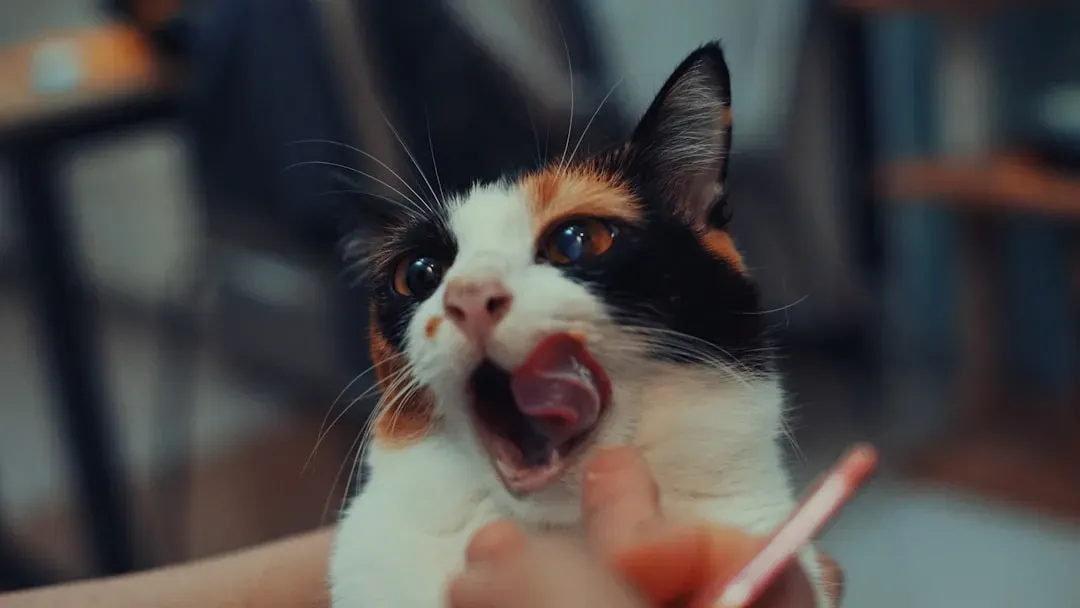
Dental disease in cats is incredibly common and often goes unnoticed until it is severe, painful and expensive to fix. Professional dental cleanings under anesthesia, extractions and treatment for oral infections can be some of the most shocking items on a vet bill. The twist is that your cat’s mouth usually starts going downhill years before you ever see obvious symptoms like drooling or bad breath.
Daily or even a few‑times‑per‑week toothbrushing with cat‑safe toothpaste is one of the highest‑value habits you can build. If brushing is absolutely impossible, talk to your vet about dental diets, oral gels or rinses that have proven plaque‑reducing effects, not just marketing. Preventing or slowing tartar build‑up and gum inflammation means fewer anesthetic procedures, fewer extractions and a much lower risk of dental‑related infections that can affect other organs.
4. Invest in preventive vet visits instead of crisis medicine
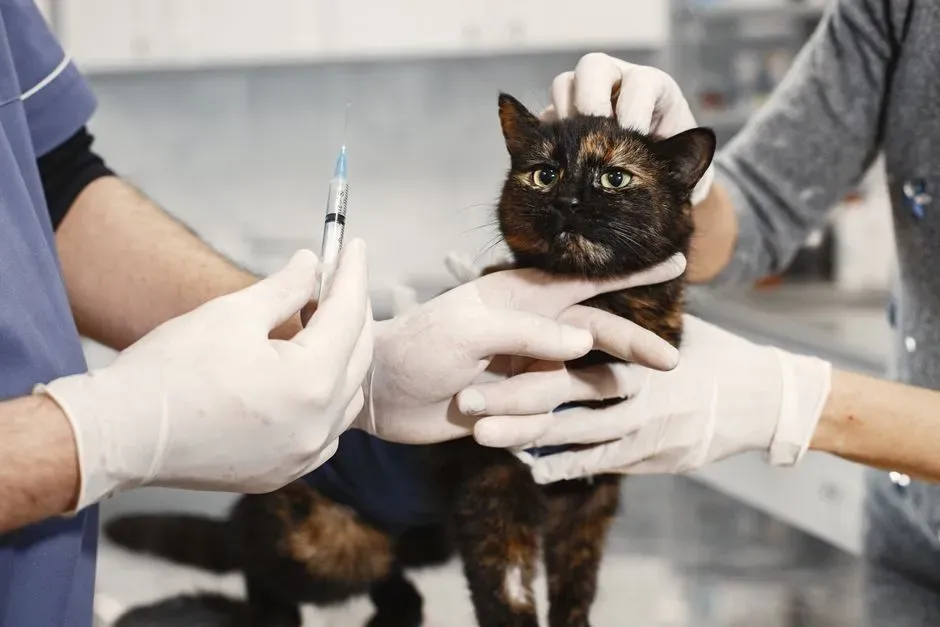
It’s tempting to skip annual checkups when your cat “seems fine,” especially if money is tight. But cats are masters at hiding illness, and by the time you see obvious signs like weight loss, decreased appetite or odd behavior, the disease is often advanced and more expensive to treat. A simple once‑a‑year exam, or twice yearly for seniors, lets your vet spot small changes in weight, heart sounds, kidneys, thyroid and teeth before they become huge, costly problems.
Think of routine wellness visits as your subscription to early detection. Basic bloodwork or urine tests at recommended intervals might feel like an added cost, but catching early kidney disease or hyperthyroidism can mean starting cheaper, simpler management instead of dealing with life‑threatening crises later. Over the lifetime of your cat, that shift from “wait until it’s obvious” to “catch it in the background” is one of the strongest ways to control healthcare costs.
5. Vaccinate and protect against parasites strategically
Vaccines and parasite prevention can feel like you are paying for something that might never happen, so some owners are tempted to stretch schedules or skip them altogether. The reality is that treating severe preventable diseases or heavy parasite infestations is almost always more expensive and riskier than preventing them. Hospitalization for a serious viral infection, or managing long‑term organ damage from certain parasites, can dwarf the cost of a responsible preventive protocol.
The key is to be smart and individualized, not just blindly doing every possible product every year. Talk with your vet about your cat’s actual lifestyle: indoor only, indoor‑outdoor, exposure to other animals, travel, local disease risks. Together you can adjust vaccine intervals to current guidelines and choose parasite control that is necessary but not overkill, making sure you get solid long‑term protection without wasting money on things your particular cat does not need.
6. Spay or neuter to cut future medical and behavioral costs

Spaying or neutering is often framed as a population control or behavior issue, but it is also a powerful long‑term cost‑saving decision. Intact female cats face real risks of uterine infections and certain mammary tumors, while intact males are more prone to roaming, fighting and injuries that land them in emergency care. Each of those scenarios carries a scary combination of risk and expense, often at inconvenient times like weekends or holidays.
Getting your cat fixed at an appropriate age is a one‑time procedure that dramatically reduces the likelihood of these high‑cost crises. It can also make it easier to keep cats indoors, avoid urine‑marking and reduce stress‑related illnesses linked to fighting and territory issues. Many communities offer low‑cost spay/neuter programs, so it is worth investigating early on rather than hoping you dodge the risks for the next decade.
7. Create a calm, enriched home to prevent stress‑driven illness

Stress is not just a feeling for cats; it is a medical risk factor. Chronic stress has been linked to urinary problems (including the scary, expensive urinary blockages that mostly affect male cats), digestive upsets, skin issues and over‑grooming. Environmental stressors include things we often overlook: sudden changes, loud environments, lack of hiding spots, boredom or conflict between cats in the same home.
Offering vertical spaces, hiding places, predictable routines and gentle playtime is not just about “spoiling” your cat; it is part of long‑term health care. For multi‑cat homes, extra litter boxes, multiple feeding areas and careful introductions can dramatically lower the odds of stress‑related vet visits. A calmer cat with good outlets for natural behaviors is less likely to develop those mysterious, recurring conditions that trigger endless testing and specialist appointments.
8. Keep litter habits under close surveillance
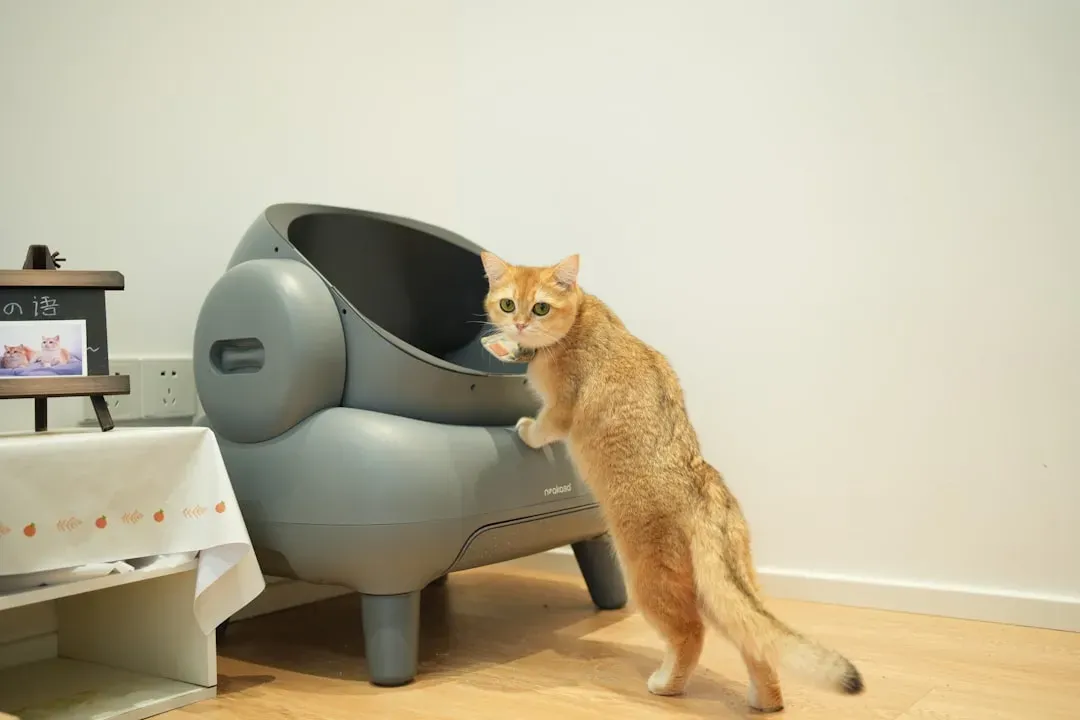
Your cat’s litter box is like a daily health report if you pay attention to it. Changes in how often they urinate, how much they produce, straining, blood, diarrhea or constipation are often early clues of urinary tract disease, kidney issues, diabetes or digestive problems. If you catch those changes early, treatment might be as simple as diet adjustments, increased hydration or a short course of medication, rather than emergency surgery or hospitalization.
Get into the routine of briefly scanning the litter box every day, even if the task is not glamorous. If you have multiple cats and want to be extra proactive, consider using separate boxes or clumping litter that makes changes easier to see. Acting on subtle litter‑box changes instead of waiting until your cat is visibly miserable can be the difference between a moderate invoice and a life‑threatening, extremely expensive after‑hours crisis.
9. Prevent accidents with smart indoor and outdoor choices
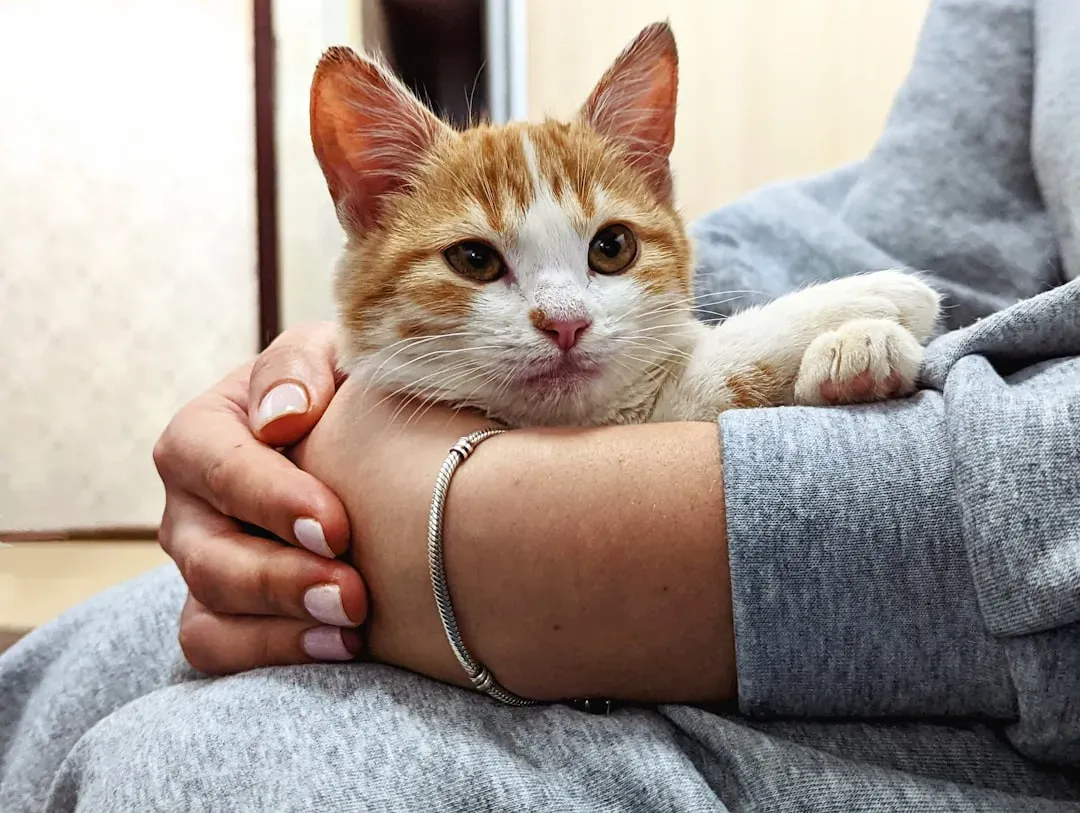
Many of the most financially devastating vet visits come from trauma: falls from balconies, car accidents, animal fights or toxin ingestion. While you can never eliminate all risk, you can stack the odds heavily in your favor with a few lifestyle choices. Keeping cats indoors or in secure outdoor enclosures, using window screens and checking plants and household products for toxicity can dramatically cut down the chances of emergency surgery or intensive care.
If your cat does go outdoors, consider supervised time, safe harness walks or catios rather than free roaming. Indoors, secure windows, keep medications and cleaners out of reach and be cautious with string, hair ties, and small objects that can cause intestinal blockages. Each avoided accident is not just saved money; it is also avoided pain and trauma for a cat that trusts you to keep their world reasonably safe.
10. Shop smart for medications, but never cut corners on safety

Long‑term medications for issues like arthritis, thyroid disease or allergies can add up fast, and it is natural to look for ways to avoid paying the highest price every month. In many places, your vet can provide written prescriptions that you can fill at reputable online pharmacies or human pharmacies when appropriate, often at a lower cost. Comparing prices between safe sources can make chronic treatment significantly more affordable without compromising care.
The danger is going for the absolute cheapest option without checking legitimacy, which risks counterfeit or unsafe products that can harm your cat and end up costing more in the long run. Always make sure online pharmacies are properly licensed, and be honest with your vet about where you plan to buy; a good clinic will usually support cost‑conscious choices as long as your cat’s safety is not at risk. Trying to stretch medication by changing doses or skipping days without guidance, on the other hand, tends to backfire medically and financially.
11. Consider pet insurance or a dedicated savings fund

Big, unexpected vet bills are what push a lot of people into heartbreaking decisions, even when they want to do everything for their cat. Pet insurance, especially if purchased when the cat is young and healthy, can soften the blow of accidents, surgeries and major illnesses later. It does not erase costs, and it is not perfect, but it can be the difference between “I have options” and “I have to decline necessary care.”
If insurance is not the right fit for you, a disciplined personal pet emergency fund can serve a similar purpose. Automatically setting aside a modest amount each month into a separate account specifically for veterinary expenses turns future “surprises” into something you have at least partly prepared for. The point is not to predict everything, but to reduce the financial shock so you are not forced into the most expensive kind of care: last‑minute, panic‑driven decisions with no cushion.
12. Build a real partnership with your vet, not a once‑a‑year transaction
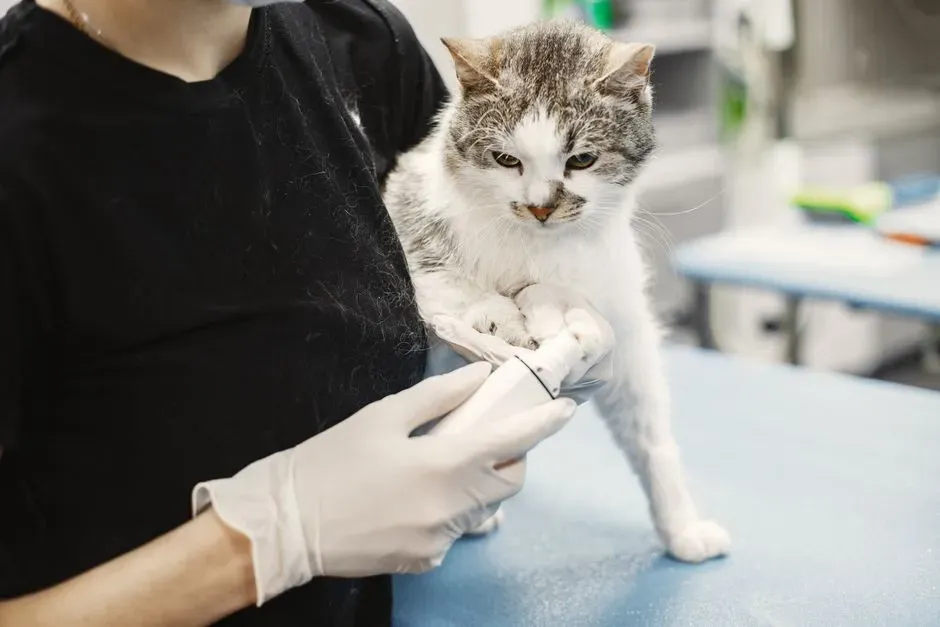
One of the most underrated ways to reduce long‑term costs is having a genuine, ongoing relationship with a veterinarian you trust. When your vet knows your cat’s normal behavior, history and your financial reality, they can help you prioritize tests, choose cost‑effective treatments and avoid unnecessary extras. You are far more likely to catch problems early and manage them efficiently if you feel comfortable asking questions and being honest about money.
From my own experience, the vets who saved me the most money in the long run were not the cheapest on paper; they were the ones who took time to explain trade‑offs and suggested practical prevention tailored to my particular cat. It is okay to ask about options, generic drugs, staged diagnostics or home monitoring; a good vet will not be offended. Over the years, that kind of collaborative, transparent relationship turns into one of the strongest protections against both surprise illnesses and surprise invoices.
Conclusion: Spending wisely now to avoid heartbreak later
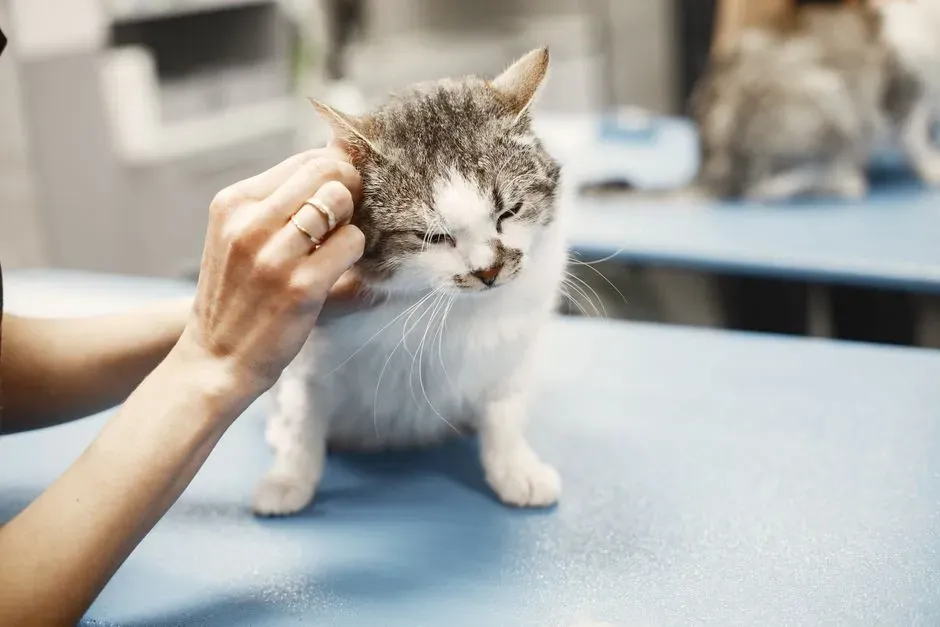
When you zoom out, reducing your cat’s long‑term healthcare costs is not really about hunting for discounts or hoping you never face a big bill. It is about playing a long game: feeding well, keeping weight under control, preventing disease where you can and catching issues when they are still small and cheap to manage. The money you invest in routine care, a low‑stress environment and honest communication with your vet is like slow, steady armor against future financial shocks.
I tend to think of it this way: would I rather pay a predictable, manageable amount for prevention and early intervention, or roll the dice and hope I can somehow afford a major emergency at three in the morning? Your cat does not get to choose, but you do, and those choices ripple through every year of their life and every line item on your vet receipts. Looking at your own cat right now, what is one small change you can make today that future‑you will be grateful for when your cat is older and still purring beside you?


