
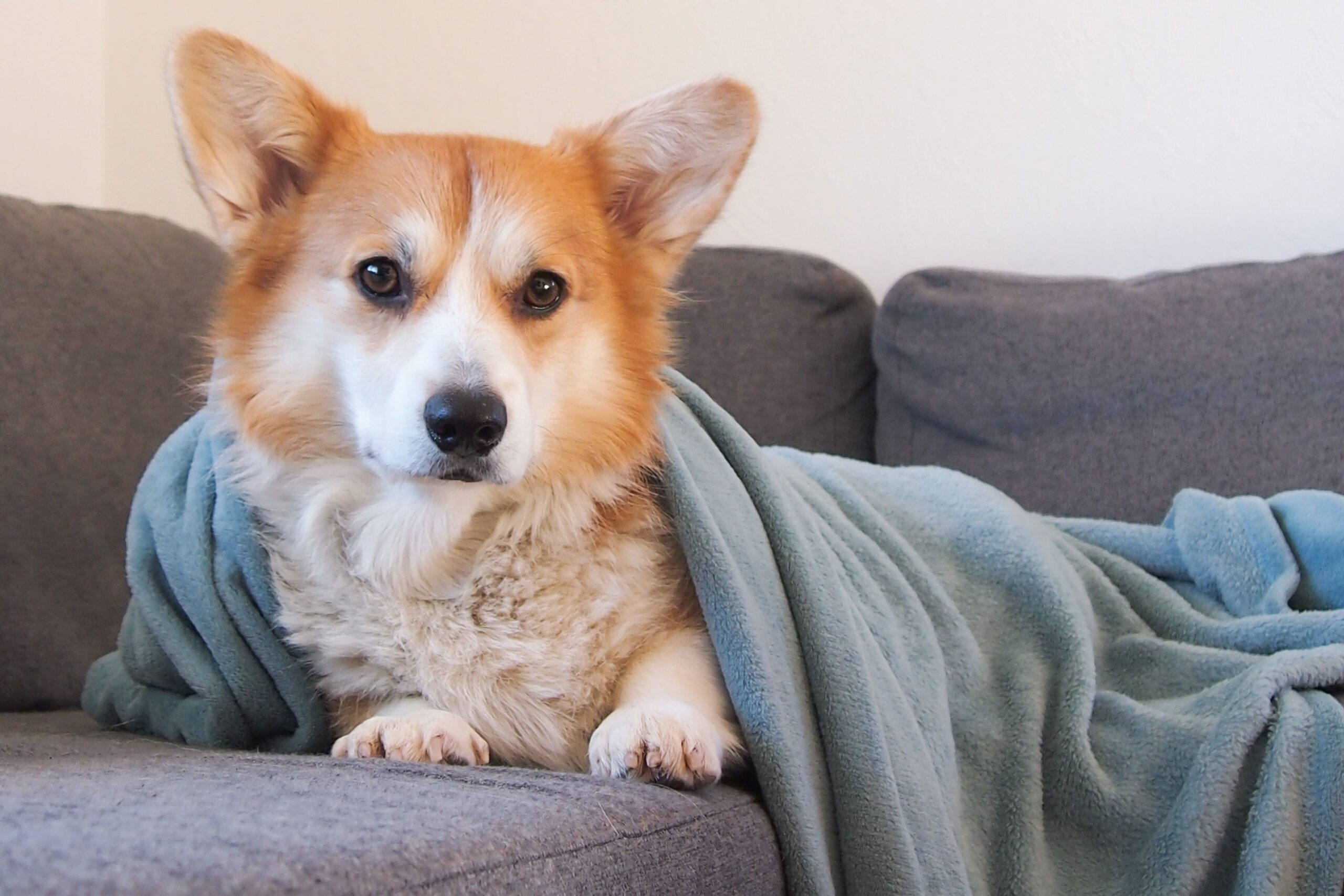
If you’ve ever watched your dog drag the same ragged blanket from room to room like it’s treasure, you might’ve wondered what on earth is going on in that furry little head. Is it just a cute quirk, or does that blanket actually mean something more?
The truth is, for many dogs, is so much more than fabric. It’s safety, routine, emotional support, and even a way to cope with the chaos of the human world. Once you see blankets through your dog’s eyes, you’ll probably never look at that chewed-up old throw the same way again.
The Science Of Security: How Blankets Calm A Dog’s Nervous System
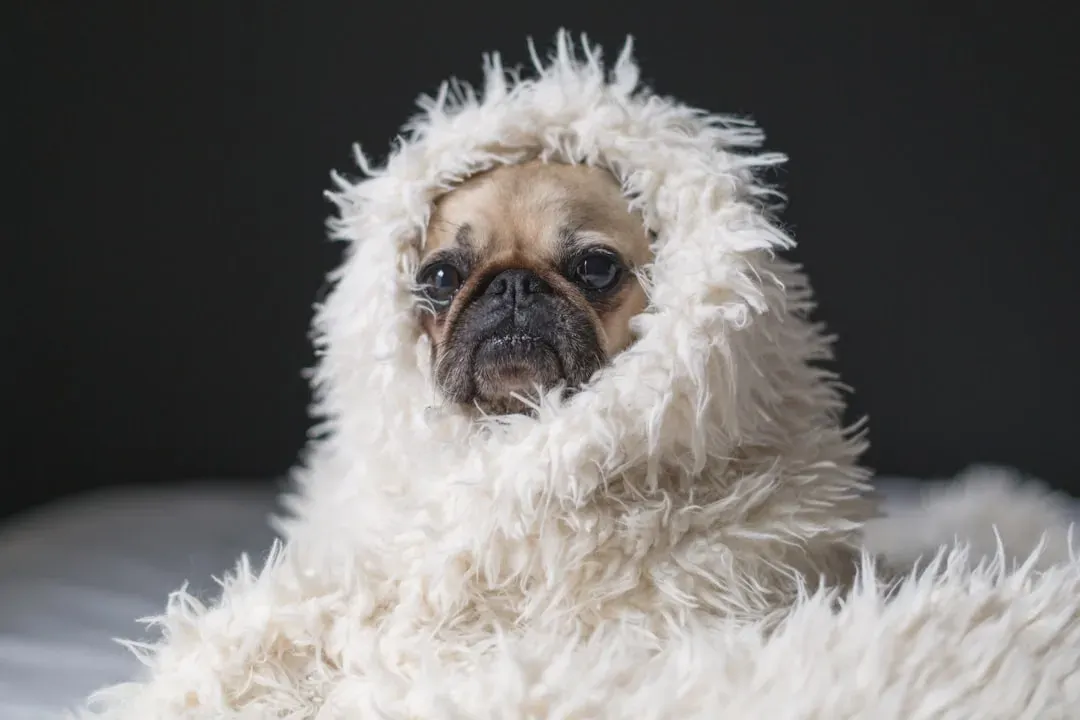
Imagine being dropped into a world where the rules constantly change, the sounds are loud, and you don’t control when you eat, sleep, or leave the house. That’s daily life for a lot of dogs, and it can be stressful. A familiar blanket becomes a predictable anchor in all that unpredictability, and the brain loves predictability because it reduces feelings of threat.
When a dog curls up on a well-loved blanket, their body often shifts into a more relaxed state: slower breathing, softer muscles, and a calmer heartbeat. Having a consistent, cozy surface to retreat to can help lower overall stress, a bit like how a weighted duvet or favorite hoodie helps some humans wind down after a long day.
Scent, Memory, And Comfort: Why “Smell” Is Everything

Dogs experience the world through scent in a way we can barely imagine, and is like a personal memory foam of smells. It holds traces of you, your home, and your dog’s own scent, layering into a familiar smellscape that whispers safety every time they lie down. Even if the blanket looks disgusting to you, to your dog it probably smells like home, routine, and their favorite people.
This scent connection is especially powerful during moments of separation or change. When you leave the house, that blanket still smells like you, and that alone can make the absence feel less intense. It’s the same reason many puppies settle more easily at night with a blanket that smells like their breeder, their litter, or their new person: their nose is telling them they’re not completely alone.
From Puppyhood To Adulthood: How Comfort Objects Start Early

A lot of dogs start building emotional bonds with soft items while they’re still puppies. They might snuggle against a towel that smells like their mom or curl up with a soft toy in the crate, learning that cuddling something warm and familiar means it’s time to rest. These early experiences wire their brains to associate certain textures and smells with safety and sleep.
As they grow, that pattern often sticks around, even if the specific object changes. A puppy who learned to settle with a blanket or toy will often carry that behavior into adulthood, swapping their baby blanket for a larger bed, a specific throw, or even one of your sweatshirts. It’s not immaturity or “neediness”; it’s a coping skill they developed early and kept because it works.
Anxiety, Change, And The Comfort Blanket “Safety Signal”
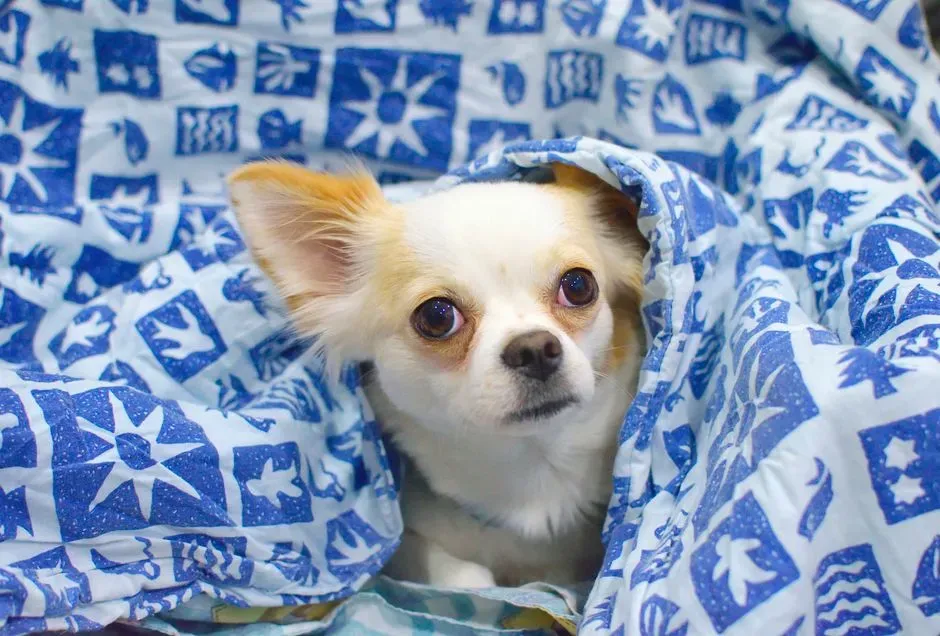
Big life changes hit dogs hard, even when we think they’ll just adapt. Moving house, a new baby, a different schedule, or loud renovations can all crank up a dog’s anxiety. In all that noise, becomes a kind of safety signal, something that says: this thing is the same, even when everything else is different.
Some dogs naturally seek out their blanket during thunderstorms, fireworks, or when guests come over. Others learn, through repetition, that going to their blanket or bed is how they cope in strange situations. I’ve seen nervous dogs in busy households quietly slip away to “their” blanket the moment the energy spikes, like someone ducking into a quiet room at a crowded party just to breathe.
Cozy Physiology: Warmth, Softness, And Better Sleep

There’s also a very simple, physical side to all of this: warmth and comfort. Dogs, especially smaller breeds, seniors, and thin-coated pups, lose body heat faster than we do when they lie on hard, cold floors. A soft blanket traps warmth, cushions their joints, and makes rest physically easier on the body, which in turn makes sleep calmer and deeper.
Better sleep isn’t just a nice bonus; it’s a huge piece of overall behavior and health. Dogs who sleep well tend to be less reactive, more tolerant, and generally more balanced. that helps them relax, nap, and feel safe in their spot can actually reduce crankiness, just like how a child who naps well is less likely to melt down over small stuff.
Independence Training: Using A Blanket As A “Safe Zone” Cue

isn’t only about soothing feelings; it can also be a powerful training tool. Many trainers teach a “place” or “bed” cue, where the dog learns that when they go to their mat or blanket, good things happen: treats, calm time, or just your steady presence. Over time, that surface becomes a cue in itself, telling the dog this is where you can switch off and relax.
This is incredibly helpful for teaching dogs to settle instead of bouncing off the walls, especially in busy homes. Instead of constantly telling your dog what not to do, you’re giving them a clear, comfy alternative: go to your blanket, chill out, and the world gets quieter. It turns the blanket into a safe zone with its own rules – a little island of calm your dog can always escape to.
Not Just “Spoiling”: Challenging The Tough-Dog Myth

There’s still this stubborn idea floating around that dogs should just “deal with it” and that giving them comfort items is spoiling them or making them weak. Honestly, that mindset is outdated. We now know a lot more about canine stress, fear, and emotional needs, and pretending dogs don’t feel those things doesn’t make them go away.
doesn’t turn a dog into a baby; it gives them a healthy way to self-soothe, the same way a runner might use music to calm pre-race nerves or someone might grab a favorite mug for tea after a hard day. Supporting your dog’s emotional wellbeing with simple tools like a blanket isn’t overindulgence – it’s responsible, compassionate care.
When A Blanket Is Not Enough: Red Flags To Watch For

That said, isn’t a magic fix for every behavior or emotional issue. If your dog is obsessively chewing or guarding their blanket, or if they melt down whenever it’s out of sight, that can hint at deeper anxiety or frustration that needs more than just a cozy spot. In those cases, the blanket is more like a bandage on something that really needs a proper diagnosis.
It’s also worth paying attention if your dog seems constantly anxious, even with all their usual comforts. Excessive pacing, nonstop barking, sudden changes in appetite, or being unable to settle can be signals that it’s time to talk with a vet or a qualified behavior professional. should make a good life even better, not be your only line of defense against a life that already feels overwhelming for your dog.
Conclusion: A Small Blanket, A Big Act Of Kindness
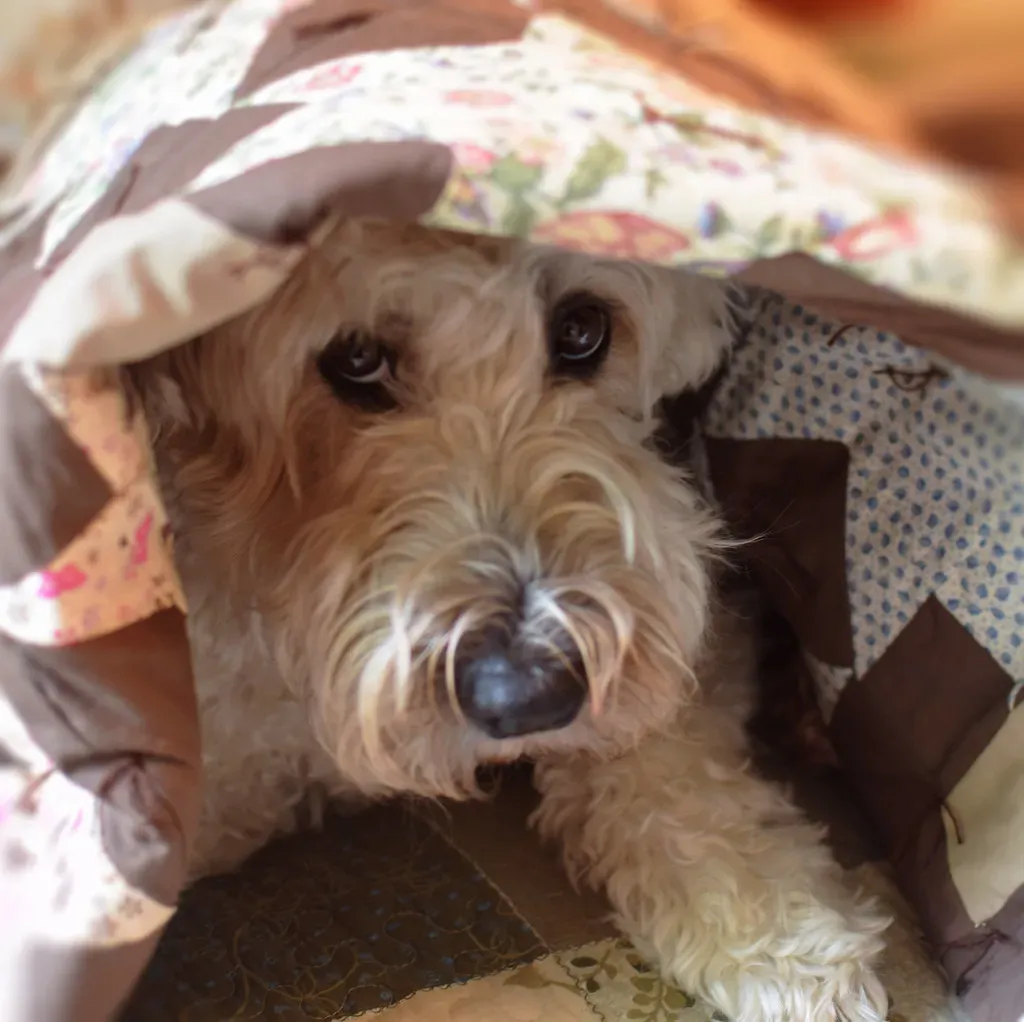
In the end, is a tiny thing that carries a lot of emotional weight. It’s part science, part habit, part pure feeling – warmth, scent, safety, and routine woven into something your dog can drag around and call their own. I used to roll my eyes at how attached dogs could be to old, shredded blankets, but the more I learned, the more I started to see those crumpled piles of fabric as quiet evidence of trust.
Giving your dog is really just saying: I see that this world can be loud and confusing for you, and I’m willing to make it softer where I can. It’s a small, everyday act of respect for the emotional life of an animal that depends on us for everything. So next time you’re tempted to toss that old dog blanket in the trash, pause and ask yourself: what if, to your dog, that’s not junk at all, but their little piece of peace?


