
12 Ways Your Dog Has Already Told You They Are in Pain and You Did Not Recognize the Signal

Dogs are masters at concealing discomfort, a survival instinct inherited from their wild ancestors. This natural tendency means that, as a pet owner, you might miss subtle signs indicating your furry friend is in pain. Recognizing these understated cues is crucial for ensuring your dog’s well-being. Here are 12 ways your dog may be signaling pain without you realizing it.
1. Altered Eating Habits
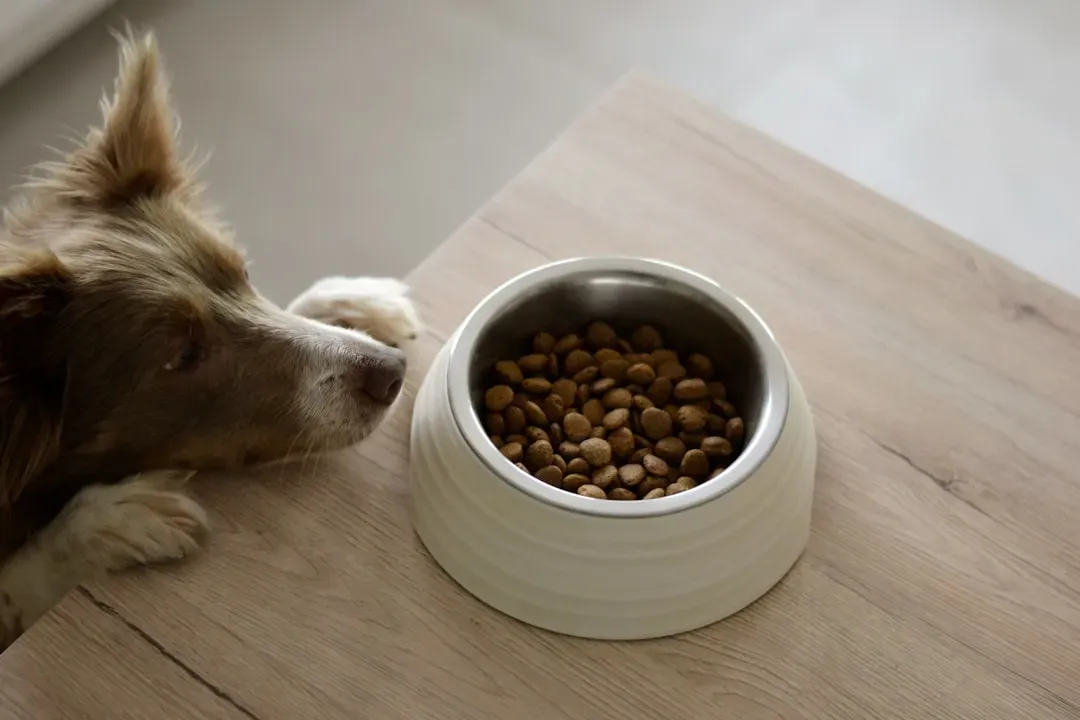
A sudden disinterest in food or difficulty chewing can be a red flag. Dental issues, such as toothaches or gum disease, often cause dogs to eat less or favor one side of their mouth. Additionally, abdominal discomfort can lead to a decreased appetite, as eating may exacerbate the pain.
Observing your dog’s eating patterns is essential. If they consistently leave food untouched or show reluctance during mealtime, it’s time to consult your veterinarian.
2. Excessive Licking or Chewing
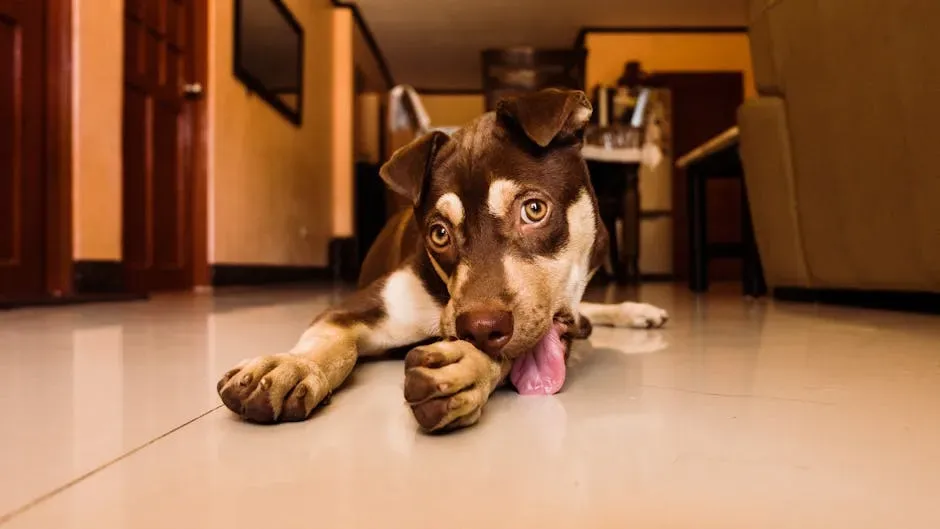
Dogs often lick or chew a specific area to soothe discomfort. This behavior can indicate pain from arthritis, injuries, or skin conditions. Over time, this can lead to hair loss or skin irritation in the affected area.
Pay attention to any obsessive grooming behaviors. If your dog focuses on a particular spot, it’s worth investigating further.
3. Unusual Vocalizations

While some dogs are naturally more vocal, an increase in whining, whimpering, or yelping can signal pain. These sounds may occur when your dog moves, is touched, or even at rest.
It’s important to note any changes in your dog’s vocal behavior, especially if they seem to be expressing discomfort without an apparent cause.
4. Changes in Sleeping Patterns

Pain can disrupt your dog’s sleep. They might sleep more to avoid discomfort or struggle to find a comfortable position, leading to restlessness. Frequent position changes during sleep can also be a sign.
Monitoring your dog’s sleep habits can provide insights into their health. Persistent changes warrant a veterinary check-up.
5. Decreased Activity Levels

A once energetic dog becoming lethargic or reluctant to play can indicate pain. Joint issues, injuries, or internal discomfort can make movement painful, leading to decreased activity.
If your dog seems less enthusiastic about walks or playtime, it’s essential to consider pain as a potential cause.
6. Aggression or Irritability
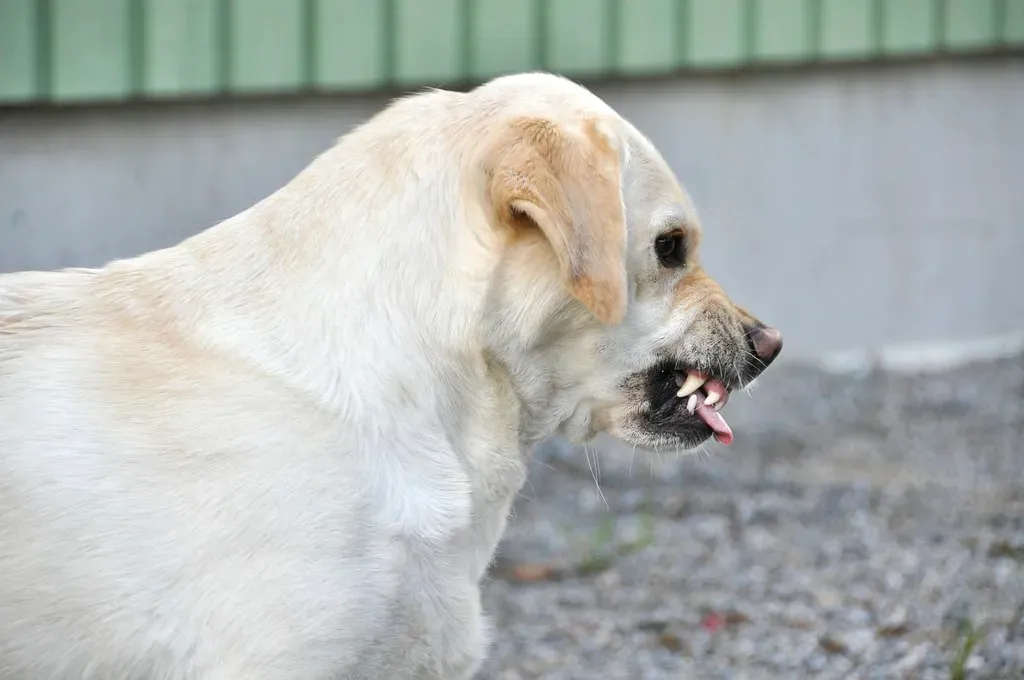
Pain can make dogs more irritable or aggressive, especially when touched in a sensitive area. A normally friendly dog growling or snapping can be a defensive response to pain.
Understanding that behavioral changes can stem from discomfort is crucial. Approach your dog gently and seek professional advice if aggression arises suddenly.
7. Restlessness
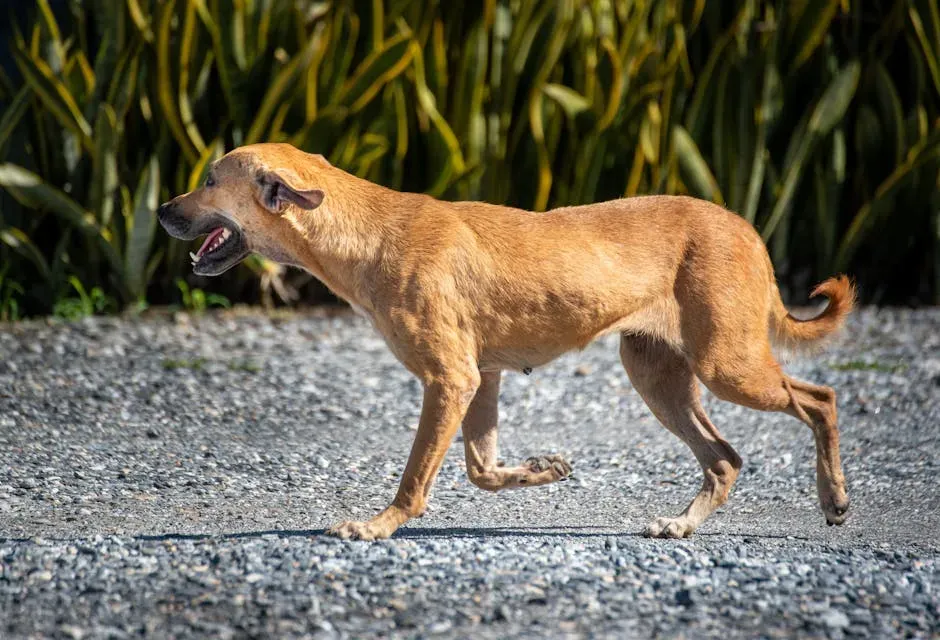
Inability to settle, constant shifting positions, or pacing can be signs of discomfort. Your dog may struggle to find a comfortable position due to pain.
Observing your dog’s rest patterns can help identify underlying issues. Persistent restlessness should prompt a veterinary visit.
8. Altered Posture
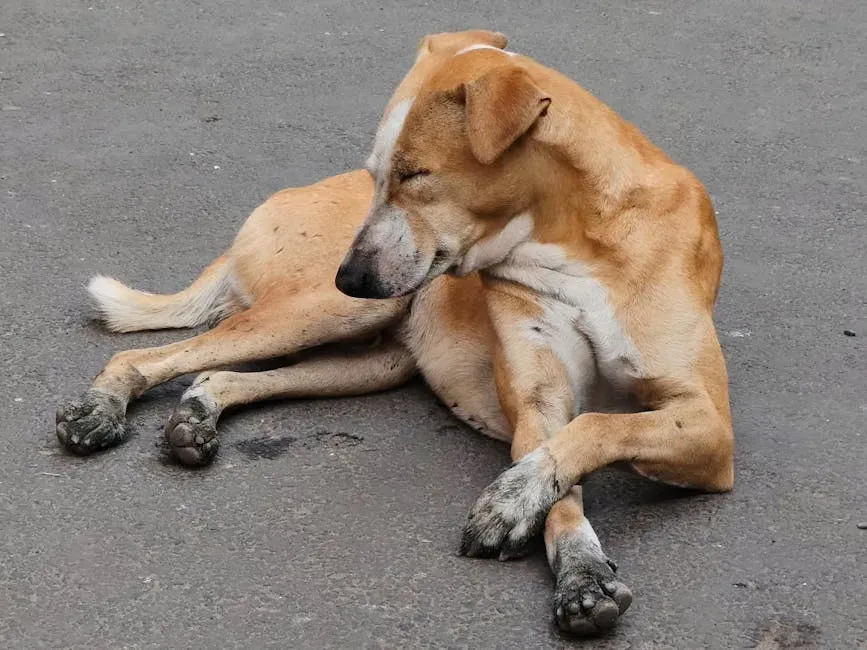
A hunched back, tucked tail, or a prayer position (front legs stretched out, rear end up) can indicate abdominal pain. Changes in posture are often subtle but telling signs of discomfort.
Regularly observing your dog’s stance and posture can help detect early signs of pain.
9. Panting More Than Usual
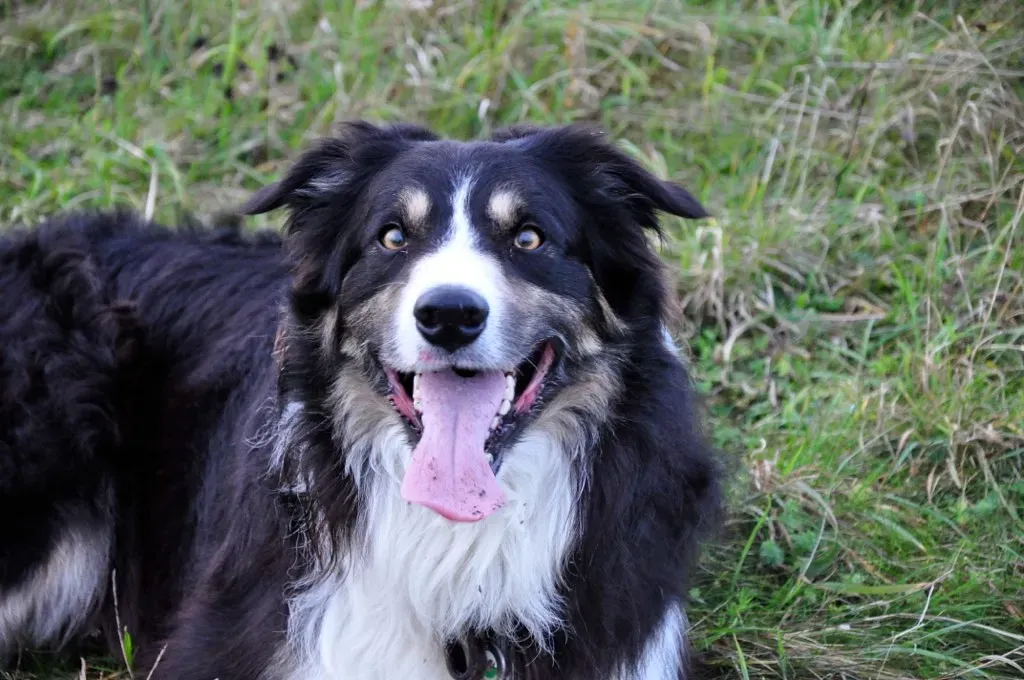
While panting is normal after exercise or in warm weather, excessive panting at rest can be a sign of pain. Pain-induced panting is often accompanied by other signs like restlessness or vocalization.
If your dog pants heavily without an obvious reason, it’s advisable to consult your veterinarian.
10. Trembling or Shaking

Shaking can result from cold, fear, or excitement, but it can also indicate pain, especially in older dogs. Conditions like arthritis or internal pain can cause trembling.
Noticing when and how often your dog shakes can provide clues to their health status.
11. Avoiding Physical Contact
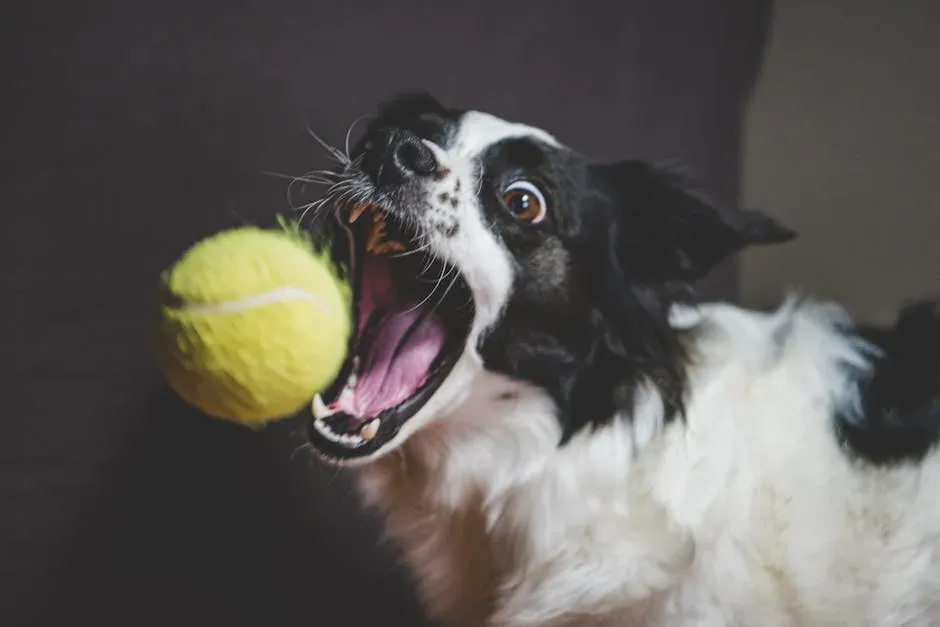
A dog that suddenly avoids being petted or touched may be experiencing pain. They might flinch, move away, or even growl when approached.
Respecting your dog’s space and noting changes in their comfort with touch is essential for their well-being.
12. Changes in Bathroom Habits
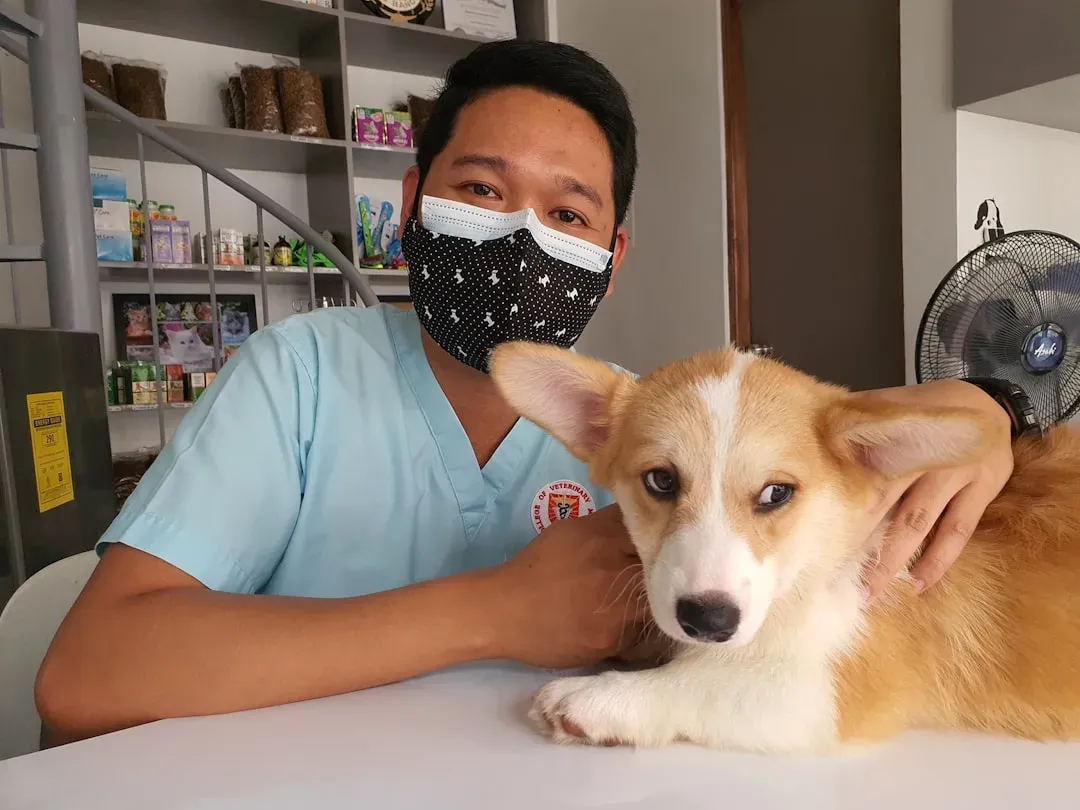
Difficulty urinating or defecating, accidents in the house, or straining can indicate pain. Issues like urinary tract infections or arthritis can make bathroom routines painful.
Monitoring your dog’s elimination habits can help detect health issues early.
Recognizing these subtle signs is vital for your dog’s health and happiness. If you notice any of these behaviors, consult your veterinarian promptly. Early detection and treatment can prevent more serious health issues and ensure your dog leads a comfortable life.
Remember, your dog relies on you to interpret their silent signals. By staying attentive and proactive, you can ensure they receive the care they need.