
7 Things That Happen Inside a Dog’s Body When Their Owner Cries That Scientists Have Only Recently Measured

Have you ever noticed your dog acting differently when you’re upset? It’s not just your imagination. Recent scientific studies have uncovered fascinating insights into how dogs physically and emotionally respond when their owners cry. Let’s delve into seven remarkable changes that occur within a dog’s body during these moments.
Elevated Cortisol Levels

When a dog perceives their owner in distress, their body releases cortisol, the primary stress hormone. This hormonal surge prepares the dog to respond to the emotional state of their human companion. Interestingly, this reaction mirrors the physiological response humans experience during stressful situations.
In a study where dogs were exposed to the sound of a human infant crying, both the dogs and human participants exhibited significant increases in cortisol levels. This parallel response suggests a deep-seated emotional connection between dogs and humans, highlighting the profound bond we share with our canine friends.
Increased Heart Rate
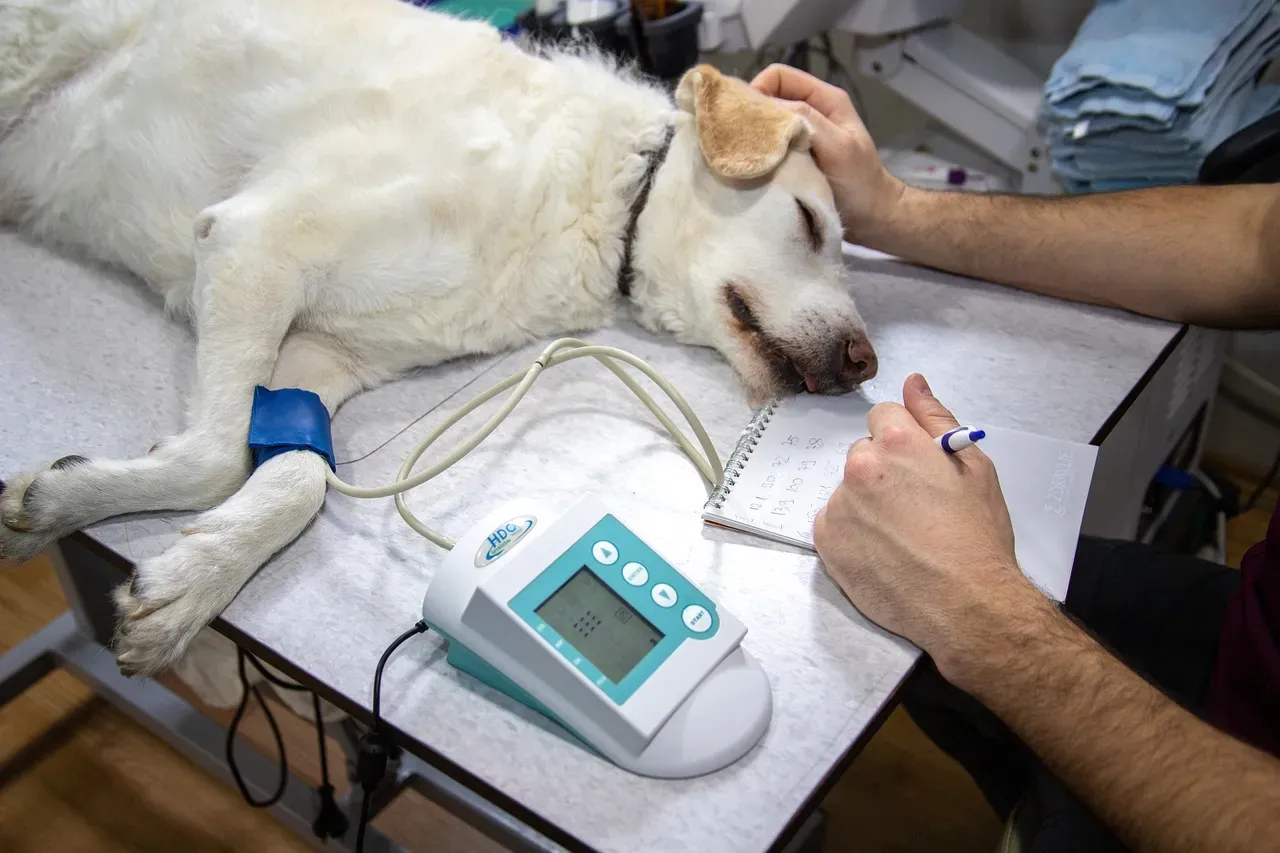
Alongside hormonal changes, a dog’s heart rate can escalate when they detect their owner’s sadness. This physiological response indicates heightened alertness and readiness to act, reflecting the dog’s sensitivity to their owner’s emotional state.
Research has shown that dogs exhibit changes in heart rate variability when exposed to human emotional expressions, such as crying or laughing. This suggests that dogs are not only aware of human emotions but also physically attuned to them, reinforcing the idea of emotional contagion between species.
Altered Gaze Patterns

Dogs are keen observers of human behavior, and their gaze patterns shift notably when their owner is crying. They tend to maintain longer eye contact, possibly as a means to assess the situation and offer comfort.
Studies have demonstrated that dogs can distinguish between different human emotional expressions and adjust their behavior accordingly. This ability underscores their remarkable capacity for empathy and social bonding with humans.
Behavioral Changes

When sensing their owner’s distress, dogs often exhibit comforting behaviors such as approaching, nuzzling, or licking. These actions are believed to be attempts to alleviate their owner’s sadness and demonstrate empathy.
In experiments where humans pretended to cry, dogs were more likely to approach and engage in comforting behaviors compared to when the person was humming or talking. This behavior suggests that dogs are not only sensitive to human emotions but also motivated to provide comfort.
Emotional Contagion

Emotional contagion refers to the phenomenon where one individual’s emotions trigger similar emotions in another. Dogs have been observed to experience emotional contagion, mirroring their owner’s emotional state.
Research indicates that dogs can synchronize their behavior and physiological responses with their owners, suggesting a shared emotional experience. This synchronization may be a result of the close bond and co-evolution between humans and dogs.
Activation of the Oxytocin System

Oxytocin, often dubbed the “love hormone,” plays a crucial role in social bonding. When dogs interact with their distressed owners, their oxytocin levels can increase, promoting feelings of attachment and comfort.
Studies have found that mutual gazing between dogs and their owners can lead to increased oxytocin levels in both parties, strengthening the emotional bond. This hormonal response may explain why dogs are so effective at providing comfort during times of distress.
Heightened Sensory Perception

Dogs possess an extraordinary sense of smell, allowing them to detect subtle changes in human body odor associated with emotional states. When an owner cries, chemical changes in their body can alter their scent, which dogs can perceive.
Research has shown that dogs can distinguish between human emotional chemosignals, such as those associated with fear or happiness. This ability enables them to respond appropriately to their owner’s emotional cues, further demonstrating their sensitivity and attunement to human emotions.
In conclusion, the bond between dogs and their owners is deeply rooted in both emotional and physiological connections. When an owner cries, a cascade of changes occurs within a dog’s body, reflecting their empathy and attunement to human emotions. These findings not only deepen our understanding of canine behavior but also highlight the profound interspecies connection that has developed over thousands of years. So, the next time you’re feeling down and your dog comes to comfort you, remember that their response is backed by a complex interplay of biology and emotion. Isn’t it remarkable how our furry friends can sense and respond to our feelings in such intricate ways?