
12 Ways Your Dog Has Already Told You They Are in Pain and You Did Not Recognize the Signal

You know your dog better than anyone… or at least you think you do. But what if they have been quietly telling you they are hurting, and you’ve been brushing it off as “just getting older,” “a bit moody today,” or “being stubborn”? That idea alone is enough to make your stomach drop.
Dogs rarely scream for help the way we imagine. Most of the time, their pain shows up as tiny changes in behavior, posture, or routine that are incredibly easy to miss when life is busy. I still think about the time I chalked up my own dog’s slow walks to laziness – turned out it was early arthritis. Once you learn these subtle signs, you can never unsee them, and that’s actually a good thing. It means you’ll catch problems earlier, ease their suffering faster, and maybe even add years of comfort to their life.
#1: Sudden “Velcro” Clinginess or Unusual Withdrawal

One of the most surprising signs of pain is a sudden shift in how close your dog wants to be to you. A dog that usually enjoys some independence but suddenly becomes glued to your side, follows you from room to room, or seems unable to settle unless they’re touching you may be seeking comfort because something hurts. It’s as if they’re quietly saying, “I don’t feel right, please stay with me,” without making a sound.
The flip side is just as important: a normally cuddly, social dog that suddenly prefers to hide under the table, stay in another room, or avoid being touched can also be in pain. Many people misread this as their dog being grumpy or “in a mood,” but withdrawal is often a coping strategy. When you see a big change either way – clingier or more distant – especially if it happens out of the blue, it’s worth asking yourself if pain might be behind it.
#2: Changes in Eating, Drinking, or Drooling
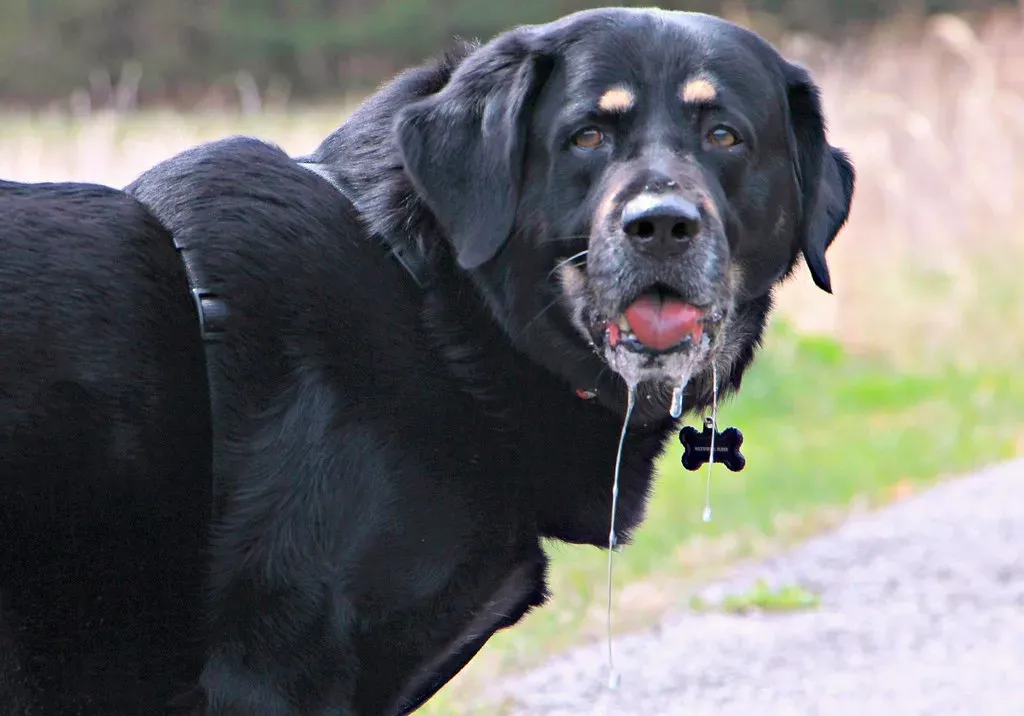
We tend to notice only when a dog completely stops eating, but pain often shows up as more subtle food changes. A dog with dental pain, for example, may still run to the bowl but then eat slowly, drop kibble out of their mouth, chew on one side only, or walk away before finishing. You might see them struggle with harder treats they used to crush happily, or they may seem interested in food but weirdly hesitant to actually take it.
Excessive drooling, pawing at the mouth, or bad breath that suddenly gets much worse can all point to discomfort in the teeth, gums, or even deeper structures like the jaw or throat. On the other hand, some painful conditions, especially those involving the gut, can kill appetite altogether or cause a dog to drink more or less than usual. The key is change: when your dog’s normal eating and drinking pattern shifts without an obvious reason, consider that pain could be part of the story, not just “picky eating.”
#3: Limping, But Also the Tiny Gait Changes You Shrug Off
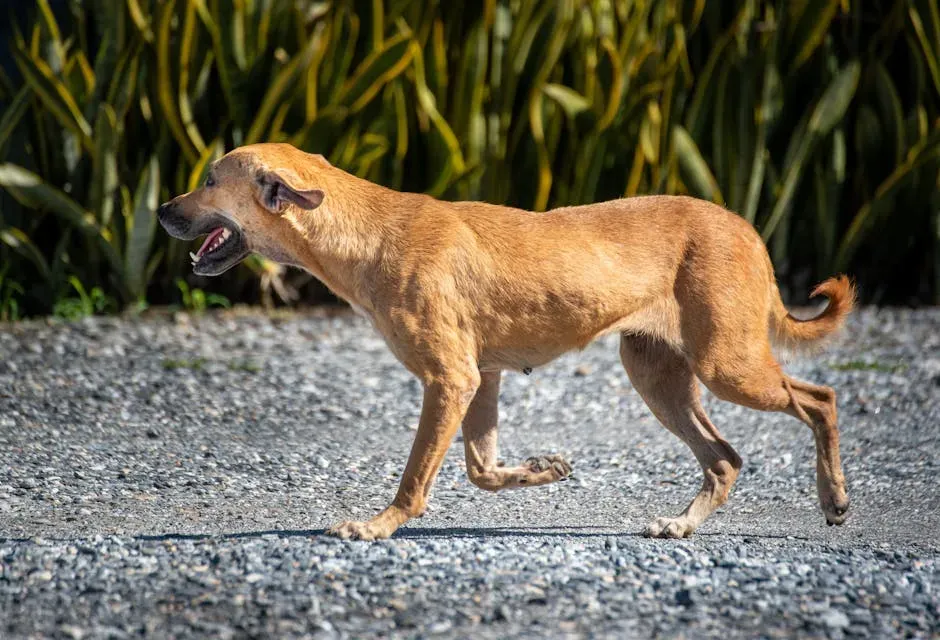
Limping is the obvious one, yet many owners wait to act because “it comes and goes” or the dog still wants to play. The reality is that any limp is almost always a red flag for pain, even if it looks minor or disappears when adrenaline kicks in. Dogs are masters at pushing through discomfort if something exciting is happening, so seeing them run does not mean they’re fine.
Even sneakier are the tiny gait changes we dismiss: a dog that bunny-hops with the back legs when running, hesitates before jumping into the car, takes the stairs more slowly, or sits with one leg stuck out to the side all the time. These small oddities are often the earliest signs of joint pain, muscle strain, or spinal issues. If you find yourself thinking, “He’s just slowing down,” pause and ask: is this actually age, or is it pain we’re labeling as age to make ourselves feel better?
#4: Shifting, Pacing, or Struggling to Get Comfortable
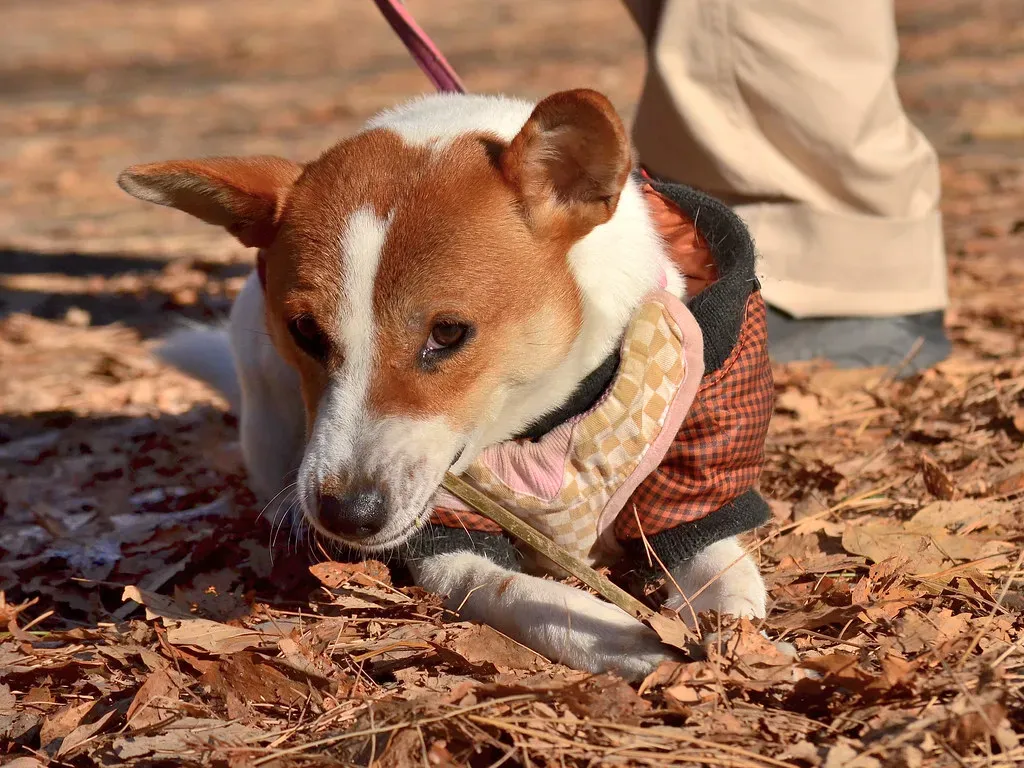
Think about the last time you had a bad headache or backache and couldn’t find a comfortable position. Dogs go through the same restless dance when they’re hurting. A dog that used to flop down and instantly fall asleep, but now spends several minutes circling, lying down then popping back up, moving from bed to couch to floor, or pacing around the house at night may be doing all of that because their body hurts in certain positions.
Another subtle sign is when your dog avoids positions they loved before. Maybe they no longer sleep belly-up with legs in the air, stop curling into a tight donut, or refuse to stretch out fully. You might also notice little grunts when lying down or getting up, or a sudden preference for very soft (or very firm) surfaces. Restlessness is easy to blame on anxiety or “just weird behavior,” but often it’s the physical body talking through movement.
#5: Irritability, Snapping, or “Out-of-Character” Behavior
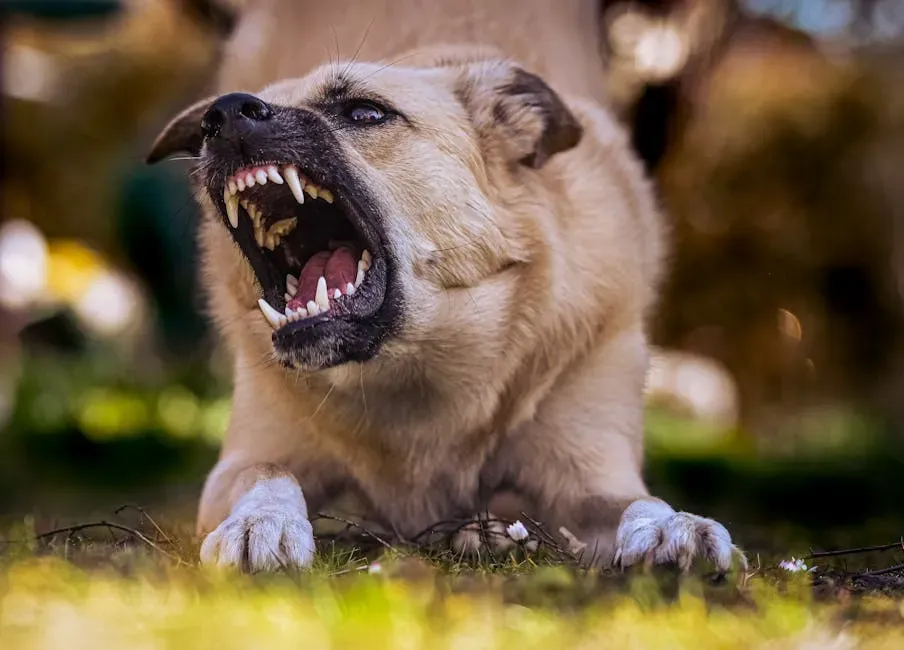
When a sweet dog suddenly growls when you go to pick them up, snaps when another pet bumps into them, or avoids children they normally adore, many owners panic and label it as a behavior problem. In a lot of cases, this is damage-control, not bad manners. Pain can strip away a dog’s patience in the same way chronic pain makes people short-tempered. If every touch near a certain area hurts, defensiveness can become a survival strategy.
What makes this tricky is that the change can be subtle at first: a tight face, a warning look, stiffening when approached, or moving away just before you touch them. Punishing these reactions is unfair and can make things worse because the dog is not being “disobedient” – they’re trying to protect themselves. When you see a sudden personality shift toward irritability, especially in an adult dog who used to be stable, pain should be at the top of your list of possibilities.
#6: Excessive Licking, Chewing, or Scratching a Specific Spot
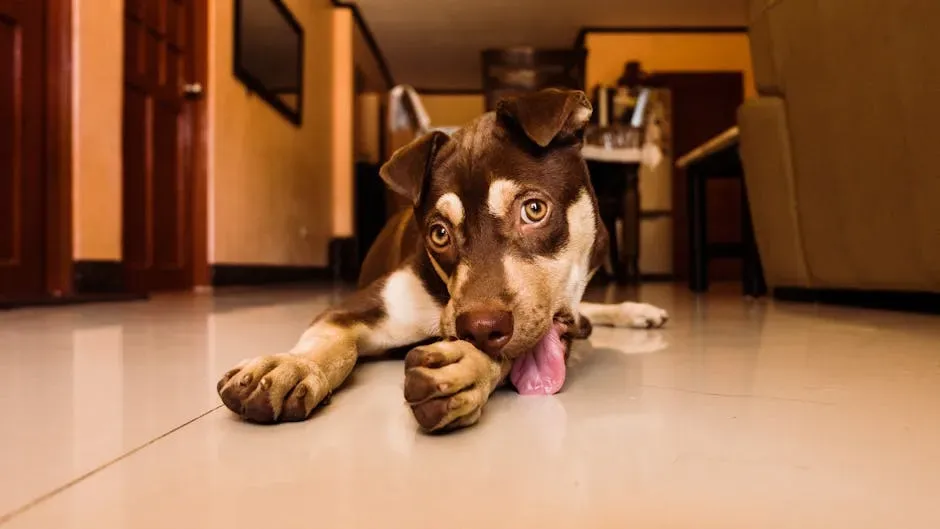
One of the classic, but often misunderstood, signs of pain is focused licking or chewing. If your dog is constantly working on one paw, one joint, or one patch of skin, your first thought may be allergies or an itch. Sometimes it is, but not always. Dogs will lick painful joints, sore muscles, or areas of internal discomfort in an attempt to soothe them, even when there is nothing visible on the surface.
Over time, this can create redness, hair loss, or even open sores that confuse the picture further because now it does look like a skin problem. The same thing can happen around the tail base or hips in dogs with back or nerve pain. The key question is: why that one spot, and why so intensely? If your dog is treating a part of their body like a full-time job, especially if it came on suddenly, it deserves a veterinary check to rule out underlying pain.
#7: Changes in Breathing, Panting, or Facial Expression
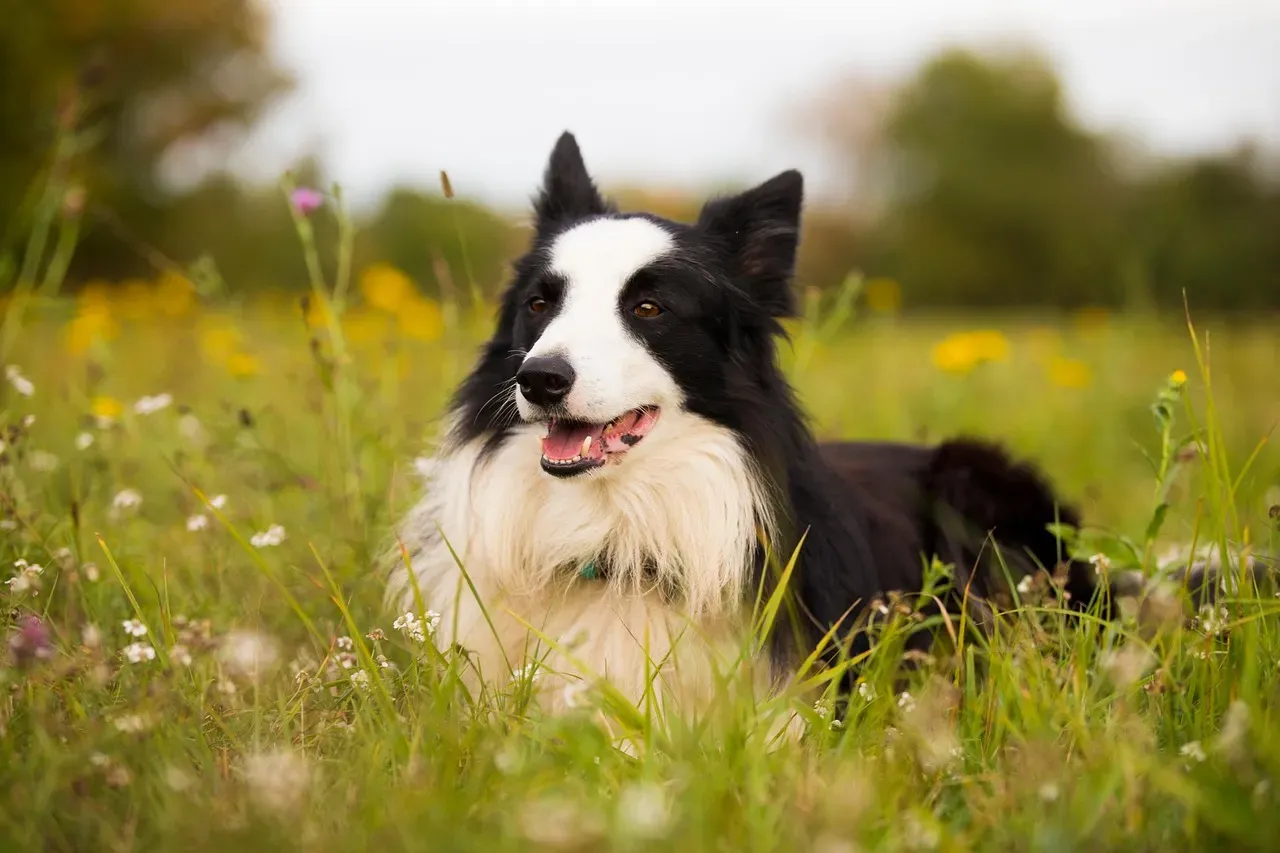
Dogs in pain often breathe differently, and it’s easy to miss because panting is normal after exercise or in warm weather. But when your dog is panting heavily while resting in a cool room, or breathing faster than usual when they’re doing absolutely nothing, that can be the body’s stress response to pain. You might also notice shallow breathing, as if they’re avoiding deep breaths because it hurts somewhere in the chest or abdomen.
The face can tell you even more than the chest. A dog in pain may have a furrowed brow, squinty eyes, pinned-back ears, or a tight jaw, giving them a worried or tense expression. Some dogs hold their mouth in a strange half-open way or seem to grind their teeth. These expressions can be incredibly subtle – sometimes it’s just a “something is off” feeling when you look at their eyes. Trust that feeling. Your brain often picks up on patterns long before you consciously realize what is wrong.
#8: Avoiding Stairs, Jumps, or Favorite Activities
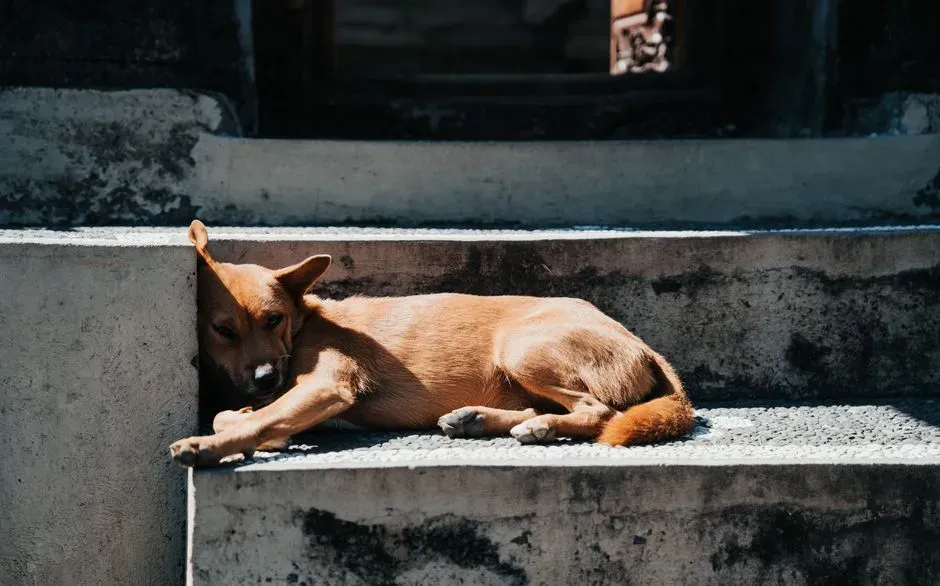
One of the most heartbreaking signs of pain is when a dog quietly gives up things they used to love. Maybe your dog stops racing up the stairs to beat you, refuses to jump into the car, or no longer wants to chase the ball with their old enthusiasm. You might assume they’re just maturing or getting boring with age, but very often they are choosing what hurts less over what used to be fun.
This is especially true for joint pain, spinal issues, or soft-tissue injuries. Dogs with sore hips or knees will often hesitate at the bottom of the stairs, pause before jumping, or find excuses to stay on the ground. They may still go if encouraged, pushed, or lured, which can trick you into thinking they’re just being stubborn. In reality, they’re weighing, “Is the pain worth it?” and you really do not want your dog making that calculation every day.
#9: Changes in Posture: Hunched, Tucked, or “Praying” Position
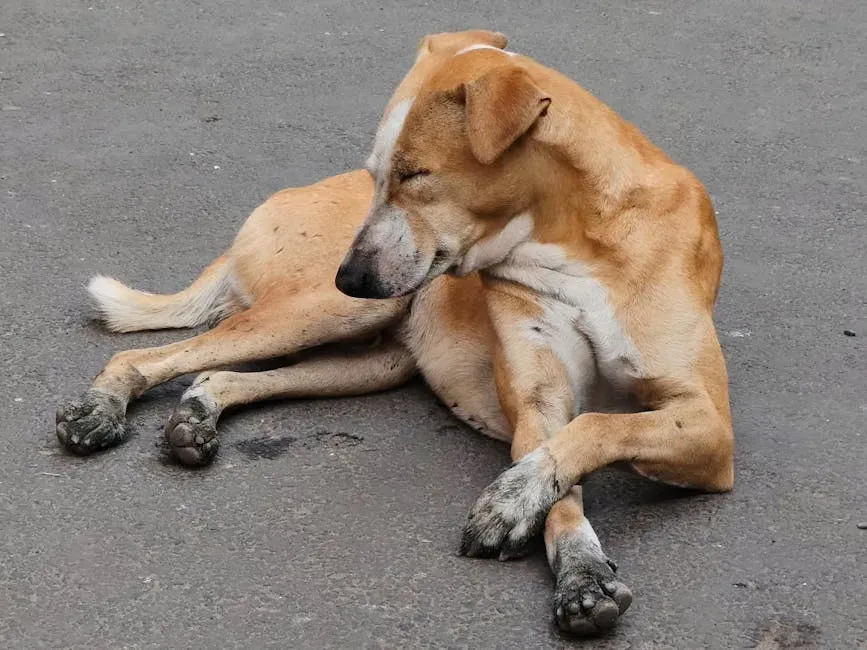
The way your dog carries their body is like a constantly running status report. A hunched back, tucked tail, or head carried unusually low can all signal discomfort. Some dogs with abdominal pain stand with their belly slightly tucked up and their back rounded, looking a bit like a cat arching. Others may keep their tail pinned tightly against their body and avoid wagging, even when they seem happy otherwise.
Another classic posture is the “praying” position: front legs stretched forward, chest close to the ground, and rear end in the air, held for longer than a normal stretch. While dogs do this as a playful bow too, if you see it repeatedly, out of context, or combined with restlessness or whining, it can point to belly pain or spinal issues. Posture is one of those things you only really notice once you start paying attention. After that, you’ll spot tiny shifts and realize your dog has probably been compensating for far longer than you thought.
#10: Sleep Changes, Night Wakings, or Odd Time-of-Day Patterns

Pain rarely stays the same twenty-four hours a day. Many dogs with chronic pain are worse at night or first thing in the morning, and their sleep patterns give the game away. A dog that slept soundly all night but now paces, changes positions repeatedly, sighs, or wakes you up with whining or scratching at the bed may be struggling to get comfortable as inflammation or stiffness sets in during rest.
You might also notice that your dog is extra stiff in the morning, then seems to “warm up” as they move around, only to be sore again in the evening after a day of activity. Some painful conditions flare more in cold or damp weather, just like in people. When you see clear time-of-day patterns – especially if your dog used to sleep like a rock and now acts like a restless roommate – it’s worth exploring whether their body, not their mind, is keeping them up.
#11: House-Soiling, Reluctance to Squat, or “Accidents” in a Trained Dog
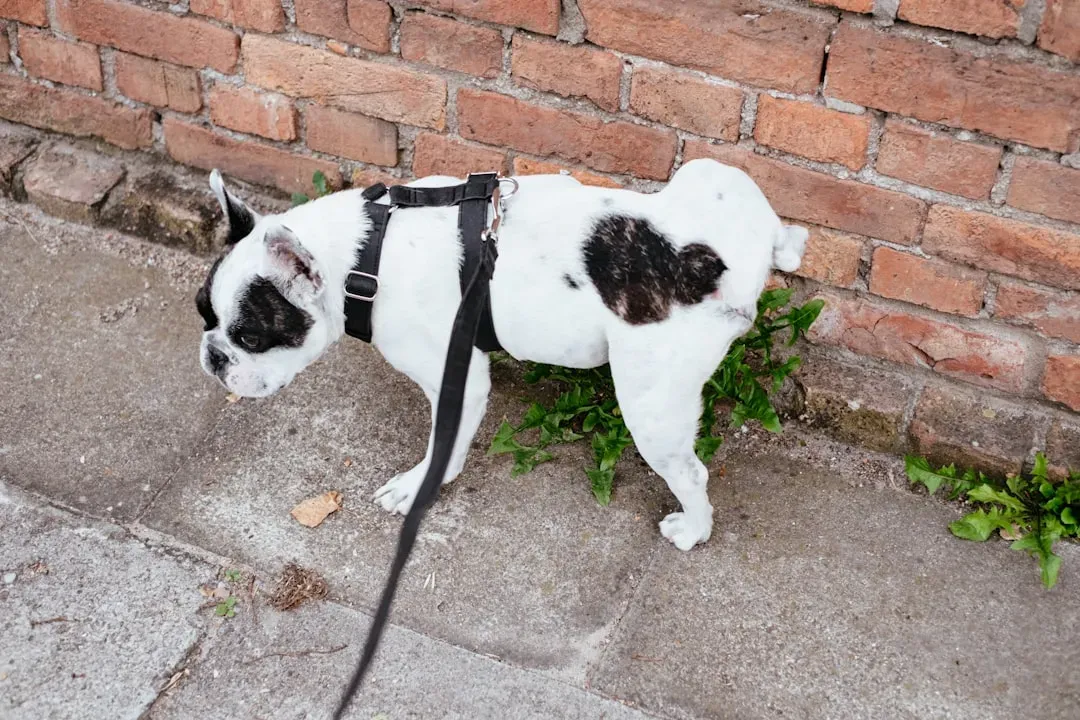
Nothing frustrates dog owners faster than sudden accidents in a fully house-trained pet. It’s tempting to jump straight to annoyance or assume spite, but pain can be a huge factor here. Dogs with hip, knee, or back pain may find squatting or lifting a leg genuinely difficult or painful, so they hold it as long as they can and then lose control indoors. Others may be reluctant to walk to their usual outside spot or navigate slippery floors to get to the door.
Bladder infections, kidney issues, and other internal problems can also cause discomfort that leads to frequent urination or straining, which looks like “bad behavior” but is actually your dog desperately trying to cope. If your dog starts having accidents out of nowhere, especially if it’s paired with stiffness, reluctance to move, or changes in posture, treat it as a medical puzzle to solve, not a discipline issue. Your dog is almost never doing this to annoy you.
#12: That Quiet, Nagging Feeling That Something Is Off
This last one is not about a single visible signal – it’s about you. Nearly every dog owner who later discovers their dog has been in pain for a while can remember a vague sense that something just was not right. Maybe your dog seemed a bit flatter, a bit more distant, a bit less joyful. Nothing dramatic enough to rush to the vet, but enough to make you say, “She just seems… different lately.” We are very good at talking ourselves out of that feeling.
Your gut is not magic, but it is pattern recognition built from hundreds of tiny interactions with your dog every day. When that quiet alarm goes off, listen to it. You do not have to panic, but you can start paying closer attention: take notes, film short videos of how they walk or jump, and check whether the changes are getting more frequent. That simple decision – to trust your sense that something is off – can be the difference between catching a problem early and realizing months later that your dog has been suffering in silence.
Conclusion: Stop Waiting for a Scream That Will Never Come
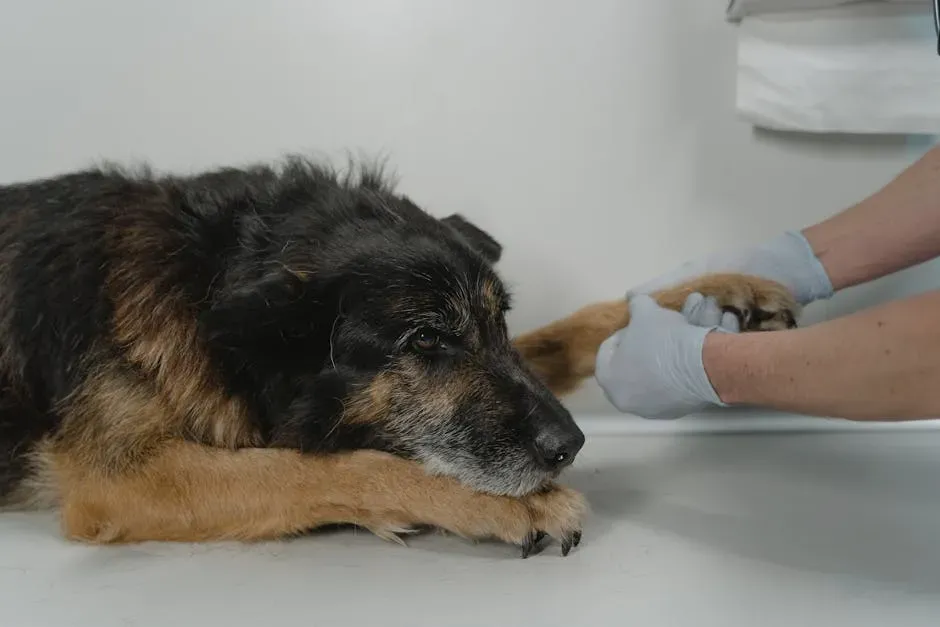
The hardest truth to swallow is that your dog will almost never dramatically cry out in pain the way movies make us think they will. Instead, they give you crumbs: a limp that comes and goes, a late-night pacing session, a half-hearted game of fetch, a quiet growl when you touch just the wrong spot. It is painfully easy to explain each one away, especially when you are busy, tired, or scared of what the answer might be if you look too closely.
If you recognize your own dog in even one or two of these signs, that is not a reason to panic – but it is a reason to act. Take videos, jot down patterns, and talk to your vet like a partner, not a last resort. Pain management for dogs has come a long way, and there are far more options now than just “wait it out” or “it’s just old age.” Your dog cannot choose to book an appointment or ask for relief. That power, and that responsibility, is yours. So the real question is: now that you know what their whispers look like, are you willing to listen before they ever have to scream?