
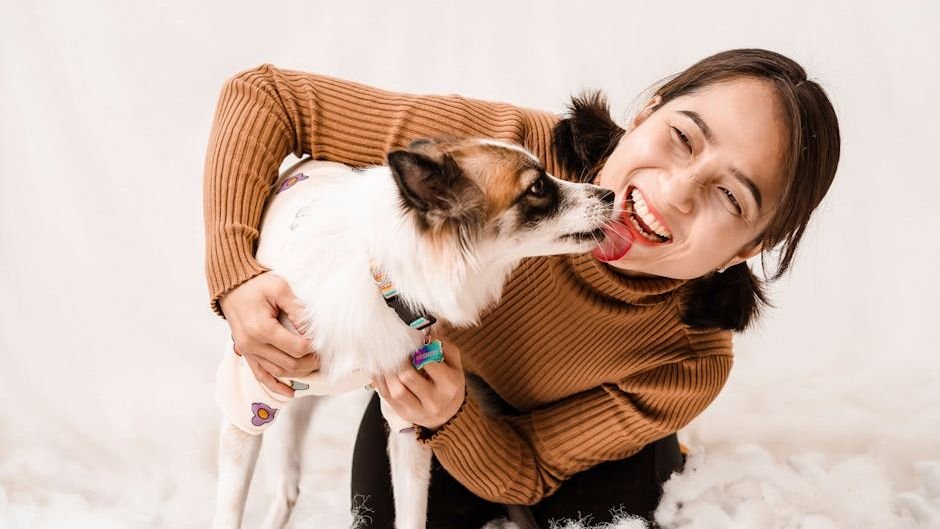
Most dog owners already know the tail wag. It’s the universal signal, the one we’ve all come to read automatically. But dogs are far more expressive than that single gesture suggests, and the richness of how they communicate gratitude tends to go unnoticed in plain sight.
Dogs do feel gratitude, and they have their own ways of showing it. If you pay close attention to their facial expressions and body language, there are many ways in which dogs show appreciation. The tricky part is learning to recognize the subtler signals, because many of them don’t look anything like what you’d expect from a creature saying “thank you.” Once you start paying attention, though, the messages are hard to miss.
1. The Soft, Lingering Gaze
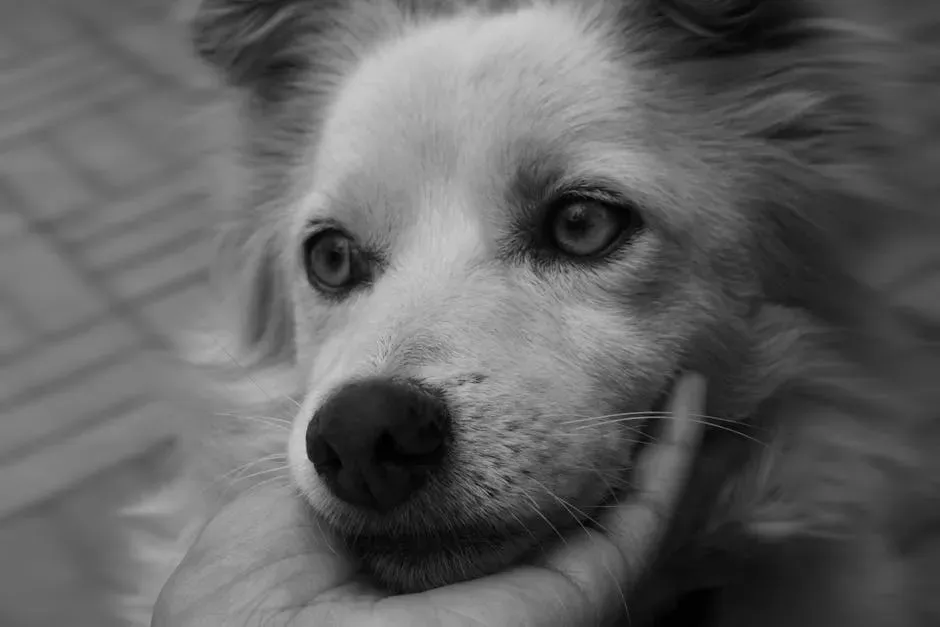
There’s a moment that happens between a dog and their person that is easy to overlook. Your dog looks up at you, not urgently, not because they want food, but with a calm, steady expression that simply says you matter to them. That soft-eyed gaze is one of the most scientifically validated signs of canine gratitude and love.
Research shows that when dogs and their owners lock eyes, both experience a spike in oxytocin, the “bonding hormone,” which shows trust and affection between the two of you. Dogs express trust and gratitude through eye contact. If your dog gazes softly into your eyes, it’s a loving sign of appreciation.
It’s important to recognize body language in conjunction with these signals. If your dog is making eye contact with you, not blinking, and looking stressed or agitated, there’s a chance they’re uncomfortable and trying to tell you something else. The grateful gaze is always soft, slow, and paired with a relaxed body. That’s the one worth cherishing.
2. The Full-Body Greeting When You Come Home
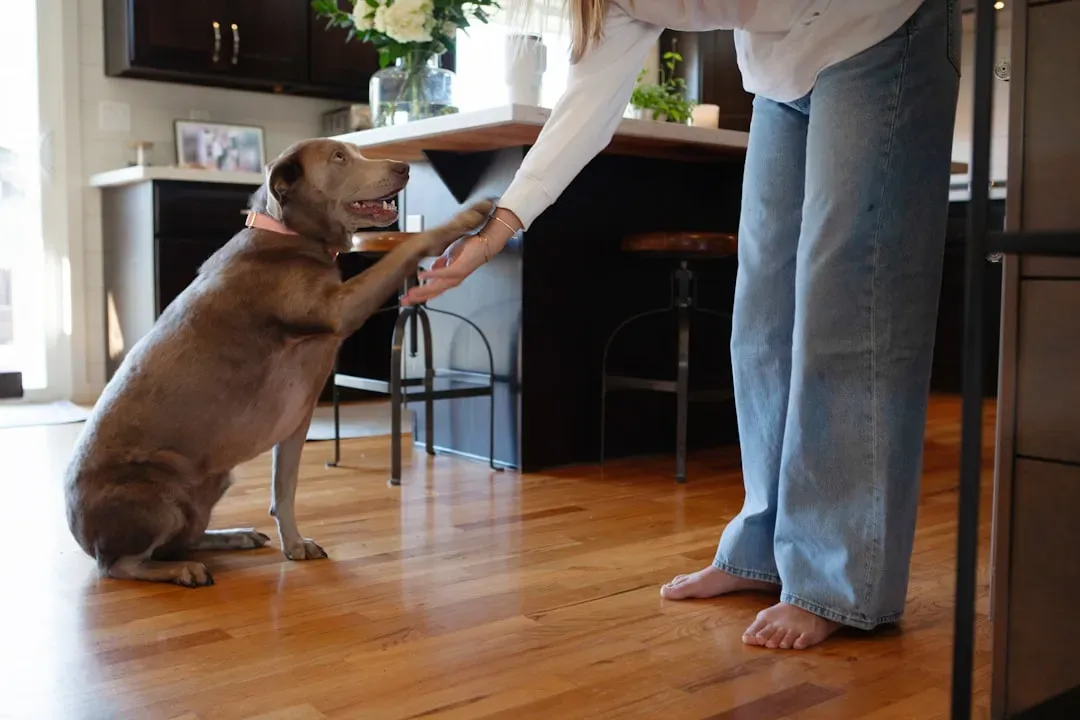
You’ve been gone two hours. Maybe ten minutes. It doesn’t matter, because your dog treats your return the same way every time: like the best thing that has happened all day. That enthusiastic welcome isn’t just excitement for its own sake.
One of the most obvious signs of attachment is the enthusiastic, full-body greeting you receive whenever you return home. Your dog may jump, wag their tail vigorously, and even bark out of excitement. When your dog races to the door, does the whole-body wiggle, and brings you a toy like an offering, they’re not just excited. In their mind, you returning equals safety, comfort, and good stuff.
The greeting is genuine communication. You can feel your dog’s appreciation in their eager greetings when you come home, their comfort when you’re sad, and their companionship in your daily lives. Receiving this kind of welcome every single day is something humans rarely get from other humans. Your dog means it every time.
3. Following You From Room to Room
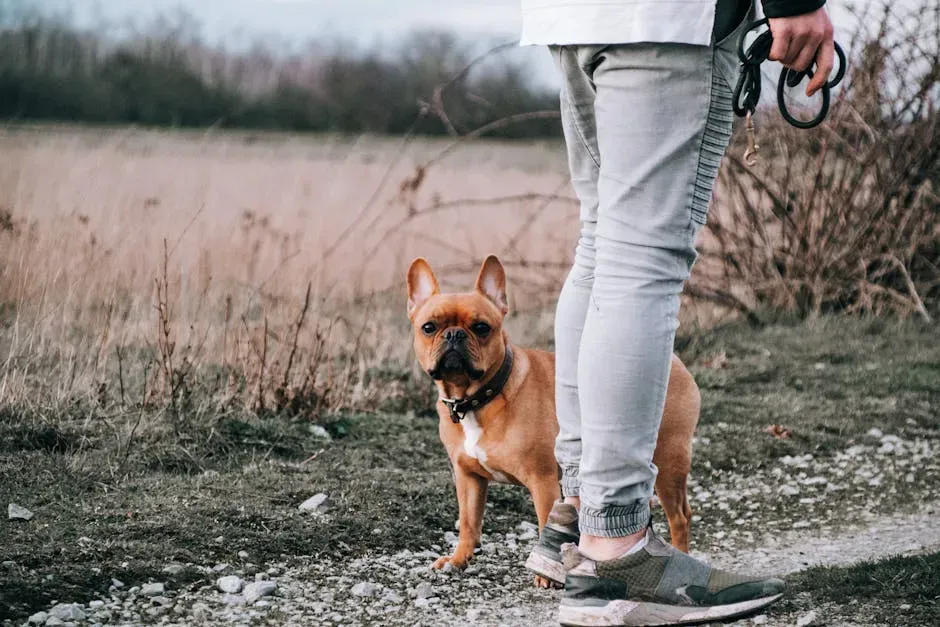
There’s a good chance your dog is reading this with you right now. Or at least nearby, choosing your space over every other room in the house. That quiet, persistent company is not an accident.
If your dog follows you from room to room or lies nearby while you’re doing something boring, that’s a big deal. Studies have found that dogs stick closer to their owners than to other people, which is a strong sign that they feel safe, bonded, and emotionally connected to you. The shadow behavior is often a sign of attachment and trust. After you do something your dog loves, a walk, a training session, a good meal, or a cozy cuddle, many dogs stick close because you’ve become the source of safety and satisfaction.
Dogs don’t waste energy hanging around people they don’t feel attached to. Choosing your company during quiet moments shows genuine affection. Think of it less as your dog being clingy and more as them voting with their paws. You are their chosen person.
4. Bringing You Their Favorite Toy
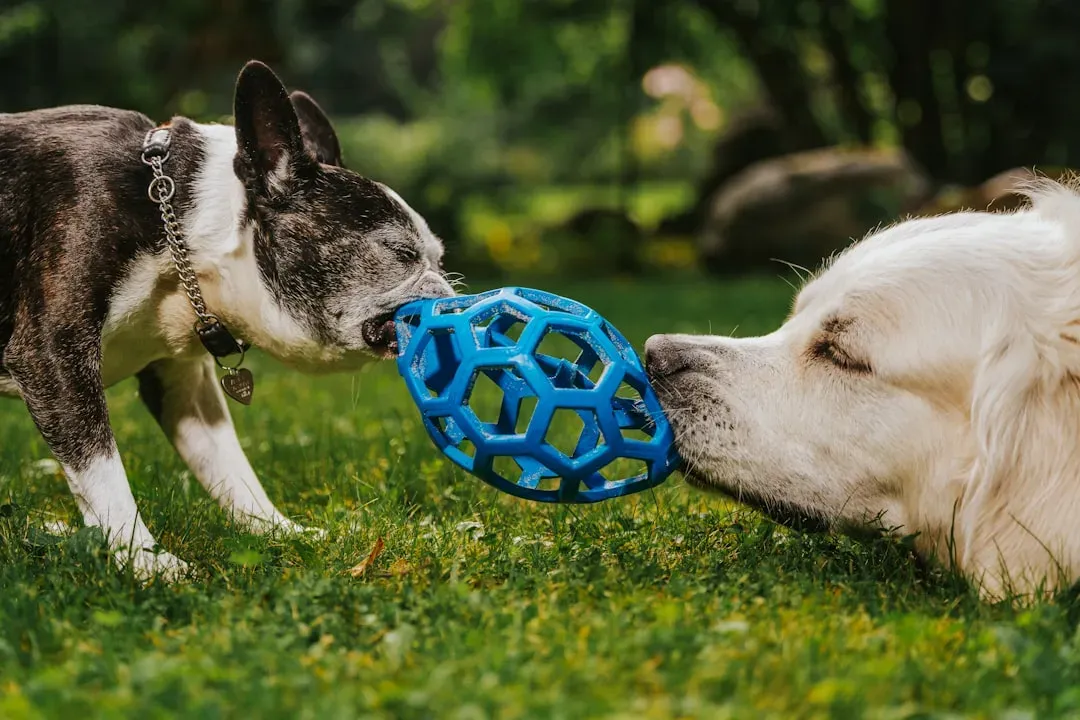
When your dog drops a slobbery rope toy in your lap, they aren’t just asking for a game of tug. They’re sharing something they value, which in dog terms is a meaningful gesture.
If your dog ever brings you their favorite toy, they’re not just asking to play. Dogs often share their prized possessions as a way to say “thank you.” It’s a sign of trust and appreciation, especially when they offer up something that’s valuable to them. By sharing their toy, your dog is reciprocating the love and kindness you’ve shown them, making this one of the sweetest ways they show gratitude.
Sharing prized possessions is a sign of social bonding in dogs and often reflects their desire to spend quality time with you. When a dog drops a toy at your feet or brings you their ball, they’re inviting you to interact and including you in their world. The next time that soggy ball lands in your lap, take a moment before you toss it back. Your dog just paid you a real compliment.
5. Leaning Their Body Against You
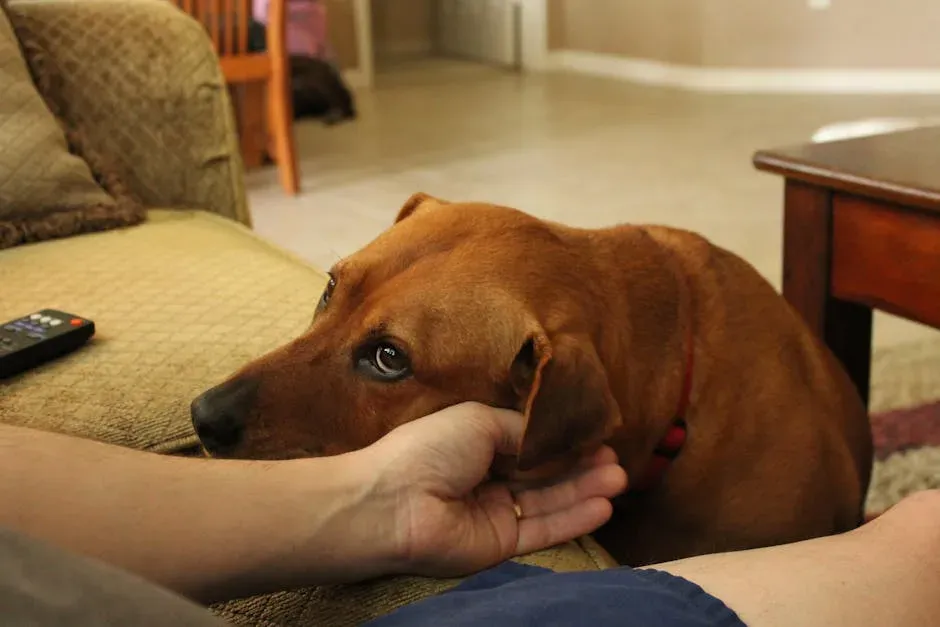
Some dogs do it subtly, pressing a shoulder lightly against your leg while you’re standing at the counter. Others go all in, leaning their full weight into your side like a furry anchor. Either way, the message is the same.
When your dog leans against you or presses their body close to yours, they’re saying they feel safe and trust you. This act of leaning is a subtle but powerful gesture of gratitude. It’s your dog’s way of thanking you for being their protector and providing them with a secure, loving environment.
They press their side, head, or whole body into you and just stay there. This kind of contact helps dogs feel grounded and calm. Your presence regulates their nervous system, even if you’re not actively petting them. To your dog, leaning on you feels like comfort, protection, and closeness all wrapped into one. That’s a remarkable thing to be to another living creature.
6. The Contented Sigh
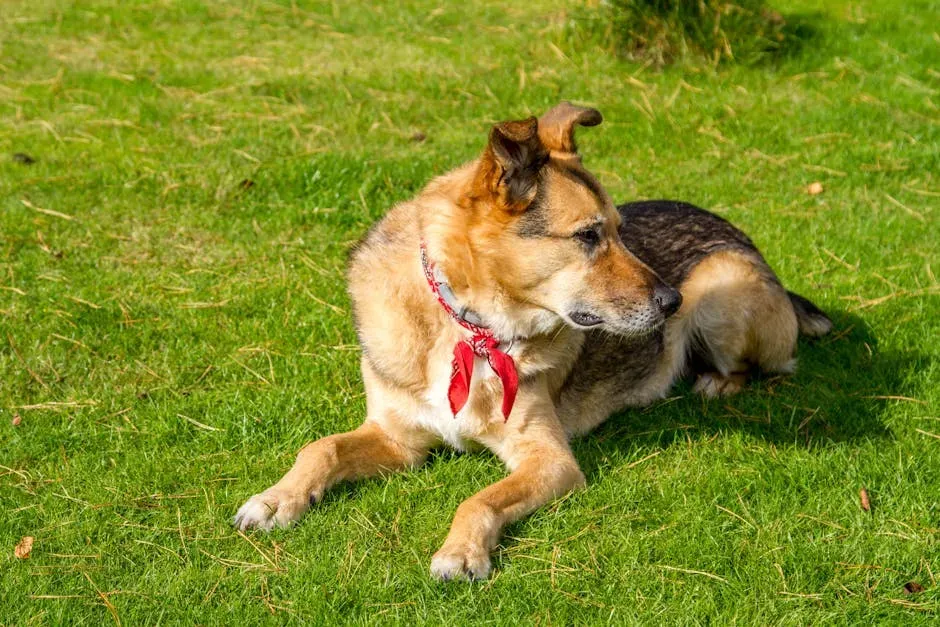
It happens when you least expect it. You’re both settled on the couch, the house is quiet, and your dog lets out a long, slow breath. Not a frustrated sigh. A satisfied one. That distinction matters more than it might seem.
By curling up next to you, your dog is showing that they feel comfortable and loved in your presence, making snuggle time their quiet way of saying “thank you.” When a dog lets out a big sigh or takes a deep, contented breath next to you, it’s a sign of complete relaxation and happiness. This behavior often happens after a long day or a comforting moment, and it’s their way of showing gratitude for feeling safe and loved.
This is one of the smaller signals that owners often miss simply because it’s so calm. Sometimes gratitude looks like pure relaxation. A dog who settles near you and sighs dramatically is basically saying, “You’ve got me. I’m good.” Pay attention to those quiet exhales. They carry a lot of feeling.
7. Showing You Their Belly
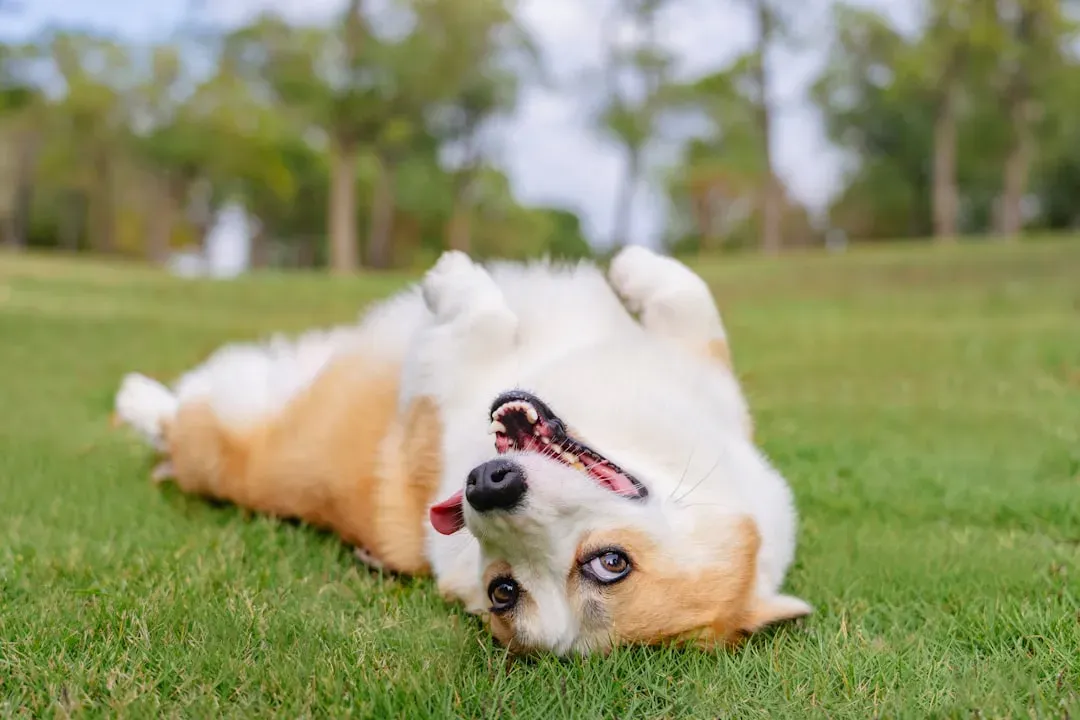
Rolling over and exposing the belly is one of the most vulnerable things a dog can do. It’s their softest spot, and offering it to you is not a casual gesture. It signals a level of trust that takes time to build.
Belly exposure is a huge trust signal. When your dog rolls over to show their belly, they’re displaying the most vulnerable part of their body. This isn’t always a request for belly rubs, but it’s always a sign of trust and submission. A dog will therefore only expose their belly to you when they feel safe around you and do not sense other threats in the environment.
It’s worth knowing that not all belly-up positions are the same. When a dog feels threatened, one way they can show that is by rolling onto their back and showing their belly. Fearful dogs will likely display other red-flag body language, such as freezing, tail tucking, or avoiding eye contact. A truly grateful, trusting belly exposure looks relaxed, wiggly, and happy. The difference is unmistakable once you know what to look for.
8. Sleeping Near You or Touching You While They Sleep
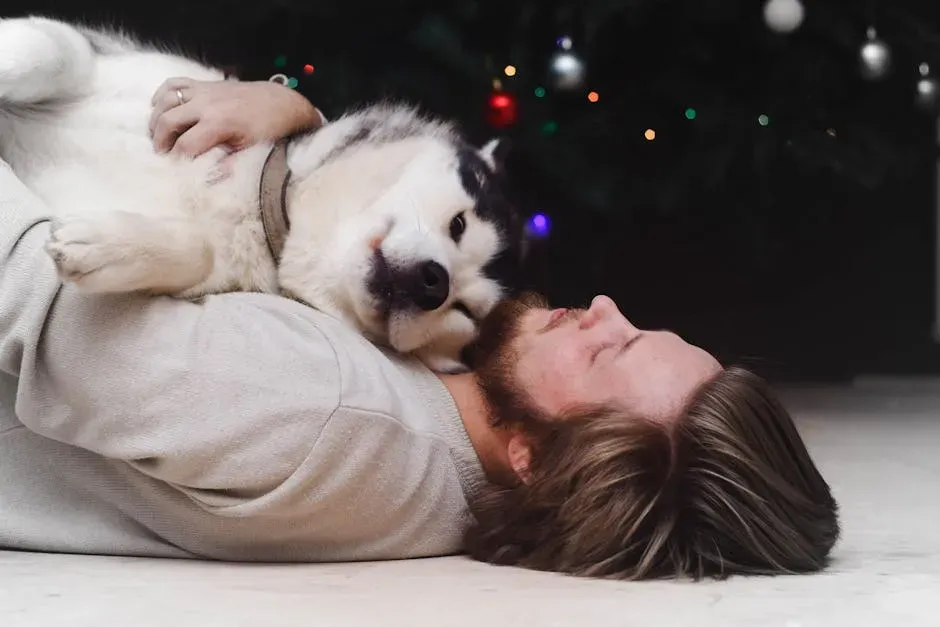
Your dog has the entire house available to them. They could sleep in the hallway, on the cool tile in the kitchen, or under the dining table. Instead, they choose the spot closest to you. That choice is not random.
Sleeping near you or even touching you while sleeping shows deep trust. Dogs are vulnerable when they sleep, so choosing to rest beside you means they believe you’ll keep them safe. If your dog falls asleep with their back to you, that’s even stronger trust because they’re confident you’ll watch out for threats.
Whether on the bed, couch, or curled nearby, this vulnerable act shows deep trust. Your dog feels safe with you when most defenseless, during sleep. There’s something genuinely moving about that. While your dog sleeps beside you, they are placing their full safety in your hands, and that is as close to a “thank you” as any living being can offer.
9. Checking In on You
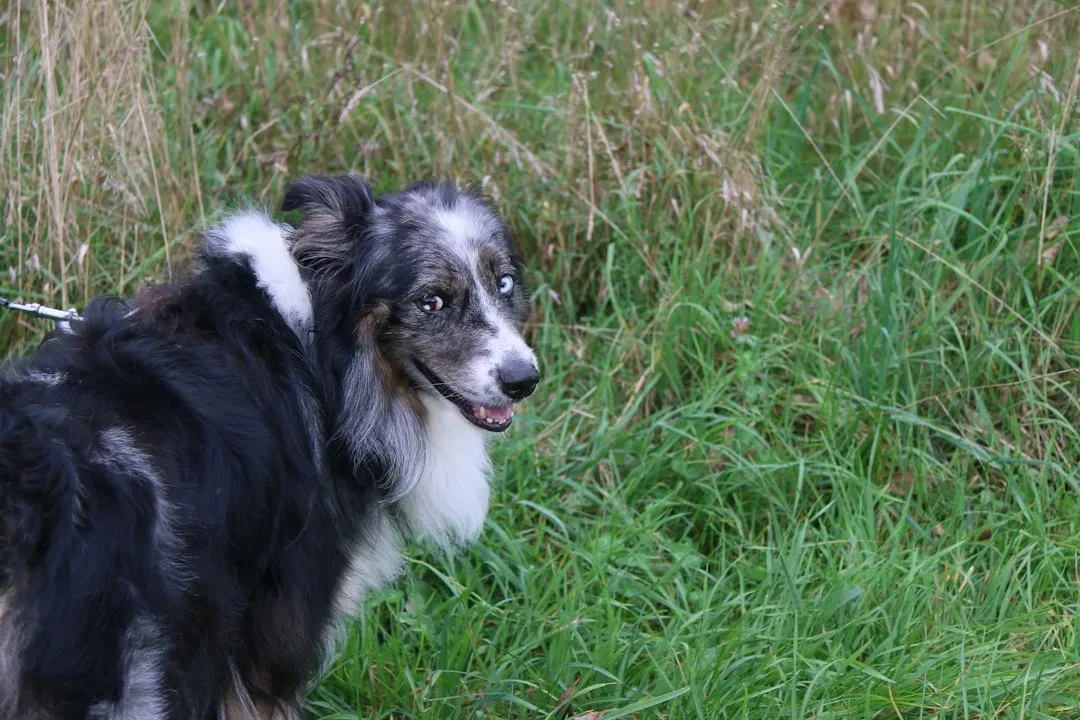
On a walk, mid-play, or even just across a room, your dog pauses and looks back at you. Not because something startled them. Not because they need something. They simply want to confirm you’re still there. These check-ins are easy to dismiss, but they reveal a lot.
If your dog strolls by just to “check in” or places a paw or snout on you randomly, it means they are invested in your well-being. If they often double back to check on you during walks or playtime, it shows their strong bond with you. These behaviors signal comfort, security, and trust, the foundation of a healthy relationship.
Dogs with strong emotional attachments will be very in tune with their pet parent’s emotions. They can pick up on feelings of anxiety or sadness and will try to provide comfort by nuzzling or licking your face. That attentiveness isn’t coincidence. It’s a dog paying attention to the person who matters most to them. Respond warmly when it happens. They notice.
10. Trying to Comfort You When You’re Upset
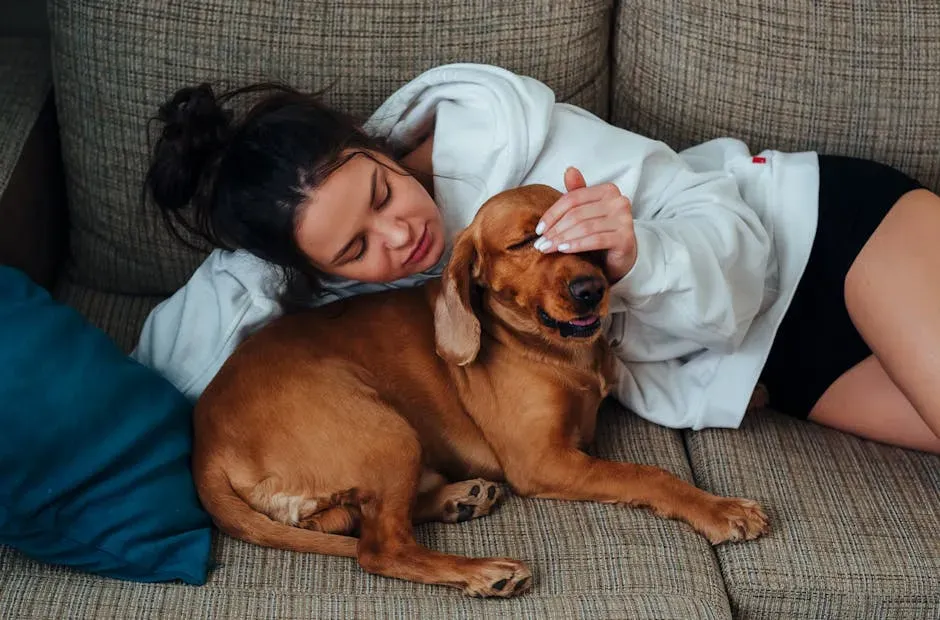
You’re having a rough day. Maybe you sat down too heavily, or your voice shifted, or your energy dropped. Your dog didn’t hear the whole story, but they felt the change. Within moments, they’re beside you.
A study published in the Journal of Behavioral Processes revealed that dogs often display signs of empathy when their owners are distressed. Whether it’s laying their head on your lap when you’re sad or simply sitting close when you’re having a bad day, dogs seem to recognize our moods and try to comfort us in their own canine way.
Dogs are remarkable in their ability to perceive human emotions visually and auditorily. They read facial expressions, tone of voice, and body language to understand your feelings and adjust their behavior accordingly. Scientific studies indicate dogs categorize human emotions into positive or negative affect and respond adaptively, for instance, offering comfort when they sense sadness or anxiety. When your dog shows up for you on a hard day without being asked, that’s gratitude in its most generous form.
11. Licking You Gently
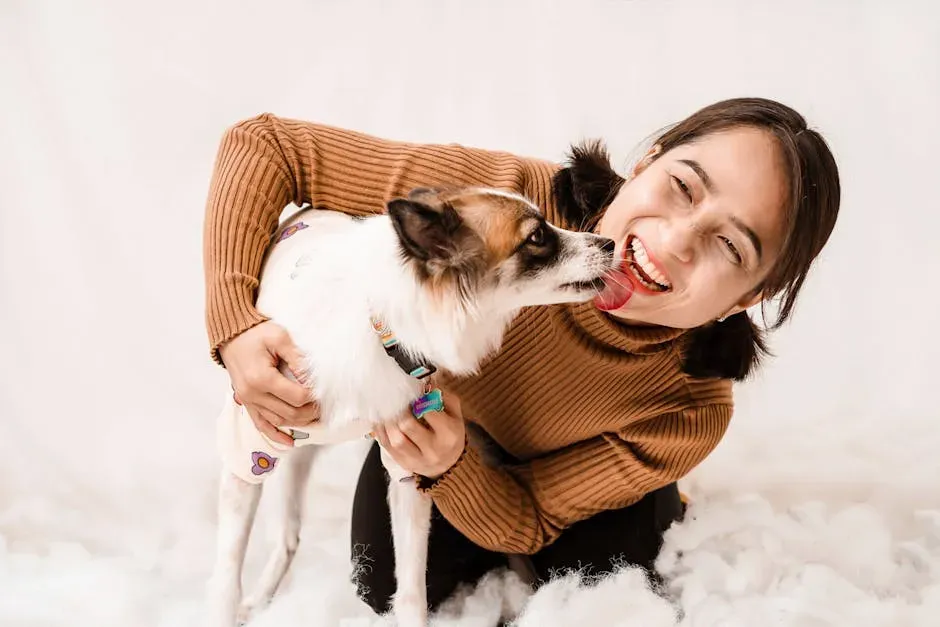
Licking is one of the first behaviors dogs learn. Puppies lick their mothers, their littermates, and eventually their humans. By the time your dog is licking your hand or face, that behavior carries a long history of meaning behind it.
Licking another dog or human’s face is normal social behavior for dogs. Puppies lick their mother’s face to ask for food, or it can be a way for your dog to show affection, appeasement, or solicit attention. Licking your face is akin to giving kisses and is a way dogs show their love and gratitude to you.
Dogs show affection by licking those they love, so they will lick your hands, feet, and face to prove you’re special to them. Based on their canine instincts, licking is a sign of nurturing and care, and it’s also a way to soothe themselves, as licking releases oxytocin and helps them feel connected to you. A word of practical note: if licking becomes excessive or compulsive rather than affectionate, it can sometimes signal anxiety. Context and frequency matter when reading this cue.
12. The Zoomies After Something Good
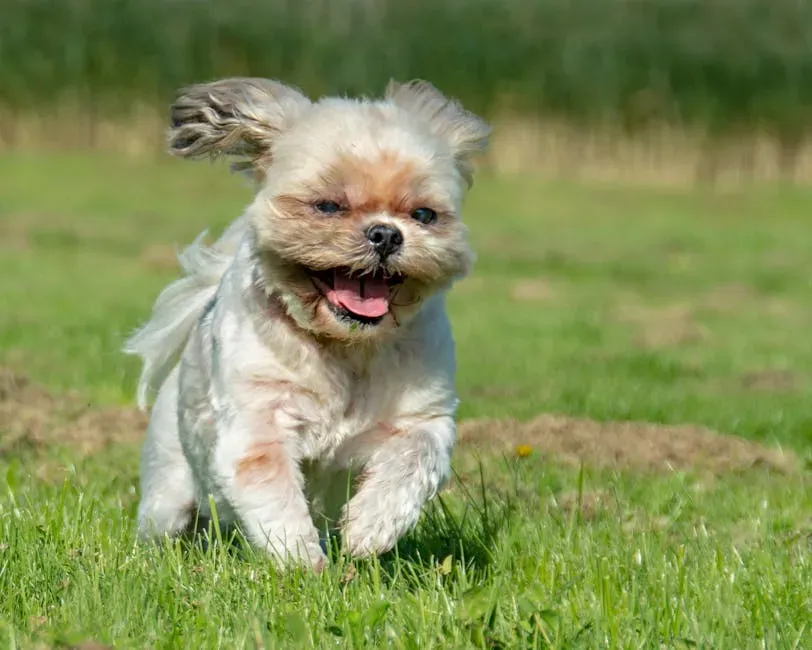
You gave them a good long walk. You came home after being away all afternoon. You let them splash in the puddles. Suddenly, your dog is sprinting in wild circles with their tail tucked and their ears flat, looking like pure chaos with paws. This is zoomies, and it’s actually a beautiful thing.
This explosion of activity has many nicknames among dog owners, from “zoomies” to “crazy eights,” but the official scientific term is frenetic random activity periods, or FRAPs. There is no single specific cause, but they appear to be a way to release pent-up energy or alleviate stress. Zoomies can be a gratitude signal. After a big sniffy walk, or an especially satisfying play session, some dogs explode into joyful sprints. It’s like their body can’t hold the happiness in. If your dog does victory laps after a fun session, take it as a compliment; you’re doing something right.
A typical happy zooming dog will be loose and even wiggly, bouncing around you when they slow down. Their tongue might flap out, and they may play bow. The key distinction is that a happy zoom looks loose and joyful, not tense or frightened. When it happens after something you did together, that wild burst of energy is their version of a standing ovation.
Conclusion: Your Dog Is Already Saying Thank You
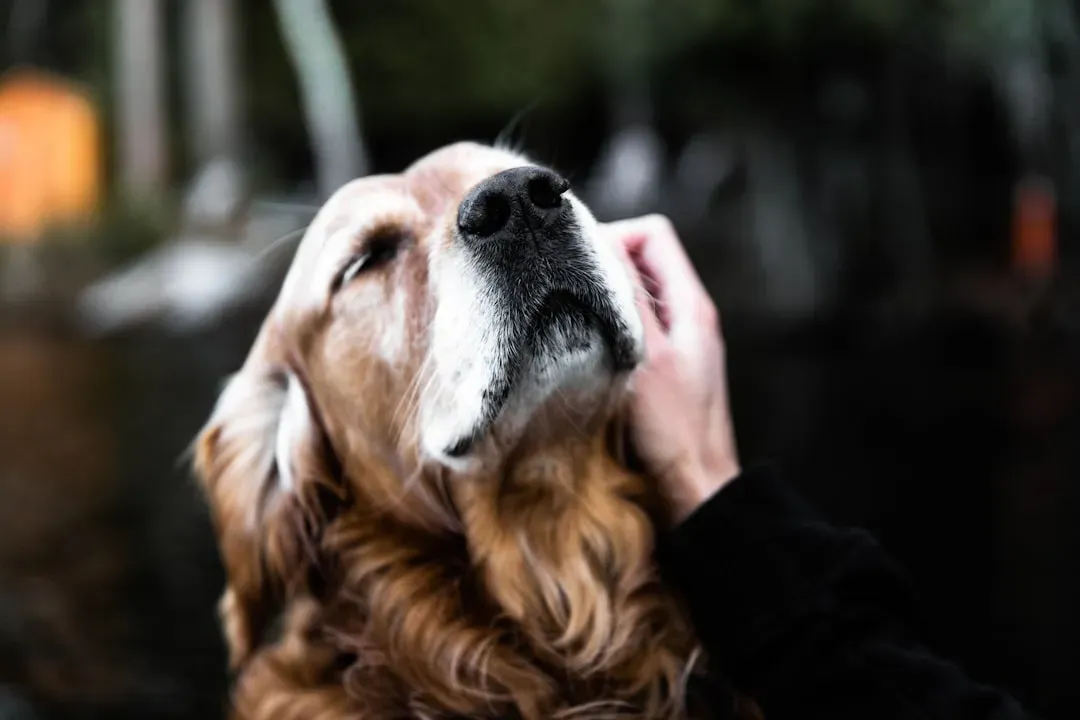
Your dog doesn’t have the words. They never will. What they have instead is a body language so expressive, so consistent, and so honest that, once you understand it, you’ll never question whether your care is felt. If you pay attention to your dog’s body language and behavior, it is actually quite remarkable how good dogs are at communicating and letting you know how they feel. There are plenty of nonverbal signals and behaviors that you and your dog are exchanging that help communicate positive feelings.
When dogs receive care, attention, and affection, their brains release oxytocin, the same hormone responsible for feelings of love and bonding in humans. This hormone not only helps to create a bond between dogs and their owners but also indicates that dogs are capable of experiencing positive emotions in response to kindness. The science confirms what most dog owners already sense: it’s real, and it runs deep.
The soft gaze, the contented sigh, the warm weight leaning against your leg. These are not random behaviors. They’re the language of a creature who has chosen you, trusts you completely, and shows up for you in the only ways they know how. Love from a dog doesn’t always look like tail wags or wet kisses. Sometimes it’s a quiet indication of trust, like a glance, a sigh, a check-in mid-walk. One thing is for certain: it’s always honest. That kind of honesty is worth paying attention to every single day.


