
You’d think that anyone who dedicates their life to caring for animals would happily welcome any breed into their home. But spend five minutes talking candidly with an experienced vet, and a very different picture emerges. These are the people who’ve seen what certain breeds go through behind closed doors – the surgeries, the chronic pain, the behavioral crises – and that knowledge changes everything.
This isn’t a list of “bad dogs.” Every breed here has real fans and real qualities worth loving. But when vets speak honestly, off the record, about which dogs they’d personally never take home, the same names keep coming up. Some of the answers will surprise you. At least one will genuinely shock you – and it’s not the breed most people expect.
13 – Belgian Malinois
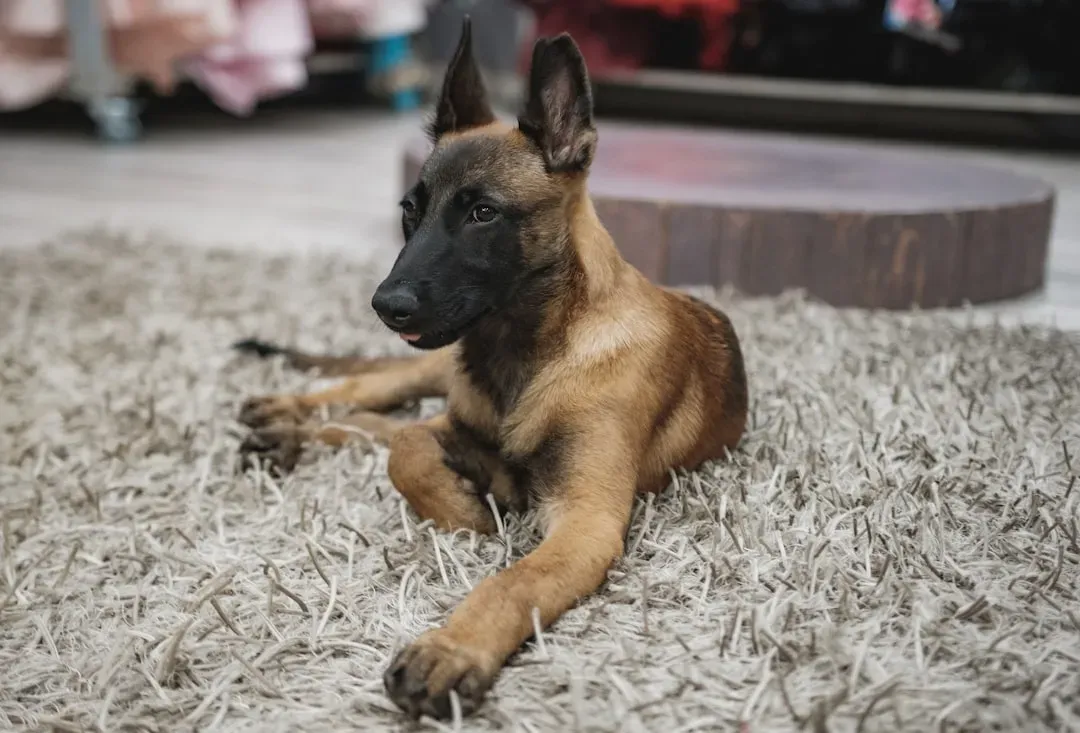
The Belgian Malinois looks like a German Shepherd that’s been running on jet fuel. Police departments and military units worldwide rely on them precisely because they are relentless – driven, focused, and almost incapable of switching off. That’s an extraordinary quality in a working dog. In a suburban living room, it’s a recipe for chaos.
Vets who’ve treated Malinois in private practice describe owners who are genuinely shell-shocked by what they signed up for. Without a job to do and hours of structured daily activity, these dogs don’t just get bored – they get destructive in ways that can feel almost calculated. Furniture, walls, windows – nothing is safe. Experienced handlers love them. Most households simply aren’t built for them.
At a Glance
- Needs 2–3 hours of vigorous daily exercise – not walks, but running, agility, or intensive training
- Physical exercise alone won’t tire one out; mental exhaustion through structured work is equally essential
- Used by military and law enforcement worldwide precisely because their drive has no “off” switch
- Under-stimulated Malinois commonly become reactive, destructive, and anxious – sometimes all three
- Recommended only for experienced handlers with working-breed backgrounds
12 – Chow Chow
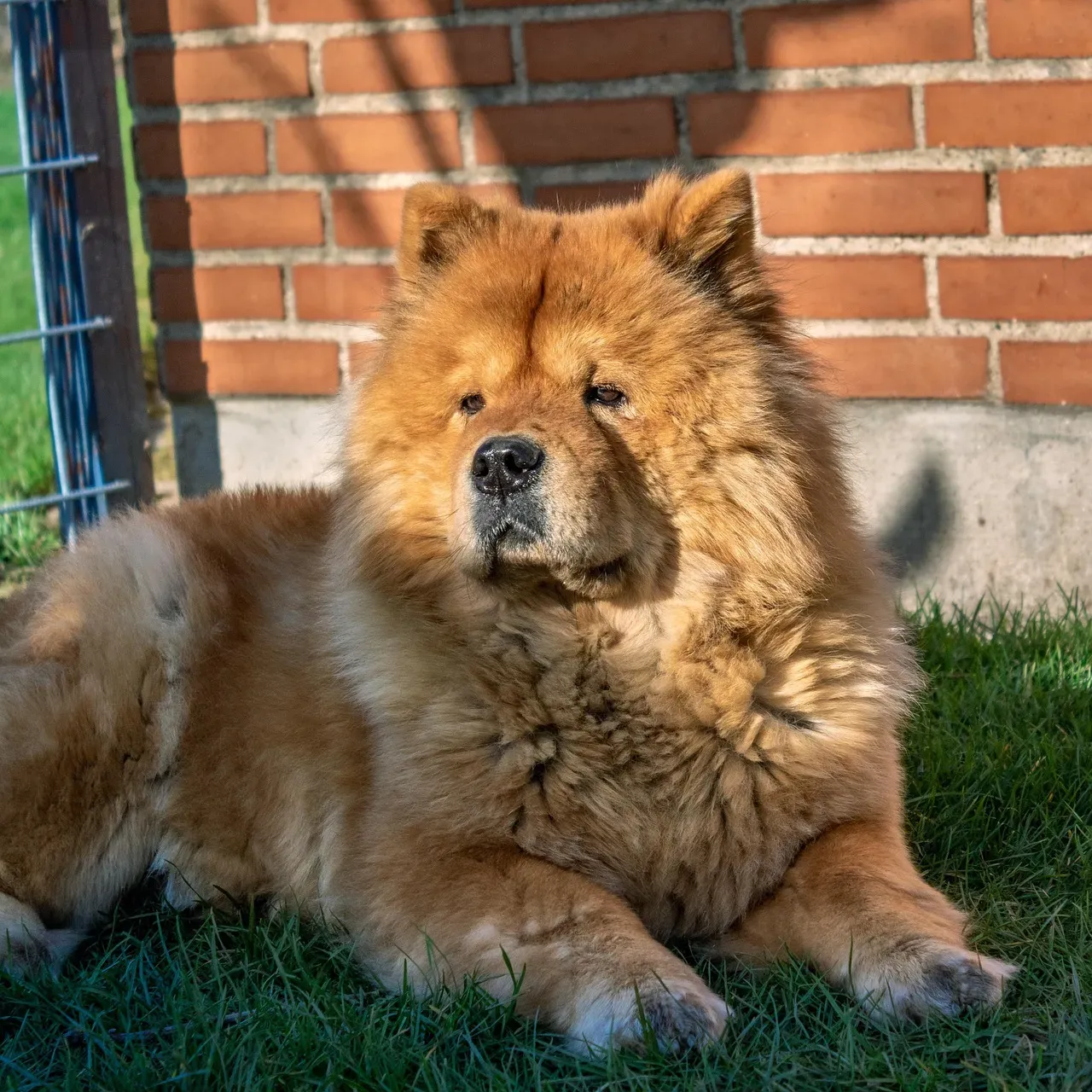
The Chow Chow is one of the most visually striking dogs alive – that dense lion’s mane, those dark, ancient eyes. But behind that regal exterior is a dog that has very little interest in pleasing you, doesn’t particularly enjoy being touched by strangers, and views most situations with deep suspicion. That independence is baked in at a genetic level, and no amount of training fully overrides it.
For vets, the Chow Chow presents a specific professional headache: they are notoriously difficult to examine. Many require sedation for procedures that other breeds tolerate without complaint. Add in a predisposition to hip dysplasia and eyelid conditions that need surgical correction, and you have a dog that’s both emotionally demanding and medically expensive. Vets see enough of them on the table to know what ownership really looks like.
11 – Dachshund

It’s hard not to love a Dachshund. That low-slung silhouette, the big personality packed into a tiny frame – they’re irresistible, which is exactly why so many people bring one home without understanding what they’re getting into. Those long spines and short legs aren’t just a quirky aesthetic. They are a structural vulnerability that defines the dog’s entire life.
Intervertebral disc disease (IVDD) is devastatingly common in the breed, and vets have seen it steal a dog’s mobility in a single afternoon. One bad jump off a couch – the kind any dog might take a hundred times a day – can rupture a disc and cause paralysis. Surgery can cost thousands of dollars and isn’t always successful. Vets don’t avoid Dachshunds because they’re unlovable. They avoid them because they know exactly what’s waiting down the road.
Fast Facts
- Dachshunds carry a relative IVDD risk 10–12 times higher than other breeds
- An estimated 19–25% of Dachshunds will experience clinically significant IVDD in their lifetime
- IVDD surgery can cost several thousand dollars and does not guarantee full recovery
- Even young, asymptomatic Dachshunds often show early disc degeneration on imaging
- The same genes responsible for their short legs also drive their spinal vulnerability
10 – Shar Pei
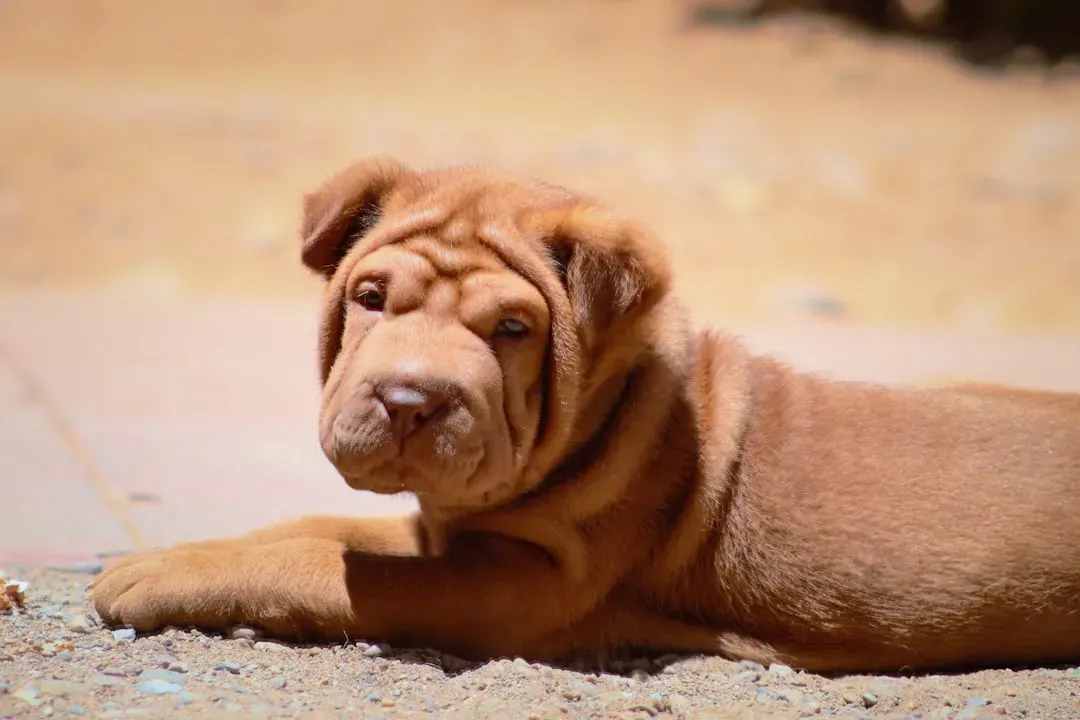
The Shar Pei’s wrinkles are undeniably distinctive, but those skin folds are essentially built-in infection zones. Moisture and bacteria accumulate in the creases constantly, and without rigorous cleaning routines, painful skin infections become a recurring reality. Many Shar Peis need prescription washes, regular vet visits for skin management, and occasional antibiotic courses just to stay comfortable.
The eyes are another chronic concern. A condition called entropion – where the eyelids roll inward and the lashes scratch the cornea – is common in the breed and often requires surgery to correct. Then there’s the temperament challenge: Shar Peis are frequently guarded and reactive on the examination table, which makes every vet visit harder than it needs to be. The breed asks a lot of its owners, and even more of its vets.
9 – Siberian Husky
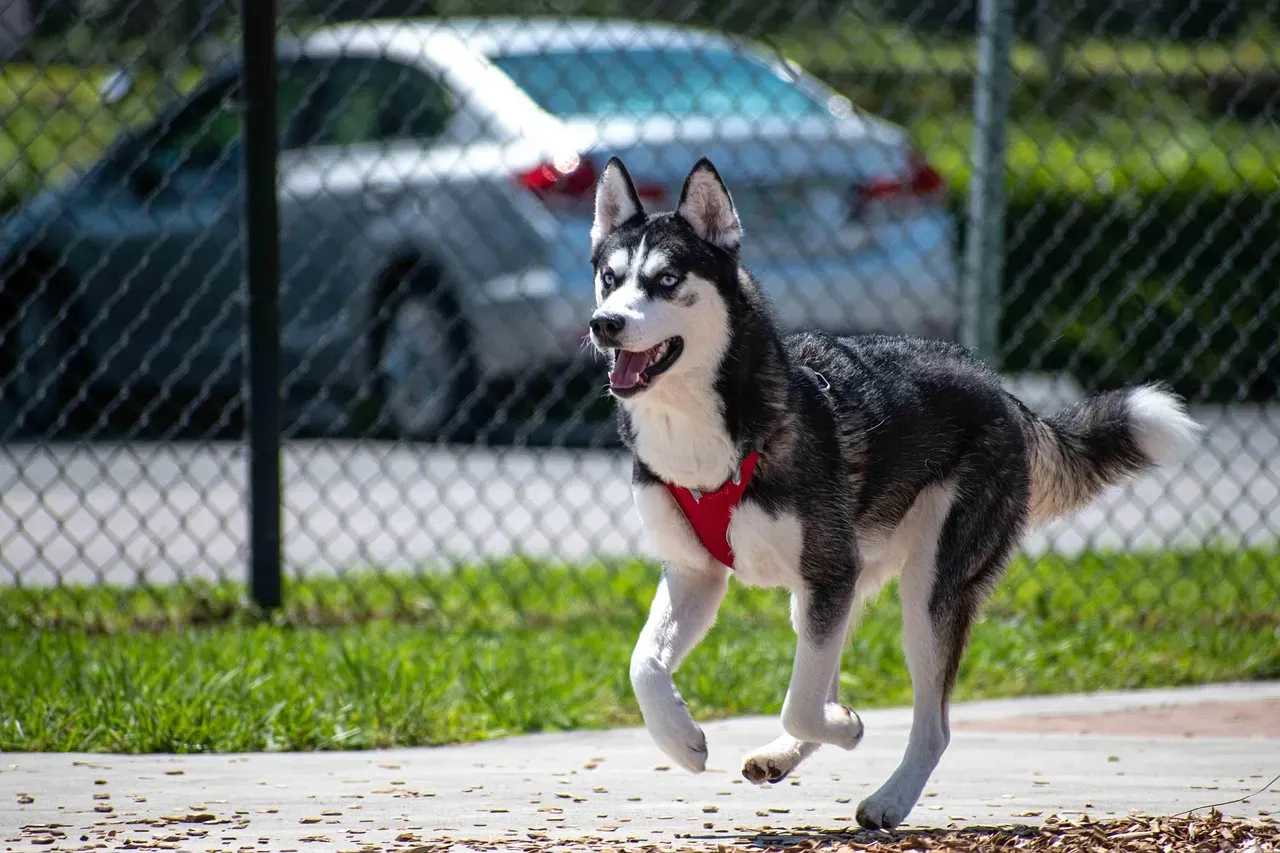
Siberian Huskies were bred to run – not jog around the block, but cover vast distances across frozen terrain for hours at a stretch. That drive doesn’t disappear when they move into a family home. It just gets redirected. A Husky without enough physical and mental output becomes anxious, vocal, and destructive in ways that leave owners genuinely bewildered.
Vets also flag the escape artistry. Huskies are legendary for finding their way out of yards that seemed completely secure, and a loose Husky with strong prey drive is a genuine safety risk. Their independent streak makes recall training unreliable. They are breathtaking animals – but owning one is a lifestyle commitment that most households dramatically underestimate until they’re already in the thick of it.
8 – Akita
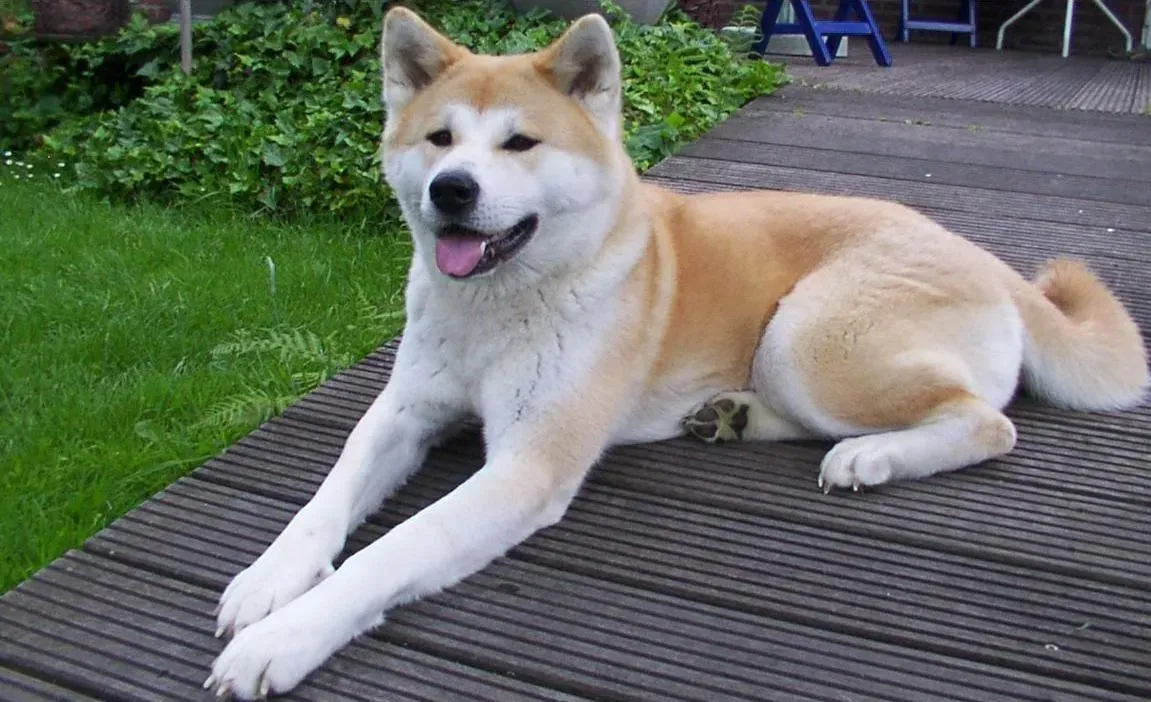
In Japan, the Akita is a symbol of loyalty and good health – families receive Akita figurines when a child is born or someone falls ill, because the breed represents devotion. That loyalty is real. But it is also intensely focused, deeply territorial, and slow to extend to strangers, children, or other animals the dog didn’t grow up with.
Vets point out that early socialization helps but rarely eliminates the breed’s guarding instincts entirely. An Akita that decides it doesn’t trust someone – a visitor, a neighborhood child, another dog at the park – is large and powerful enough to make that decision dangerous. They require experienced, confident ownership and households without a lot of unpredictable foot traffic. Most families only realize this after the dog is already home.
Worth Knowing
- Akitas were historically used as hunting dogs for large game including bears and boar in Japan
- They are often dog-aggressive and typically cannot coexist peacefully with other dogs of the same sex
- Their quiet, watchful temperament is frequently mistaken for calm – it is not the same thing
- Many homeowner insurance policies flag Akitas as a restricted or excluded breed
7 – Alaskan Malamute
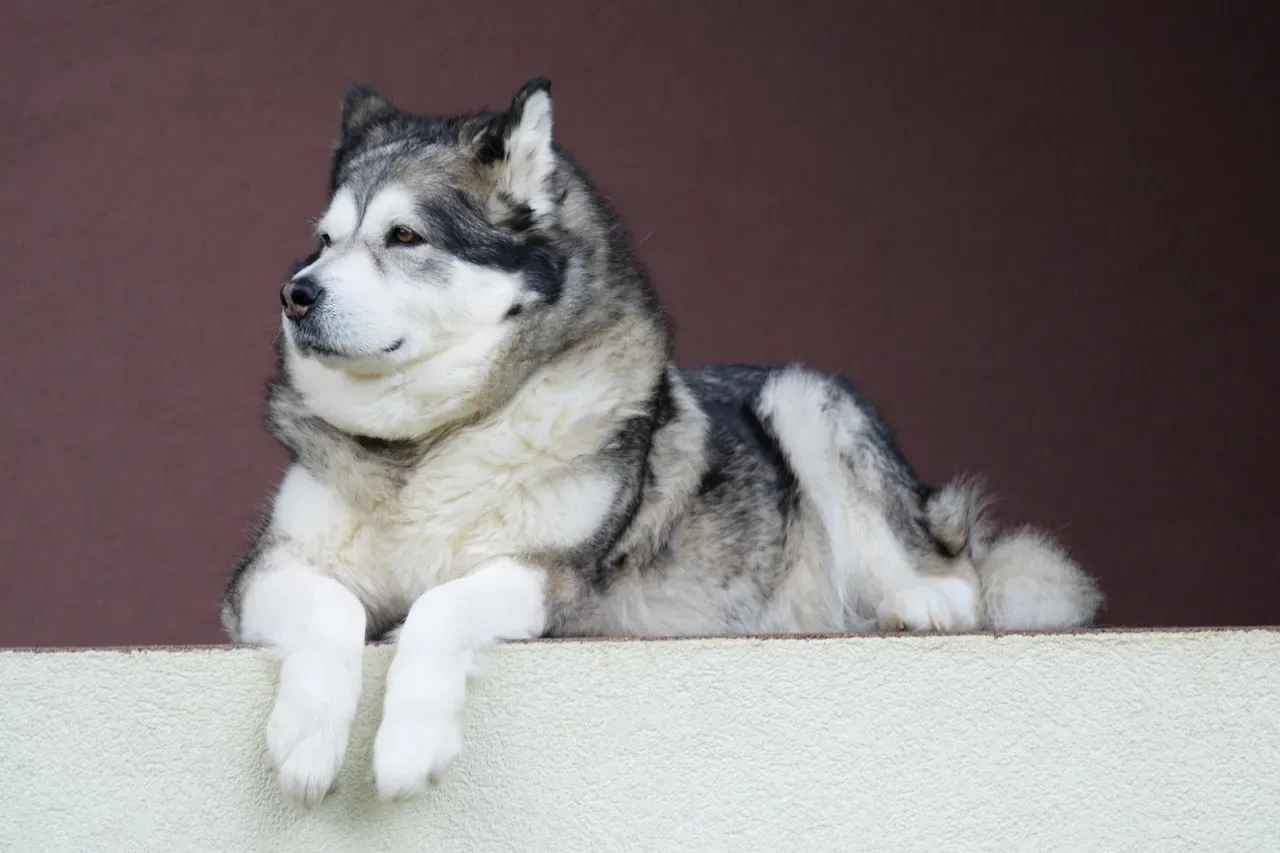
The Alaskan Malamute looks like a wolf stepped out of a dream – enormous, thick-coated, and majestic. They also weigh up to 100 pounds of pure, pulling-focused muscle bred over centuries to haul heavy sleds across Arctic terrain. That strength doesn’t come with an off switch. Malamutes need serious daily exercise, not an occasional walk around the neighborhood.
Vets who’ve treated them note the breed struggles in warm climates, often developing heat-related stress even in conditions other dogs handle fine. Confinement in small spaces worsens behavioral problems quickly. And their sheer size means that when a Malamute pulls on a leash, charges a fence, or decides it’s not going to cooperate with an examination, the situation becomes physically challenging very fast. Beautiful dog. Enormous commitment.
6 – Cane Corso
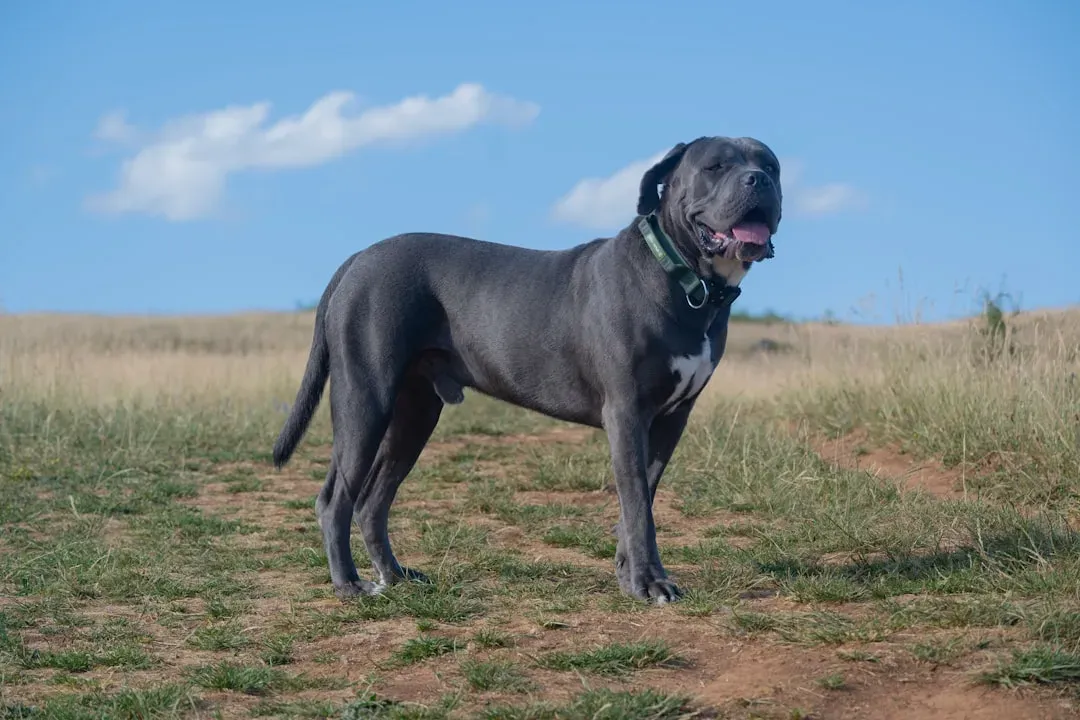
The Cane Corso is an ancient guardian breed, and it carries that history in every part of its body – the broad chest, the heavy jaw, the calm but watchful intelligence. In the right hands, they are deeply loyal and remarkably composed. In the wrong hands, they are one of the most dangerous mismatches between owner and animal that vets encounter.
The breed requires firm, consistent training that starts early and never really stops. An inexperienced owner who lets small dominance behaviors slide in puppyhood often finds themselves facing a 120-pound adult dog that has never been taught clear limits. Vets see the aftermath: bite incidents, behavioral breakdowns, and heartbroken families who loved the dog but couldn’t manage it. This isn’t a breed that forgives gaps in leadership.
5 – Border Collie
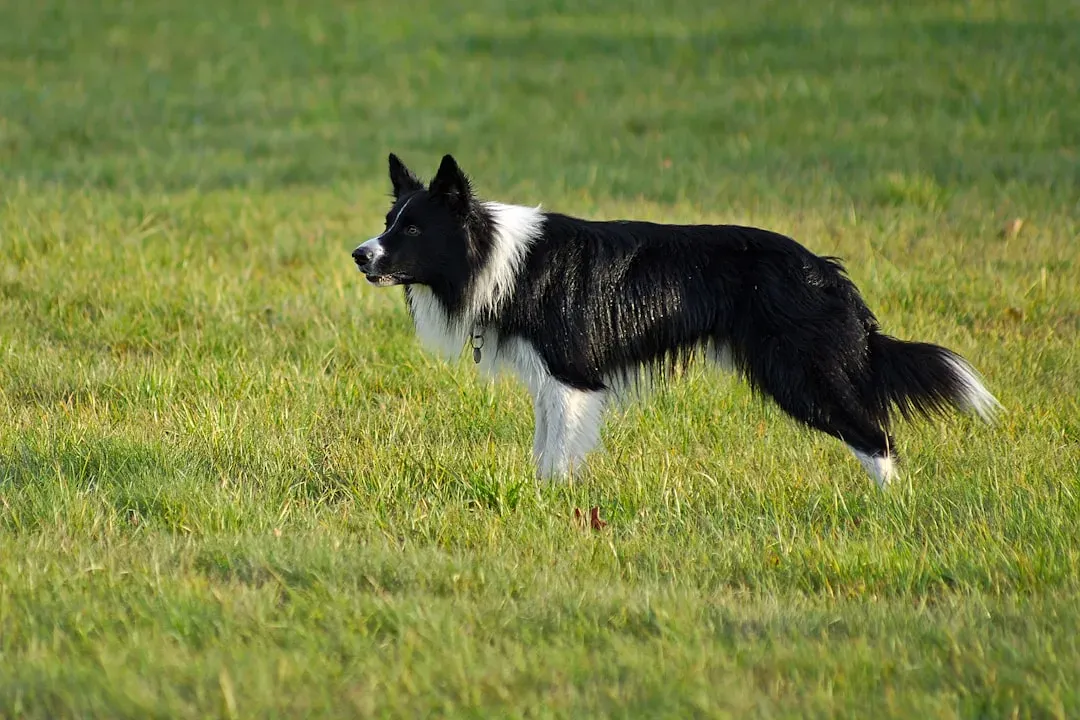
Border Collies are widely considered the most intelligent dog breed on earth, and that distinction comes with a brutal catch: a brain that brilliant needs constant engagement, or it starts working against you. These dogs don’t just get bored. They develop compulsive behaviors – obsessive staring, shadow-chasing, repetitive circling – that look alarming and are genuinely hard to reverse once established.
Vets love their work ethic but are candid about what life with one actually looks like without the right environment. A Border Collie in a sedentary apartment with a nine-to-five owner is essentially a racehorse in a studio apartment. They need a job, a purpose, or an extraordinarily active lifestyle. Agility, herding, intensive obedience – something. Without it, their intelligence curdles into anxiety, and the behavioral fallout lands squarely on the owner.
Quick Compare
- Best fit: Active rural household, working farm, or sport-dog competitor with 4+ hours daily to invest
- Poor fit: Apartment dwellers, 9-to-5 workers, or first-time dog owners seeking an “easy” smart dog
- Common misconception: “Smart dogs are easier to manage” – with Border Collies, the opposite is often true
- Real risk: Compulsive behaviors that develop from under-stimulation can be very difficult to reverse once established
4 – Jack Russell Terrier
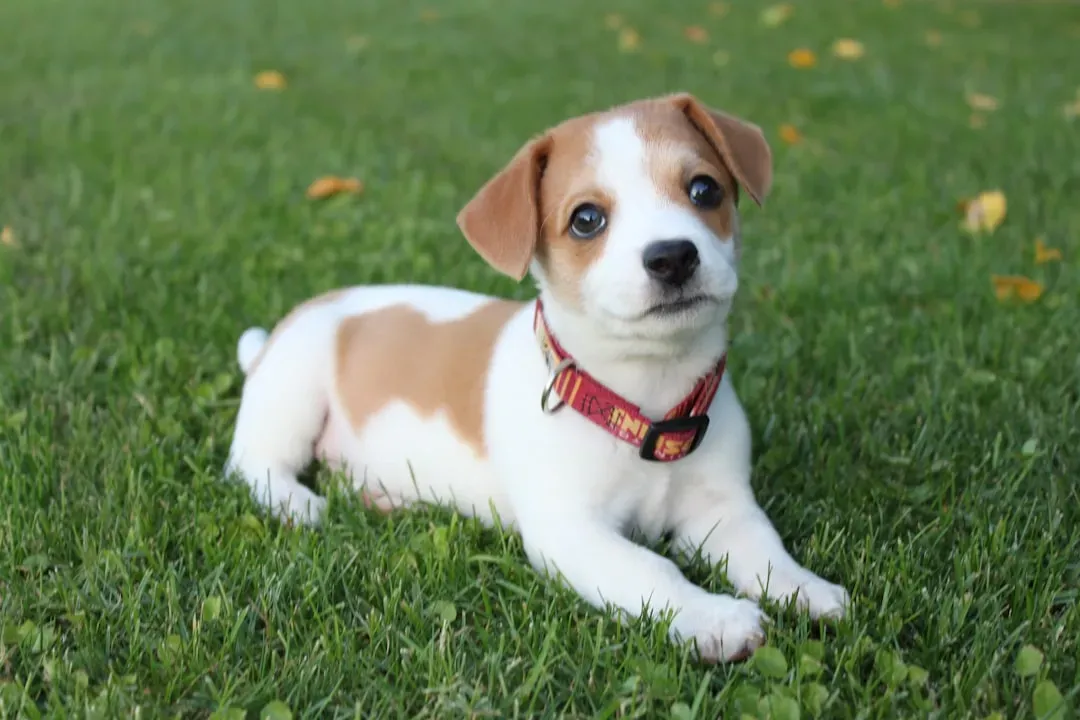
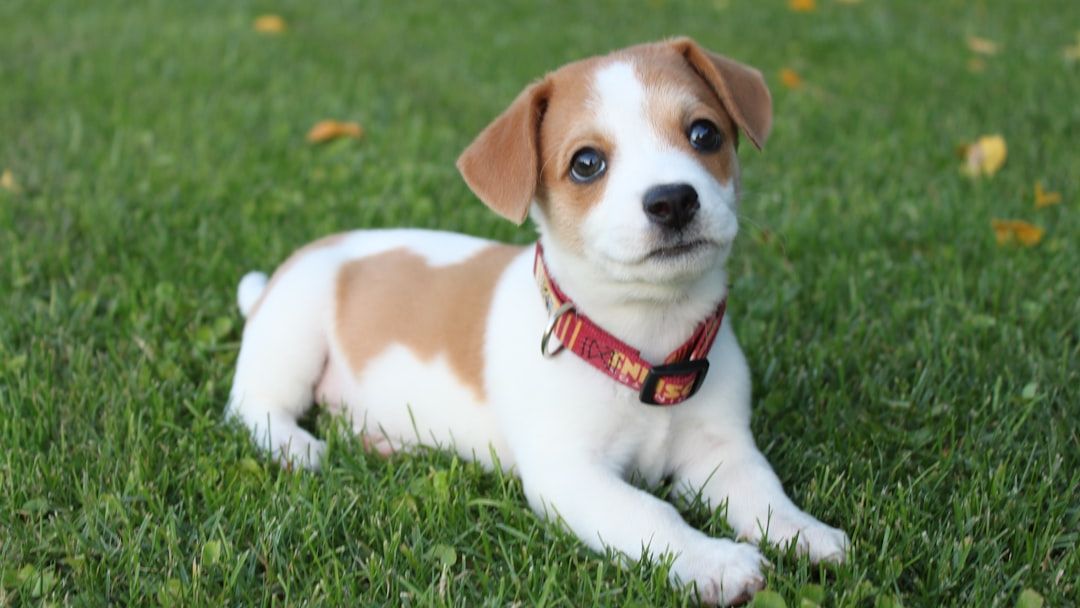
Don’t let the size fool you. Jack Russell Terriers were bred to chase foxes underground – to be fearless, relentless, and completely unbothered by pain or intimidation. That tenacity makes them extraordinary working dogs. In a family home, it makes them a force of nature that most first-time owners are completely unprepared for.
Their prey drive means small pets – cats, rabbits, hamsters – are constantly at risk. Their stubbornness means training requires real consistency and patience, not just good intentions. And their energy output is staggering for a dog of their size. Vets see plenty of Jack Russells whose owners bought them imagining a compact, manageable little dog, and quickly discovered they’d brought home something closer to a lit fuse with legs.
3 – Doberman Pinscher
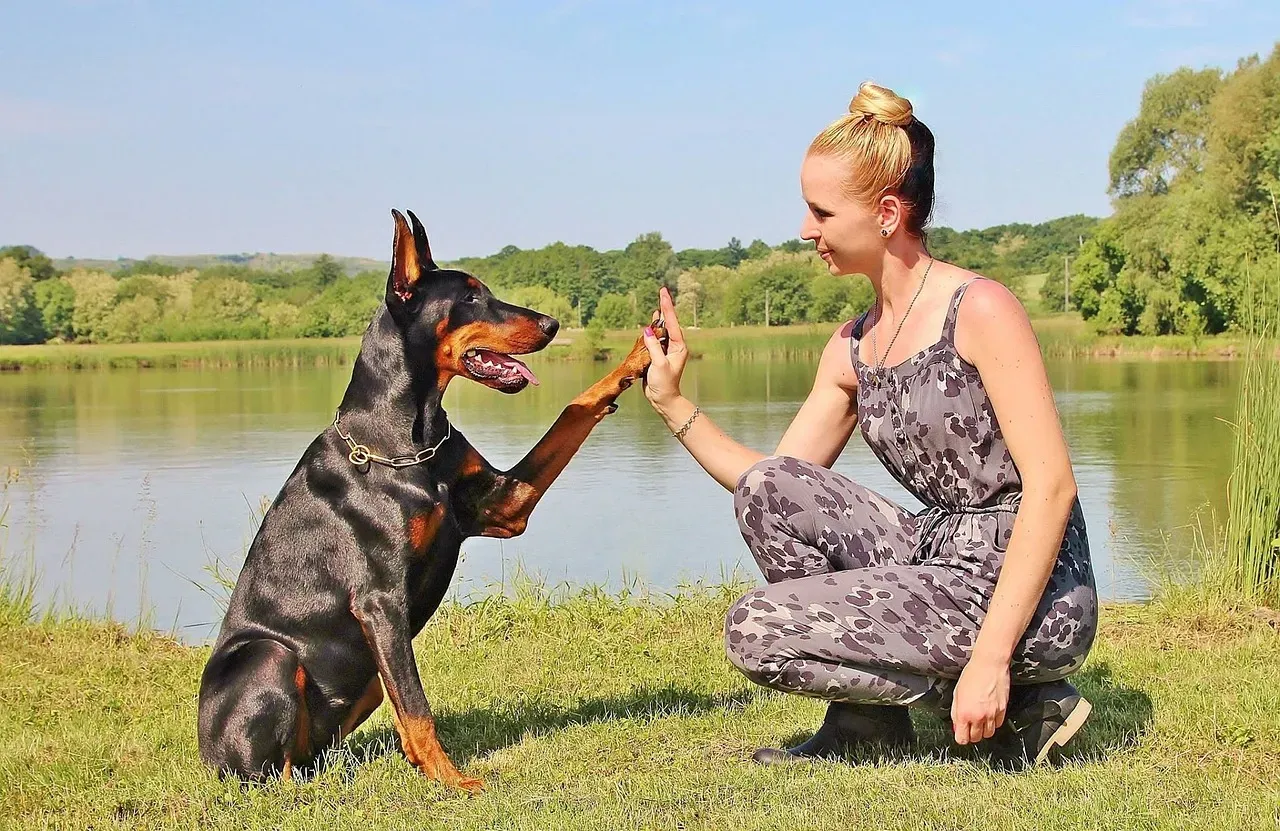
The Doberman’s reputation as an aggressive breed has softened over the decades, and rightly so. Well-raised Dobermans are affectionate, fiercely loyal, and genuinely devoted to their families. But “well-raised” is doing a lot of heavy lifting in that sentence. This is a breed that requires confident, structured ownership from day one – not occasionally firm, but consistently clear and authoritative.
Without that guidance, a Doberman’s natural alertness tips into overprotectiveness that can become dangerous in unpredictable social situations. They also carry serious hereditary health risks, including dilated cardiomyopathy – a heart condition that can be fatal and often strikes dogs that appeared completely healthy. Vets who know the breed well tend to respect it deeply and personally avoid it for the same reason: they’ve seen enough to understand exactly what the stakes are.
Fast Facts
- Dilated cardiomyopathy (DCM) prevalence in Dobermans is estimated at 58% across the breed’s lifetime
- DCM risk climbs sharply with age – affecting over 43% of dogs between ages 6 and 8
- Affected dogs often show no obvious symptoms for years before sudden collapse or heart failure
- Annual cardiac screening via echocardiogram and Holter monitor is strongly recommended from age 2
- DCM is an autosomal dominant inherited condition – it cannot be trained or socialized away
2 – German Shepherd
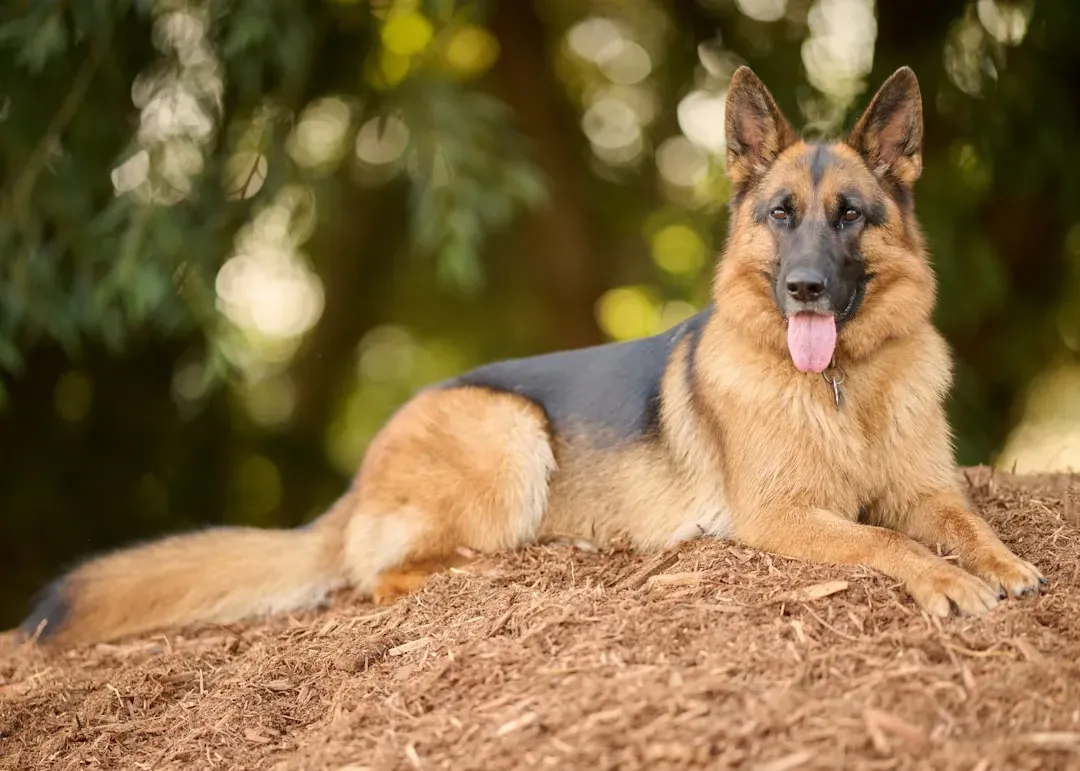
German Shepherds are the gold standard of working dogs – brilliant, loyal, physically capable, and emotionally tuned in to their owners in a way few breeds match. They’re also one of the breeds vets most commonly watch decline in heartbreaking ways. Hip dysplasia is so prevalent in the breed that it’s almost an expected part of ownership, and degenerative myelopathy – a progressive neurological disease that gradually robs the dog of its hind limbs – has no cure.
Vets who work in general practice have said quietly that watching a German Shepherd owner go through a degenerative myelopathy diagnosis is one of the hardest parts of the job. The dog stays mentally sharp while its body fails. The loyalty never wavers. And there’s nothing medicine can do to stop it. The breed’s health burden is real, well-documented, and something that experienced vets factor into their personal decisions about dog ownership in ways that most admirers of the breed never have to consider.
1 – French Bulldog

Here’s the one that surprises people most, because French Bulldogs are everywhere right now – Instagram feeds, celebrity laps, storefronts, everywhere. Their flat faces and bat ears and compact little bodies have made them one of the most popular breeds in the country. And vets, almost unanimously, wish they weren’t. Because behind that irresistible look is a dog that struggles to breathe properly for its entire life.
Brachycephalic obstructive airway syndrome – BOAS – means many French Bulldogs are in a constant state of mild to moderate respiratory distress. They overheat easily, snore chronically, and can collapse from exertion that wouldn’t wind other breeds. Surgery can help, but it rarely fully corrects the problem because the problem is the shape of the dog’s skull itself. Spinal malformations, skin fold infections, eye conditions, and difficult births round out a health profile that makes vets wince every time a new owner beams into the clinic with one. The Frenchie might be the most popular dog in America right now – and quietly, the one most vets would never bring home.
Worth Knowing
- Full corrective BOAS surgery typically costs $1,500–$5,000, with specialist cases exceeding $5,500
- Surgery improves breathing but cannot fully cure BOAS – the underlying skull shape remains
- Frenchies are twice as likely as non-flat-faced breeds to suffer heat-related illness
- Roughly 7% of Frenchies undergoing BOAS surgery experience major post-operative complications
- Pet insurance may cover BOAS surgery, but only if enrolled before any breathing issues are documented
- The breed’s popularity has made BOAS one of the most common surgical procedures in small-animal practice
Final Verdict: What Vets Know That Most Owners Don’t
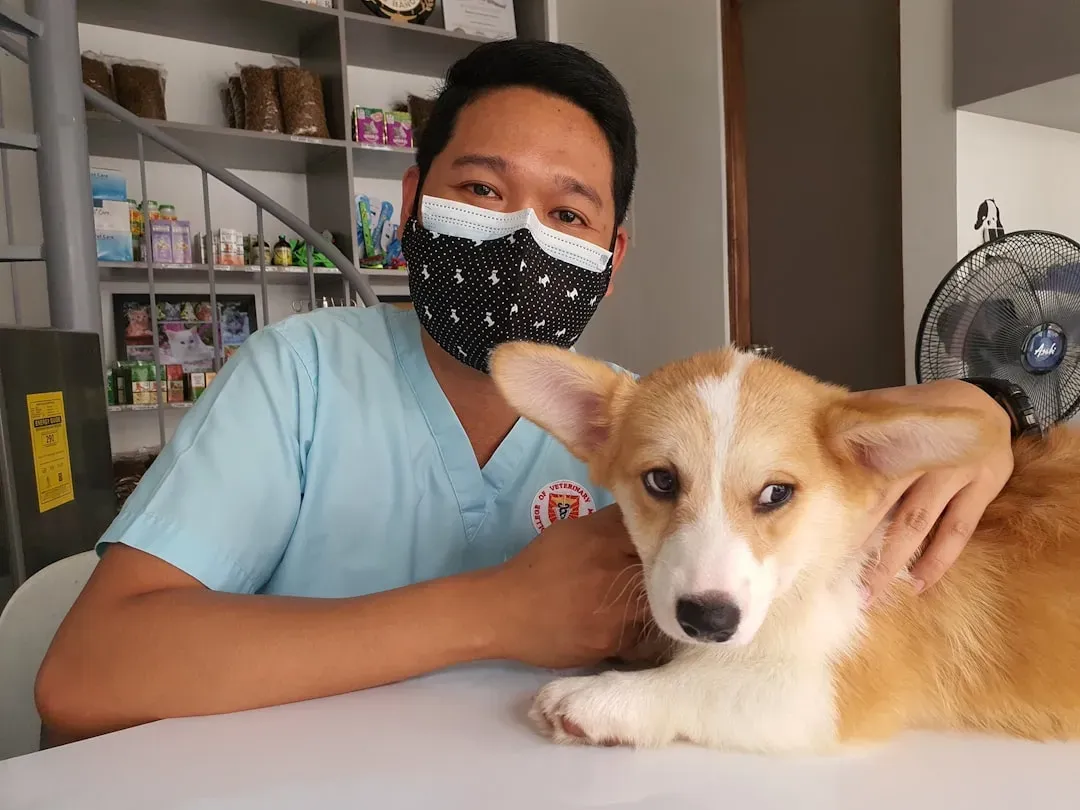
Here’s the uncomfortable truth that ties every breed on this list together: popularity and suitability are not the same thing, and the gap between them is where animals suffer. Every breed here has been loved, championed, and defended by passionate owners – and every breed here has also filled exam rooms with dogs in preventable pain, or families in financial and emotional crisis they didn’t see coming.
Vets aren’t pessimists. They’re realists with receipts. When an experienced veterinarian tells you they wouldn’t personally own a French Bulldog, a Belgian Malinois, or a Doberman, that’s not an opinion formed from a quick Google search – it’s a verdict shaped by years of clinical reality. These breeds can absolutely thrive in the right homes with the right owners. But “the right home” is rarer than Instagram makes it look, and the consequences of getting it wrong fall hardest on the dog. Before you fall in love with a look, fall in love with the full picture instead. The dog deserves nothing less.


