

There’s a moment that many dog owners recognize, quiet and hard to name, when their dog stops being themselves. The food stays untouched. The favorite toy sits in the corner. The dog who once greeted the door with frantic joy now just watches it. If you’ve ever lived with a deeply bonded dog through a loss, you already know this isn’t just an animal going through a routine change. Something deeper is happening.
While we can’t simply ask our dogs what they’re feeling, most evidence seems to indicate that yes, dogs do experience grief in some form. It’s likely that they feel many of the emotions that go along with grief when they lose both human and canine companions during their lives. One landmark study concluded that roughly two thirds of dogs experienced four or more behavioral changes after the loss of a family pet, all of which indicated grief. What’s striking is that some breeds feel this loss far more visibly than others, wearing their heartbreak in ways that are impossible to miss.
#1. Golden Retriever

Few breeds carry their emotions as openly as the Golden Retriever. Known for their trademark smile and gentle nature, Golden Retrievers are deeply emotionally responsive and tend to absorb the energy of their environment. If their owner is joyful, they mirror that excitement. When they sense sadness, they quietly rest their heads on their owner’s laps. This emotional mirroring becomes especially visible after a loss, when that sunny nature dims noticeably.
Golden Retrievers are famous for their empathy and affectionate nature. Known as one of the most emotionally intelligent breeds, they can sense human emotions and respond with warmth and reassurance. Their calm demeanor and gentle presence make them exceptional companions for families and therapy work. When grief enters the household, Goldens often stop eating, seek constant closeness, or simply lie quietly in spaces that once belonged to the person or pet they’ve lost.
#2. Labrador Retriever
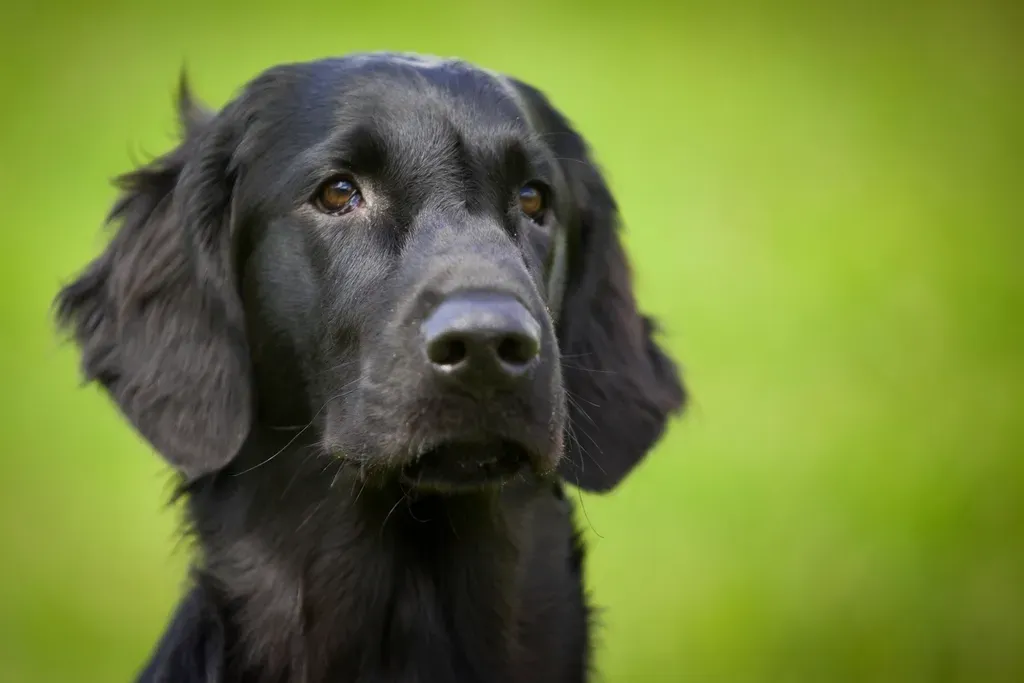
Labrador Retrievers are known for their emotional intelligence and unwavering loyalty. Their sensitivity to human feelings makes them among the most popular dog breeds for families and individuals seeking a deeply empathetic companion. Labradors have an intuitive way of comforting people during stress or sadness, offering affection without hesitation. That same sensitivity, so valuable in therapy and service work, becomes a double-edged quality when a Lab faces personal loss.
The Labrador Retriever is one of the most popular dog breeds in America. Renowned for their affectionate nature, Labs have an ability to be well-connected to people emotionally. Their gentle personality and intuition make them exceptional as emotional support animals and for service work. Labrador Retrievers are social, loyal, and emotionally intuitive, and they may become visibly depressed when separated from their human family or lacking mental stimulation. Their grief is rarely subtle.
#3. Cavalier King Charles Spaniel

The Cavalier King Charles Spaniel is gentle, affectionate, and emotionally intuitive. This small dog breed has a natural gift for tuning in to its owner’s moods, offering comfort through quiet companionship. That gift, however, makes them acutely vulnerable when a bond is broken. Cavaliers are often described as “love sponges,” soaking up every emotional current in the room, including grief.
Cavaliers are bred for companionship, and they take that job seriously. They’re gentle dogs who seem to sense when you’re off and won’t leave your side until you smile again. Though they’re small, their hearts are huge. Cavaliers are highly sensitive and tend to reflect their owners’ emotions, making them ideal for sensitive owners looking for a deeply bonded pet. When a companion disappears from their world, these little dogs can go quiet in a way that’s genuinely heartbreaking to witness.
#4. Border Collie
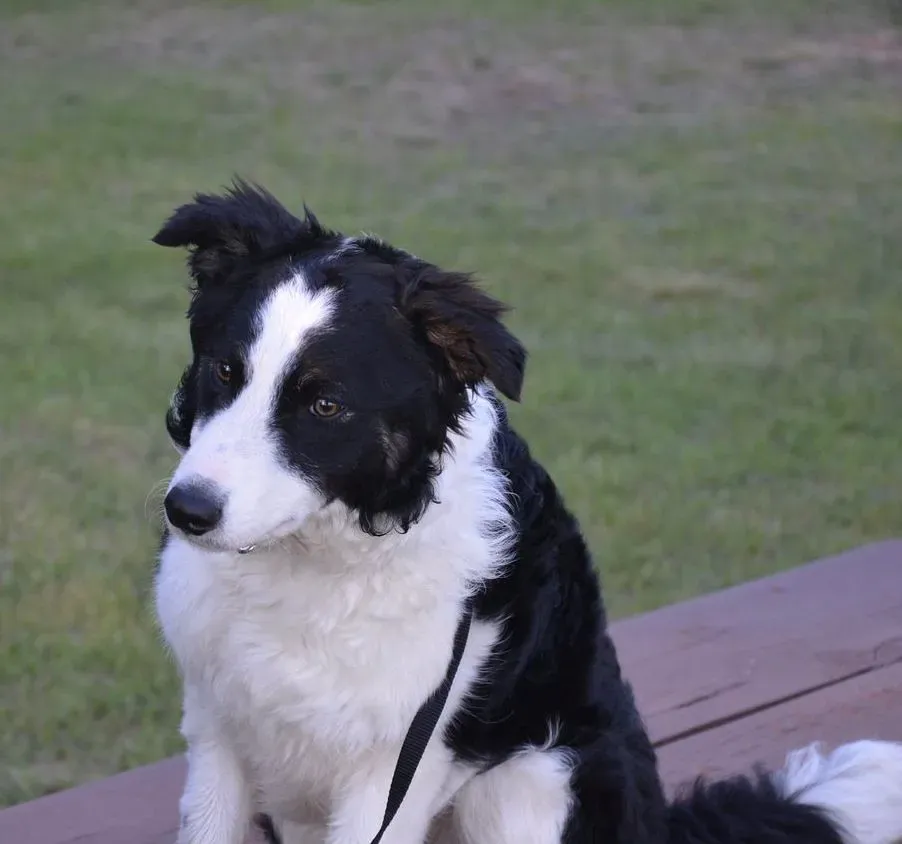
Border Collies are among the most emotionally responsive and intelligent breeds in the world. Originally bred for herding, their strong sensitivity to movement and emotion extends beautifully to human interaction. They read subtle cues, like tone and posture, faster than most dogs. That hyperawareness extends directly into how they process loss, picking up on absence, changed routines, and emotional shifts in their humans almost immediately.
Since Border Collies are so intelligent, they constantly try to please their families. They can easily be trained, but if they experience something distressing, they take it very personally. Their feelings get hurt easily, which can cause them to withdraw for long periods. These emotional dogs love routine and can become anxious in chaotic environments. A peaceful home with structure helps them feel safe and thrive. Disrupt that structure with a loss, and the visible fallout can last for months.
#5. German Shepherd
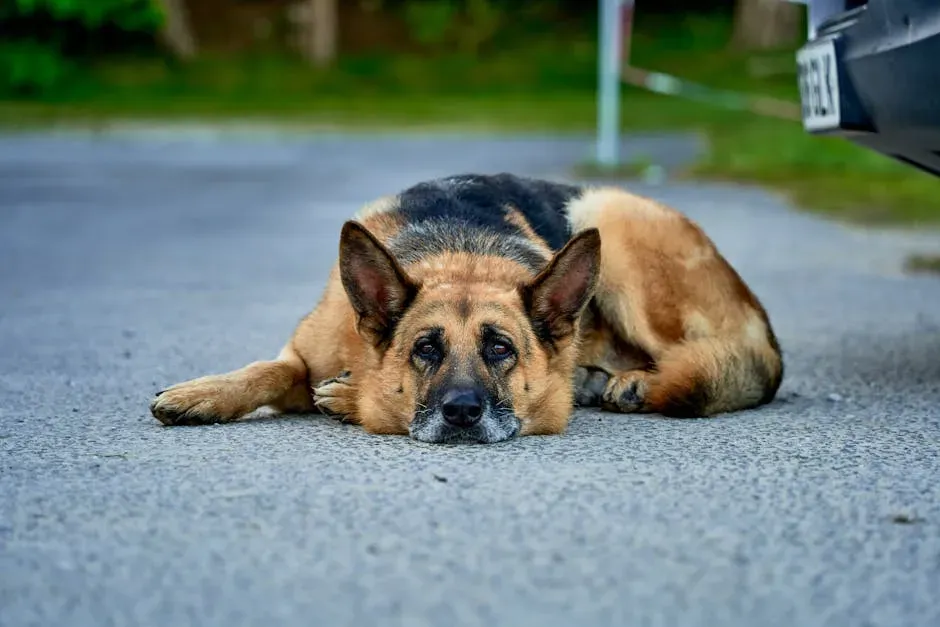
German Shepherds are loyal to their family and sensitive to changes, making them vulnerable to depression in response to stress or grief. This is a breed with a fierce outer reputation and a surprisingly tender inner life. Their bond with their primary person runs extraordinarily deep, and when that connection is severed, the behavioral changes are often dramatic and fast-moving.
The story of Danny, a German Shepherd and police service dog, is one that resonated widely. In June 2014, police dog handler Constable Dave Ross lost his life in the line of duty. His service dog, a German Shepherd named Danny, stood alongside him during his time on the force. Throughout Ross’s funeral, the loyal canine whimpered next to his owner’s casket. This is just one example of the way a dog may express their feelings after losing an owner. German Shepherds don’t just sense loss. They mourn it openly.
#6. Vizsla

Dubbed the “Velcro dog,” the Vizsla forms tight bonds with their owners and needs near-constant companionship. This Hungarian breed is one of the least independent dogs in existence. They’re rarely found in a different room from their person, following every movement and checking in constantly throughout the day. That level of attachment creates a very particular kind of vulnerability when loss occurs.
Separation anxiety provides the most compelling evidence of a broken heart in dogs. These animals become so attached to their owners that time away from them is distressing. The death of an owner can lead to the ultimate form of separation anxiety, as well as other visible signs. For a Vizsla, which already struggles with any separation, the loss of a bonded companion can trigger a cascade of grief behaviors that vets find among the most pronounced of any breed.
#7. Cocker Spaniel

Cocker Spaniels are known for their gentle nature and can become emotionally affected by household tension or lack of attention. They’re acutely sensitive to the emotional temperature of their home, and any sustained grief in the household registers for them almost immediately. Their expressive eyes and floppy ears have long made them look perpetually soulful, but that expression deepens noticeably during periods of mourning.
Having a stable routine helps emotionally sensitive breeds like the Cocker Spaniel feel secure. For those who want a loving, intuitive dog that’s as emotionally aware as they are, a Cocker Spaniel might be the perfect companion. Their grief often shows up as a withdrawal from play, a reluctance to eat, and an unusual quietness that owners tend to notice well before any vet visit confirms it. They’re not dramatic grievers, but they’re deeply consistent ones.
#8. Australian Shepherd
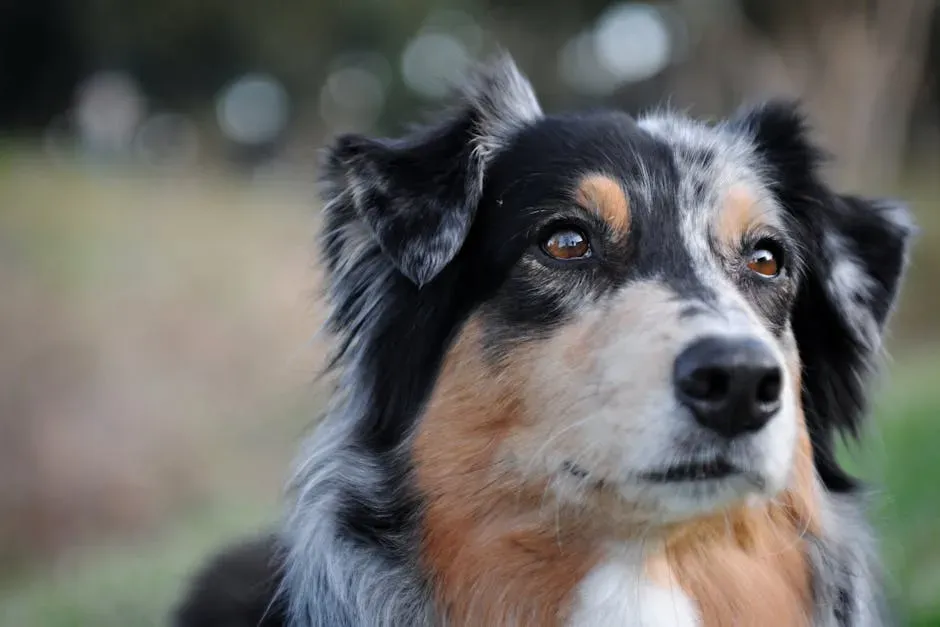
Like Border Collies, Australian Shepherds are one of the smartest dog breeds, but also one of the most sensitive. They’re a herding breed, which makes them very protective over the ones they love. They are always willing to learn new things and spend time with their humans as much as possible. That protectiveness extends to emotional bonds, and Australian Shepherds tend to be acutely aware of every person and animal they consider part of their “herd.”
Australian Shepherds are very sensitive toward their humans. They’re very social dogs, which means that they enjoy spending quality time with people and other dogs as much as possible. They have strong feelings, so if they don’t get the attention they desire, they’ll likely pout and seek more love from their family members. Remove one of those valued connections, and you’ll likely see restless searching behavior, clinginess with remaining family members, and a drop in their characteristic enthusiasm.
#9. Basset Hound

With their calm demeanor and strong attachment to their packs, Basset Hounds may suffer visibly when left alone or experiencing a major life change. They’re pack animals in perhaps the truest sense, having been bred for centuries to work alongside both humans and other hounds. Their entire sense of security is rooted in the stability of their social group, making loss particularly disorienting for them.
Since a dog may not understand death as something permanent, sometimes they will wait patiently, believing that the deceased will return. Basset Hounds exemplify this behavior perhaps more visibly than most. Their long, drooping faces naturally look melancholy, but during grief those expressions deepen, and the waiting posture near a door or favorite spot of a lost companion can be quietly devastating to observe. Vocalizing their distress with low, mournful howls is another hallmark grief sign for this breed.
#10. Poodle
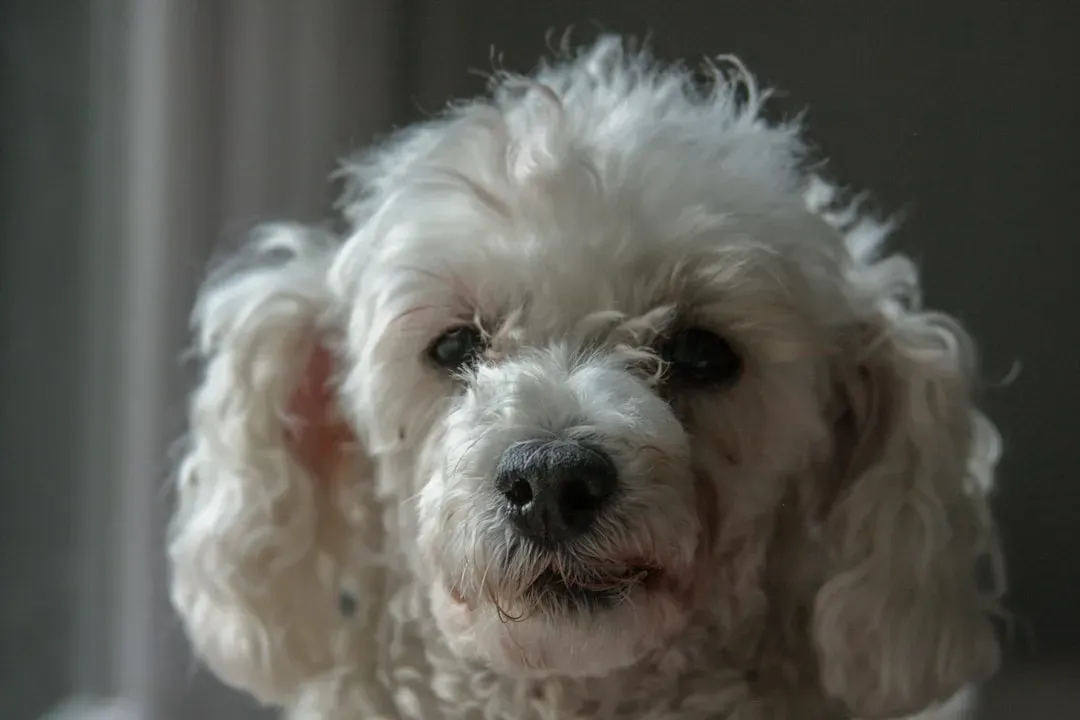
Don’t let the fancy haircut fool you. Poodles are more than just pretty curls. They’re brainy, emotionally intelligent, and surprisingly sensitive dogs who pick up on moods like pros. Available in toy, miniature, and standard sizes, Poodles adapt to many lifestyles, but they all share one thing: a deep emotional bond with their humans. That bond is reinforced by their remarkable intelligence, which makes them acutely aware of changes in their environment.
Their intelligence makes them one of the easiest breeds to train, but it also means they can become emotionally reactive if not properly engaged. Mental stimulation is as essential as food. Most dogs are exquisitely sensitive to the emotions of their social companions. As household members grieve and adjust to their own loss, dogs can sense that sadness and may experience distress or anxiety. For a Poodle, that combination of high intelligence and emotional sensitivity means their grief can manifest quickly and intensely, often expressed through unusual quietness, reduced appetite, or out-of-character clinginess.
#11. Bichon Frise

Their emotional sensitivity means Bichon Frises can often sense when their owners are feeling down, and they will readily provide companionship during those times. Bichon Frises are social dogs that enjoy being around people and other pets, but they can suffer from separation anxiety if left alone for long periods. In conclusion, Bichon Frises are not just adorable and loving, they are also emotionally sensitive, making them perfect companions for anyone seeking a dog that provides comfort and emotional care.
The flip side of that deeply social nature is that Bichons are genuinely destabilized by loss. Animals form deep bonds with their family members, both human and animal, and when that connection is broken, they can experience grief in their own unique ways. For Bichon Frises, grief tends to look like persistent restlessness, difficulty settling, and a noticeable drop in that signature bubbly energy. Owners often describe them as “just not themselves,” sometimes for weeks at a stretch after a significant loss.
#12. Rottweiler
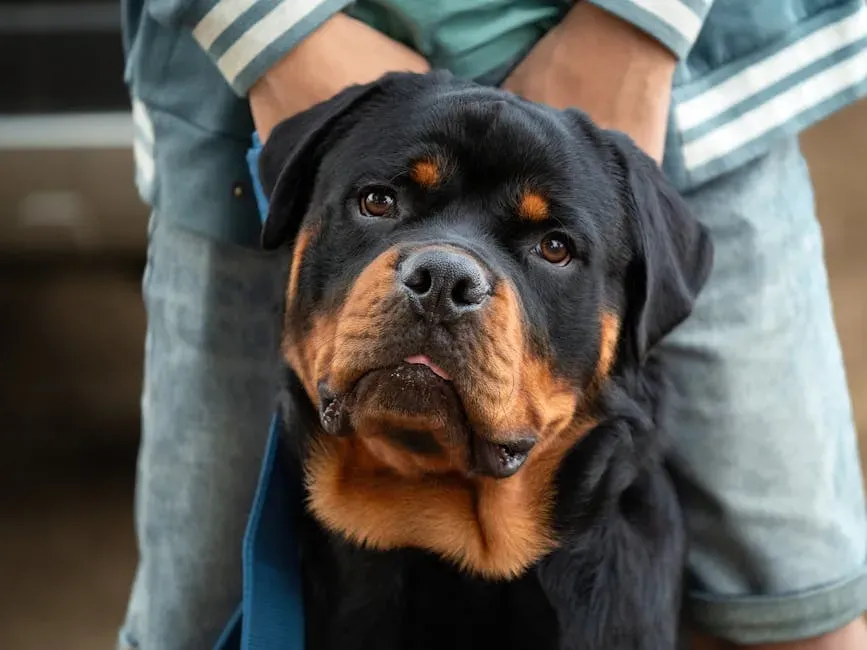
The Rottweiler is recognized for its sleek physique and guarding powers. They are huge in stature and look intimidating, but they are also called “gentle giants” as they get along well with their families and form deep emotional bonds. That description of a gentle giant is particularly relevant when it comes to grief. Behind the imposing exterior is a dog that is profoundly attached to its people and, by extension, profoundly affected when that attachment is suddenly severed.
Rottweilers are prone to separation anxiety much like some of the other sensitive breeds. They might look tough at first glance, but they’re incredibly gentle. Your dog simply knows that their friend is no longer present and may exhibit symptoms of grief including withdrawal from people and other pets, a lack of appetite, and lethargic behavior, sleeping more than usual. In a Rottweiler, that lethargy can be stark, a powerful and usually energetic animal reduced to lying quietly in places where their person used to sit.
#13. Shetland Sheepdog
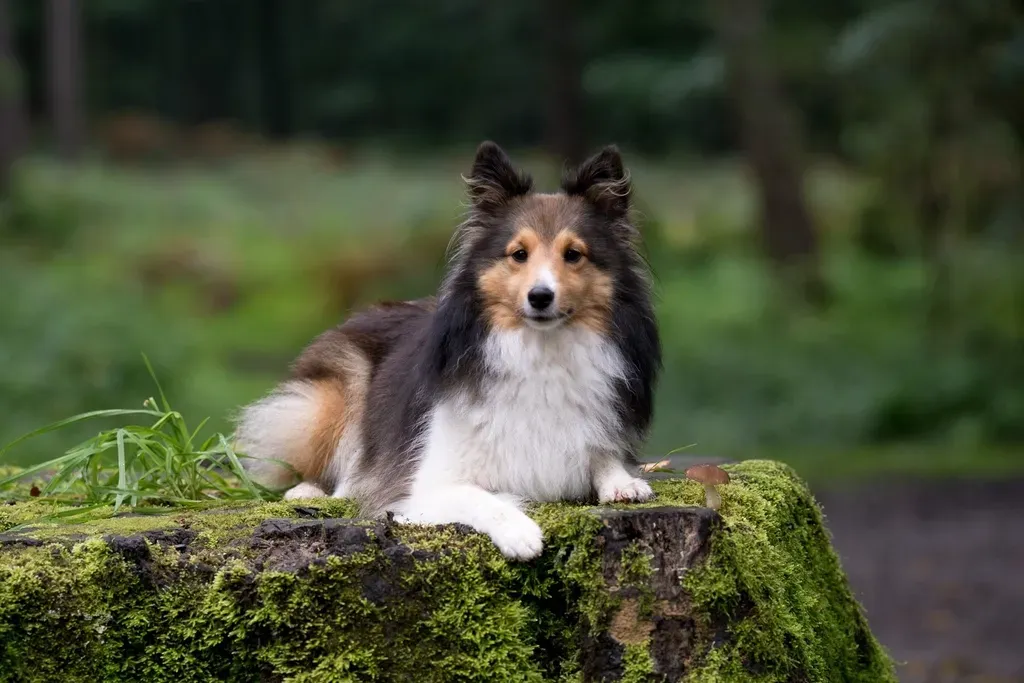
The Shetland Sheepdog, affectionately known as the Sheltie, is a breed that bonds with exceptional intensity to a small circle of people it considers its own. Dogs are certainly capable of sensing the absence of a loved one. They pick up on changes in routines, scents, and the emotional atmosphere, which can contribute to their understanding that someone or another pet is no longer present. For Shelties, who are highly attuned to routine and deeply loyal to their core family unit, this awareness of absence is particularly acute.
Grief in pets can be displayed in various forms, including anxiety, restlessness, or a need to stay closer to the owner, acting withdrawn or despondent, changes in eating, drinking, sleeping, or exercise habits, and depression, heavy sighing, or disinterest in usual activities. Shetland Sheepdogs are known to show nearly all of these signs after a significant loss, particularly the heavy sighing and withdrawal that owners describe as almost human in quality. Often, the impact of grief for dogs resolves after two to six months, but some dogs may never be quite the same again. For a Sheltie, that permanent shift in personality after loss is something veterinarians and owners note with surprising regularity.
What You Can Do When Your Dog Is Grieving

Grief is a natural process, and our animals form bonds that even we can’t fully understand. Their grief process can take a long time, just like ours does. The most important thing any owner can do is resist the urge to rush it. Dogs of any age or breed can experience grief. While the intensity, signs, and length of time that dogs grieve may vary, the best thing you can do is give them some extra love and attention and be patient as they navigate their loss.
How long a dog grieves varies, but with time, most will recover emotionally. At the first sign of decline in physical or emotional health, consult a veterinarian to make sure the symptoms of grief aren’t masking symptoms of another illness. Most experts recommend waiting at least two to four weeks, sometimes longer, before introducing a new pet into the household. Give your dog what it actually needs most: your steady, unhurried presence.
A Final Thought
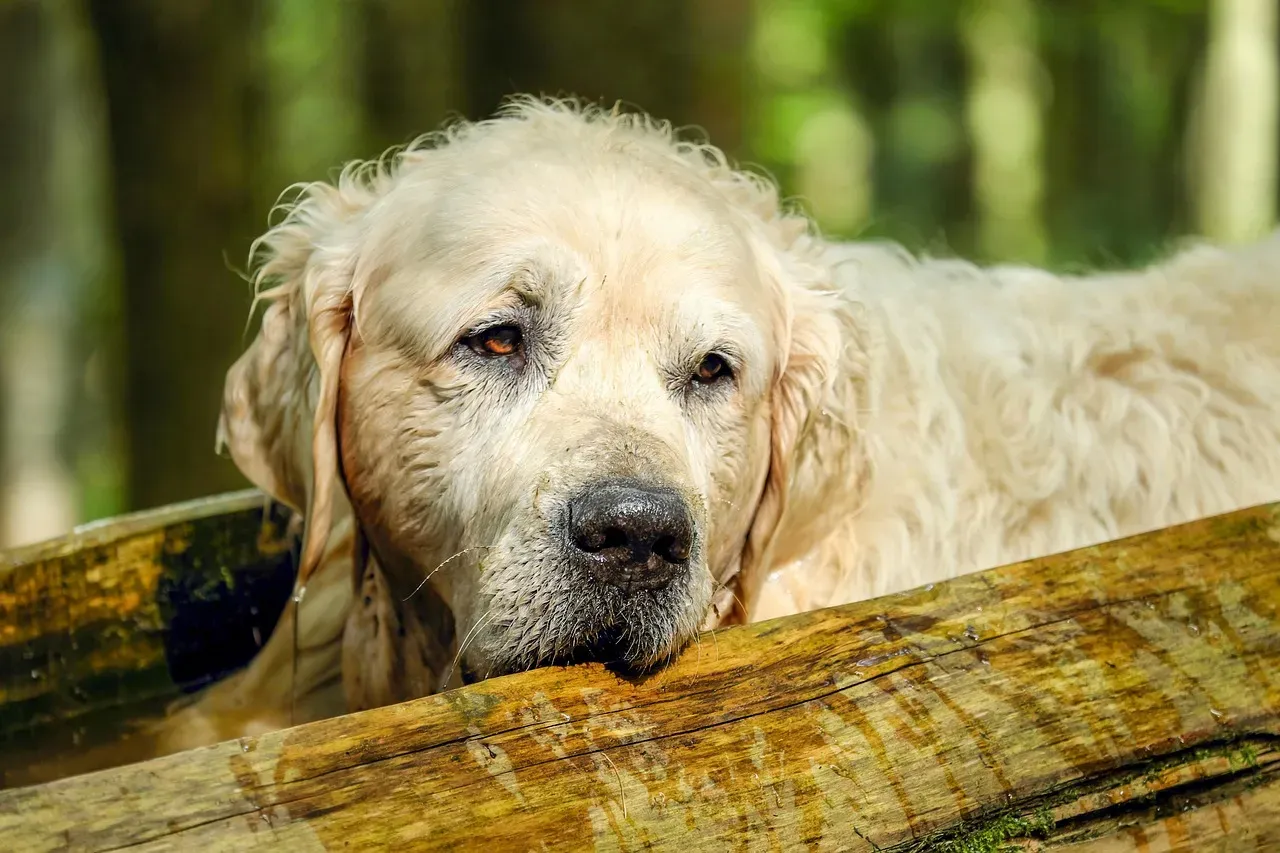
There’s something quietly profound about the fact that the breeds most capable of showing us love are also the ones most visibly broken by its loss. The emotional depth that makes a Golden Retriever a comfort during your hardest days is the same depth that leaves them quietly devastated when their companion disappears. Dogs and people have forged concrete bonds since domestication. We love our canine companions, and they are devoted to us. The strength of these relationships varies at an individual level and with the breed.
The grief these thirteen breeds display isn’t a flaw. It’s the cost of loving deeply, and in that respect, they aren’t so different from us. If your dog is hurting after a loss, the most honest thing you can offer isn’t a quick fix or a replacement companion. It’s time, routine, and the kind of patient presence they have always offered you. They deserve nothing less.


