
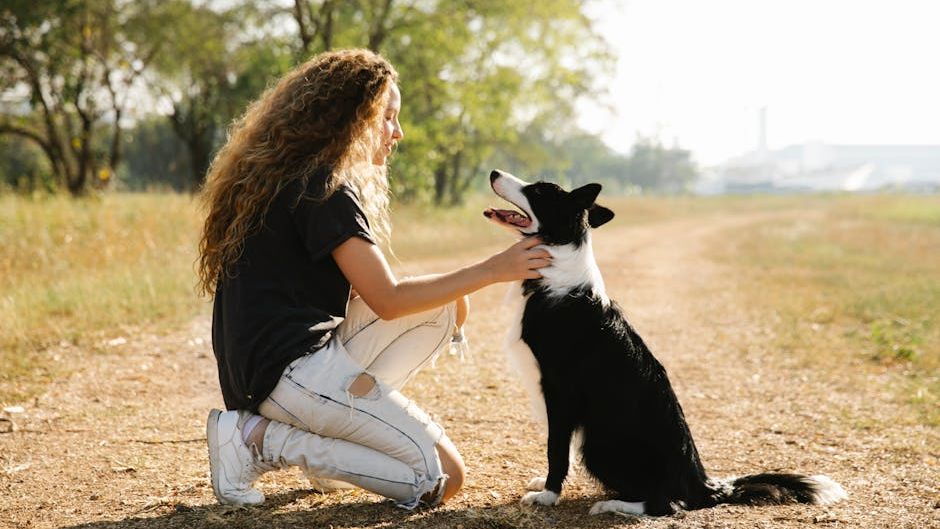
There’s something almost inexplicable about the way certain dogs look at their person. Not just with affection, but with a kind of quiet devotion that feels less like a pet-owner dynamic and more like a partnership built into their very DNA. Most dogs love their families. These dogs love one human with everything they have.
Some dogs form connections with their entire family, while others reserve their deepest loyalty for a single individual. This selective bonding isn’t a flaw in temperament, but rather a distinctive trait found in certain breeds. What makes it remarkable, and sometimes heartbreaking, is what happens when that bond gets broken. When a dog is highly attached, their entire sense of security is tied to the physical presence of their owner. The resulting distress is a physiological response, not a behavioral choice. These fifteen breeds feel that truth more deeply than most.
#1. Akita
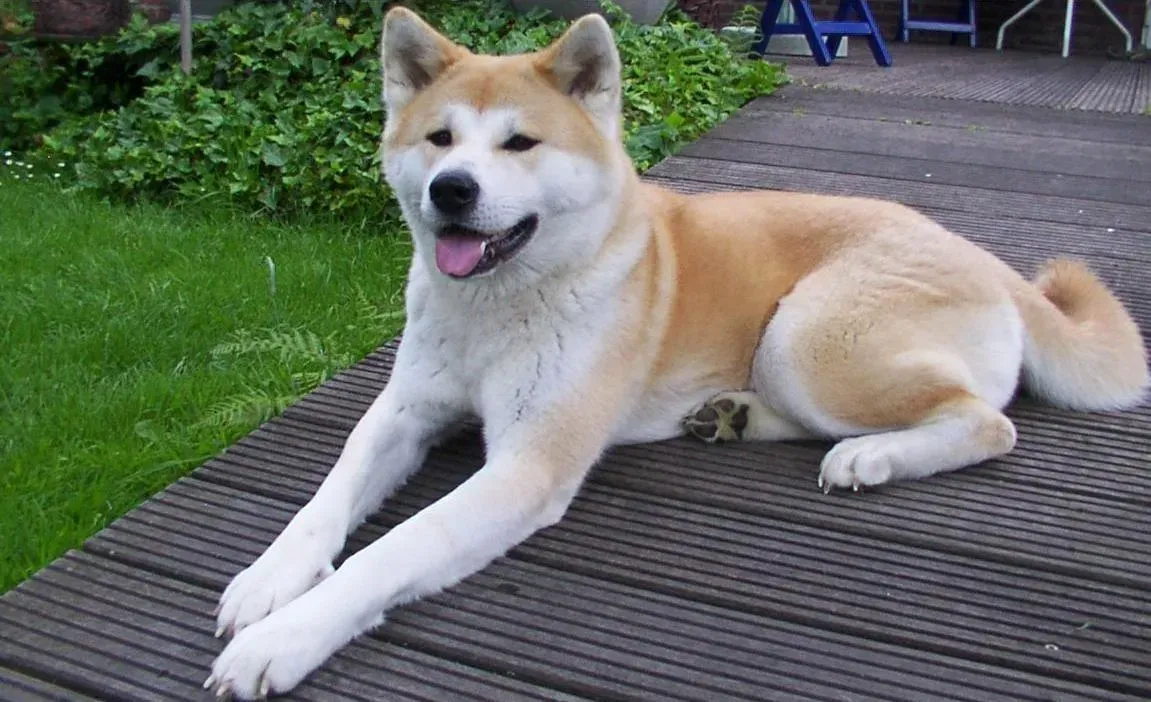
The Akita may be the most legendary example of one-person devotion in the entire dog world. Akitas are famously loyal dogs who bond very closely with one person or family, and they were originally bred in Japan as guard and hunting dogs, known for their courage and unwavering loyalty. Their loyalty is quiet and absolute, rarely showy but always present.
Akitas are strong, quiet, and incredibly devoted to one person. Once they bond, it’s not just affection – it’s loyalty woven into their instincts. They’re not attention seekers and often keep a watchful distance from strangers. When their person disappears from their life, the Akita can withdraw into a stillness that looks almost like grief. The famous Akita named Hachikō was adopted by Professor Ueno and waited at a train station for Ueno every day, even nine years after Ueno’s death. That story isn’t mythology. It’s just what Akitas do.
#2. Vizsla

Vizslas were originally bred for falconry and love working closely with humans, a trait that has translated into a desire for constant companionship. They are widely regarded as one of the most “velcro” breeds in existence, and it’s an accurate label. These dogs don’t just enjoy being near you. They need it.
The Vizsla lives for closeness. Expect a shadow that follows from room to room, nudging your elbow with a soft nose to confirm you haven’t vanished. When you leave, pacing and whines can pop up quickly, often tied to their sensitive, athletic nature. They are much happier when accompanying their owner rather than spending time alone, and can be prone to separation anxiety and destructive behaviors. A Vizsla without its person isn’t just lonely. It’s lost.
#3. German Shepherd
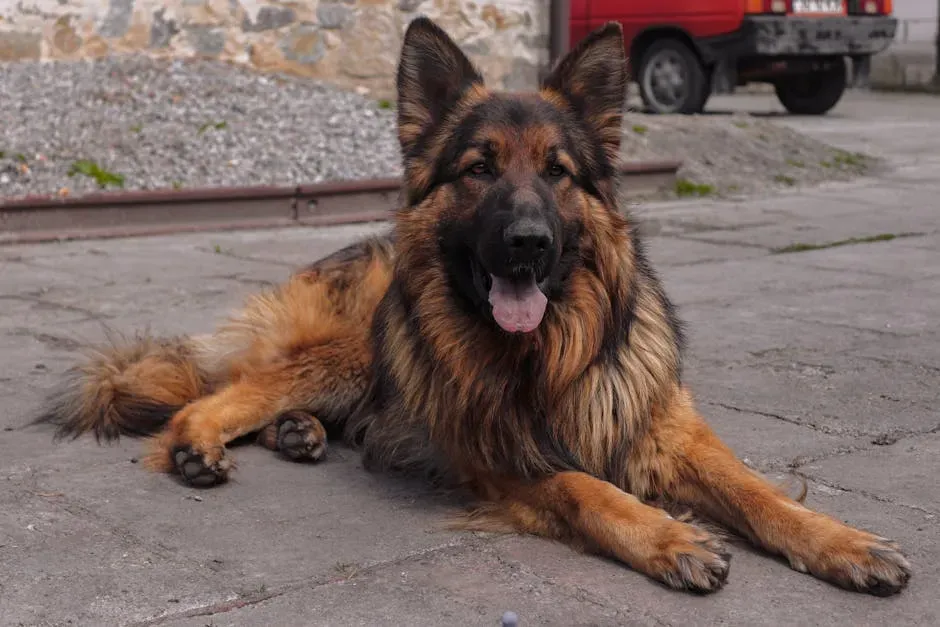
German Shepherds are intelligent and protective, often forming intense loyalty with those they trust. That trust, once established, becomes the center of their emotional world. They are watchful dogs, and the person they’ve bonded with is always at the center of what they’re watching over.
German Shepherds may in some cases be one-person dogs, but they can form attachments to multiple people with careful socialization early in life. Without that early socialization work, they tend to narrow their loyalty considerably. German Shepherds are loyal and protective, and some panic when their main person leaves. That panic is real and can manifest in ways that are difficult to manage, making rehoming or prolonged separation genuinely traumatic for the breed.
#4. Doberman Pinscher
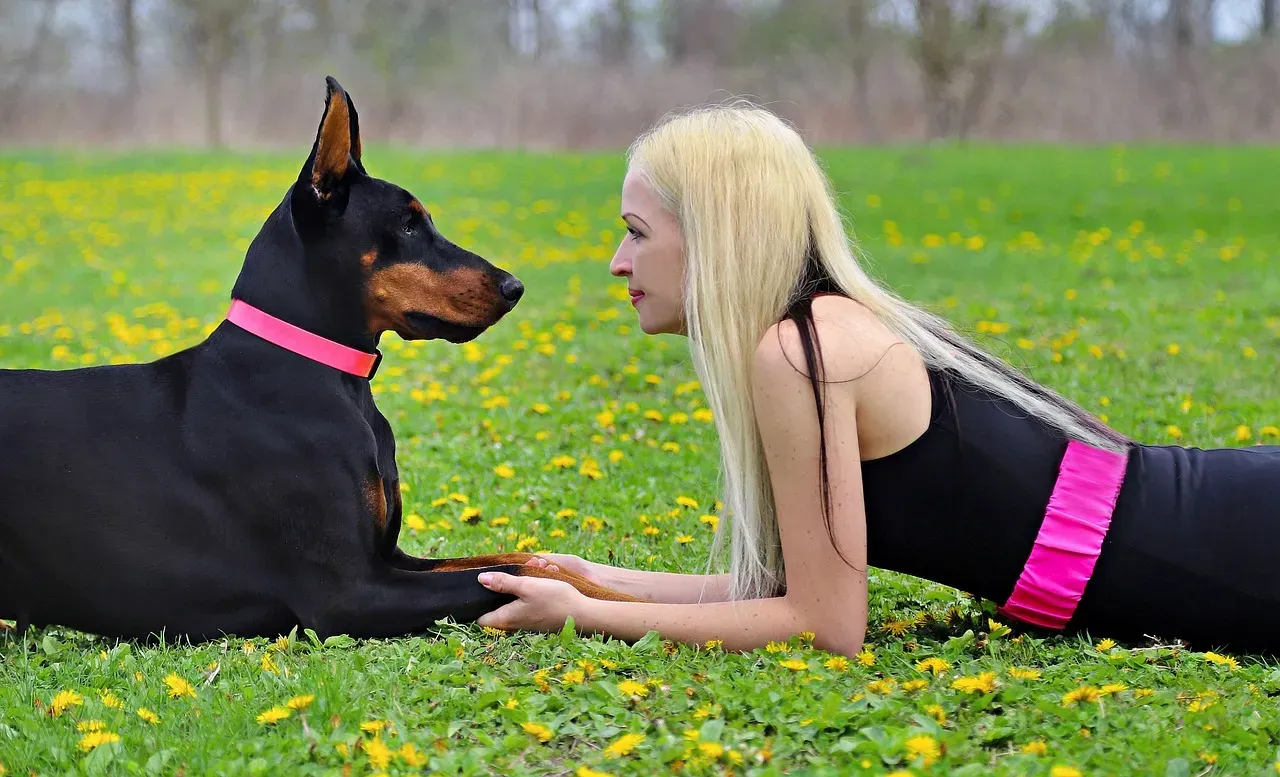
Dobermans are known for their sleek looks and sharp minds, but their emotional loyalty is what truly sets them apart. They don’t just attach – they bond. It happens deliberately, and once it does, there’s no undoing it. The Doberman’s chosen person becomes their primary point of reference for everything.
Dobermans are famously people-focused, often picking a favorite human. When separation hits, they can fret, vocalize, and patrol doorways like devoted sentries. Their smart, intense minds need guard rails before worry snowballs. When a Doberman chooses you, they see it as a lifelong commitment. They’ll watch you constantly, protect you instinctively, and stay close no matter what. They’re also highly intuitive, often reacting to your emotions before you’ve spoken.
#5. Border Collie
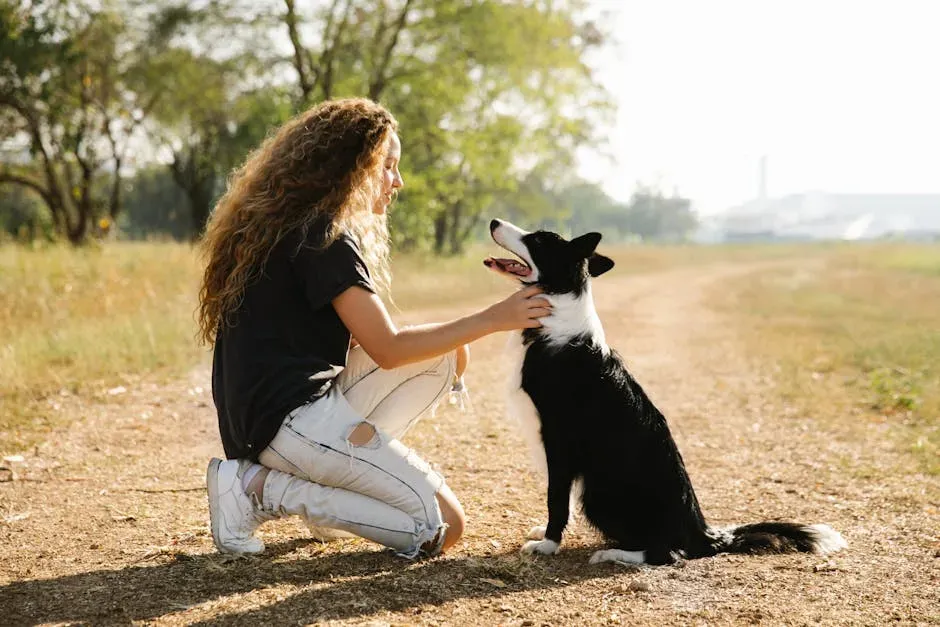
Border Collies are highly intelligent as well as dedicated to their families and their jobs. They show their dedication through obedience and attentiveness and an intense drive to work. These dogs tend to form close attachments to one person or family and bond very closely with them. It’s a bond forged through shared activity, and it runs remarkably deep.
Border Collies are always “on,” and without mental work, pacing and chewing can start. That restlessness intensifies sharply when their person is gone. Cooperative breeds that work in close visual contact with their handler tend to bark more frequently during separation, and functional breed selection may have resulted in dogs that are more motivated to stay close to their owners, which could also make them more prone to frustration when separated. For a Border Collie, losing their person isn’t just an emotional blow. It dismantles their sense of purpose entirely.
#6. Chihuahua
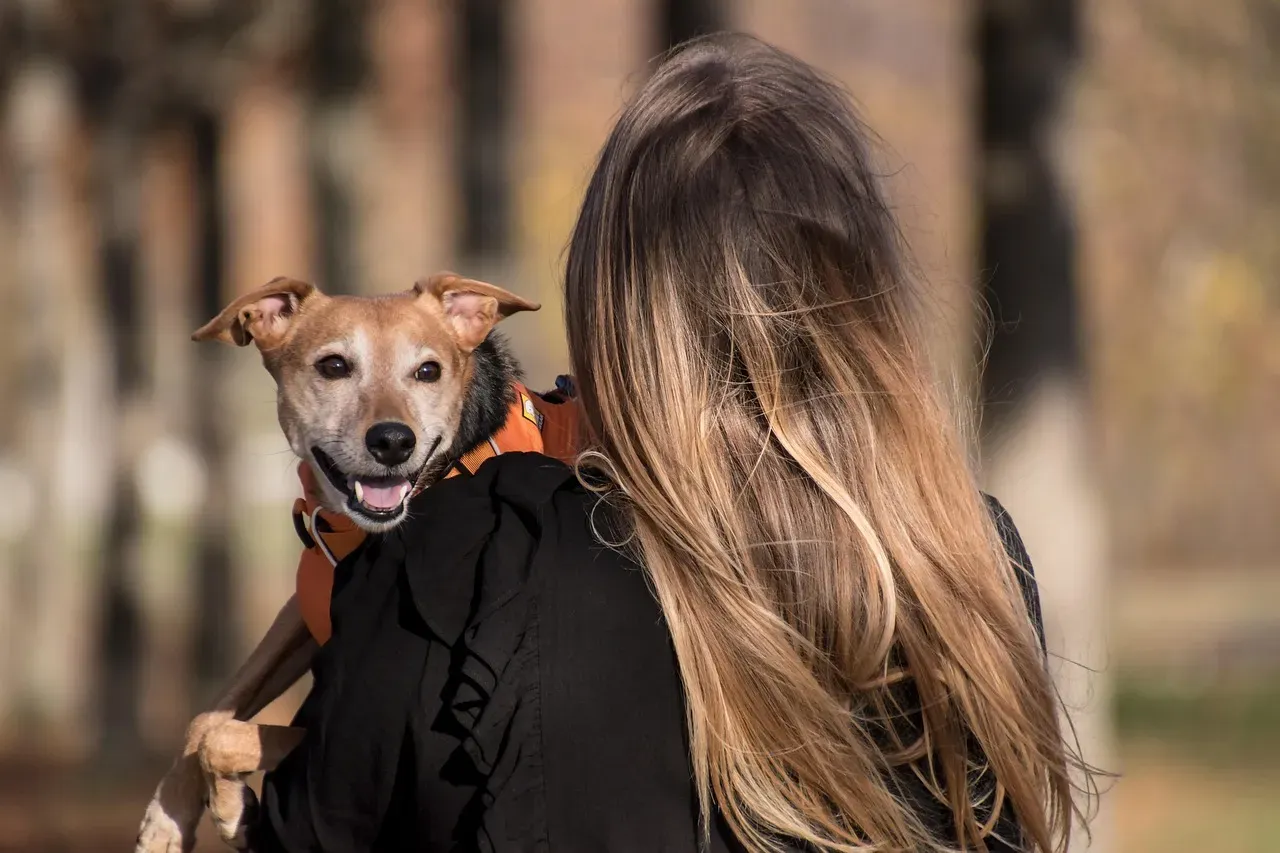
Chihuahuas bond deeply with their owners, and their small size makes them easy companions to bring along wherever you go. That convenience is also part of what deepens the bond so quickly. Most Chihuahua owners carry them everywhere, sleep beside them, and treat them as constant companions, which intensifies an already intense natural tendency.
Chihuahuas bond strongly with one person and may tremble, bark, or have accidents when separated. Chihuahuas bond tightly and read your energy like tiny detectives. Sudden distance can spark vocal protests or anxious pacing. Their small size invites constant carrying, which sometimes deepens clingy habits. Beneath all that bold personality is an animal that is, emotionally, completely tethered to one human being.
#7. Australian Shepherd
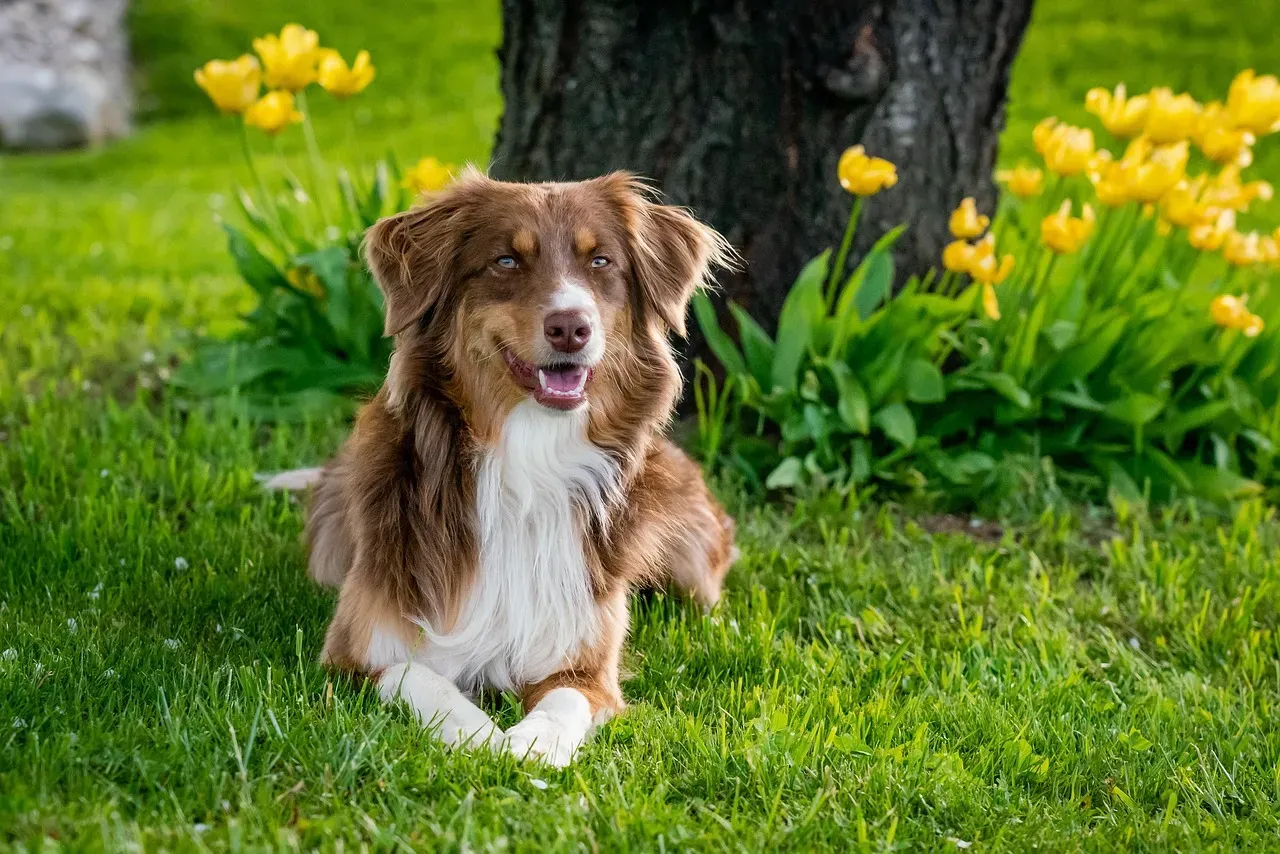
Australian Shepherds are loyal herders who form tight-knit connections with their owners. This breed was built to work in close coordination with a single handler, reading that person’s body language, anticipating their next move, and responding to subtle cues before a word is even spoken. That working intimacy doesn’t switch off at home.
Australian Shepherds are a working breed with big needs, and understimulation can turn into destruction. When their bonded person is removed from the picture, that destruction isn’t just boredom. It’s anxiety expressing itself through the only outlet available. The critical socialization period between three and fourteen weeks of age significantly impacts a dog’s bonding patterns throughout life. Puppies who spend this formative time primarily with one caretaker often develop stronger single-person attachments than those raised in multi-person households. This early imprinting creates neural pathways that influence how dogs perceive and prioritize human relationships as adults.
#8. Cavalier King Charles Spaniel
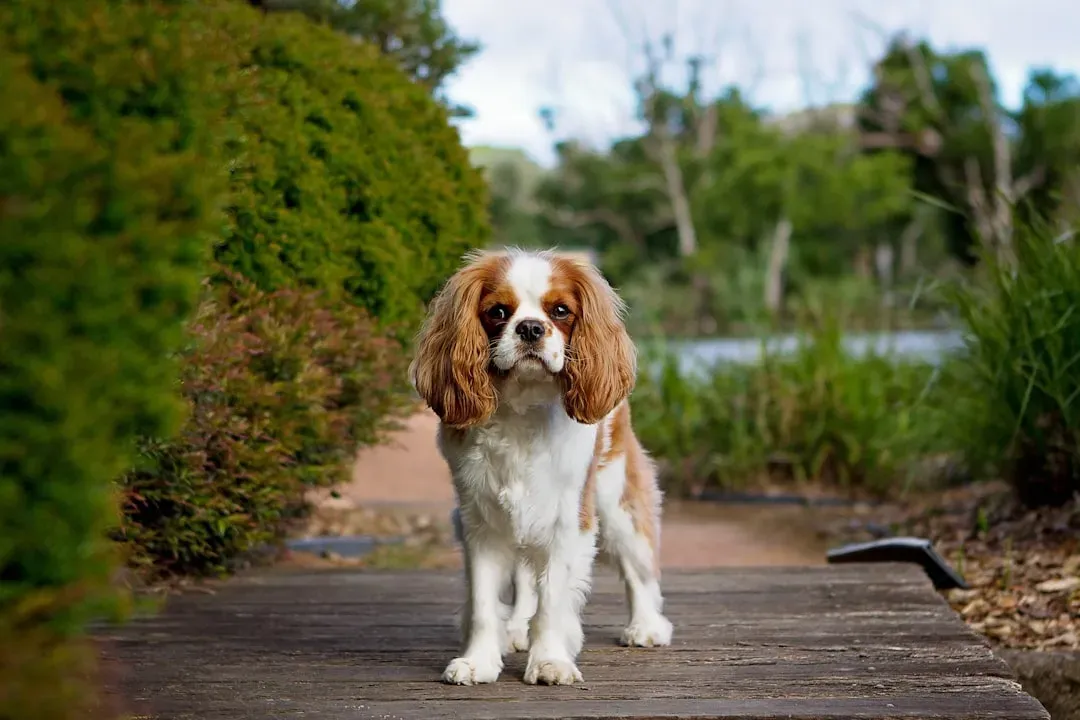
The Cavalier King Charles breed has a reputation for suffering from extreme separation anxiety. They will provide their family with unconditional love and loyalty, and they are lap dogs. They do not like to be left on their own, and they were bred to be companion dogs, which makes them more prone to separation anxiety when their owners leave. This isn’t a quirk. It’s baked into the breed’s entire history and purpose.
These dogs thrive on human interaction and often form deep family bonds. Their gentle nature masks an intense neediness that can manifest in heartbreaking ways when alone. The Cavalier doesn’t cope well with change of caretaker, and the adjustment period after losing their primary person can be prolonged and visibly painful. They are not designed for solitude, in any sense of the word.
#9. Shetland Sheepdog
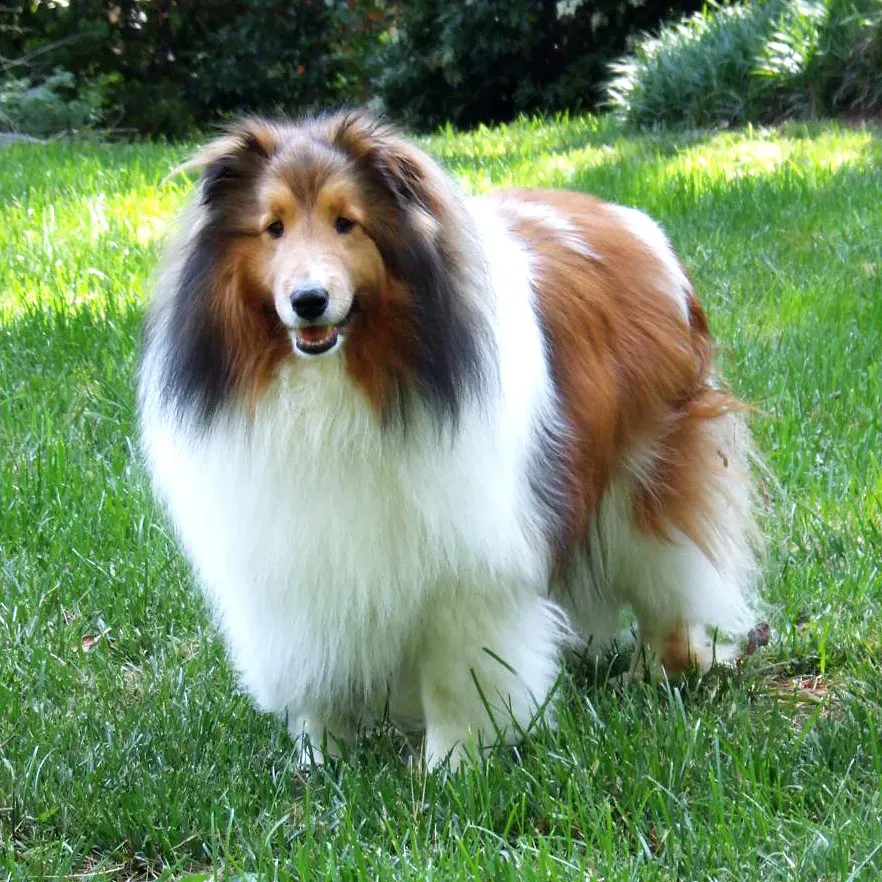
Shetland Sheepdogs are sensitive observers who track routines closely. Sudden silence when you leave can feel unnerving, prompting whines or door hovering. Their eagerness to please makes them excellent students for separation practice. But that same sensitivity is precisely what makes separation so difficult for them to process in the first place.
Shetland Sheepdogs are alert and sensitive, and they need alone time training early. Without it, they can become increasingly dependent on their chosen person for emotional regulation. Shetland Sheepdogs are watchful and loyal, and they stay close to their family. When that family, or more specifically that one irreplaceable person, is no longer present, the Sheltie can spiral into a form of emotional displacement that takes considerable time and patience to address.
#10. Cocker Spaniel
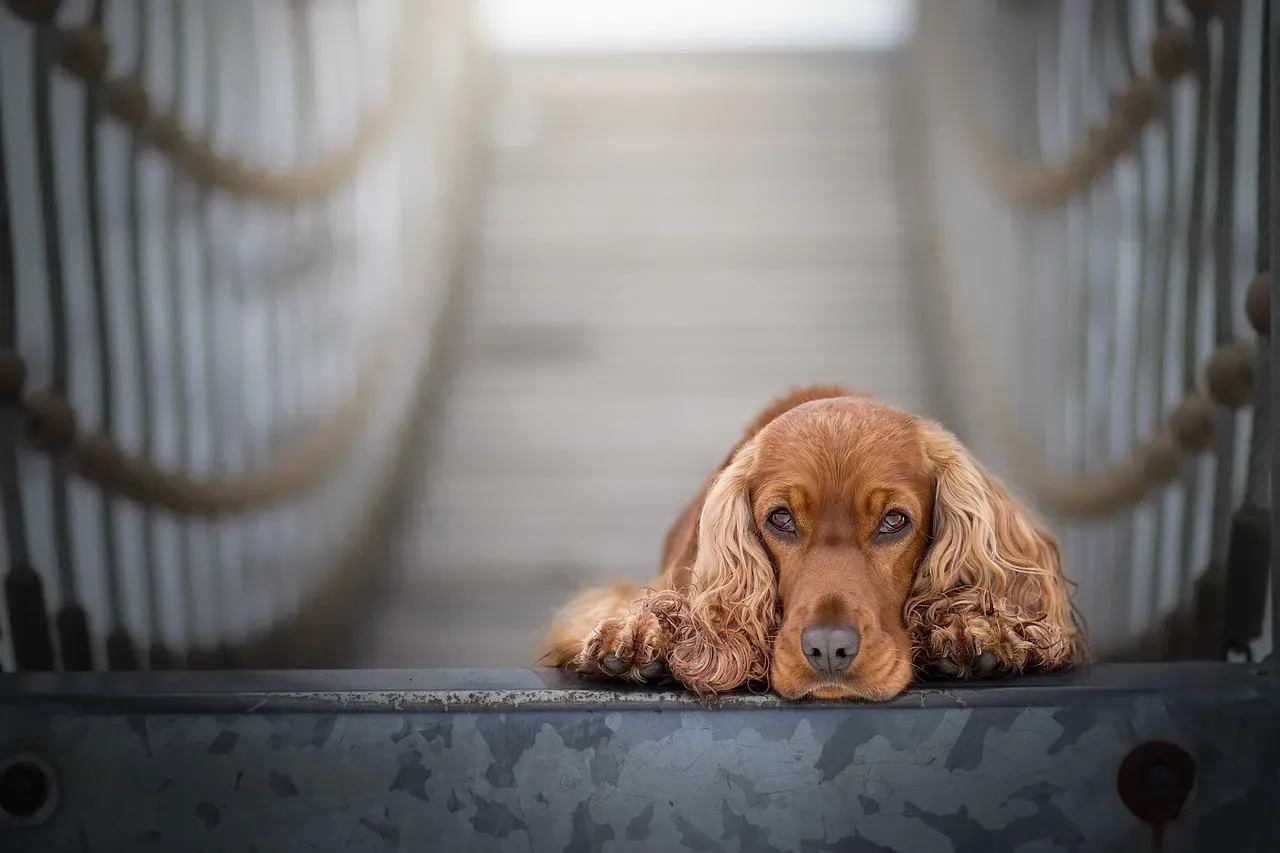
Cocker Spaniels are soft-hearted dogs that attach deeply to one person, especially when raised in a nurturing home. They’re affectionate, sensitive, and emotionally intelligent. If you’re sad, they’ll rest their head on your lap; if you’re happy, they’ll wag their whole body in response. Once they bond, they seek emotional closeness, constant reassurance, and lots of physical affection.
Cocker Spaniels tend to be loyal and loving. Their overall temperament makes them prone to separation anxiety. Because they are naturally such a friendly, rewarding dog in response to people’s attention, Cocker Spaniels seem to feel aggrieved when they don’t get enough of it. That grievance deepens substantially when the person they’ve specifically chosen is no longer a daily presence. These are not dogs who simply move on. They mourn.
#11. Maltese
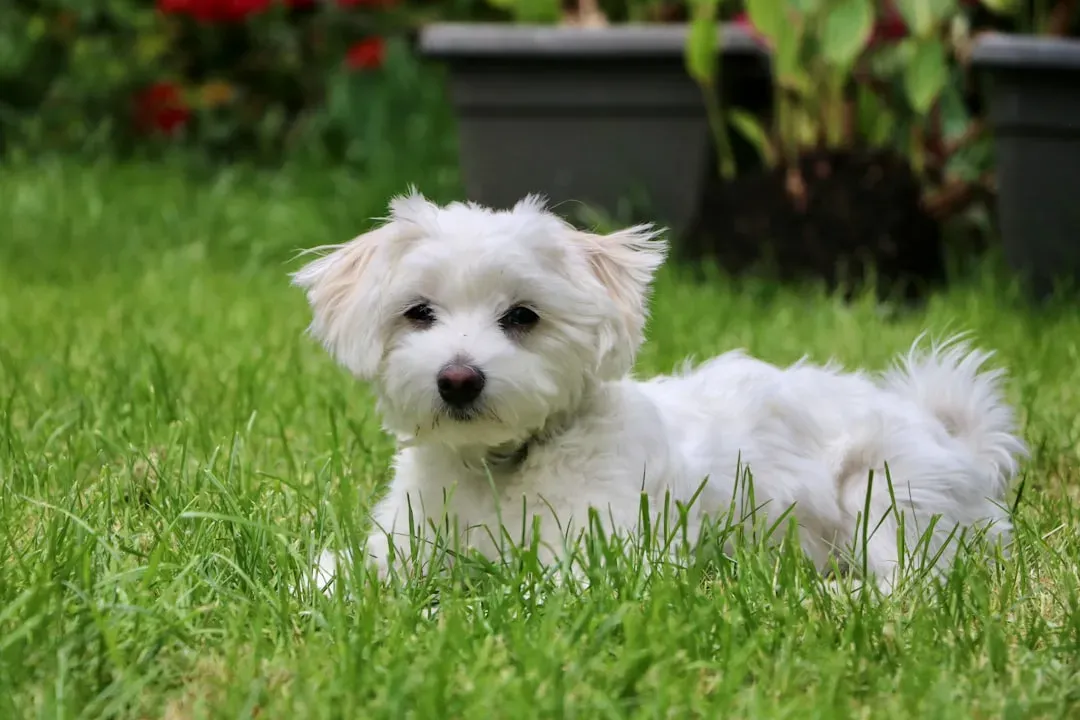
Maltese dogs are renowned for their affectionate and loyal nature. This breed tends to form strong bonds with their owners, which can make the Maltese more susceptible to separation anxiety when left alone. For a dog this small, the emotional weight they carry for one person is surprisingly significant. They invest everything into that relationship.
Maltese dogs are sensitive and devoted lap dogs that desire closeness and consistency. Consistency is the key word here. Disrupt their routine, remove their person, or alter their environment suddenly, and a Maltese will show you very clearly how much that bond meant to them. The Maltese is a small, fluffy breed that loves to be the center of attention. They are known for their affectionate nature and strong attachment to their families, and this attachment can lead to separation anxiety when they are left alone for extended periods.
#12. Dachshund

Dachshunds are affectionate and wary of strangers, and they often pick one person to shadow. That shadowing behavior is not incidental. It’s a deliberate expression of where their trust has been placed. Dachshunds are selective by nature, and once they’ve chosen their person, they make it abundantly clear that no one else quite measures up.
Their stubbornness, which is a well-known breed trait, actually amplifies their attachment. Once a Dachshund has decided you are their person, that decision feels permanent to them. Some dogs bond so closely with one person that being apart feels impossible, and this hyper-attachment is a type of separation anxiety. Dachshunds sit firmly in that category, and the emotional fallout of prolonged separation can be lasting and visible in their behavior, appetite, and overall spirit.
#13. Italian Greyhound
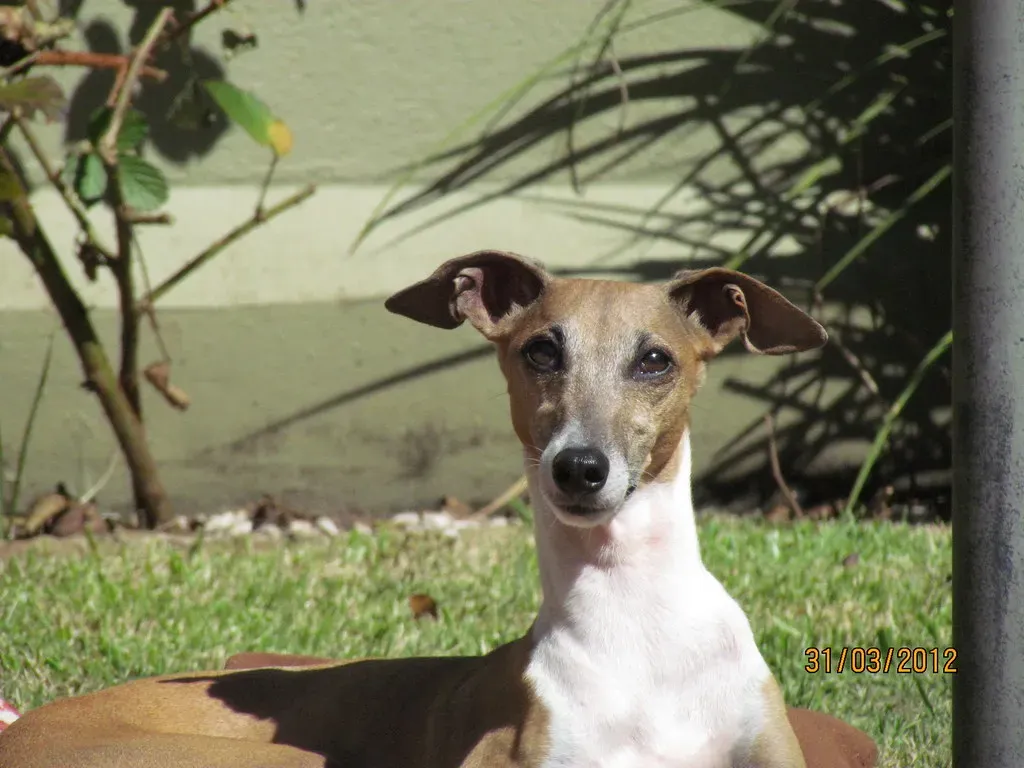
Italian Greyhounds are the smallest sighthounds and they make excellent family companions. Because they bond so closely with their owners, they are prone to suffering separation anxiety should they be left alone for long periods. Delicate in frame and equally delicate in emotional makeup, these dogs form attachments that feel more like symbiosis than companionship.
Italian Greyhounds are delicate and emotionally in-tune with their person, and often clingy. They crave physical warmth, both literally and emotionally. You’ll regularly find them tucked under blankets, pressed against their person’s side, or trembling gently when that comfort is removed. Dogs have shown behaviors indicative of an attachment relationship where the animal will seek out the attachment figure as a means of coping with stress. Conversely, the absence of an attachment figure can trigger behaviors indicative of separation-related distress. In Italian Greyhounds, that stress response is among the most visible of any breed.
#14. Pomeranian
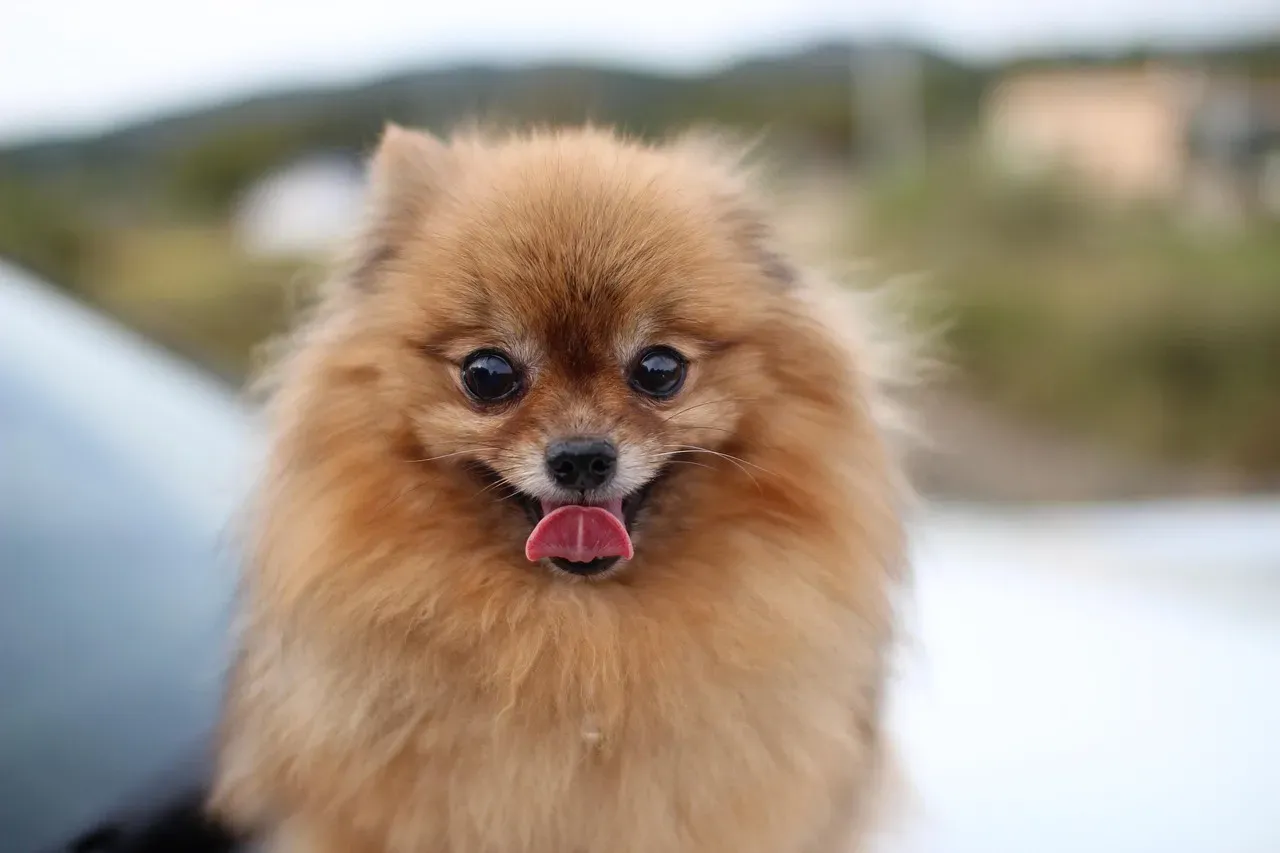
Pomeranians may be playful and social, but they tend to choose one person as their ultimate favorite. Their loyalty is enthusiastic and unmistakable – they’ll follow you like a tiny shadow, curl up beside you at night, and bark passionately if anyone comes too close. They’re small, but their love is oversized. The intensity behind that fluffy exterior genuinely surprises people who don’t know the breed well.
Pomeranians are confident and spirited dogs, but that confidence crumbles when their chosen person is gone. Dogs rescued or adopted after puppyhood may form even stronger one-person bonds, particularly if they experienced neglect or instability before finding their permanent home. The individual who provides consistency, safety, and positive experiences during this transitional period often becomes the focal point of the dog’s loyalty. In Pomeranians especially, that focal point becomes nearly impossible to replace.
#15. Yorkshire Terrier
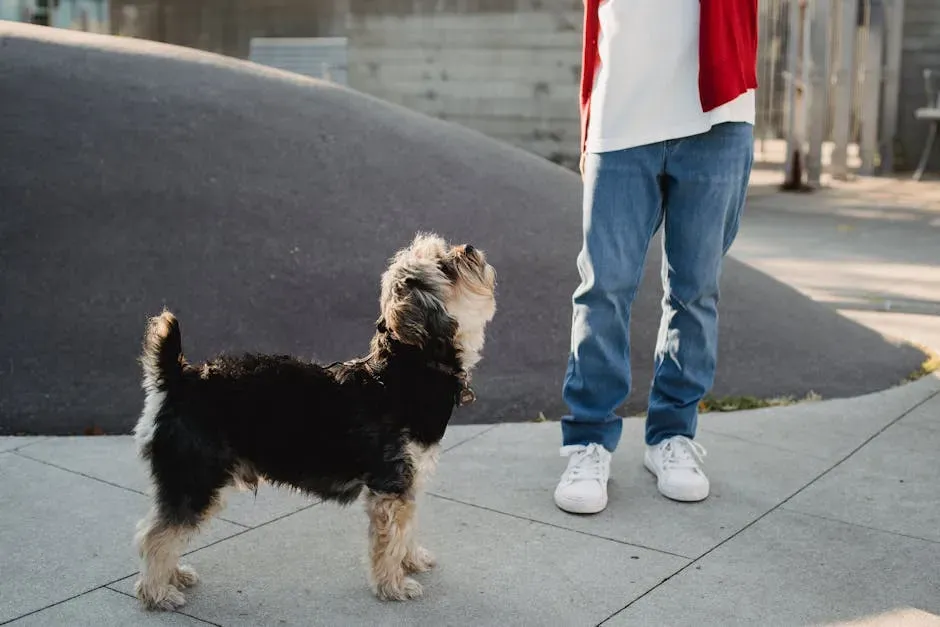
Yorkshire Terriers are known for forming strong attachments with their owners, which means that any separation can cause stress and anxiety. Yorkshire Terriers may look cute, but they’re also fragile, protective, and complex characters who require careful management to give them confidence. That emotional complexity is often underestimated because of their small size. These are not casual companions.
Yorkshire Terriers are energetic and people-oriented, and they insist on attention from their chosen one. The word “insist” is well chosen. A Yorkie who has bonded with one person will make their displeasure at that person’s absence very well known, and the adjustment to any permanent separation is rarely smooth or quick. In more sensitive breeds, separation-related distress can feel more intense for two common reasons: they did not get enough early practice being alone, or they have had past negative experiences with separation. Yorkies tend to check both boxes more readily than owners anticipate.
What This Really Means for Anyone Who Loves One of These Dogs
Understanding what these breeds are capable of feeling isn’t meant to alarm anyone. It’s meant to deepen the respect we have for the bond they’re offering. The intensity of loyalty varies significantly among individual dogs, but certain breeds demonstrate predisposed tendencies toward forming singular bonds. This loyalty shouldn’t be confused with dependence or separation anxiety, though the line can sometimes blur. True loyalty stems from trust, mutual respect, and positive reinforcement rather than insecurity or fear-based attachment.
No dog breed is genetically programmed to be loyal exclusively to a single person in every case. Loyalty is a product of genetics, early socialization, training, attachment history, and individual temperament. That said, the breeds on this list are wired to invest heavily, and that investment deserves to be honored thoughtfully. Too much attachment to one person can occasionally lead to separation anxiety or discomfort around new people, which is why fostering a healthy level of independence is important so that your dog can cope with being left home alone or with different people.
The honest opinion here is this: if you share your life with one of these breeds, you carry a quiet responsibility. You have been chosen, fully and without reservation, by an animal incapable of loving halfway. That is not a small thing. Treat it like the extraordinary privilege it actually is, and you’ll understand why so many people who’ve loved one of these dogs describe the experience as unlike anything else in their lives.


