
13 Everyday Sounds Your Dog Has Memorised Because They Mean You
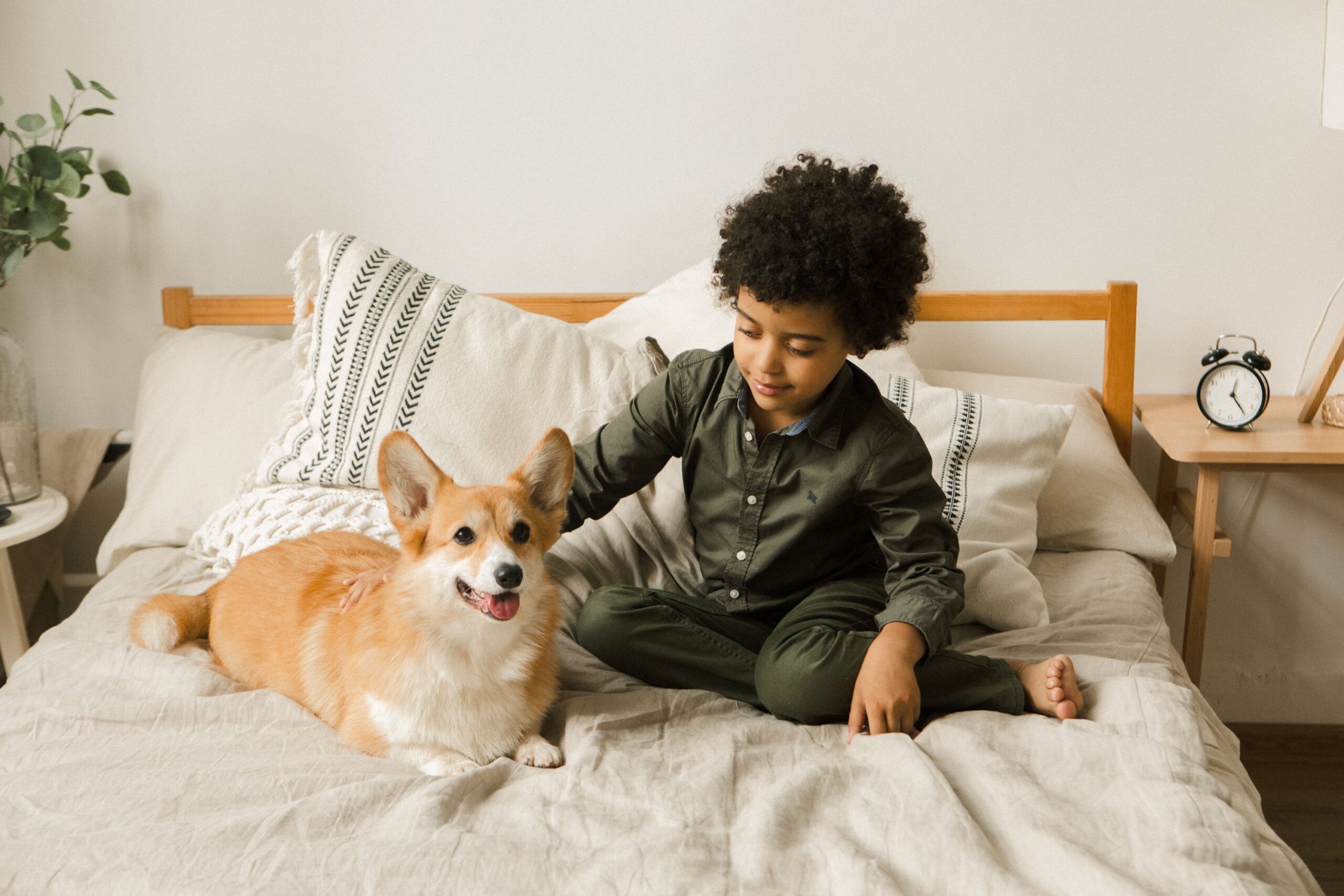
You probably think your dog just loses its mind at random noises. The mail truck, a dropped spoon, a sneeze from the next room. But watch closely for a week and a different picture shows up: your dog isn’t reacting to noise at all. It’s reacting to you, hidden inside the noise, every single time.
The tiny click of your phone screen. The creak of that one stair you always miss. The exact rhythm of your walk down the hallway. Your dog has quietly built a private soundtrack out of your life, and it knows every track by heart. Most owners only notice the obvious ones, like keys or the food bowl, and completely miss the sounds triggering real joy, real dread, and real longing underneath. Here’s the full list, counted down, and the last one will make you look at your dog differently tonight.
#13 – The Jingle Of Your Keys
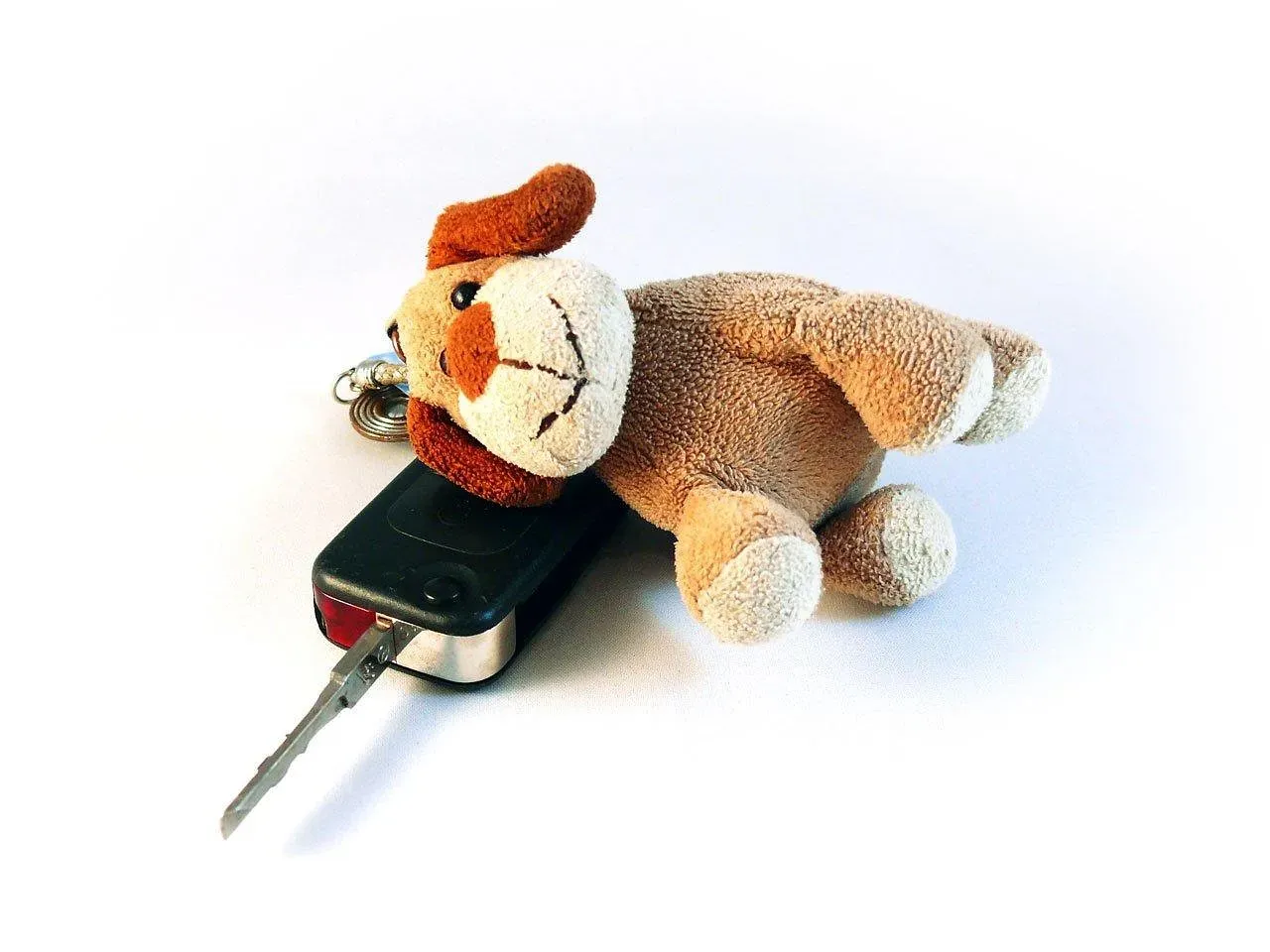
For a lot of dogs, the most electric three seconds of the day is the jingle of your keys. That small metallic clink isn’t just noise to them, it’s a direct shortcut to one single thought: you. Over months and years, your dog has quietly linked that exact jingle pattern to your exits, your returns, and sometimes the gut-punch of being left behind.
Most owners never realise their dog can tell the difference between “keys leaving for the car” and “keys just tossed on the table, going nowhere.” Some trainers even use key sounds to test for separation anxiety, because the emotional charge is that strong. You might catch your dog’s ears shooting up from a dead sleep, or see them pacing near the door the second that sound hits the air. For some dogs it means the best part of their day is starting. For others, it means the loneliest part is about to begin.
Fast Facts
- Dogs can hear frequencies up to roughly 45,000 Hz, well past the human ceiling of about 20,000 Hz, so subtle differences between key jingles are far more obvious to them than to us.
- Reaction to a trigger sound like keys can happen within seconds, not minutes, which is why the response often looks instant and involuntary.
- Many trainers suggest jingling keys without leaving a few times a day to soften the emotional charge behind the sound.
#12 – Your Car Pulling Into The Driveway
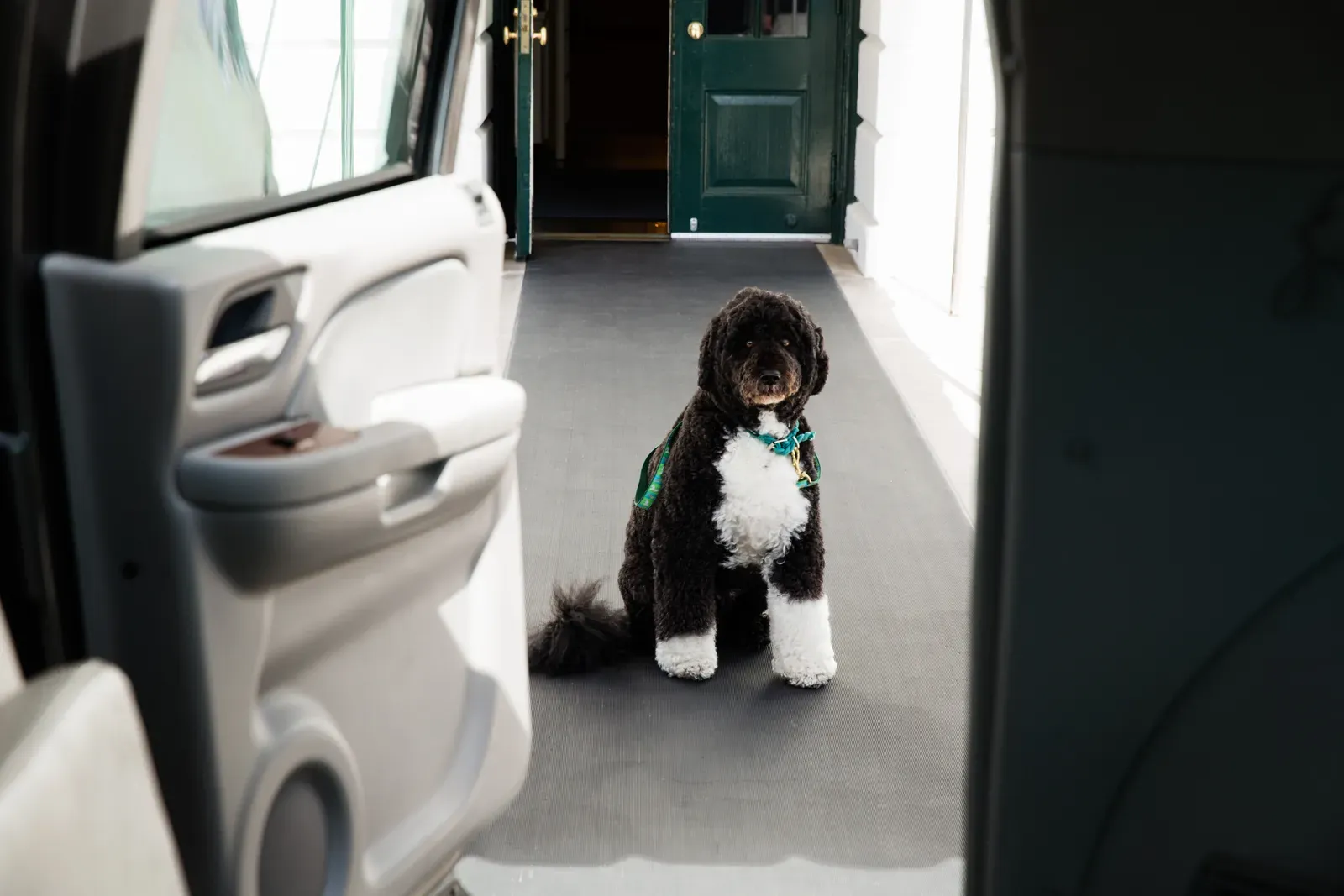
Long before your key touches the front door, your dog already knows you’re home. It’s not just “a car” they’re picking up on either, dogs can recognise the unique rumble, speed, and timing of your specific vehicle, separate from every other engine on the street. That low-frequency sound travels straight through walls and windows, and your dog’s hearing is tuned to catch the pattern long before you’d notice it yourself.
Some owners swear their dog predicts their arrival “like magic,” but it’s simpler and more touching than that. That engine note has been paired with your face, your smell, and your voice thousands of times over. Delivery trucks and neighbours’ cars barely get a glance, proving your dog isn’t guessing at all. They’re waiting for one very specific sound that means, unmistakably, my human is here.
#11 – Your Footsteps In The Hall
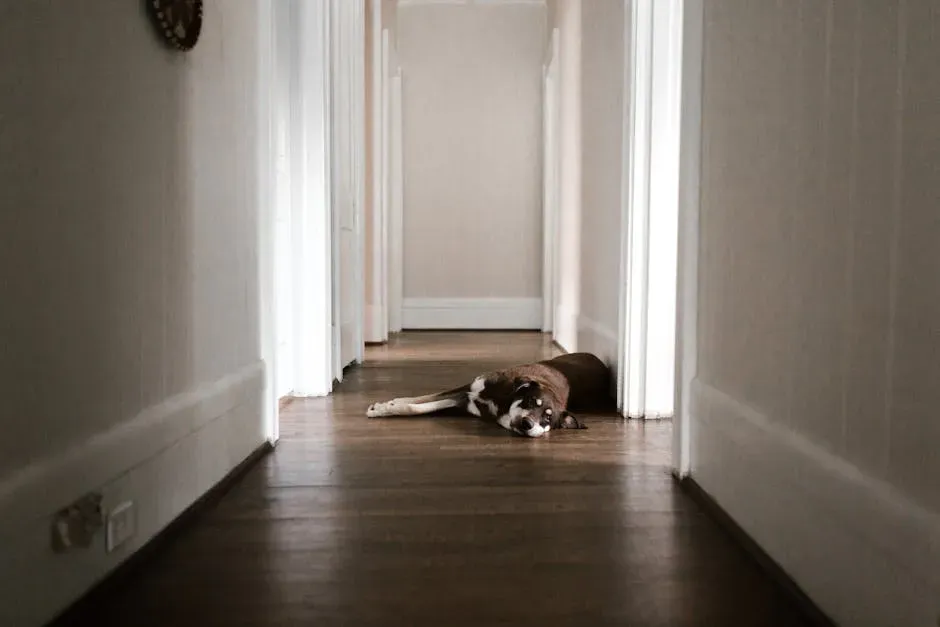
Footsteps sound completely basic to you. To your dog, your walk is practically a fingerprint. The weight, rhythm, and speed of your steps are so consistent that dogs can pick you out from every other person in the house by sound alone, no visual needed.
Fast, light steps can mean playtime is coming. Slow, dragging steps can make some dogs brace for scolding or bedtime. Many owners underestimate how far this reaches, dogs can catch these cues from the other side of the house, even through a wall with the TV blaring. That’s why a dog can be snoring one second and standing in the hallway the next, arriving right as you reach the bedroom door. To your dog, every footstep is an announcement: you’re moving, and they want in.
#10 – Your Alarm Clock Or Morning Phone Chime
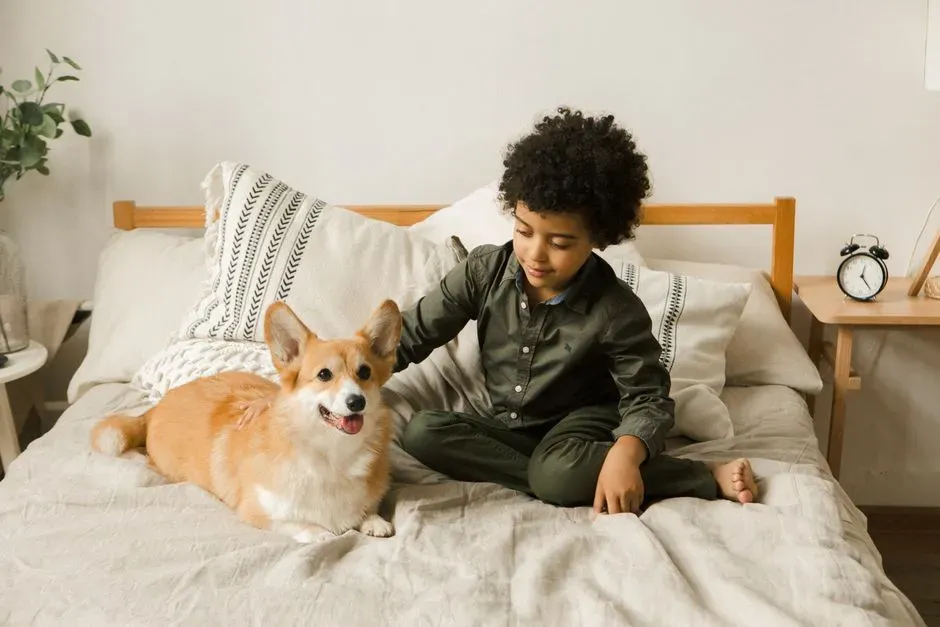
Most people assume they wake their dog up. In reality, it’s usually the other way around. Your alarm has become your dog’s real starting gun, the official kickoff for coffee, walks, breakfast, and every ritual that follows.
Many dogs start stretching, yawning, or hopping off the bed the instant that ringtone goes off, often before you’ve even opened your eyes. Some get so precisely tuned in that they react differently to a weekday work alarm versus a lazy weekend chime, because they’ve learned exactly which one means “getting up for real” and which one means “three snoozes, minimum.” It’s not background noise to them. It’s a schedule announcement, and they’ve read the fine print.
#9 – The Fridge Door Opening
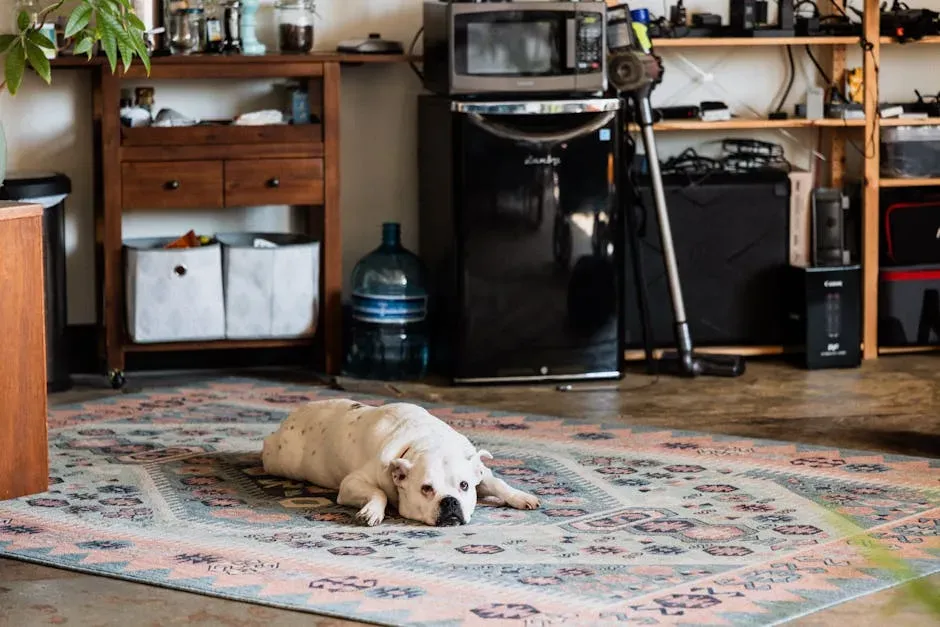
Here’s where owners get a little defensive, insisting their dog loves them, not the food. Then the fridge door opens, and every argument falls apart. That soft suction release and hinge creak is one of the most powerful learned sounds in a dog’s entire life, a straight line to cold chicken, cheese, leftovers, and the smell of you sharing.
Dogs don’t just hear “food,” they hear your specific food rituals. Many can tell the difference between a late-night snack, which usually means better odds of a bite, and a rushed work lunch, which usually doesn’t, just from the sounds that follow it: bags rustling, containers clacking, a can cracking open. Some have even learned that fridge plus treat-tub lid equals a guaranteed win. It looks like begging. It’s actually pattern recognition sharp enough to embarrass most humans.
Quick Compare
- Late-night fridge sounds: slower opening, quiet padding around, noticeably higher odds of a shared bite.
- Rushed lunch fridge sounds: quick grab, fast bag rustle, container snapped shut in a hurry, usually no bite at all.
- Treat-tub lid pop: close to a guaranteed win, no matter what time of day it happens.
#8 – The Treat Cupboard Or Food Container

If your dog has a “chaos mode,” it almost certainly starts with the treat cupboard. That specific hinge squeak, door thud, or plastic-lid pop might be the single most thrilling sound in their entire universe, more exciting than most toys or even other dogs.
The association is so strong that some dogs sprint in from the garden the moment they hear that one click, no other cue required. Trainers actually use this on purpose, conditioning a dog to sit, come, or settle just from that sound alone. The uncomfortable part some behaviourists point out: it can tip into manipulation, dogs obeying out of pure food panic rather than real trust. Either way, that cupboard isn’t storage anymore. It’s a sound beacon screaming that something amazing is about to happen.
#7 – Your Phone’s Notification Or Call Tone
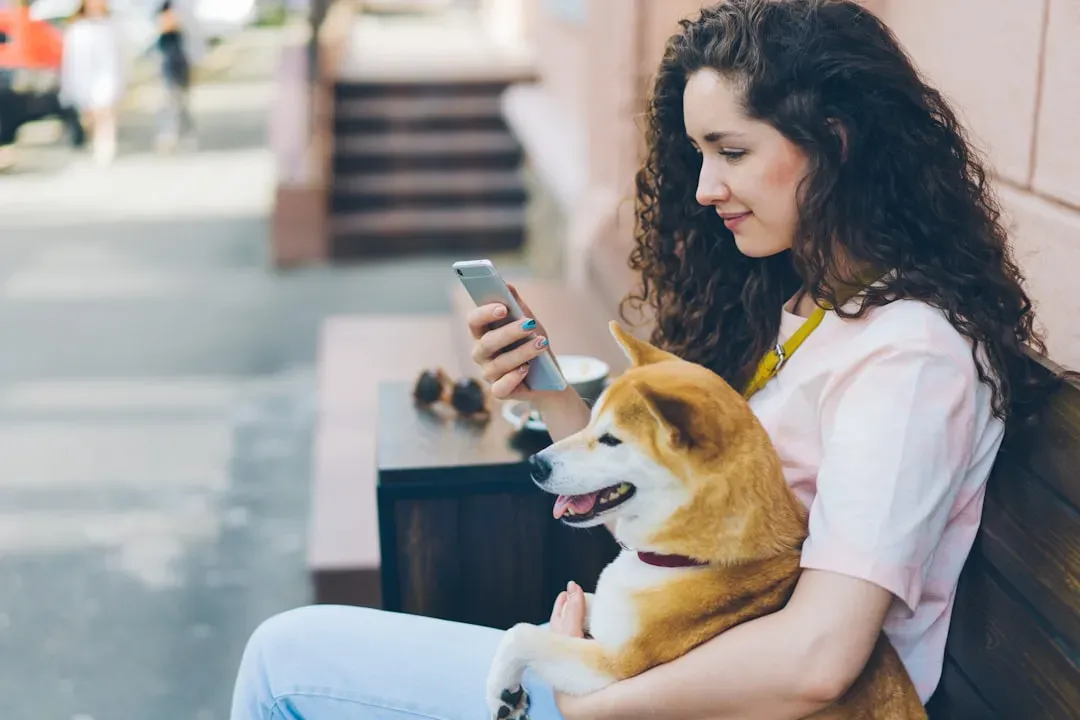
Most people never realise their dog has memorised their notification sounds right alongside them. That one ding, buzz, or custom ringtone has become a signal that your attention is about to leave them and disappear into a glowing rectangle.
Watch closely and you’ll see the shift, a sigh, a slow retreat, a long stare, because they’ve learned that sound usually means you’re about to get distracted or get up entirely. Other sounds mean the opposite. A Netflix start chime or a specific message tone can tell your dog, we’re settling in for a while, which often means cuddles are coming. Some owners even swear their dog resents their work ringtone specifically, because it’s been paired with them leaving for the office one too many times. Your tech sounds are quietly training your dog every single day to predict exactly where your body and focus are heading next.
#6 – The Shower, Hairdryer, And Bathroom Routine
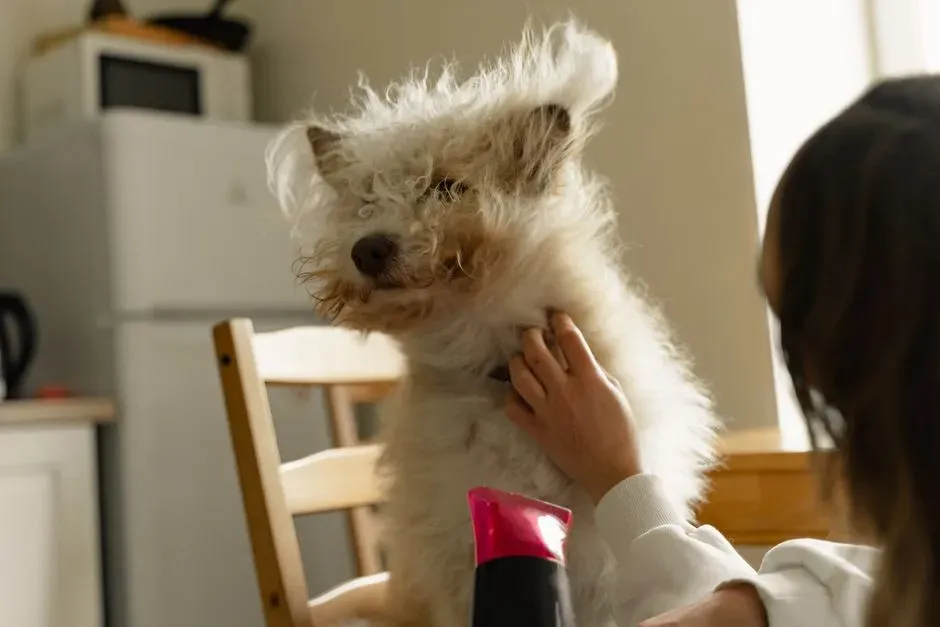
Dogs aren’t just reacting to running water, they’re mapping your entire bathroom soundtrack. The rush of the shower, the fan hum, cabinet doors, the high whine of a hairdryer, it all blends into one sequence they’ve linked directly to your “getting ready” routine.
Over time, they learn exactly how far along that routine is just from the sounds, whether it’s almost walk time or they’ve still got twenty minutes to nap. Some dogs won’t start pacing near the door until the hairdryer clicks off, because that’s the real signal you’re about to move rooms. Others hide the second they hear clippers or a nail grinder start up. Here’s the part nobody likes hearing: if your mornings usually end with you walking out the door for work, your shower and hairdryer may have quietly become anxiety triggers. To your dog, it’s never just “clean human.” It’s the countdown to goodbye.
Worth Knowing
- A hairdryer typically runs loud enough that sound-sensitive dogs treat it as a warning rather than routine background noise.
- Dogs often combine sound with steam, humidity, and scent changes to judge exactly how far along your routine is.
- If mornings reliably end with you leaving the house, this entire soundtrack can quietly turn into a real anxiety trigger over time.
#5 – The Leash, Harness, Or Collar Sounds

That faint metal clink of tags or the distinctive slide of a leash clip works like a siren song. The emotional attachment runs so deep that many dogs will sprint from another floor of the house at the very first jingle, no matter what they were doing before.
It makes sense. Leashes predict one of the highest-value events in a dog’s entire day, moving outside with you, exploring, taking in the world together. Interestingly, many dogs can tell the difference between a “we’re going for a walk” jingle and a “someone’s coming over” jingle, purely from your tone, timing, and pace. That’s why the exact same clip sound can send a dog into joyful chaos at dawn, and into stiff, cautious silence at the vet’s office. Most people assume toys are a dog’s favourite object. For plenty of dogs, it’s actually the leash, because it means shared adventure.
#4 – The Door Handle, Doorbell, And Knock
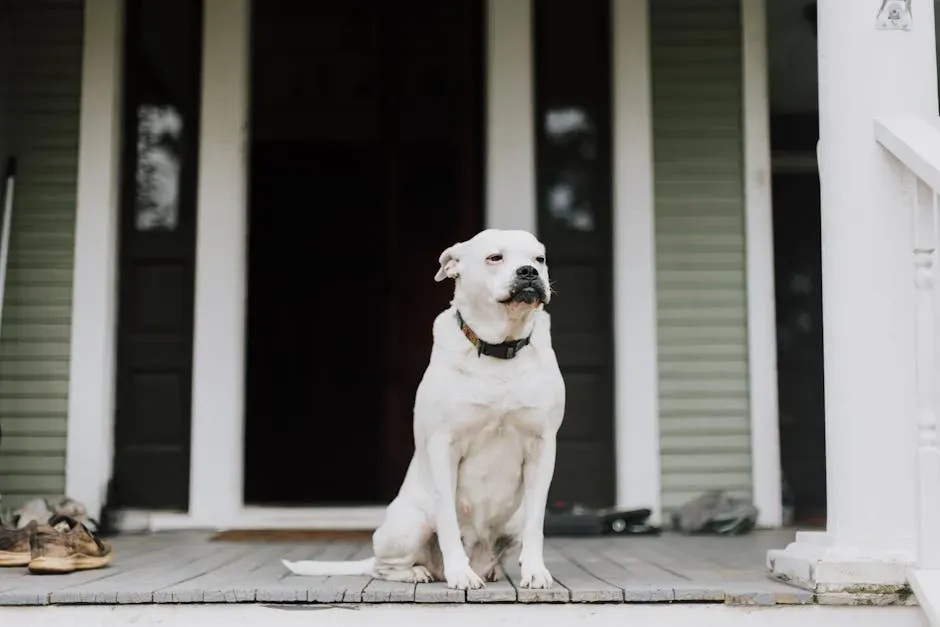
If there’s one sound that flips your dog from chill to fully alert in half a second, it’s anything involving the front door. The handle turning, hinges creaking, a bell ringing, knuckles rapping, it’s all been hardwired to mean one thing: someone is entering our space.
For your dog, that “someone” is almost always tangled up with you, either you leaving, you arriving, or people you’ve personally let in. Some behaviourists argue modern doorbells are one of the biggest daily stressors for anxious dogs, since they reliably predict loud greetings, strangers, packages, or sudden commotion. For more social or protective dogs, the same sound is pure adrenaline and purpose, the moment their “job” begins. Your dog doesn’t hear a piece of wood and metal. They hear an emotional loudspeaker, broadcasting exactly where you are and who’s about to join you.
At A Glance
- Door handle turning: often signals that you, specifically, are about to appear.
- Doorbell ringing: usually predicts a stranger, a package, or sudden commotion.
- Knuckles knocking: can trigger the same alert response as the bell, just a notch quieter.
- Door opening with no ring first: frequently means it’s you, arriving unannounced, a distinct relief cue for many dogs.
#3 – Your Laptop Closing Or TV Powering Down

This one tends to surprise people. The soft thud of your laptop closing, the little click and chime of the TV switching off, these are often your dog’s cue that the human is finally free. For hours they might lie nearby, half-asleep while you’re lost in screen-world.
But the second those electronics go quiet, everything changes, tail swish, a stretch, hopeful eyes locked on you. They’ve filed that pattern away perfectly: screens off equals attention available. Here’s the uncomfortable part, in more and more homes, that “we’re done” sound almost never happens anymore. The laptop stays open, the TV auto-plays the next episode, the scroll never really stops. For a dog, that can mean endless almost-there signals that never actually resolve. Some owners fight back against this on purpose, turning “TV off” into an automatic cue for walk time or play, until that tiny click becomes sacred. To your dog, it was never about the technology. It was always about when they finally get you back.
#2 – Your Voice Saying Their Name (And Saying Nothing At All)
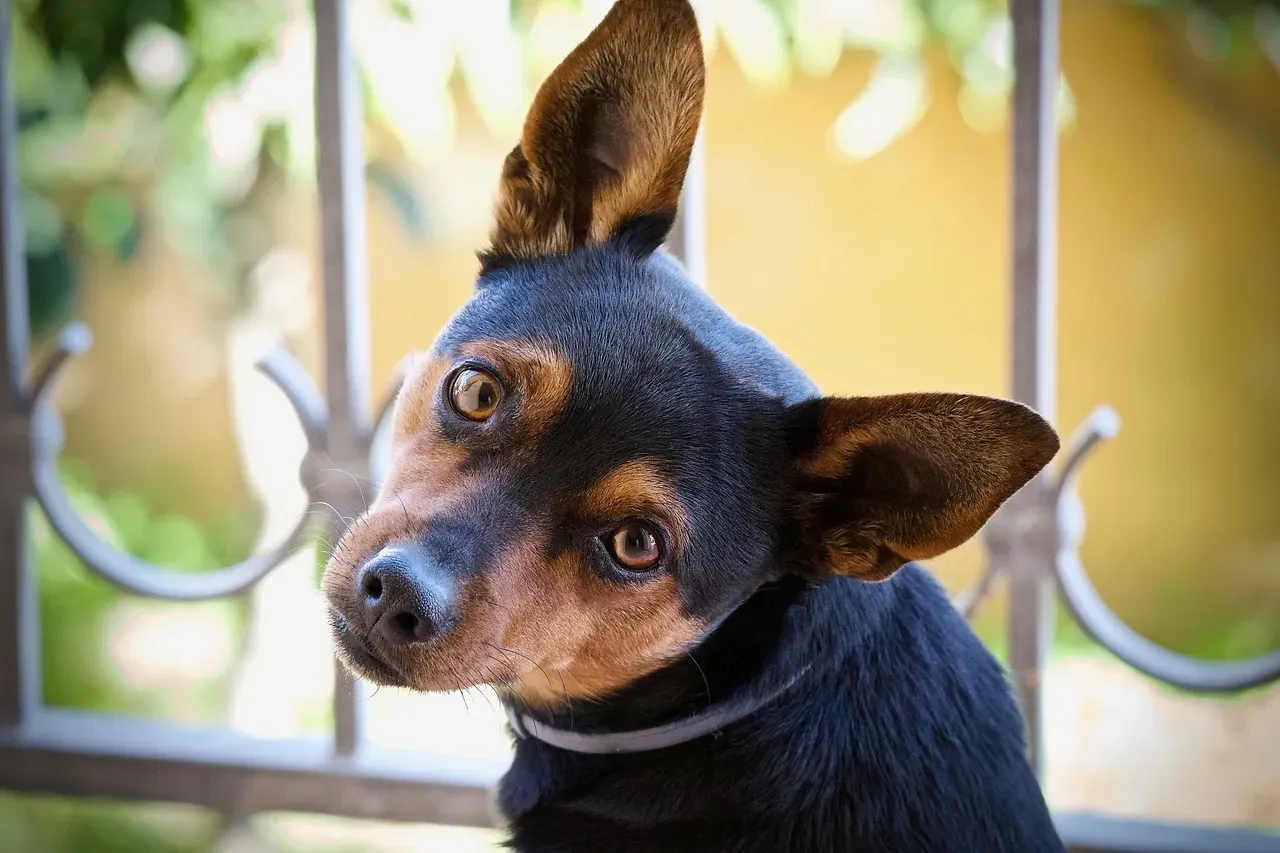
Dogs hear your voice constantly, but the exact way you say their name might be the single most emotionally loaded sound in their entire life. The pitch, the speed, the volume, all of it tells them instantly whether they’re about to hear praise, a warning, or something in between.
High and happy usually predicts cuddles, treats, or play. Low and sharp has been learned to mean stop, danger, or you messed up. Some dogs have quietly learned to flinch at their own name because it mostly shows up right before a scolding. Others light up with pure joy because it’s tied almost exclusively to good things. Even your silence counts as a signal. Long stretches with no talking, no humming, no background noise from you can tell your dog you’re tired, unhappy, or getting ready to leave. Your voice was never just background noise. It’s the actual soundtrack of their attachment to you.
The average dog is the world’s leading authority on the meaning of silence.
Louis Sabin
#1 – The Sound Of You Simply Existing In The House

The most powerful sound your dog has memorised isn’t dramatic at all. It’s the quiet blend of every tiny noise you make just by existing nearby, your breathing as you drift off, the rustle of your clothes shifting on the couch, the faint click of your keyboard, a stray laugh from another room.
Over time, all of it merges into one giant safety signal that tells your dog: my person is here, the world is okay. This is exactly why some dogs spiral when you leave. It’s not just the silence, it’s the absence of your very particular background noise, the constant quiet soundtrack their entire nervous system has been built around. When it’s there, they sprawl out belly-up, fully relaxed, not guarding anything. When it’s gone, even with someone else in the house, it just isn’t right. Your dog was never only chasing walk sounds or treat sounds. They’ve been quietly in love with the ordinary, boring, unremarkable sound of you.
The Bottom Line
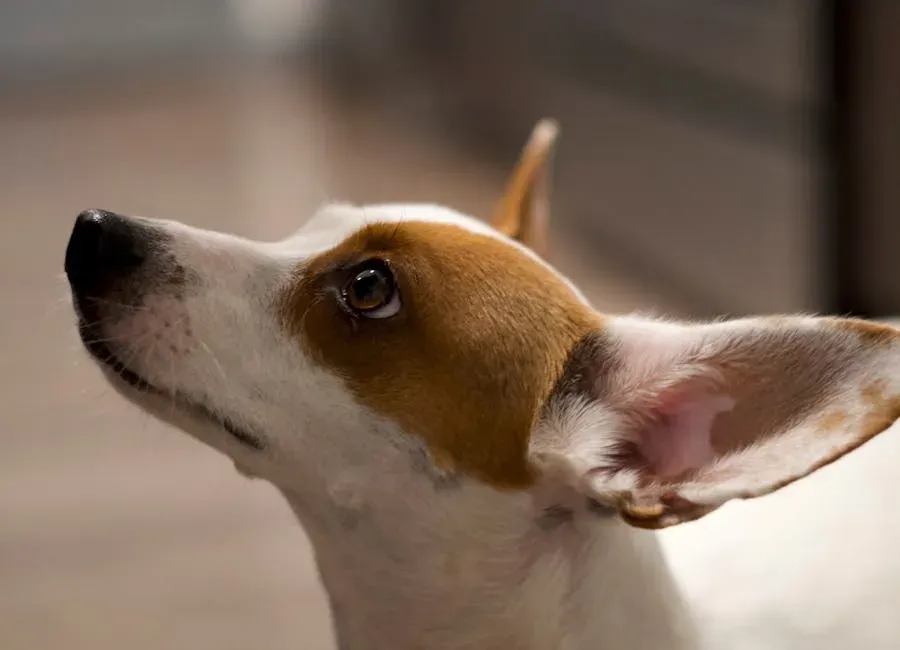
Zoom out and the pattern turns out to be brutal and beautiful in equal measure. Your dog has turned your entire life into audio cues that predict how close you are, how available you are, and how safe they feel in any given moment. From the loudest doorbell to the softest laptop click, nearly every repeated sound in your day has been quietly filed under one category: means my human.
We love to joke that dogs only care about toys and food, but the truth is sweeter and a little more uncomfortable than that. What they’re really tracking, second by second, is your presence. It’s worth asking yourself whether you’re using these sounds to actually connect with your dog, or just to keep them barely satisfied while your attention stays somewhere else entirely. Either way, your dog has memorised you in more detail than most of us have ever bothered to notice. Did we miss a sound your dog has clearly wired to you? Drop it below and prove exactly how closely they’ve been listening all along.