
13 Moments From Your Morning Your Dog Holds Onto All Day Long
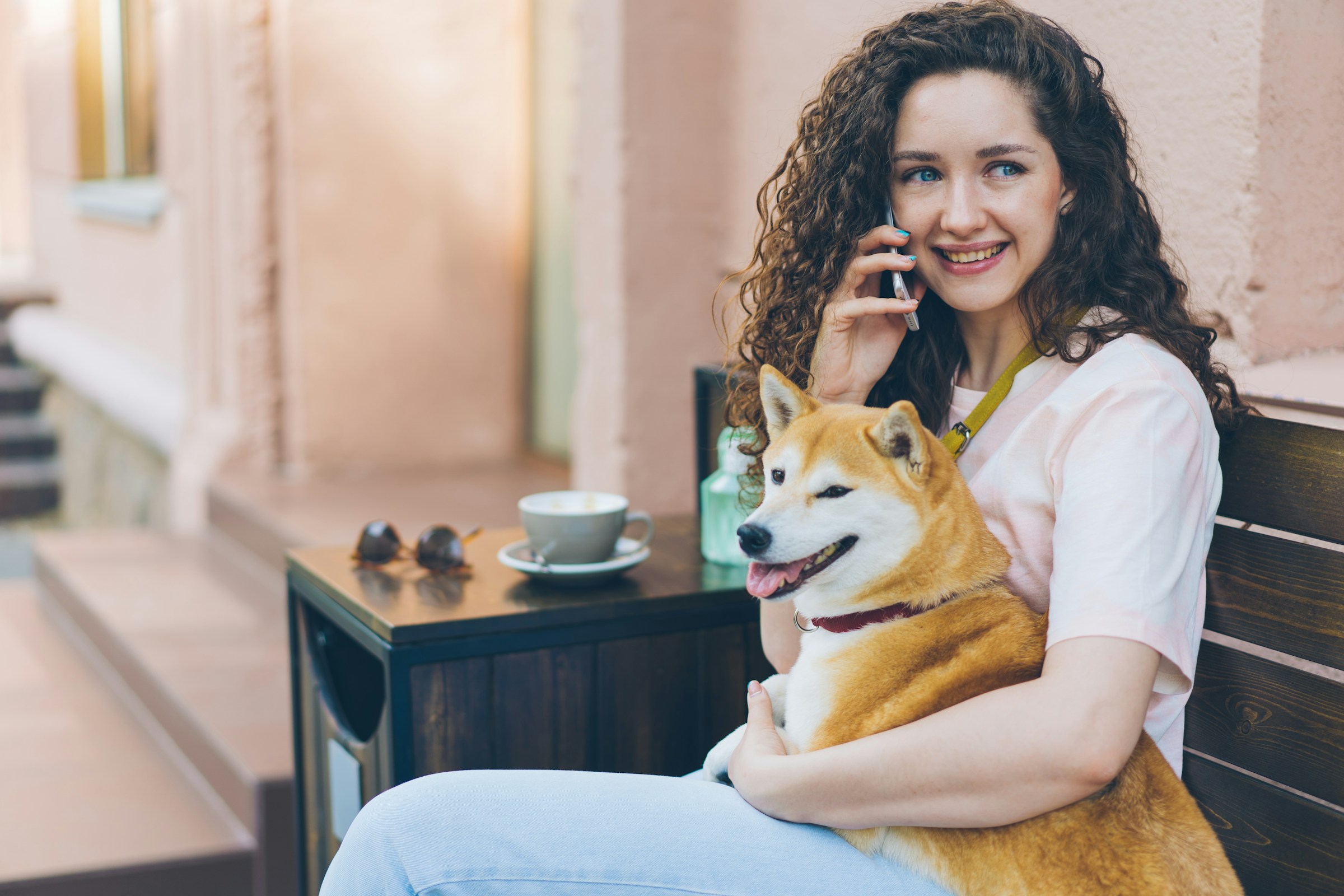
You assume your dog forgets the second you grab your keys. Rushed, half-asleep, barely present – surely none of it registers, right?
Except behavior research says the opposite. Dogs build sharp, short-term “episodic-like” memories around the small stuff, especially anything involving their favorite human. That mumbled hello before coffee, the rushed trip to the bathroom, the way you touched their ear without thinking – your dog is quietly filing all of it away, and some of those seconds end up steering their entire mood until you walk back through the door.
#1 – The First Eye Contact When You Wake Up
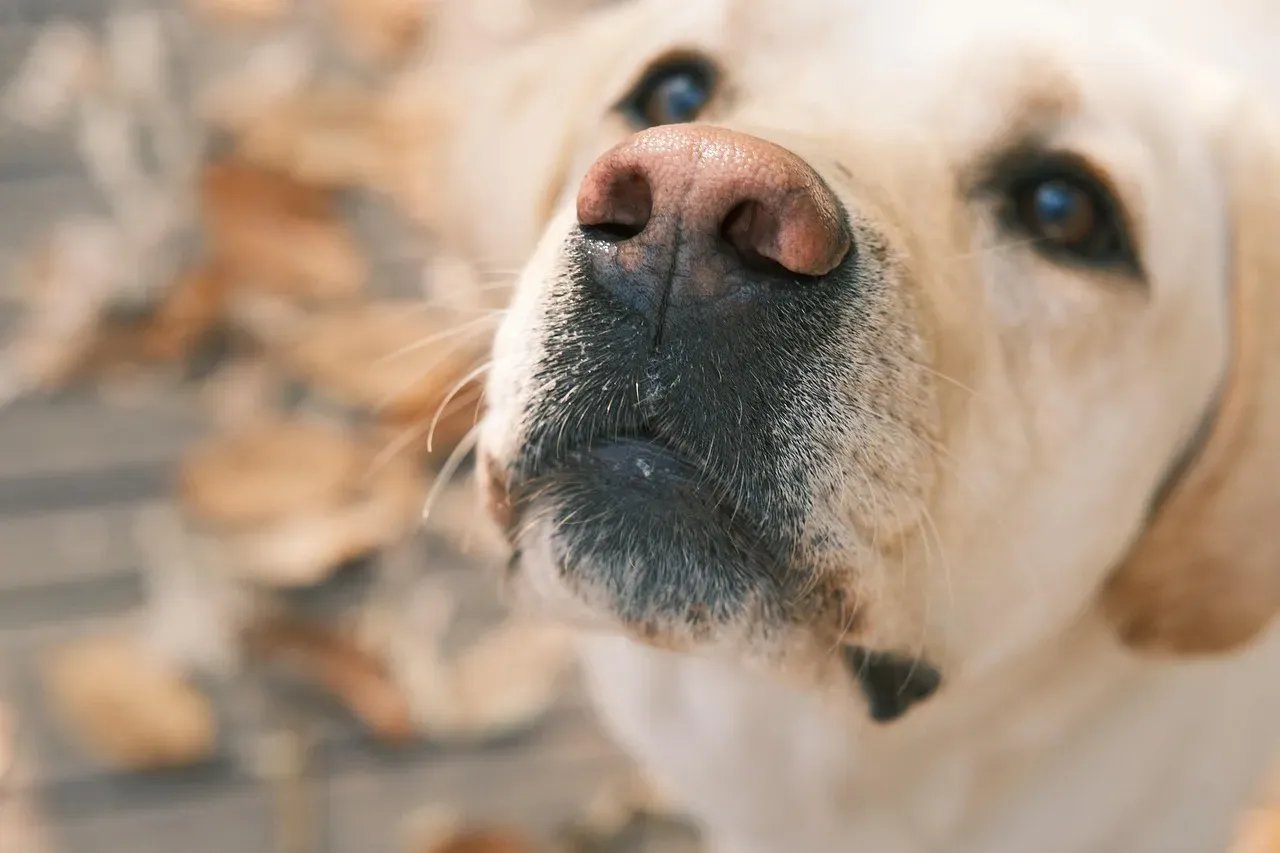
That first split-second your eyes meet in the morning isn’t small to your dog. It’s a full reboot of the relationship. One glance answers three questions at once: Are we okay? Are you happy? Is today safe? Dogs are built to read faces, and that first look sets the emotional temperature for everything after.
Roll over and pretend they’re not there, and many dogs visibly deflate, then spend the morning shadowing you like they’re trying to fix something invisible. Say their name with soft eyes instead, and you both get a small hit of oxytocin – the same bonding chemical parents get from a baby’s gaze. It’s not sentimental fluff. It’s actual chemistry, running before you’ve even had coffee.
#2 – How You Say “Good Morning” (Or Whether You Bother At All)
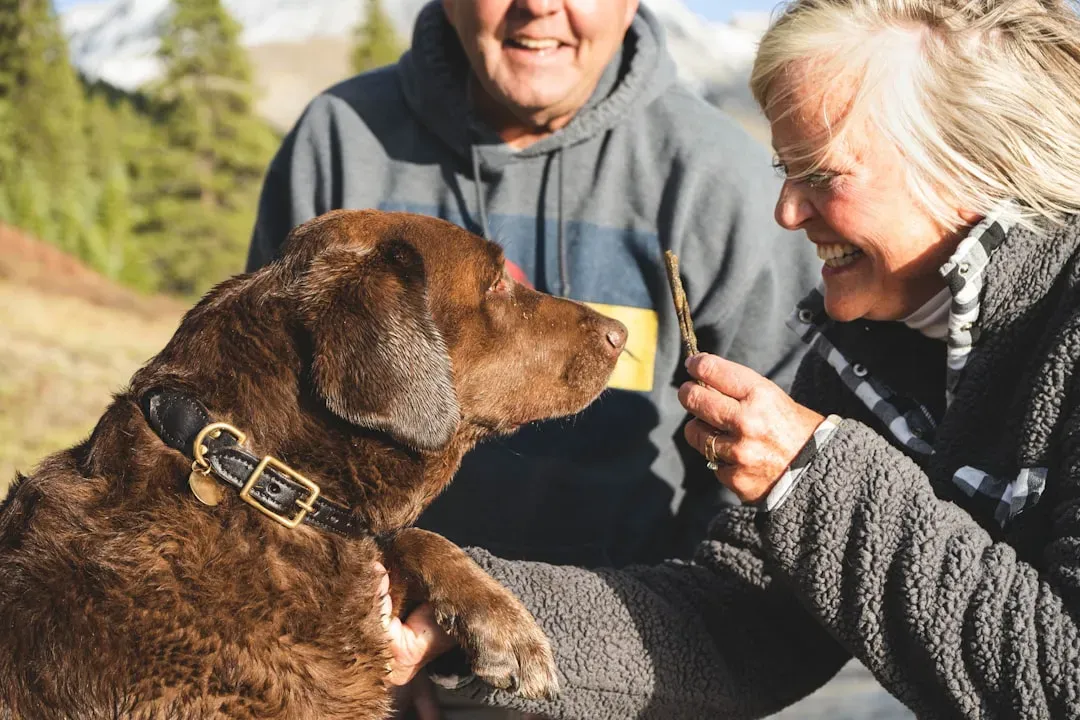
The words don’t matter. Your tone does. Dogs read emotional tone better than most humans do, and your first vocal sound of the day works like a weather forecast for them. Warm and playful, and they’ll carry that buzz for hours. Flat and irritated, and they’ll walk on eggshells without knowing why.
A lot of people grunt, shove past their dog toward the bathroom, and assume the dog just “gets it.” They don’t. To your dog, you just disappeared for six to eight hours and might now be rejecting them the moment you’re back. That’s a big deal in dog-world. The fix is almost embarrassingly small: ten to fifteen seconds of happy, sing-song chatter and one scratch in their favorite spot can flip the whole script.
Fast Facts
- Dogs process the pitch and rhythm of your voice almost as fast as they process a familiar word.
- Canine hearing spans roughly 67 Hz to 45,000 Hz – well beyond the human range of about 20,000 Hz.
- Mutual eye contact paired with a warm tone can raise oxytocin in both dog and owner within minutes.
- A flat or irritated tone can register as a warning sign long before any raised voice does.
#3 – The Very First Touch of the Day
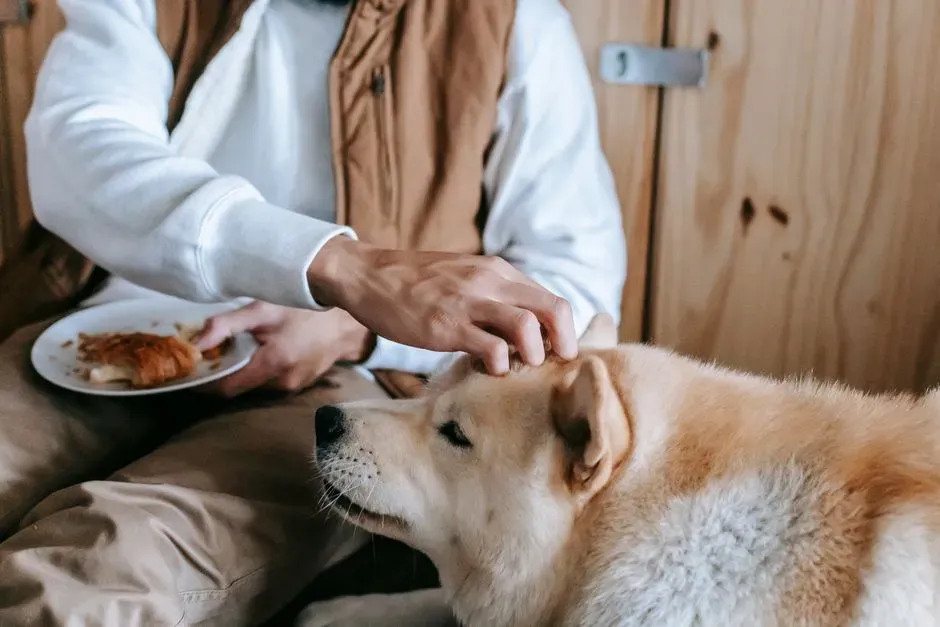
Your dog remembers how you touch them the second you’re conscious. A slow, lazy ear rub says you’re relaxed and they’re safe. A rushed shove off the bed says they’re in the way. Most owners do the second one by accident, half-asleep, without a shred of malice – but the dog doesn’t know that.
Dogs regulate stress through touch, not just affection. Gentle petting lowers heart rate and can prime their nervous system for a calmer day, which is exactly why some dogs get clingy the moment that first touch goes missing – they’re chasing a reset their body expects daily. If mornings aren’t your strong suit, set one rule: one intentional touch before your phone. A chest rub, a shoulder scratch, thirty seconds by the tail base. To your dog, that’s proof they still belong in your space.
#4 – The Door You Open First
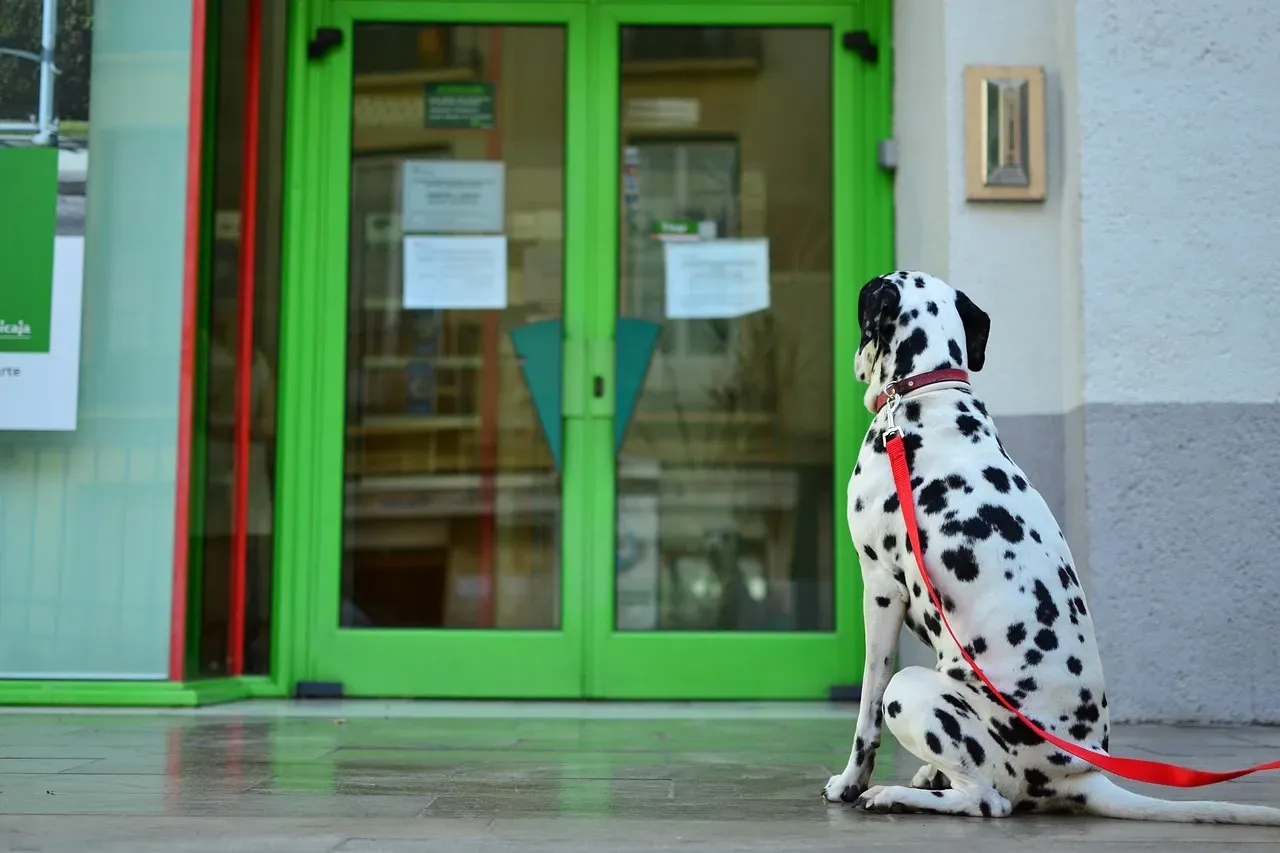
It sounds absurd, but your dog absolutely tracks whether the bathroom door opens first or the front door does. That order quietly tells them what kind of morning this is going to be. Dogs are pattern addicts, and when the sequence changes without warning, some genuinely spiral.
If you usually let them out before you pee, then one day ignore them and bolt for the bathroom, plenty of dogs experience real confusion or mild anxiety. It’s not drama for effect – it’s a broken script they built around your footsteps and doors. Stay consistent with whatever order you pick, and if you have to break it, narrate it: “Hang on, be right back.” That one sentence keeps the pattern feeling connected to you instead of random.
#5 – The First Time You Reach for Your Phone
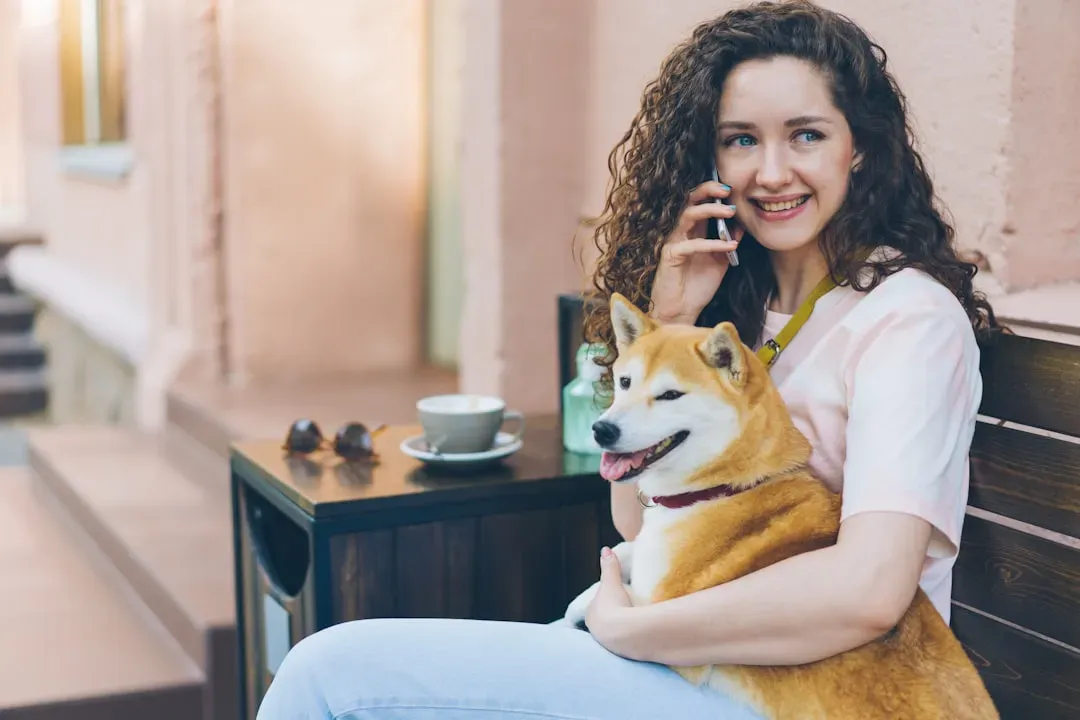
Most people won’t love hearing this: your dog notices, every single time, when the phone gets more attention than they do. Roll over and grab the screen before glancing at them, and you’ve just taught them exactly where they rank in your morning.
The pattern mirrors what’s been documented with kids and screens – owners glued to their phones tend to have dogs with more attention-seeking behavior, the barking, pawing, pacing kind. The dog learns escalation is the only way through the digital wall. Give sixty to ninety seconds of undivided attention before you check anything, and their brain checks the connection box early. Whatever scrolling happens after that barely registers.
#6 – How You Handle the First Bathroom Break
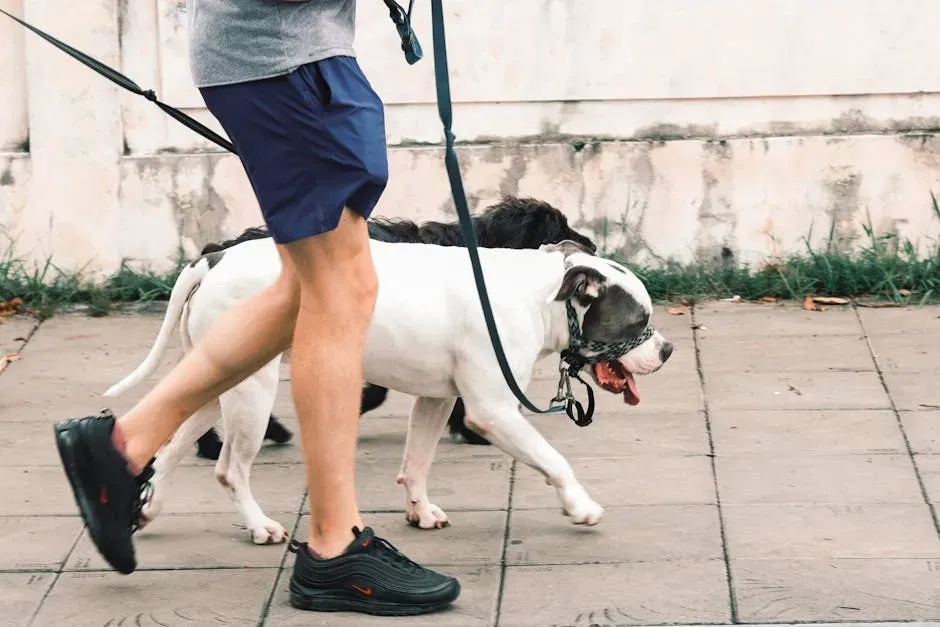
The first trip outside isn’t just about emptying the tank. To your dog, it’s a safety check, a sniff-news update, and a quiet review of who’s running the day. Rush them or yank the leash, and that tension outlives the actual bathroom break by hours.
Here’s what actually sticks: whether you rush them or let them sniff, whether you praise them calmly after or drag them back inside, how you react when they hesitate. A calm, predictable routine lowers accidents and anxiety over time. A frantic one – yelling, jerking the leash – can push a dog into “hold it longer” mode, which sometimes turns into house-training setbacks or stomach stress. Give them two or three boring, predictable minutes. Same words, same spot, same calm praise. Boring for you. Grounding for them.
Quick Compare
- Rushed break: tense leash, minimal sniffing, quick correction – stress carries into the rest of the morning.
- Calm break: two to three unhurried minutes, same spot, same praise – lower anxiety and fewer accidents over time.
- Frantic handling: yelling or leash-jerking can push a dog into “hold it longer” mode.
- Predictable handling: a steady routine builds confidence day by day.
#7 – Whether Breakfast Feels Like a Gift or a Chore Being Tossed
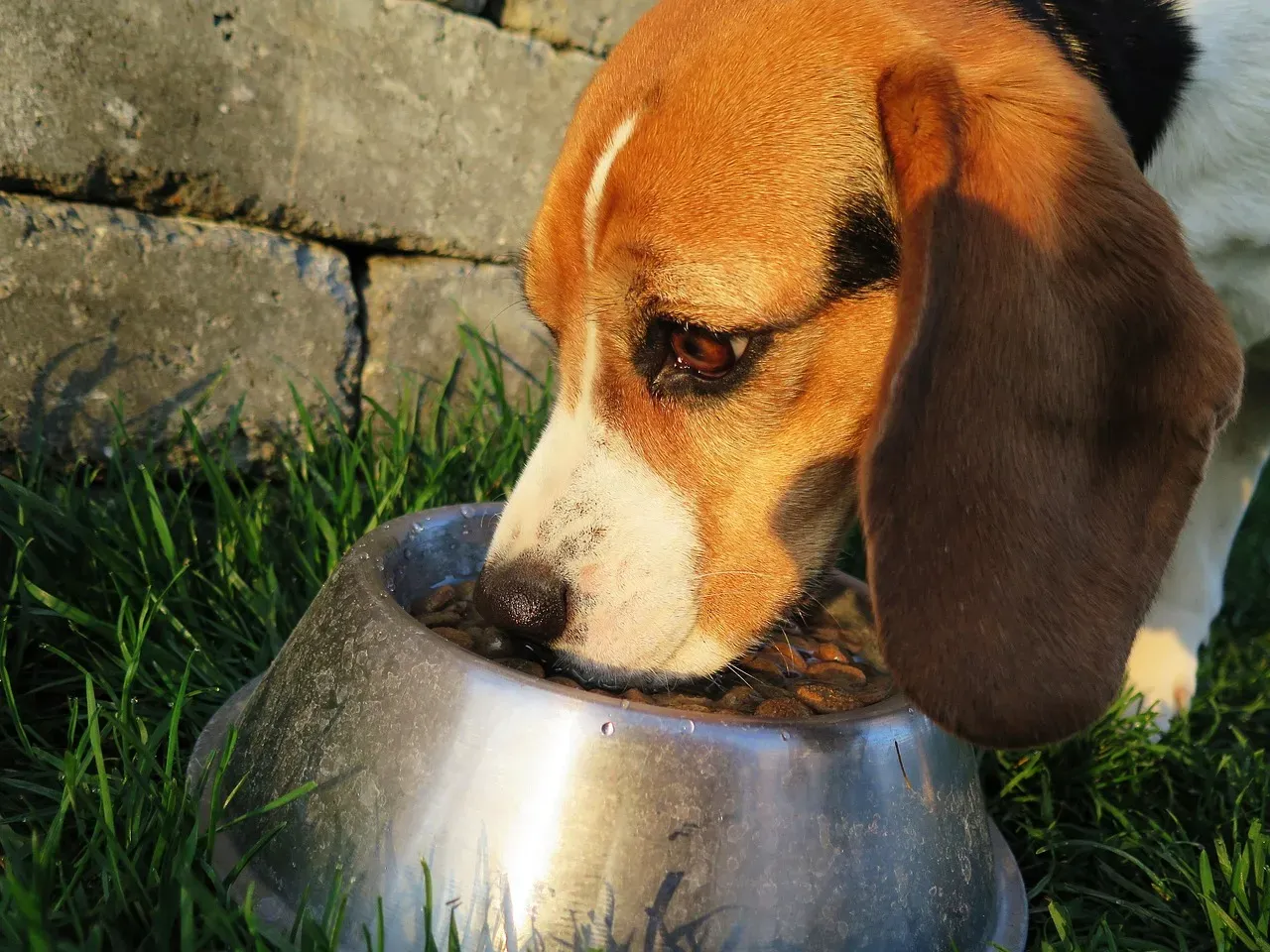
Dogs don’t just remember if breakfast happened. They remember how it happened. Tossing kibble into a bowl while you’re swearing at an email leaves an energy imprint that outlasts the meal itself. Slowing down for thirty seconds turns the same bowl into a tiny ritual instead.
Food is the most basic form of care there is, and when it’s delivered like an afterthought, some sensitive dogs get weirdly conflicted around eating – gobbling, guarding, wandering off mid-meal. When it’s delivered with calm, consistent positivity, many dogs show better manners and less resource guarding over time. Ask for one simple cue before the bowl goes down, or say the same phrase every time. Your dog holds onto the feeling that you chose to feed them, and that feeling rides with them all day.
#8 – The 30 Seconds You Spend While the Coffee Brews
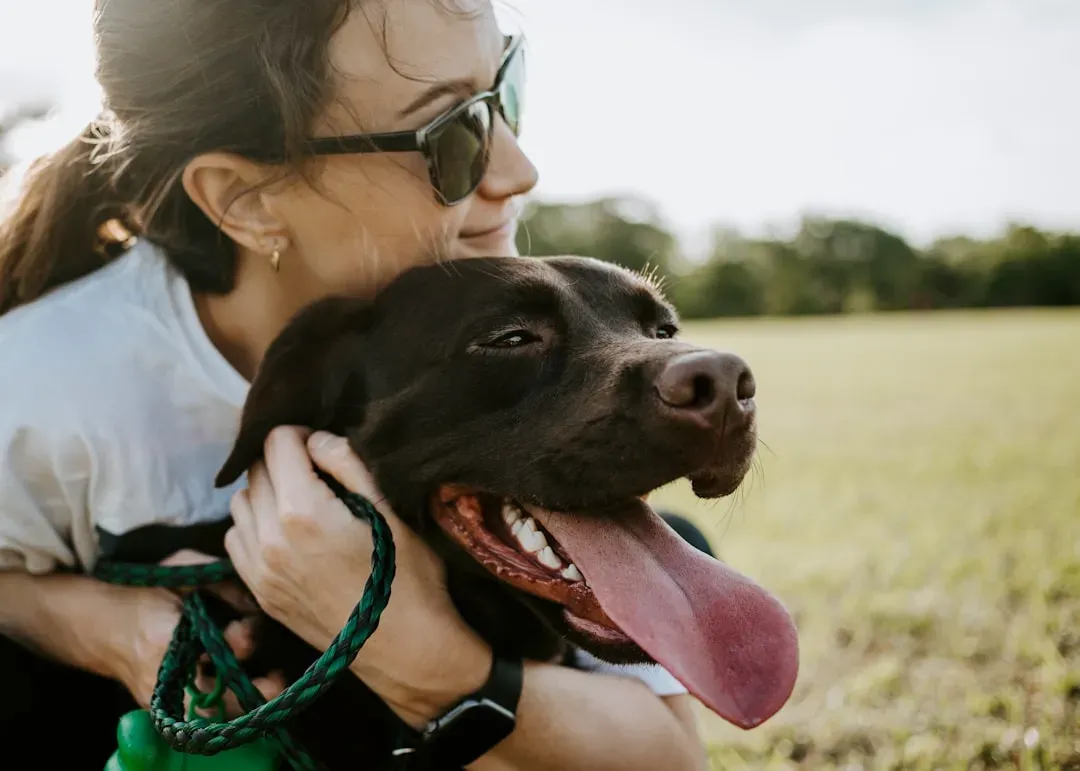
Most people stare at the machine. Your dog stares at you. That dead thirty to sixty seconds while coffee drips is genuinely prime bonding real estate, and most of us waste it completely staring at a dripping pot.
Dogs remember micro-rituals: a quick tug game, a fifteen-second sit-down-spin refresh with a treat, or nothing at all – just your back turned, ignoring them again. Even one small, slightly silly ritual repeated here becomes a landmark on their mental map of the day. Make it playful, and you’ve injected joy into a slot that would otherwise just be you stewing about traffic or your inbox. They will start anticipating it, every single morning, without you ever announcing it.
#9 – The Moment You Put On Your “Leaving Clothes”
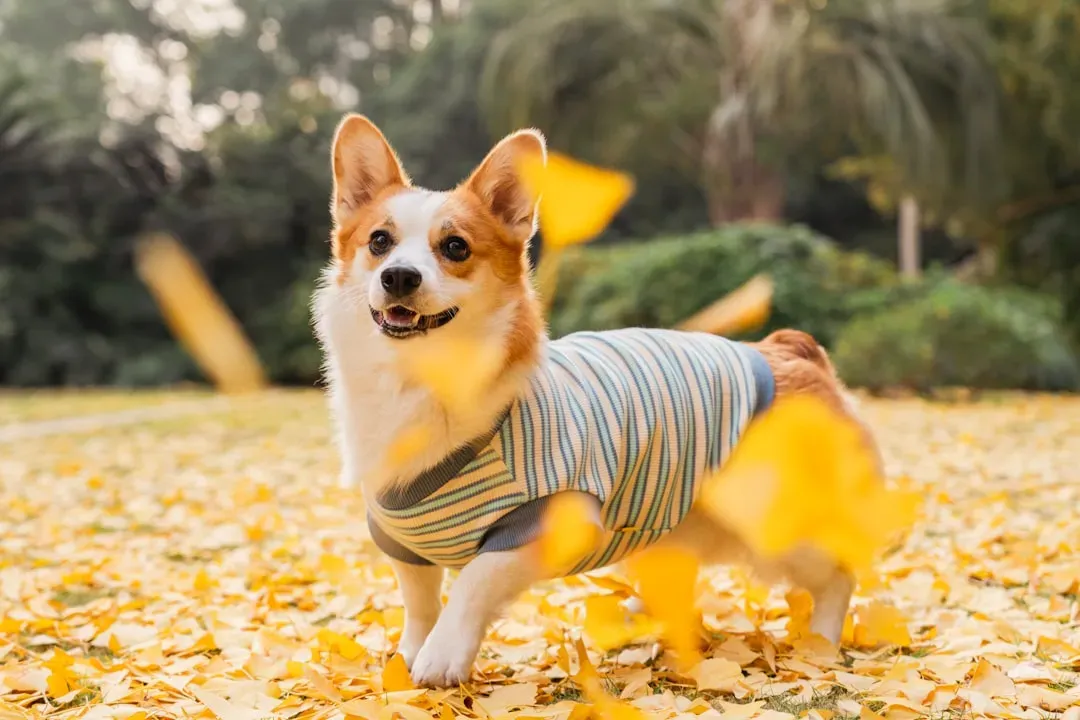
Your dog knows your leaving uniform – the specific shoes, the certain jacket, the work bag with the zipper that always sounds the same. The instant you touch those items, their brain flips from “morning with my human” to “countdown to alone time,” and that switch is emotionally loaded in ways owners rarely notice.
Some dogs go quiet and shut down. Others spiral into pacing, whining, and following you room to room. What they actually remember isn’t that you left – it’s how you acted in the five minutes leading up to it. Rush around cursing traffic while ignoring them, and they’ll associate those exact cues with dread. Instead, hand over a stuffed Kong or sniff mat the moment you grab those clothes, and use the same neutral goodbye phrase every day instead of a dramatic exit or dead silence.
Worth Knowing
- Dogs can link a specific object or sound – keys, shoes, a zipper – to an outcome after just a few repetitions.
- A stuffed puzzle toy or sniff mat introduced right as you dress can redirect focus away from departure cues.
- Consistent, neutral farewell phrases are one of the lowest-effort tools trainers recommend for mild separation anxiety.
- Even a positive change to a dog’s usual “leaving pattern” can cause temporary confusion instead of relief.
#10 – Your Goodbye: Casual, Dramatic, or Nonexistent
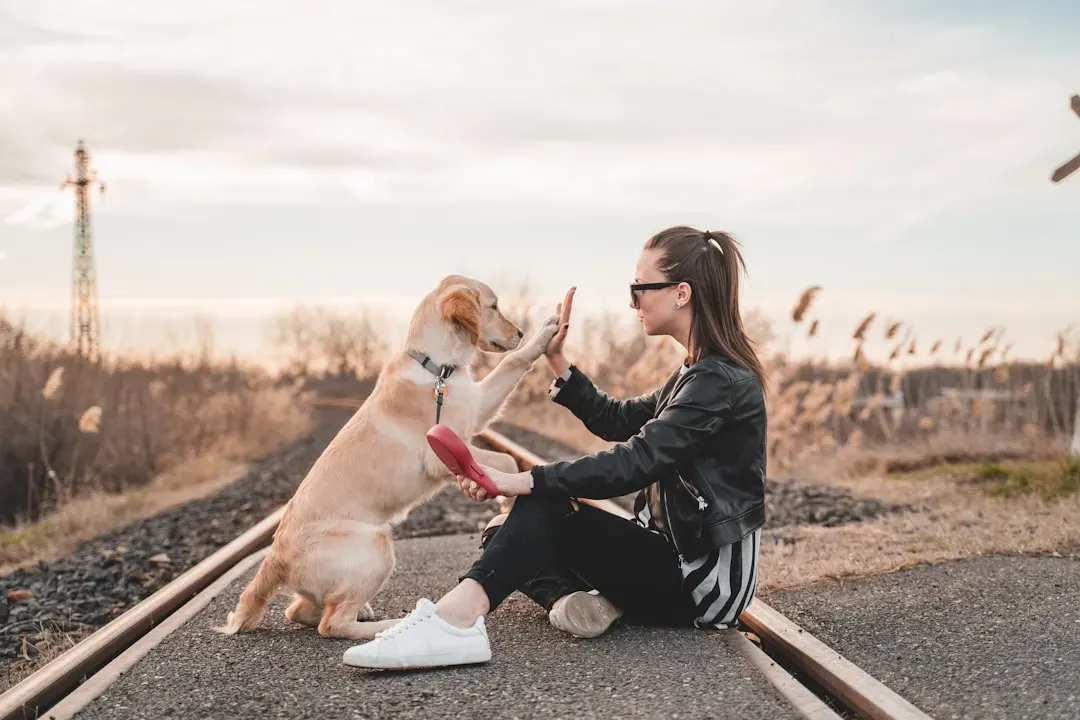
People tend to overdo goodbyes or avoid them completely, and both versions can backfire. Sob, hug, and repeat “I’m so sorry!” like you’re shipping them off to war, and you’re teaching them separation is a tragedy worth panicking over. Ghost them and slip out silently, and plenty of dogs get startled by the sudden disappearance and grow more anxious over time.
What actually sticks is the emotional flavor of your exit. Calm and predictable reads as “I leave, I come back, this is normal.” Chaotic and teary reads as “something terrible just happened.” Trainers increasingly favor the boring version on purpose: one cue phrase, one treat puzzle, then you leave. No drama, no guilt performance. Your dog holds onto that steady script like an anchor for the hours you’re gone.
#11 – That One Thing You Always Forget… Until the Day You Don’t
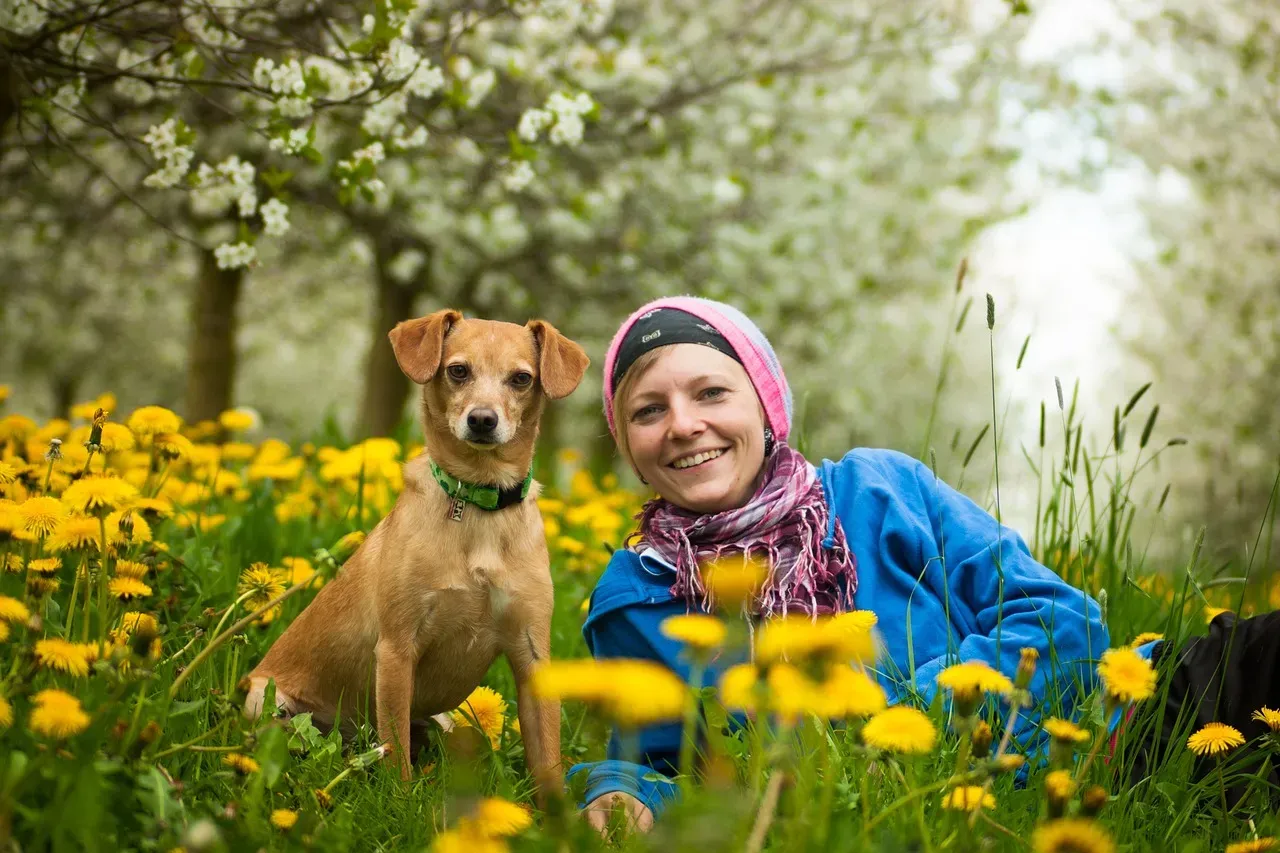
Dogs are masters of tiny sub-patterns, including the fact that you always forget your keys, storm back in swearing, and shout something about your lunch. They don’t understand the words, but they absolutely track the chaos – the extra entrance, the burst of sound, the spike in your energy.
Here’s the strange part: on the rare day you’re weirdly organized and don’t come back in, some dogs act off anyway. You broke the sub-pattern they secretly built around your usual mess. If your mornings run on chaos, your dog is living inside that storm every single day. Keys in a bowl, bag packed the night before – small fixes like that don’t just help you get out the door. They make your dog’s mental movie of “normal morning” a lot quieter.
#12 – The Last Thing You Say Before the Door Clicks Shut
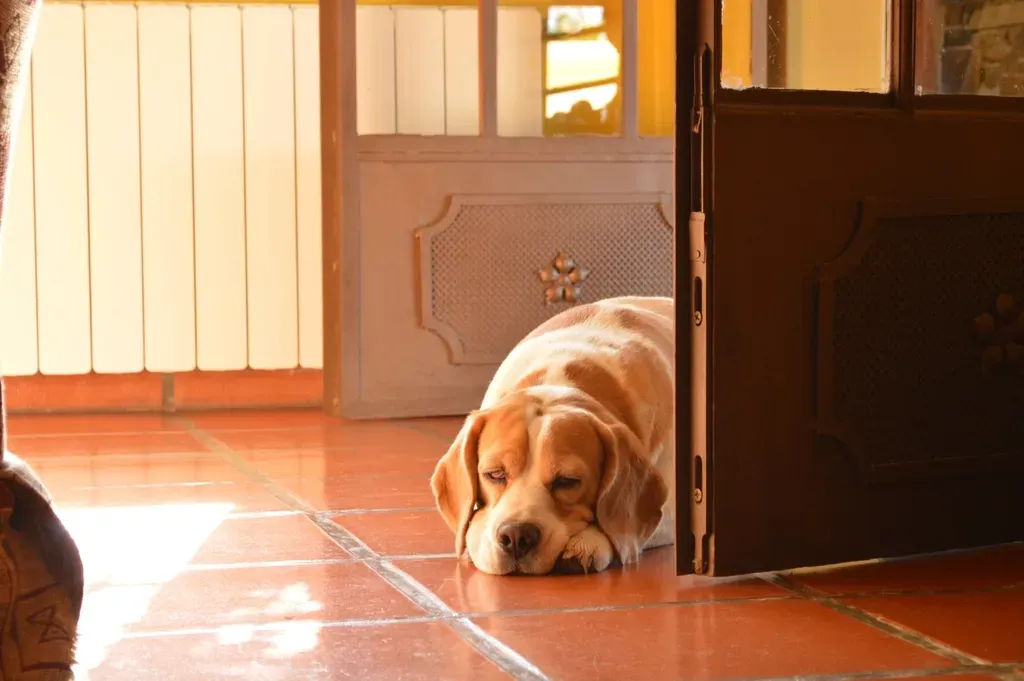
Right before the latch catches, your dog clocks your final sound of the morning. A cheerful “Be good!” or a tense “Ugh, I’m late” – either one rides with them into the silence that follows for the next several hours.
Dogs don’t understand our words, but they’re brutally accurate readers of tone and energy, and that last three-second window often becomes the emotional snapshot they store of the entire morning. If your final energy is angry or rushed, many sensitive dogs stay on edge well after you’re gone. If it’s calm and matter-of-fact, they settle faster. Pick one short, upbeat phrase you always use, and save the yelling at traffic or the kids for after your hand is off the doorknob.
#13 – The Vibe When You Come Back, Compared to How You Left
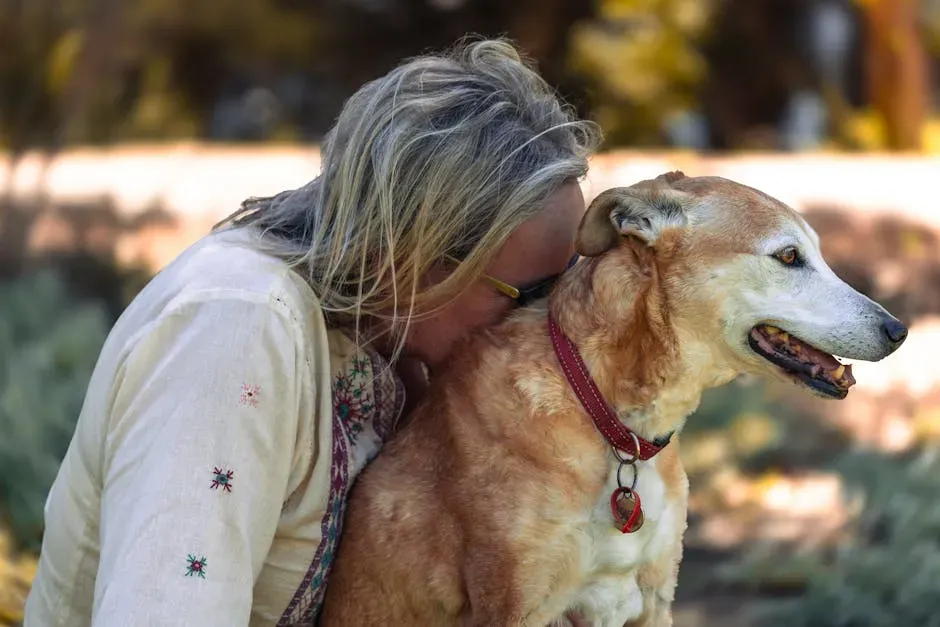
This one technically happens after morning, but your dog stitches the two ends together anyway. They don’t remember every minute you were gone. They remember two things: how did you leave me, and how did you come back. When those two moods clash hard, it sticks.
Leave stressed and slam the door, then come home flat and distant, and some dogs stay unsettled for the rest of the evening. Leave rushed but return with a small, warm reunion ritual, and they mentally smooth over the rough departure almost completely. Their emotional memory isn’t precise – it’s shaped by the first and last feeling in the sequence, which is exactly why a calm exit paired with a warm, not explosive, return tends to produce the most relaxed dogs. Huge, over-the-top greetings, oddly enough, can keep separation anxiety stuck in place instead of fixing it.
At a Glance
- Calm exit + calm return: the steadiest combination, and the one most trainers recommend for anxious dogs.
- Rushed exit + warm return: a mismatch that many dogs mentally smooth over by the end of the reunion.
- Stressed exit + flat return: two negative bookends that tend to leave dogs unsettled longer.
- Big, explosive greetings: can reinforce anxiety rather than relieve it.
The Bottom Line

Your dog isn’t drifting through your morning on autopilot. They’re quietly building a highlight reel – the first eye contact, the way your hand landed on their fur, whether breakfast felt rushed or shared, the tone of your goodbye, the energy stamped on that final door click.
None of this is about guilt. It’s about leverage. You don’t need an hour-long walk or gourmet treats to change your dog’s whole day. You need ten to sixty seconds of consistency, repeated without drama, morning after morning.
Here’s the uncomfortable part worth sitting with: if your dog seems “needy” or “dramatic,” some of that behavior might just be a completely reasonable reaction to the chaos of your mornings, not a flaw in the dog at all. So, did we overestimate how much they remember, or is this the part most owners have been underestimating all along? Say what you really think in the comments.