
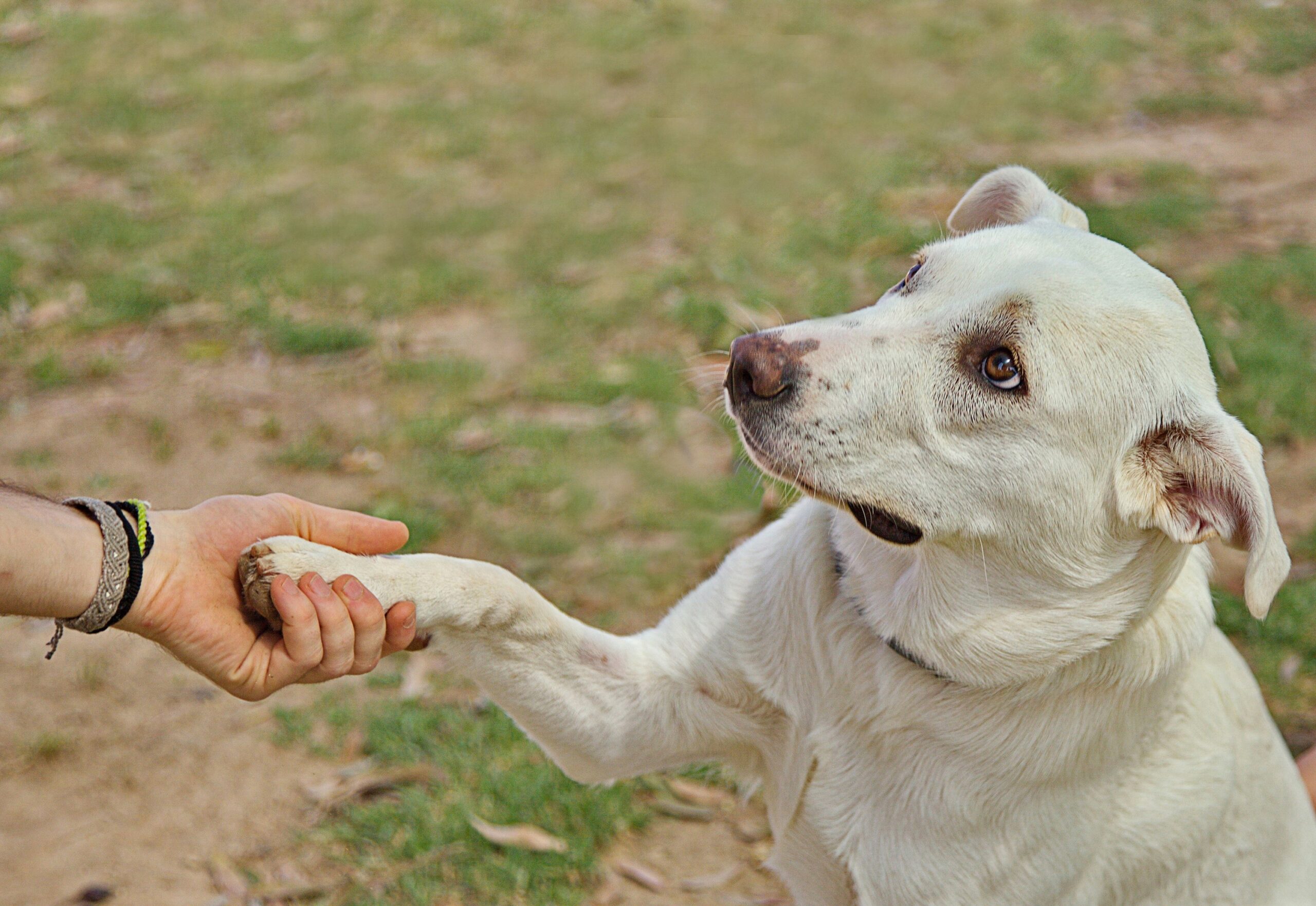
Everyone imagines the ending looks like the movies: the dog stops eating, can’t get up, and you just know. That’s the dramatic version. The real one is quieter and far easier to miss – most senior dogs start rewriting their entire world weeks or even months before the visible collapse, and they do it so gently that even devoted owners walk right past every clue.
Vets, hospice-care specialists, and longtime dog owners keep describing the same overlooked patterns: a change in where a dog chooses to sleep, a strange new calm about things they used to hate, a stare that lingers a beat too long. Once you know what to look for, you’ll probably recognize at least one of these in a dog you loved – and the last sign on this list is the one almost nobody wants to admit is real.
#1 – They Suddenly Become “Velcro” in a Different Way
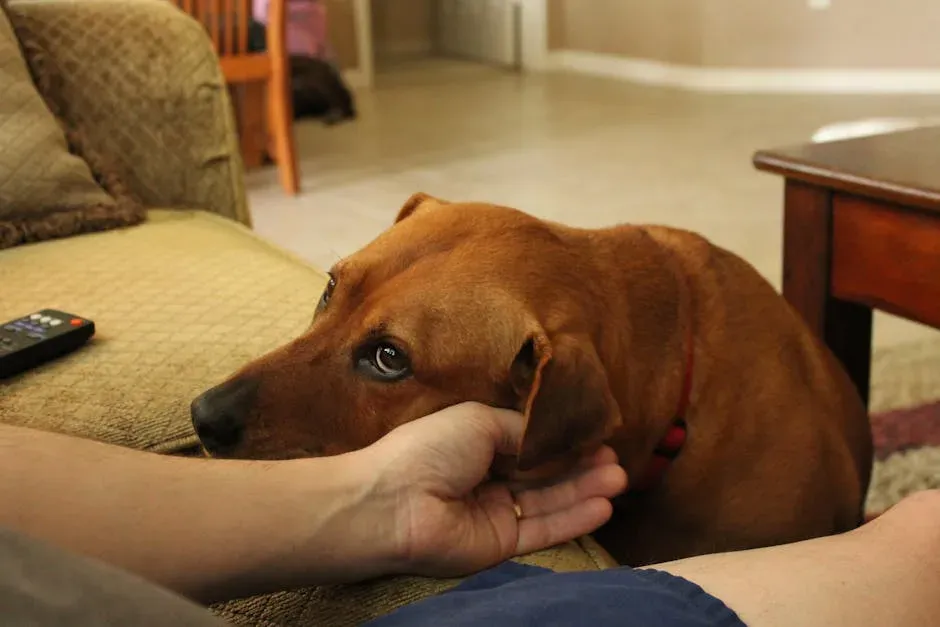
Some dogs have always been clingy, but this feels different. A dog who used to nap fine across the room now insists on touching you – hip to leg, paw to foot, nose to hand – almost every time they rest. It’s not about play anymore. It’s about physically anchoring themselves to the one steady thing left in a body that’s starting to fail them.
You might notice they follow you to short, boring destinations like the bathroom, or panic a little when a door closes between you – something they never cared about before. Owners often write this off as sweet, aging clinginess. It’s sometimes the first quiet flag that they’re holding on, spending every comfortable hour exactly where they always wanted to be: within reach of you.
Fast Facts
- Vets sometimes call sudden senior clinginess “hyper-attachment,” and it can appear even in dogs with zero history of separation anxiety.
- It’s frequently tied to fading eyesight or hearing, which makes physical touch feel far safer than sight or sound.
- The shift usually happens gradually over weeks, not overnight.
- Pairing new clinginess with appetite or bathroom changes is worth mentioning at the next vet visit.
#2 – They Start Staring at You Like They’re Memorizing You
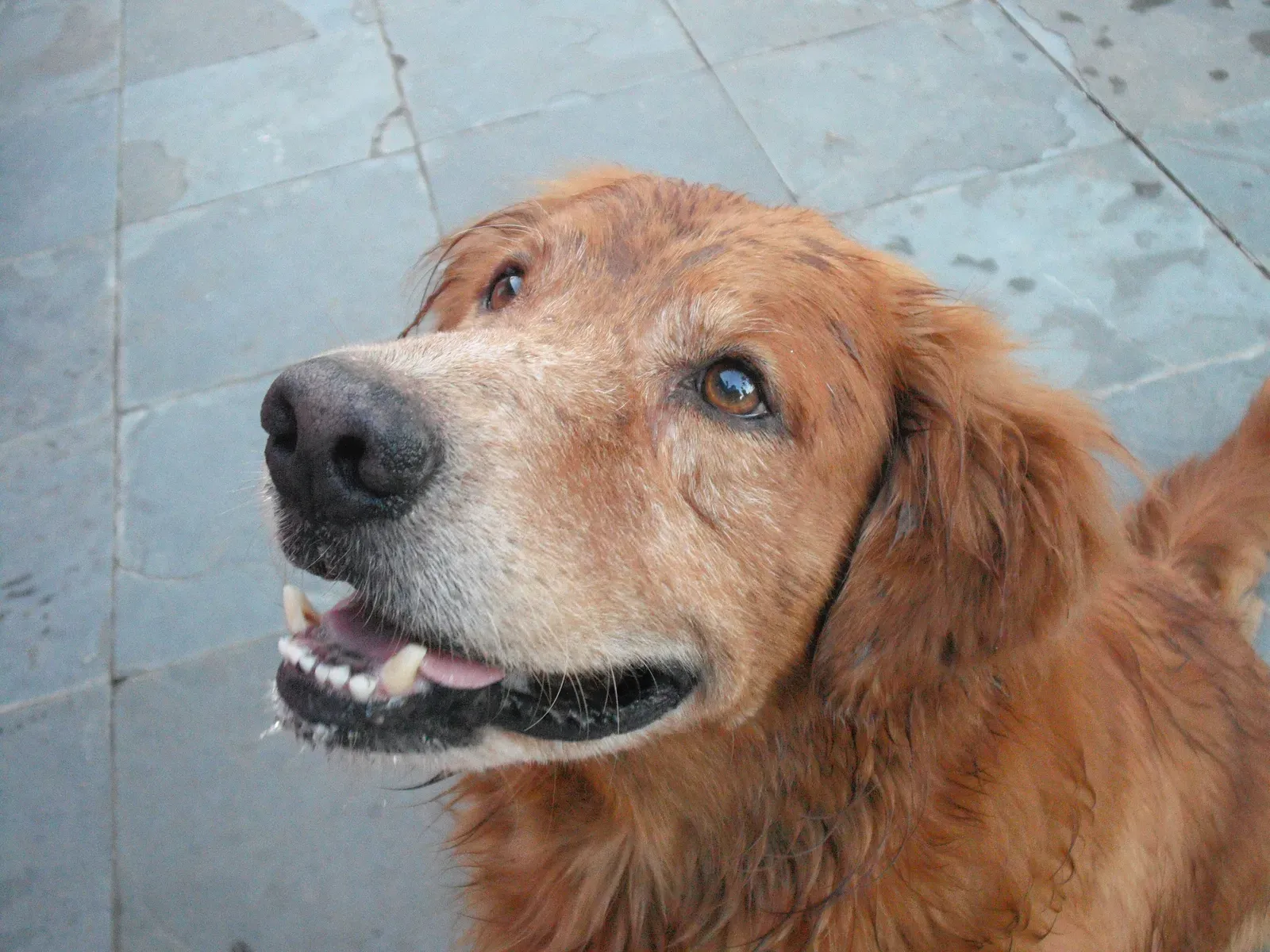
People romanticize the “deep dog stare,” but many owners describe something else entirely near the end – a long, soft, searching gaze that lingers just a little too long. It’s the moment you realize your dog isn’t just looking at you anymore. They’re studying you. Soaking you in.
You might catch them watching quietly from their bed while you cook or scroll your phone, then locking eyes and giving a slow sigh, almost like they’re taking a mental screenshot. Science can’t confirm dogs know they’re dying, but behaviorists agree that failing health tends to make older dogs more emotionally locked onto their person. Most owners only recognize that stare in hindsight – once they realize their dog had been saying goodbye long before the actual day.
#3 – They Quietly Change Where They Sleep
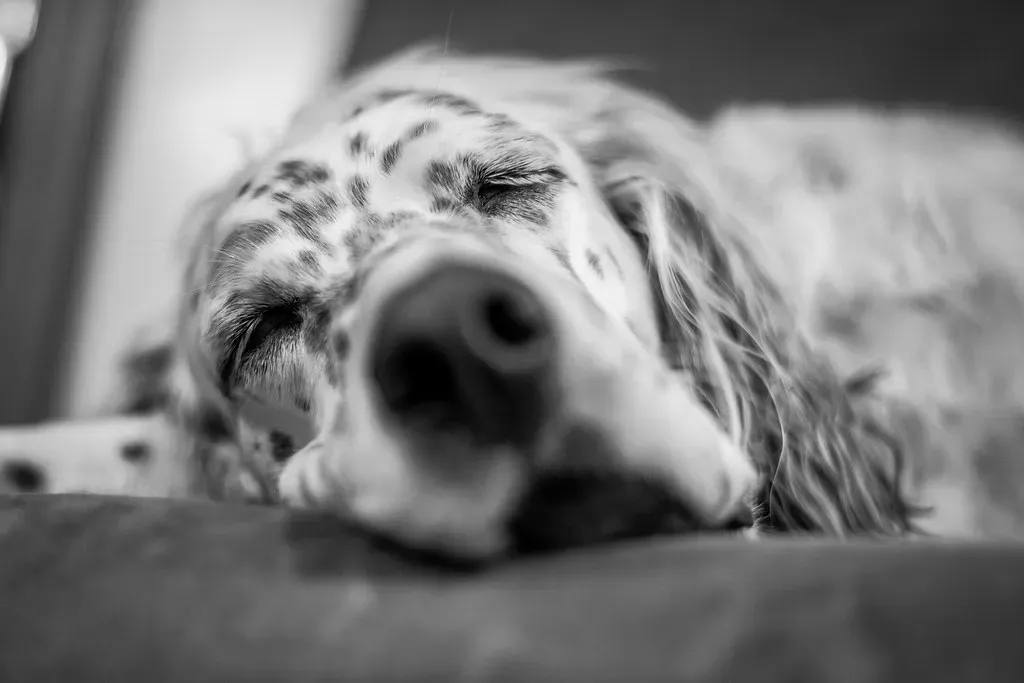
Everyone watches appetite and bathroom habits. Almost no one watches the bed. One of the most overlooked signs is a sudden change in a dog’s chosen sleeping spot – the dog who always loved the cool kitchen floor suddenly crams into a tiny bedroom corner, or abandons a favorite bed to sleep by the front door instead.
Some move closer to you at night, even if it costs them real pain to get there. Others do the opposite, retreating to a private, tucked-away spot as if trying to self-protect while they feel vulnerable. Either way, a deliberate change in sleeping location – especially one that takes more effort from a tired, arthritic body – is rarely about comfort. It’s about where they feel they need to be.
#4 – They Force Themselves to Eat… Only for You
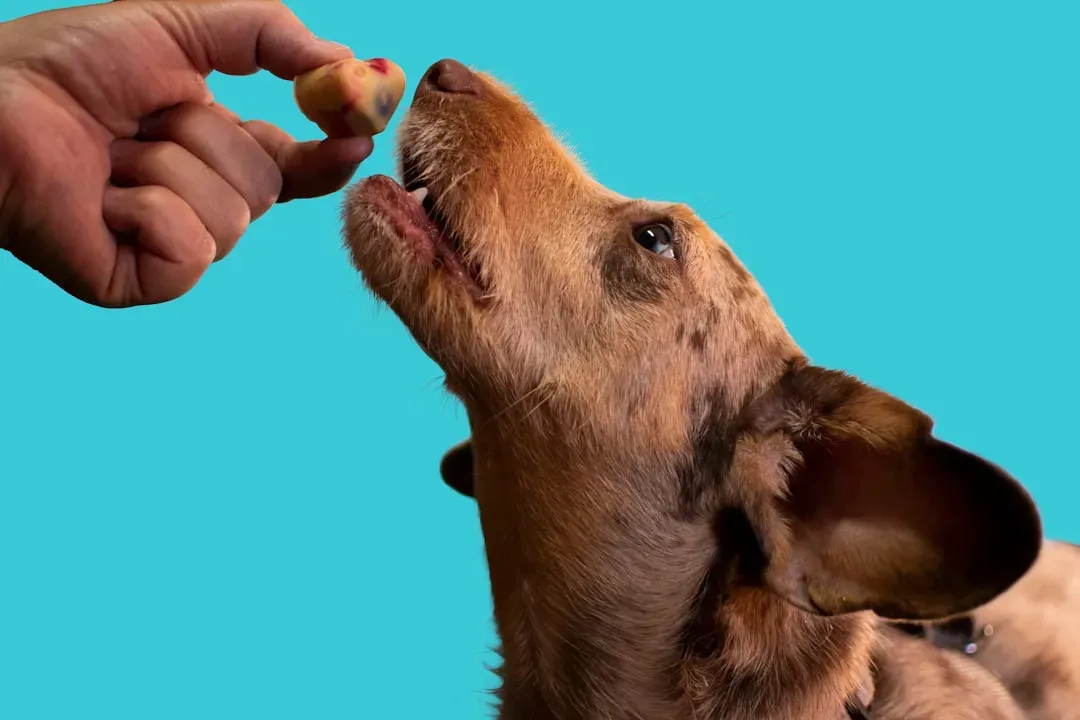
Everyone knows to worry when an old dog stops eating. Fewer people notice the strange in-between phase: the dog who ignores the bowl completely, then quietly eats a few bites the second you kneel down and hand-feed them. That’s not pickiness. That’s a dog overriding real discomfort because you asked.
They walk away from food on their own, but accept it from your hand, or only eat if you sit on the floor and talk to them gently while they do. This can absolutely be a medical red flag – pain, nausea, dental disease. But emotionally, it often looks like a dog torn between a fading appetite and a lifetime of wanting to make you proud for “being a good eater.”
#5 – They Still Rally Hard When You Suggest “Your Thing”
Most owners fixate on the bad days. The rally days tell just as important a story. Many old dogs get one last burst of puppy-like energy the second their person suggests a familiar ritual – the car, the park, the couch show – even after weeks of lethargy.
Ears perk up at the jingle of keys despite sore joints. A slow, stiff dog suddenly seems eager at the words “walk?” or “ready for bed?” Veterinarians see this constantly in hospice cases – it isn’t recovery, it’s the last reserves of adrenaline being spent on the one thing that mattered most all along: time with you.
#6 – They Hide Their Pain More Around You Than Anyone Else
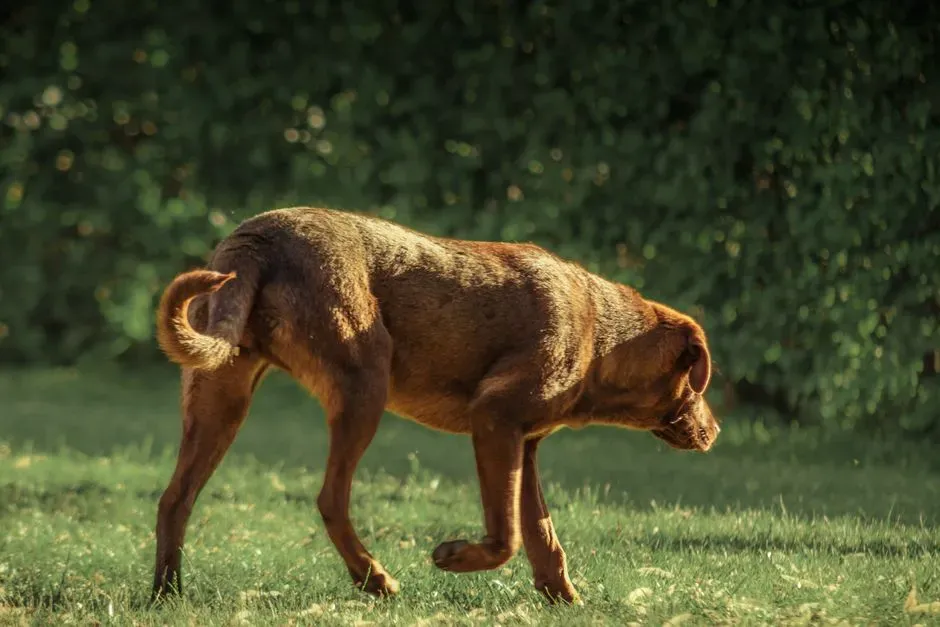
This one sounds backwards, but it’s one of the most consistent patterns owners report. Many senior dogs seem to toughen up specifically when their person is home – limping less, holding their posture a beat longer, refusing to whine – then collapsing into obvious pain the moment you leave the room. Friends and pet sitters often see more honest suffering than the owner ever does.
The dog who hops up to greet you but ignores everyone else. The dog who walks straight and proud beside you, then staggers alone in the yard. Dogs evolved to mask weakness in front of their pack, and for most modern dogs, you are the entire pack. Add years of being praised for “powering through,” and you get a dog quietly enduring more than you’ll ever witness firsthand.
#7 – They Start Checking on You Instead of the Other Way Around
When a dog is struggling, you expect them to need more from you. Plenty of owners report the opposite – their sick, aging dog becomes strangely focused on your emotional state instead of their own. They’ll drag themselves into the room you’re crying in, or insist on staying close when you’re the one who’s sick or stressed.
They’ll skip their soft bed to lie on hard flooring next to you, or get restless and whiny the moment you’re upset, even after a calm day. Call it “angel dog mode” if you want, but it’s really just attachment at its rawest. When a dying dog spends its remaining energy watching over you instead of demanding comfort for itself, that’s not confusion. That’s loyalty that never got the memo to stop.
#8 – Old Fears Fade, But the Fear of Losing You Doesn’t

Here’s a strange, telling shift: long-standing fears often soften dramatically in very old dogs, while their anxiety about being separated from their person actually gets worse. The dog who used to shake through every thunderstorm might sleep straight through one now – but panic quietly the second you grab your car keys for a five-minute errand.
Fireworks, doorbells, the vacuum – the old “monsters” stop registering the way they used to. It isn’t mystical; chronic pain and fatigue reshape what a tired brain has room to prioritize. Their world has quietly shrunk down to what actually matters: you, the routine, the bond. When the big triggers fade but distance from you feels worse than ever, it’s a sign they’re reorganizing their entire emotional world around the little time they have left.
Quick Compare
- Normal aging: Slower walks, more naps, mild stiffness after resting.
- Worth watching: Toughing it out around you, then visibly struggling once alone.
- Normal aging: Occasional selective hearing or mild confusion in new places.
- Worth watching: Old fears vanishing while separation anxiety sharply increases.
#9 – They Seem to “Time” Their Worst Moments for When You’re Home
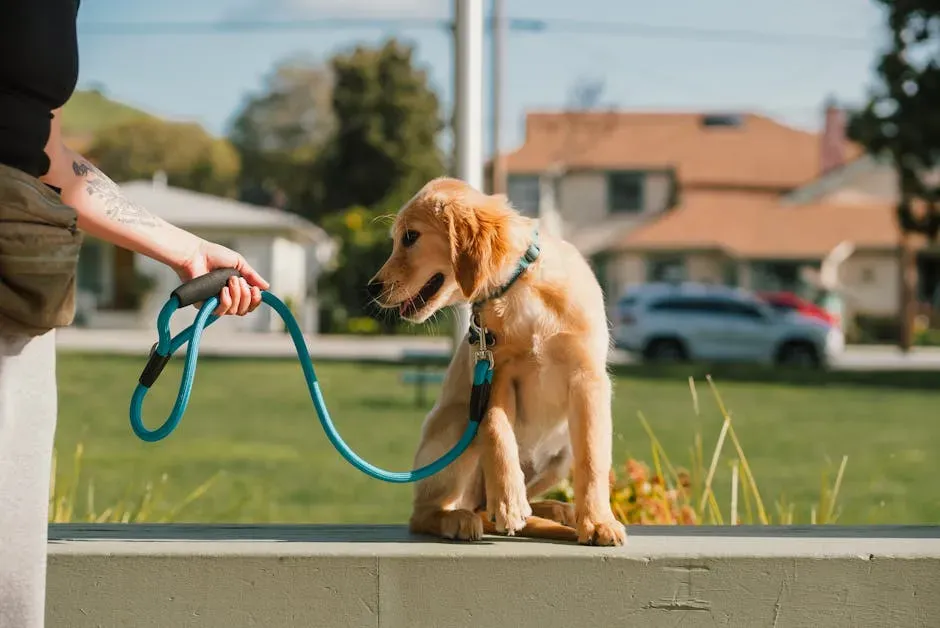
Countless owners swear their dog waited for them before finally collapsing, having an accident, or letting go. We can’t prove intent, but we do know dogs are remarkable at reading schedules – and many will hold their bladder, their bowels, and sheer willpower all day until their person walks through the door.
Accidents that only happen minutes after you get home, never during the long hours you’re gone. Fatigue and distress that a dog pushes through right up until they can finally sit beside you. Some of it is simple habit – your dog only lets their guard down when they feel safe, and you are safety. But late in life, that pattern gets sharper, and it leaves a lot of owners quietly convinced their dog was holding on just for them.
#10 – They Stop Asking for Almost Everything… Except One Thing
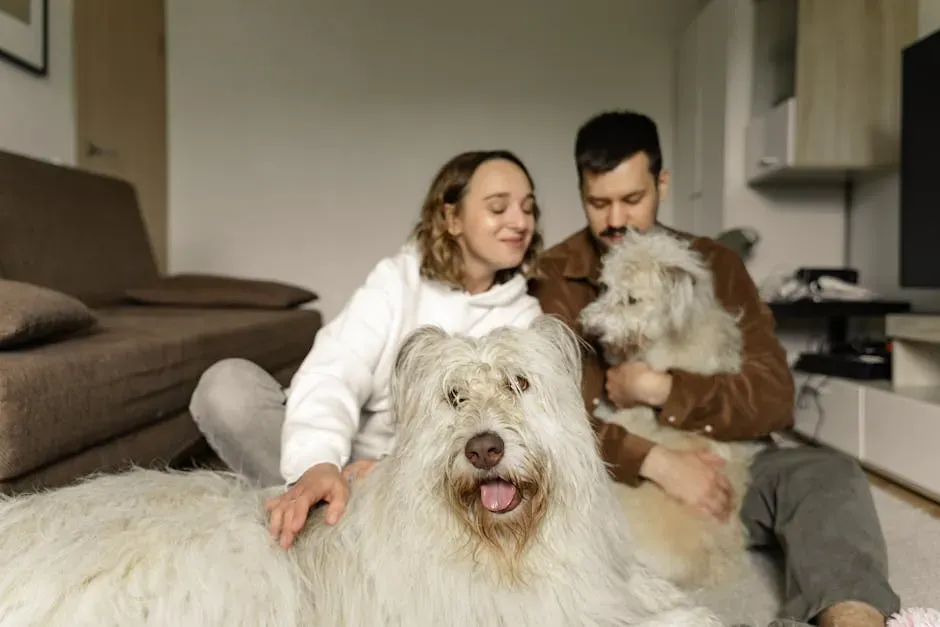
Here’s a shift almost nobody talks about: a dog who gradually stops caring about walks, toys, or visitors, but still consistently shows up for one very specific ritual with you. Maybe it’s the nightly couch cuddle. Maybe it’s the slow backyard sniff tour, or that old drive with the windows cracked.
They’ll ignore a brand-new toy completely, then drag themselves to the door the second they hear “your” routine start. This isn’t laziness – it’s triage. A dog with limited energy left starts making choices, and they’re choosing to spend their last emotional currency on the one thing that still makes their world feel right: you.
#11 – They Have a “Goodbye Day” That Feels Almost Too Perfect
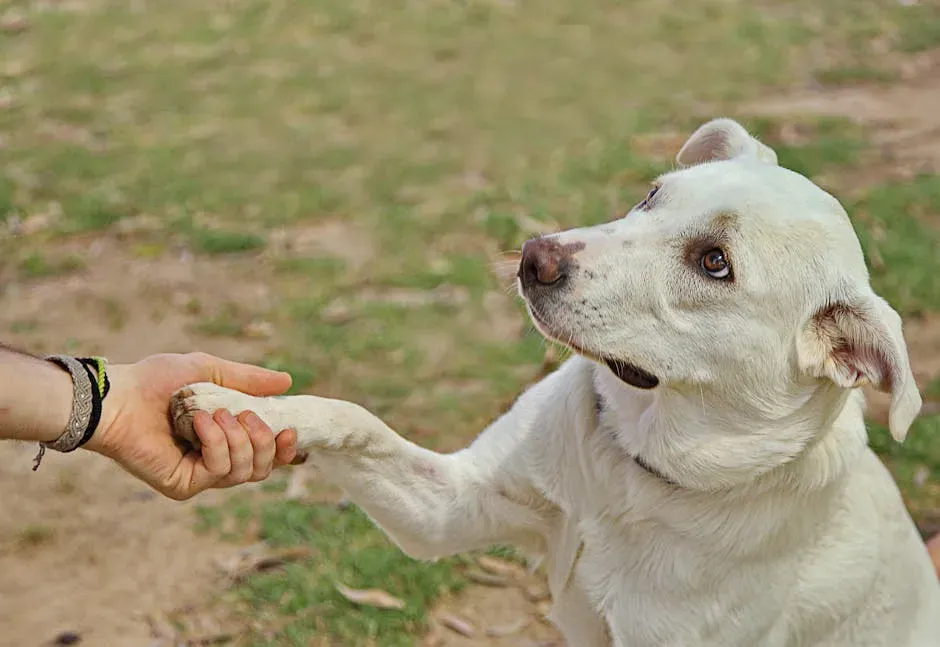
Ask anyone who’s lived through it, and they’ll tell you about this one immediately: the eerily perfect day right before a steep, sudden decline. The weather’s nice. The pain seems lighter. Your dog eats well, plays a little, and everything feels – for one strange, golden day – completely normal again.
Then, without warning, it’s gone. The next day, or the next week, everything collapses at once. Medically, this is likely a temporary symptom lull or a last burst of adrenaline. Emotionally, it feels like your dog held it together one more time so you’d have a soft, easy memory to carry afterward. These “goodbye days” almost never get recognized in the moment – only in hindsight, once you know the pattern by heart.
#12 – They Get Strangely Calm About Things That Used to Terrify Them
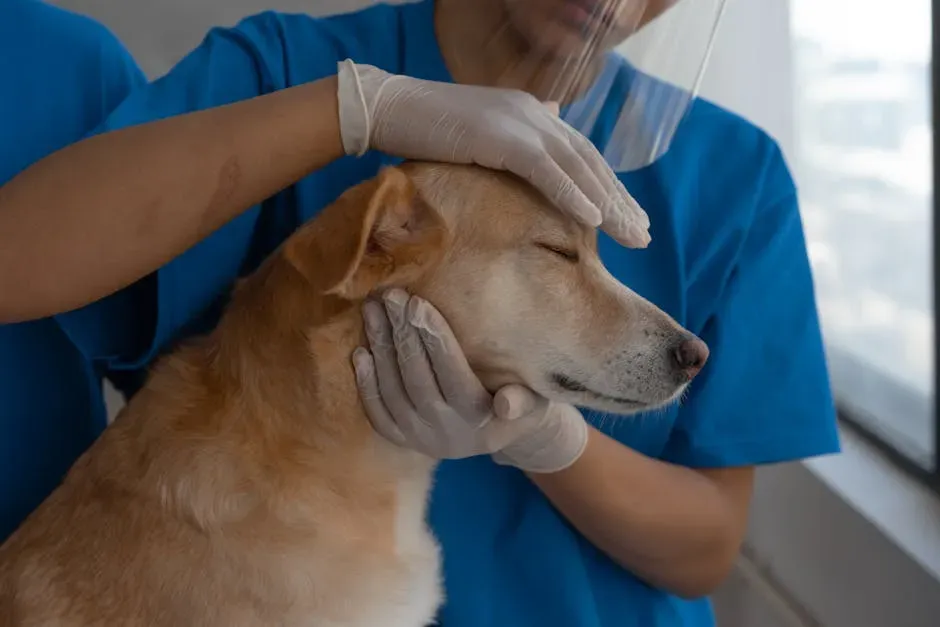
Here’s a subtle one that fools a lot of owners: a dog who has always hated vet visits, grooming, or car rides suddenly tolerates all of it with an eerie, uncharacteristic calm. People assume their dog “finally matured.” In seniors, it’s often something sadder – deep exhaustion, and a quiet kind of resignation.
Less fighting the leash. Less trembling in the clinic waiting room. A dog who used to shake at the vet’s door now simply leans into you and waits it out. Aging genuinely does mellow some dogs, but when that calm shows up alongside obvious decline, it usually isn’t progress – it’s a dog who no longer has the physical or emotional budget left to resist anything at all.
Worth Knowing
- Many veterinary hospice programs use quality-of-life checklists to help owners track comfort, appetite, and mobility over time.
- These scoring tools exist specifically to take raw emotion out of hard end-of-life decisions.
- Vets often suggest reviewing symptoms weekly once two or more overlap at once.
- A steady downward trend across days, not one rough afternoon, is usually the clearest signal something has changed.
#13 – They Seem to Wait for Your Permission to Let Go
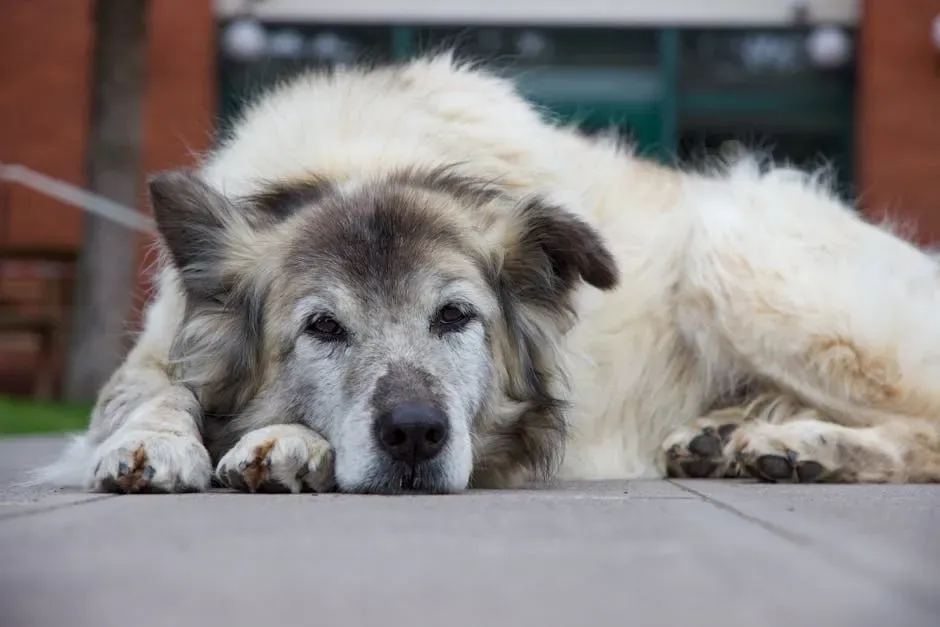
This is the one nobody wants to talk about, but most longtime dog people quietly agree on it anyway: many old dogs seem to hang on – sometimes uncomfortably long – until their person finally, honestly tells them it’s okay to go. Not in some mystical, movie sense, but in a very real, behavioral one. Once you stop fighting to keep them, they often stop fighting to stay.
A dog who’s been barely hanging on for weeks can decline rapidly right after a heartfelt talk. A sudden shift often follows the decision to stop “heroic” treatment. No one can prove a dog understands the words. But your panic, your ambivalence, your grief all change your body language and tone – and dogs read that fluently. For many dogs, that emotional permission, not the words themselves, is the moment they finally stop holding on and simply rest.
The Bottom Line
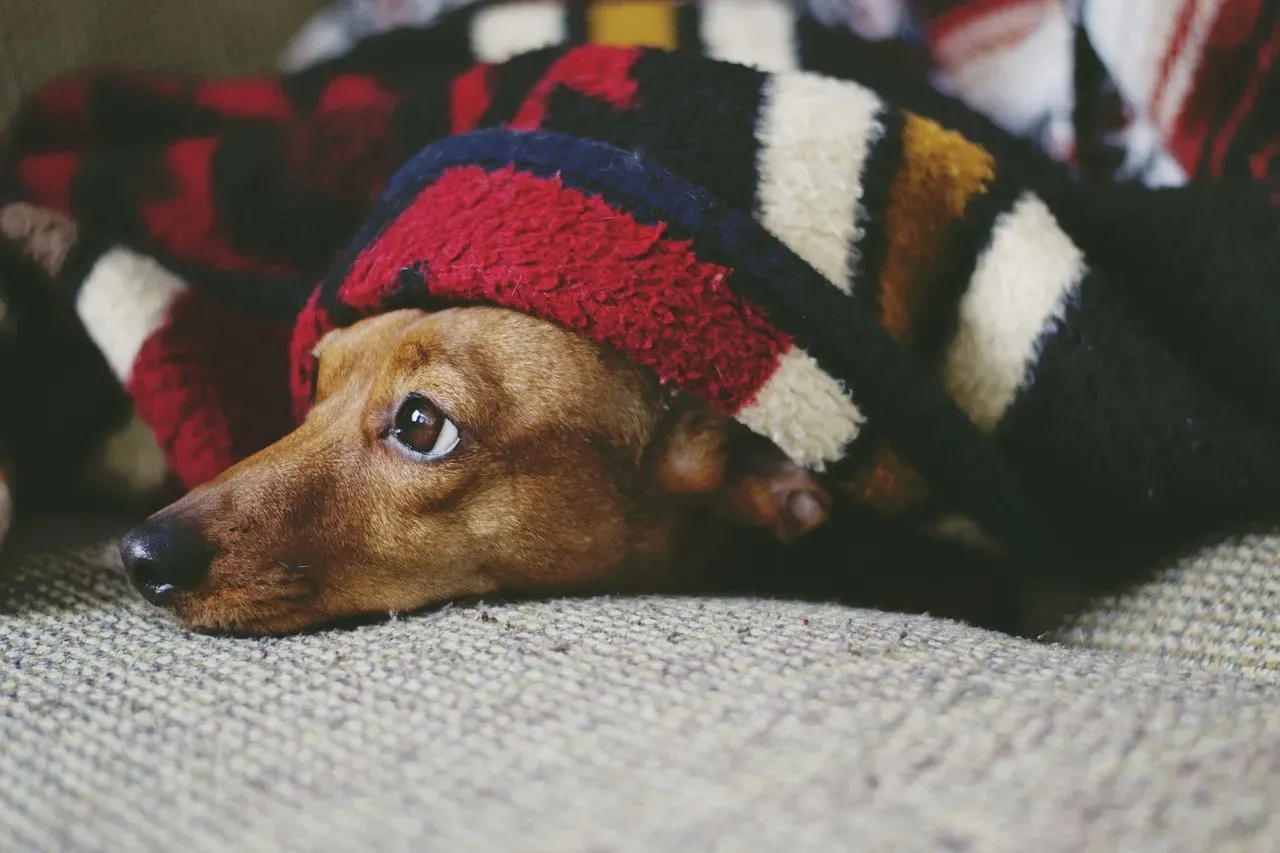
None of these signs alone prove an old dog is “waiting to die” or choosing some exact moment. Biology is messier than that. But pretending these quiet patterns don’t exist is its own kind of dishonesty.
The truth is that a lot of senior dogs twist themselves into emotional pretzels trying to stay near their people, keep up old rituals, and hide exactly how hard it’s gotten. That’s not magical thinking. That’s attachment, habit, and love, playing out in a body that’s running out of time.
Here’s the uncomfortable opinion: too many owners cling to the fantasy of a peaceful, natural passing and end up missing weeks of small, polite suffering from a dog who is clearly exhausted but still trying, every single day, for them. If you recognize your dog in any of these signs, you don’t owe them more time. You owe them more mercy.
Did we miss one of the signs you’ve seen in your own senior dog? Tell the others in the comments – someone reading this tonight needs to hear it.


