
13 Things a Dog Does Before a Walk That Reveal the Whole Household Schedule
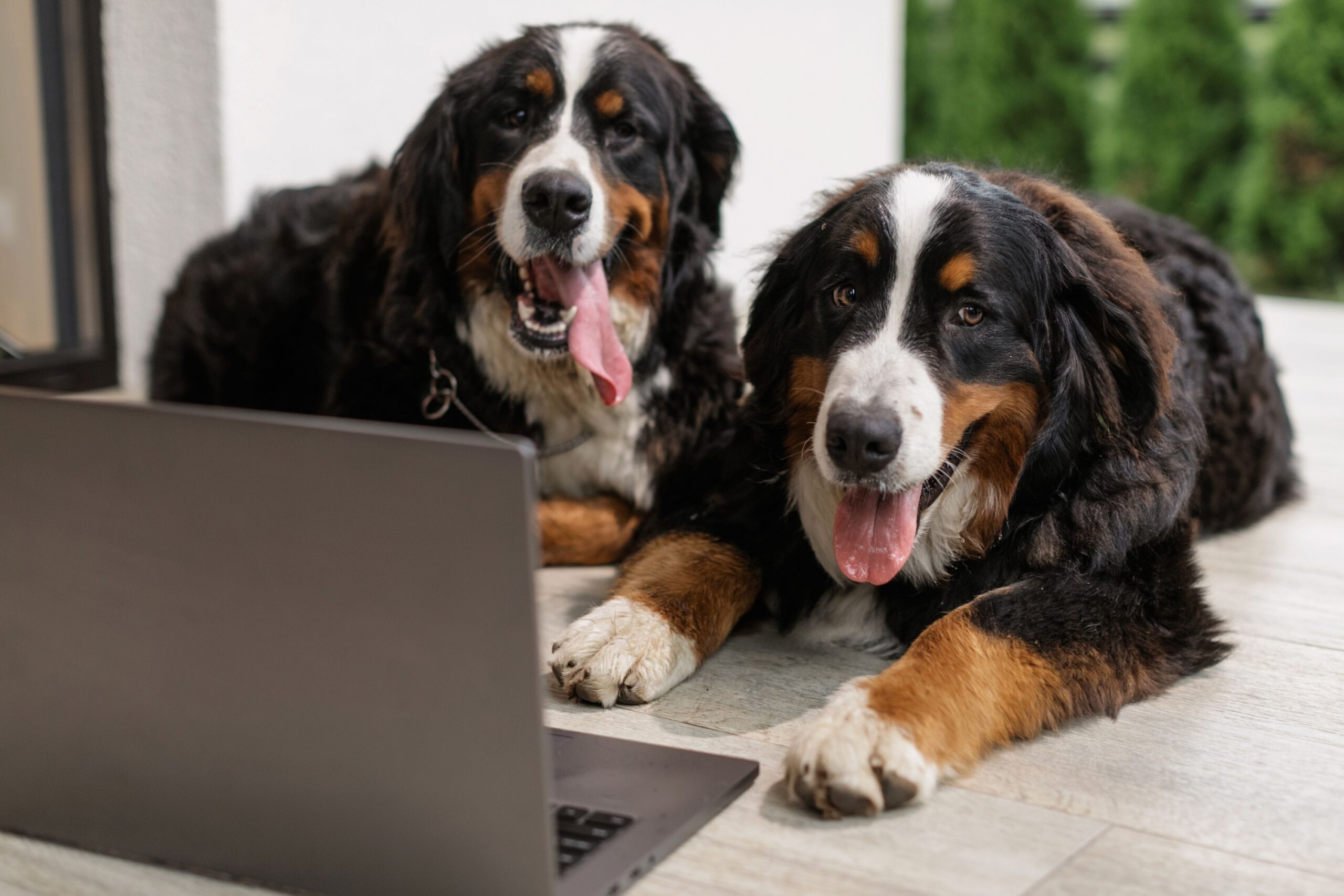
Most people think their dog just gets excited before a walk. But watch closely enough, and something almost eerie starts to show up: your dog seems to know the walk is coming before you’ve even decided you’re taking it.
That’s not coincidence. That’s pattern recognition running quietly in the background of every single day, and it’s a lot sharper than most owners realize.
From the shoes you grab to the way you close your laptop, your dog has mapped every ritual that leads to the leash – and in doing so, mapped your entire household’s rhythm. Here are 13 pre-walk behaviors that expose exactly how your home really runs, whether you’re ready to admit it or not.
#13 – The Instant Shoe Check
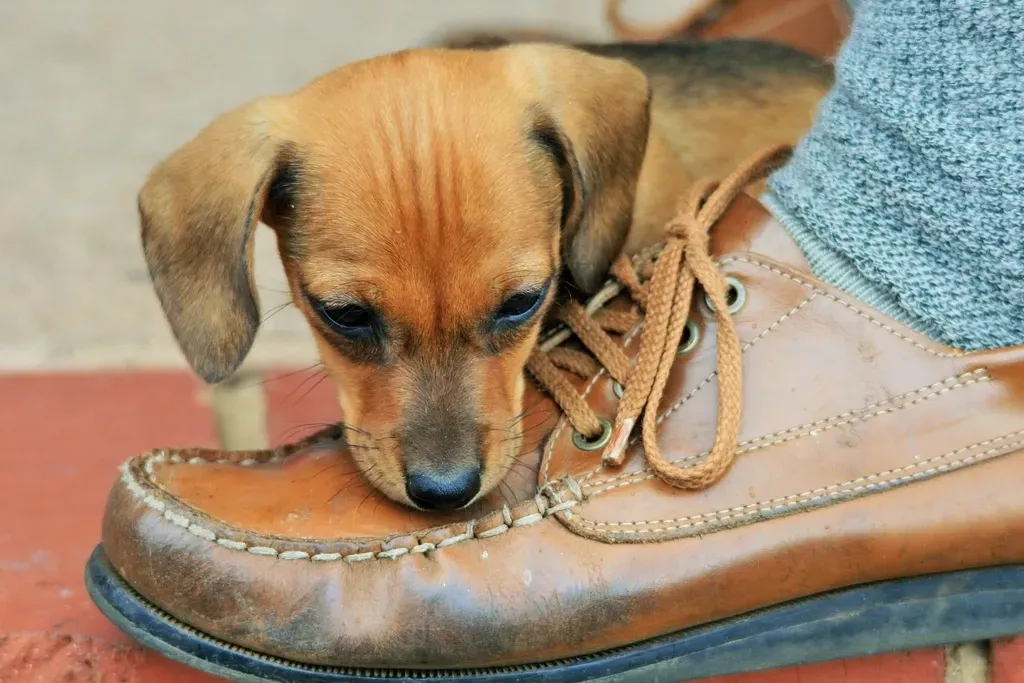
Your dog doesn’t wait for the word “walk.” The moment you head toward the shoe rack or that one closet where the sneakers live, they’re suddenly on high alert. This isn’t random – dogs are relentless pattern-spotters, and they’ve clocked that certain shoes mean “walk” while others mean “you’re leaving without me.”
A lot of owners swear their dog can tell weekday footwear from weekend footwear, and they’re not wrong. Dogs can visually discriminate shapes, colors, and even the sound of specific shoes hitting the floor. Grab your walking shoes at a weird time, and you’ll see the confusion in real time – you’ve just glitched their mental calendar. Weirdly, that’s just the opening move. What happens next is even more revealing.
Fast Facts
- Dogs have up to 300 million scent receptors, compared to roughly 6 million in humans, so footwear scent alone can flag your routine.
- Canine hearing reaches around 45,000 Hz, far past the human ceiling of about 20,000 Hz, so a closet door or zipper registers instantly.
- Dogs are fast associative learners, often linking a single cue to an outcome after just a handful of repetitions.
#12 – Staring at the Door Before Anyone Moves
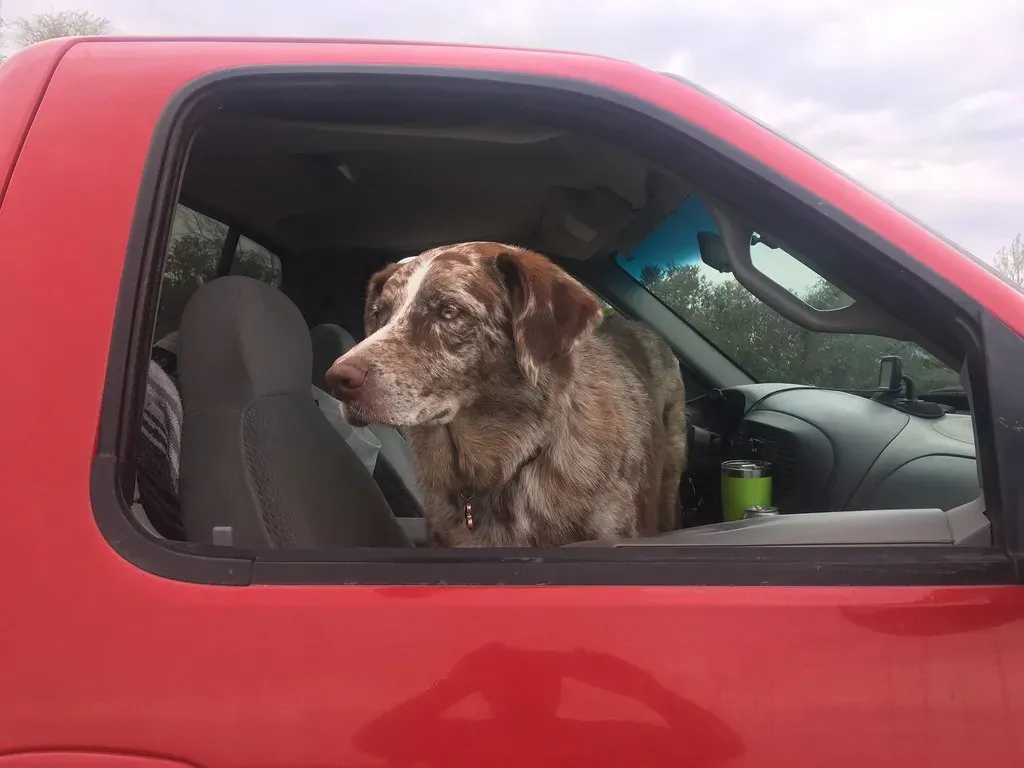
You haven’t reached for the leash. Nobody’s said “outside.” Yet your dog is already parked in front of the door, staring like they’re willing it to open. Trainers joke that dogs can “hear time,” but what’s really happening is routine-based timekeeping – your dog links predictable events, like an alarm or the coffee machine clicking on, to what comes next.
This “door stare” also outs who your dog thinks the real walker is. They’ll camp on that person’s side of the room, or line up along the exact path that person usually takes. Swap the walker suddenly, and the dog’s internal clock often falls apart for a few days – because it isn’t just predicting a walk, it’s predicting who is going and when the whole house should shift into departure mode. It gets stranger though, because dogs don’t just wait. They audit.
#11 – Pacing Between People Like a Tiny HR Manager
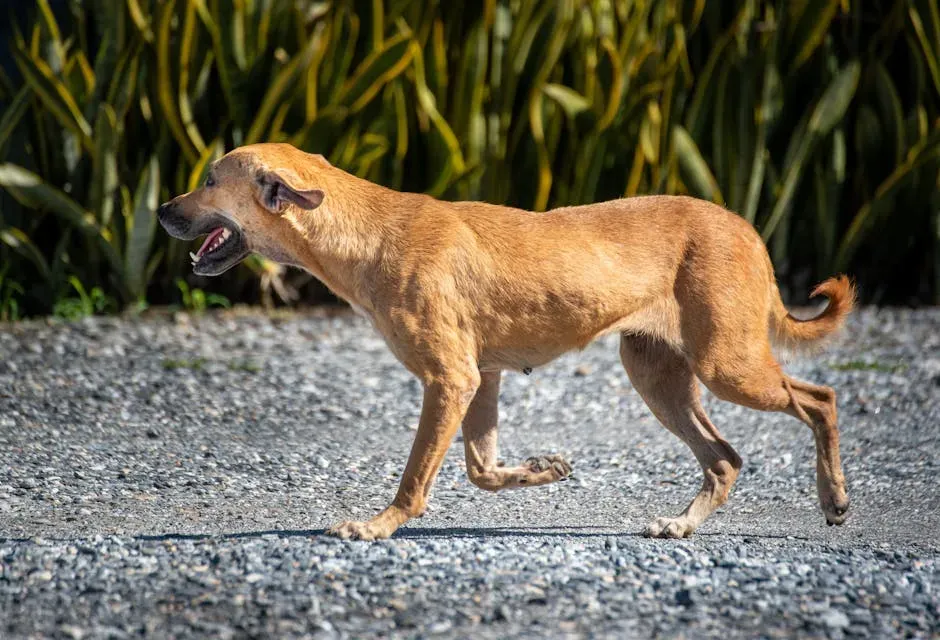
Right before walk time, plenty of dogs start pacing between family members like they’re checking attendance. They trot from the kitchen to the bedroom to the hallway, nudging whoever’s supposed to be up by now. To a behaviorist, this is a clear sign the dog has built an internal roster of who should be where.
If someone’s still in bed past their normal time, the dog often looks unsettled, even clingy, as they try to reconcile reality with the schedule stored in their head. They know Dad leaves before sunrise, that the teenager appears ten minutes before the bus, and that Mom grabs the leash right after coffee. In some homes, the dog is the very first one to notice a shift – new work hours, a school break, someone sneaking in late. And that audit gets even more precise once the alarm clock enters the picture.
#10 – Reacting to Alarm Sounds (Even the Silent Ones)
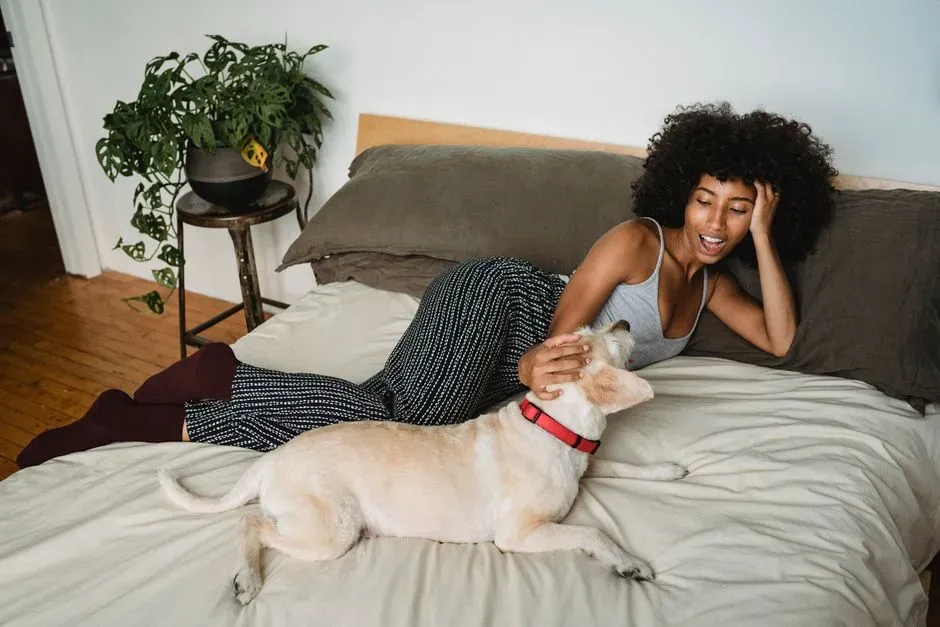
You know that split-second before your alarm actually goes off, when you’re already half-awake? Your dog often beats even that. Plenty of owners report their dog stretching or hopping off the bed just seconds before the phone buzzes – and it’s less spooky than it sounds once you understand micro-patterns.
Dogs lock onto tiny shifts: your breathing changes, your muscle tone changes, maybe you check your phone at the same moment every single morning. Even on days you switch off the alarm, your dog may still act like it rang, circling the bed or nudging your hand at the exact usual minute. This becomes a real problem on weekends – your dog doesn’t care that it’s Saturday, their body clock says it’s go-time. Turns out, alarms are only the beginning. Your wardrobe talks too.
#9 – Watching You Dress Like a Personal Stylist
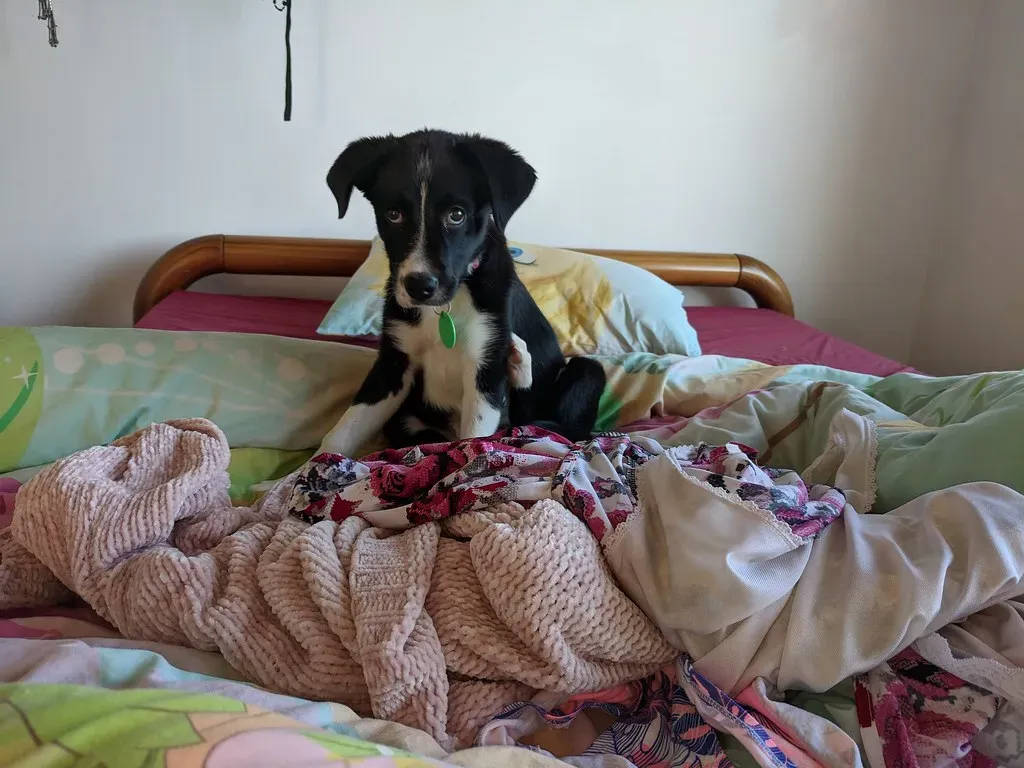
Your dog knows the difference between “work clothes” and “walk clothes,” and they are, frankly, judgmental about it. Leggings, hoodies, that one jacket you always wear outside – instant hype. Put on office attire instead, and the shift is immediate: ears drop, tail slows, eye contact disappears because they already know they’re not coming.
Here’s the uncomfortable part – your dog also knows when you’re lying to them. Say “we’ll go later” and then put on your leaving-for-hours outfit, and watch the reaction. Some sulk. Others push harder for a quick walk first, because your clothes already told them the truth. Over time, this becomes a map of your week: work-from-home days, gym days, the days you’re more likely to cave for a longer route. But clothes are nothing compared to what your keys give away.
Worth Knowing
- Dogs see a limited color range built mainly around blues and yellows, so outfit recognition leans more on shape, texture, and scent than color.
- Pre-departure cues like specific clothing are a well-documented trigger tied to separation-related behavior in dogs.
- Trainers often suggest mixing up dressing routines to reduce anxiety in dogs who are hyper-tuned to these signals.
#8 – Tracking Keys, Bags, and That One Noisy Zipper
For a lot of dogs, the walk doesn’t truly start until the right jingle hits their ears. It’s not just the leash – they’re listening for keys, the sound of your bag, a backpack zipper, even the Velcro on one specific windbreaker. Dogs process sound with startling precision, and they can tell “you’re leaving for work” keys apart from “we’re going to the park” keys based purely on what usually happens next.
Skip your usual key or bag routine – say you just grab poop bags and your phone – and some dogs hesitate, unsure if this matches the pattern they trust. Grab your laptop bag at dog-walk time instead, and watch them deflate, already bracing to be alone for hours. These tiny reactions map your household’s exits with brutal accuracy: who goes, when, for how long, and whether the dog’s invited. Sound isn’t the only clue, though. Location matters just as much.
#7 – Sitting on Specific Tiles, Rugs, or Floor Spots
If you think your dog flops near the door “just because,” look closer. Many dogs claim a designated pre-walk spot – a patch of tile, a rug corner, a halfway point down the hall – and it’s rarely random. It’s usually the perfect vantage point to monitor the bathroom door, the coat rack, the hallway light, and the front door all at once, like a tiny supervisor running the whole operation.
That chosen spot shifts during life changes too. Move the shoe shelf, switch the door you usually use, bring home a new baby that alters hallway traffic – and your dog often relocates their staging area to match. Where your dog sits before a walk is basically a floor map of how your household moves right before it leaves. Floor spots are one thing. Noses are a whole different level of surveillance.
At a Glance
- Dogs build detailed spatial maps of their home over time, not just memorized paths.
- Favorite waiting spots usually offer clear sightlines to two or more exits or reappearance points.
- Rearranged furniture, moved doors, or new household traffic patterns can shift a dog’s chosen spot within days.
#6 – Nose-Checking Everyone Like a Living Attendance Scanner
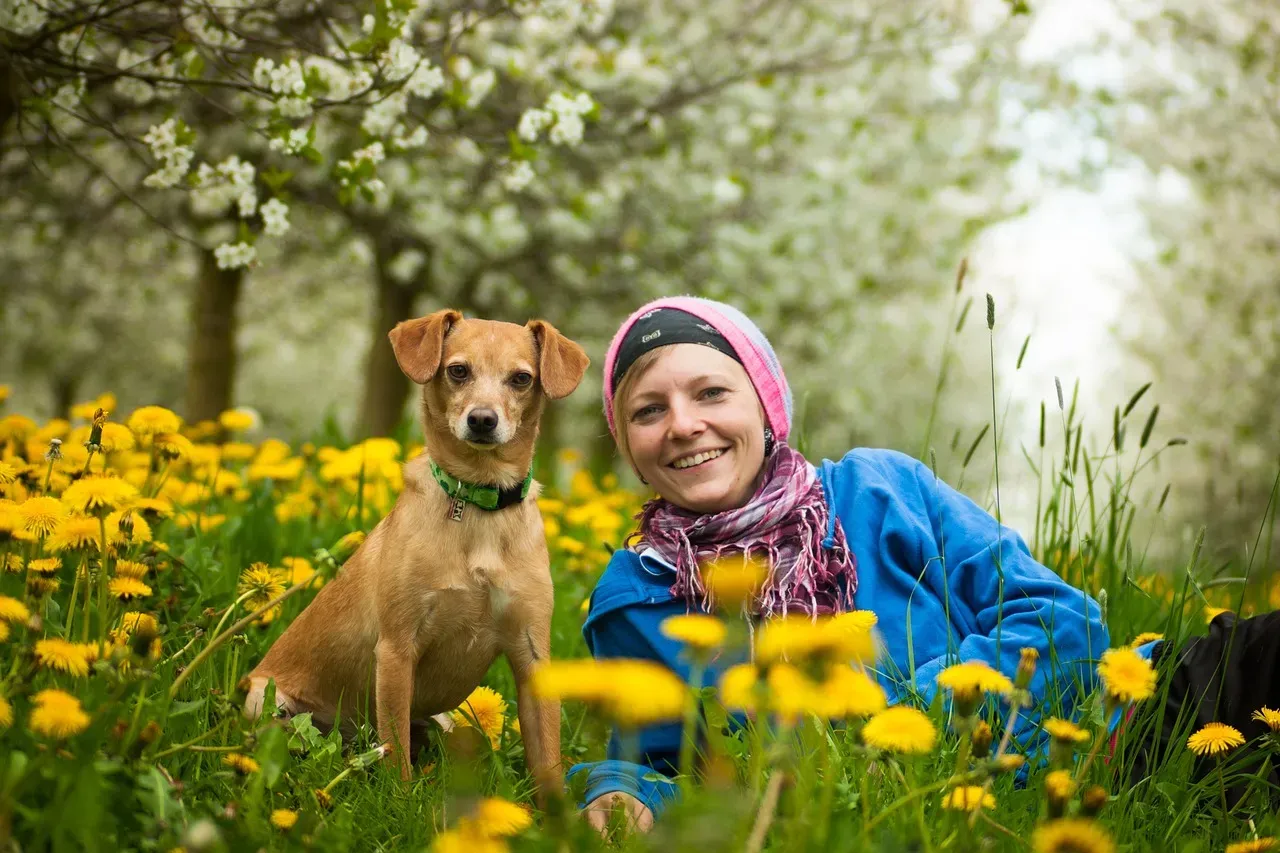
Right before walk time, a lot of dogs get suddenly, intensely interested in sniffing people – not cuddling, sniffing. They’ll investigate whoever just showered, the kid in a school uniform, the parent who smells like coffee. Dogs use scent to confirm status: clean human means just woke up, perfume means about to leave, sweat means just came back and might be the one walking the dog next.
That last one creates some genuine, if silent, resentment in gym-going households. If the usual walker still smells like “bed” when they should smell like “work clothes and toothpaste,” the dog often gets restless, sensing something’s off schedule. Some won’t settle until the smell matches what they expect. Your dog’s nose is basically a living dashboard, and pre-walk sniffing is how it checks that the day is running on time. If sniffing feels invasive, wait until you hear about the tech cues.
#5 – Reacting to Tiny Tech Cues You Don’t Notice
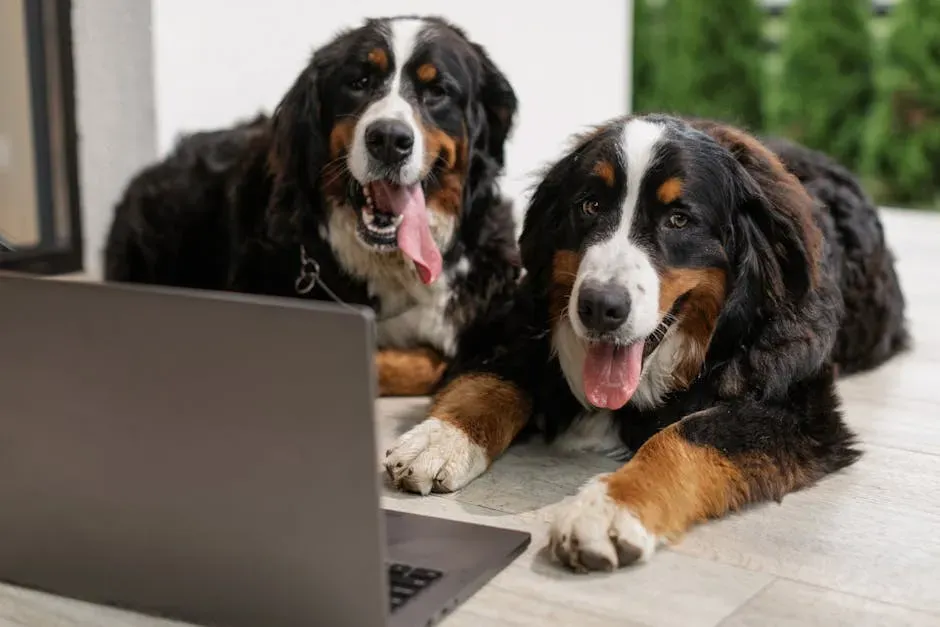
You’d think your dog doesn’t care about your phone or laptop. Watch them, though, when you close your laptop with that distinctive click, say “alright” right after a meeting ends, or ask a smart speaker for the weather. These micro-events have quietly become time markers in your dog’s brain.
- The laptop-close click that means the workday is winding down.
- The “okay, I’ll send that over” line that always precedes the daily walk.
- The TV shutting off, or a notification chime that reliably comes right before the leash.
In work-from-home households, this is even more pronounced – dogs start standing up the moment they hear the sign-off phrase, which explains the “random” excitement right after a Zoom call. In homes where someone finishes a night shift or kids log off online school, the dog may rely on device sounds more than sunlight to predict when the door’s about to move. Some dogs don’t just observe the schedule quietly, though. They protest it.
#4 – Whining or Barking Exactly When You’re Running Late
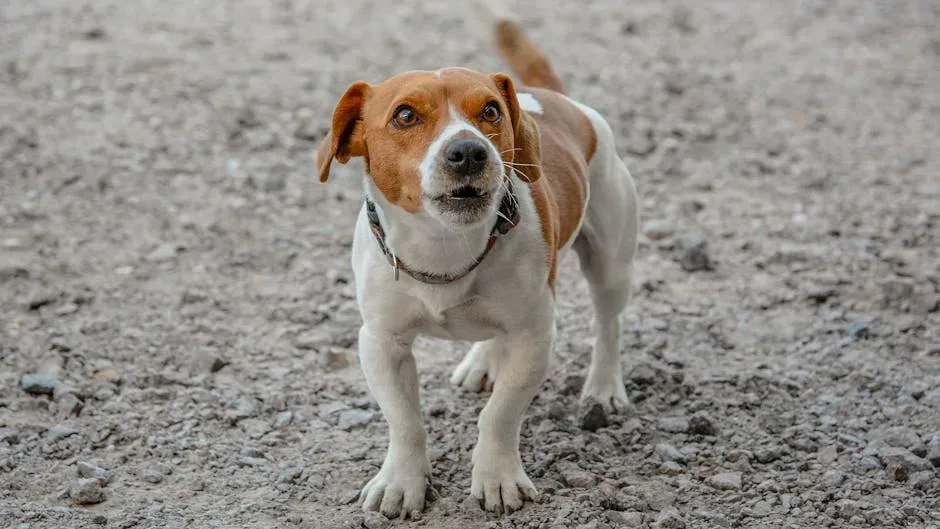
There’s a behavior that splits dog owners in the comments every time: the “nagging” dog. This is the one who starts whining, pawing, or barking if the walk hasn’t happened by a certain time. Plenty of people label it spoiled, but that’s an easy excuse – in reality, these dogs have internalized your schedule so precisely that they’re protesting a broken contract.
Dogs aren’t spoiled by routine. They’re organized by it – sometimes more than the humans who set it.
Common refrain among veterinary behaviorists
What your dog is really revealing is how rigid your household rhythm has become. If a 20-minute delay triggers a meltdown, that time slot might be your family’s only consistent physical outlet, full stop. On days with guests, sick kids, or overtime shifts, the whining ramps up – not because the dog is spoiled, but because a fragile routine just cracked, and they’re the only one saying it out loud. And when protest doesn’t work, dogs pick a favorite human to follow instead.
#3 – Shadowing One Specific Person Like It’s Their Job
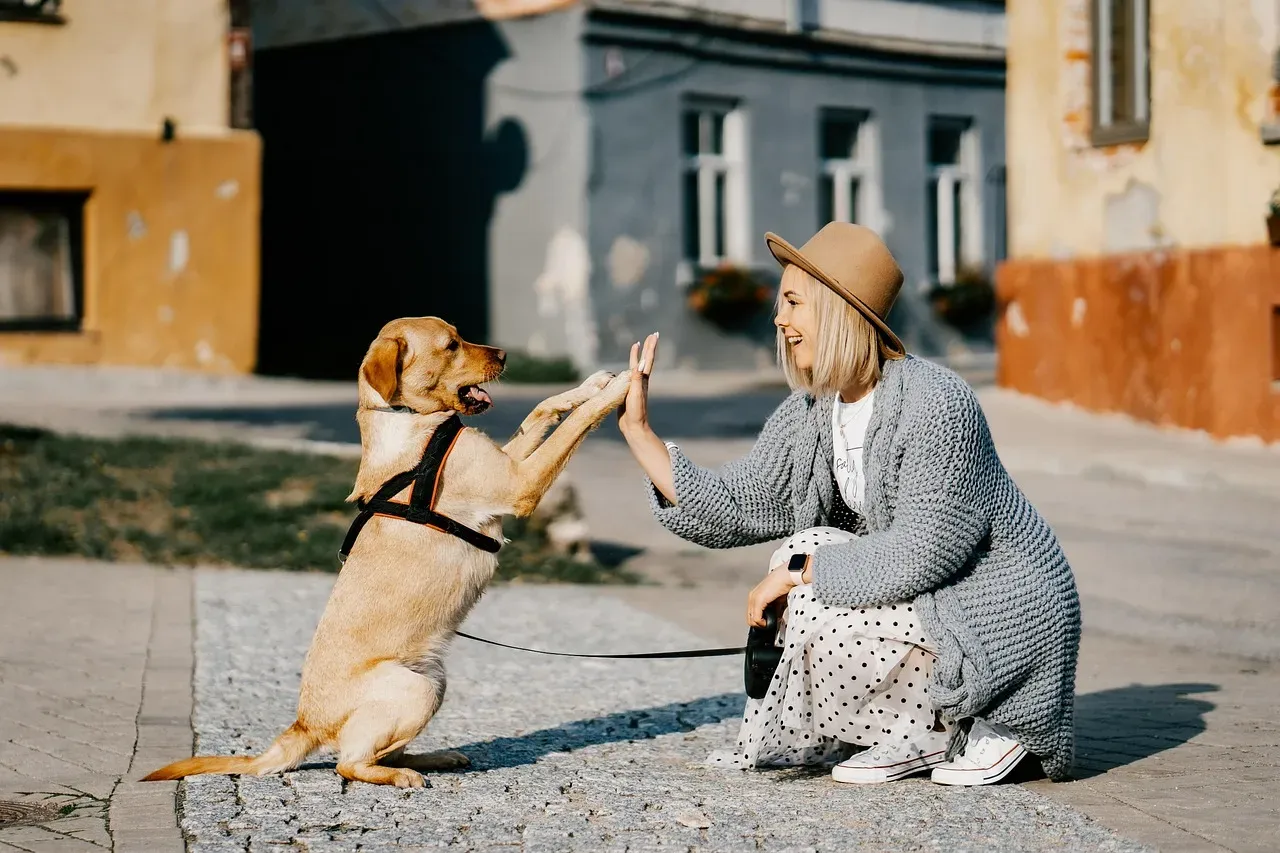
In many homes, there’s “The Walker” – the one person the dog tracks obsessively before any outing, following them to the bathroom, the kitchen, even the closet. This shadowing reveals who actually controls the real household schedule, not who thinks they do. Say “we all share dog duties” all you want; if the dog only stalks one person pre-walk, they’re calling your bluff.
What’s striking is how fast dogs reassign this role when life changes. A new partner takes over walks, and the shadowing pattern shifts within weeks. A teenager starts doing afternoon walks for allowance money, and suddenly the dog is camped outside their door instead of the parents’. In blended or divorced households, you can watch completely different shadowing patterns emerge depending on whose house it is – your dog is bluntly, almost rudely honest about whose actions really run the day. Following one person is one thing. What some dogs do with toys is next-level strategy.
Quick Compare
- Single-walker homes: the dog shadows one person almost everywhere before a walk, ignoring the rest.
- Shared-duty homes: attention splits, and the dog follows whoever’s turn matches the usual day or time.
- Multi-pet homes: shadowing often intensifies, since the dog is also tracking cues from other animals in the house.
#2 – Pre-Positioning Toys and Objects Like They’re Negotiating
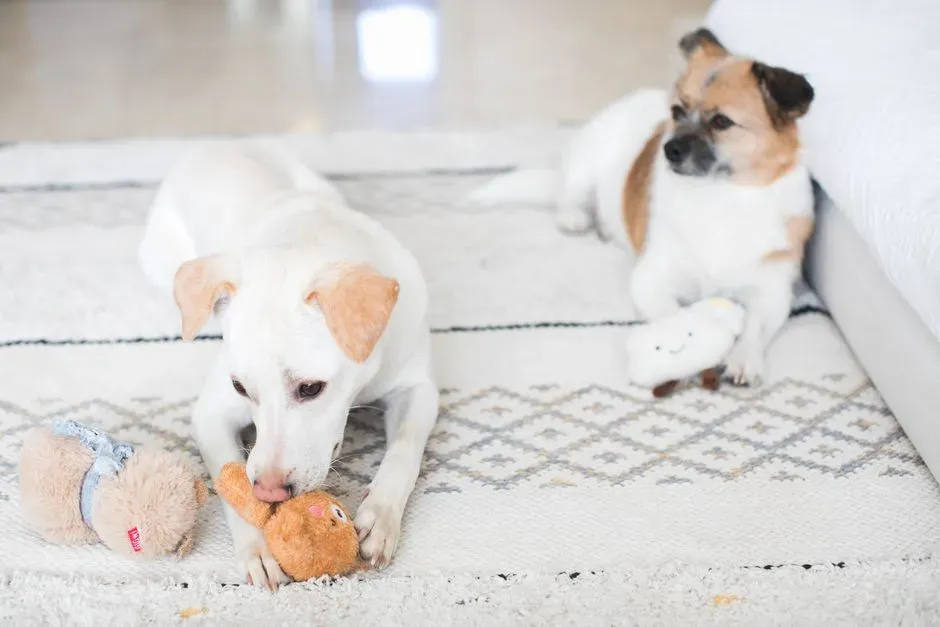
Right before a walk, plenty of dogs suddenly grab specific toys and drop them by the door, or parade them around the hallway. Owners chalk it up to “just excitement,” but there’s a deeper pattern at play. Dogs frequently bring high-value toys to the door on days when the walk is late, short, or rushed – almost like they’re trying to add enrichment back into a compromised routine.
- A ball on days you usually head to the park.
- A tug rope when multiple family members are home.
- A comfort plush when the house feels tense or rushed.
Over time, your dog’s toy choice can expose real stress points in your household schedule – late work nights, skipped weekend adventures, rushed school mornings. On calm, on-time days, some dogs don’t bring anything at all; the walk alone is enough. When the schedule feels tight, they start loading their own needs into that one outing, and their toy choice becomes quiet commentary on how your family is actually spending its time. And the final behavior on this list might be the most unsettling of all.
#1 – Anticipating Days of the Week Before Anyone Says a Word
The most shocking part? Many dogs don’t just know “walk soon.” They behave differently on different days of the week before the usual cues even start. Weekend mornings are the classic example – some dogs sleep in later on Saturdays, while others get excited earlier because Saturdays historically mean longer walks or car trips, despite no alarm, no work clothes, and no school bags in sight.
The only real explanation is that dogs read deeper patterns: light levels, how you move when you first wake up, the general noise level of the house. Studies suggest dogs can estimate intervals and build “event-based time,” linking clusters of behavior rather than reading numbers off a clock. They know which mornings mean “we rush out, you stay alone,” which evenings mean “family walk after dinner,” and which rare days mean the walk is an event, not a chore. Your dog can’t read a calendar, but they can tell a Tuesday from a Sunday just by how your house feels before the leash comes out. That’s not magic. That’s ruthless, consistent observation.
The Real Bottom Line
Your dog isn’t just excited for a walk. They’re the only member of the household quietly running a 24/7 schedule audit, and honestly, they’re better at it than most of us.
From which shoes you grab to how your laptop closes, from who they shadow to which toy they carry to the door, every pre-walk ritual is a data point in your dog’s mental calendar of your life. Most people treat these quirks as cute. They’re actually brutally honest feedback about how rigid, rushed, or inconsistent your routine has become.
In a strange way, your dog sees the real version of your schedule – the skipped workouts, the late nights, the rushed mornings – long before you’d ever admit it out loud. And instead of judging you for it, they adjust, protest, or compensate with a kind of loyalty most humans wouldn’t manage. If you actually want to understand your own household’s habits, stop watching the clock and start watching the dog before the walk, not during it. They already know the plan. You’re the one still catching up.