
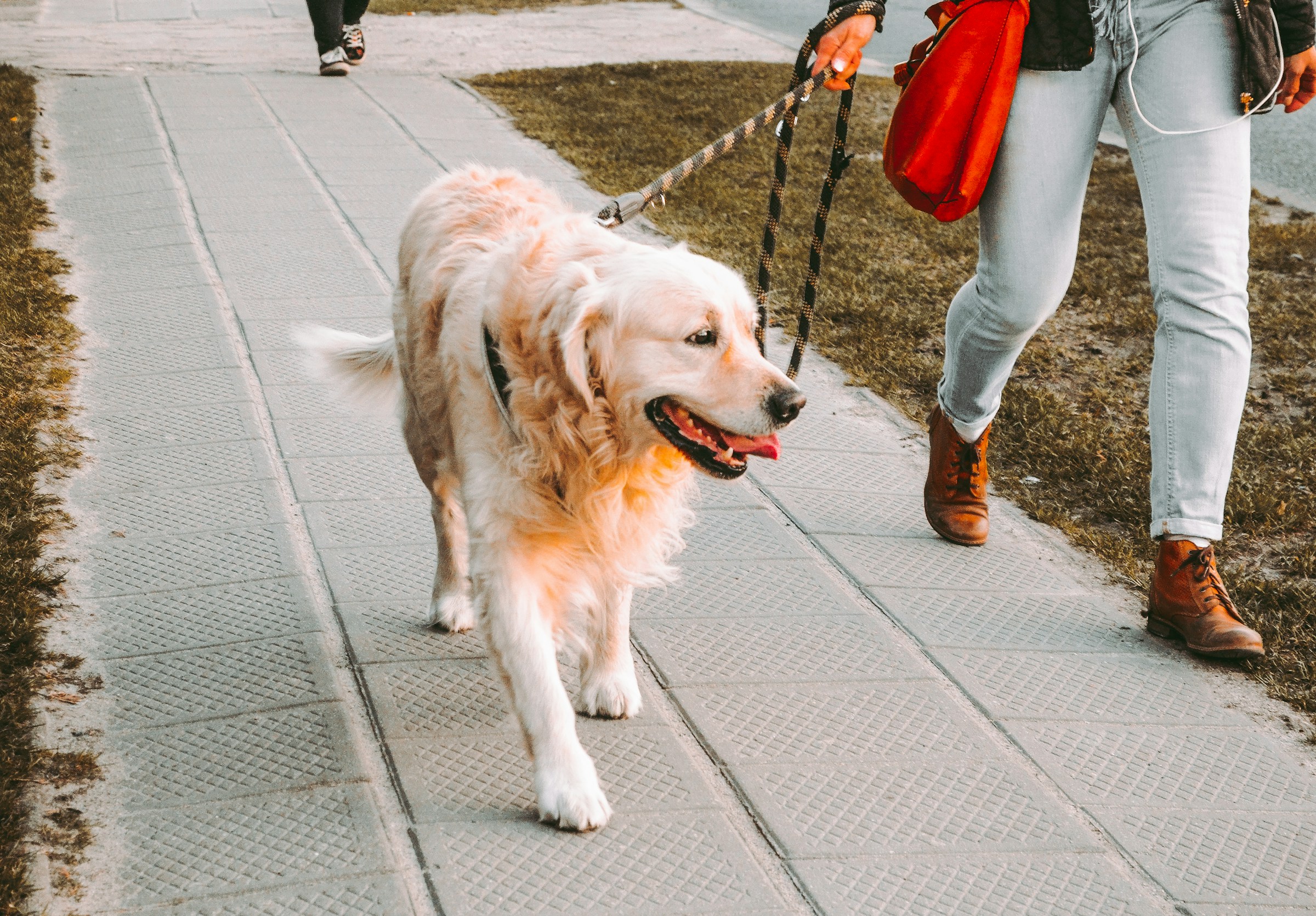
You hand over the leash, say something like “oh, he’s easy, just a walk around the block,” and head back inside feeling pretty good about the whole thing. Meanwhile, the person standing in your hallway has already clocked six things about your dog you’ve never once noticed – and one of them might explain every “weird” behavior you’ve quietly worried about for years.
Professional dog walkers don’t need an hour to understand your dog. They need five minutes, a leash, and a doorway. What looks like a casual meet-and-greet is actually a fast, silent behavioral audit – stress levels, training gaps, even pain your dog has been hiding in plain sight. Here’s exactly what they’re picking up on, almost always in this order.
#1 – How the Dog Reacts to the Leash Before You Even Step Outside
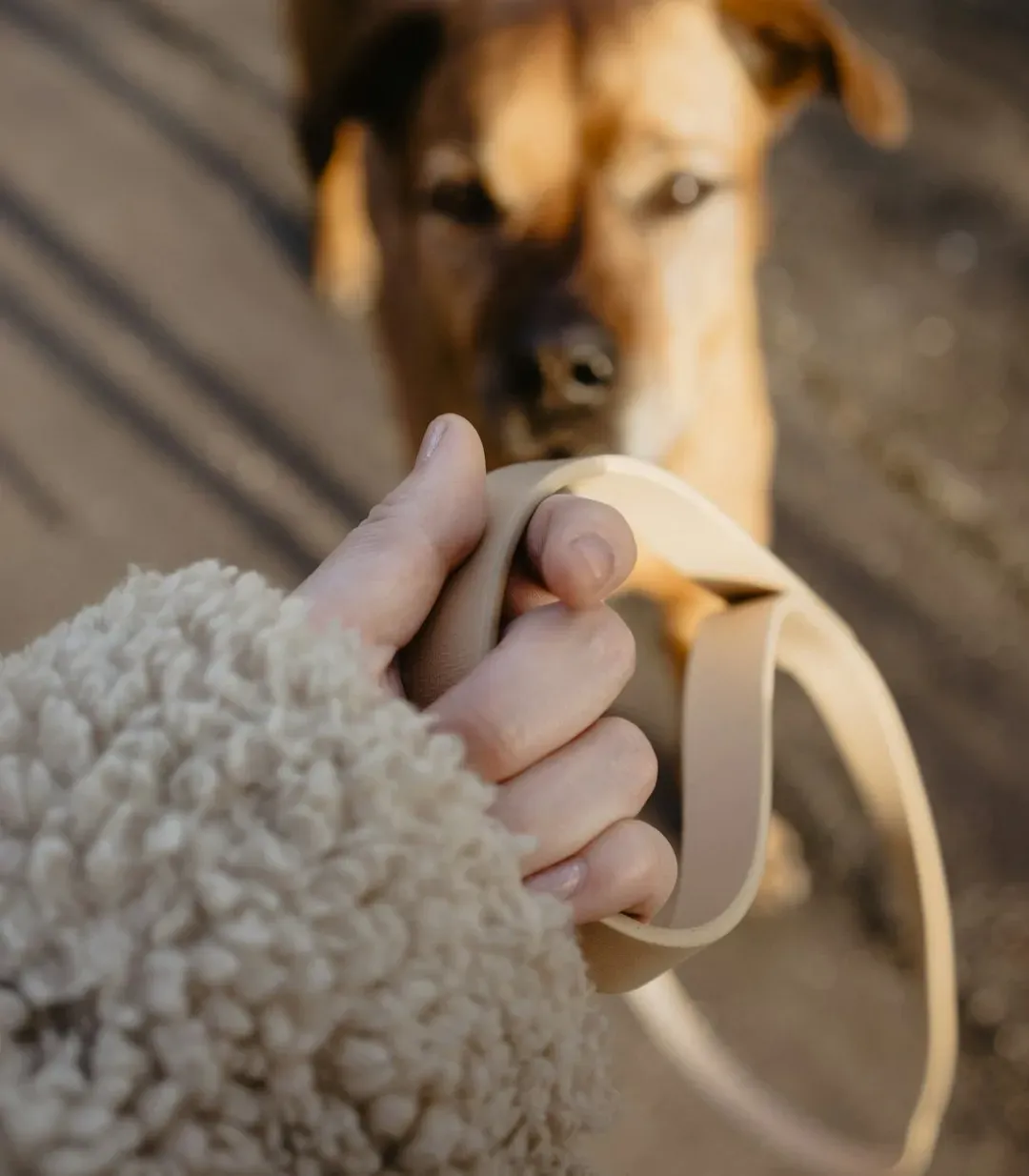
The first red flag – or green light – shows up before the front door even opens. A good walker watches the dog’s body language the instant the leash comes out. Do they freeze? Bolt for the bedroom? Spin in frantic circles? Or calmly walk over and offer eye contact?
That one reaction tells them how much pressure is baked into “walk time.” A dog that cowers or slinks away has probably been yanked, scolded, or corrected on leash before. A dog that explodes into frantic zoomies usually has zero impulse control and is used to chaos, not structure. Walkers also clock the hardware – front-clip harness, back-clip, martingale, flat collar, or a too-tight prong – because every choice tells a quiet story about past problems and how they’ve been “handled.” But that’s nothing compared to what they check for next.
#2 – Whether the Dog Checks In With You… or Scans for Threats
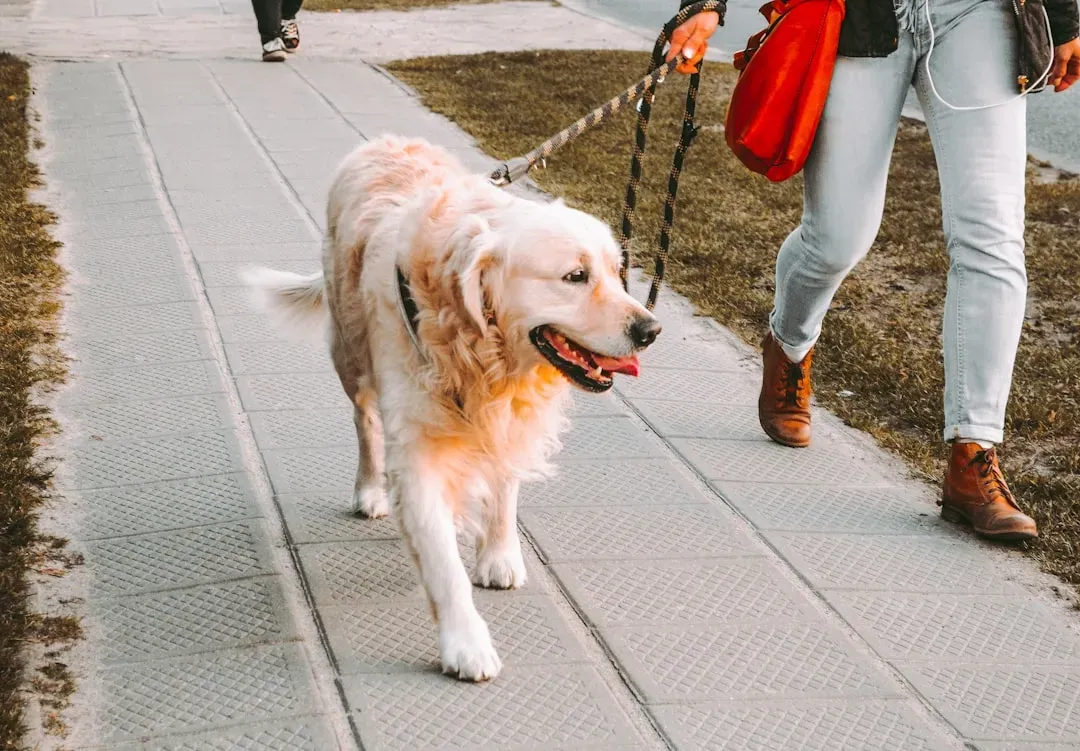
Within minutes, a pro walker knows if a dog is human-focused or environment-focused. Standing in the entryway, they watch where the dog’s eyes go. A dog with a secure attachment will glance back at their person every few seconds, even somewhere new. That tiny check-in is basically the dog saying, “You’re my reference point.”
If instead the dog’s head is on a swivel – fixed on windows, doors, stairs, random noises – and never once glances back, that’s not curiosity. That’s hypervigilance. It can point to chronic under-socialization, a habit of making all the decisions outside on their own, or past moments where no human stepped in to advocate for them. Walkers file this away fast, because dogs who never check in are the ones who can flip from “totally fine” to full alert in half a second.
Fast Facts
- Regular glances back at the owner signal secure attachment, not just obedience.
- Constant scanning of doors, windows, and noises without check-ins points to hypervigilance.
- Dogs who never check in can shift from calm to reactive with almost no warning.
- This pattern often traces back to a lack of early socialization or advocacy from their person.
#3 – The Way You Talk About Your Dog (Biggest Tells Are in the First 3 Sentences)
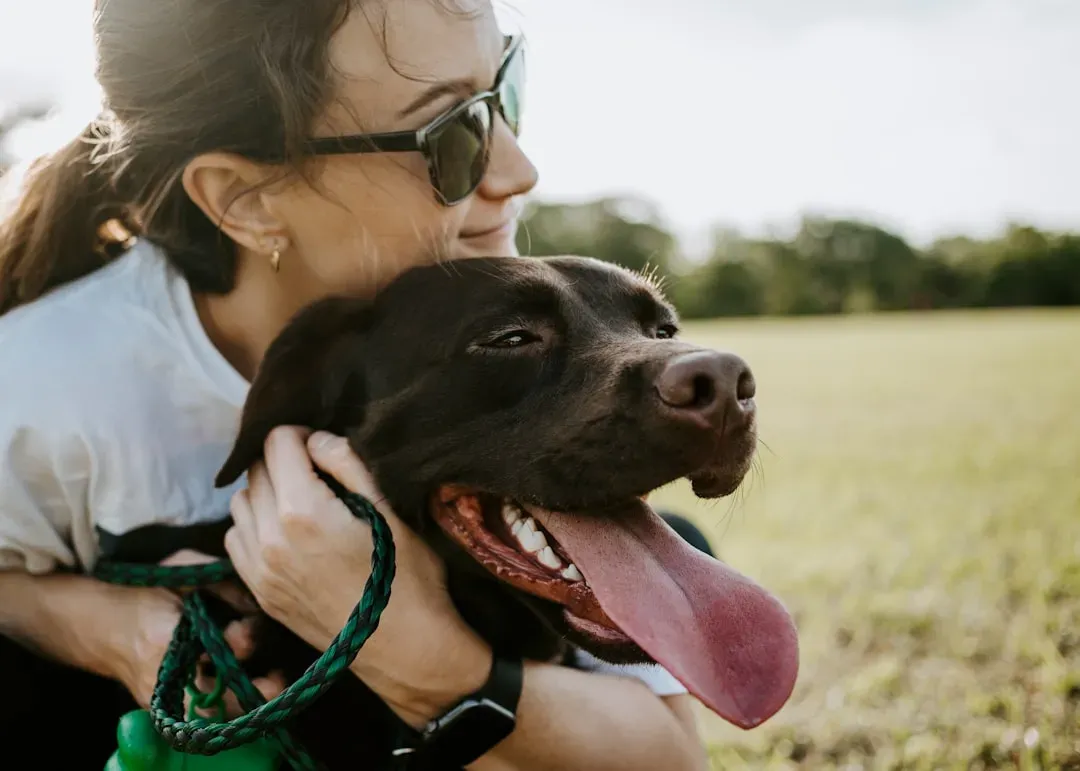
Before the leash is even clipped on, walkers are listening – and quietly judging – how you describe your own dog. The first three sentences are brutally predictive. Say “He’s stubborn,” “She’s a drama queen,” or “He’s aggressive,” and a seasoned walker hears one thing: this owner has labeled the behavior instead of understanding it.
Compare that to “She gets nervous around big trucks” or “He’s still learning how to pass other dogs calmly.” Those owners are naming specific triggers, not writing off the whole dog. Walkers also notice what’s missing entirely – no mention of medical history, past incidents, or how the dog handles surprises. Ironically, the slightly anxious, over-explaining owners tend to be the most trustworthy ones. Overconfidence, it turns out, is where the real risks hide.
#4 – The Dog’s Energy Level vs. What You Claimed on the Phone
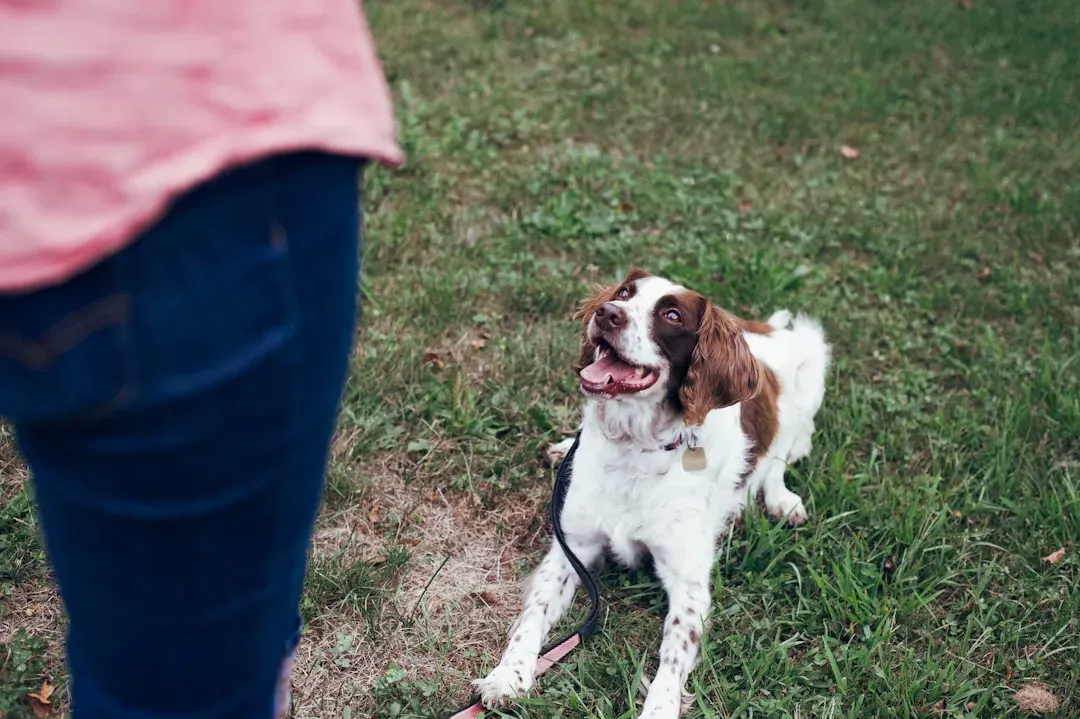
Almost every walker has heard “oh, he’s super chill” right before a 60-pound dog drags them down the hallway like a sled dog at the starting gate. In the first five minutes, pros are quietly cross-referencing what they were told against what they’re actually seeing.
If a dog is billed as “high energy” but moves stiffly, lags behind, or lies down fast, a good walker starts wondering about joint pain, overheating, or an underlying issue disguised as laziness. On the flip side, a dog labeled “anxious” is often just smart and under-stimulated, never given a real outlet. Walkers watch recovery time after excitement, whether the dog can downshift when asked, and whether it can switch from zoom mode to focus mode. That gap between claimed and observed temperament says a lot about how well an owner actually knows their own dog.
#5 – Nail Length, Coat Condition, and That “Doggy Smell” (Health Red Flags)
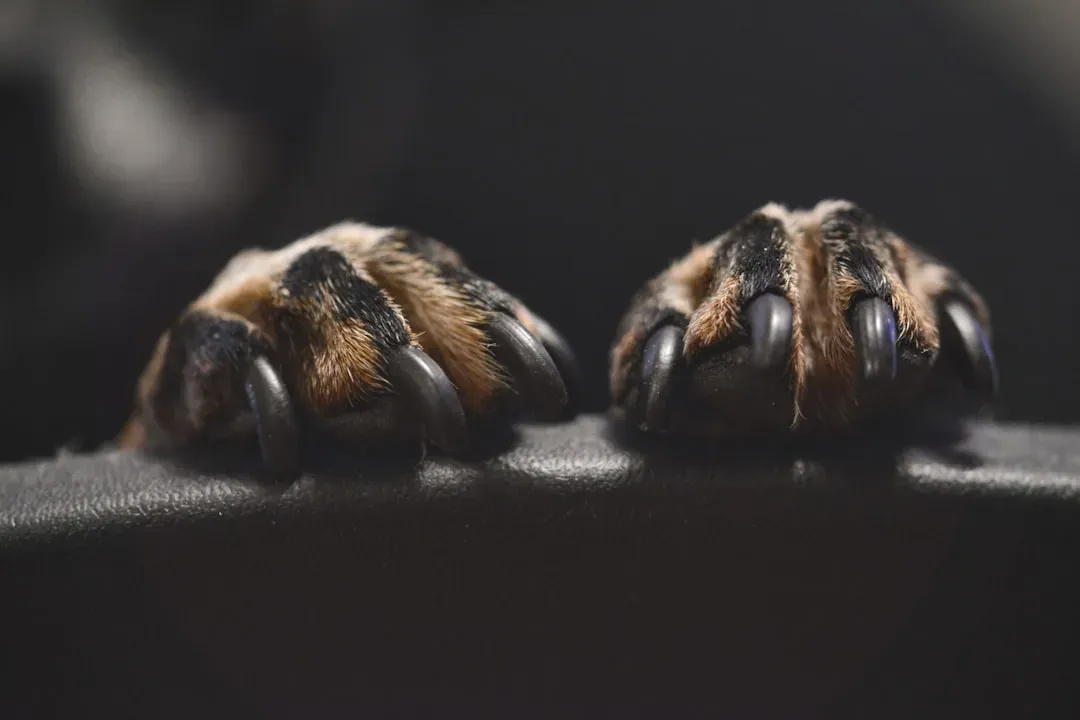
Most owners are worried about whether they swept the floor before the walker arrives. Walkers? They’re looking straight at the dog’s nails. Overgrown, clicking nails aren’t just cosmetic – they change how a dog’s foot lands with every step and can cause real, constant discomfort. A dog that “hates walks” might simply hate how walking feels.
They’re also scanning coat texture for greasy or flaky patches, sniffing for that strong yeasty smell around ears and paws, and checking for matting behind the ears and under the arms. These small details quietly reveal grooming habits, diet quality, and sometimes chronic allergies or infections. A walker who spots raw, licked paws and red ears already knows this dog’s pain threshold is lower than average – which matters the second a lawnmower starts up two houses down.
#6 – How the Dog Handles the Front Door Threshold
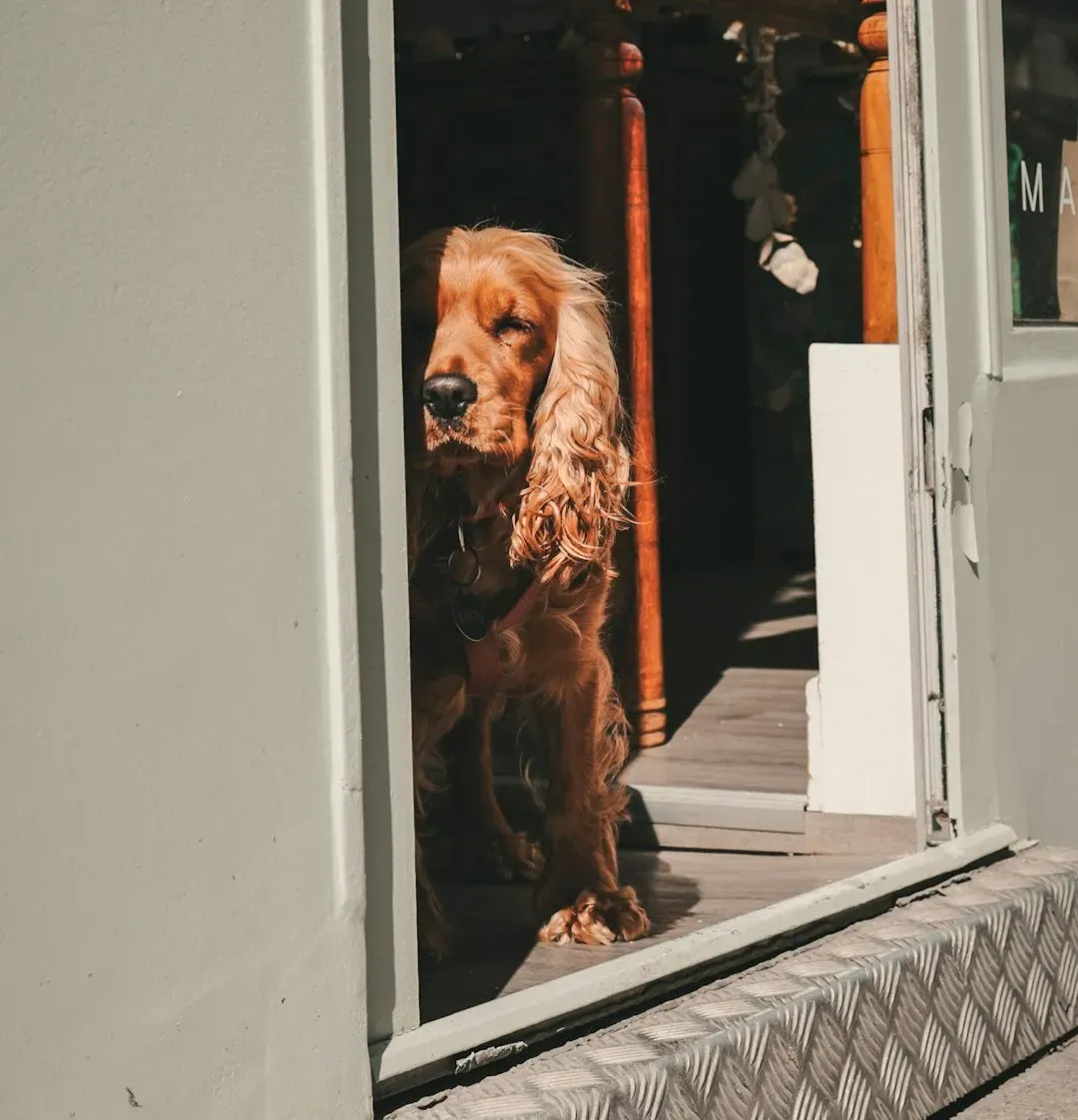
Most of the “walk drama” is actually decided in a three-foot zone: the doorway. Does the dog bolt the second it cracks open? Plant their feet and refuse to budge? Or stand there vibrating with tension like a coiled spring?
Doorways are sensory overload for a lot of dogs – new smells, sudden sounds, a wall of visual information all at once. A dog that explodes out the door is often the same dog that lunges at a skateboard two minutes later. A dog that freezes may be overwhelmed, or may have had a scare near an entrance before. Good walkers quietly test micro-skills right there: will the dog offer a sit, wait one second with the door open, or push straight past a human body without pausing? That single moment predicts how much real control they’ll have once they hit the sidewalk.
#7 – Whether the Harness or Collar Actually Fits (Most Don’t)
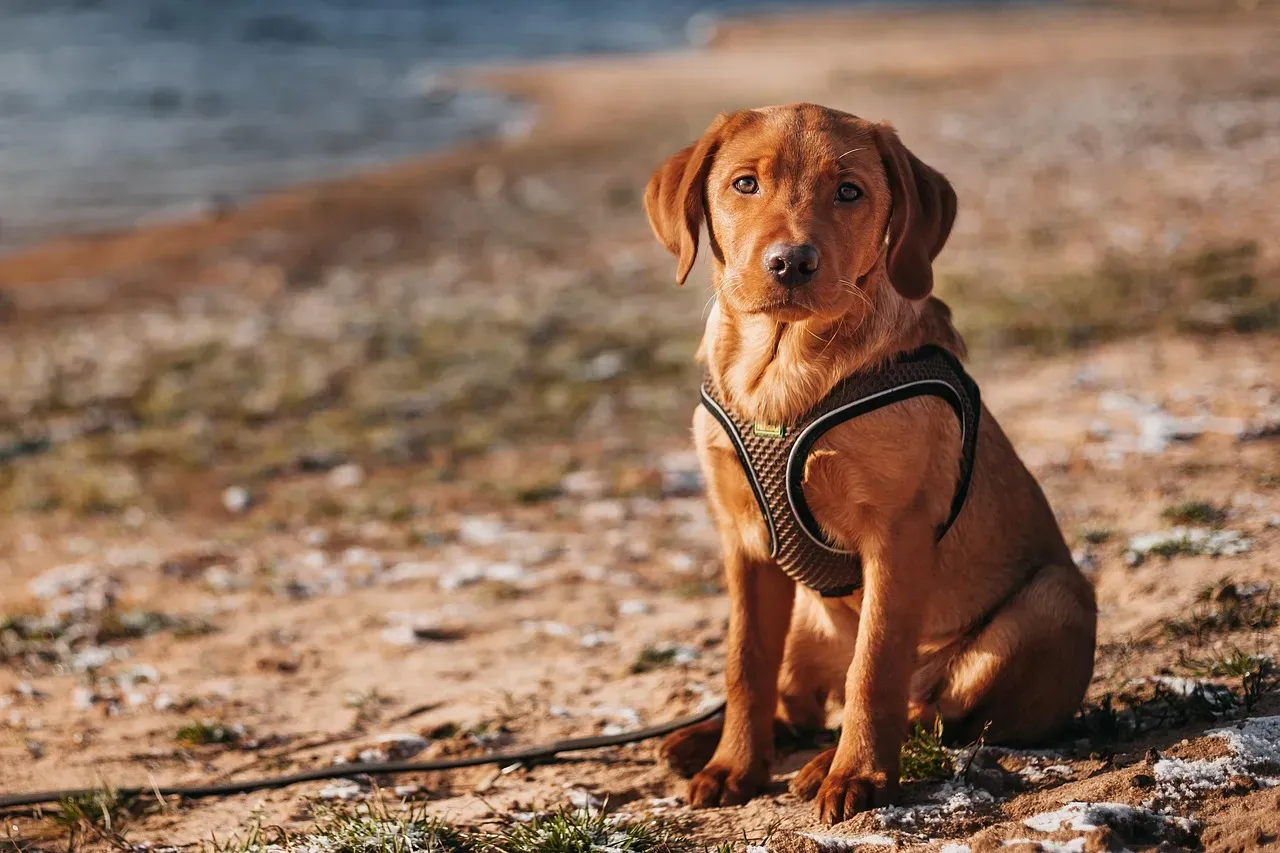
Ask any longtime walker about gear and you’ll get a small horror story. In the first few minutes, they’re checking fit, because ill-fitting equipment is one of the most common – and most overlooked – safety risks out there. They notice collars loose enough to slip over a dog’s head under backward pressure, harness straps cutting into armpits, and back-clip harnesses that basically train a dog to pull like it’s hauling a sled.
This isn’t about aesthetics. A small, frightened dog in an oversized harness can pop straight out of it during a panic. A big, strong dog in a flimsy flat collar with no backup clip is one squirrel sighting away from being loose on a busy street. Walkers mentally reroute the entire walk based on this – quiet side streets instead of main roads, wider space around other dogs, maybe skipping the park altogether. When you see a walker double-check a buckle twice, that’s not paranoia. That’s experience.
Quick Compare
- Loose flat collar: Can slip over the head under backward pressure – walkers often suggest a martingale as backup.
- Back-clip only harness: Tends to encourage pulling – a front-clip attachment adds steering control.
- Oversized harness on a small dog: Escape risk during panic – a proper two-finger fit check matters more than the price tag.
- Flimsy collar on a strong dog: One startle away from a runaway – a backup clip or harness combo lowers the risk fast.
#8 – The Dog’s “Social Media Persona” vs. the Dog Standing in Front of Them
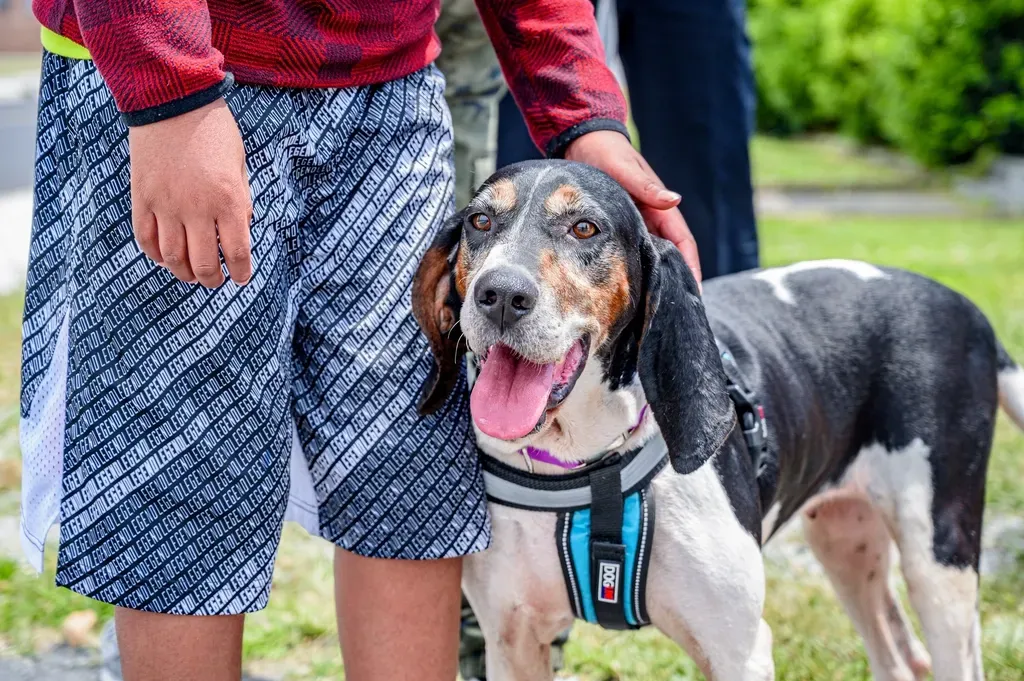
Owners love pulling up videos: the dog at the beach, at daycare, “playing with everyone.” A good walker watches politely, then quietly compares that footage to the actual dog in front of them right now. Is this dog avoiding eye contact and hiding behind furniture? Barking with zero ability to disengage? Panicking the second the owner steps out of view?
Often, “friendly with all dogs” is based on one chaotic dog park where the dog picked up rough habits, not real social skills. Walkers can tell the difference between consensual rough play – role reversals, breaks, bouncy loose movement – and bullying or stress responses mislabeled as “he just loves other dogs.” If the real dog is socially awkward or overwhelmed, meeting another dog on a tight leash on a narrow sidewalk is exactly how an incident starts.
#9 – Subtle Stress Signals Most Owners Never Even Clock
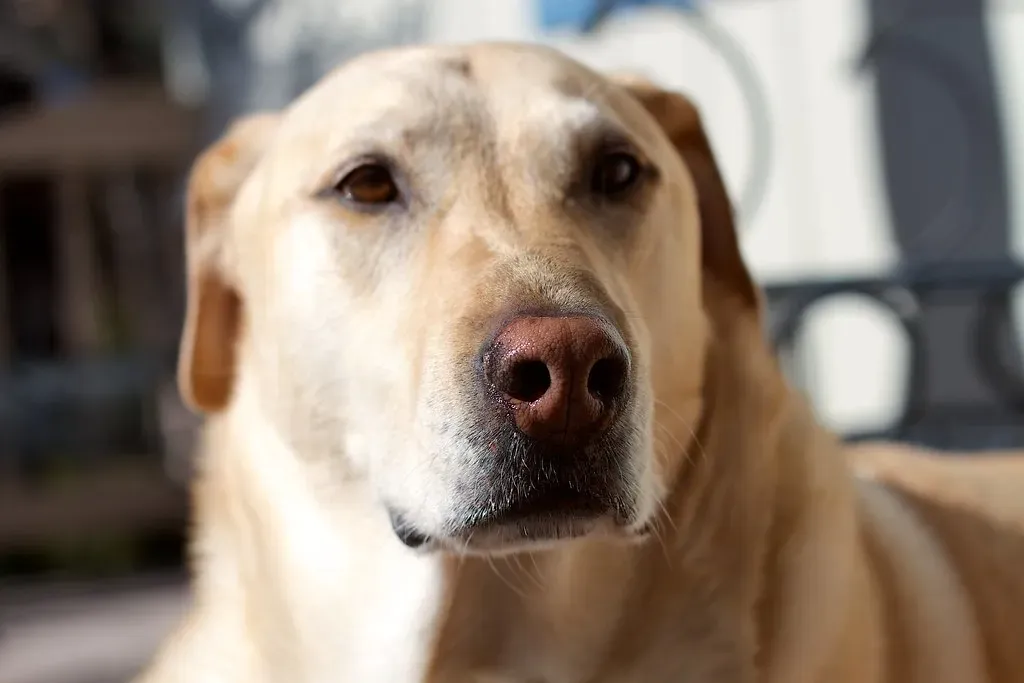
A good dog walker is basically a body-language detective. In those first minutes, they’re not just watching for barking or pulling – they’re scanning for the whispers before the shout: lip licking with no food in sight, yawning outside of nap time, whale eye (that sliver of white showing), or a full-body shake-off when the dog is bone dry.
These are classic displacement and stress signals, and dogs that “suddenly snap” almost always gave dozens of these warnings first. Walkers track how often they show up and what triggers them – jangling keys, elevator doors, a raised voice, kids running in the hallway. If the micro-stress is already stacking up before the leash even hits the sidewalk, they know this isn’t going to be a casual stroll. It’s going to be a carefully managed decompression walk.
Worth Knowing
- Lip licking with no food nearby is a classic early stress signal.
- Yawning outside of naptime often means discomfort, not tiredness.
- “Whale eye” – a visible sliver of white – shows up well before growling.
- A dry, full-body shake-off usually means the dog is trying to reset after tension.
- Dogs rarely “snap out of nowhere” – these signals almost always come first.
#10 – How Fast the Dog Recovers From a Startle
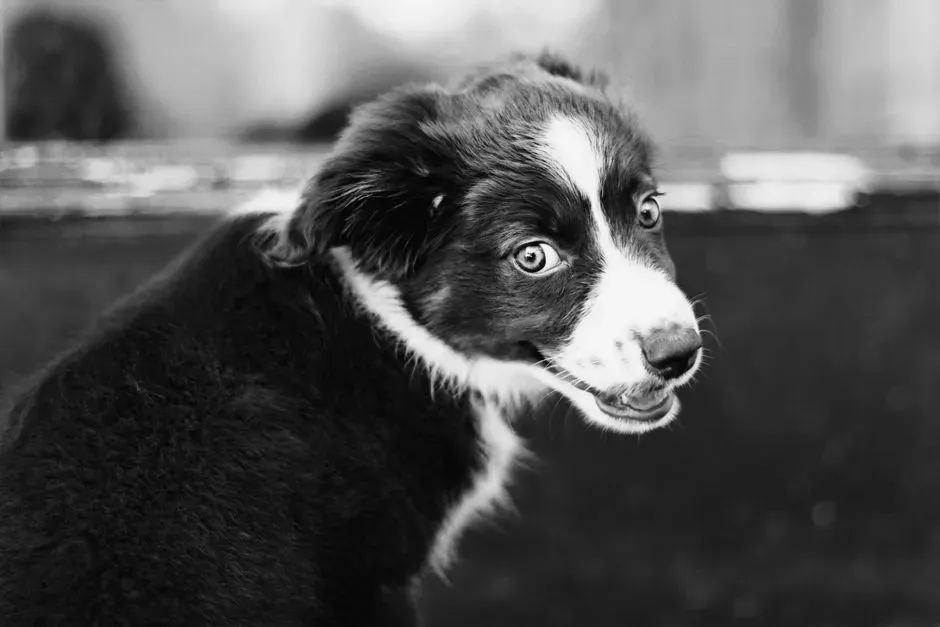
Every dog gets spooked sometimes – a dropped pan, a slamming door, a loud truck rumbling past. Walkers aren’t judging the startle itself; they’re judging the recovery time, because that’s one of the fastest windows into a dog’s underlying resilience.
A dog that jumps, sniffs the ground, and bounces back to neutral is basically saying, “That was weird, but I’m fine.” A dog that stays frozen, refuses to move forward, or keeps scanning for danger is running on a much higher baseline of anxiety than most owners realize. Pros are quietly reading heart rate through the leash, watching breathing patterns, and checking whether the dog can take food right after the scare. A dog that can’t eat for several minutes after a small startle was likely already overwhelmed before the walk even started – and that changes the entire plan.
#11 – The Dog’s Relationship to Food and Rewards
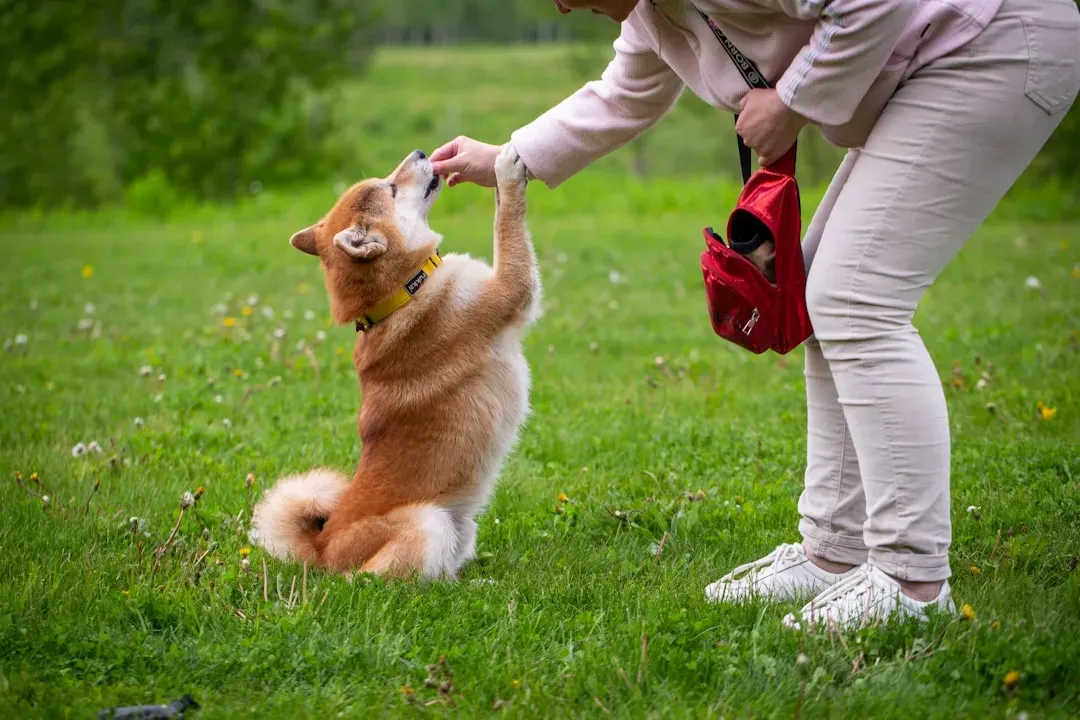
Within five minutes, a walker knows whether a dog has ever been trained with positive reinforcement, or just “managed” through corrections and luck. With permission, they’ll pull out a treat and quietly test it: does the dog even notice? Do they take it gently, or snatch it like they haven’t eaten in days? Can they hold eye contact long enough to earn it?
A dog that can’t take treats outside isn’t being stubborn – often they’re too stressed to digest, since stress physically shuts down appetite in a lot of dogs. That tells a walker they’re working above this dog’s emotional threshold, and training cues simply won’t land yet. A dog that cheerfully takes rewards and offers behaviors, on the other hand, is a dream to shape on the move – loose-leash walking, check-ins, calm passes by triggers, all built in real time.
#12 – Who the Dog Thinks Is in Charge of Keeping Everyone Safe
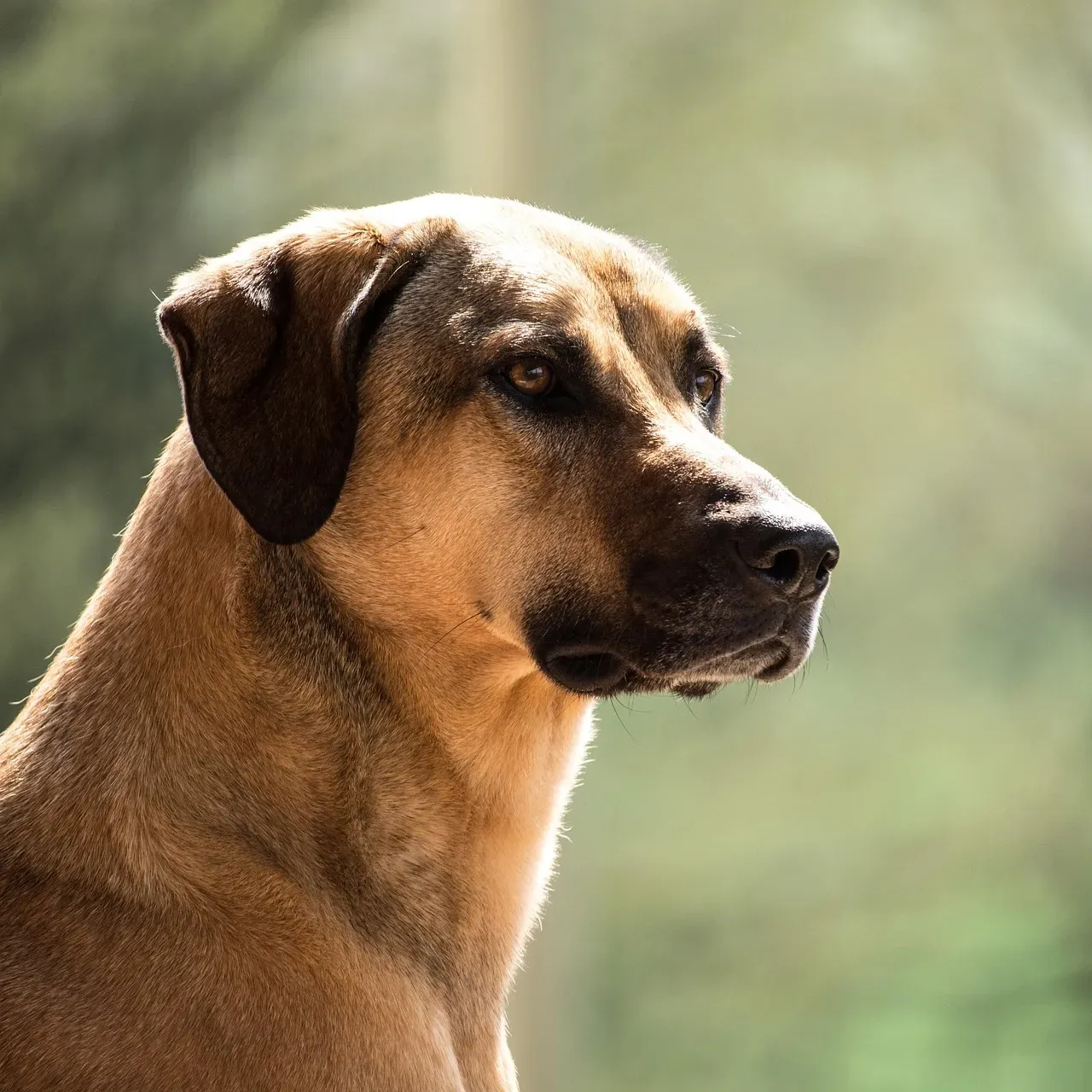
Hierarchy in dogs isn’t about dominance the way old TV shows made it sound – it’s about who handles the scary stuff. In the first five minutes, walkers are quietly asking: in this dog’s mind, who’s responsible for safety, me or them?
When a noise happens down the hall, does the dog step in front, stiffen, and stare, like they’ve just self-appointed to security detail? When another dog passes, do they lean forward and puff up even though the human beside them is completely calm? Dogs who believe they’re solely in charge of threat detection are far more likely to react, lunge, or bark – not because they’re dominant, but because they’re overburdened. A dog that glances at the human first is essentially asking, “You saw that too, right? Are we okay?” Good walkers spend those first minutes proving, through calm posture and zero sudden leash pops, that the dog can finally stop doing that job alone.
#13 – Whether This Dog Has Ever Been Seen as an Individual, or Just “A Dog”
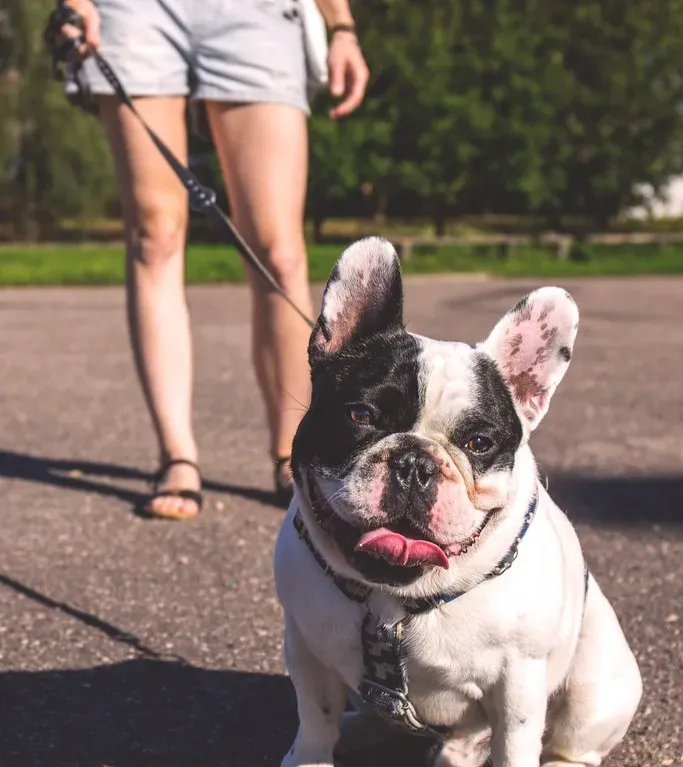
This is the one experienced walkers care about most: has anyone ever actually looked at this dog as this dog? Not a breed stereotype, not “a rescue,” not “a hyper dog” – a specific personality with specific needs, quirks, and fears.
You can tell fast. Does the owner say, “He hates the cold, keep it short if it’s windy,” or just demand a full 30 minutes no matter what? Is there gear built around this dog’s quirks – like a double-clip harness for a known escape artist – or whatever happened to be on sale? Do they mention oddly specific habits, like “she’s terrified of plastic bags but loves buses,” the kind of detail that only comes from real attention? When a walker meets a dog whose whole life hasn’t been shaped around who they actually are, they know the walk isn’t just a walk. It’s advocacy. And the dogs who’ve truly been seen are, without exception, easier, calmer, and safer to handle.
Why It Stands Out
- The owner names specific triggers instead of slapping on a label.
- Gear is chosen for this dog’s quirks, not whatever was cheapest or trendiest.
- Walk length and pace flex around weather, mood, and energy that day.
- Small, oddly specific habits get mentioned unprompted – a sign of real attention.
The Bottom Line
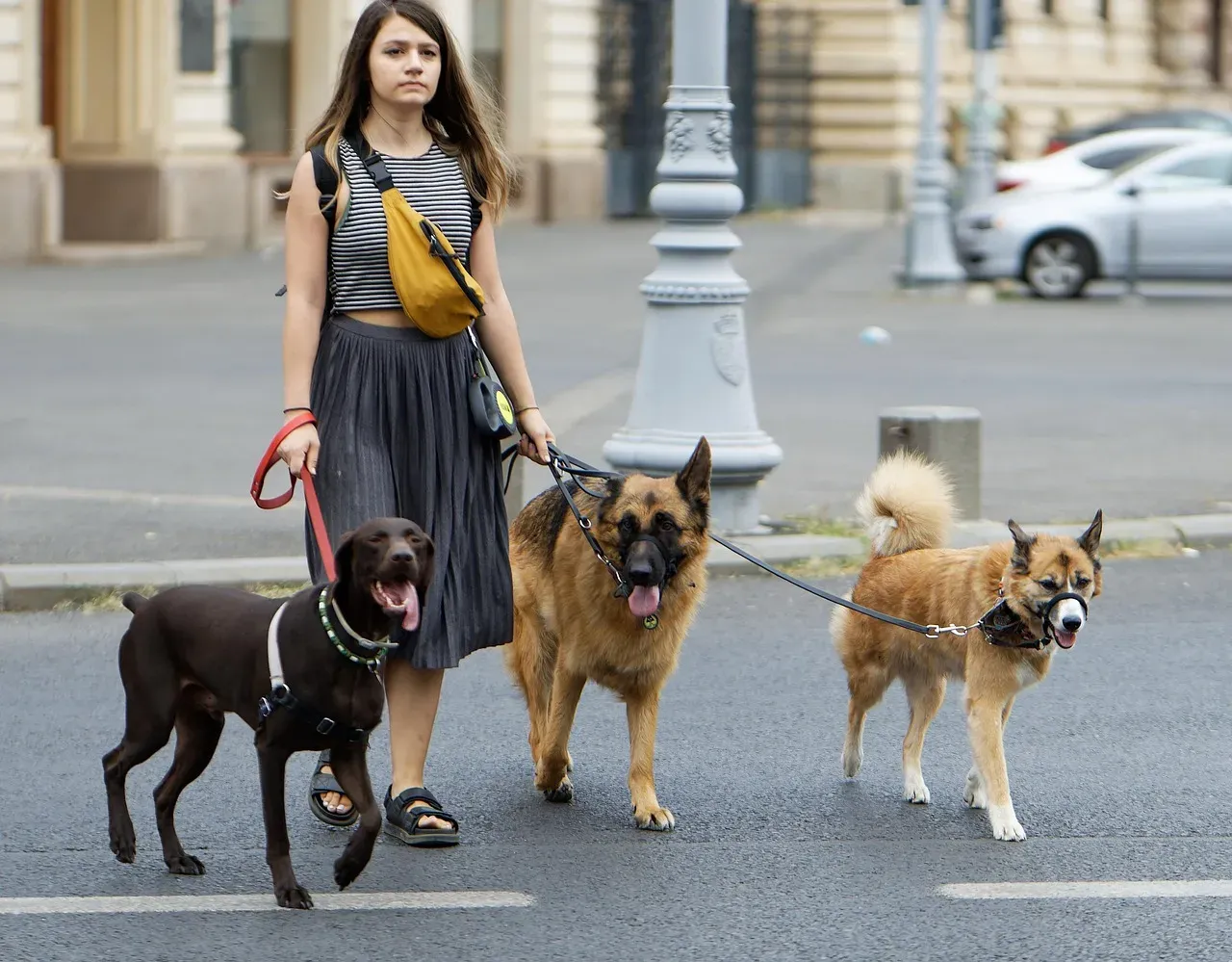
Dog walkers aren’t just “dog lovers getting paid to stroll around the block.” In the first five minutes, they’re running a full behavioral audit – stress levels, training history, health neglect, safety risks, and, bluntly, how honest the owner has actually been. Nail length, doorway manners, recovery time after a startle – these aren’t cute little details. They’re data points that decide whether the next 30 minutes is calm enrichment or controlled chaos.
Here’s my honest take: most dogs are carrying far more anxiety, discomfort, and unspoken responsibility than their owners want to admit, and it takes an outsider – someone with no emotional attachment clouding the picture – to see it clearly in minutes. The dogs who thrive aren’t the “perfectly trained” ones. They’re the ones whose people actually paid attention and rebuilt daily life around the dog in front of them, instead of the dog they wished they had.
Which one of these hit a little too close to home? And which one do you flat-out disagree with? Say it in the comments – your dog walker probably already knows the answer.


