
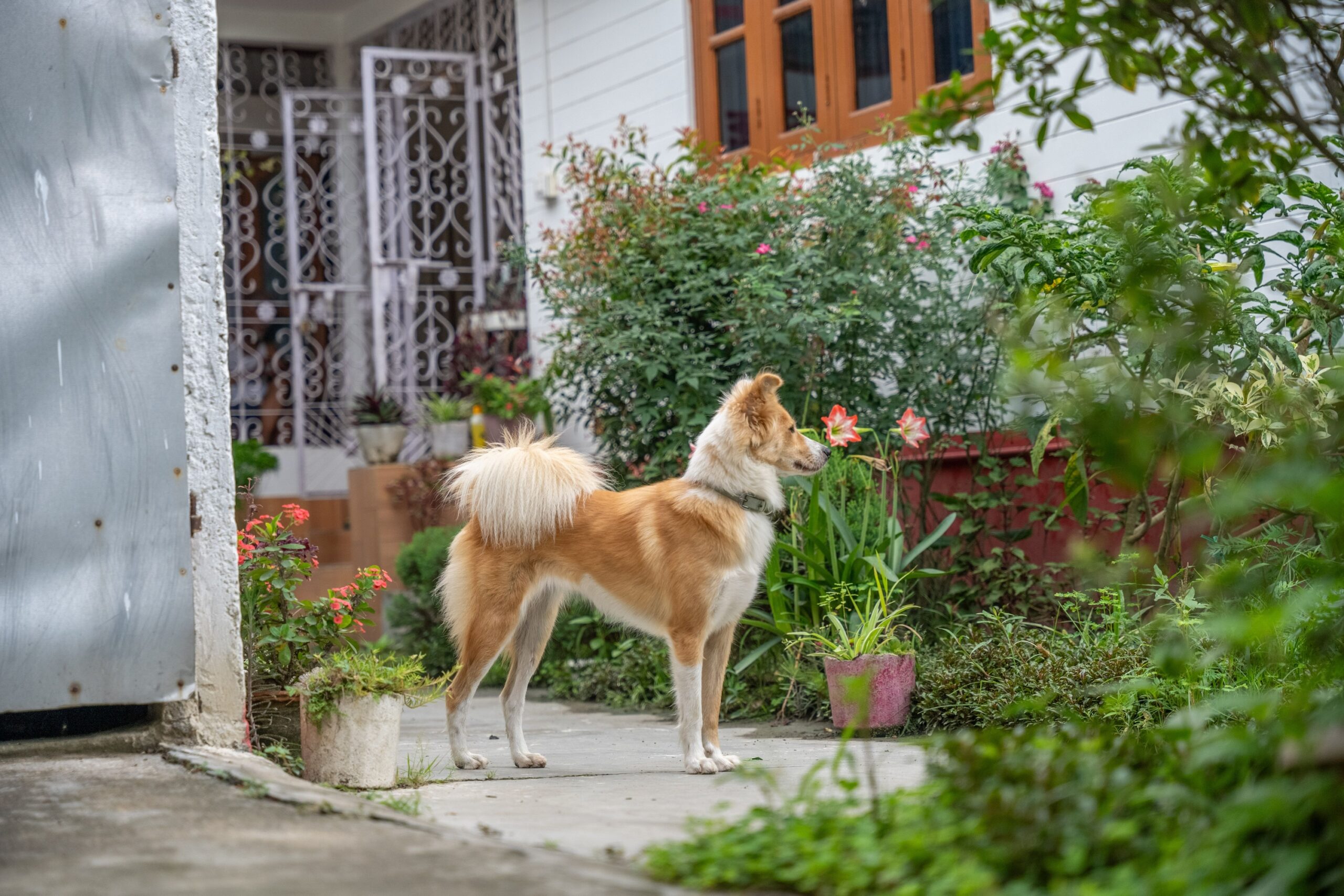
Here’s the myth: dogs live entirely in the present, forgetting the world the second a scent fades or a door clicks shut. Here’s the reality that trainers and canine cognition researchers keep bumping into – dogs are quietly building a detailed replay of your entire morning, and they’re still running it hours later while you’ve moved on to lunch.
That replay isn’t vague either. It’s specific down to which family member poured the kibble, how long you sat on the couch, and whether your goodbye felt rushed. Stick around, because by the time you hit #13, you’ll probably never leave the house the same way again.
#1 – The Precise Order of Your Alarm Clock Routine
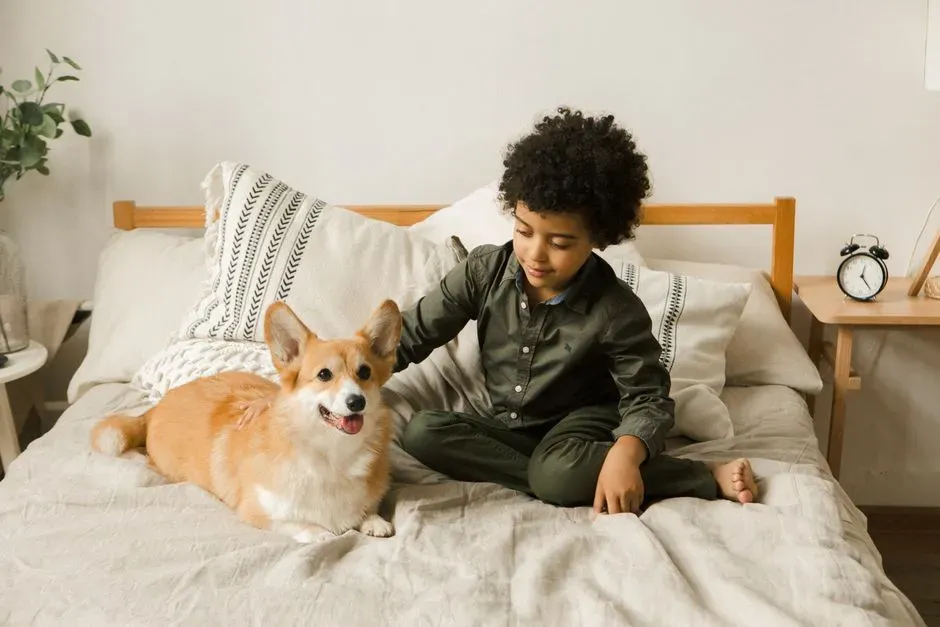
Your dog isn’t just woken up by your alarm – they’re tracking it like a stopwatch. They register whether you hit snooze once or twice, and that tiny delay quietly shifts their entire mental timeline for breakfast, walks, and when the house goes quiet.
Over weeks, this builds into something close to an internal clock. Dogs can even tell the difference between your phone alarm and a backup clock, treating each one as a different signal of how urgent the morning is. It’s less about the sound itself and more about what that sound has always predicted.
#2 – Exactly Who Handled Their Morning Meal
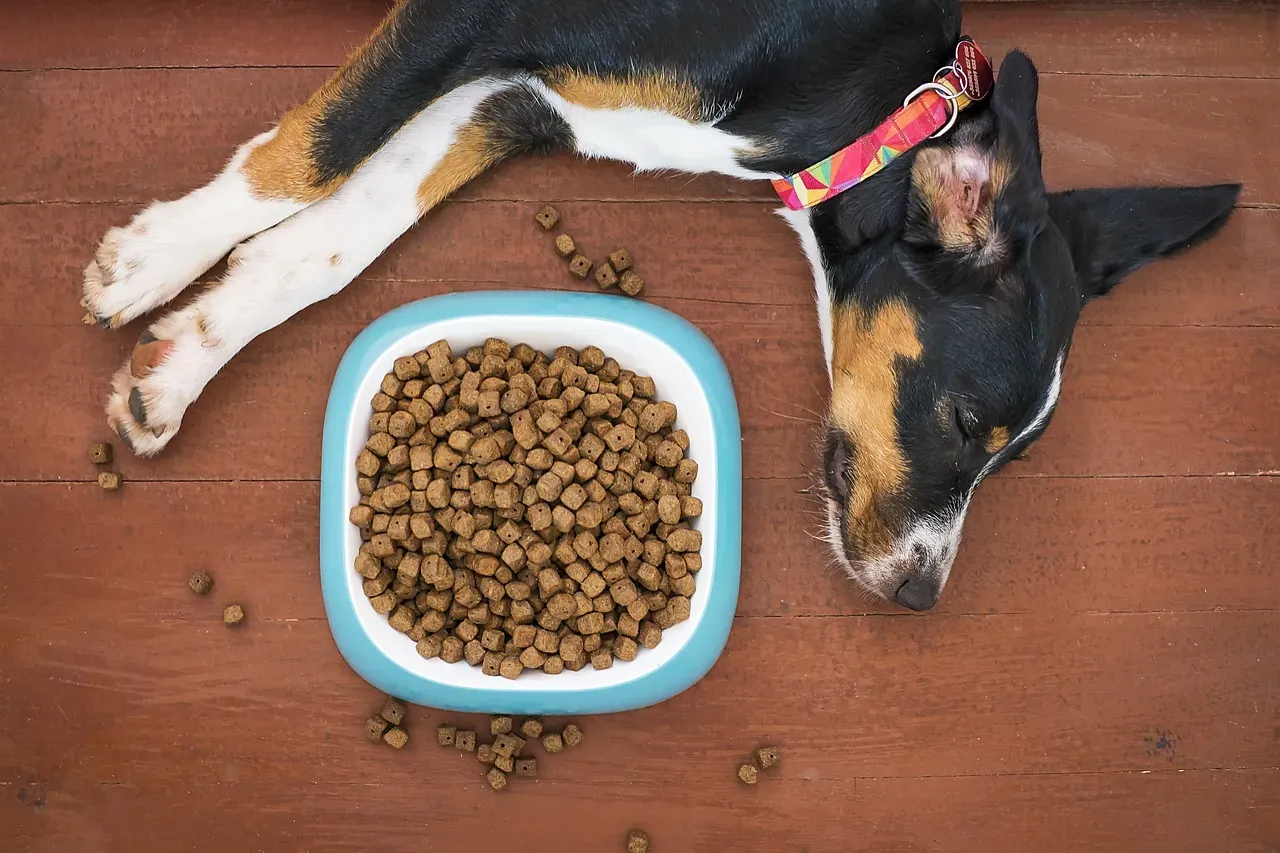
Your dog knows exactly whose hands touched that food bowl, and they notice immediately if the portion looks a little light. They’re also clocking distractions – like whether you were half-scrolling your phone or chatting on a call while pouring their kibble.
This isn’t just about food. It’s about fairness. Dogs quietly track which person tends to sneak an extra treat and which one sticks strictly to the rules, and that memory shapes how enthusiastically they greet each person later in the day.
#3 – The Specific Scent Trail You Left in the Kitchen
Coffee spills, toast crumbs, the soap on your hands – to you it’s just morning clutter. To your dog, it’s a readable map, logged in the exact order the smells appeared, with any new addition flagged instantly.
Here’s the part most owners miss: your dog can often tell if you ate something different than usual, and that detail alone fuels those hopeful stares hours after breakfast is long gone. It’s not random begging. It’s a memory with a purpose.
Fast Facts
- Dogs carry roughly 300 million scent receptors, compared to about 6 million in humans.
- The region of a dog’s brain devoted to analyzing smell is proportionally far larger than a human’s.
- A dog’s nose can pick up on scent traces layered hours apart, letting them replay your morning like a timeline.
#4 – Your Exact Tone During the First Conversation
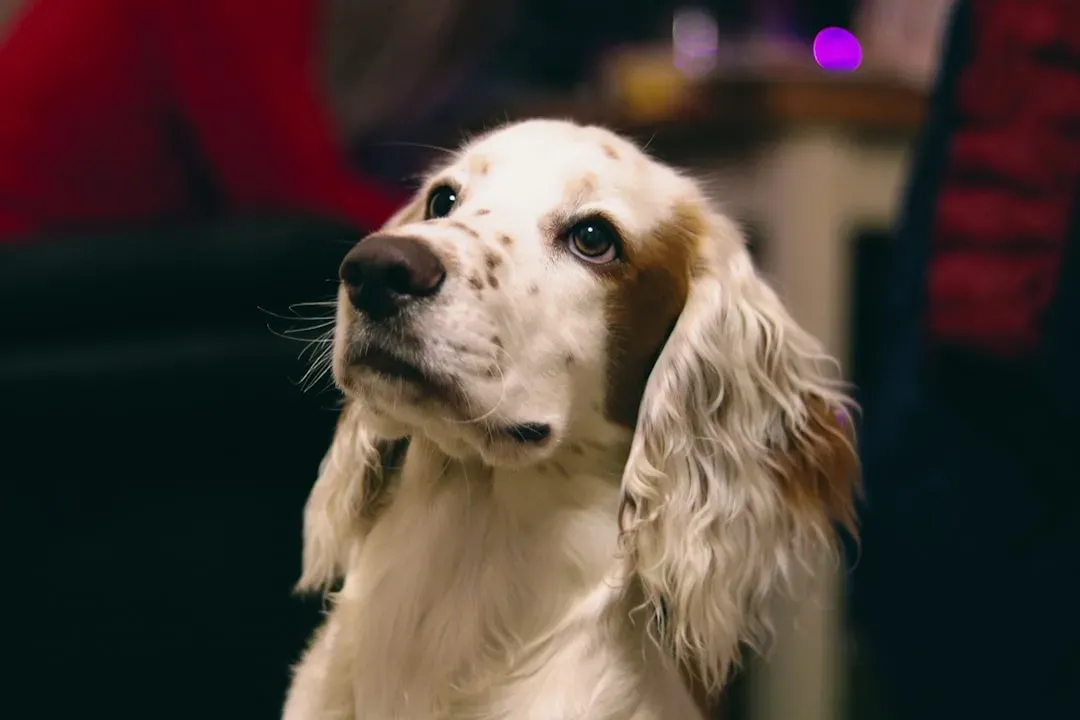
The very first words out of your mouth each morning get catalogued – not just what you said, but how you said it. A rushed, sharp tone on an early phone call doesn’t just pass through your dog unnoticed.
It can shape their stress level for hours. Many dogs quietly adjust how close they sit to you or how much space they give you based on tension they picked up in your voice before you’d even had coffee. It isn’t clinginess or distance for no reason – it’s a reaction to something they clearly remember hearing.
#5 – Whether the Mail or Packages Arrived Early
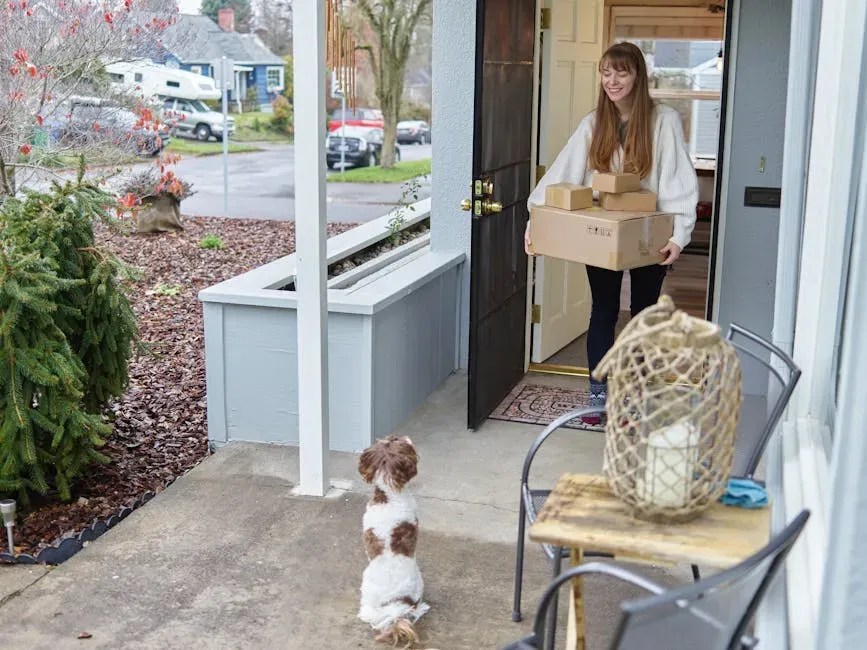
You barely register the mail truck. Your dog treats it like breaking news. The knock, the footsteps outside, your reaction to the interruption – all of it gets filed away as a meaningful event, not background noise.
Do it enough mornings in a row and you’ve built an expectation. That’s why some dogs start barking at a quiet, empty porch – they’re not reacting to nothing, they’re reacting to a memory of what usually happens next.
#6 – The Precise Spot Where You Left Your Keys or Phone
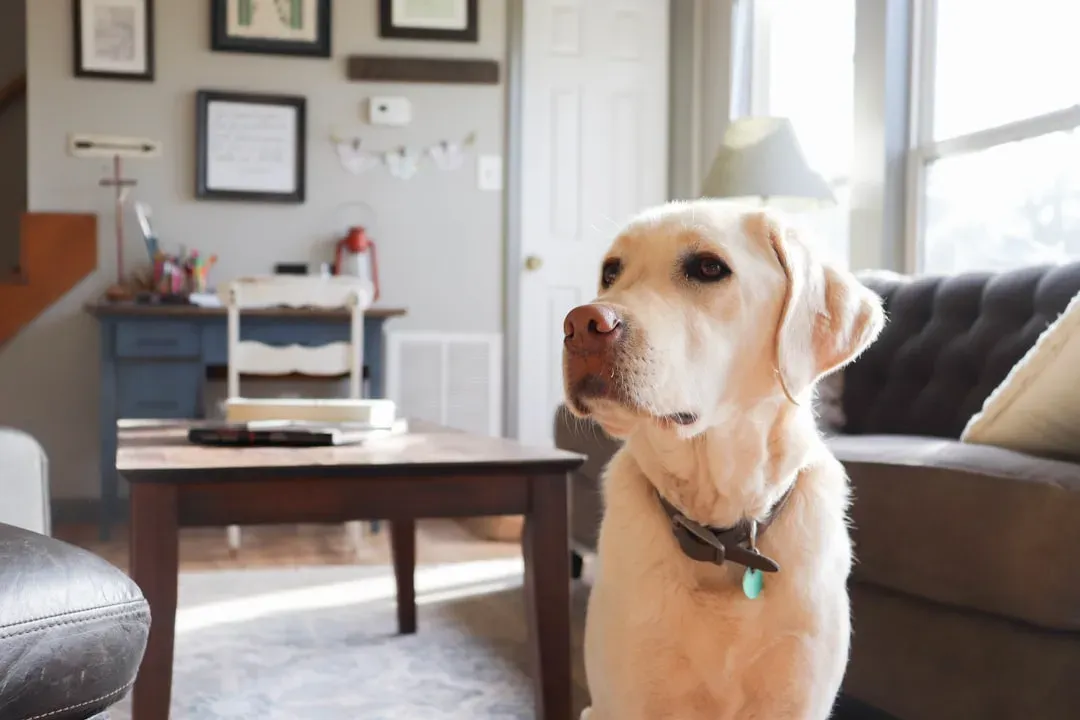
Dogs watch where your important objects land with more focus than you’d expect. Hook or counter, first try or second attempt – they notice, because these objects are tied directly to the moment you disappear for the day.
In fact, plenty of dogs remember exactly where those items ended up better than the owner does after a chaotic morning. That’s often the real explanation behind the sudden, laser-focused interest in a random drawer later in the day.
#7 – How Long You Spent on the Couch Before Leaving
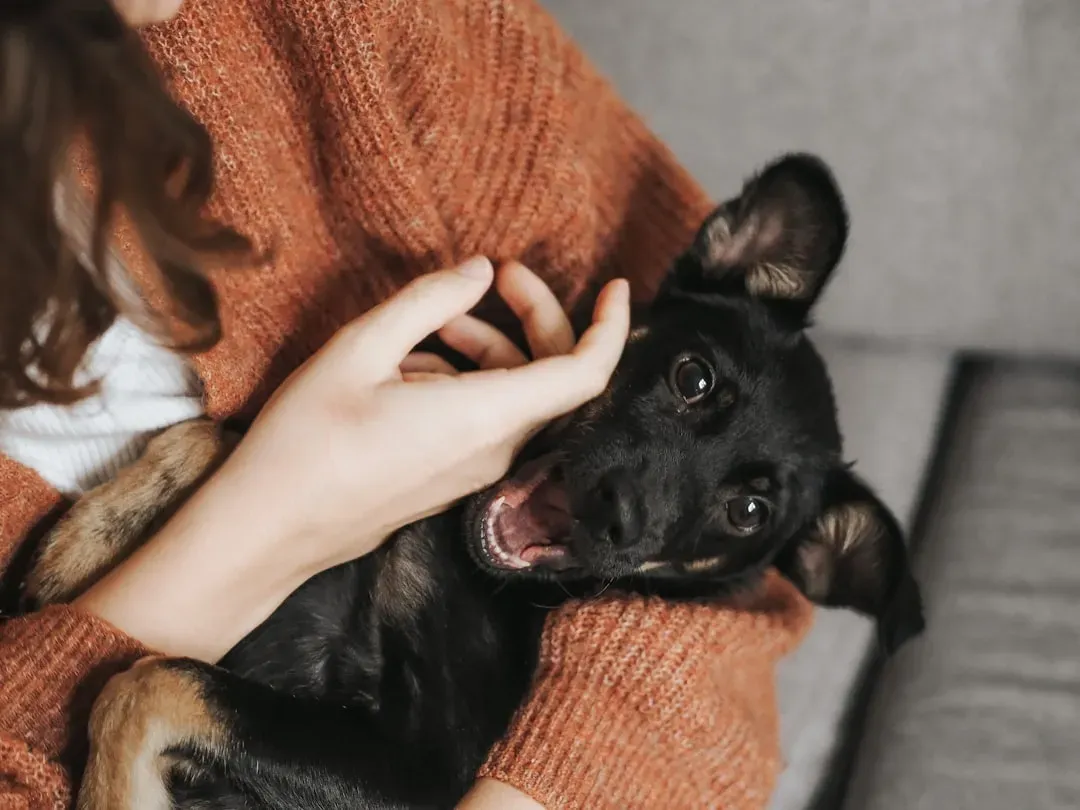
The minutes you spend sitting with your coffee before heading out matter more than you’d think. Your dog notices whether you lingered or bolted straight for the door, and files that pace away as information.
Some behaviorists argue this detail affects separation anxiety even more than the actual goodbye. A shorter, rushed couch stretch can quietly signal to your dog that today is a “busier” kind of day – and they brace for it before you’ve even left.
Worth Knowing
- Pacing, tail-tucking, and excessive drooling are common physical signs of pre-departure stress.
- Destructive chewing near doors or windows often points to anxiety rather than boredom.
- Vocalizing right after you leave – rather than randomly through the day – is usually tied directly to your goodbye routine.
#8 – Any New or Missing Household Object

A chair that’s slightly out of place. A grocery bag that wasn’t there yesterday. A missing shoe from the rack. Your dog clocks the change instantly and will often return to sniff or stare at it repeatedly throughout the day.
Most people assume the house looks exactly the same when they leave it as when they left it the day before. Dogs disagree – they see every shift, and that quiet curiosity can sometimes tip into protective, guarded behavior around anything unfamiliar.
#9 – The Weather Sounds or Outdoor Noises at Dawn

Rain hitting the roof, a neighbor’s engine turning over, birds at a particular volume – these aren’t random background sounds to your dog. They’re clues about how the day outside is going to unfold.
This sensory memory is sharper than most owners realize. Dogs can recall specific bird calls or truck sounds from previous mornings and react faster the second time around, almost like they’re confirming a prediction rather than reacting to something new.
#10 – Who Petted Them and for How Long
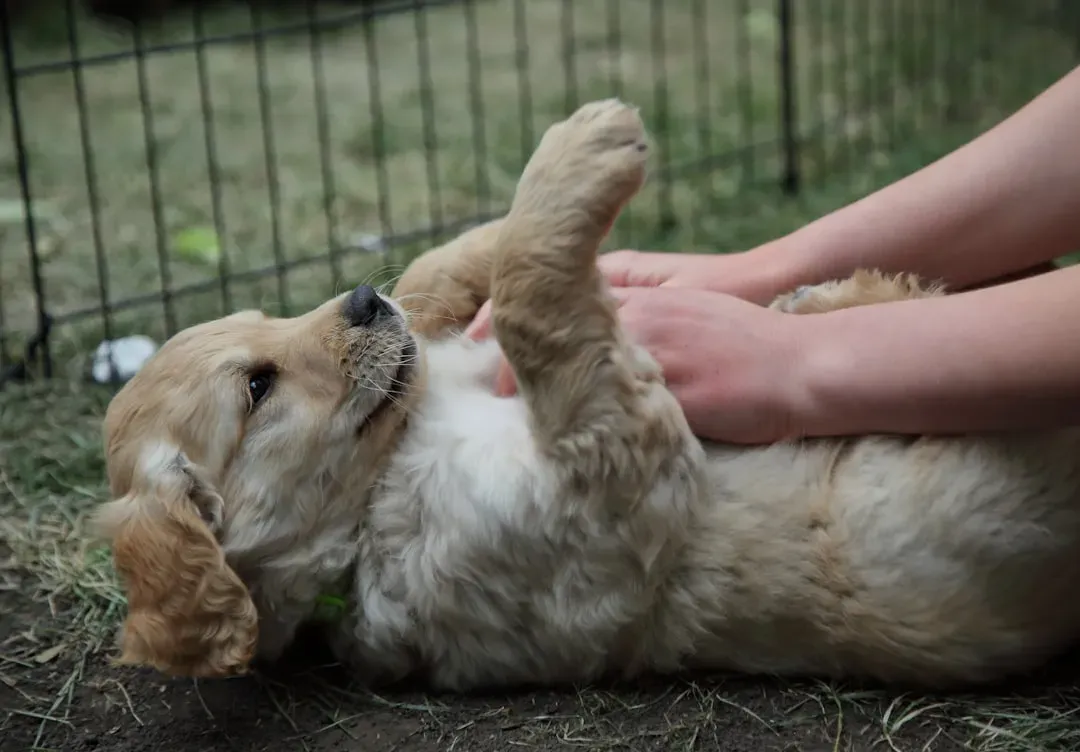
Quick scratches behind the ear from one person. A slow, full belly rub from another. Your dog remembers the difference, and it’s not a small detail to them – it’s a running tally.
Families often assume affection is affection, evenly distributed and quickly forgotten. Dogs keep score. Inconsistent attention in the morning tends to show up later as a clear, unmistakable preference for whoever gave the better version.
Why It Stands Out
- Mutual eye contact between dogs and their owners has been linked to a rise in oxytocin in both species.
- That “bonding hormone” loop is part of why consistent, gentle affection builds deeper trust over time.
- Dogs are remarkably attuned to touch style – slow and firm often reads as calming, quick and light reads as playful.
#11 – The Exact Path You Took to the Door
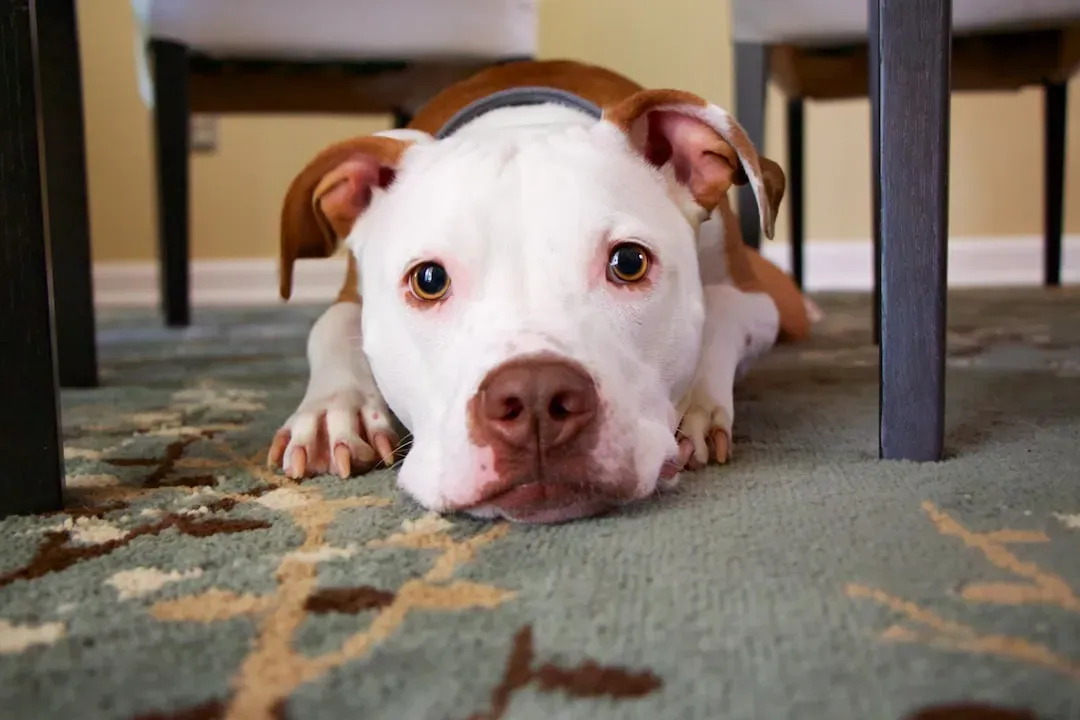
The specific route you walk through the house – including any detour to grab shoes, a bag, or a forgotten mug – becomes a kind of mental map your dog studies closely.
When that path changes even slightly, it registers as a signal that something about today is different. This is tied directly to departure anxiety; dogs aren’t just watching you leave, they’re watching how you leave, and any deviation gets noted.
#12 – Whether You Said Their Name or a Command
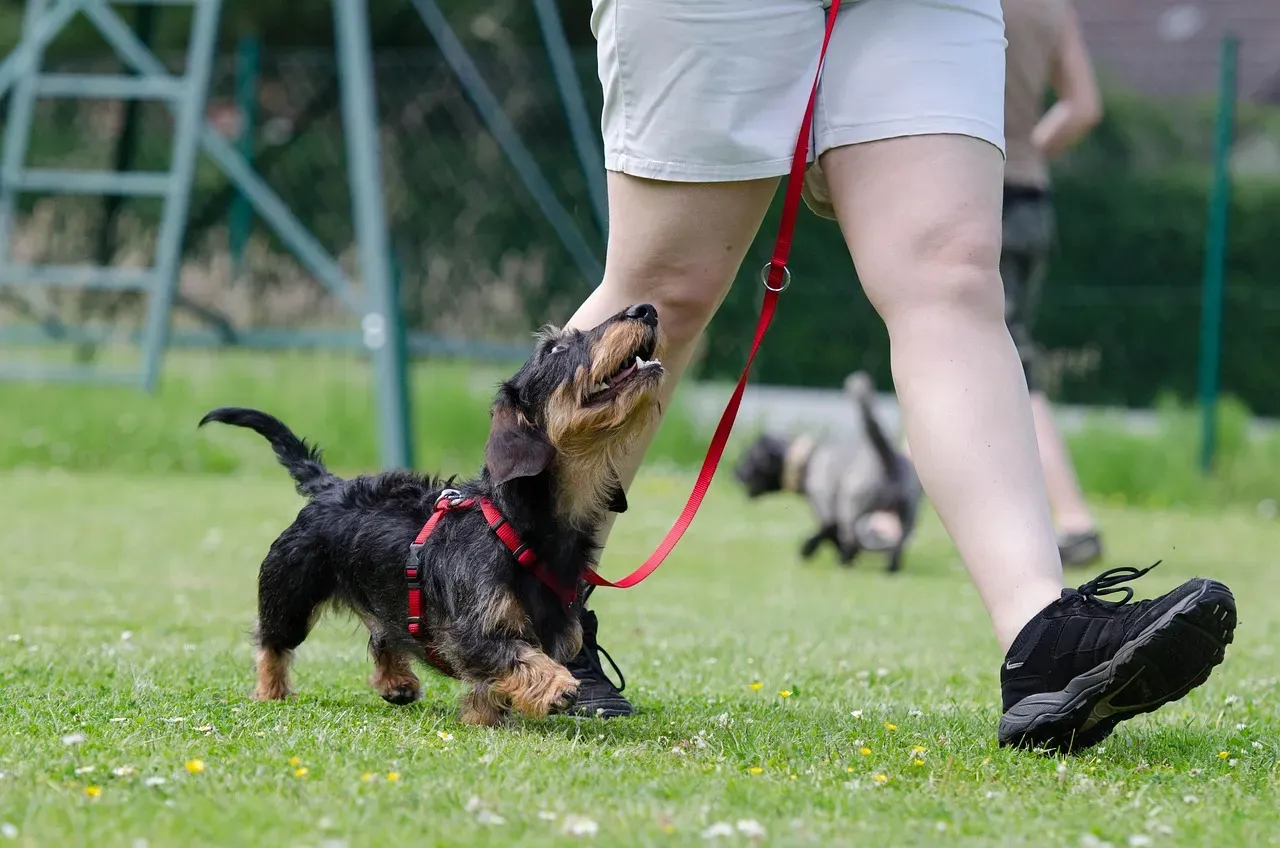
The exact words you use each morning, paired with whether you made eye contact, stick with your dog longer than a passing “good boy” ever does. Casual use of their name versus a purposeful, direct one carries different weight in their memory.
Most owners underestimate how much vocabulary their dog is quietly building from these small moments. Dogs remember the context surrounding a word far more precisely than they remember praise thrown out at random – the setting matters as much as the sound.
At a Glance
- Keep your morning tone calm and steady, even during rushed moments.
- Use your dog’s name with intention rather than as background noise.
- Slow down the final thirty seconds before leaving – it’s the moment your dog replays most.
#13 – The Final Glance or Touch Before You Left
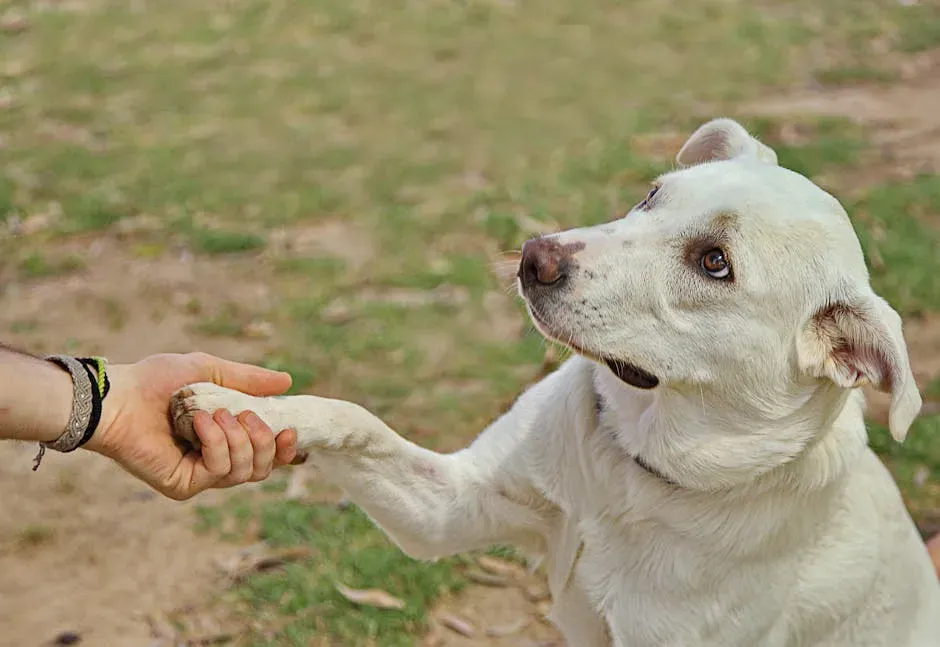
That last look, or the pat on the head right before the door closes, becomes the anchor memory of your dog’s entire morning. Everything else – the food, the noise, the couch time – gets weighed against this single moment.
Dogs treat that goodbye almost like a promise, and they notice immediately when it feels rushed, distracted, or skipped altogether. It’s a small gesture to you. To them, it’s the thing they replay while deciding how secure the rest of the day feels.
Dogs are not our whole life, but they make our lives whole.
Roger Caras
The Bottom Line
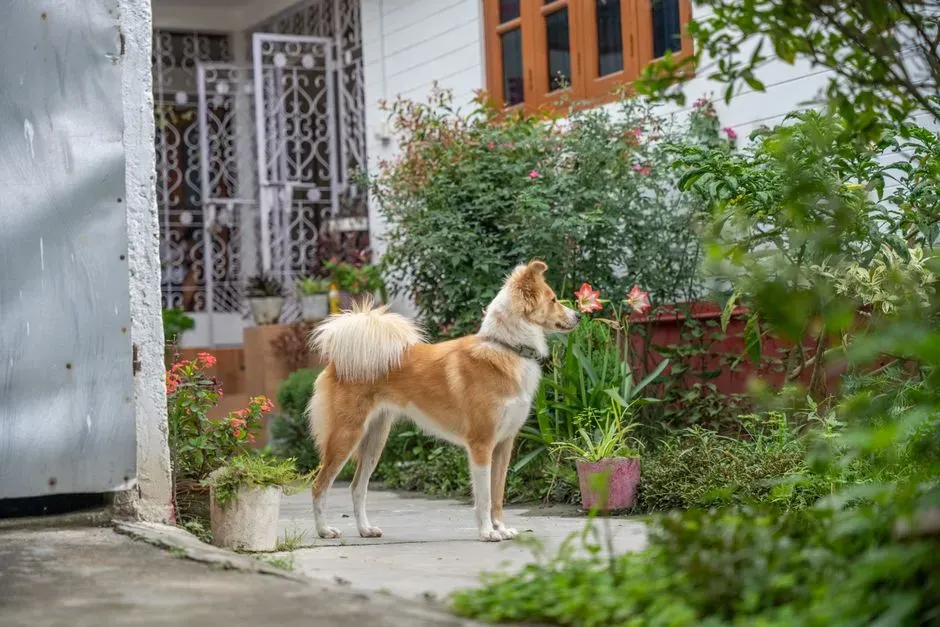
Dogs are not living in a blank, forgetful fog the moment you shut the door behind you. They’re holding onto scent sequences, voice tones, petting patterns, and the exact shape of your goodbye, replaying all of it long after you’ve forgotten the coffee spill or the extra snooze.
If there’s one uncomfortable takeaway here, it’s this: the rushed, distracted version of your morning routine isn’t invisible to your dog – it’s the whole story they’re telling themselves about how secure their day is. Slow down that last thirty seconds before you leave. It matters more to them than anything else on this list.


