
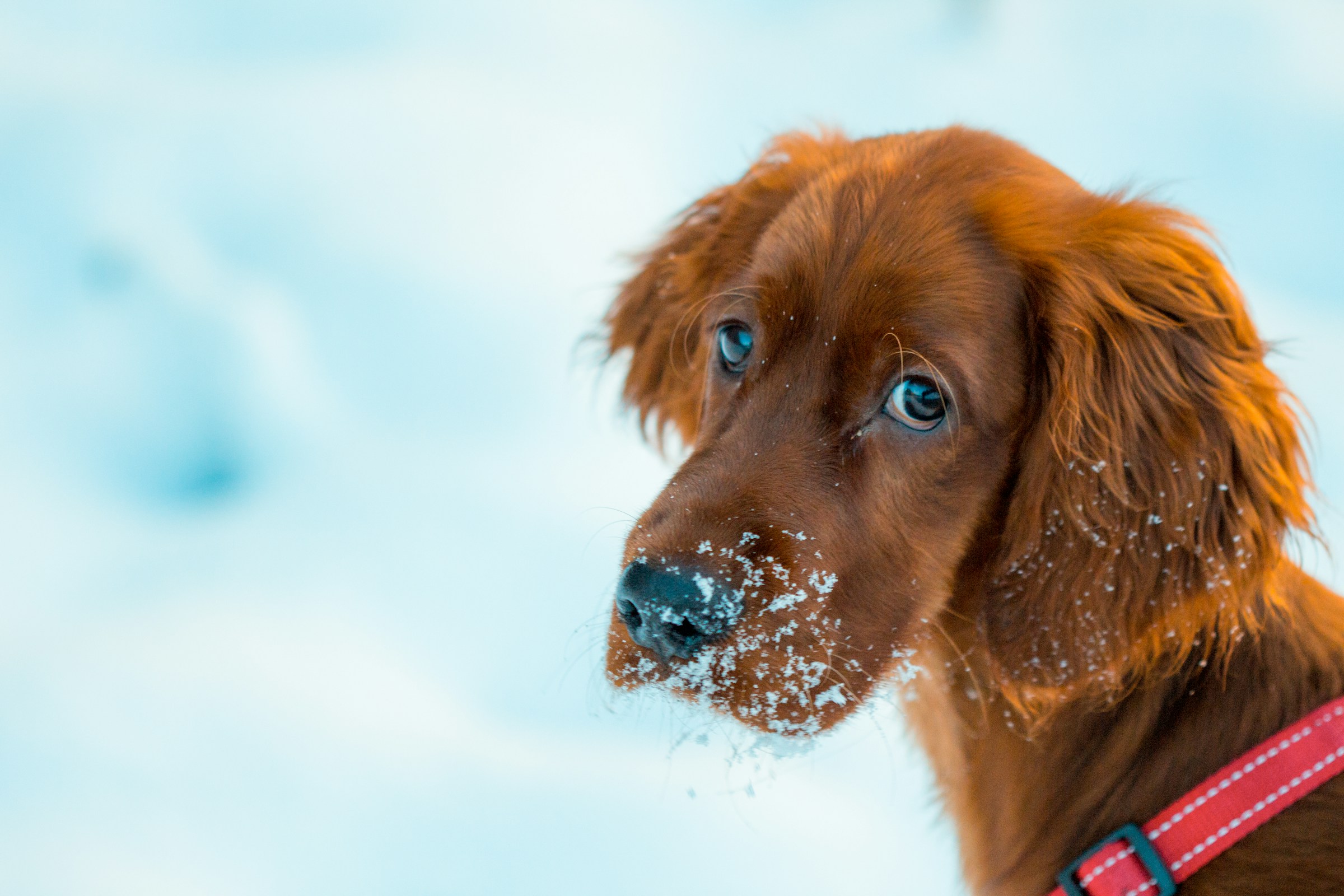
Tail wagging means happy. Head low means shy. Belly up means “go ahead, rub it.” That’s the version most dog owners grew up believing, and honestly, it sounds reasonable enough.
Vets will tell you it’s dangerously wrong, and they’ve got the bite scars to prove it. Before a vet ever lays a hand on a dog, their eyes are already running a full-body scan, checking weight, ears, tail, eyes, and stillness all at once. One missed cue in that cluster can turn a five-minute checkup into an emergency, so stick around, because a few of these signals will completely flip what you thought you knew about your own dog.
#1 – Loose, Wiggly Weight Distribution Signals True Comfort
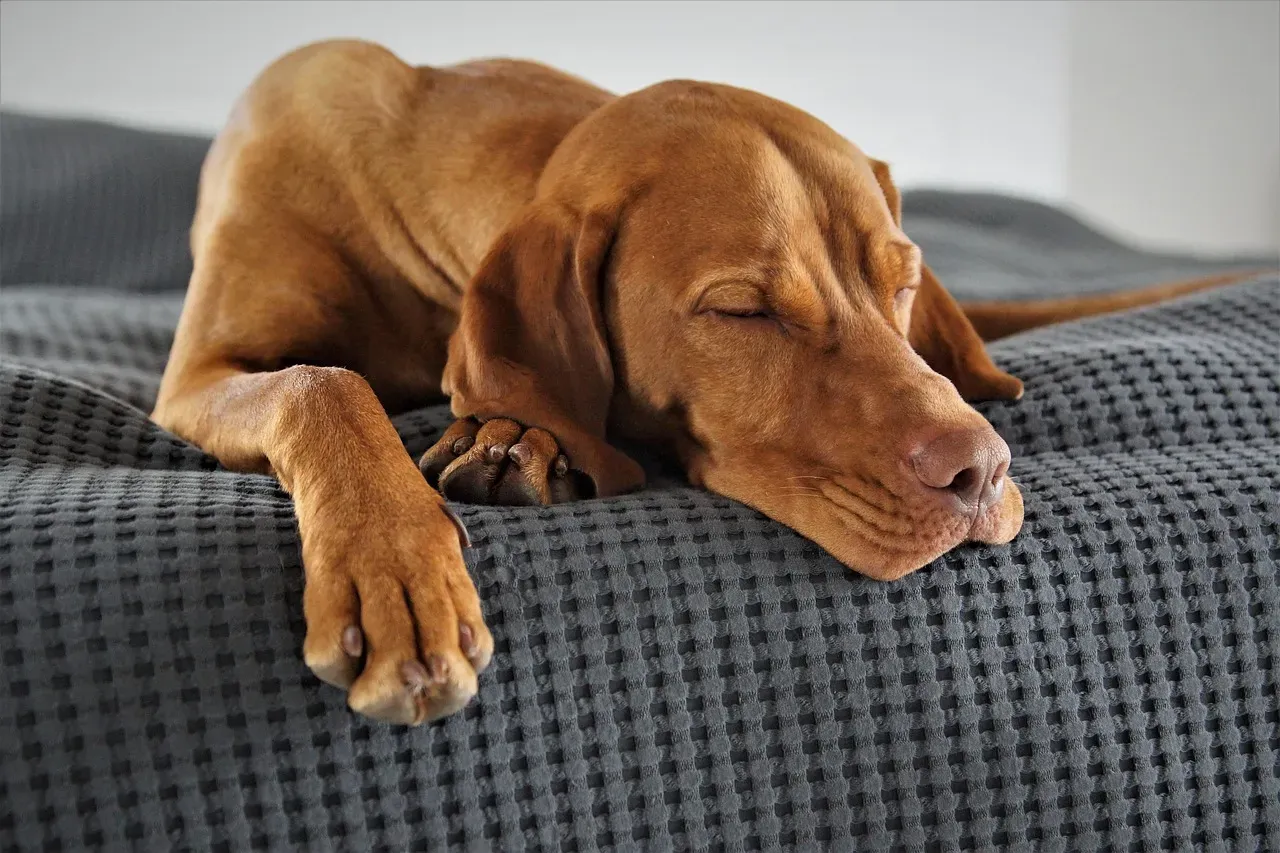
This is the baseline vets are hunting for before they ever reach out a hand. A genuinely relaxed dog carries its weight evenly on all four legs, with a little wiggle in the hips and zero tightness running down the spine. The head sits level instead of craning forward or ducking away, and the whole body just looks… soft.
Here’s the part that surprises most owners: this posture almost never shows up in a vet’s office, even with dogs who are normally goofy and easygoing at home. Something about a stranger, a metal table, and a strange smell flips the switch, and that loose, wiggly comfort disappears in seconds.
Fast Facts
- Weight sits evenly on all four legs, no leaning or bracing
- Tail moves in a loose, low-to-mid sweep, not a stiff flick
- Ears rest in a neutral position, neither pinned nor pricked
- Eyes look soft, with a normal, relaxed blink rate
- The whole body has a slight jiggle instead of locked muscles
Bold fact: More than 70% of dogs labeled “friendly” by their owners show at least one subtle shift away from this relaxed stance within the first few seconds of a clinic visit.
Vets won’t touch a dog until they’ve confirmed the whole comfort cluster together, not just one cue. But that’s nothing compared to what’s waiting at #2.
#2 – Forward-Leaning Tall Stance With Square Legs Means Assertive Readiness
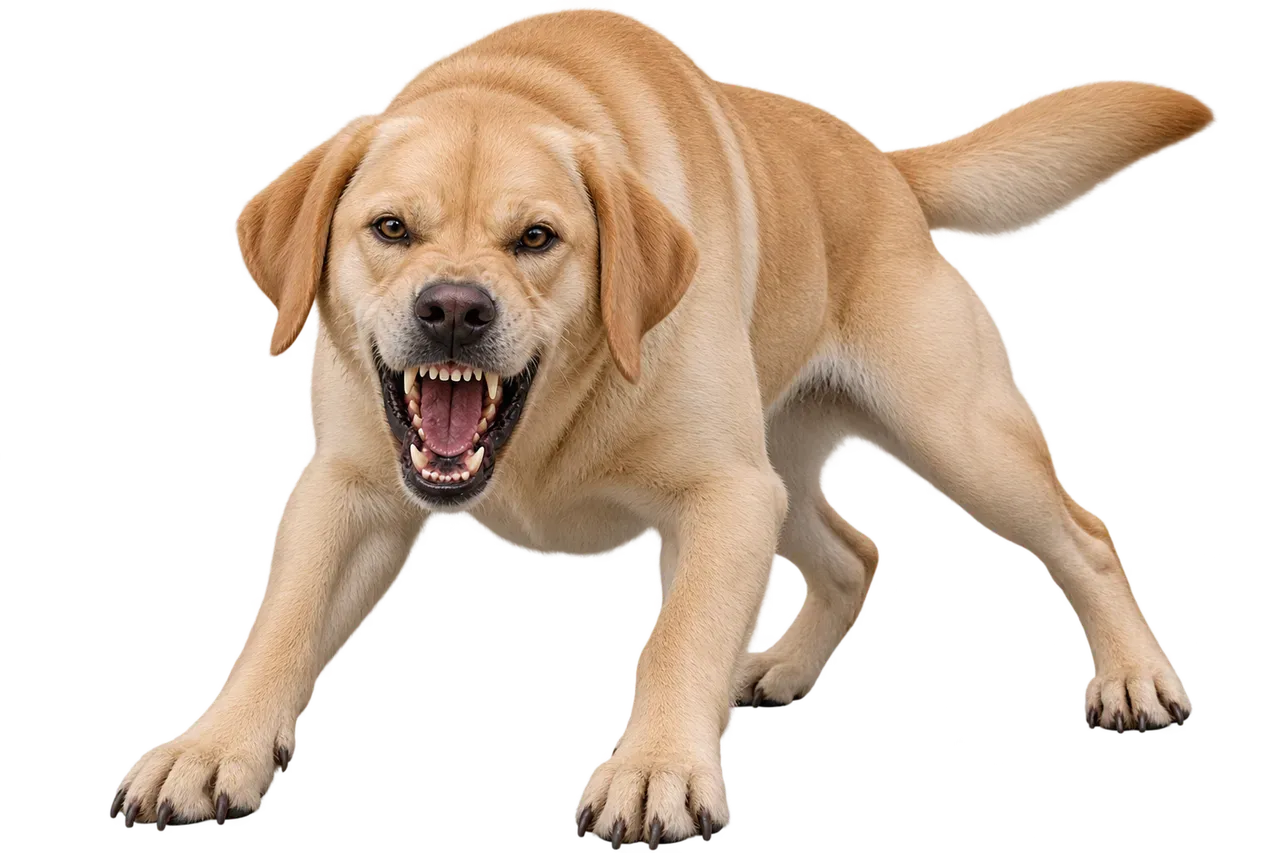
A tall, square-shouldered dog looks confident to most people, maybe even excited to say hello. Vets see it completely differently. When a dog plants all four feet firmly, shifts its weight forward, and arches its neck, that’s not a greeting posture. That’s a body loading up for something.
Watch the shoulders on a dog like this and you’ll often see visible tightness, almost like the muscles are coiling. It’s easy to mistake this for eagerness, especially in big, athletic breeds, but plenty of experienced handlers now consider it one of the clearest warnings before a defensive snap.
Bold fact: Weight loaded onto the front end frequently shows up several full seconds before a dog’s first growl.
Pair this stance with a hard stare and there’s no ambiguity left. But that’s nothing compared to what’s waiting at #3.
#3 – Crouched Body With Weight Shifted Backward Screams Avoidance
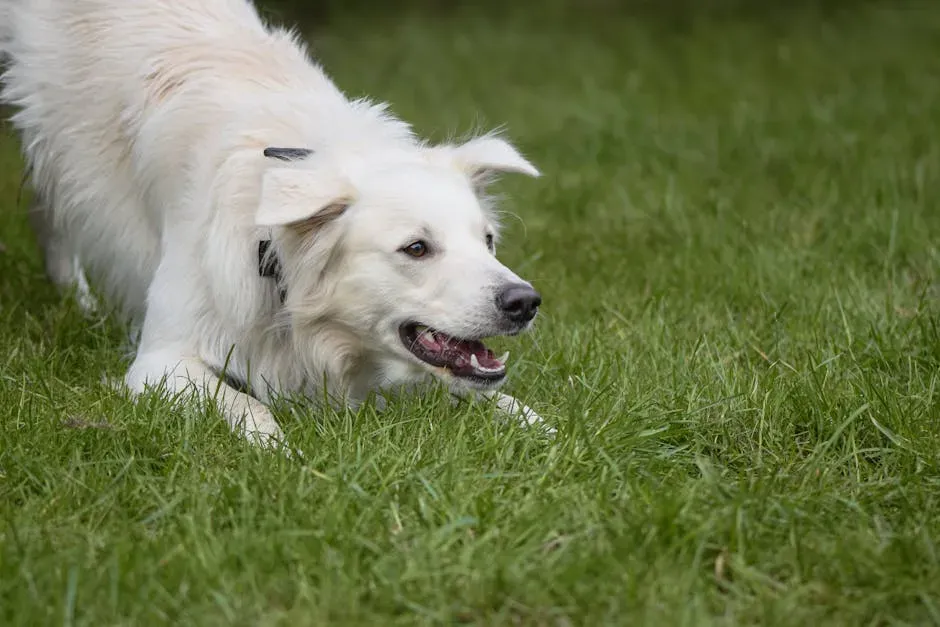
Owners tend to read a lowered, crouched body as submissive and therefore safe. In reality, this dog is trying to become invisible. The spine curves downward, the hindquarters drop, and the whole frame leans away from whatever hand is reaching in.
Sometimes the front legs bend too, almost like the dog is folding in on itself, head dropped low the entire time. This full-body compression is about as loud as a dog can scream “please back up” without making a single sound.
Bold fact: A crouched, backward-leaning posture almost always shows up right before a dog either bolts or freezes solid.
No vet reaches over a dog holding this shape. But that’s nothing compared to what’s waiting at #4.
#4 – Tail Tucked Tight Against the Belly Indicates High Fear
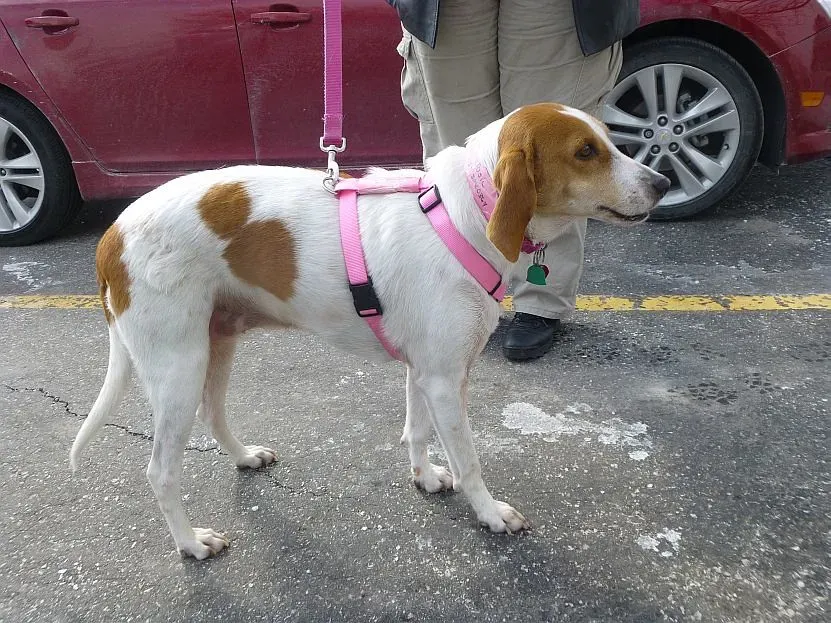
The tucked tail gets waved off as “just a little nervous,” but vets treat it as a genuine red flag. Once that tail clamps fully against the belly, the dog has already crossed from mild discomfort into real fear, not a passing jitter.
It rarely shows up alone either. Pair a tucked tail with a lowered head and pinned-back ears, and you’re looking at a dog that’s barely holding it together. Plenty of owners still reach in for a pet anyway, and that’s exactly when things go sideways fast.
Bold fact: A tail tucked tight in an otherwise calm setting can also point to hidden physical pain, not just fear-based behavior.
That’s why vets always rule out medical causes before assuming it’s purely emotional. But that’s nothing compared to what’s waiting at #5.
#5 – High, Stiff Tail With Minimal Movement Signals Arousal or Threat
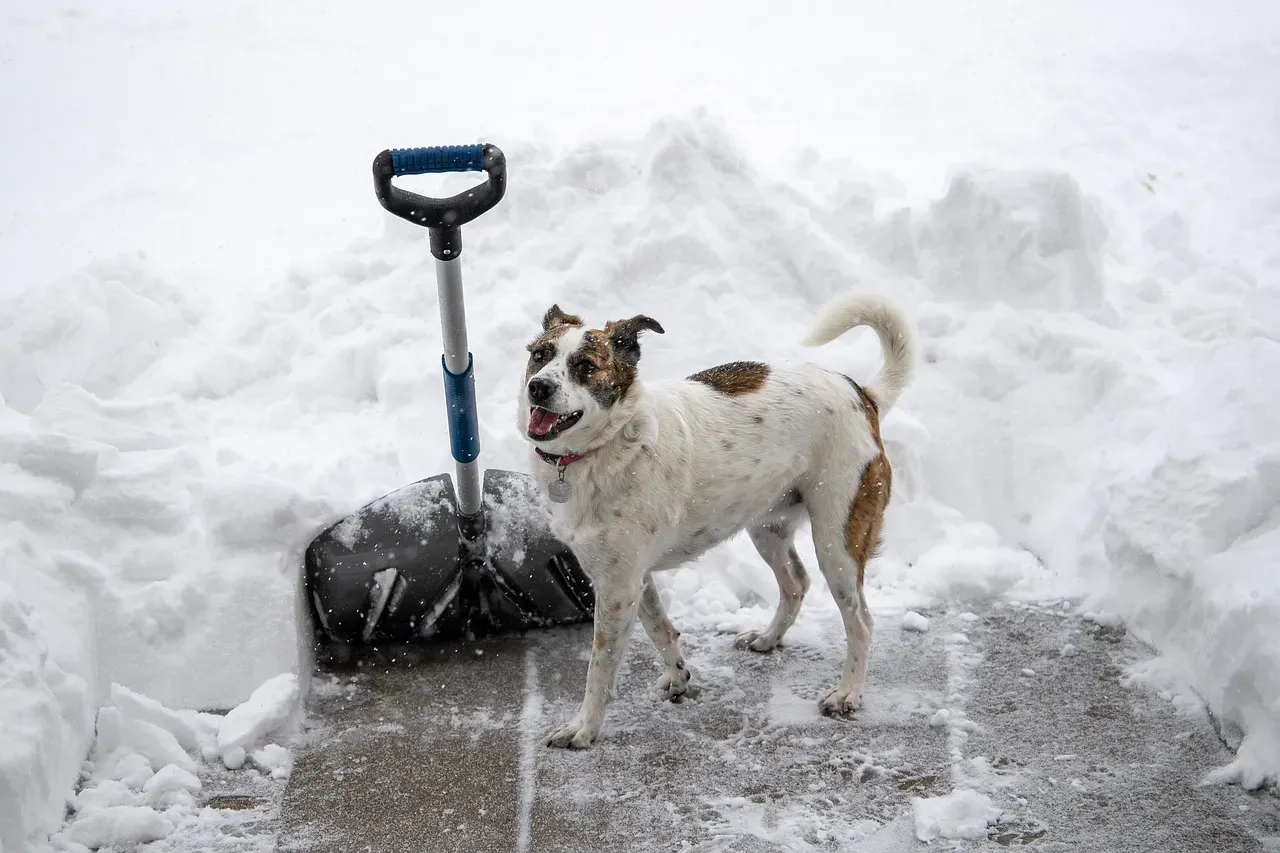
A tail held high looks impressive, maybe even happy, to the average person walking by. Vets know that stiffness is the detail that changes everything. Instead of a loose sweep, the tail stands rigid above the spine and barely twitches instead of wagging.
Combine that rigid high tail with forward-loaded weight, and you’ve got a dog running hot on confidence that can flip into aggression without much warning at all. It’s a completely different animal than the goofy, sweeping wag most people picture.
Bold fact: A stiff, high tail during an approach frequently shows up right before resource guarding or a defensive bite.
Loose, mid-height wagging tells an entirely different, much friendlier story. But that’s nothing compared to what’s waiting at #6.
#6 – Ears Pinned Flat Against the Head Show Active Appeasement or Fear
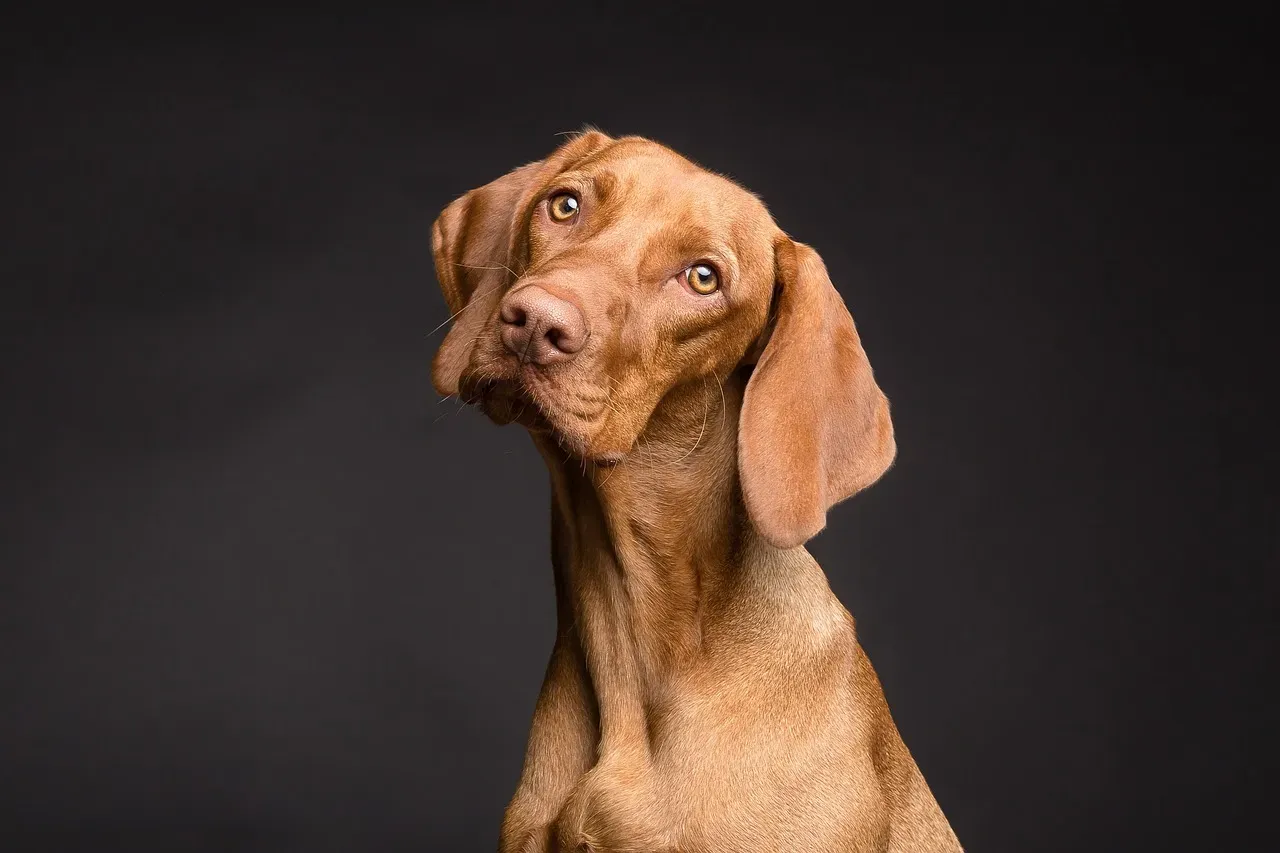
People love to call pinned-back ears “cute” or “submissive,” like the dog is just being polite. Underneath that flattened silhouette, though, is real tension. The ears press tight to the skull, often paired with a slightly lowered head, and the whole point is to make the dog’s body look smaller and less threatening.
This is a protective move, not a friendly one, and it shows up early in almost every stress sequence vets see. It’s the kind of signal that’s easy to miss if you’re only glancing at the tail.
Worth Knowing
- Ears pinned flat: fear or appeasement, body trying to look smaller
- Ears hard forward: alert mode, actively assessing a possible threat
- Ears neutral and loose: genuine comfort and relaxation
- Ears turned sideways (“airplane ears”): uncertain, but not yet defensive
- Never read ears alone – always cross-check with eyes and tail together
Bold fact: Pinned ears combined with lip-licking very often come right before a dog freezes completely still.
Experienced vets stop moving the second they spot that specific combination. But that’s nothing compared to what’s waiting at #7.
#7 – Hard Forward Ears With Focused Stare Indicate Alert Assessment
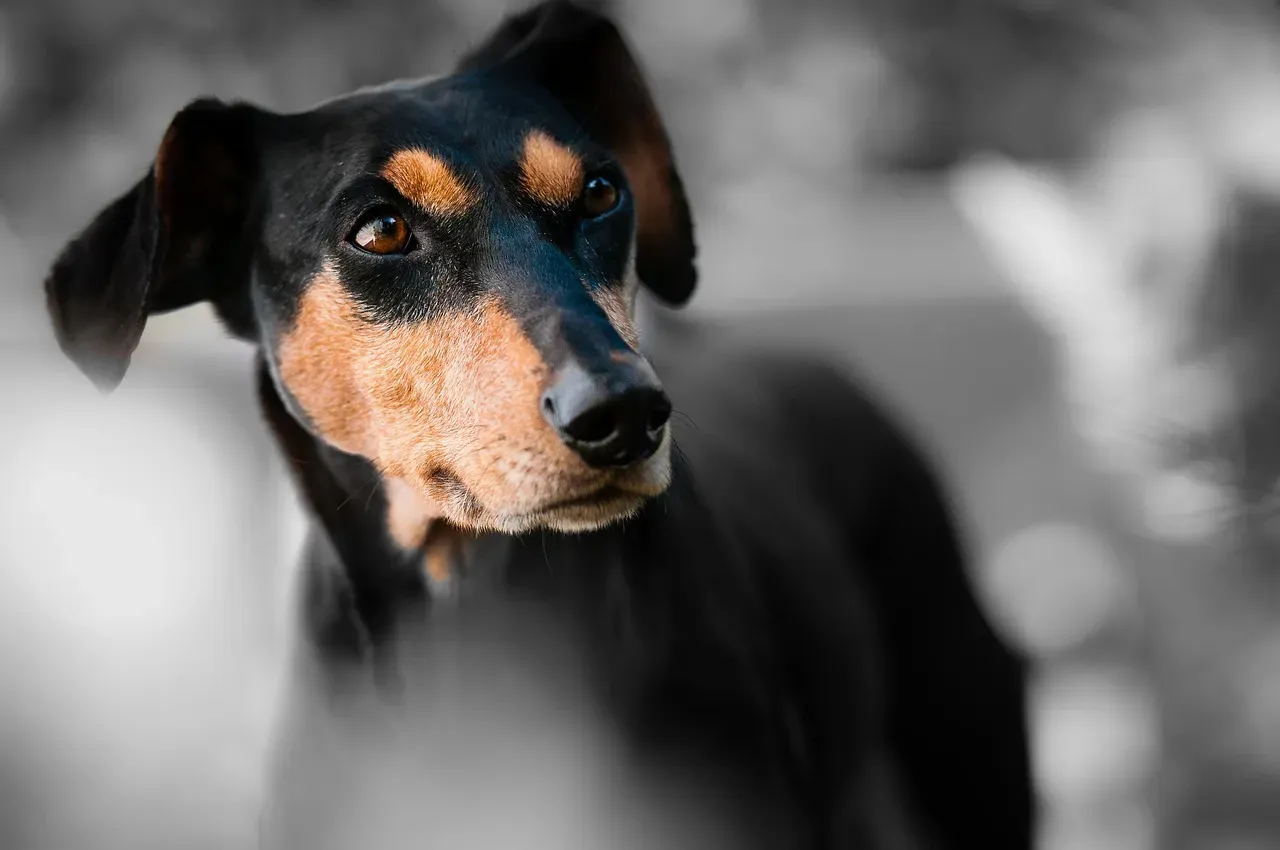
Ears pricked sharply forward look attentive, engaged, maybe even eager. Vets read that same posture as a dog locking onto something it considers a threat. The forehead wrinkles, the eyes fixate, and the ears snap forward like tiny radar dishes.
Often the whole body squares up at the exact same moment, which is a far cry from relaxed curiosity. This is assessment mode, and it’s the calm before a possible storm.
Bold fact: Hard forward ears paired with a direct stare frequently precede a warning growl by only a few seconds.
Soft eyes and ears turned to the side send a completely different message. But that’s nothing compared to what’s waiting at #8.
#8 – Whale Eye With Head Turned Away Reveals Intense Discomfort
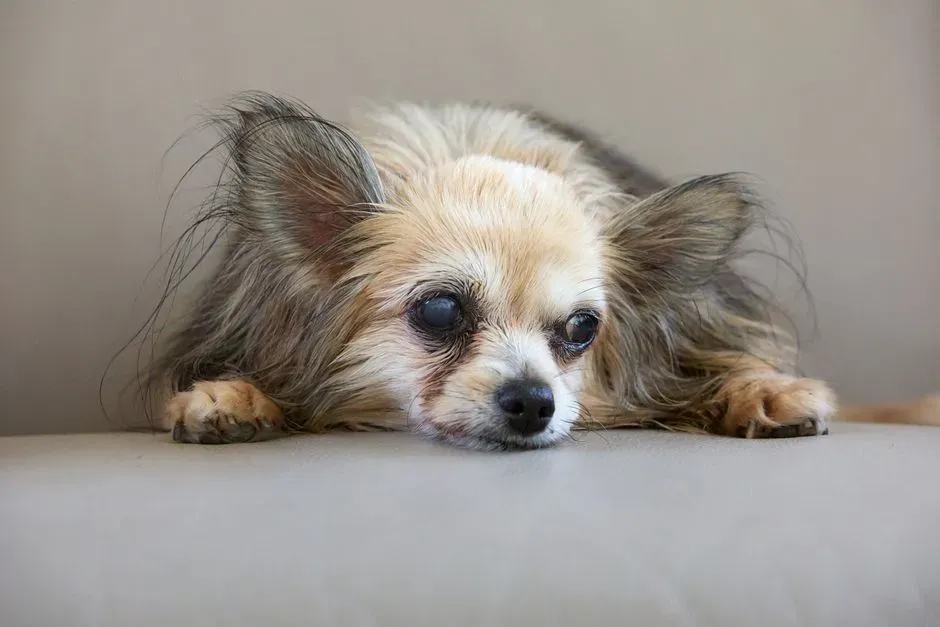
Most owners see a dog turning its head away and assume it’s just being polite, maybe a little shy. Vets recognize whale eye as one of the loudest stress signals a dog can give. The head rotates away while the whites of the eyes stay visible, still tracking the person the whole time.
That sideways glance with visible white is the canine version of “I feel cornered and I can’t fully look away.” It’s subtle, it’s easy to miss, and it’s almost always a sign the dog feels trapped.
Bold fact: Whale eye is one of the earliest visible warnings that can escalate straight to snapping if it gets ignored.
Vets treat it as an immediate, non-negotiable request for space. But that’s nothing compared to what’s waiting at #9.
#9 – Raised Hackles Along the Spine Signal Heightened Arousal
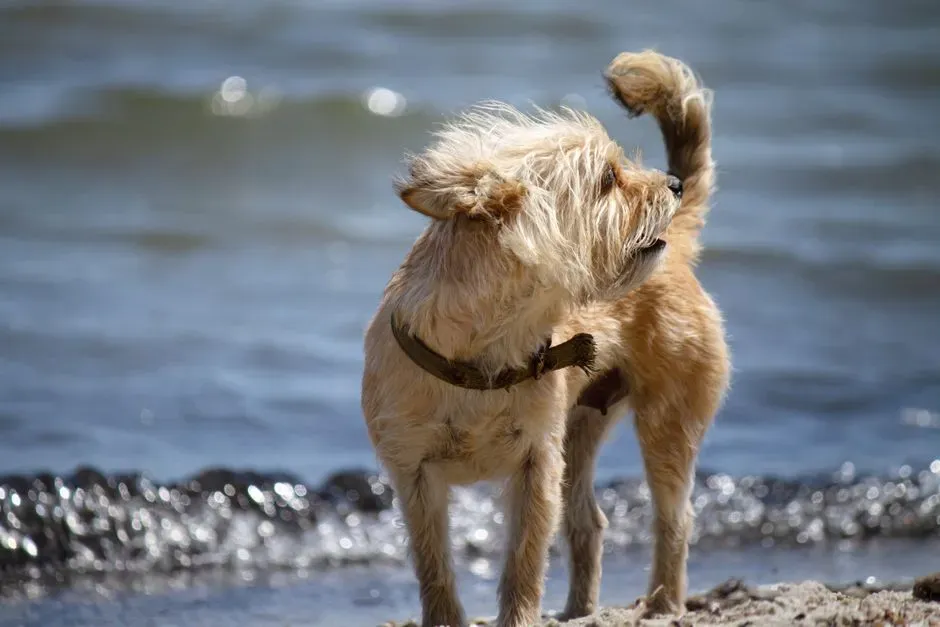
Hackles get brushed off constantly as “the dog’s just excited.” In truth, that involuntary ridge of fur running from neck to tail base usually marks fear or a defensive readiness the dog can’t consciously control. The body often stays eerily still while the hair does all the talking.
Even dogs who know their vet well can raise hackles under enough stress, which surprises a lot of owners who assume familiarity cancels out fear. It doesn’t.
At a Glance
- Hackles only near the shoulders, with a loose wagging tail: often just excitement or play
- Hackles running the full length of the spine, body stiff: fear or defensive arousal
- Hackles plus forward-loaded weight: higher odds of a reactive response
- Hackles by themselves, without other tension: not an automatic sign of aggression
Bold fact: Raised hackles can appear before any growl or bark at all, sometimes as the very first visible sign of trouble.
Whether it means play or a real problem depends entirely on where the weight is shifting. But that’s nothing compared to what’s waiting at #10.
#10 – Complete Freezing or Sudden Stillness Precedes Many Bites

A dog that suddenly goes still looks calm to an untrained eye, even reassuring. Vets know that freeze is often the very last warning before something happens. Every muscle locks up, movement stops entirely, and breathing can go shallow and fast.
This posture usually shows up after every earlier warning has already been ignored. It’s the dog’s last card to play, and it’s a serious one.
Bold fact: The freeze is frequently the only signal left in dogs whose softer warnings were punished or dismissed in the past.
Vets back away the instant they see it, no exceptions. But that’s nothing compared to what’s waiting at #11.
#11 – Lowered Head With Hunched Shoulders Communicates Submission Mixed With Fear
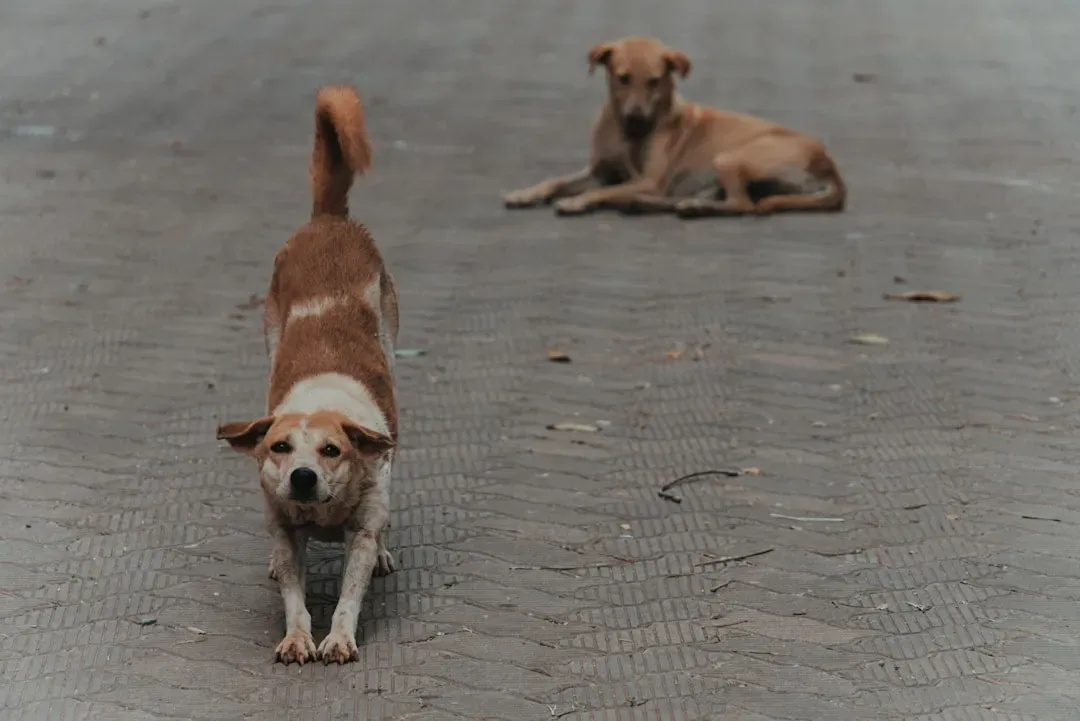
A dropped head looks harmless enough on the surface, almost apologetic. Vets see the full hunched cluster as something far more conflicted and genuinely risky. The head sinks below shoulder level, the back rounds, and the weight stays pulled back toward the hindquarters.
This posture rarely travels alone. It’s usually paired with a tucked tail, which only confirms how much internal conflict the dog is working through in that moment.
Bold fact: Hunched submission can flip straight into defensive aggression if the dog feels even a little more cornered or pressured.
Vets never mistake this shape for an open invitation to touch. But that’s nothing compared to what’s waiting at #12.
#12 – Tense Belly Exposure During a Roll-Over Is Not an Invitation
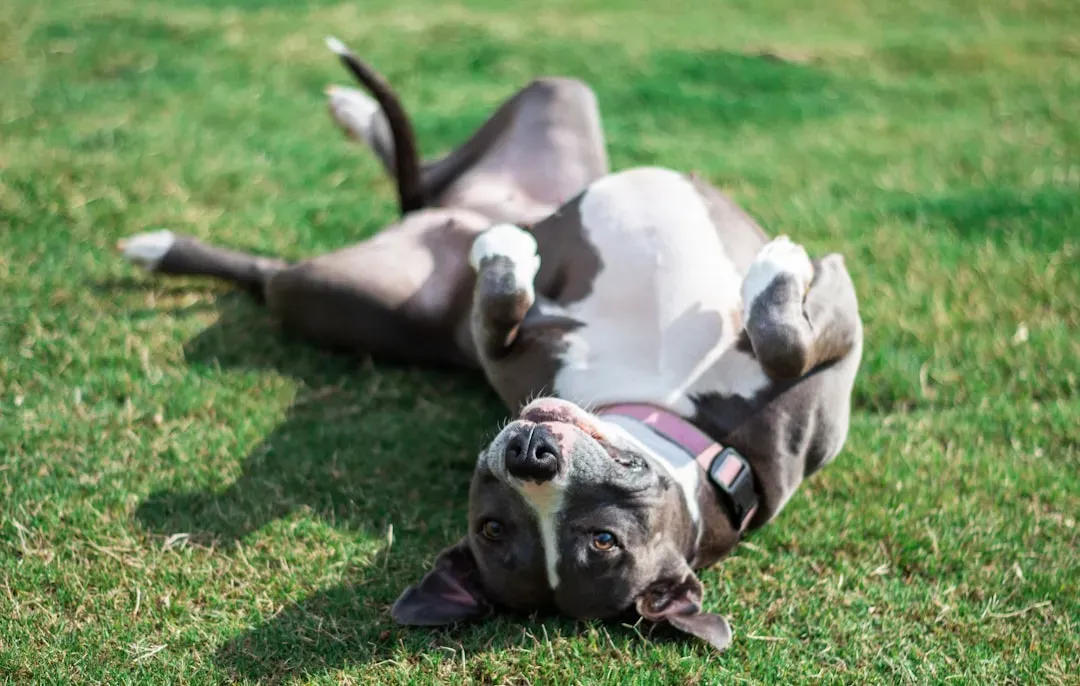
This is probably the single biggest misread in the entire list. A dog rolls onto its back, and owners rush straight in for a belly rub, convinced it’s an invitation. Vets check for tension first, and often find a very different story underneath.
A stressed roll-over comes with rigid muscles, a tucked tail, and eyes that are either averted or showing that telltale whale-eye white. That’s appeasement, not relaxation, and reaching in anyway is one of the fastest ways to turn a calm moment into a bite.
Quick Compare
| Relaxed Rollover | Stressed Rollover |
|---|---|
| Loose, floppy limbs | Rigid, tense muscles |
| Soft, blinking eyes | Whale eye or averted stare |
| Open mouth, relaxed tongue | Closed mouth, tight lips |
| Tail loose or gently wagging | Tail tucked tight against the belly |
Bold fact: A stiff roll-over with a closed mouth and pinned ears frequently precedes a bite the moment someone touches the belly.
A genuinely relaxed belly exposure looks nothing like this, all loose limbs and soft wiggling. But that’s nothing compared to what’s waiting at #13.
#13 – Overall Rigid Square Stance With Forward Weight Is the Strongest Red Flag
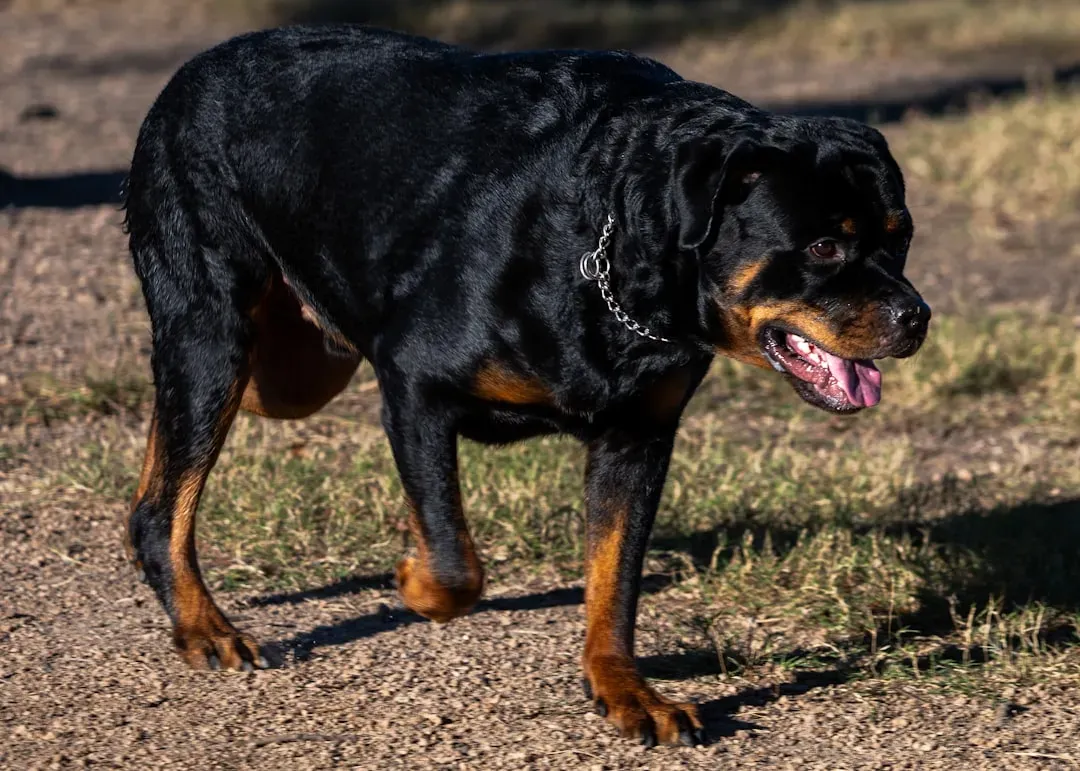
Every warning sign on this list can show up together in one posture, and when it does, vets treat it as the loudest alarm in the entire body-language playbook. Legs plant squarely, weight shifts forward, the neck arches, and the entire frame locks into place. A direct stare and almost total stillness finish the picture.
This is the exact stance far too many people still walk toward, hand extended, assuming a stiff dog is simply being cautious rather than genuinely dangerous. Experienced vets say it’s the single biggest handling mistake they still watch happen, again and again, in exam rooms every single week.
Bold fact: A rigid square stance with forward-loaded weight is the posture most consistently linked to bites recorded in clinical settings.
When a vet sees this, they don’t lean in. They step back, reset, and reassess the whole approach from scratch.
Here’s the uncomfortable truth after going through all thirteen: dogs are almost never silent about how they feel. They’re constantly broadcasting it through weight, ears, eyes, tails, and stillness, and most of us were simply never taught how to listen. The real danger was never the dog’s posture itself, it was our confidence in reading it wrong. If there’s one habit worth stealing from vets, it’s this: stop trusting a single cue, and start reading the whole body before your hand ever moves. Did we miss a signal your own dog gives off? Drop it in the comments.


