
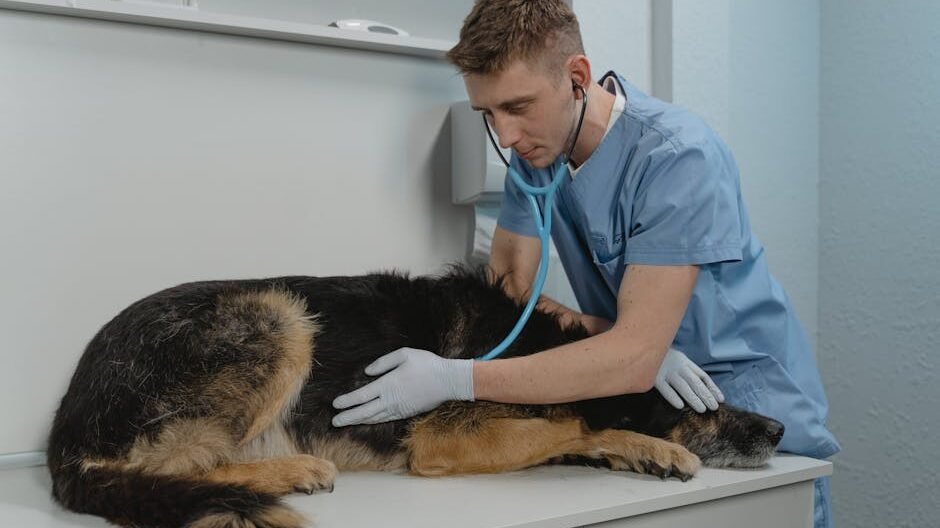
Walk into any veterinary clinic and you’ll probably guess that the sweetest, calmest, best-behaved dog in the waiting room belongs to a retiree. Slower pace, more attention, more love – it just adds up, right? Vets will tell you it’s more complicated than that, and what they notice in the first five minutes of an exam often has nothing to do with how loved a dog is.
Behind the calm exterior, there’s usually a quiet story playing out in the nails, the teeth, the coat, and the way the dog leans into its owner’s leg like it’s the only steady thing in the room. Some of it is heartwarming. Some of it is the kind of thing a vet flags on a chart and worries about after the appointment ends. Here’s what actually gets noticed before the stethoscope even comes out.
#1 – Nail Length and Paw Wear Tell the Real Story
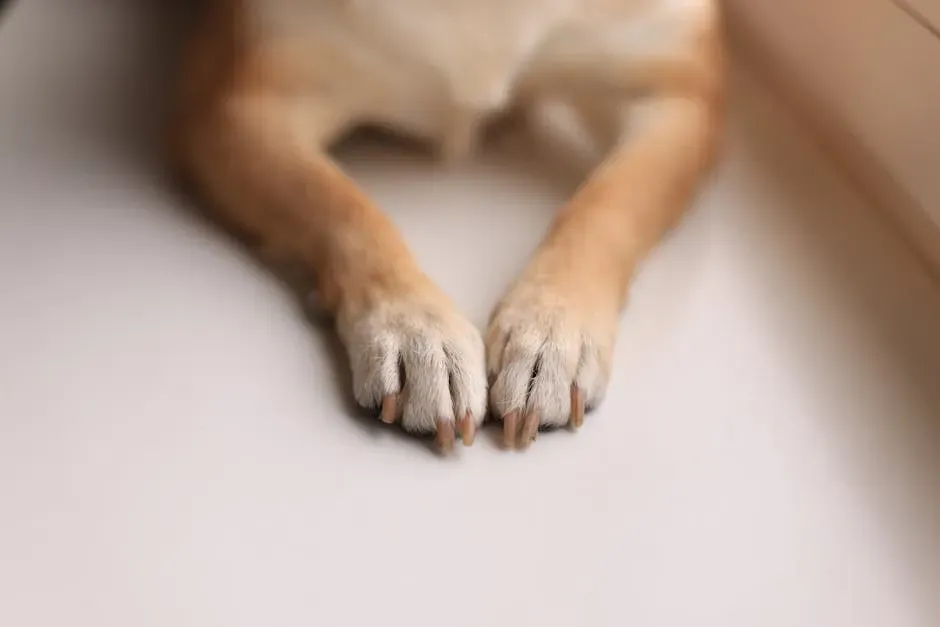
Before a vet says hello, they’re already watching the dog cross the exam room floor. Overgrown nails that click against tile, or nails curling under and pressing into the pad, are one of the fastest tells that walks have gotten shorter and less frequent. It’s rarely neglect – it’s usually a hip that aches, a sidewalk that feels riskier than it used to, or a leash that’s harder to hold on icy days.
The paw pads give away the same story from a different angle. Dogs that spend most of their life on carpet and hardwood develop smoother, softer pads instead of the tougher, weathered ones that come from regular outdoor wear. It’s a small detail, but vets read it instantly, and it usually points to a lifestyle shift that happened slowly, one shorter walk at a time.
#2 – Dental Condition Reveals Daily Feeding Habits
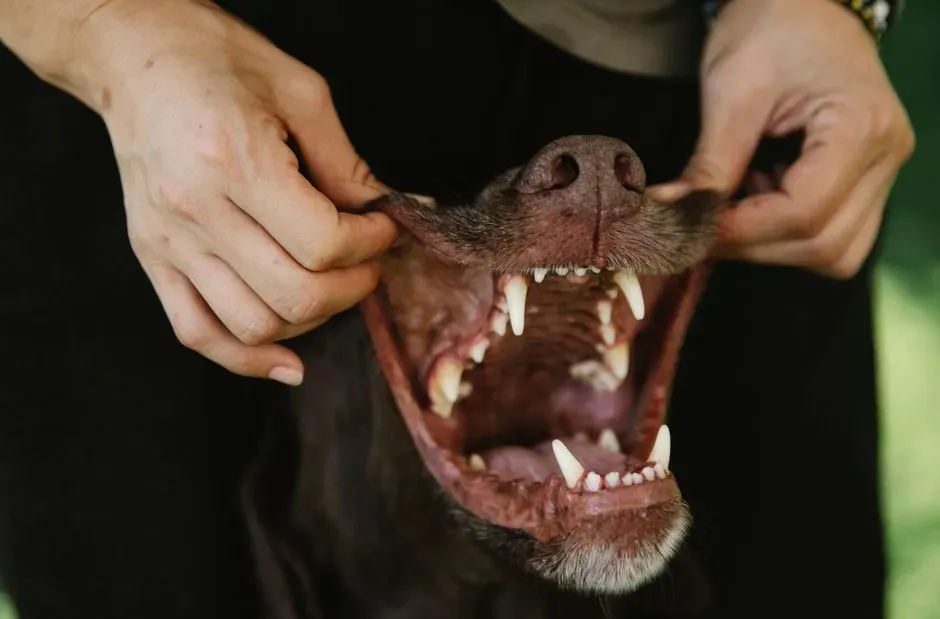
The moment a dog pants, yawns, or leans in for a sniff, the smell tells its own story. Yellowed teeth and thick tartar buildup are common in senior-owned dogs, not because anyone stopped caring, but because dental chews and professional cleanings start to feel like an unnecessary expense for a dog already considered “old.”
Vets also connect the dots to diet. Many of these dogs have eaten the same soft, easy-to-chew canned food for years, which sounds gentle but does nothing to scrape plaque off the teeth the way crunchier kibble or dental treats would. By the time that breath hits the exam room, gum disease is often already further along than anyone realized.
Fast Facts
- Soft canned food doesn’t scrub plaque the way crunchy kibble or dental chews do.
- Bad breath is rarely “just a dog thing” – it’s often the first visible sign of gum disease.
- Tartar buildup can hide painful, infected teeth long before a dog shows obvious discomfort.
- Annual dental cleanings can add years of comfortable eating for senior dogs.
#3 – Body Condition Score Exposes Portion Control Issues

The scale doesn’t lie, and neither does a quick hands-on check of the ribs. Vets see two opposite extremes show up again and again in dogs owned by people over 70: noticeable weight gain from “eyeballing” portions instead of measuring them, or surprising thinness because the owner eats smaller meals themselves and unconsciously feeds the dog to match.
Neither extreme is dramatic on its own, but both carry hidden costs. Extra weight quietly stresses joints long before it shows up on an X-ray, while underfeeding can mask muscle loss that looks like normal aging. Vets say this pattern shows up far more in single-owner senior households than in homes with kids running around measuring cups at dinnertime.
#4 – Vaccination Records (or the Lack of Them) Speak Volumes

Ask for shot records and you’ll sometimes get a faded paper card from several years back, or a shrug and an honest “I think we stopped after he turned eight.” Vets don’t say it out loud, but that gap registers immediately, because senior dogs still need vaccines adjusted for their age, not none at all.
This usually isn’t carelessness – it’s logistics. Getting a large dog into a car, into a clinic, and back home again gets genuinely harder with age, and appointments quietly slip. The risk is real, though: a missed rabies booster can turn into a legal and medical headache fast, and it’s often not discovered until an emergency forces the issue.
#5 – Diet Quality Shows Up in Skin and Coat

Under bright exam-room lighting, dull fur and flaky skin are hard to miss, and they show up before the vet even lays a hand on the dog. Many senior owners have been loyal to the same grocery-store kibble brand for a decade or more, unaware that formulas change or that their dog’s nutritional needs have shifted with age.
The skin barrier naturally weakens in older dogs, which means a lack of omega fatty acids shows up faster and more visibly than it would in a younger, more resilient coat. Vets also notice treat habits during these visits – table scraps and human leftovers instead of formulated treats add empty calories without doing the coat, or the waistline, any favors.
#6 – Energy Level and Stiffness During Movement
Watch a dog rise from a sit or navigate a slick clinic floor, and you’ll see what owners often chalk up to “just getting old.” Vets quietly time how long it takes a dog to settle, and they notice the hesitation on tight turns or the extra second before standing up.
Often, this traces directly back to walks that have gotten shorter and less challenging over time, leaving muscles with nothing to push against. A hunched back or stiff gait gets blamed on personality – “he’s always been a little slow to get going” – when it’s really discomfort that’s been building for months.
#7 – Behavioral Cues of Boredom or Routine Dependence
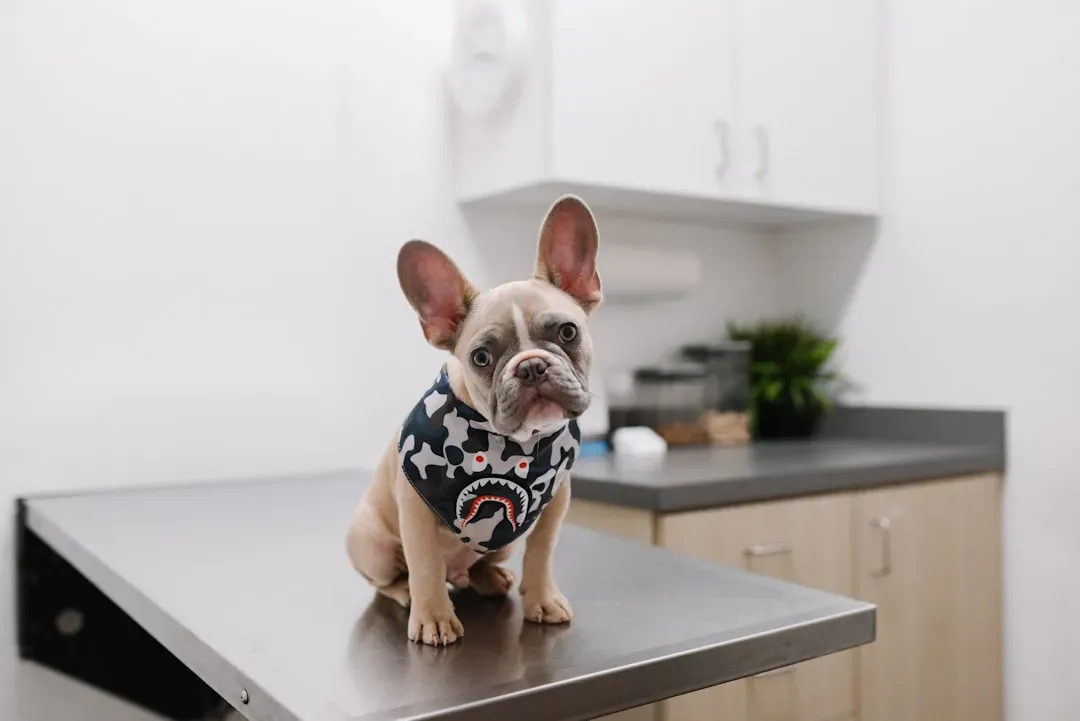
Some dogs lean hard against their owner’s leg the second they enter the exam room, or circle anxiously in the small space like it’s the only unfamiliar thing they’ve encountered in weeks. Vets recognize this instantly as a dog whose entire world has narrowed down to one person and one home.
It often looks like devotion, and in a way it is, but it can also be a quiet form of separation anxiety that develops when daily stimulation drops off. These dogs frequently ignore toys offered during the visit – not out of disinterest, but because independent play was never really part of the routine to begin with.
Quick Compare
- Healthy attachment: Dog can settle a few feet away, accepts treats from the vet, and explores calmly.
- Anxiety-driven attachment: Dog paces, refuses treats, and won’t leave the owner’s leg.
- Boredom signals: Ignoring toys, low interest in new smells or sounds, flat affect until the owner speaks.
#8 – Eye and Ear Maintenance Details
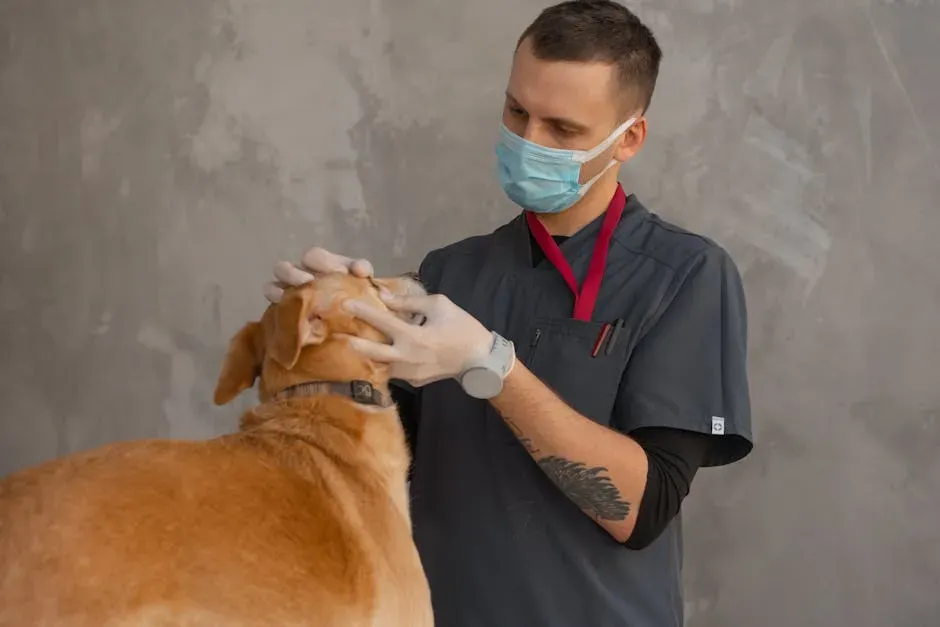
Cloudy eyes and waxy, red-tinged ears tend to get noticed the second a dog turns its head toward the light. Vision loss is easy for an owner to miss when their own eyesight has slowed down too, and the dog quietly adapts at home in ways that hide the problem from view.
Frequent head shaking or scratching at the ears during the exam is a giveaway of an infection that’s likely been building for months. It’s not that the owner doesn’t care – it’s that the whimpering or restlessness at night, the kind a busier household would catch immediately, gets missed in a quieter home.
#9 – Signs of Arthritis in Everyday Posture
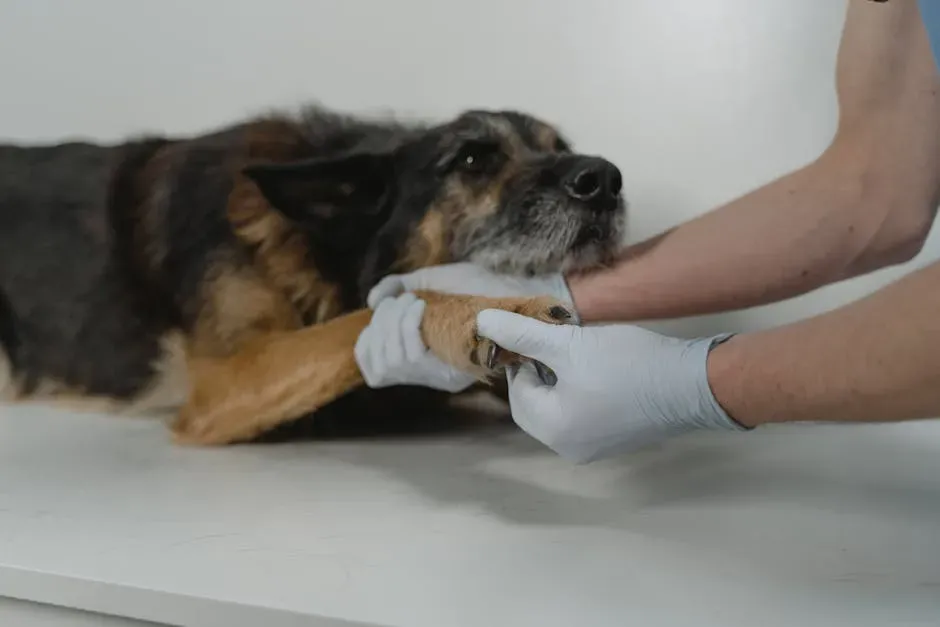
The way a dog shifts weight off one hip, or hesitates before attempting to jump onto the exam table, tells a vet everything about arthritis that’s been quietly progressing. Owners usually describe it simply as “he’s slowing down,” but vets are watching for these micro-adjustments the second the dog moves.
Ramps and orthopedic beds are rarely part of the setup in these homes, often because no one realized the carpet alone wasn’t cutting it anymore. Without that support, muscle loss accelerates faster than it would in a home where someone noticed the early signs and adjusted early.
At a Glance
- Ramps for cars, couches, and beds cut down on repeated jumping strain.
- Orthopedic foam beds relieve pressure points that worsen joint pain overnight.
- Non-slip mats on hardwood or tile floors help prevent slips that cause new injuries.
- Raised food and water bowls ease neck and shoulder strain during meals.
#10 – Owner-Dog Interaction Dynamics
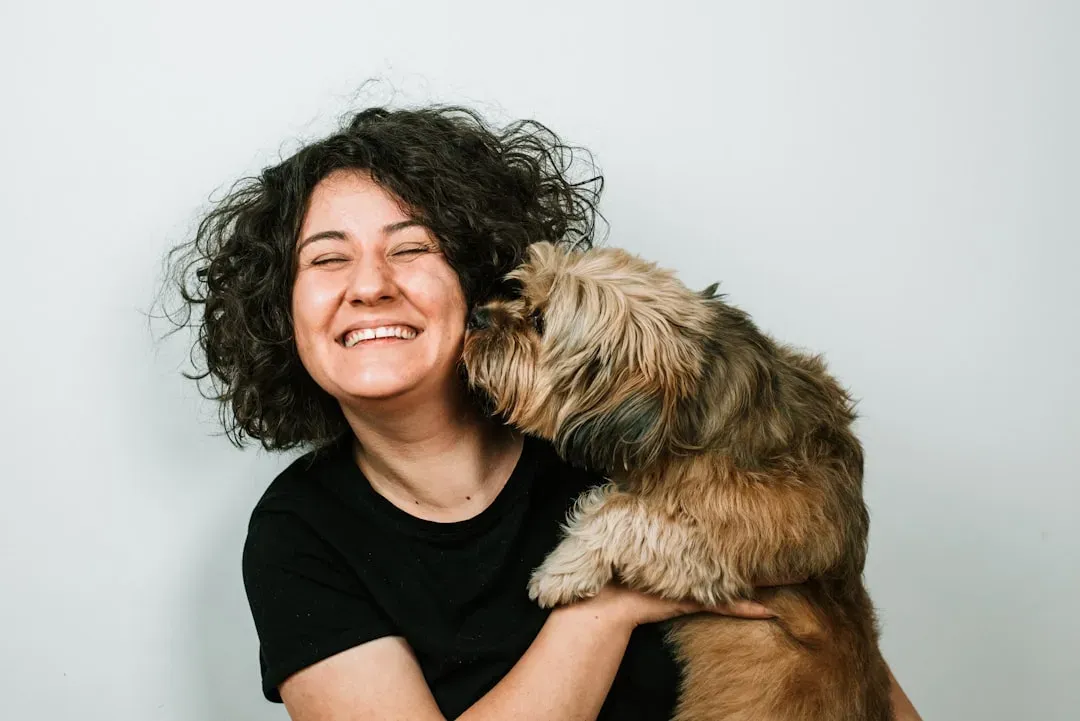
The tone in an owner’s voice, and the way the dog responds to it, tells vets more than any medical history form. Some dogs track their owner’s every move around the room, refusing to explore even when a treat is dangled a few feet away.
That intense focus is touching to watch, but it can also mask real anxiety. The moment the owner steps out to handle paperwork, the dog’s demeanor can shift completely – pacing, whining, refusing treats offered by the vet until the owner is back in the room to hand them over personally.
#11 – House Training or Accident Patterns
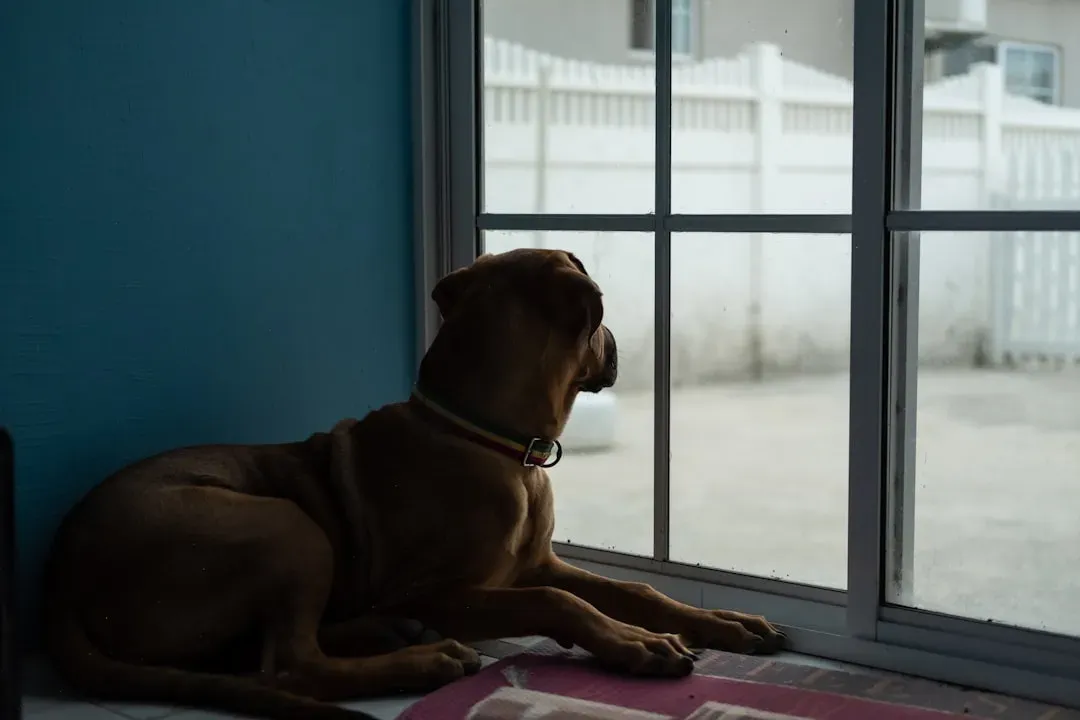
A faint trace of urine on the fur, or damp paws showing up during winter visits, often points to indoor accidents an owner brushes off as “just once, it won’t happen again.” A little gentle questioning usually reveals a pattern – rugs quietly getting replaced more often than they used to.
This tends to be a two-way street: cognitive decline in the dog paired with reduced mobility in the owner creates a cycle where neither issue gets fully addressed. Vets say this shows up fastest in single-person households, where there’s no second set of eyes to catch it early.
#12 – Skin Growths and Lumps Owners Haven’t Mentioned
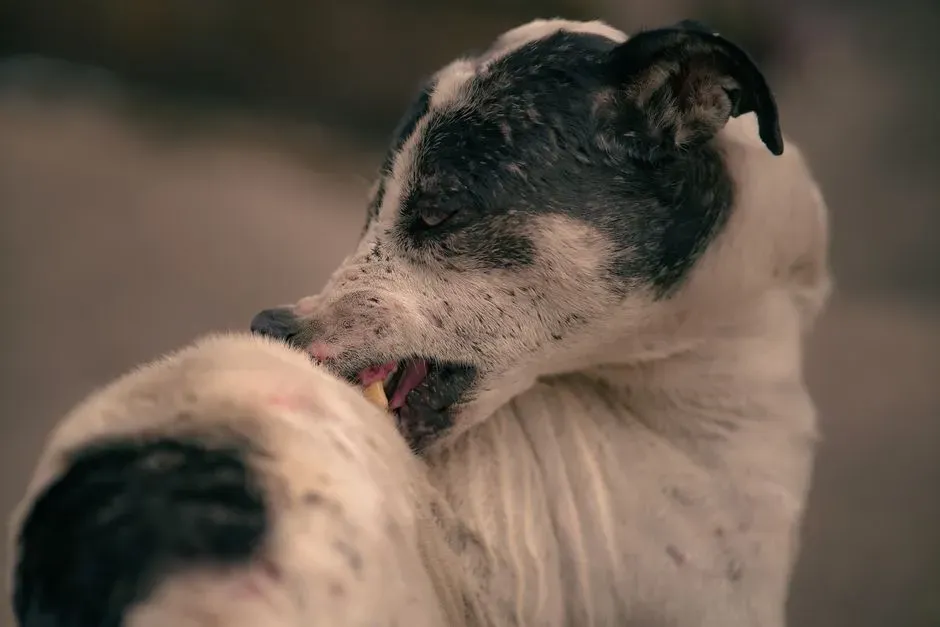
During the first hands-on check, small masses on the belly or legs often surprise the owner as much as the vet. The dog sleeps on the couch, on a different bed, or simply out of daily view, and a growth goes unnoticed for weeks or longer.
There’s often an assumption that if the dog seems fine and comfortable, the lump must be harmless. That delay in flagging it can genuinely shift what treatment options look like by the time a follow-up visit happens, which is exactly why vets pay close attention to this moment.
Worth Knowing
- Not every lump is dangerous, but only a vet can tell the difference between a harmless growth and something that needs attention.
- Growths hidden under thick fur or in low-visibility spots like the belly or between the toes are the easiest to miss during everyday petting.
- A quick monthly at-home check – hands over the whole body – can catch changes early, before the next scheduled visit.
#13 – The Dog as a Primary Emotional Support Indicator
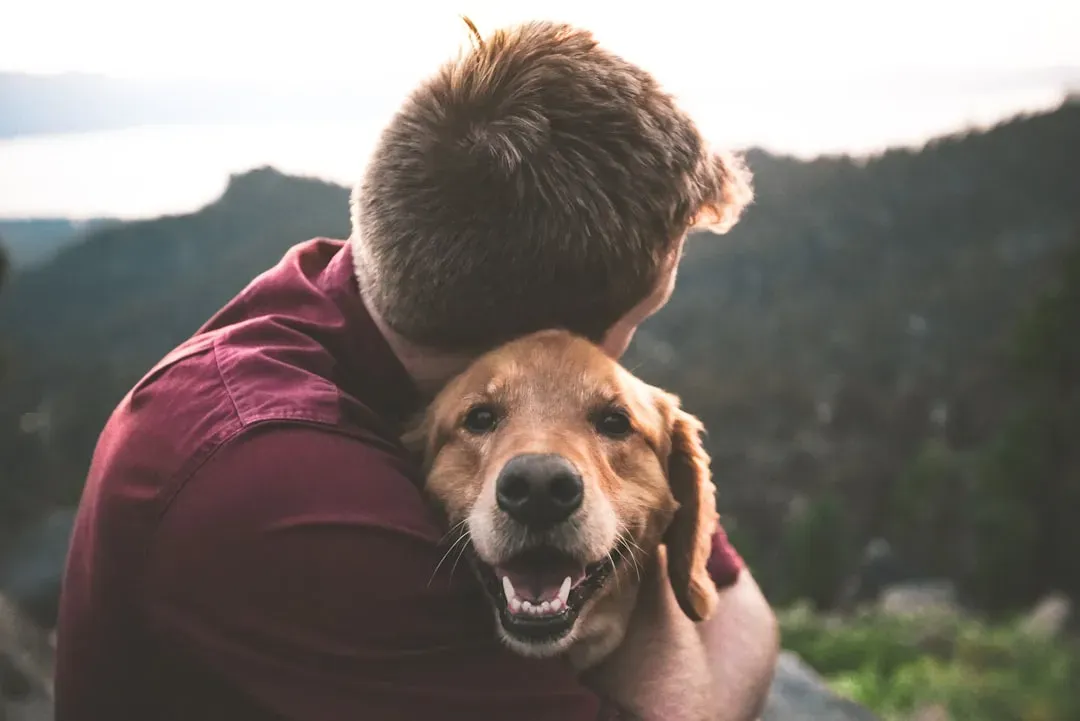
The strongest thing vets pick up on in the first five minutes has nothing to do with the body – it’s the bond. A dog that positions itself as a constant shadow, watching calmly but vigilantly, paired with an owner who visibly relaxes the moment the dog settles beside them, tells vets this animal isn’t just a pet. It’s a source of daily purpose.
That closeness cuts both ways. When an owner’s routine changes – a hospital stay, a move, a family visit that disrupts the schedule – the dog’s stress often rises faster than it would in a multi-person household with more stability built in. Vets say this single dynamic is often the clearest predictor of whether a family will follow through on a long-term care plan, because the dog’s wellbeing and the owner’s daily rhythm are tangled together in a way that’s rare to see this clearly in any other kind of household.
Here’s the opinion part, and it’s not a soft one: the “pampered senior dog” stereotype does these animals a disservice. What vets actually see in those first five minutes is a mix of real, deep companionship sitting right next to quietly accumulating gaps in dental care, mobility, and preventive medicine – gaps that nobody is ignoring on purpose, but that pile up simply because life gets harder to manage at 75 than it was at 45.
The fix isn’t guilt, and it’s rarely more money. It’s usually smaller and more human than that – a neighbor who walks the dog twice a week, a family member who checks the nails once a month, a ride arranged for the annual vaccine appointment. These dogs aren’t neglected. They’re loved by someone whose own limits are quietly becoming the dog’s limits too, and that’s worth noticing long before the exam room door ever closes.


