

Many dog owners describe a quiet shift in their pet during those final hours, a series of small changes that feel both ordinary and profound at once. These moments often blend familiar behaviors with new ones, leaving people wondering what their companion is experiencing. The signs vary from dog to dog, yet certain patterns appear again and again in stories shared by families who have been there.
1. They Lose Interest in Food and Water
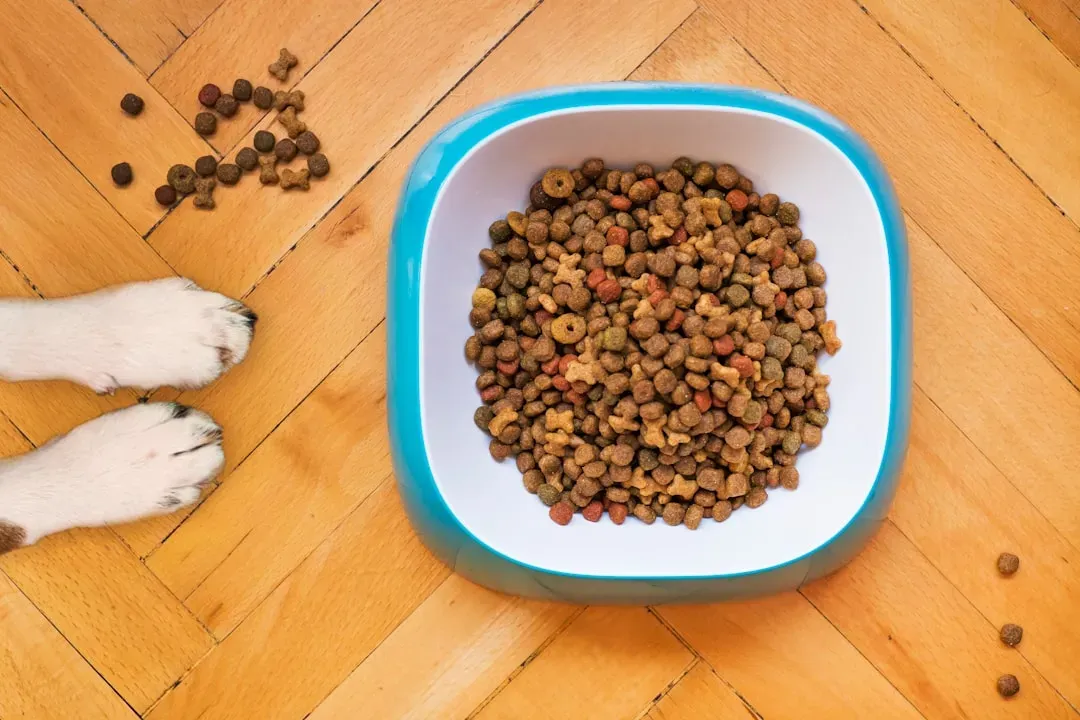
Dogs nearing the end often turn away from meals they once loved. A bowl of kibble or even a favorite treat sits untouched as their body focuses energy elsewhere. This refusal can happen suddenly or build over a few hours.
Owners sometimes try offering hand fed bites or special broths, yet the dog shows little response. The change reflects a natural slowing of systems rather than a sudden dislike for the food itself. Watching this shift can feel especially heavy because sharing food has long been part of the bond.
2. They Sleep More Deeply and for Longer Periods
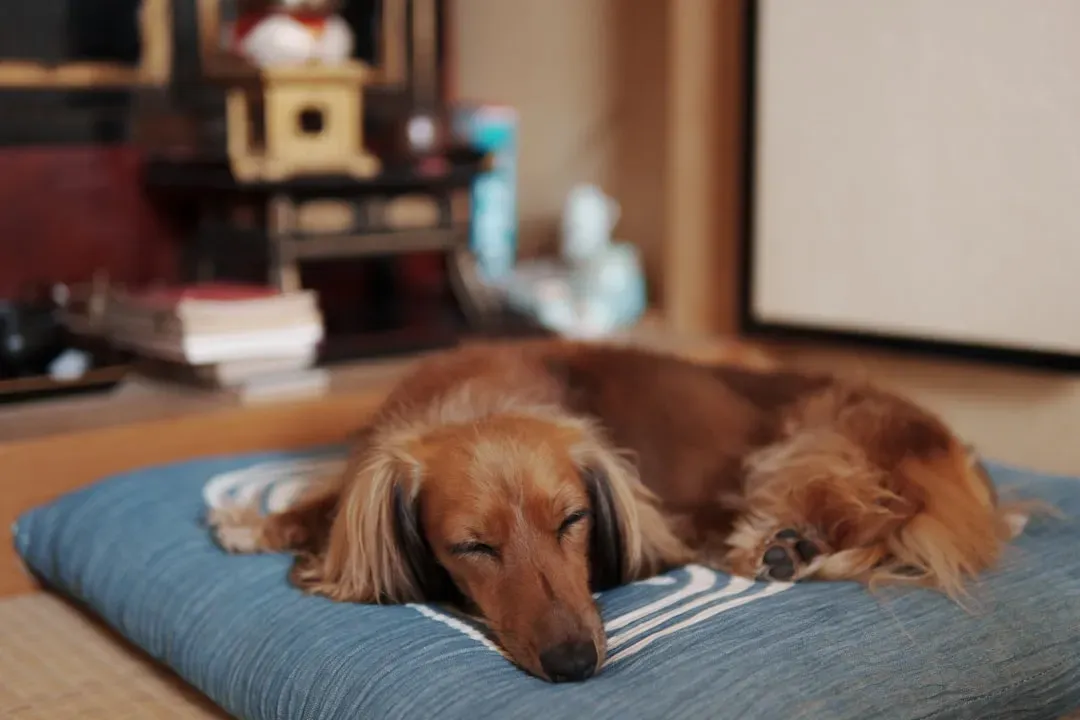
Rest becomes the main activity as energy reserves dwindle. A dog may curl up in a favorite spot and stay there for hours without stirring much. The sleep often looks heavier than usual, with slower breathing and less reaction to household sounds.
Even when awake, the dog might seem groggy and slow to rise. This extended rest helps conserve what little strength remains. Families notice the house feels quieter without the usual patter of paws or playful interruptions.
3. They Seek Out Warm Spots or Extra Blankets

Body temperature can drop in the final stage, prompting dogs to hunt for cozy places. They might press against a radiator, burrow under a throw, or settle on a sunny patch of floor. The search for warmth feels instinctive and steady.
Some dogs rearrange their bedding multiple times before settling. This behavior offers a small comfort amid bigger changes. Owners often respond by adding layers or sitting nearby to share body heat.
4. They Show Moments of Restlessness or Pacing
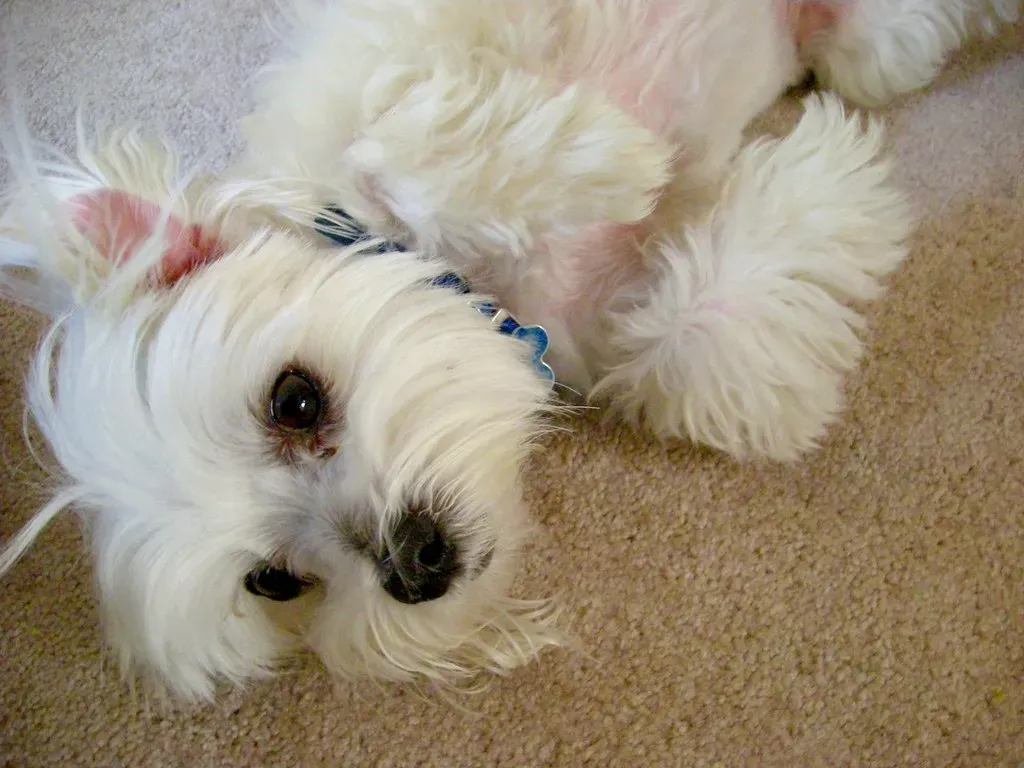
Even with increased sleep, some dogs experience short bursts of unease. They may wander from room to room or shift positions frequently without settling. These episodes tend to last only minutes before the dog lies down again.
The movement can stem from discomfort or an inner sense that something feels off. It contrasts with the longer stretches of stillness. Families learn to watch these patterns without trying to force calm.
5. They Become Less Responsive to Voices and Touch
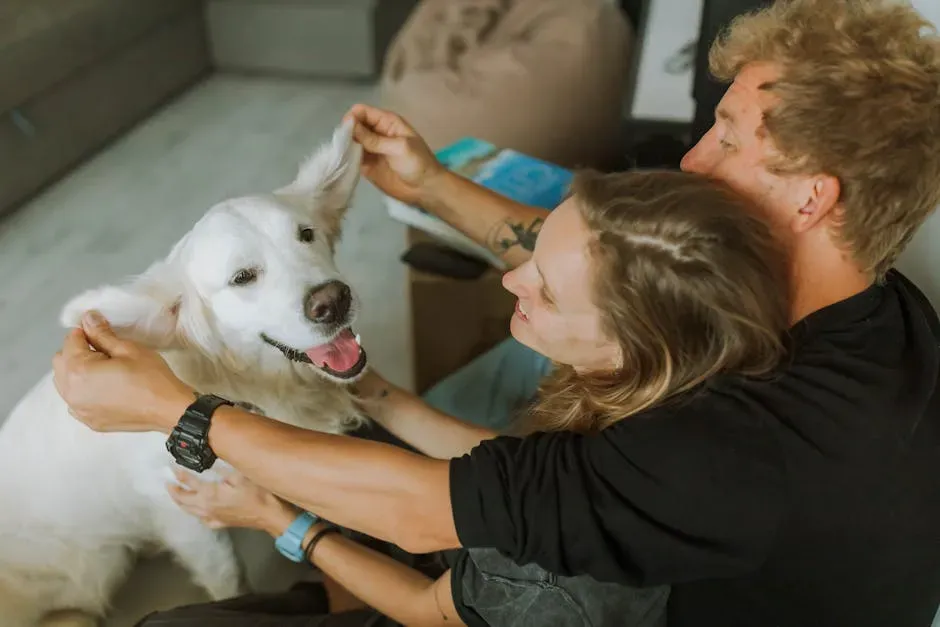
Calls that once brought a tail wag now receive only a brief glance or none at all. Petting may go unnoticed or prompt only a slight shift in position. The dog seems to turn inward as awareness of the outside world fades.
This reduced reaction does not mean the bond has broken. It simply shows the body prioritizing basic functions. Owners often keep talking softly anyway, finding comfort in the familiar sound of their own voice.
6. They Experience Changes in Breathing Patterns
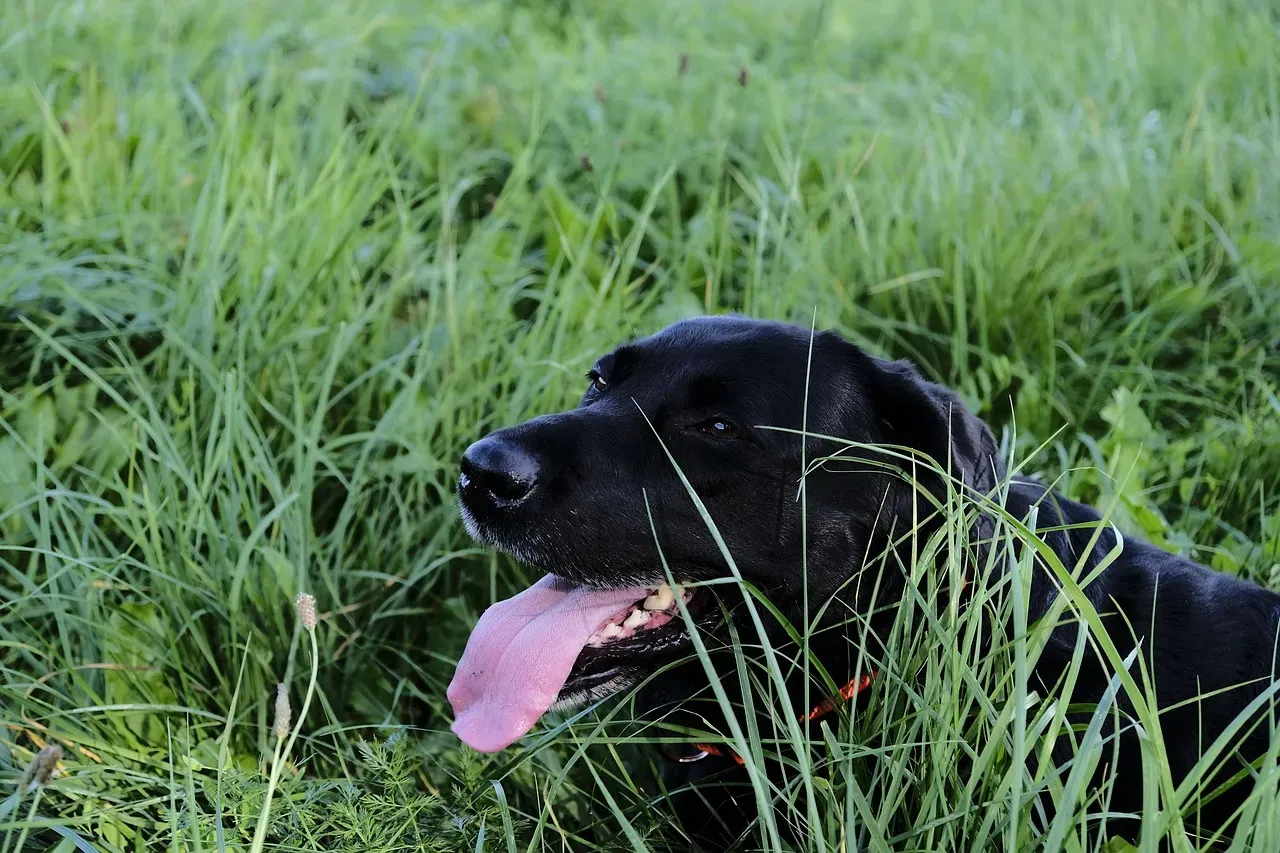
Breaths may grow slower and shallower or include occasional pauses. Some dogs develop a rhythmic pattern that sounds different from normal panting. These shifts can appear and disappear over the course of the day.
The change reflects how the heart and lungs are working harder with less efficiency. Families sometimes sit close just to listen and stay present. The sound becomes another quiet marker of time passing.
7. They Have Accidents or Lose Control of Bladder and Bowels
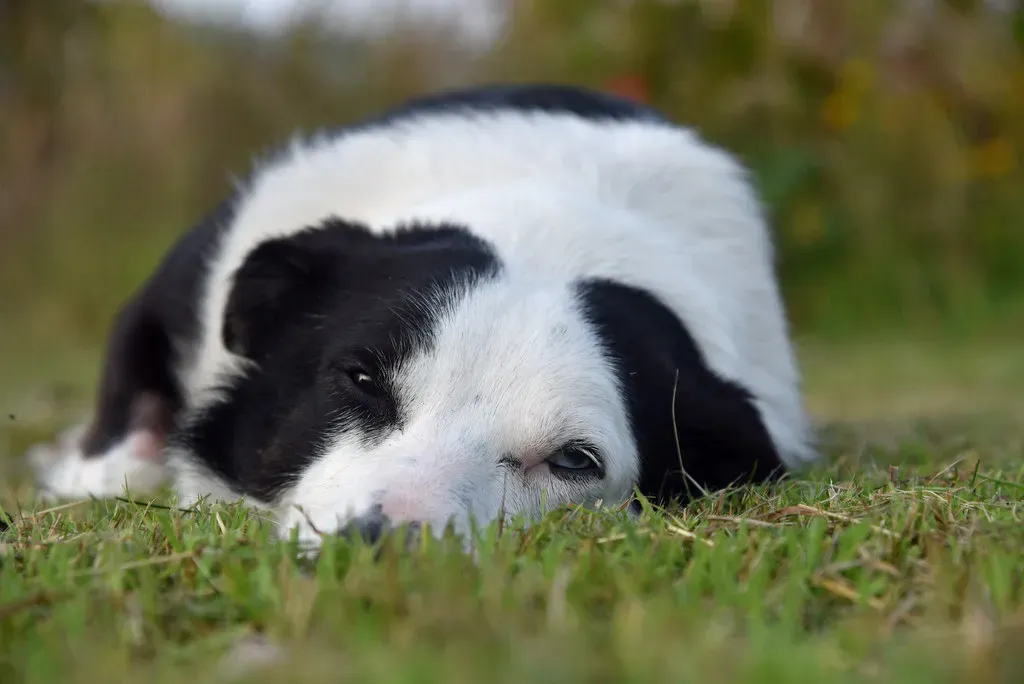
Muscle tone weakens, leading to occasional leaks or full accidents indoors. A dog that was always reliable may not notice or be able to move in time. This loss of control often surprises owners who have spent years on house training.
The incidents tend to happen without distress from the dog itself. Gentle cleanup and extra bedding help maintain dignity. Many people focus on keeping the area comfortable rather than correcting the behavior.
8. They Withdraw from Favorite Activities or Toys

Games that once sparked excitement now receive no attention. A squeaky toy or a walk invitation brings only a tired look or no reaction. The dog conserves energy by skipping routines that used to define daily life.
This withdrawal can feel sudden even when other changes have been gradual. Owners sometimes leave the toys nearby anyway as a quiet reminder of happier times. The absence of play marks a clear turning point.
9. They Seek Solitude in Quiet Corners
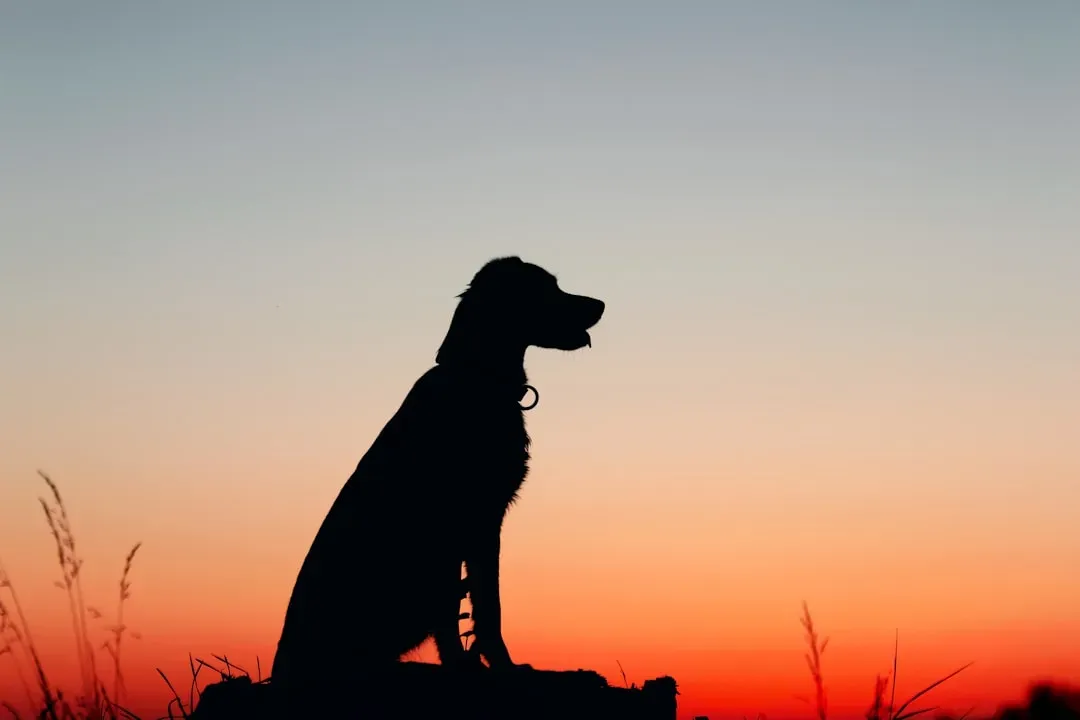
Some dogs choose to spend their final hours away from the main activity of the house. They tuck into a closet, behind furniture, or in another rarely used spot. The choice appears deliberate and calm rather than fearful.
This instinct may echo how wild canines behave when vulnerable. Families often respect the space while checking in gently from a distance. The solitude offers the dog a measure of peace.
10. They Show Clinginess and Stay Close to Family
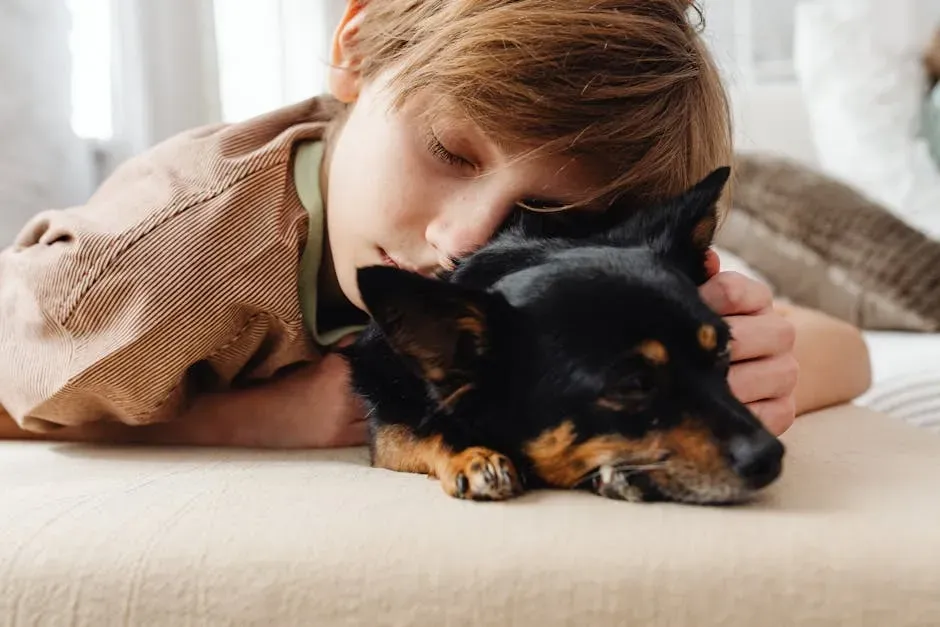
Other dogs do the opposite and press against their people whenever possible. They follow from room to room or rest with a paw touching a foot or leg. The need for contact can feel intense and constant.
This closeness provides mutual comfort during an uncertain time. Owners describe feeling the dog lean in more heavily than usual. The physical connection becomes a steady thread through the hours.
11. They Display Disorientation or Confusion

A dog might stare at walls, wander in circles, or seem unsure of familiar rooms. These moments of confusion tend to come and go rather than stay constant. The behavior reflects changes in brain function as the body slows.
Owners learn to guide gently without adding stress. Speaking in a calm tone and keeping pathways clear helps the dog feel secure. The episodes usually pass quickly.
12. They Tremble or Show Muscle Twitches

Small tremors or involuntary movements can appear in the legs or along the back. These twitches often look mild and do not seem to cause pain. They result from the nervous system adjusting to lower energy levels.
The movements may happen during sleep or while the dog is awake but still. Families sometimes place a reassuring hand on the dog to steady the shaking. The tremors usually remain subtle rather than dramatic.
13. They Settle into a Noticeable Calm or Peace

Many dogs reach a point of quiet acceptance in the final hours. They lie still with relaxed muscles and steady breathing that lacks earlier restlessness. This calm can feel like a gentle release after the earlier changes.
The peace often brings a sense of closure for both the dog and the family watching. Breathing grows even and unlabored. The moment marks the transition many describe as crossing the rainbow bridge.
These final hours remind us how deeply dogs shape our daily rhythms and how their absence leaves a distinct quiet. Paying attention to small shifts allows owners to offer comfort without forcing anything unnatural. In the end, the greatest gift is simply staying present through whatever form the goodbye takes.


