

The Long Stretch of Time Alone

Dogs thrive on companionship, so extended periods without their people can trigger real distress. They may pace, bark, or chew furniture as signs that the absence feels overwhelming. Over time this isolation chips away at their sense of security.
Healing starts with gradual desensitization training that teaches them short absences are safe. Puzzle toys and background sounds like soft music can ease the quiet hours. Consistent schedules also reassure them that departures do not mean abandonment.
Losing a Close Canine or Human Companion

When another pet or a family member leaves, dogs often show grief through reduced appetite and withdrawn behavior. They search familiar spots and seem unsettled by the missing presence. This loss disrupts the social structure they rely on every day.
Owners can help by maintaining familiar routines and offering extra gentle interaction without forcing play. New toys or short outings provide distraction while the dog adjusts. In some cases a slow introduction to another calm dog offers fresh company once the initial sadness eases.
A Sudden Move to a New Home

Relocating upends the scents, sounds, and landmarks a dog knows by heart. The new space can feel threatening at first, leading to hesitation or restlessness. Even friendly moves carry this emotional weight for sensitive animals.
Bringing familiar bedding and toys helps anchor them in the unfamiliar setting. Short walks around the new neighborhood build positive associations with the area. Patience during the first weeks allows them to map their surroundings at their own pace.
Sharp Words or Physical Corrections
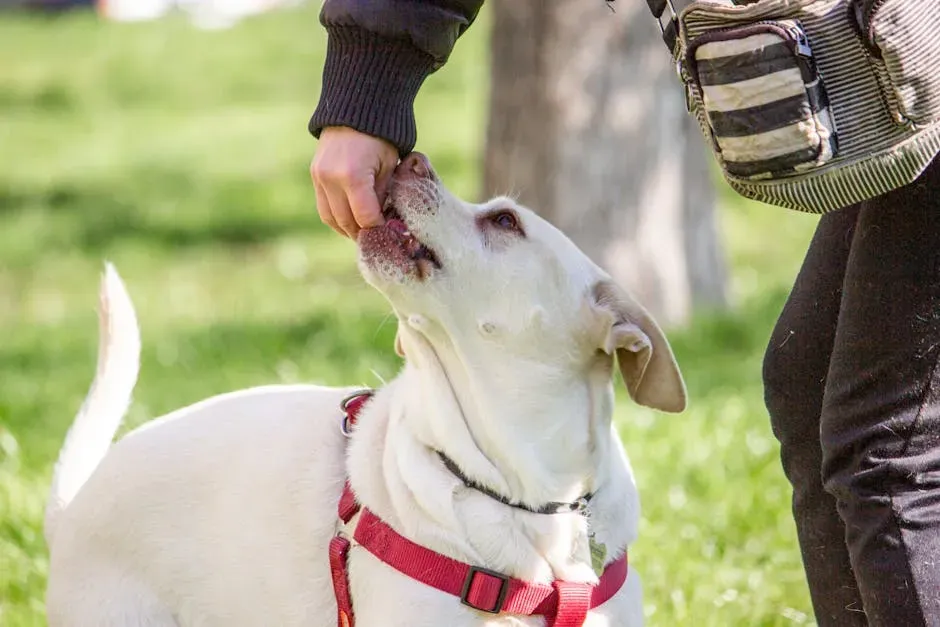
Harsh scolding registers as rejection to a dog that lives to please. Their ears flatten and tails tuck as they try to understand what went wrong. Repeated criticism can erode the trust built over months or years.
Switching to positive reinforcement rebuilds confidence through rewards for good choices. Calm redirection paired with treats teaches better habits without fear. Owners who focus on what the dog does right often see quicker improvement and stronger bonds.
Trips to the Veterinary Clinic
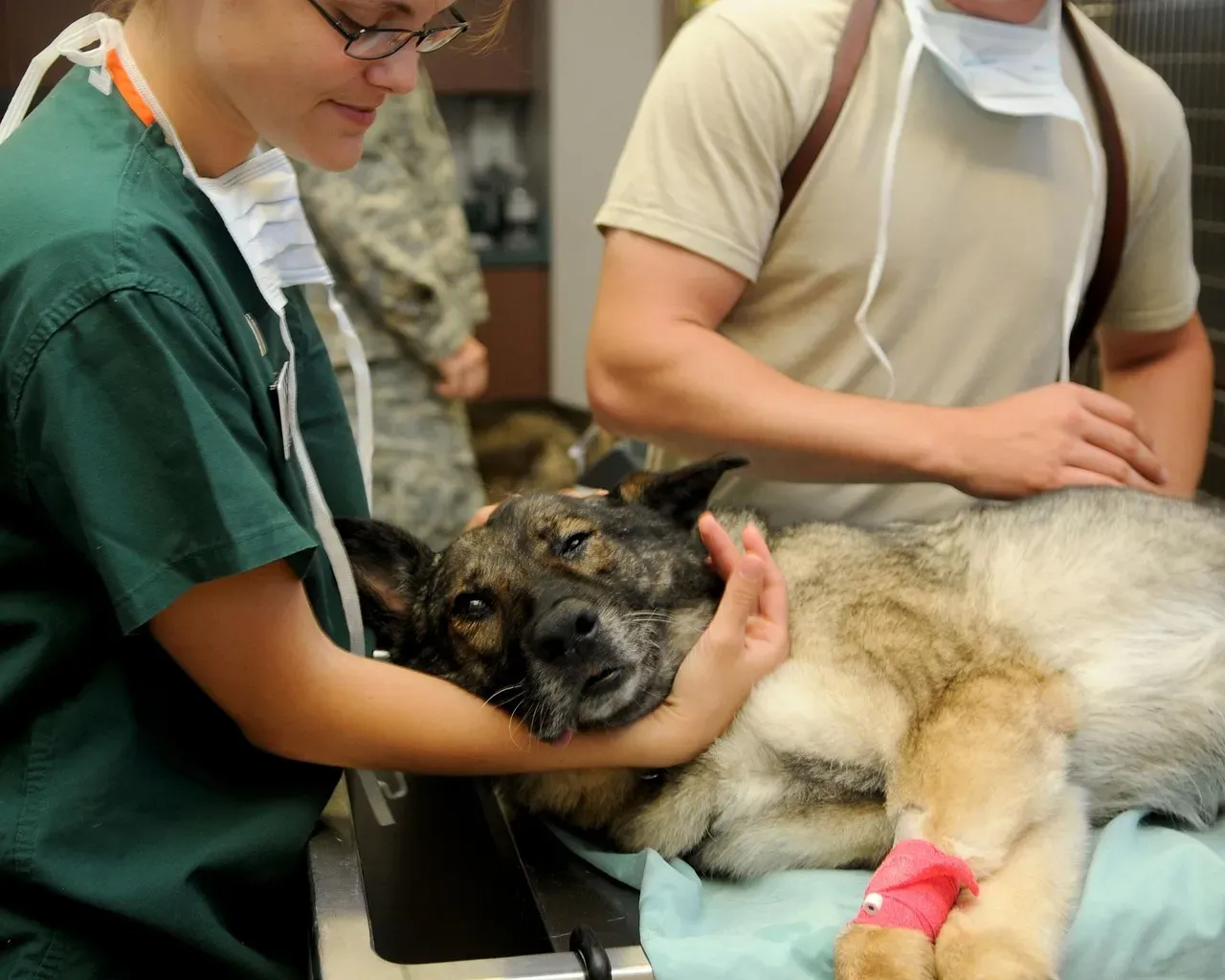
Even routine checkups involve strange smells, unfamiliar hands, and occasional discomfort. Many dogs associate the clinic with stress long after the visit ends. The memory lingers and can make future trips harder.
Counter conditioning with high value treats during calm visits helps rewrite the association. Practice car rides and brief stops at the clinic without exams to lower anxiety. Owners who stay relaxed themselves often pass that calm to their dogs.
Disruptions to Daily Patterns

Changes in feeding times, walk lengths, or work schedules unsettle dogs that count on predictability. They may become restless or vocal when expectations shift without warning. The uncertainty leaves them searching for stability.
Small adjustments introduced gradually give dogs time to adapt without panic. Keeping core elements like morning greetings or evening cuddles steady provides reassurance. Clear signals before changes, such as picking up keys early, prepare them for what comes next.
Rehoming or Permanent Separation
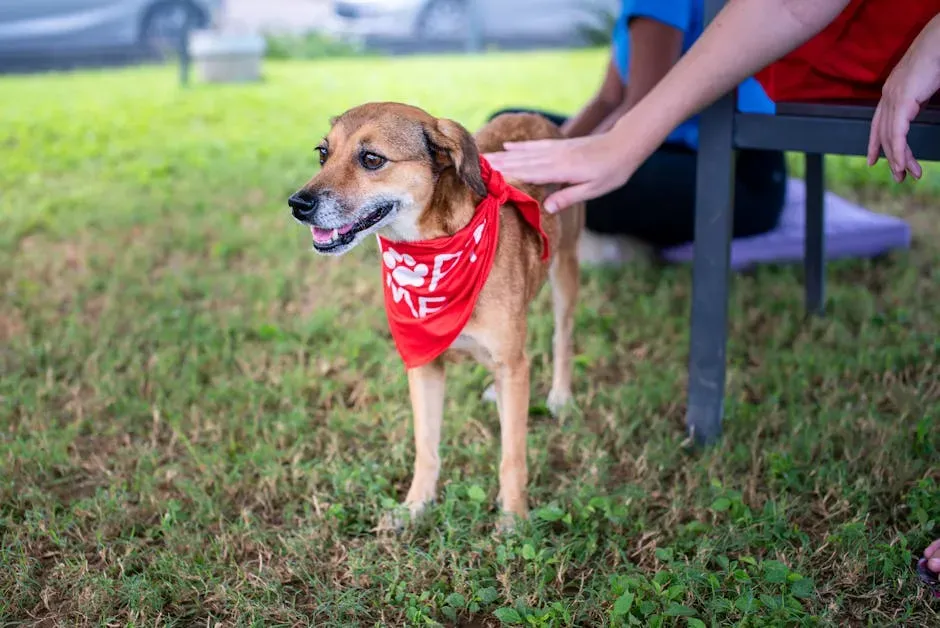
Being placed in a new home after years with one family creates profound confusion and sadness. Dogs may stop eating or show signs of depression while they process the shift. The break in attachment runs deep and takes time to mend.
New owners can ease the transition by learning the dog’s previous routines and favorite activities. Extra one on one time and a quiet space to retreat help rebuild security. Consistent kindness over weeks and months usually restores a sense of belonging. A dog’s heart heals best when owners notice small shifts early and respond with steady presence rather than quick fixes. The effort pays off in quieter homes and more trusting eyes at the door.


