The final hours with our beloved canine companions are profoundly emotional, filled with moments that, while heartbreaking, offer us a chance to provide comfort and say our goodbyes. Understanding the behaviors dogs exhibit in their last 24 hours can help us navigate this difficult time with empathy and care.
Seeking Solitude
Seeking Solitude (Tobyotter, Flickr, CC BY 2.0)In their final moments, many dogs instinctively withdraw from their usual surroundings, seeking quiet, secluded spots. This behavior mirrors their wild ancestors, who would isolate themselves when unwell to avoid predators. As a pet parent, it’s essential to respect this need for solitude, ensuring they have a peaceful space while still being nearby to offer comfort.
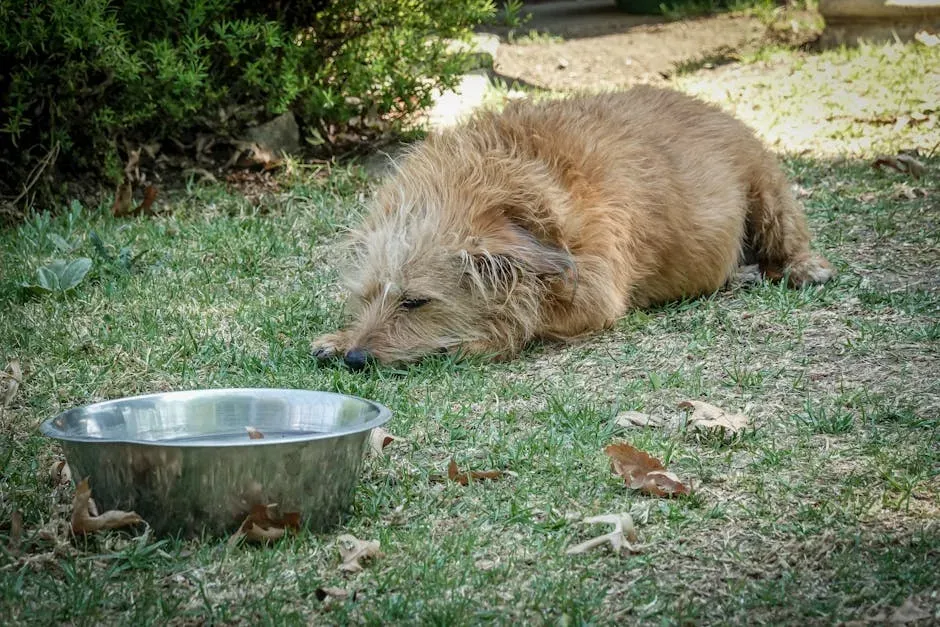
Decreased Appetite and Thirst
Decreased Appetite and Thirst (Image Credits: Pexels)A noticeable decline in eating and drinking is common as a dog’s body begins to shut down. Even favorite treats may be ignored, and water intake diminishes. This is a natural part of the process, and forcing food or water can cause discomfort. Instead, offer small amounts and let them decide.
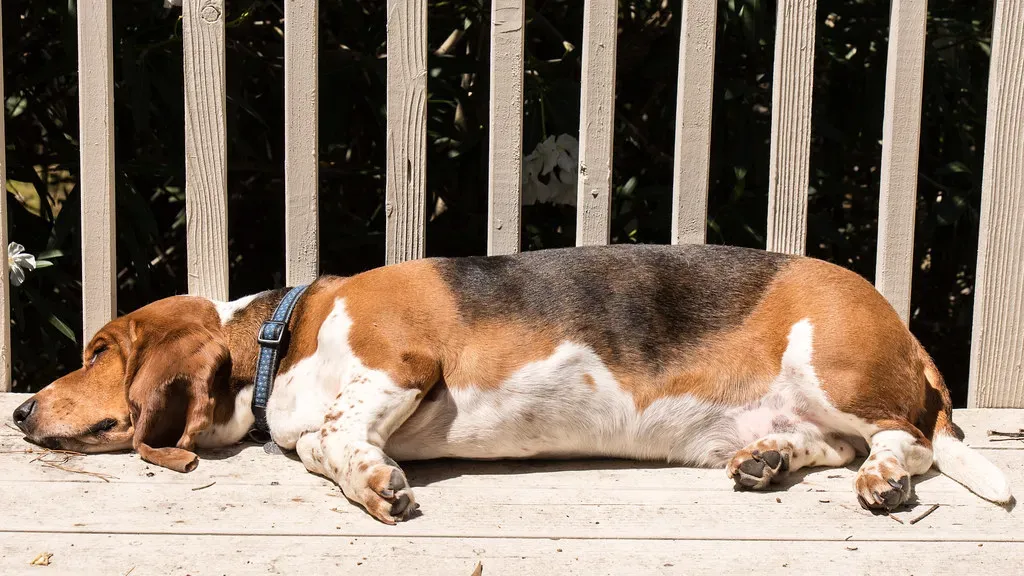
Increased Lethargy
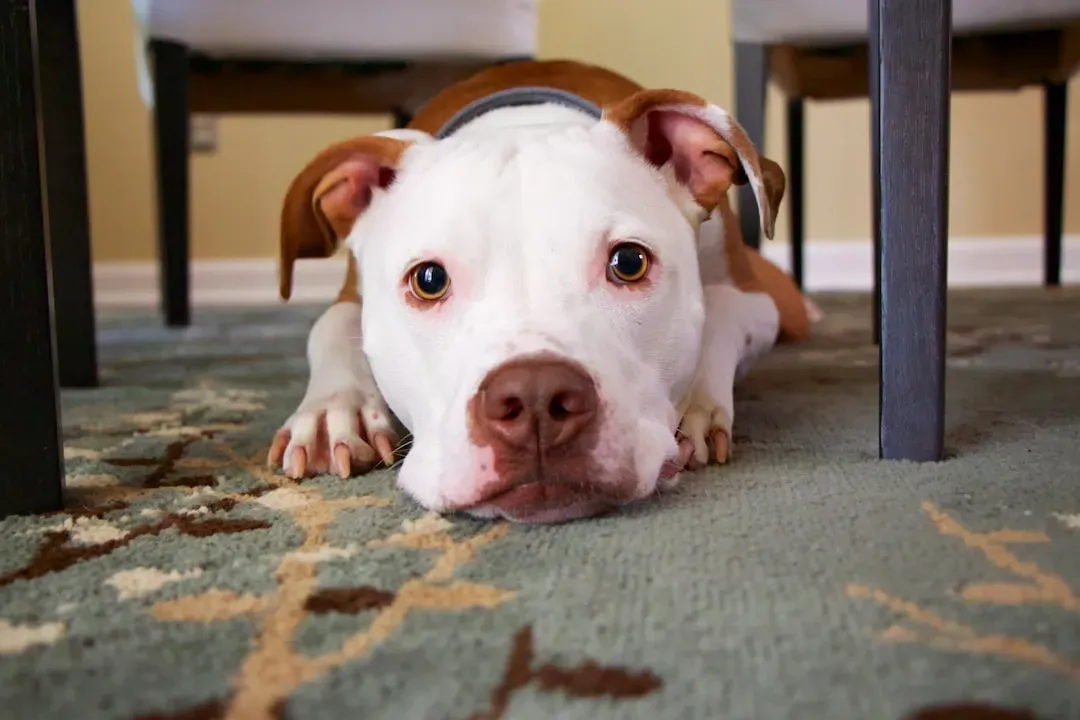
Increased Lethargy (donjd2, Flickr, CC BY 2.0)Profound fatigue sets in during the final hours. Your once energetic friend may spend most of their time sleeping or resting, showing little interest in activities. This lethargy is a sign that their body is conserving energy for essential functions. Providing a comfortable resting place can help ease this transition.
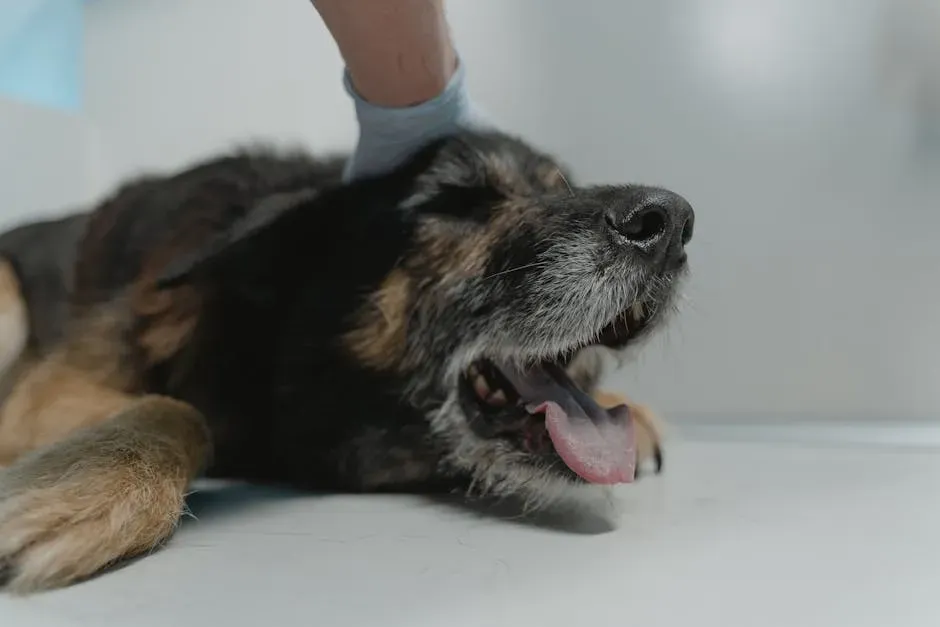
Changes in Breathing Patterns
Changes in Breathing Patterns (Image Credits: Pexels)Breathing may become irregular, with periods of shallow breaths followed by deep gasps. This pattern, known as Cheyne-Stokes respiration, is common as the body’s systems slow down. While it can be distressing to witness, it’s a natural part of the dying process. Keeping the environment calm can help your dog remain comfortable.
Loss of Bladder and Bowel Control
Loss of Bladder and Bowel Control (Image Credits: Pexels)As muscle control diminishes, incontinence may occur. Your dog might have accidents where they rest. Using absorbent pads and gently cleaning them can maintain hygiene and comfort during this time.
Cooler Body Temperature
Cooler Body Temperature (Image Credits: Pexels)A drop in body temperature is typical as circulation decreases. You might notice their paws and ears feeling cool to the touch. Providing warm blankets can offer comfort, but avoid overheating, as their ability to regulate temperature is compromised.
Disorientation and Restlessness
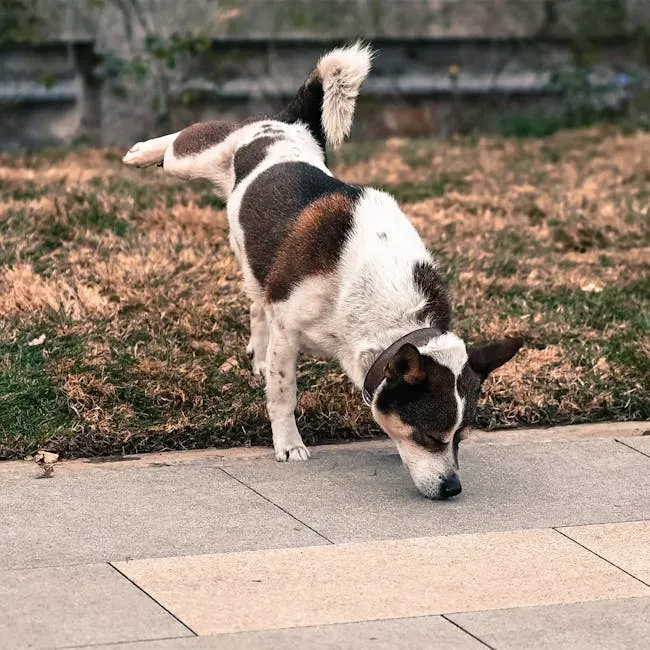
Disorientation and Restlessness (Image Credits: Unsplash)Some dogs may appear confused or restless, pacing or wandering aimlessly. This behavior can result from decreased oxygen to the brain. Speaking softly and offering gentle petting can provide reassurance during these moments.
Unusual Vocalizations
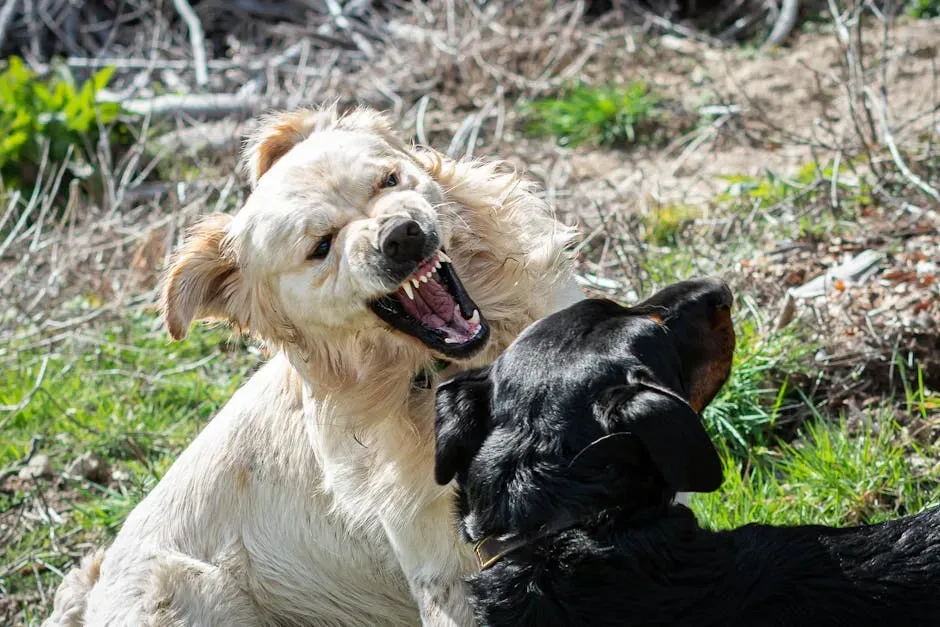
Unusual Vocalizations (Image Credits: Pexels)Whining, howling, or other vocal sounds may occur as your dog experiences discomfort or confusion. These sounds are their way of communicating distress. Staying close and offering soothing words can help alleviate their anxiety.
Decreased Responsiveness
Decreased Responsiveness (Image Credits: Pexels)Your dog may become less responsive to stimuli, including their name or familiar sounds. This reduced awareness is part of the body’s natural shutting down process. Continue to offer comfort through touch and presence, even if they don’t seem to respond.
Changes in Gum Color
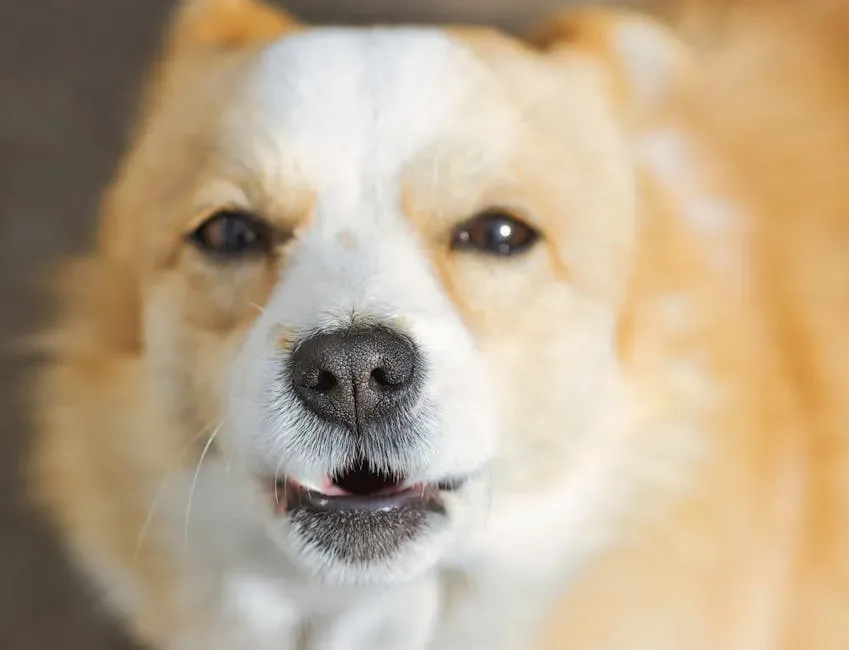
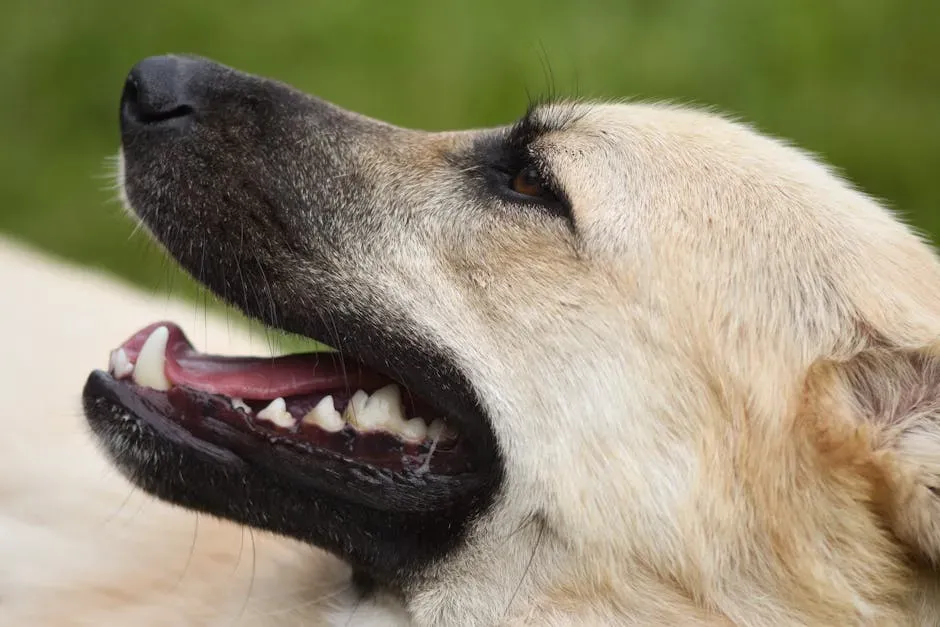
Changes in Gum Color (Image Credits: Pexels)Pale or bluish gums indicate reduced circulation and oxygenation. This physical change is a sign that the body’s systems are slowing. While there’s little to be done medically at this stage, being aware can help you understand the progression.
Muscle Twitching or Tremors
Muscle Twitching or Tremors (Image Credits: Pexels)Involuntary muscle movements can occur as the nervous system begins to fail. These twitches are usually brief and not painful. Ensuring your dog is in a comfortable position can minimize any distress associated with these movements.
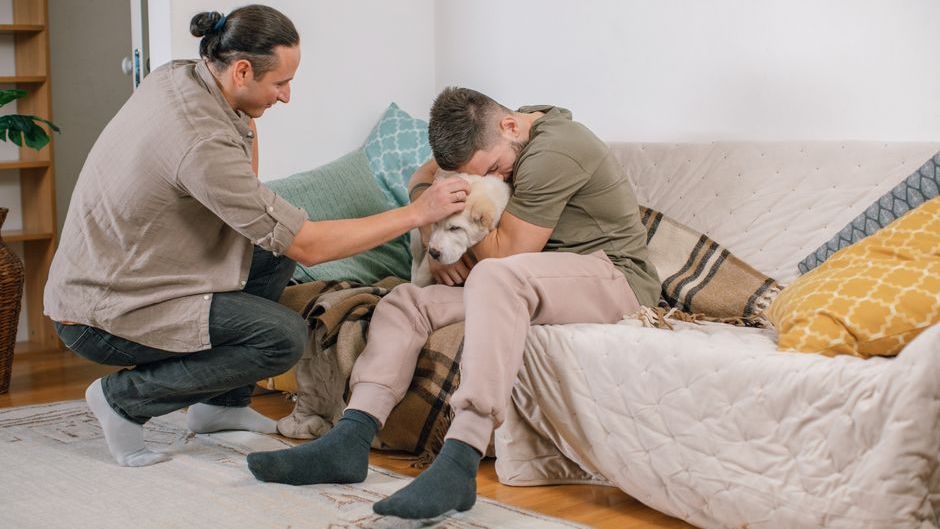
Seeking Comfort from Loved Ones
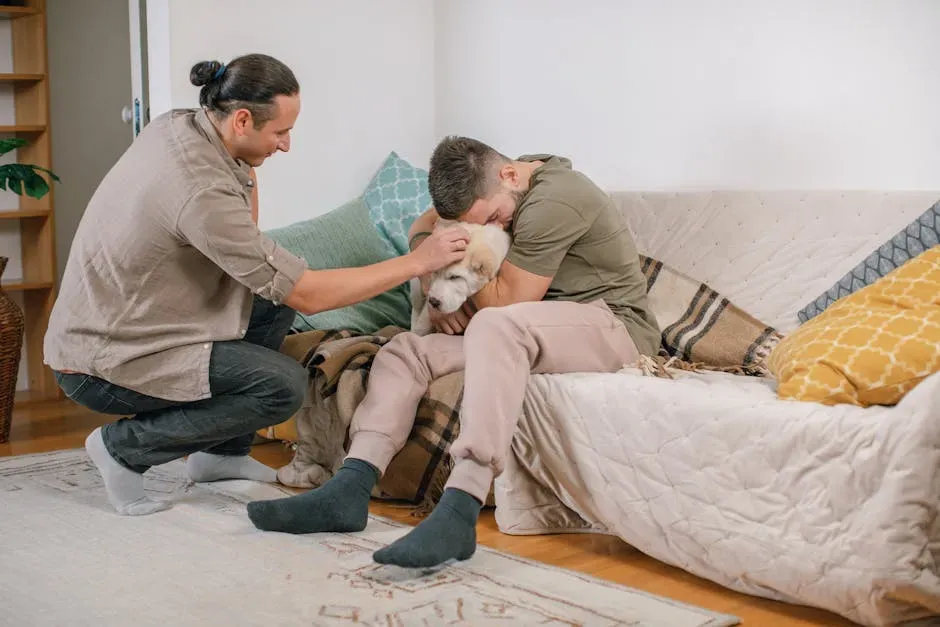
Seeking Comfort from Loved Ones (Image Credits: Pexels)Conversely, some dogs may seek more attention and closeness in their final hours. They might follow you or rest their head on your lap. This behavior is a way of seeking reassurance and comfort. Offering your presence and gentle affection can provide immense solace.
Final Moments of Stillness
Final Moments of Stillness (Image Credits: Unsplash)In the last moments, your dog may take a deep breath, followed by a period of stillness. This peaceful transition is the body’s final release. Being present during this time, offering gentle words and touch, can be a profound way to say goodbye.Witnessing these behaviors is undeniably heart-wrenching, but understanding them allows us to provide the compassion and care our loyal friends deserve in their final hours. By recognizing these signs, we can ensure their comfort and dignity as they cross the rainbow bridge.