
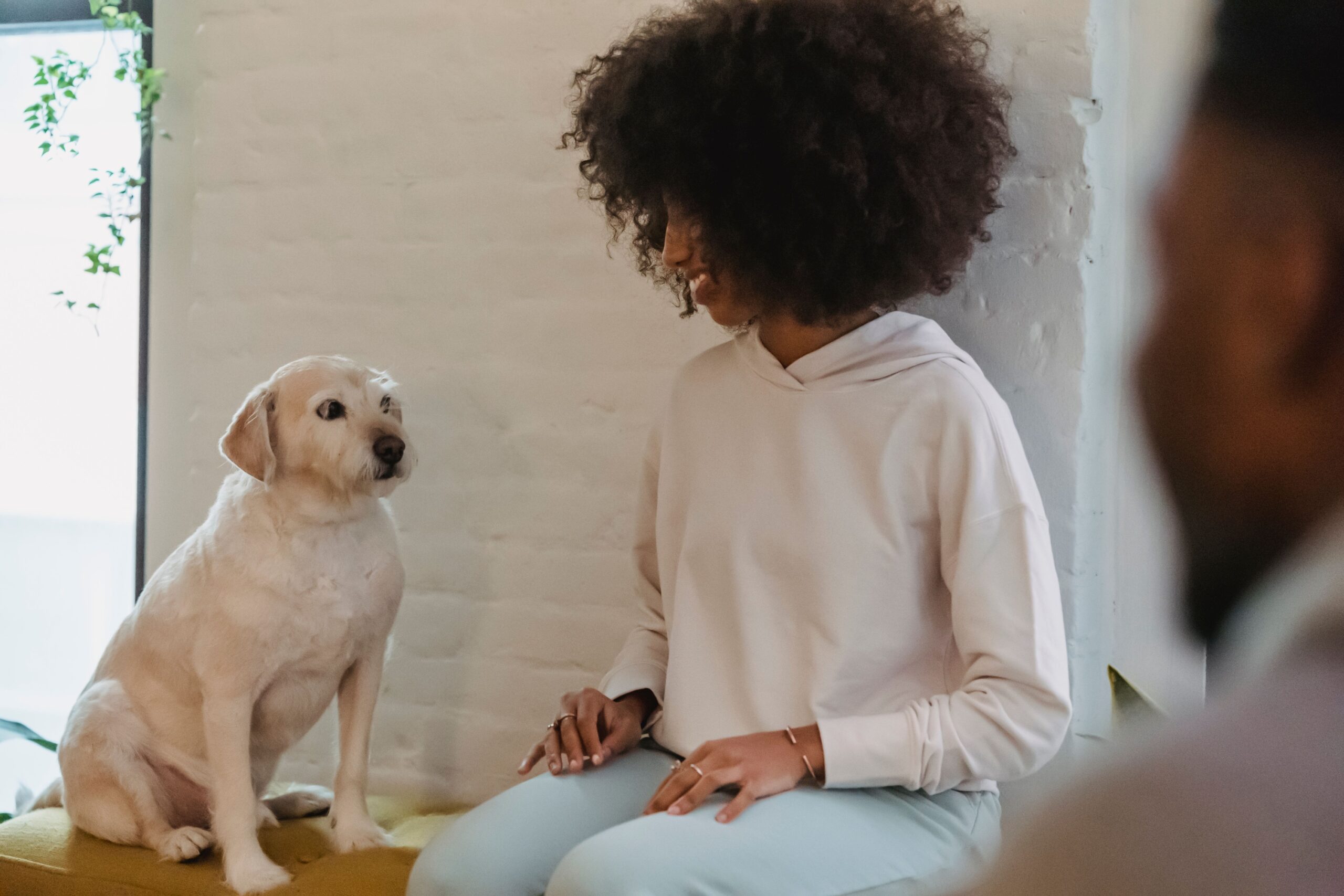
You open the door expecting a wag and a happy bark. What you’re actually walking into is an interrogation. Your dog isn’t just excited to see you – they’re running a full-body scan on your face, your scent, your voice, even your shoes, and building a verdict about your mood, your day, and what happens next.
Most people never clock how much gets decoded in that tiny window before the leash even comes out. Trainers and behaviorists have spent years watching exactly what dogs pick up on the second you walk in – and once you see the list, you’ll never walk through your own front door the same way again.
#1 – Your Energy Hits Them Before Your Voice Does
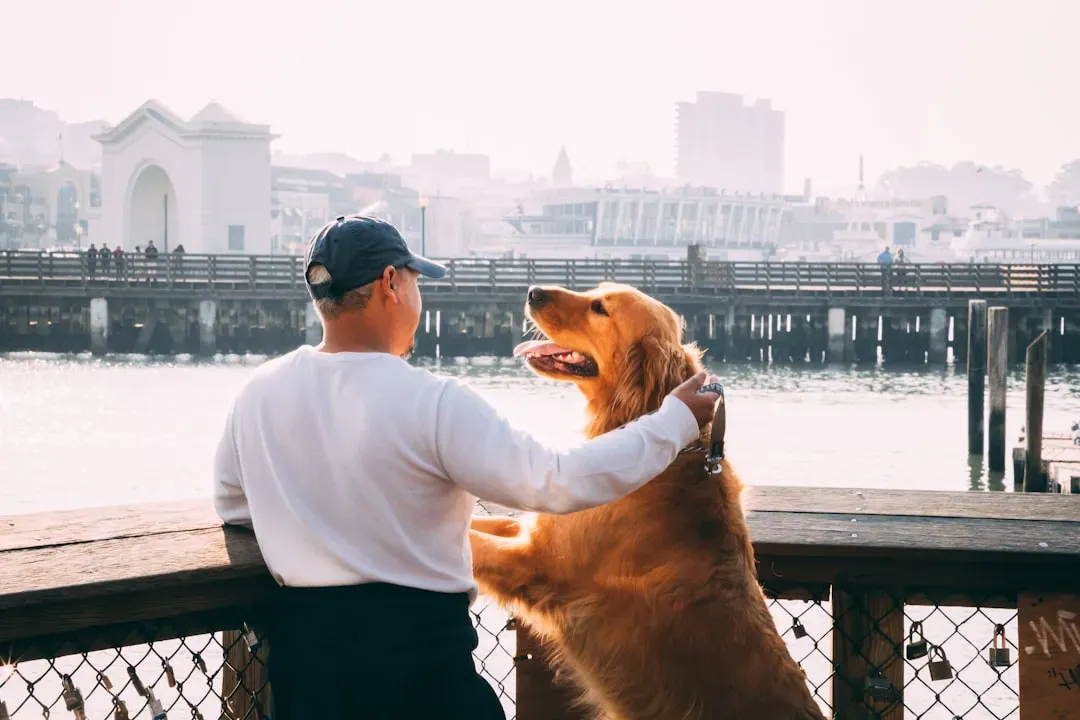
Your dog clocks your energy before you say a single word. The way you open the door, drop your bag, or even exhale tells them exactly what kind of mood just walked in. If you storm in tight-jawed and tense, your dog doesn’t see a busy adult – they see a potential threat.
Many dogs either ramp up with barking and zoomies, or shut down with a low tail and hanging back, based on that first half-second of body language. Come in softer and looser, and you’ll usually get a calmer, waggier greeting because they feel safe mirroring your vibe. People blame “bad manners” for wild greetings, but trainers will tell you the spark usually started with you.
#2 – They Smell Where You’ve Been (and Who You Saw)

Before you even shut the door, your dog is running a scent autopsy on your entire day. Your clothes are basically a news feed for their nose, and dogs can separate layers of odor the way you’d flip through browser tabs. If you’ve been near another dog, a cat, kids, or even a park, yours can usually tell.
That’s why some dogs beeline for your shoes, hands, or ankles instead of your face – they’re not being rude, they’re grabbing the freshest data first. A strong vet or dog-gym smell often triggers extra intensity or anxiety, while an “outside” smell like grass or city streets usually reads as excitement. Some owners swear their dog gets jealous after they’ve petted another dog, but it’s less jealousy and more “you cheated on our routine, explain yourself.”
Fast Facts
- Dogs have up to 300 million scent receptors, compared to roughly 6 million in humans.
- The brain region dogs use to analyze smell is estimated to be about 40 times larger, proportionally, than a human’s.
- Dogs can pick up scent trails hours after a person or animal has passed through.
- A dog’s wet nose actually helps trap and hold scent particles for clearer detection.
#3 – Your Face Decides If Tonight Feels Safe or Tense
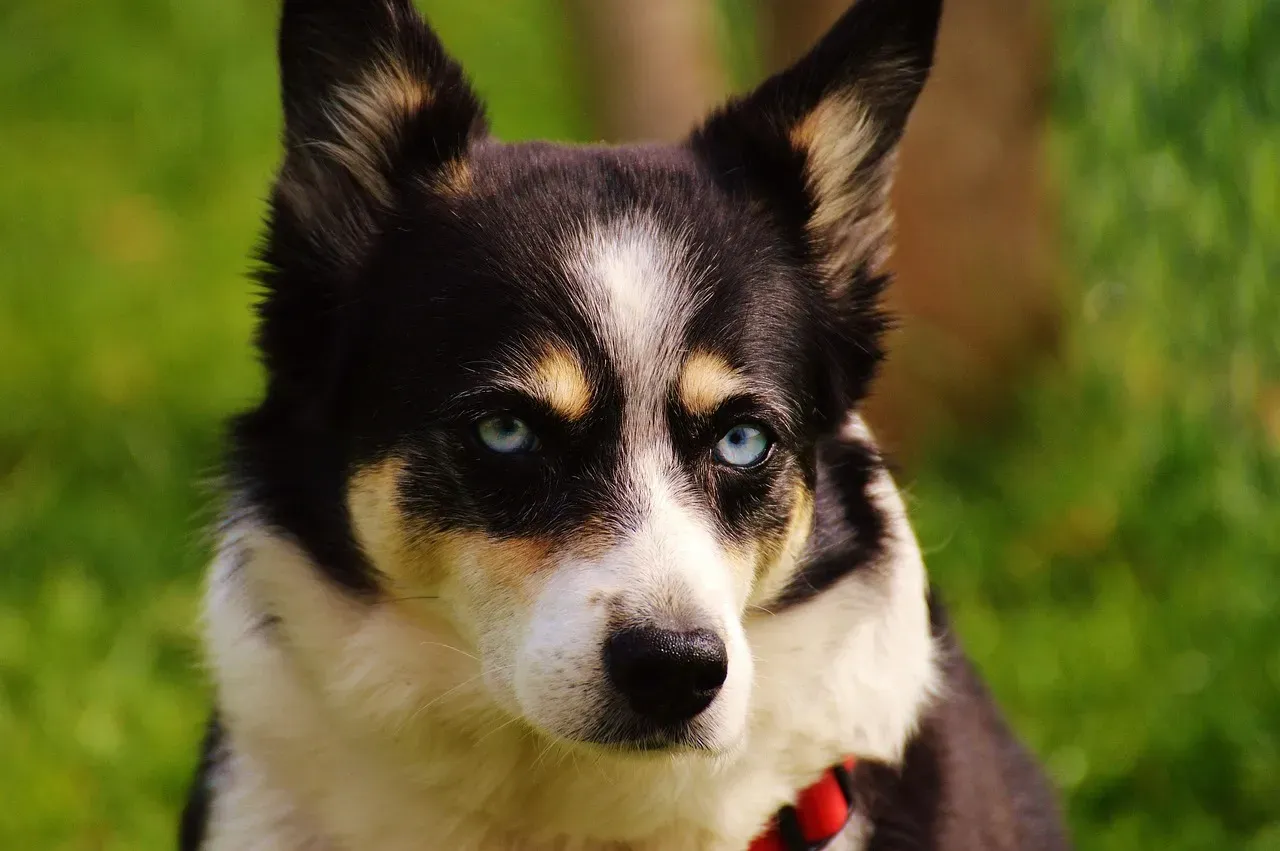
Yes, your dog looks you right in the face, and it’s not just love – they’re scanning for emotional weather. Dogs consistently respond differently to a genuine smile versus a flat or tired expression, even when your body language and voice stay the same.
Soft eyes and a tiny smile usually pull them in close. Hard eyes and a tight mouth make a lot of dogs pause, redirect into sniffing, or go grab a toy just to self-soothe. This is also why the “forced happy” greeting falls flat – your dog reads through a fake smile faster than most humans do. If your eyes say you’re done with today, they believe your eyes over your words every time.
#4 – Your Hands Tell Them If Affection Is On the Table
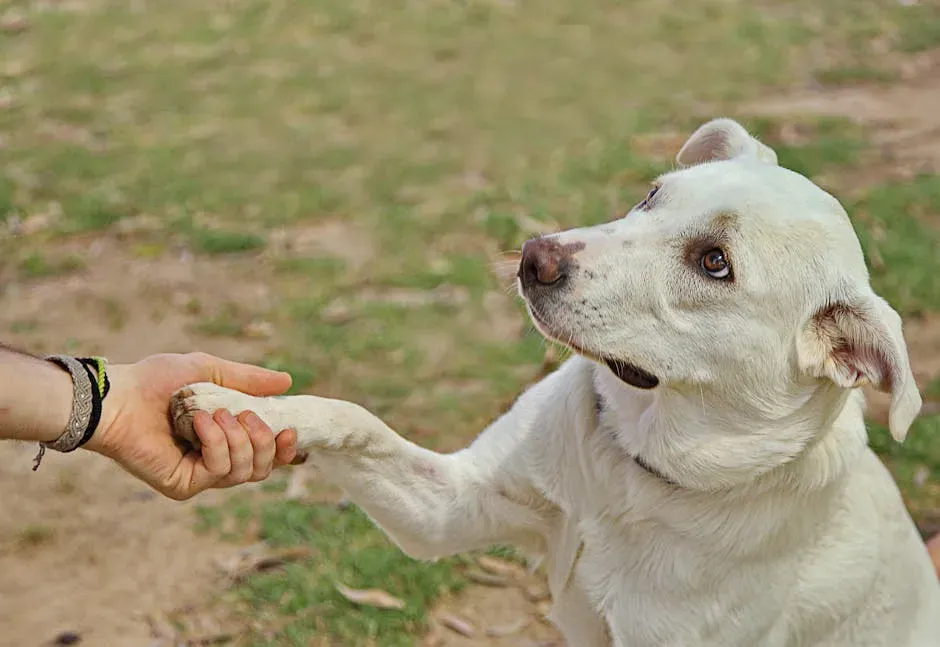
Within seconds, your dog notices whether your hands mean affection, work, or “don’t even try it.” That single read shapes the entire rest of their evening. If you regularly walk in juggling bags, a phone, keys, and a drink, many dogs learn that jumping or crowding you just gets them shoved away – and over time, some stop greeting you at the door at all. Not because they love you less, but because they’ve learned your hands are busy.
Flip it around: if you regularly drop your stuff and kneel down, your dog starts anticipating that exact ritual, because dogs run on predictable patterns. Here’s the part that trips people up – constantly pushing them off, even gently, is still contact, and some dogs read that as attention and a game. That’s how a firm “no” paired with hands-on pushing can accidentally reinforce the exact jumping you’re trying to stop.
#5 – Your Shoes Reveal If a Walk Is Actually Happening
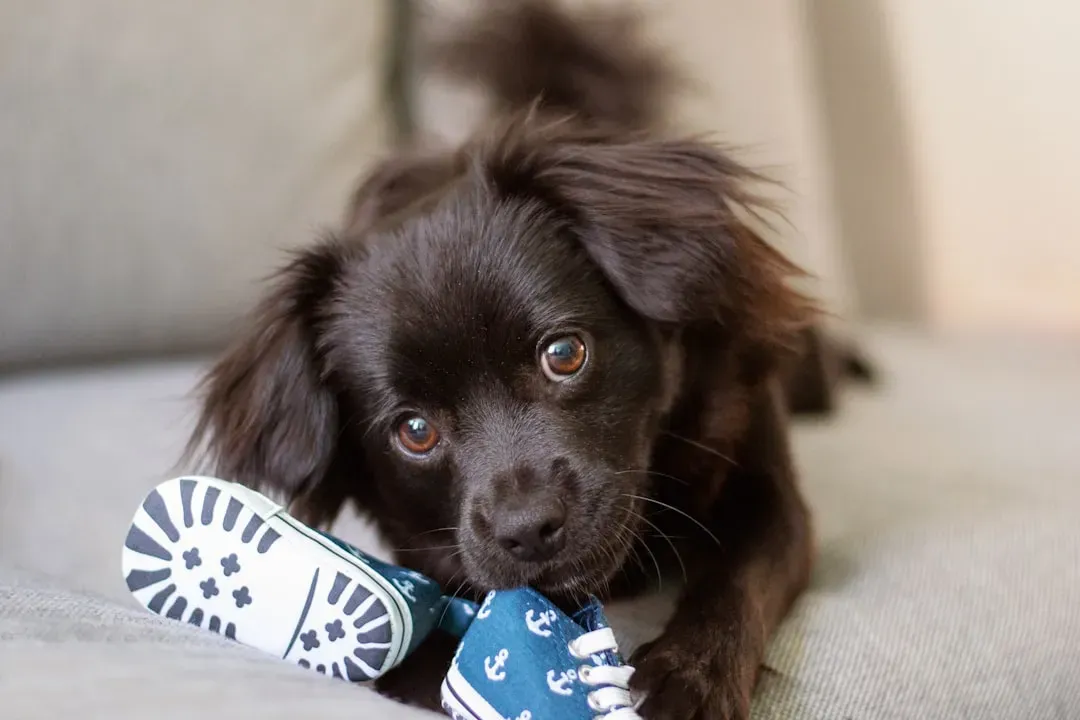
You might think your dog’s excitement is random, but watch closely – their eyes often drop straight to your feet. Your shoes are basically a walking yes-or-no question. Most dogs quickly learn the difference between outdoor shoes that hint at a walk or car ride, house slippers that mean staying in, and running shoes that promise a longer, higher-energy outing.
Some dogs won’t even fully celebrate until the footwear is confirmed, wagging at your face and then glancing down before committing to full zoomies. If you regularly put on walking shoes and then don’t follow through, you can genuinely dull their enthusiasm over time – from their point of view, you created a false promise. Some dogs get even sharper, reading where you store the shoes or whether you’re near the leash drawer, because they’re not psychic, just ruthless pattern trackers.
#6 – Your Tone Tells Them If They’re in Trouble
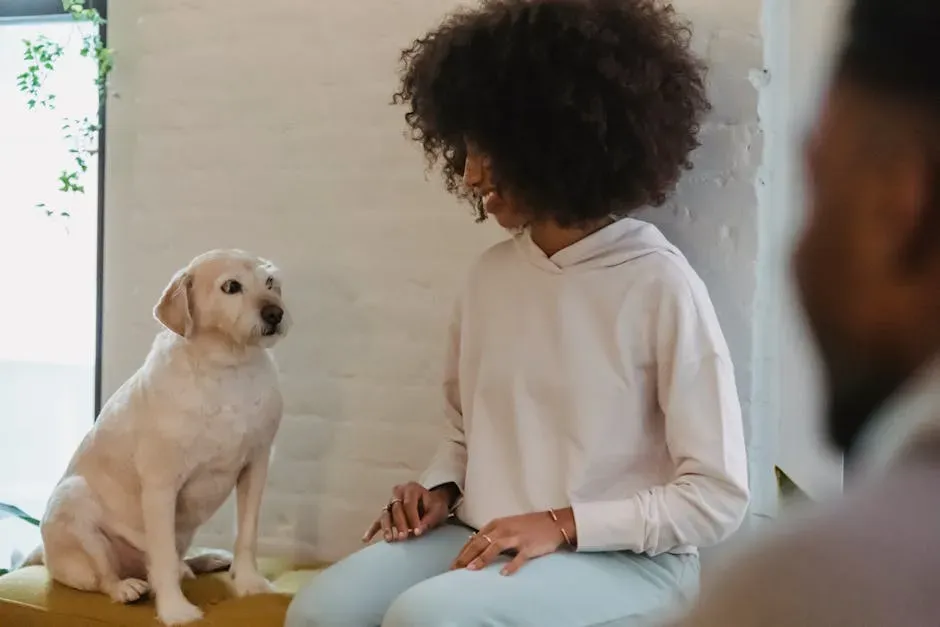
In the first five minutes, your dog is locked onto how you speak, not what you’re actually saying. Plenty of owners walk in and correct the dog for barking or an accident before offering a single kind word, and dogs are experts at reading tone. A sharp “Hey!” can instantly flip them into appeasement mode – lip licking, yawning, walking away, even rolling over.
People call that “guilty,” but behaviorally it’s usually just your dog saying, I hear you’re upset, and I’m trying to lower the temperature. A high, sing-songy “Hiiii, buddy!” with a relaxed body unleashes joyful chaos even if the words are nonsense, because pitch and tension matter more to a dog than actual syllables. Here’s the hard truth: if your first words home are complaints, your dog starts associating your arrival with conflict – and that’s a rough way for either of you to live.
Dogs are so tuned to their owners’ behavior that they know your daily routine, sometimes better than you know it yourself.
Stanley Coren, canine behavior researcher
#7 – They Scan the Room for Anything That Changed
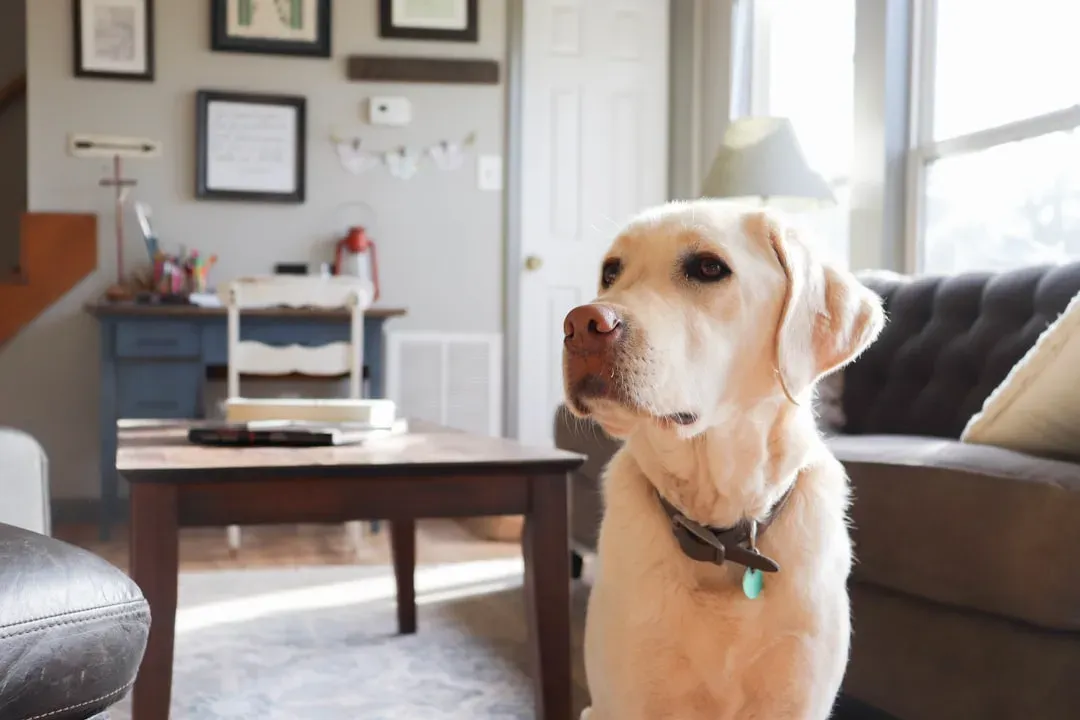
Before fully settling into greeting mode, many dogs run a lightning-fast environment check. They’re not just excited about you – they’re auditing the room in a quick zigzag: door, then you, then the food area, then their favorite window or couch, then back to you.
They’re checking for new bags that might hold food or toys, any messes or moved furniture, and whether their usual resting spot is still free. Dogs are creatures of habit, so a moved chair or a box on “their” spot can be genuinely stressful, and some will pause the greeting entirely to sniff or circle the new object. It isn’t nosiness – it’s a quick territory and safety check before they let themselves relax back into you.
#8 – Your Scent Tells Them If You’re Stressed or Sick
Your dog doesn’t just smell where you’ve been – they can often smell how you are. Changes in sweat, hormones, and even minor illness alter your scent profile in ways many owners quietly notice without realizing why. On anxious or upset days, your dog may stick closer, follow you more, or lick you obsessively. On sick or painful days, they might move gently around you, lie beside you, or stare at your face like they’re standing watch.
That’s not your imagination talking. Dogs are trained to detect things like blood sugar swings and oncoming seizures for a reason, and the wild part is how fast they catch it – sometimes within seconds of you walking in. To them, you smell normal, stressed, ill, or different, and they adjust their entire behavior around whichever one it is.
#9 – They Check If Your Routine Is Still Intact
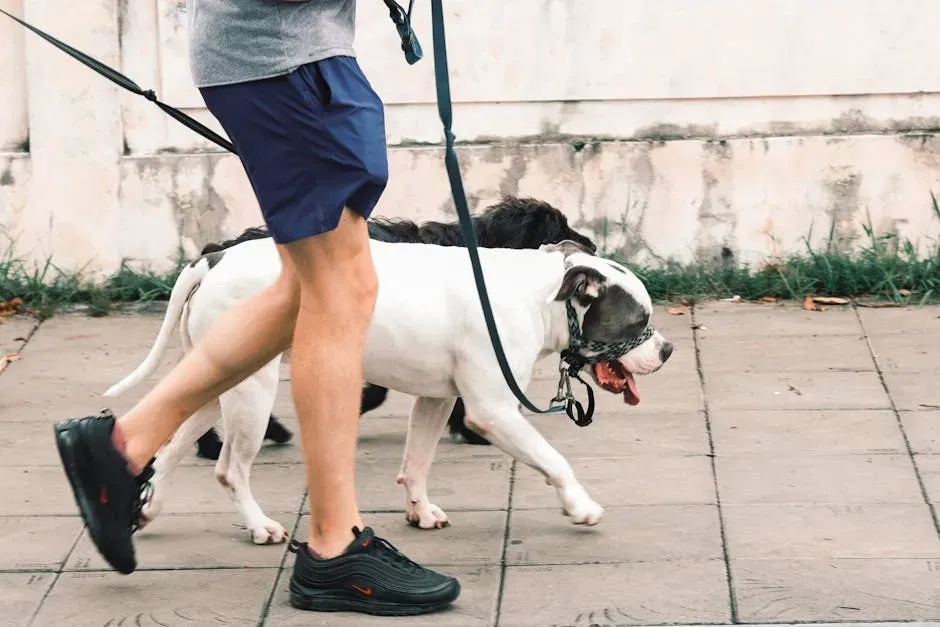
Dogs live and die by routine, and in those first five minutes they’re basically running a script: do the usual cues still match the usual sequence? If you normally walk in, greet them, head to the yard, then feed them, even a tiny deviation feels huge. Skip the yard or delay dinner and you’ll often see pacing, whining, or staring hard at the “next step” spot.
This is also where a lot of so-called stubbornness is really just habit talking. If you’ve accidentally trained a pattern, like tossing a toy the second you walk in, your dog will shove that toy at you every single day at the same moment, simply participating in the ritual you built. When people suddenly break their evening pattern without any warning, they blame the dog’s “anxiety” – but the dog is usually just confused about what it missed.
Worth Knowing
- Sudden schedule changes are one of the most common triggers for pacing, whining, or restlessness.
- Even young puppies start forming strong routine expectations within their first few months.
- Newly adopted dogs often need two to four weeks to settle comfortably into a new household routine.
- Consistent daily cues, like a specific word or action, can noticeably ease anxious door-greeting behavior.
#10 – They Notice If Your Phone Beats Them to Your Attention
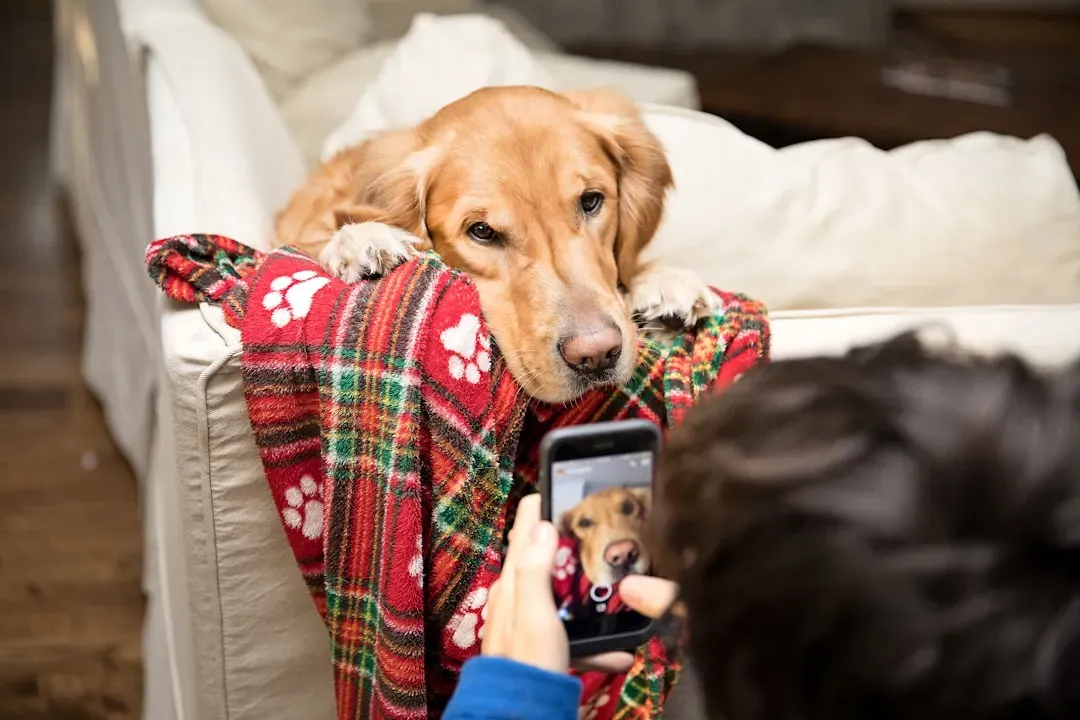
This one stings a little: your dog absolutely notices whether your eyes go to them or to a screen first. Attention is a real resource in their world, and if you consistently walk in and start scrolling before you even look at your dog, they learn exactly where they rank in that moment. Some escalate with barking, pawing, or nudging the phone because they’ve learned drama is the only thing that cuts through the noise. Others just quietly stop greeting you at the door.
There’s a reason some dogs act clingier around people who give fragmented, inconsistent attention – they never quite know when the window of connection will close, so they rush it every time it opens. On the flip side, two minutes of phone-free, fully present greeting can noticeably calm a dog’s whole evening. Owners hate hearing it, but the phone, not the training, is often the actual problem.
#11 – They Read Your Movements for Clues About Food
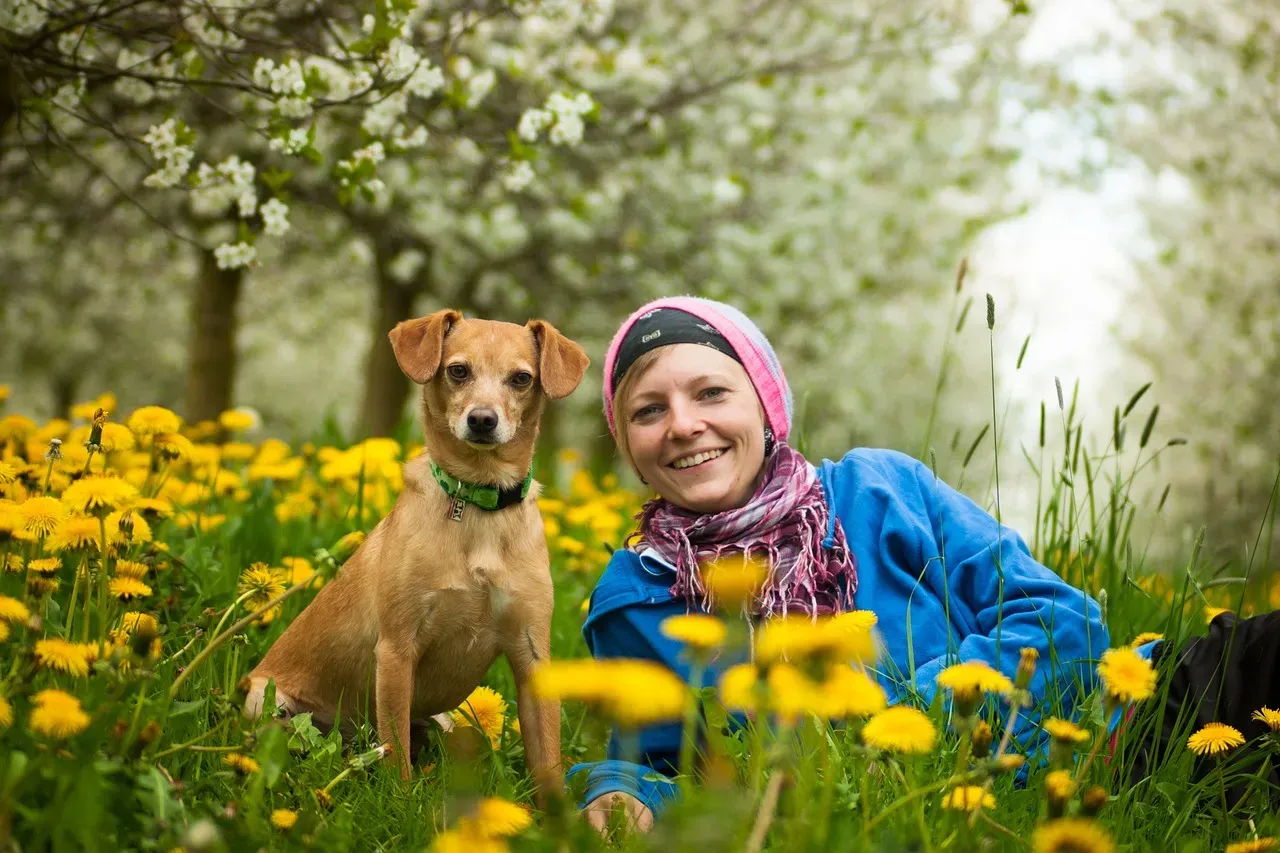
In those first minutes, your dog is watching your eyes, your hands, and your path through the house to answer the biggest question in their world: are we eating soon? Heading straight to the kitchen, glancing at their bowl, or opening the fridge speaks louder than any “not yet” you say out loud. Dogs are pattern experts, so tiny, repeated movements around feeding time become rock-solid signals in their minds.
Here’s the uncomfortable part – a lot of “food obsession” is human-made. Feeding at the exact frantic moment you walk in can build explosive anticipation and anxiety, while decoupling your arrival from feeding time by even ten or fifteen minutes can dramatically calm the door-craziness. Your dog isn’t manipulating you; they’re just running the algorithm you built. If your first move is always the treat jar to calm them down, congratulations – you’ve taught them that excitement unlocks food.
#12 – They Check Your Body for Pain or Weakness
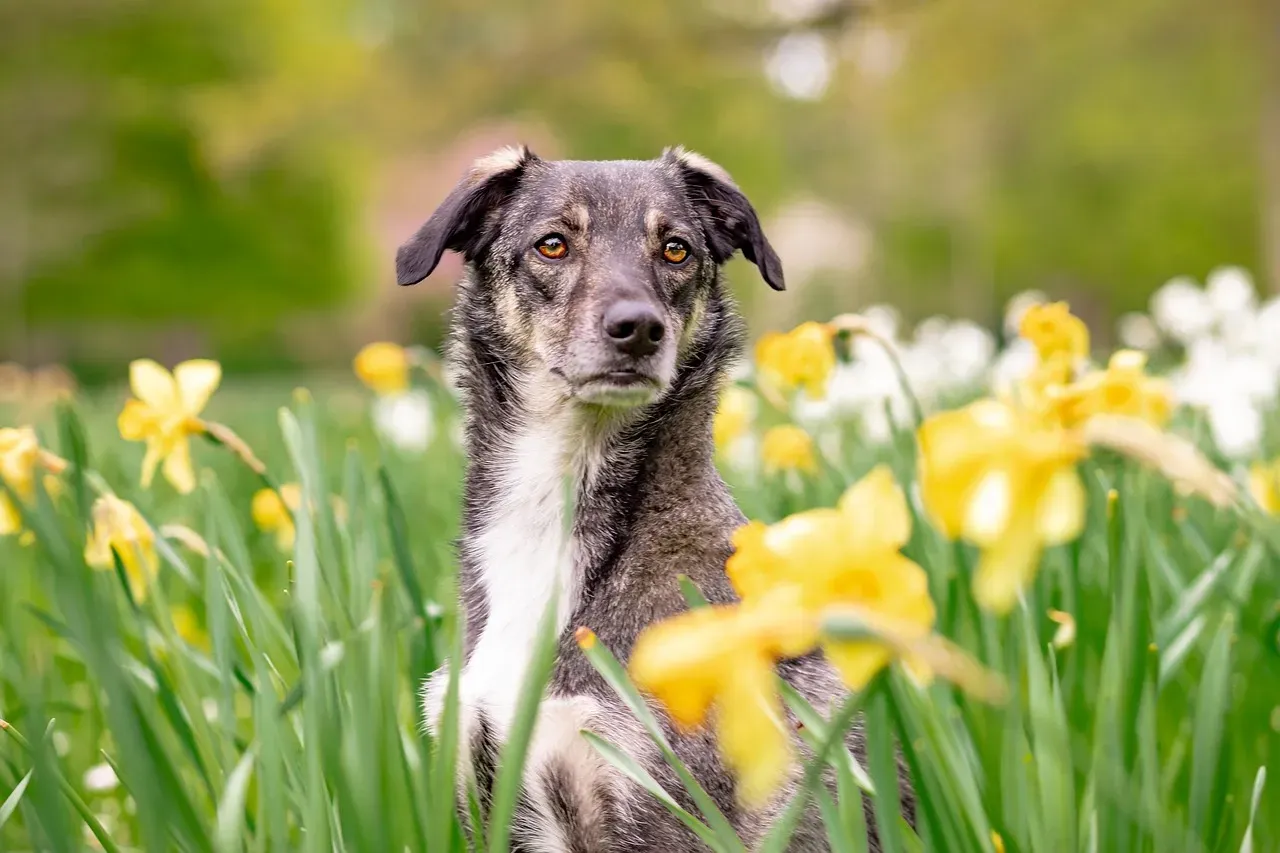
This one feels almost primal. Dogs evolved as cooperative animals, and part of that instinct means watching the group for signs of weakness or injury – and you are their group. If you limp in, clutch your back, move slowly, or drop into a chair with a groan, many dogs instantly adjust their behavior around you.
You’ll often see softer approaches, slower tail wags, and a dog choosing to lie closer to your legs or feet, sometimes staring intently at whatever area seems to hurt. Some dogs even avoid jumping or rough play with an injured person while still going wild with the rest of the healthy household, which suggests they’re reading capacity, not just rules. Whether it’s true empathy is still debated in behavior science, but pretending your dog doesn’t notice your physical state is just denial.
#13 – They Decide How Secure Your Bond Feels Today
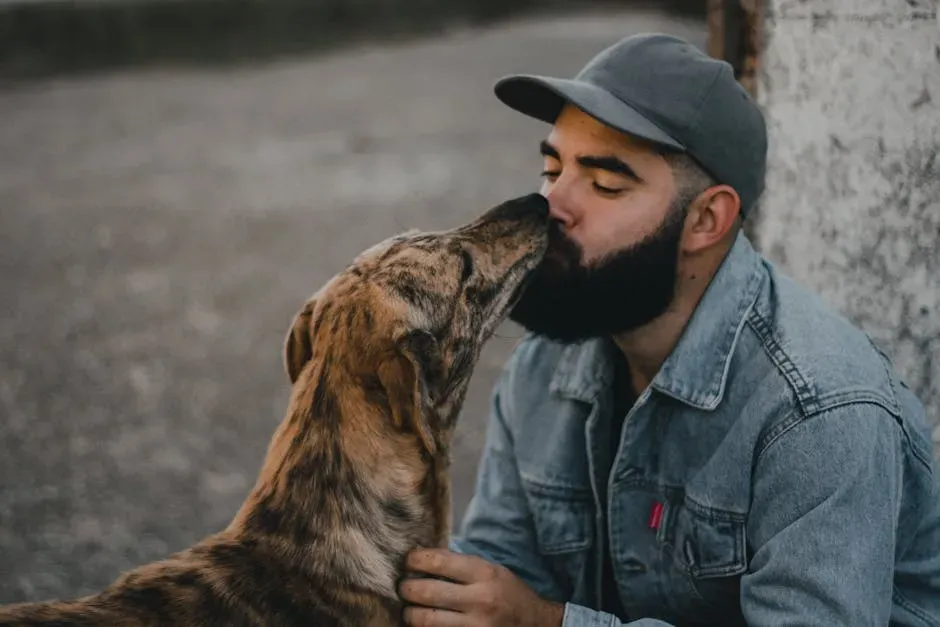
Here’s the piece almost nobody talks about: in those first five minutes, your dog isn’t just reacting, they’re updating the running story of your relationship. Did you rush their greeting, shove them away, yell about something they don’t understand, then disappear into another room? Over time, that quietly chips away at trust, and you’ll start seeing it as less eye contact, slower approaches, and more interest in the environment than in you.
On the other hand, when most evenings start with a calm, consistent, two-minute connection – a few scratches, a soft word, maybe a tiny game – your dog starts predicting that your arrival equals safety and attention, and their whole nervous system relaxes faster. It’s not about being a perfect owner. It’s about being predictable in the exact moments that matter most, and your arrival at that door is one of them.
Quick Compare
- Secure bond signs: steady eye contact, quick and relaxed greeting, loose body language
- Strained bond signs: avoided eye contact, slow or hesitant approach, more focus on the room than on you
- Secure bond signs: seeks closeness after the initial hello
- Strained bond signs: wanders off quickly after a brief greeting
The Bottom Line
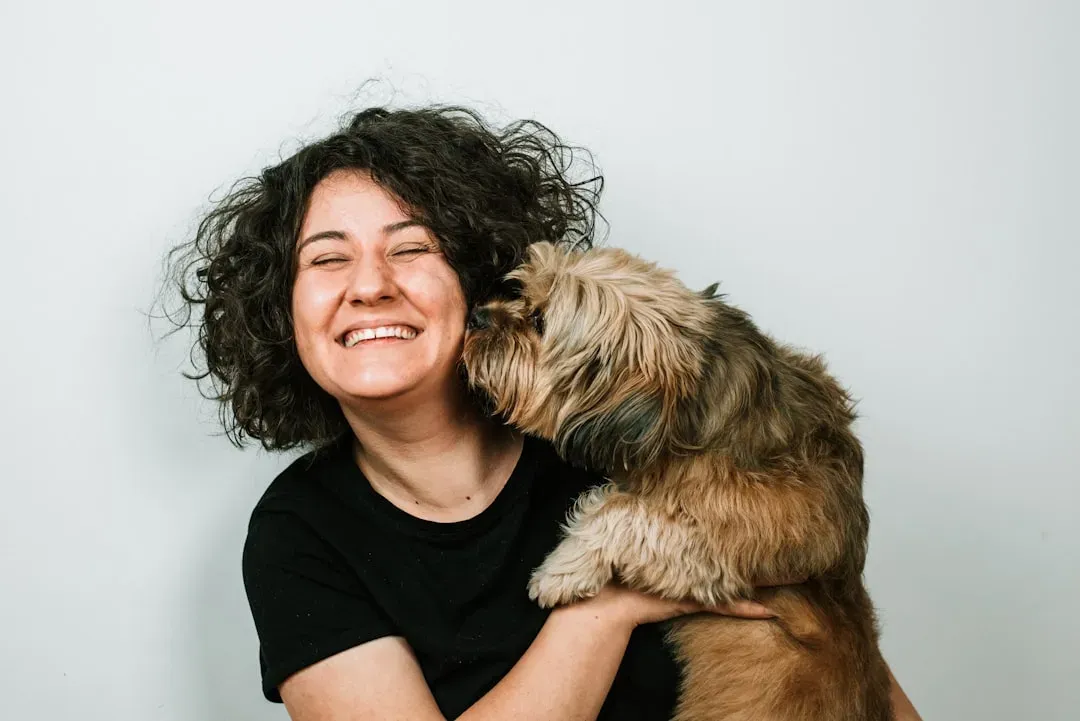
Your dog isn’t just a furry alarm system going off when you get home. They’re a full-time observer, decoding your energy, your routines, and your choices in the same five minutes it takes you to kick off your shoes. They smell where you’ve been, feel how stressed you are, and quietly judge whether tonight is going to be chaos, connection, or confusion.
That’s a strange amount of power to hold every single day without even trying. My honest take: most “bad greeting” behavior isn’t a training problem at all – it’s a five-minute mirror problem, and the fix costs nothing but attention. Two intentional, phone-free minutes will change your dog’s behavior faster than any gadget or miracle technique ever will. So the real question isn’t what your dog notices about you. It’s whether you’re brave enough to notice what that says about you too.


