
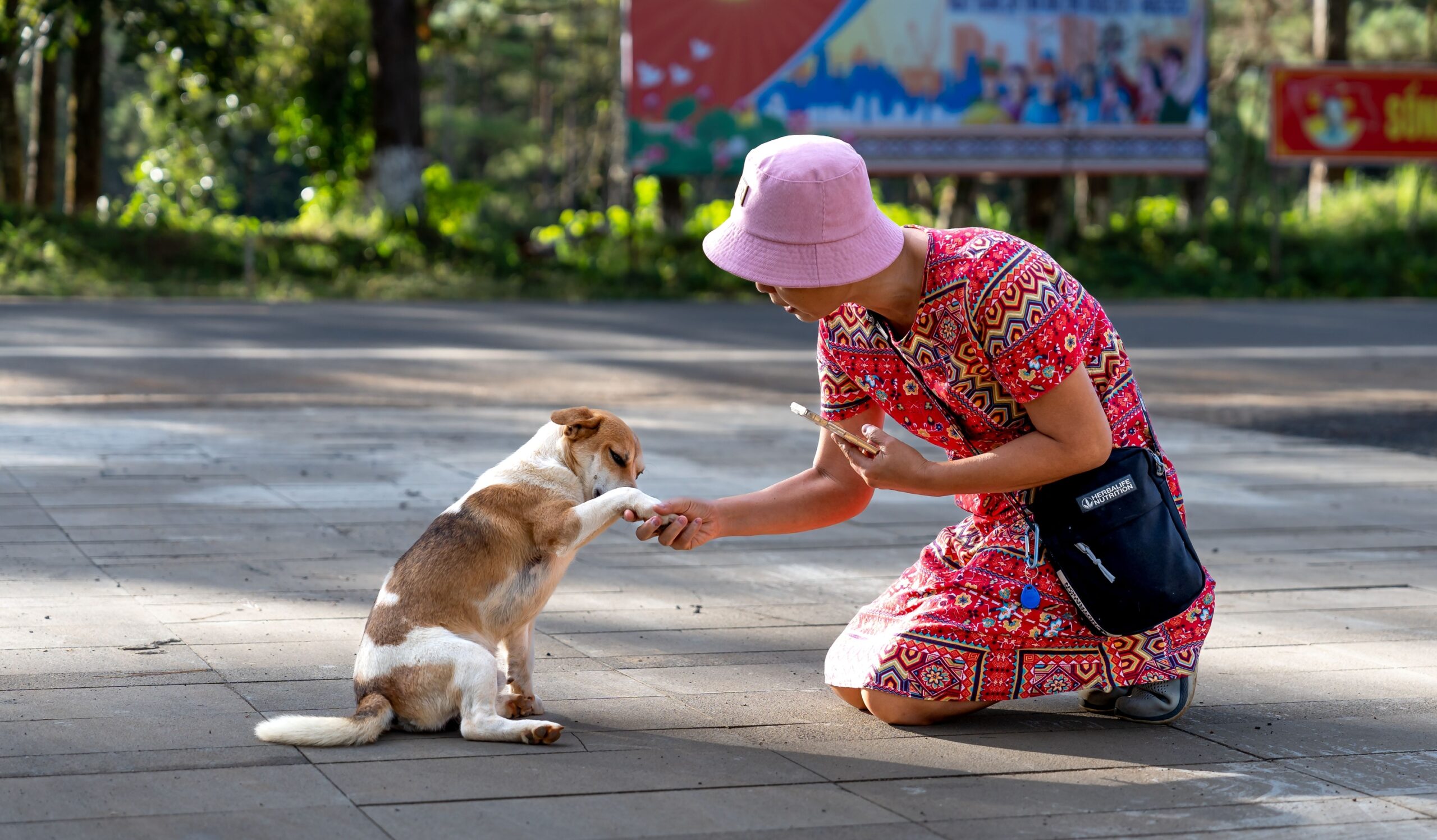
You probably think your dog is just a furry lump until the leash comes out or the treat drawer squeaks open. That’s the story most owners tell themselves. But the truth is a little unsettling: your dog has already read your entire mood, your schedule, and possibly your stress level before your feet even hit the floor.
They’re not guessing. They’re running a quiet, constant analysis of your breathing, your footsteps, your smell, even the exact way you close a drawer. By the time you mumble “good morning,” they’ve already made up their mind about how your day is going to go – and some of what they’ve figured out might genuinely surprise you.
#1 – The Exact Second You Wake Up, Not When the Alarm Goes Off
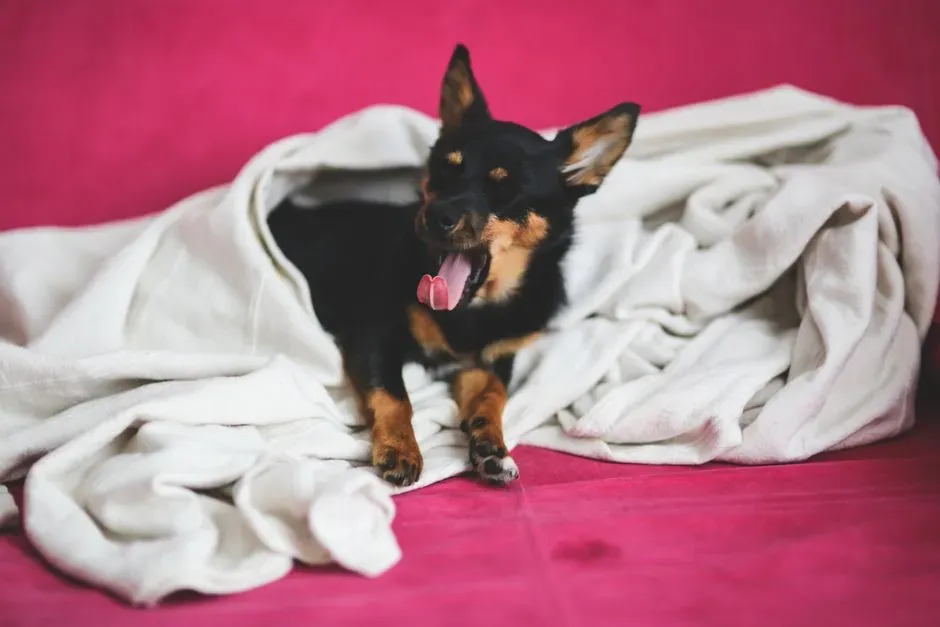
Your dog doesn’t wait for the alarm to know you’re up. They catch the moment your breathing changes, the second your body shifts from deep sleep into that restless, thinking-about-the-day state. If they’re on the bed, they feel it. If they’re not, they’ve still learned to recognize the sound of “real awake” versus you simply rolling over.
Dogs are remarkably tuned to human sleep and wake cues, and many even sync their own rest to ours. So when you crack your eyes open and think, “how did they already know,” it’s not a coincidence. Your dog has basically been on quiet watch, waiting for that first authentic sign of morning.
#2 – The Sound of Your First Footstep
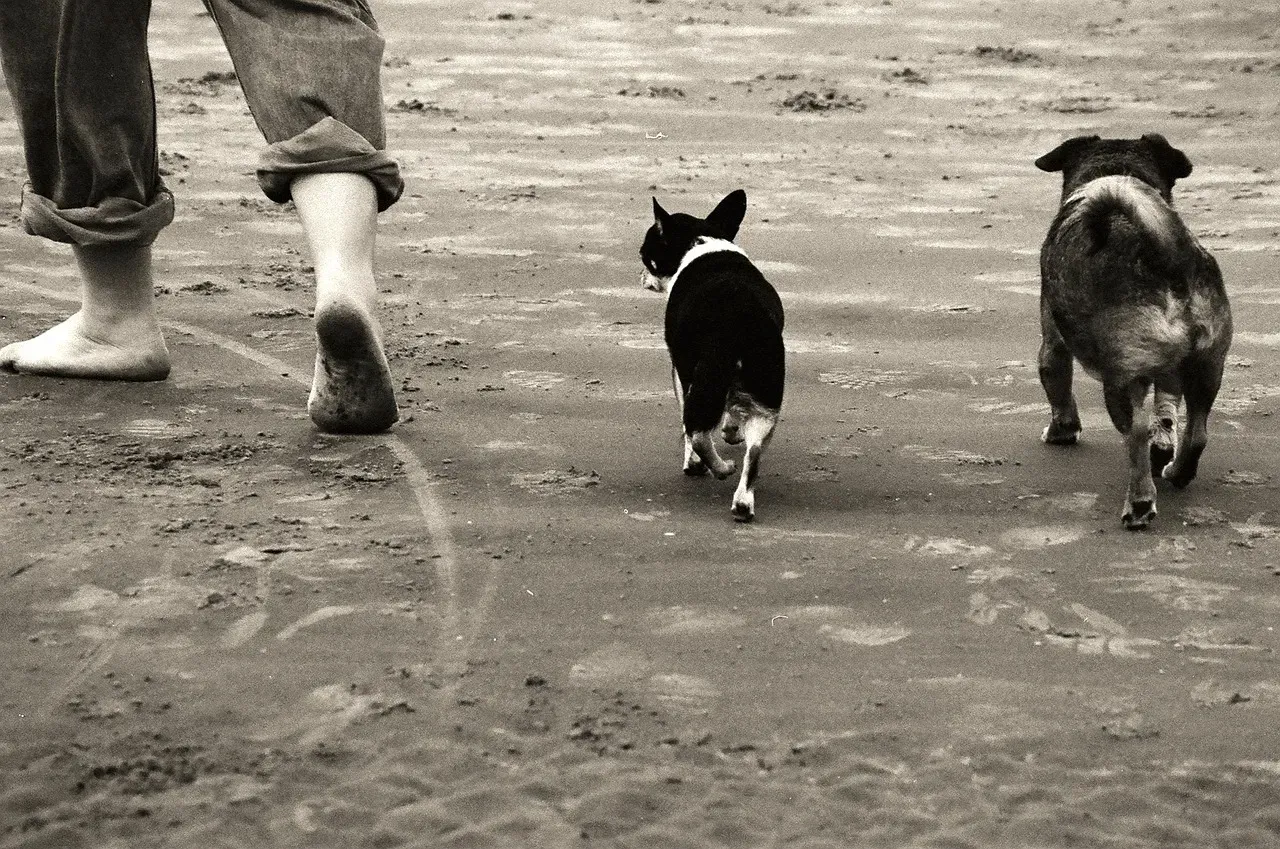
Before you say a word, your dog has already clocked how you got out of bed. Slow, dragging feet usually means tired, stressed, or under the weather. Quick, light steps mean “fun human” – the version of you that might toss a ball before coffee even brews.
Dogs treat movement and rhythm like emotional subtitles. Over time they build an entire mental library of your walk: the rushed workday stomp, the lazy weekend shuffle, the careful late-night creep. Some dogs stay curled up when they sense a heavy, grumpy pace. Others come bounding over the moment your heel hits the floor, because your bounce already told them today looks promising.
#3 – The Smell of Your Mood Before You Say a Word
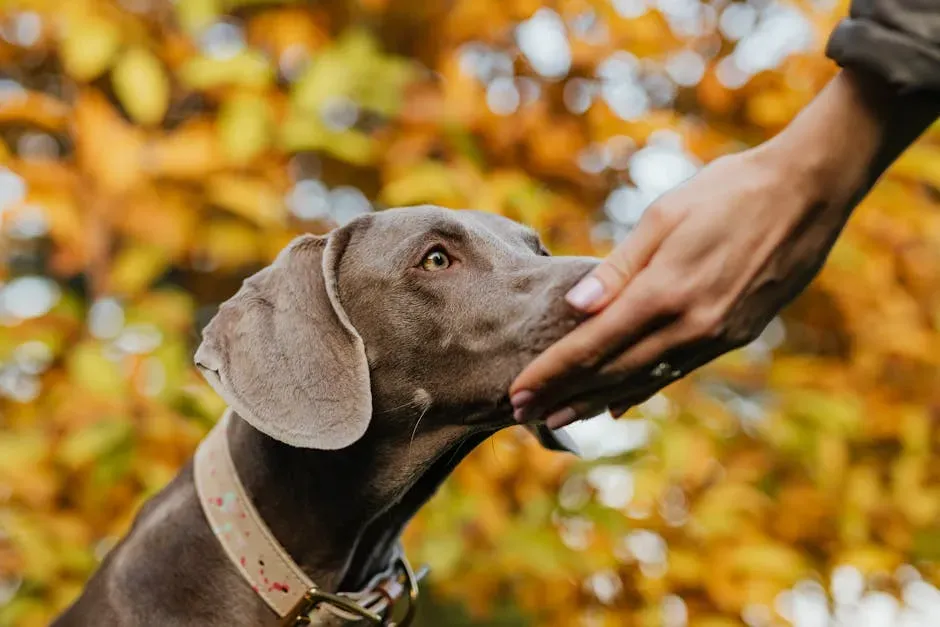
This is the one that makes people a little uneasy, but it’s where the science gets blunt: dogs can likely smell your mood. Tiny chemical shifts in your sweat and breath change depending on whether you’re anxious, relaxed, stressed, or excited, and a dog’s nose is built to catch exactly that kind of shift.
Studies on scent detection show dogs can tell human stress odors apart from neutral ones without ever seeing your face. So before you’ve said anything, your dog may already be thinking “today feels rushed” or “human smells calm, this could be a good one.” If your dog hovers closer on rough days or backs off when you’re on edge, that’s not random affection – that’s them reading a biochemical headline you didn’t know you were broadcasting.
Fast Facts
- Dogs have roughly 300 million scent receptors, compared to about 6 million in humans.
- Research shows dogs can tell human stress-sweat samples apart from calm ones with striking accuracy.
- A dog’s brain devotes a far larger share of tissue to processing smell than a human’s does.
- Trained dogs are already used to detect certain human medical conditions before symptoms even appear.
#4 – Your Alarm Tone and What It Always Leads To
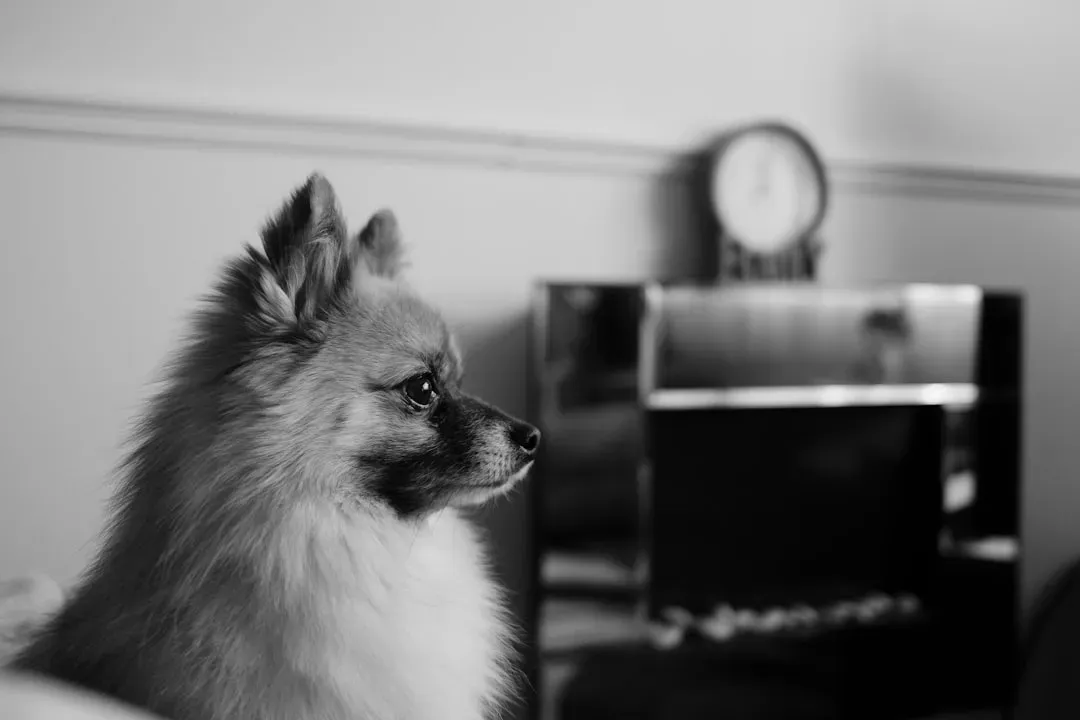
You might despise your alarm, but your dog has quietly turned it into data. They know exactly which tone means “up immediately” and which one means you’re about to hit snooze three times in a row. Dogs often pick up on this pattern faster than the humans sharing your bed.
A harsh, jarring alarm followed by you jolting upright usually predicts a short walk and a rushed breakfast. A soft chime followed by lazy phone-scrolling means a slower morning with extra cuddle time. Some dogs start stretching or wandering toward the door before you’ve even touched the floor, because the sound alone has already been linked to a specific outcome in their mind. It’s less “my dog hates alarms” and more “my dog has a calendar reminder system I never signed up for.”
#5 – Which You Reach for First: Them or Your Phone
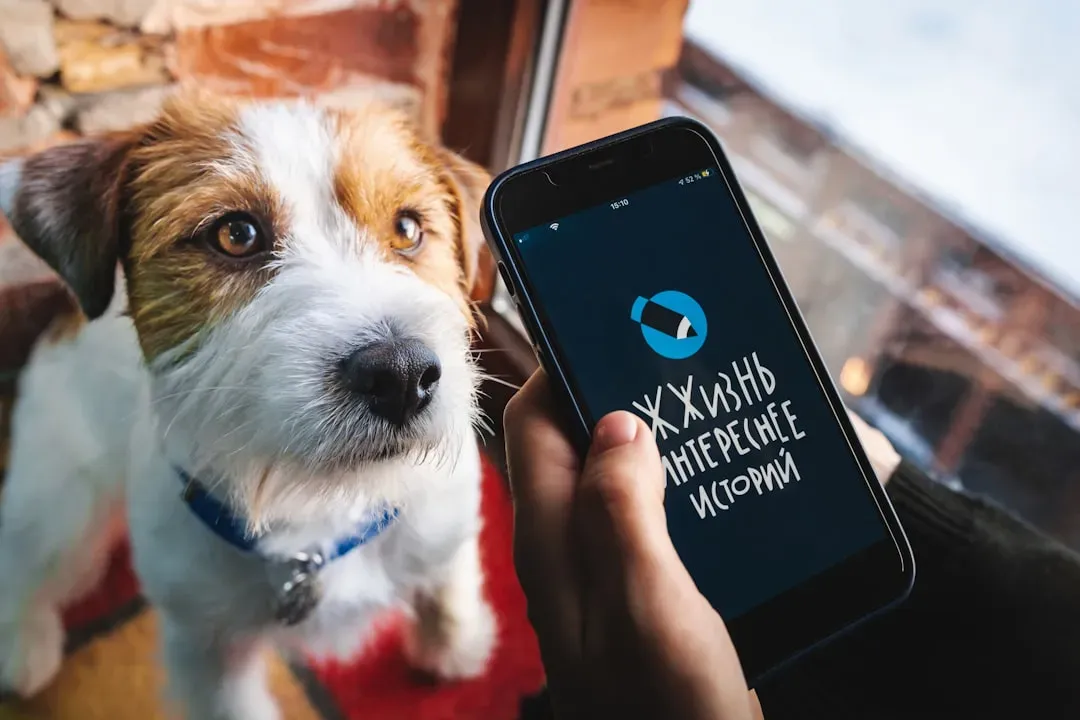
Your dog has opinions about your phone, and they’re watching closely to see who wins your first few minutes of consciousness. Reach for the screen, and they pause to figure out whether this is a “lost in the scroll” morning or a “we’re moving soon” morning.
Dogs are experts at linking your actions to what happens next for them. If phone-first mornings usually mean another twenty minutes in bed, they’ll settle back down without much fuss. If skipping the phone usually means a walk is coming, you’ll see pacing and tail wags instead. Some dogs will genuinely stare at your hands the instant you wake up just to see which item gets picked first – a tiny, furry analyst clocking your habits before you’re even fully conscious.
#6 – How Long You Disappear Into the Bathroom
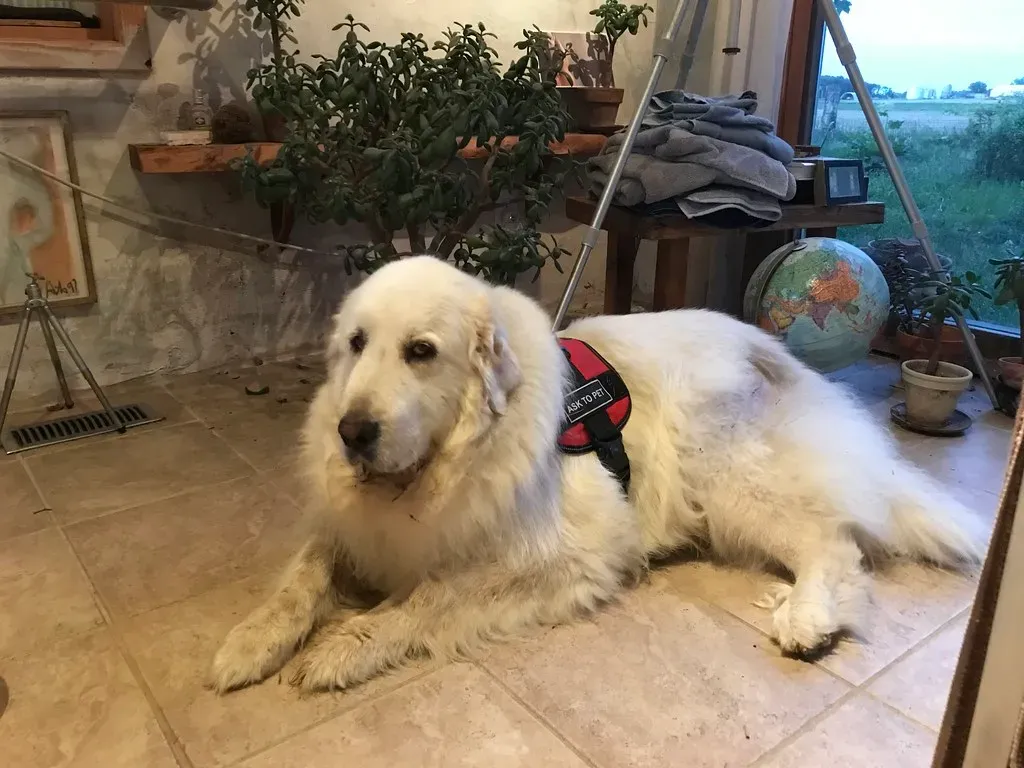
Long before you greet them, your dog already knows whether this is a quick in-and-out bathroom stop or the long, no-walk-yet version. Your bathroom sequence is one of the clearest timelines they have, and they’ve learned it cold.
Straight to the toilet and then straight to the leash means “we’re leaving soon.” Fifteen minutes on the toilet with your phone means settle in and wait. Some dogs even camp outside the door, listening for the specific cabinet close or faucet sound that always precedes their walk. To them, the bathroom isn’t dead time – it’s the opening act of the whole day’s schedule.
#7 – What Your Closet Choice Says About Their Day
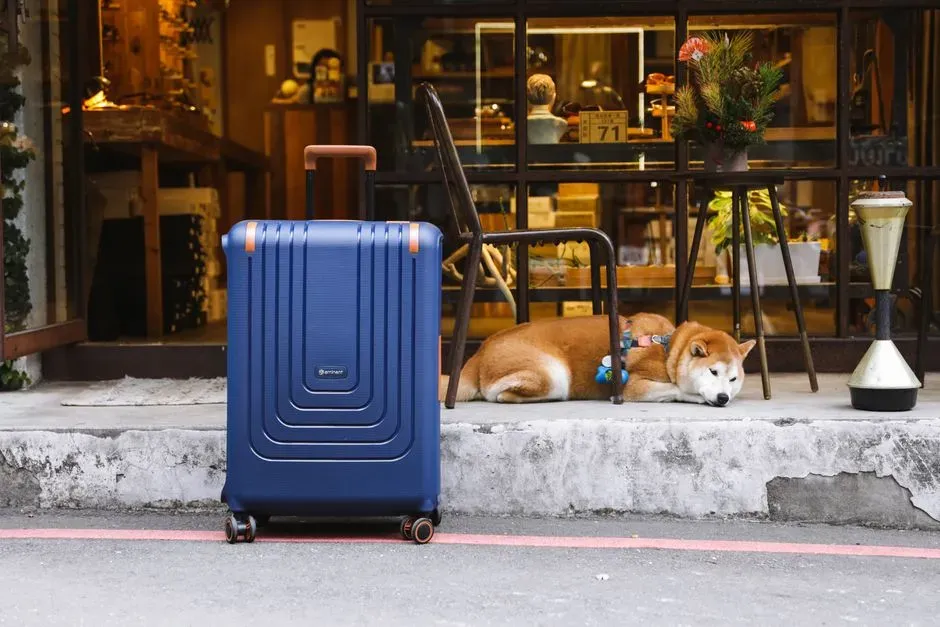
Pulling out running shoes instead of dress shoes feels meaningless to you, but to your dog, it’s a giant billboard. They’ve quietly linked your wardrobe to their entire day, and they’re shockingly accurate at decoding it.
Leggings and sneakers often mean a jog or a long park walk is coming. A blazer and dress shoes usually mean crate time and long lonely hours. Open the drawer with athletic socks and some dogs spin in excited circles. Reach for the suitcase or a specific work bag, though, and their whole body changes – ears drop, they get clingy, they start pacing. People love posting “my dog knows I’m leaving” videos, but the real story is bigger: your dog has been reading your closet like a fortune-telling deck since the moment the door creaked open.
Quick Compare
- Sneakers and athletic wear → expects a walk, run, or park trip soon
- Blazer and dress shoes → expects a long, quiet stretch alone
- Robe and slippers → expects a slow, cozy, low-key morning
- Suitcase or travel bag → the single most reliable trigger for pacing and clinginess
#8 – Coffee vs No Coffee, and What That Silence Means
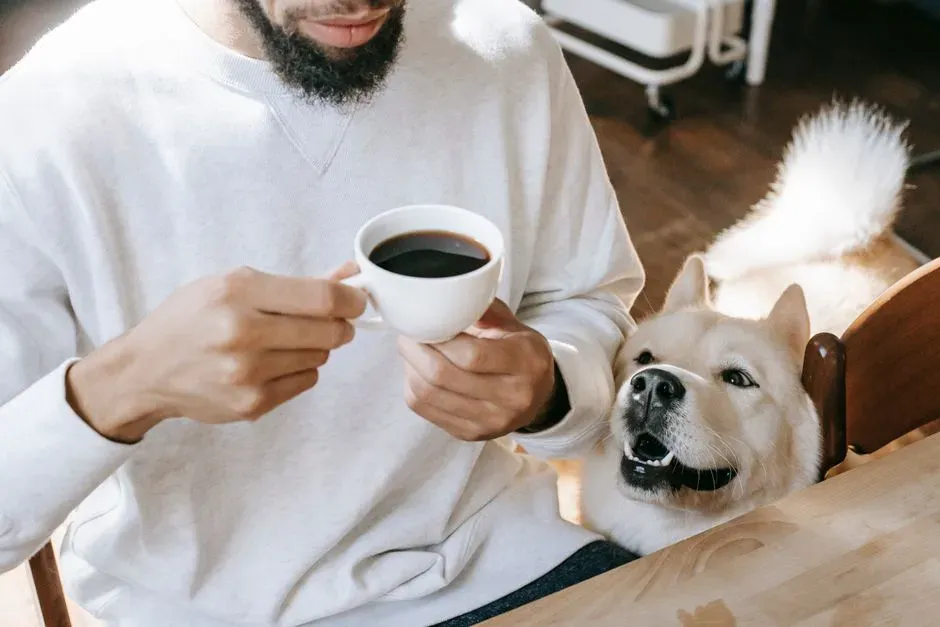
It sounds almost silly, but for a lot of dogs, the coffee ritual is one of the biggest chapters of the morning. The smell of the beans, the gurgle of the machine, the clink of the mug – these cues are relentlessly consistent, and dogs notice when the pattern breaks.
Skip the coffee, and your dog knows something’s off. Maybe you overslept, maybe you’re feeling sick, maybe you’re leaving unusually early. Many dogs won’t even bother pestering for playtime until they see that first sip happen. To humans, coffee is a personal habit. To your dog, it’s basically a traffic light: red for not yet, yellow for brewing, green for let’s go.
#9 – Your Energy Level Before You’ve Said Anything
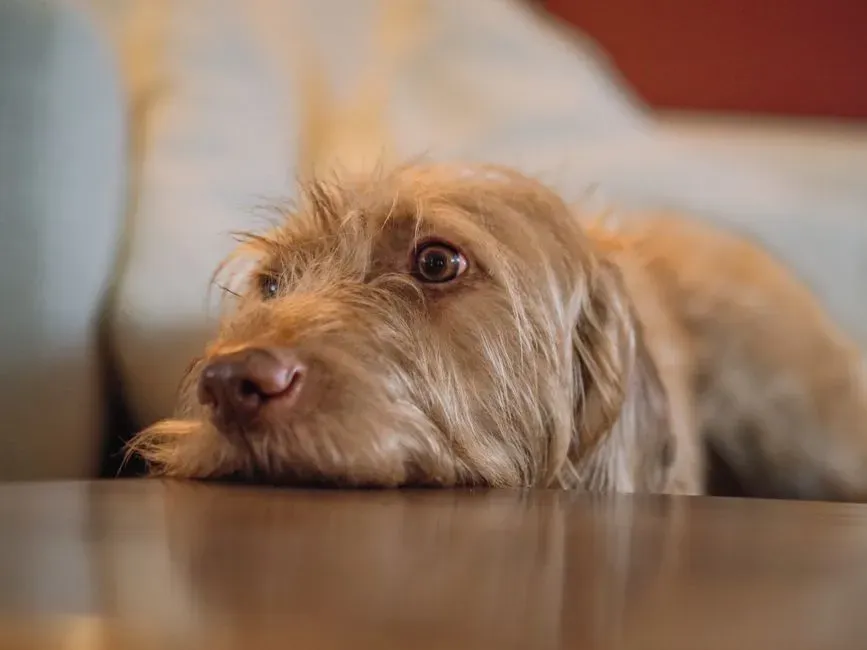
You might think you’re hiding your stress well. Your dog disagrees. They’re watching how you stand up, how you move through the room, how hard you set a mug down or close a door.
Long before you announce “I’m running late” or “today’s going to be rough,” your dog already has a read on you. Are your movements sharp and fast, or soft and slow? Are you sighing, humming, or dead silent? Dogs are remarkably skilled at reading human body tension and micro-expressions, which is exactly why some mornings they hang back quietly and others they’re all over you, nudging for attention. They’re not being random. They’re reacting to the emotional weather you’re broadcasting with every single move.
Dogs are our link to paradise… to sit with a dog on a hillside on a glorious afternoon is to be back in Eden.
Milan Kundera
#10 – The Household Soundtrack They’ve Memorized
Your morning sounds might feel like background noise to you, but to your dog, they’re a soundtrack memorized beat by beat. The kettle whistle, the shower, the hairdryer, the microwave door – dogs map this entire sequence, and they notice instantly when something’s missing or out of order.
- Alarm → bathroom → kettle → fridge → keys
- Or shower → music → coffee → laptop → no keys
Dogs don’t care about the objects themselves. They care about what usually comes next for them. If the microwave dings but the keys never jingle, plenty of dogs will wander around unsettled, because the script suddenly changed. Owners often chalk this up to their dog “being weird today,” when really it’s proof of how tuned in they’ve become to your exact routine.
#11 – Who You Greet First

This one sparks real debates, but yes, your dog notices who gets your first bit of morning affection. Do you walk past them to hug your partner? Scoop up the baby before even glancing their way? Talk to the cat before you scratch their head?
Dogs may stay outwardly calm, but they’re tracking your social priorities closely. They don’t need to understand complicated human relationships to understand “who gets the happy voice first.” Over time, this can shape how secure or clingy a dog feels – some get pushier when they routinely feel like they’re second, others quietly withdraw. You don’t need to make your dog the center of the universe every single morning, but pretending they don’t notice the pecking order is wishful thinking.
#12 – The Leaving Signs You Don’t Even Know You’re Giving
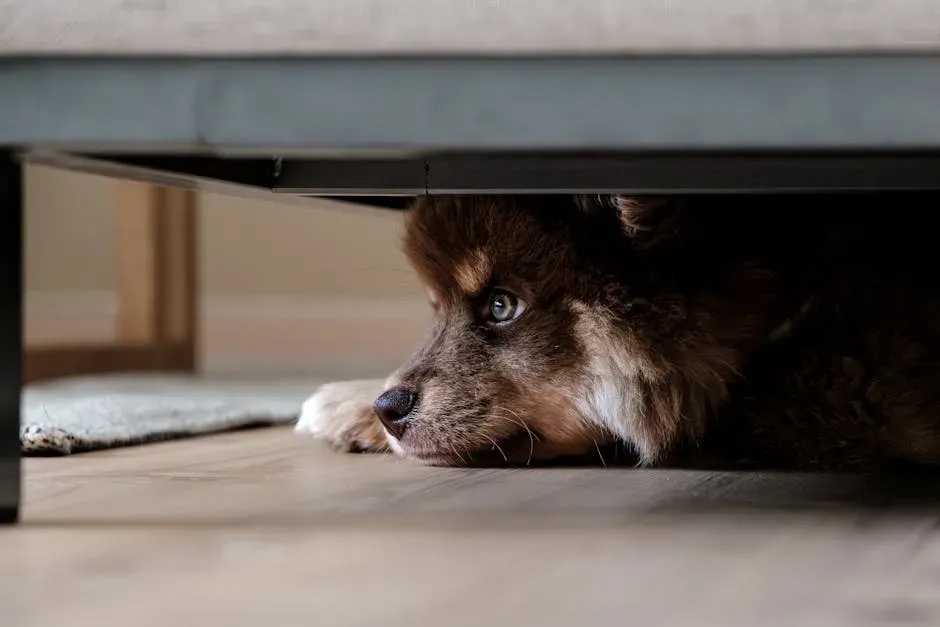
By the time you think “I should start getting ready,” your dog is already several steps ahead. They catch the glance at the clock, the walk toward certain rooms, the drawer with your work badge, even the way you straighten pillows or shut doors.
Separation-anxious dogs become true experts at predicting departure. Owners often say “he freaks out the second I grab my keys,” but honestly, the keys are late in the chain. Many dogs start stressing five, ten, even twenty minutes earlier, the moment you do the first small thing that always ends with you gone. If your dog suddenly starts pacing or shadowing you for “no reason,” this is almost certainly why.
Worth Knowing
- Many dogs show stress signals well before the door opens, not just when keys jingle.
- Common early tells include following you room to room, sighing, or pacing near exits.
- Anxious dogs often key into subtle cues like bag placement or shoe choice before the obvious signs.
- Dogs with a calm, predictable pre-leaving routine tend to settle faster after you’re gone.
#13 – Whether the Whole Day Feels Safe or Off
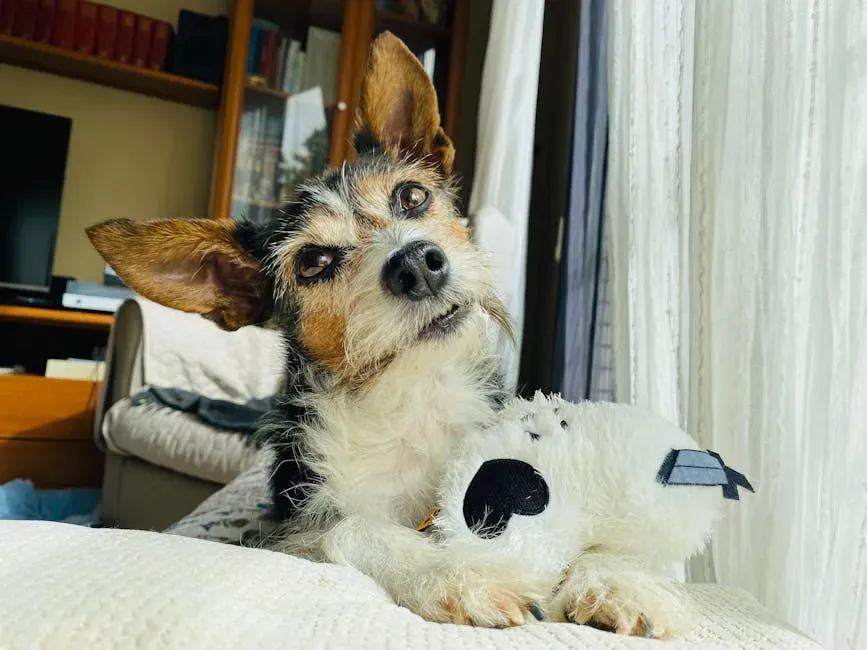
The most powerful thing your dog notices isn’t a single action – it’s the overall vibe of the morning. They’re constantly running a quiet equation: is today predictable and safe, or is something off? They blend your scent, your pace, your sounds, and your objects into one gut-level answer.
On safe mornings, even the more anxious dogs eat normally, settle after their walk, and relax around the house. On uncertain mornings, they might refuse food, shadow you from room to room, or bark harder at outside noises. This isn’t magic. It’s years of quiet data collection from an animal that survives by reading its environment faster than the environment changes. Before you’ve said “good morning,” your dog has already decided whether the day feels stable – and that read is usually more accurate than you’d like to admit.
The Bottom Line
Your dog isn’t waiting around for commands. They’re running silent diagnostics on your entire morning from the second you stir, stitching together your breathing, your footsteps, your coffee habits, your closet, and your energy into one working theory about their day.
Here’s the uncomfortable part: they often know more about your stress level, your schedule, and your priorities than the people you live with. And sometimes, your own habits are quietly telling them they rank second or third in your morning lineup, whether you meant it that way or not.
If any of this stung a little, good – that’s exactly the point. Our dogs are paying closer attention to us than we’re paying to ourselves. So which one did your dog absolutely nail, and which one do you think we got wrong?


