
As our beloved canine companions age, their bodies undergo numerous transformations, some more subtle than others. Among these, changes in their eyes can be particularly telling. Recognizing these signs not only helps us understand their health but also prepares us for the inevitable journey they will embark upon. Let’s delve into the 13 eye changes that often occur in senior dogs as they approach the end of their lives.
1. Cloudy or Hazy Appearance
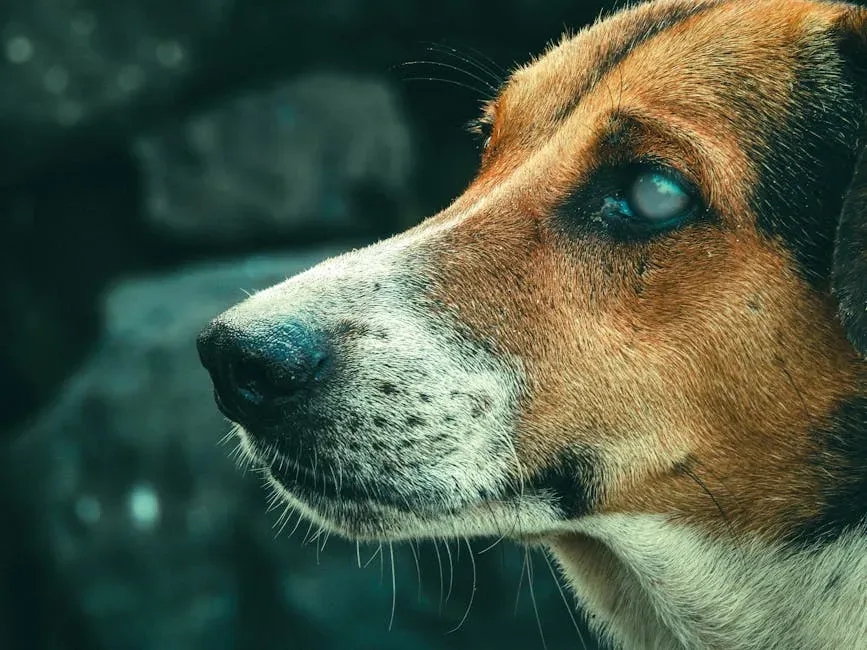
One of the most noticeable changes is a cloudy or hazy look in the eyes. This can be attributed to nuclear sclerosis, a normal aging process where the lens hardens and becomes less transparent. While it doesn’t significantly impair vision, it can make the eyes appear bluish or grayish.
However, it’s essential to differentiate this from cataracts, which also cause cloudiness but can lead to vision loss. Cataracts result from the lens becoming opaque, obstructing light from reaching the retina. Regular veterinary check-ups can help distinguish between the two and determine the best course of action.
2. Decreased Pupil Response
As dogs age, their pupils may not respond as swiftly to changes in light. This sluggishness can make them more sensitive to bright lights or cause difficulty seeing in dim environments. It’s a result of the muscles controlling the pupil weakening over time.
This change can lead to increased squinting or reluctance to go outside during sunny days. Providing shaded areas and avoiding sudden light changes can help keep your senior dog comfortable.
3. Increased Tear Production
Some senior dogs may experience excessive tearing, leading to wetness around the eyes and potential staining of the fur. This can be due to blocked tear ducts or irritation from other eye conditions.
While it might seem minor, consistent tearing can lead to skin irritation or infections. Keeping the area clean and consulting with a veterinarian can ensure your dog’s comfort.
4. Dry Eye Syndrome
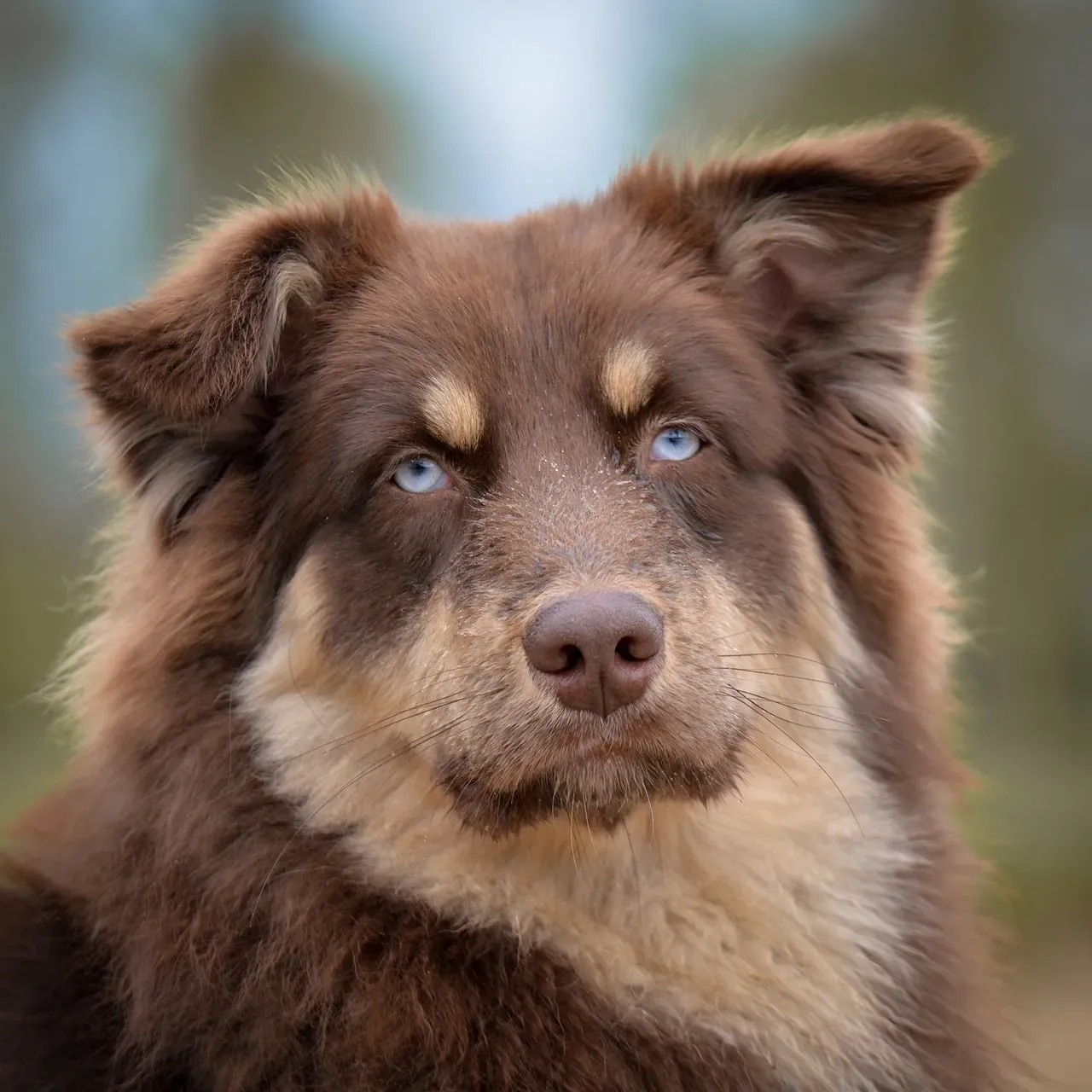
Conversely, some aging dogs develop keratoconjunctivitis sicca, commonly known as dry eye. This condition arises when the eyes don’t produce enough tears, leading to redness, discharge, and discomfort.
Left untreated, dry eye can result in corneal ulcers or infections. Medications and artificial tears prescribed by a vet can help manage this condition effectively.
5. Changes in Eye Color
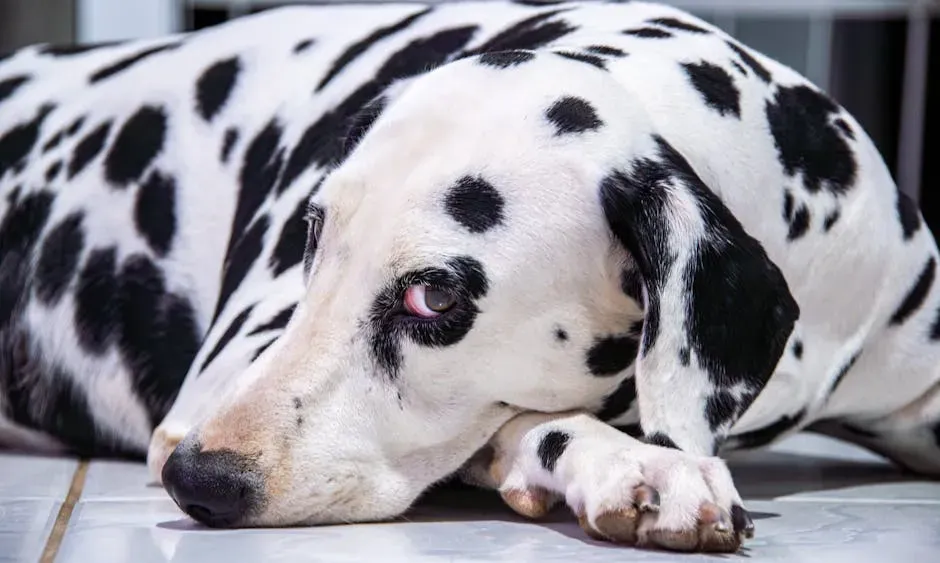
The iris, or colored part of the eye, can undergo changes in hue or develop spots as dogs age. This is often due to iris atrophy, where the muscle tissue degenerates, leading to a thinner appearance and altered color.
While this change is typically benign, any sudden or drastic color shifts should be evaluated to rule out underlying issues like tumors or inflammation.
6. Bulging or Sunken Eyes
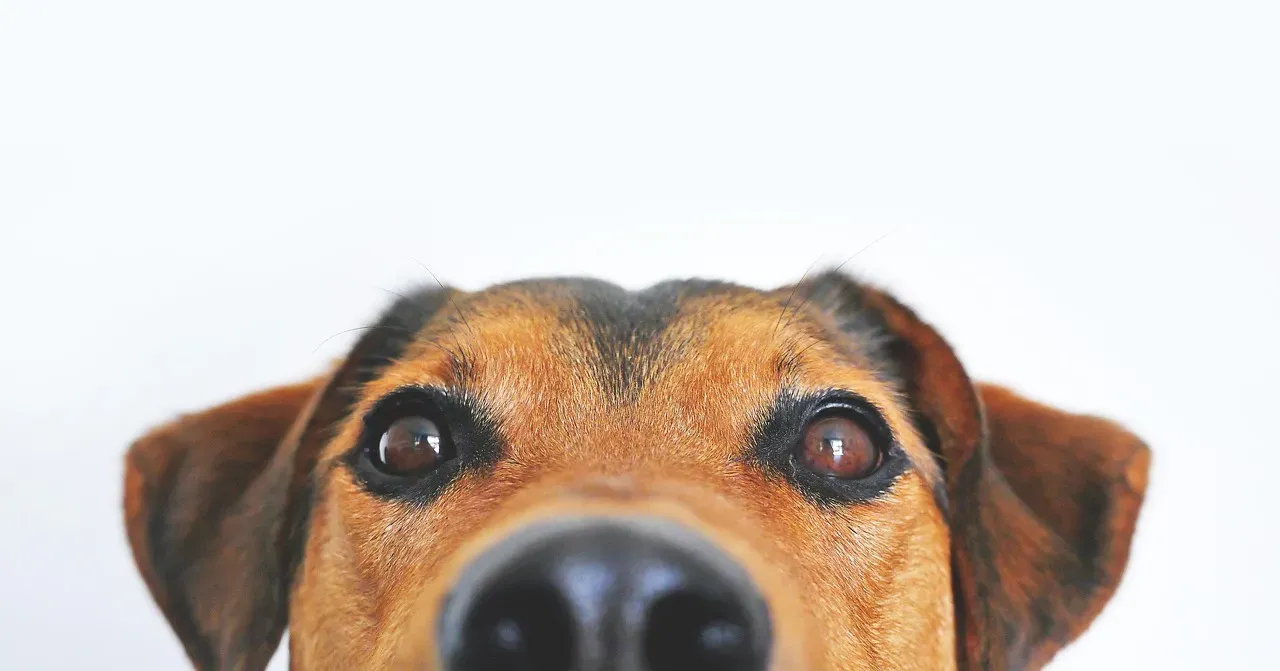
Structural changes can cause a dog’s eyes to appear more prominent or sunken. Bulging may indicate glaucoma, a condition where increased pressure damages the optic nerve, potentially leading to blindness.
Sunken eyes, on the other hand, can result from dehydration or weight loss. Both scenarios warrant immediate veterinary attention to address the root cause.
7. Visible Third Eyelid
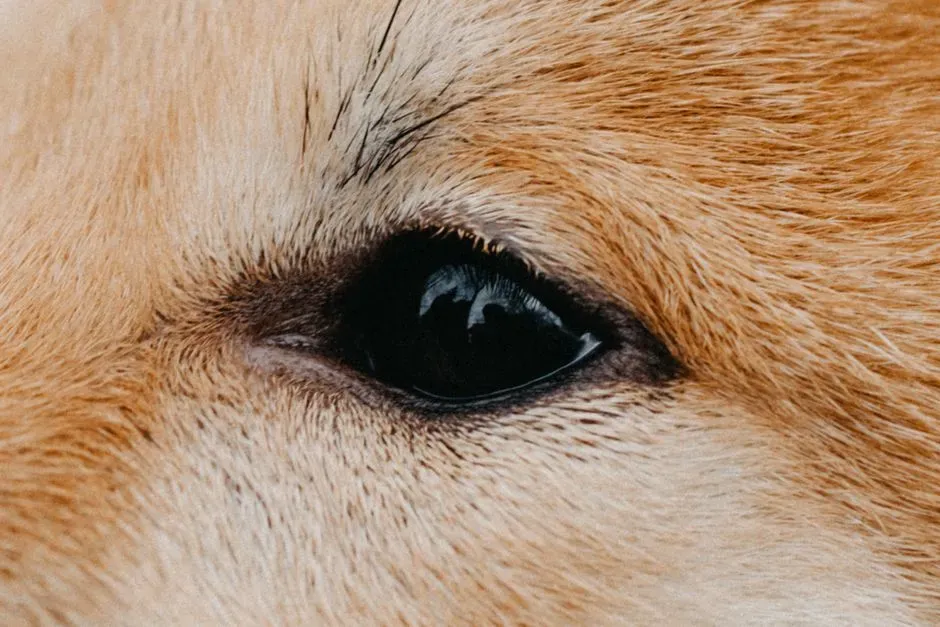
The third eyelid, or nictitating membrane, may become more prominent in senior dogs. This can be a sign of discomfort, illness, or weakness in the eye muscles.
If you notice this change, it’s crucial to consult with a veterinarian to determine the underlying cause and appropriate treatment.
8. Eye Discharge
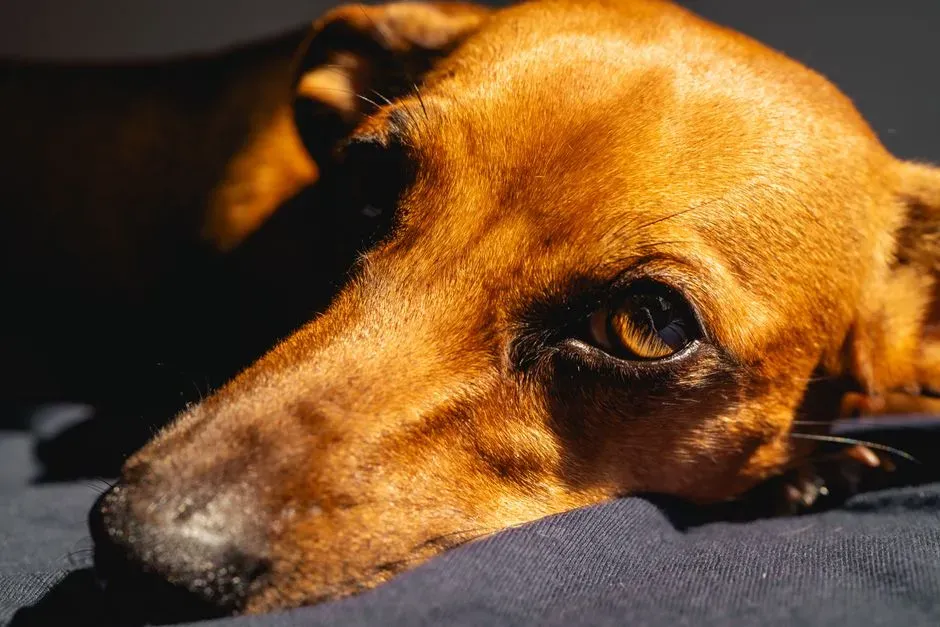
An increase in eye discharge, whether clear, yellow, or green, can indicate infections, allergies, or other eye conditions. While some discharge is normal, a noticeable increase or change in consistency is concerning.
Regular cleaning with a damp cloth can help, but persistent or severe discharge should be evaluated by a professional.
9. Redness or Inflammation
Red or inflamed eyes can result from various issues, including infections, dry eye, or uveitis (inflammation of the eye’s interior). This can cause discomfort and sensitivity to light.
Prompt veterinary care is essential to address the cause and provide relief to your furry friend.
10. Vision Impairment
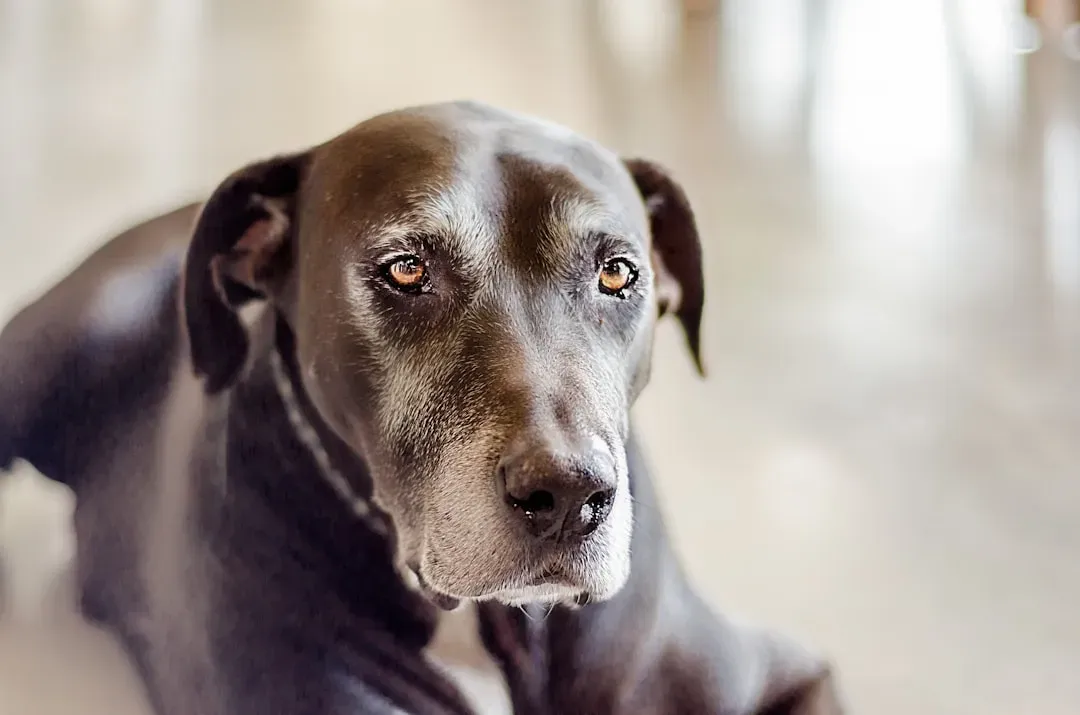
Gradual vision loss is common in aging dogs. You might notice them bumping into furniture, hesitating on stairs, or being easily startled.
While some vision loss is a natural part of aging, sudden or severe changes should be assessed to rule out treatable conditions.
11. Eye Pain or Discomfort
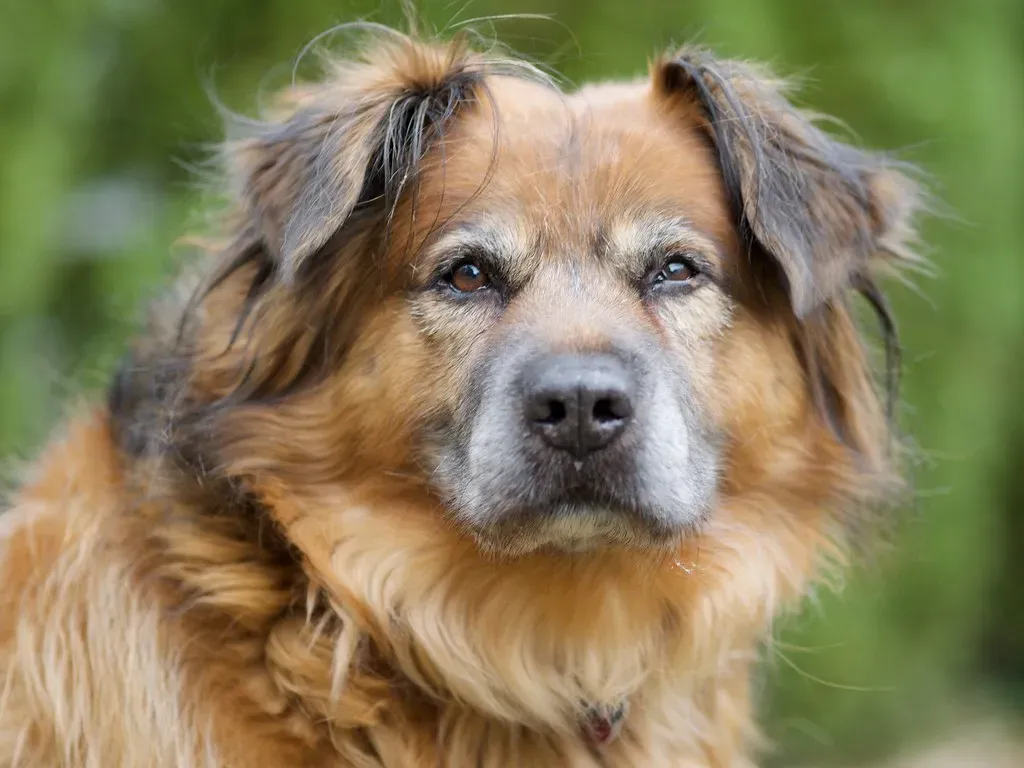
Signs of eye pain include squinting, pawing at the eye, or avoiding touch near the face. Conditions like glaucoma or corneal ulcers can cause significant discomfort.
If you observe these behaviors, seek veterinary care to alleviate pain and address the underlying issue.
12. Changes in Eye Shape
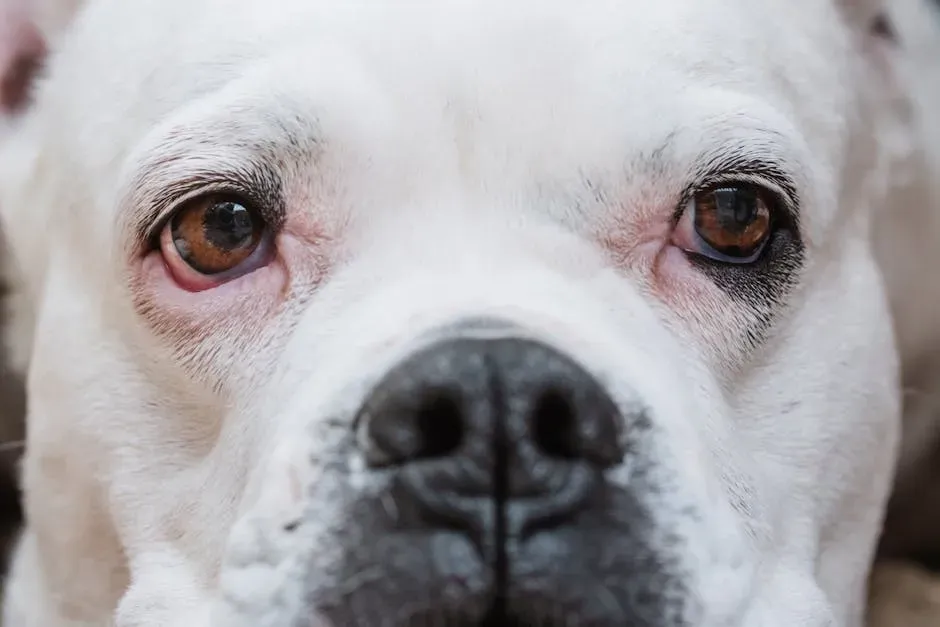
The eyes may appear more sunken or protruded due to muscle loss or other age-related changes. These alterations can affect vision and comfort.
Monitoring these changes and consulting with a vet can help manage any associated issues.
13. Development of Masses or Growths
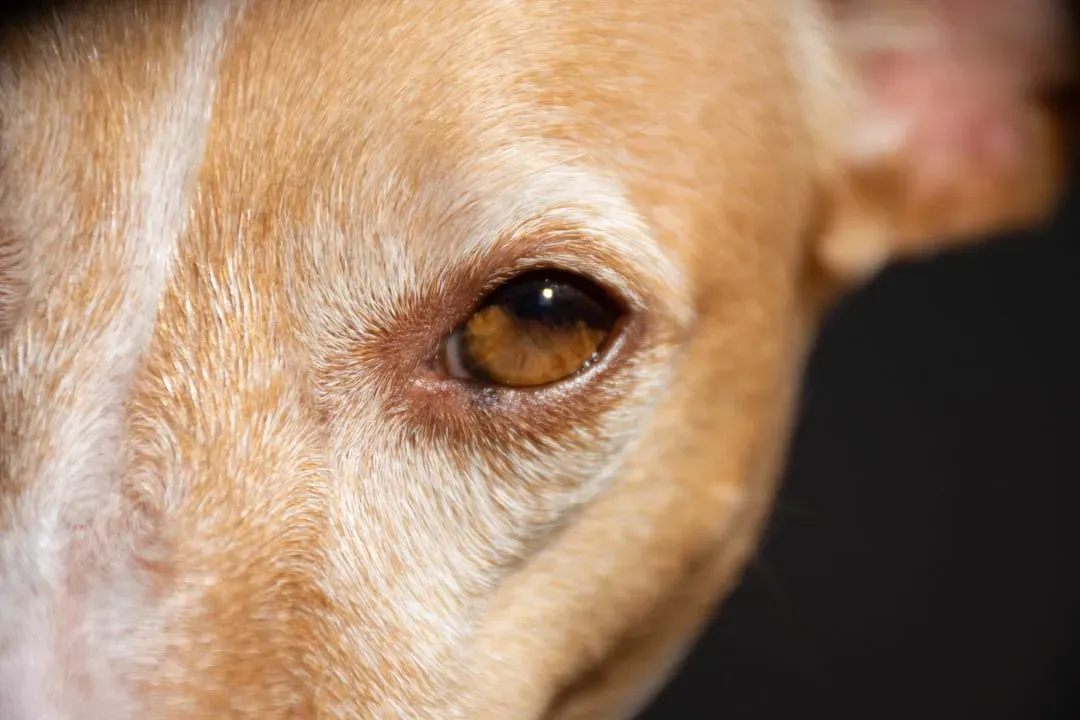
Lumps or growths can develop on or around the eyes. While many are benign, some can be malignant or cause discomfort.
Regular check-ups can help monitor these growths and determine if intervention is necessary.
Conclusion
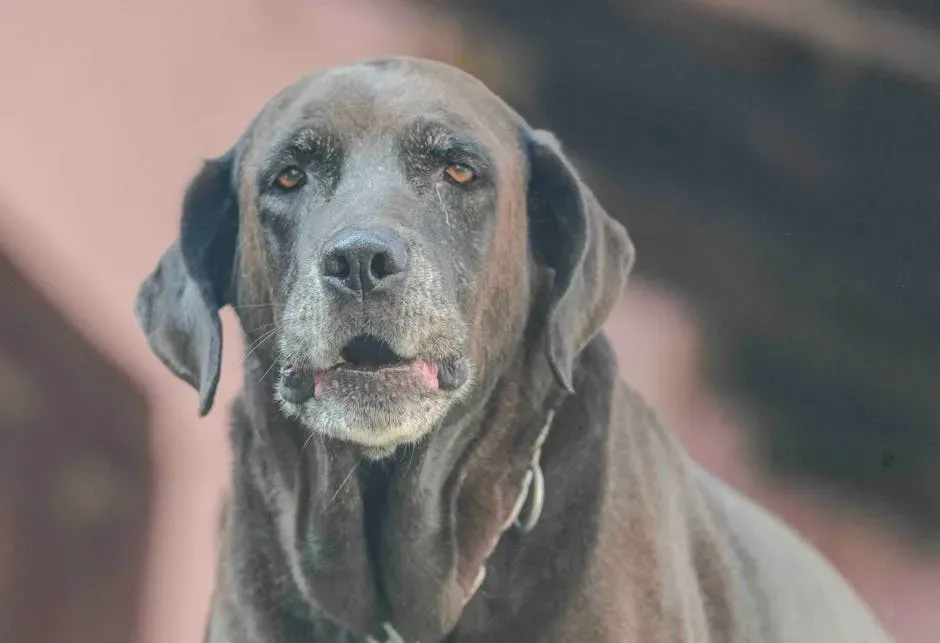
Our senior dogs have been loyal companions, offering unconditional love throughout their lives. As they age, their eyes can reveal much about their health and well-being. By staying vigilant and proactive, we can ensure their golden years are comfortable and filled with love. After all, isn’t that the least we can do for our faithful friends?


