
Most people assume a “slowing down” senior dog is just tired, achy, or losing interest in the world. That’s the story owners tell themselves anyway. But watch closely for a few weeks and a different picture emerges – one most people never notice until it’s already changed.
Ageing dogs don’t just slow down. They quietly rebuild their entire day around one fixed point: you. Sleep, meals, walks, even bathroom habits start bending toward your schedule instead of their own instincts. It sounds sweet until you realize what it actually means – and by the time most owners catch on, the pattern has been running for months. Here are the 13 subtle ways it happens, one at a time.
#1 – They Start Waking Up When You Do (Not When the Sun Does)
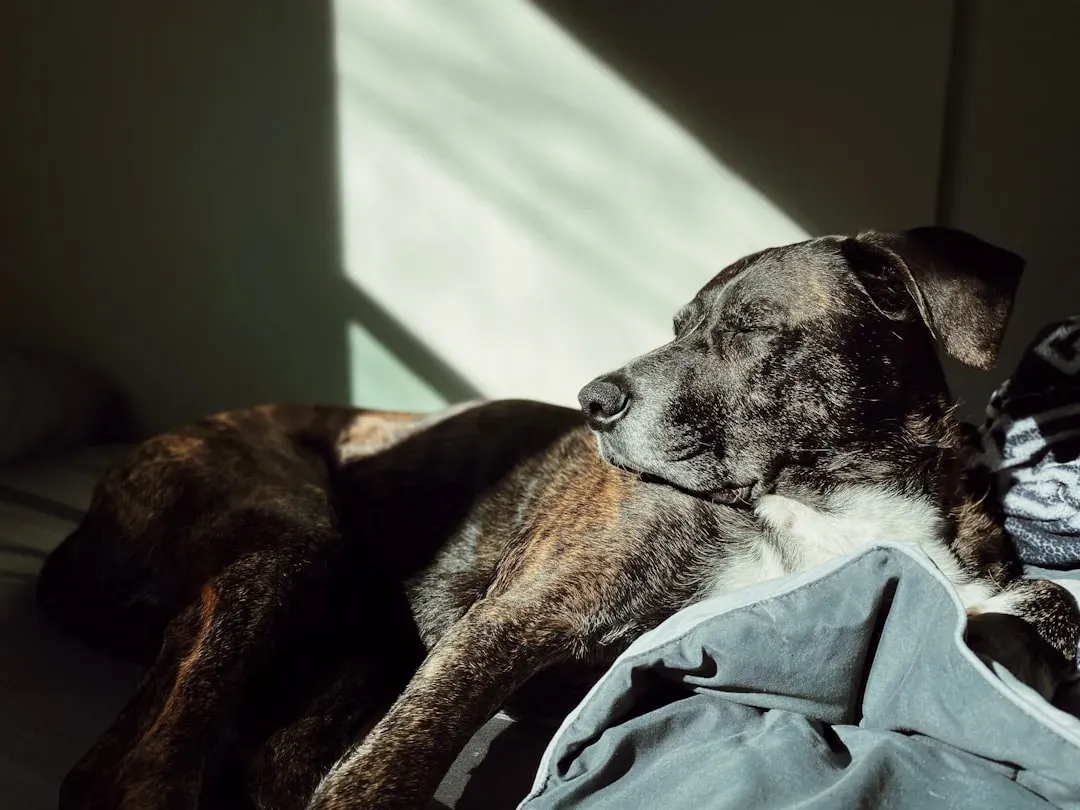
At some point, your ageing dog stops being an “alarm clock” and becomes your shadow instead. That early-morning zoomie phase quietly disappears, replaced by a single head lift the second you shift in bed.
As dogs age, their sleep cycles stretch and soften, but many still time their wake-up to the exact second your feet hit the floor. It’s not about energy anymore – it’s about proximity. They might not even get up right away, but their eyes track you from bed to bathroom to kitchen, making sure they don’t miss the window to be near you.
Fast Facts
- Senior dogs (generally age 7 and up) often sleep 16 to 18 hours a day, more than a typical younger adult dog
- Hearing and eyesight naturally dull with age, so movement and touch become bigger wake-up cues than sound
- Lighter, more fragmented sleep is common in older dogs, which is why they rouse so easily the moment you stir
- Less pacing at dawn, more dozing until you actually move
- A dog who “pretends to sleep” but cracks one eye the moment you stir
#2 – They Reposition Their “Resting Spots” to Keep You in View
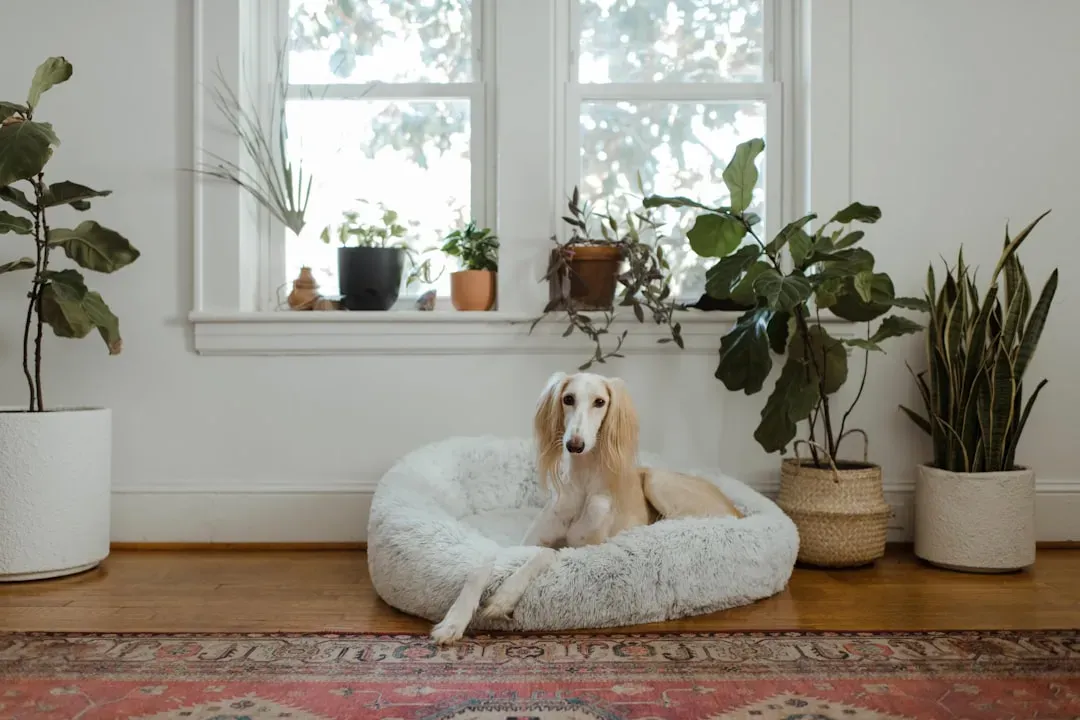
You might think your senior dog is just chasing softer floors or cooler corners. But pay attention to the pattern – their favorite nap spot slowly migrates over weeks and months until it always, somehow, ends up wherever you are.
Vets sometimes call this location preference, which is really just a polite way of saying they choose connection over comfort every time. The bed in the quiet corner gets abandoned unless you drag it next to your desk or the couch. Even the bathroom door becomes prime real estate while you shower, beating out a plush bed one room away.
- Bed dragged closer to your work chair or the TV
- Settling at the one spot where they can watch two or three rooms at once
#3 – They Shift Mealtimes Around Your Schedule, Not Theirs
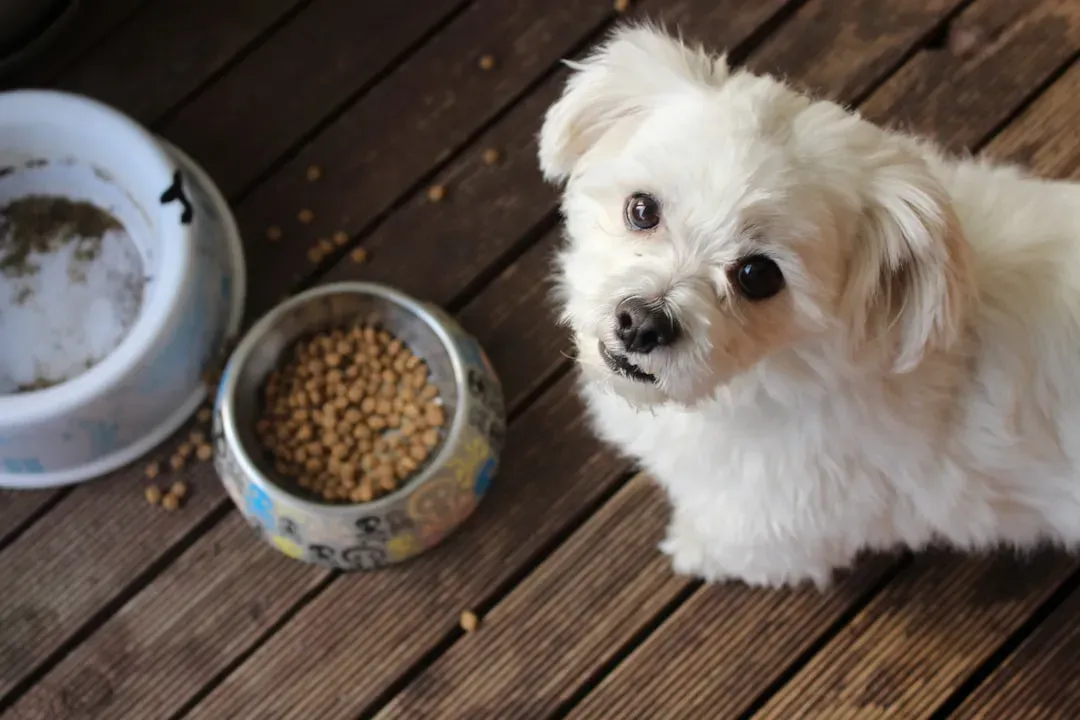
Puppies act like they haven’t eaten in three weeks the second food hits the bowl. Senior dogs get strangely polite about it instead – and it has almost nothing to do with the food itself.
Appetite naturally fluctuates with age, but here’s the pattern most owners miss: your dog often waits to eat until you’re nearby, seated, and calm. A full bowl sits untouched while you rush out the door, then gets cleaned the instant you walk back in and sit down. Some dogs will even carry a mouthful of kibble across the room just to keep eating near you instead of alone.
- Eating more completely when you’re home versus when you’re out
- Leaving food behind, then finishing it once you settle in or talk to them
#4 – Walks Stop Being About Distance and Start Being About Ritual
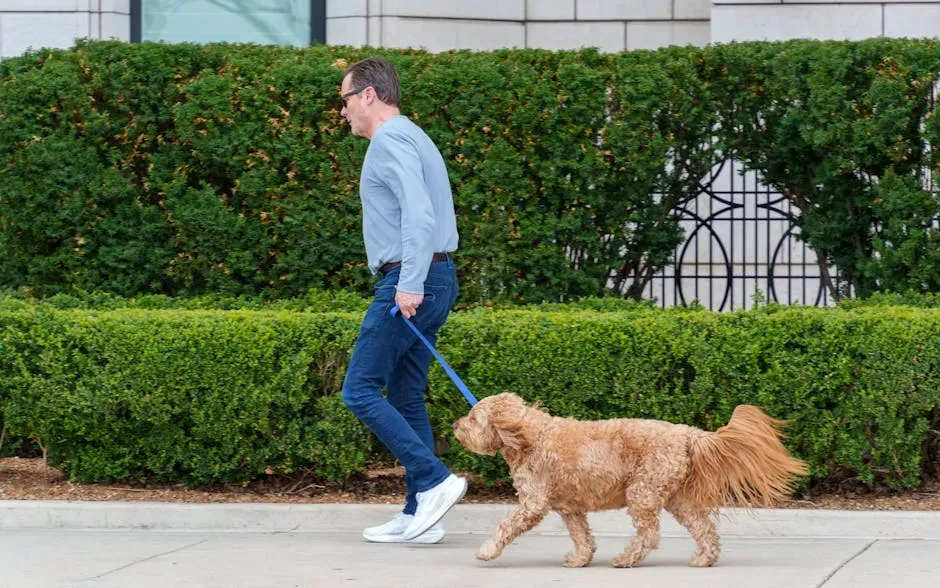
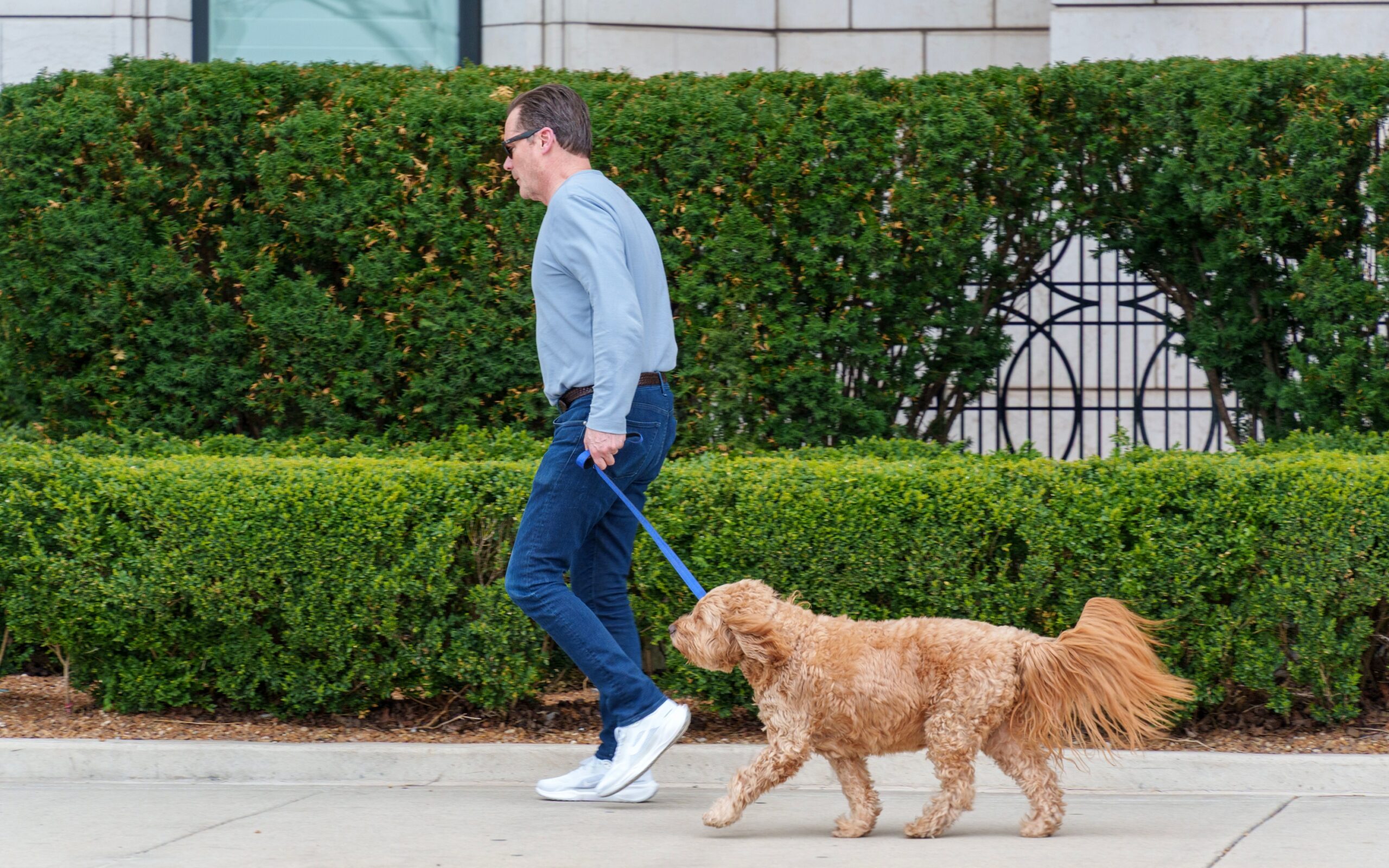
Most people chalk up a slower walking pace to stiff joints. That’s part of it, sure. But for a lot of senior dogs, the walk itself quietly transforms from exercise into something closer to a daily check-in with you.
You’ll notice they care less about dragging you down the block and more about matching your pace, your pauses, even your mood. They start looking up at you more than they look at other dogs. The route stops mattering; the shared act of walking together becomes the whole point – some seniors will even refuse to walk with anyone else, then perk right up the second you grab the leash.
Quick Compare
- Younger dog walk: chasing scents, covering ground, greeting every dog in sight
- Senior dog walk: matching your pace, staying at your side, checking in with eye contact
- Younger dog priority: the destination and the distance
- Senior dog priority: the routine itself and who they’re doing it with
- Willing to cut the walk short, but never willing to skip the pre-walk ritual
- Choosing to stand beside you at the park instead of running off to explore
#5 – Their “Guarding” Instinct Moves From the Door to Your Body
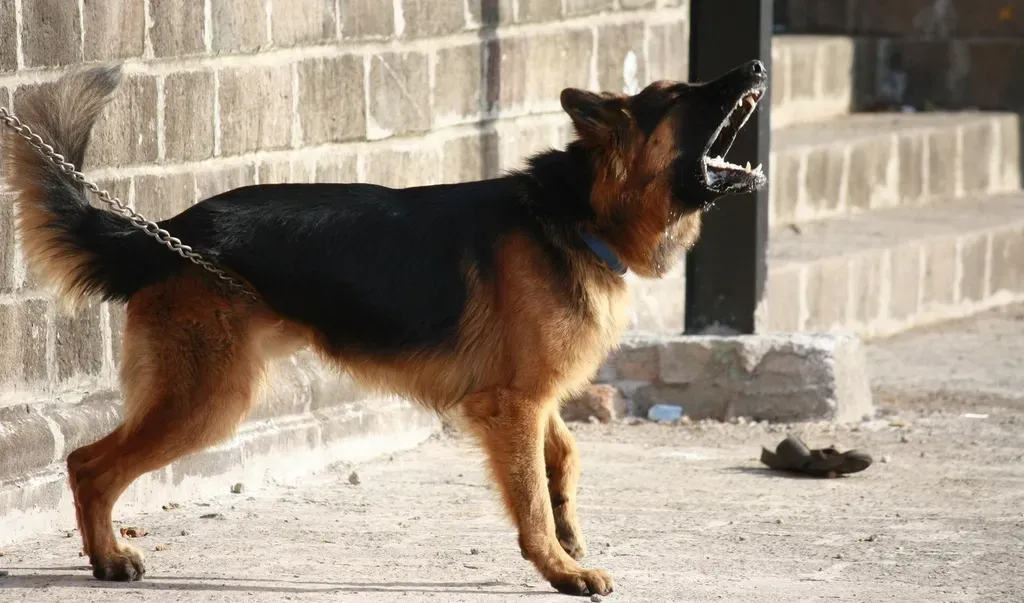
Young dogs bark at every delivery truck and falling leaf. Older dogs usually drop the theatrics – but that doesn’t mean the guarding stops. It just relocates.
Instead of parking themselves at the window, many ageing dogs start parking their body right next to yours, especially when you’re vulnerable: sleeping, sick, upset. The world outside gets less interesting; your breathing pattern gets more important. You’ll catch them edging closer when you cough, pressing tighter against your legs during a storm, or claiming the side of the bed nearest the door like unofficial security.
- Less racing to the front door, more standing beside you when someone knocks
- Trading hallway “patrols” for camping on the bathroom mat while you’re inside
#6 – They Start Predicting Your Tiny, Personal Habits
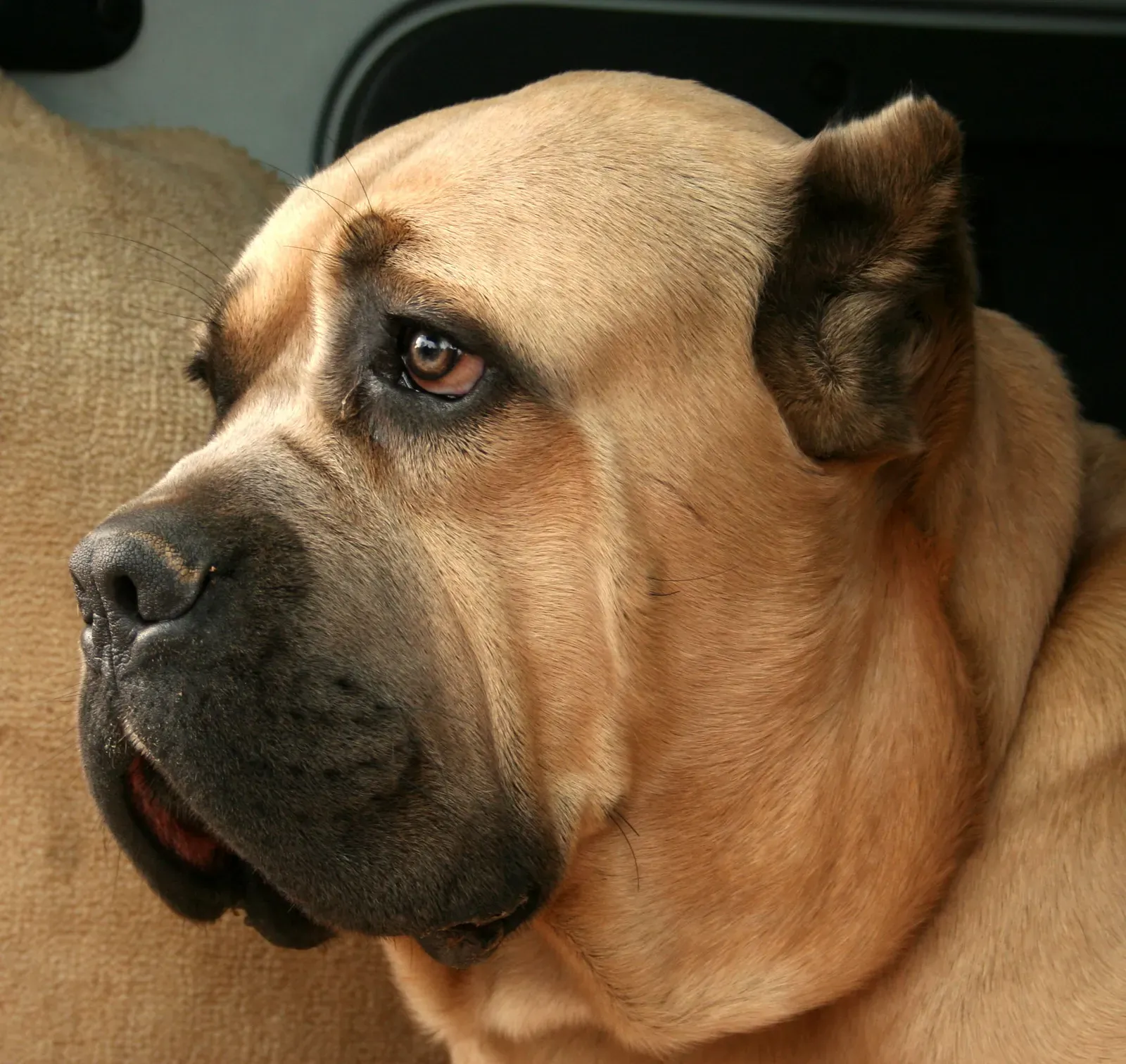
Every dog learns walk time and dinner time. Ageing dogs go further – they get almost unsettlingly good at reading the small, personal patterns that make up your day.
They stop waiting for the leash to jingle and start reacting to you picking up a certain mug, closing your laptop a certain way, or slipping on a specific pair of shoes. These tiny cues tell them exactly what’s coming, and they rearrange themselves to be ready for it – leaving the room right before your loud Zoom call, or appearing in the kitchen before you’ve even decided to grab a snack.
- Appearing in the hallway when you grab your keys, before you even touch the door
- Settling by the couch the moment you dim the lights for your usual show
#7 – Playtime Shrinks, But Emotional Check-Ins Multiply
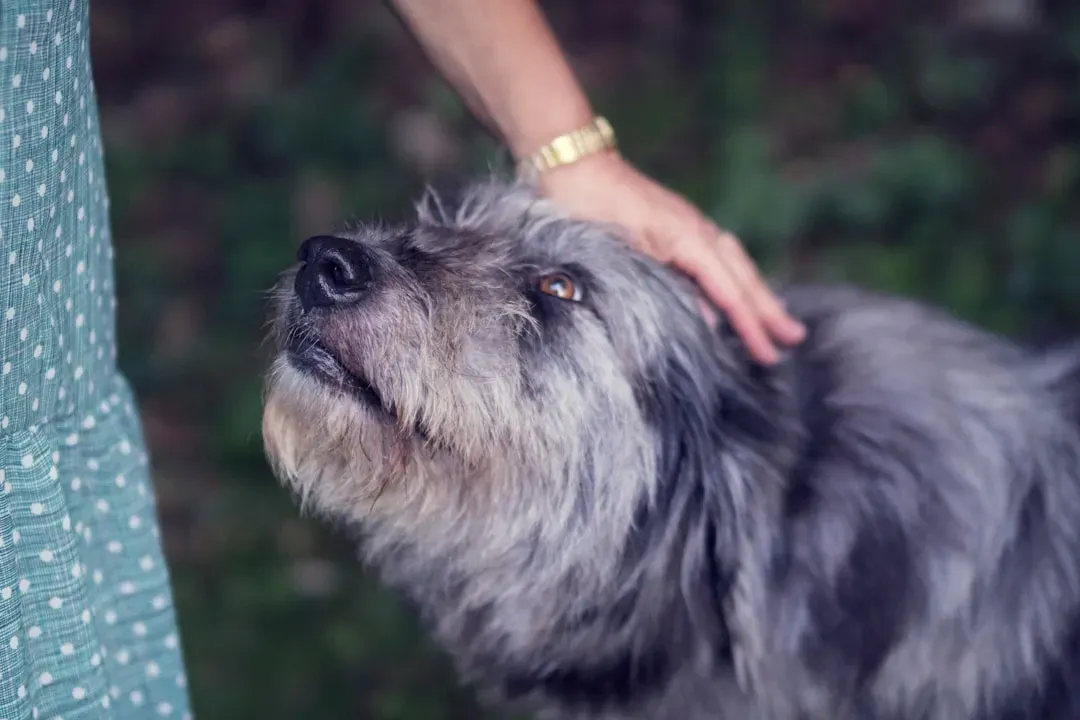
It stings to watch an old dog stop chasing the ball the way it used to. But here’s what most owners miss in that moment: the energy leaves the game, while the need for connection actually goes up.
Instead of chaotic tug-of-war, your senior dog starts initiating small, quiet moments – a paw resting on your leg, a toy brought over but never really played with, one gentle nudge before they lie back down. They’re not losing interest in you. They’re trading sprints for stillness, and for a lot of ageing dogs, a slow scratch behind the ears during your favorite show now beats an entire trip to the dog park.
Worth Knowing
- A paw on your leg or a toy dropped nearby often reads as a bid for closeness, not a request to play
- Lower-energy affection like leaning, resting a head on you, or slow tail wags typically replaces high-energy games
- This shift usually reflects changing energy and comfort levels, not fading interest in you
- They bring toys over, then simply lie beside you holding them
- Less interest in new toys, more interest in your voice and your touch
#8 – They Quietly Rearrange Their Bathroom Habits Around You
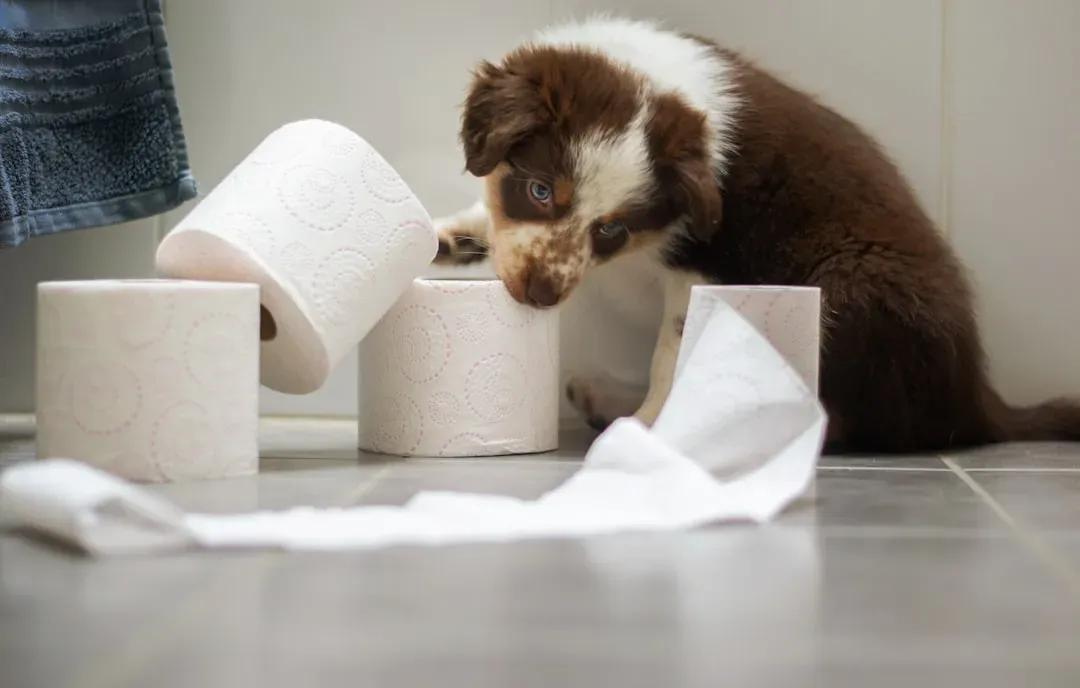
Most people only notice bathroom changes once there’s an accident. But long before that, an ageing dog is often strategically holding on or timing things purely to fit your schedule.
As long as their health allows it, many senior dogs get almost obsessively considerate about the house, waiting uncomfortably long rather than cause you any stress. You’ll see them pacing by the door right before you leave for work, or insisting on one last freezing-cold trip outside before bed – not for their own comfort, but so they don’t wake you or inconvenience you later.
- Insisting on going out at your usual departure or bedtime, even if they just went
- Holding it until you get home, then urgently but politely asking to go
#9 – They Start Sleeping on Your Scent When You’re Gone
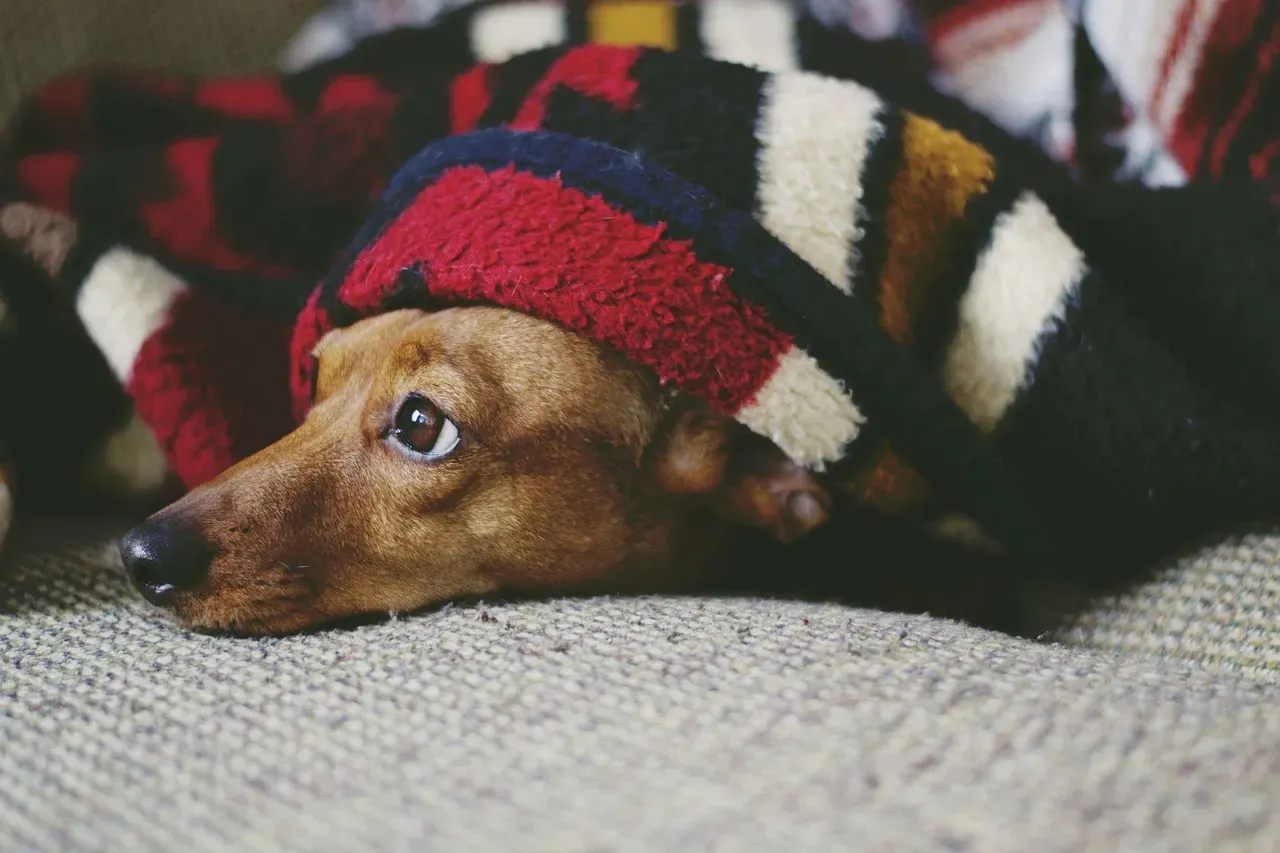
This is where it turns from sweet into something closer to a gut-punch. When you leave the house, ageing dogs usually don’t pace and whine the way younger anxious dogs do. Instead, they build themselves a “you substitute.”
You’ll find them curled on your unmade bed, buried in the laundry pile you swore you’d fold, or tucked into the exact spot on the couch where your blanket lives. They gravitate toward whatever smells most like you, and behaviorists see this less as spoiling and more as a genuine coping mechanism – a way of keeping the connection alive while you’re out of sight.
- The dog bed sits empty while your hoodie pile becomes prime real estate
- They refuse to move from your spot on the bed until you physically walk back in
#10 – They Mellow Out With the World, But Stay Razor-Sharp With You
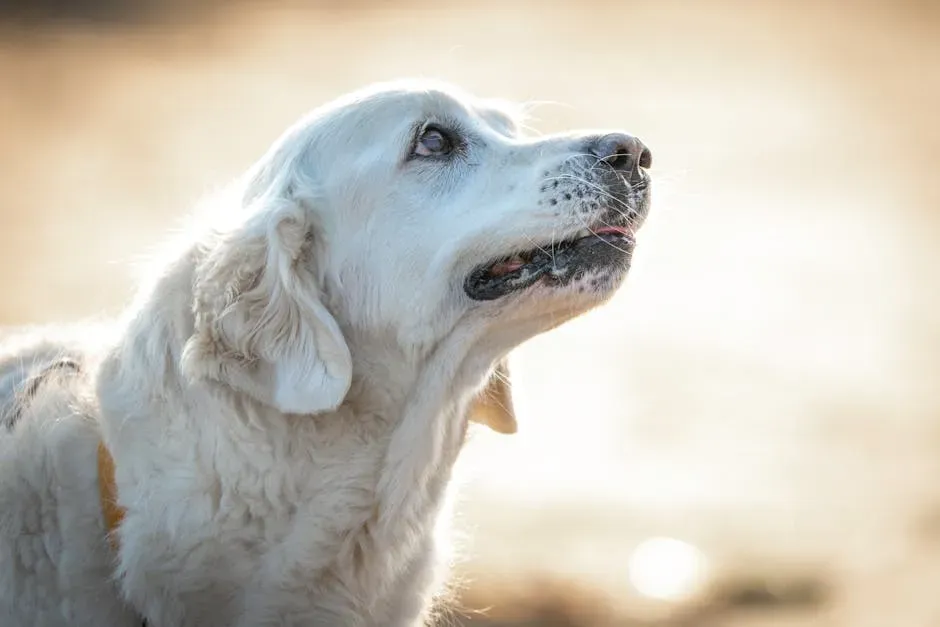
Ageing dogs usually become less reactive to strangers, doorbells, and random noise. Owners call it “mellowing out,” but it’s far more selective than that phrase makes it sound.
Toward the world at large, their responses genuinely soften. Toward you, they stay precise – still catching the smallest shift in your tone, your posture, your breathing, even as they sleep through the vacuum cleaner or a knock at the door. Their attention budget has simply gotten smaller, and almost all of it now goes to you.
- A senior dog who snoozes through guests arriving but appears the second you sound upset
- Barely reacting to a passing dog, then snapping to attention the moment you change rooms
#11 – Their Alone Time Shrinks, Even If They Used to Guard It Fiercely
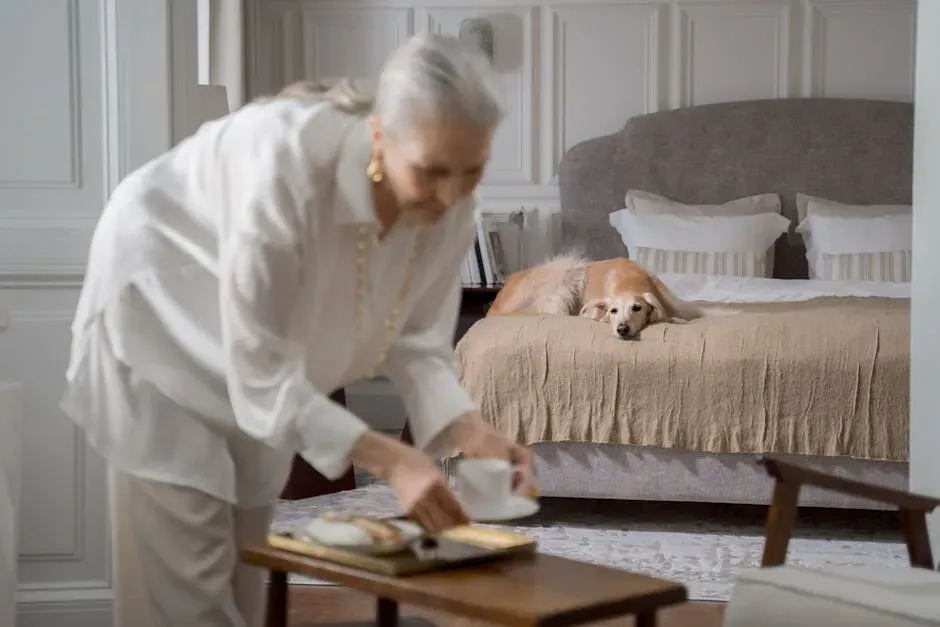
Some dogs have always been velcro. Others genuinely loved solo backyard time or a good crate break. With age, even those fiercely independent dogs start quietly shortening how long they’ll willingly stay away from you.
Instead of sunbathing outside for an hour, they wander back in after ten minutes to lie near your chair. Instead of napping in another room, they haul themselves up the second they hear you move. It isn’t puppy-style neediness – it’s priority-setting. They’re dropping the side quests to stay closer to the one storyline that still matters: you.
At a Glance
- Even historically independent breeds tend to reduce solo outdoor or solo-room time as they age
- Proximity-seeking behavior in senior dogs is common across breeds and personality types
- The shift is generally tied to comfort, security, and fading senses – not sudden neediness
- They stop retreating to “their” room and start trailing your path through the house
- Less interest in long solo yard exploring, more porch-sitting as long as you’re there too
#12 – They Start Matching Their Mood to Your Emotional Weather
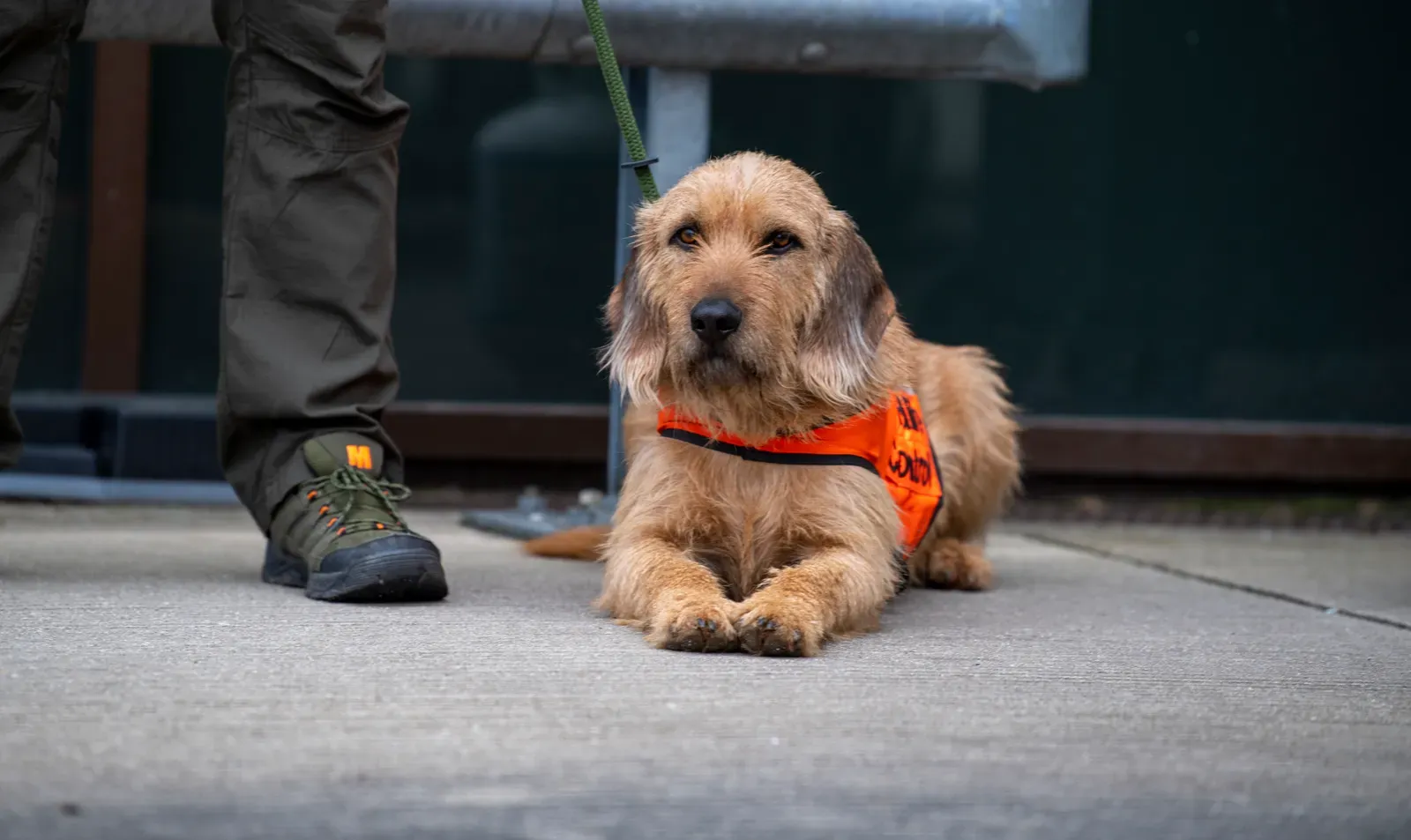
Here’s the part that quietly guts a lot of owners in hindsight: older dogs become emotional mirrors, and it runs both directions. Less distracted by play or novelty, your senior dog spends far more time simply watching you.
Dogs are known to pick up on shifts in human tone, posture, and even stress hormones, and older dogs seem to lean into that sensitivity harder than ever. They go still and watchful when you’re anxious, rest their head on you when you cry, and seem oddly unsettled on the days you’re pacing and distracted. On your calm, slow weekends, they melt into the background like they’re running on the exact same nervous system as you.
Dogs do speak, but only to those who know how to listen.
Orhan Pamuk
- They sleep deeper on your slow, relaxed weekends
- They pace or pant more on the days you’re rushing and irritable
#13 – They Quietly Start Preparing You for a Smaller, Slower World
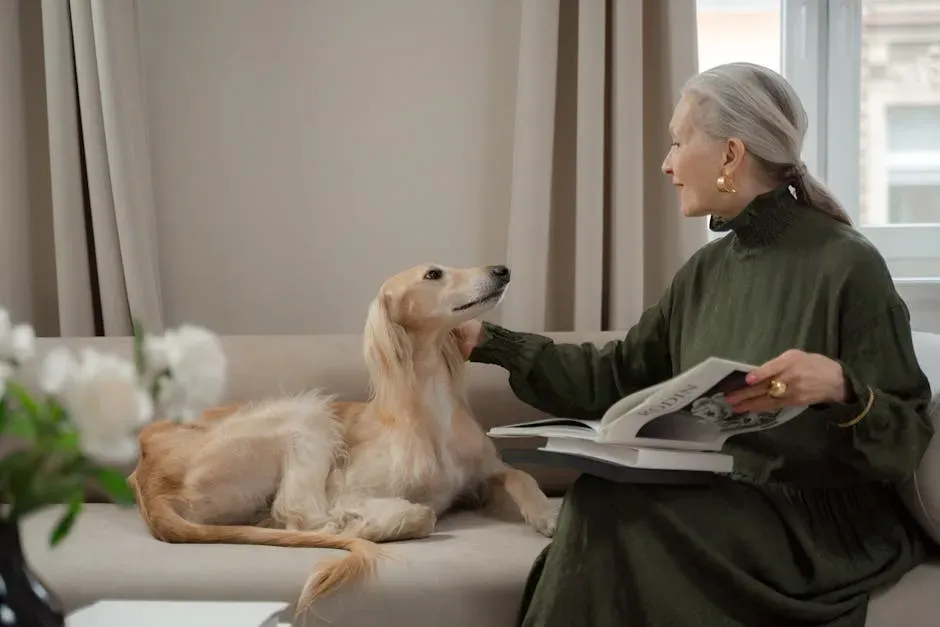
This is the hardest one to talk about, and the one people argue over the most online. Some owners insist dogs simply don’t think that far ahead. Others swear their old dog knew exactly what was coming.
Here’s the more grounded version: as senses fade and energy drops, ageing dogs naturally tighten their circle – less exploring, fewer new people, more time in their chosen safe zones with you. Whether you call that “preparation” or not, the effect is identical. Walks get shorter but somehow more meaningful. Bedtime cuddles become non-negotiable. The extra noise falls away until what’s left is just the bond itself.
- They’re content with one or two “anchor” activities, as long as you’re part of them
- Big outings matter less; the small daily rituals with you matter more than ever
The Verdict
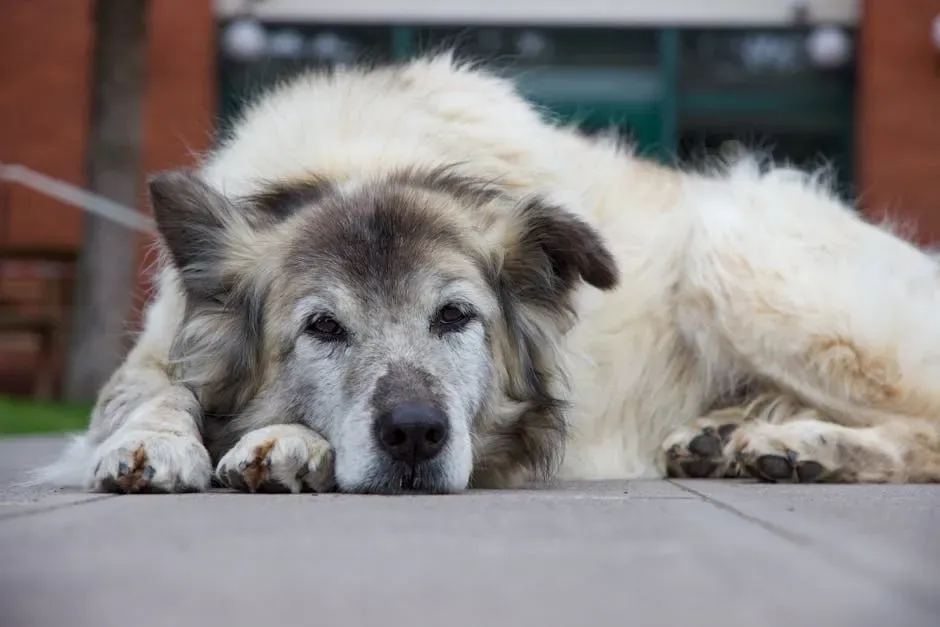
An ageing dog doesn’t announce this shift with drama. They just quietly re-allocate everything – sleep, walks, bathroom breaks, even where they finally lay their tired old bones down – around you. That’s the uncomfortable truth hiding under all the sweetness: while we’re busy worrying about their joints and their meds, they’re busy organizing whatever energy they have left around our presence.
Some people will say that’s too sentimental, that dogs simply don’t think that way. Maybe. But changed nap spots, synced routines, softer play, and sharper emotional tracking aren’t nothing – they’re a pattern, and patterns don’t lie. The blunt take is this: ageing dogs get ruthless about priorities near the end, stripping away everything that doesn’t matter. And somehow, every single time, you still make the final cut.


