
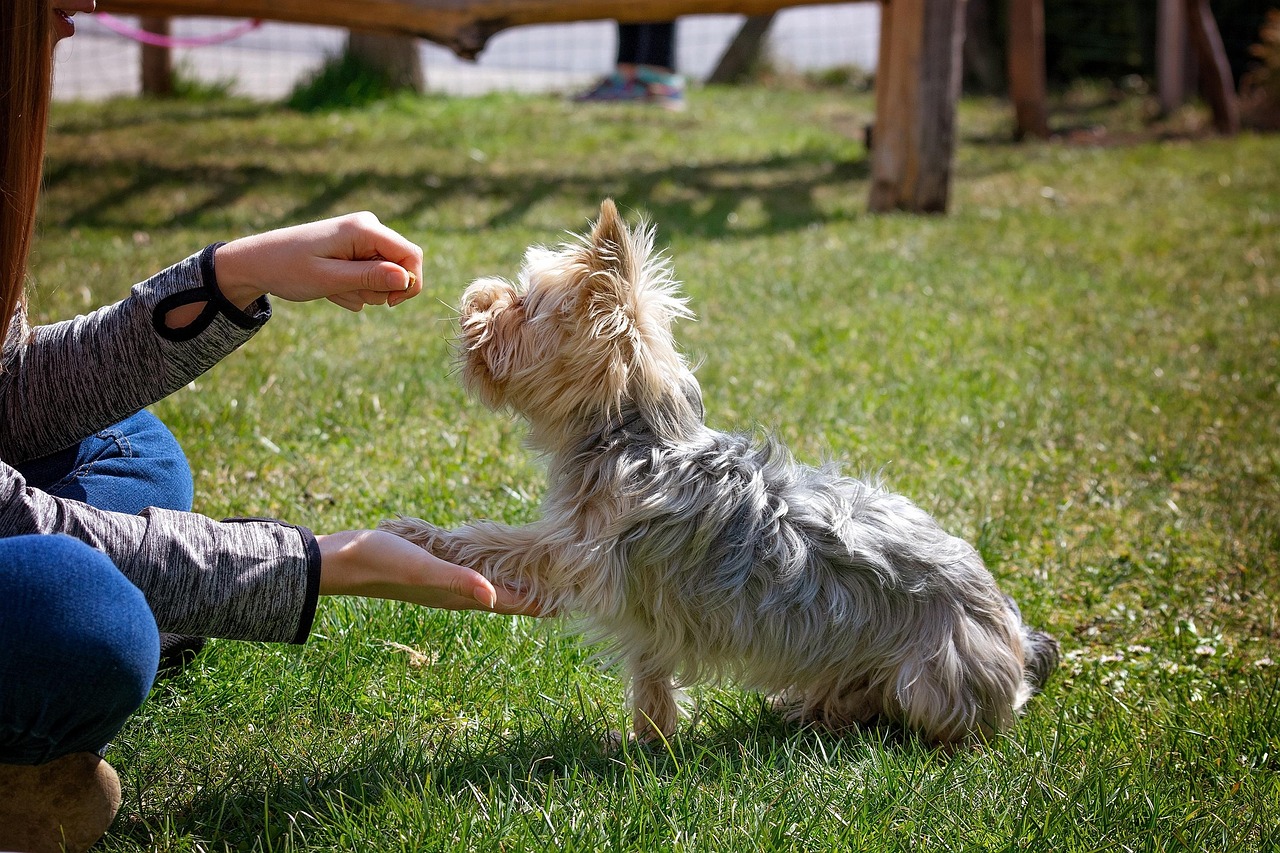
Every dog owner insists they’d never do anything to hurt their dog. And yet vets watch it happen in their exam rooms every single day, wrapped up in habits that feel like pure love. The chubby cheeks, the skipped walk, the shared french fry, the “he’s just stubborn” shrug – they all look harmless. They are not.
Most owners blame genetics or bad luck when a dog’s healthy years run short. Vets know better, because they see the same 14 patterns walk through their doors on repeat, dressed up as love, comfort, or convenience. Some of these will sting a little, especially the ones you might be doing right now without realizing it.
#14 – Free-Feeding and Letting Your Dog Stay “Chunky for Life”

Cute chubby dog photos rack up likes online, but every vet in the room quietly flinches. Extra weight isn’t a look, it’s chronic, low-grade inflammation running through a dog’s entire body day after day. Studies show lean dogs can live up to two years longer than their overweight littermates, a gap most owners never see coming.
That extra fat strains joints, hearts, livers, and even the immune system. Owners defend it with “he’s just fluffy” or “she’s always hungry,” but hunger cues in dogs are a terrible health gauge. Vets see the fallout constantly: early arthritis, breathing trouble, higher anesthesia risk, more cancer, more diabetes.
Fast Facts
- More than half of U.S. dogs are considered overweight or obese by veterinarians
- Excess weight raises the risk of arthritis, diabetes, and certain cancers
- Lean-fed dogs in long-term studies lived roughly two years longer than overweight littermates
- Twice-daily measured meals make it far easier to spot appetite changes early
Free-feeding, leaving the bowl full all day, makes portion control nearly impossible and turns boredom into a feeding trigger. A measured, twice-daily schedule lets you track appetite, adjust calories, and catch illness early if eating habits suddenly change. If your dog “lives for food,” that’s exactly why structure matters more, not less.
#13 – Skipping Daily Walks Because “The Yard Is Enough”
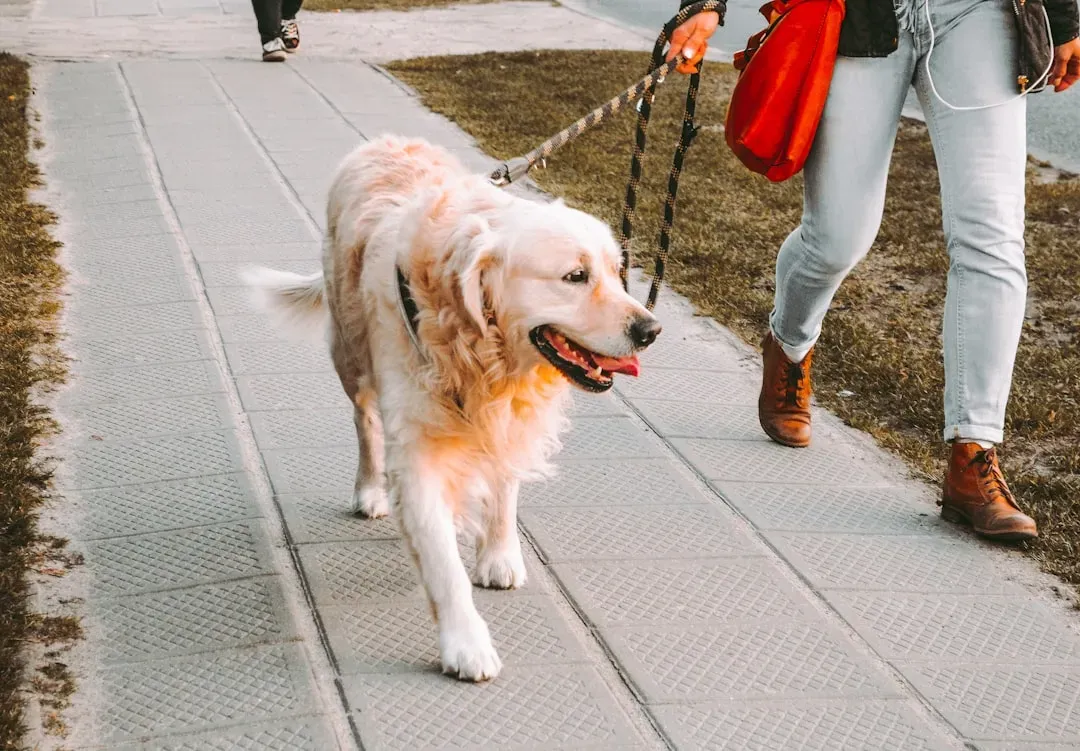
Plenty of owners swear a fenced yard does the same job as a walk. Vets and behaviorists strongly disagree, because sniffing new scents, seeing new sights, and working the brain outside the home are workouts a backyard simply can’t replicate. A yard is a bathroom and a play space, not a substitute for real exercise.
Dogs left to “exercise themselves” usually don’t. They lie around, get bored, and overeat, which fast-tracks weight gain, joint stiffness, anxiety, and destructive behavior that then gets mislabeled as “bad” or “dominant.” The dog isn’t broken, he’s under-stimulated.
A 20 to 40 minute walk, adjusted for age and breed, improves joint health, heart health, sleep quality, and behavior almost immediately. As many vets put it, a walked dog is a happier, easier dog to live with.
#12 – Brushing Off Dental Care as “Just Dog Breath”
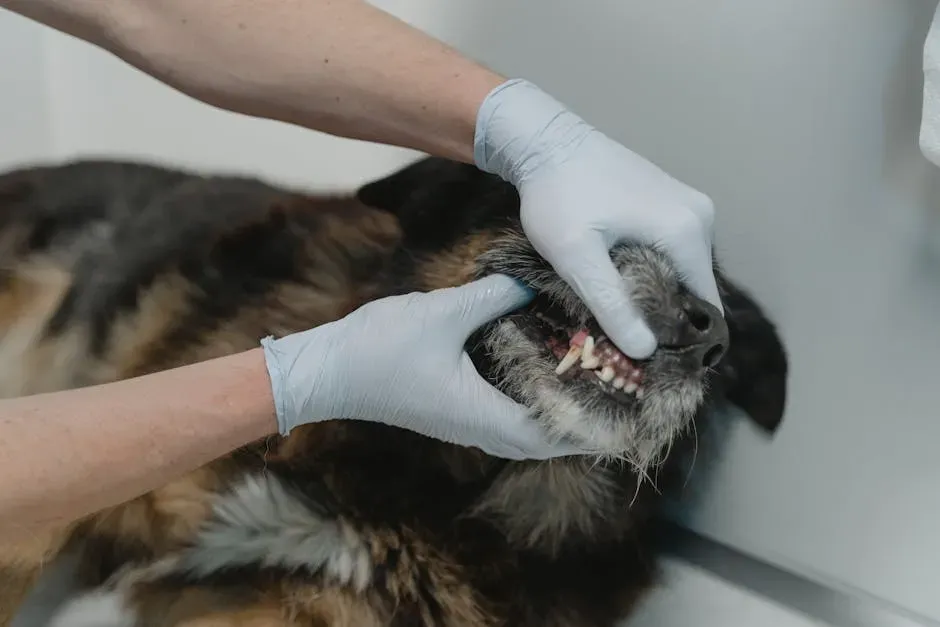
This is the one vets are genuinely tired of arguing about. “He’s fine, it’s just dog breath” usually translates to chronic infection quietly rotting under the gums. Periodontal disease isn’t cosmetic, it’s bacteria living in the mouth and seeding the bloodstream daily, straining the heart, liver, and kidneys for years.
Dogs don’t show mouth pain the way people do. They keep eating through cracked teeth, abscesses, and exposed roots until it’s unbearable, often losing multiple teeth and suffering silently for months or years first.
Regular dental cleanings under anesthesia, paired with at-home brushing or vet-approved chews, aren’t extras, they’re basic healthcare. Owners who finally get that first cleaning done often say the same thing afterward: their dog acts like a puppy again, because the pain is finally gone.
#11 – Using Retractable Leashes Everywhere “For Freedom”

Retractable leashes feel modern and kind, but plenty of vets and trainers quietly despise them. Owners defend them as “more freedom,” but they create a perfect storm of poor control, sudden joint impacts, and dangerous encounters nobody can stop in time. The thin cord itself can cause severe burns or cuts if it wraps around a finger or a leg.
The constant tension teaches dogs to pull just to feel normal. When they hit the end of the line at speed, that shock loads straight into the neck and spine, especially risky for small breeds and dogs with existing back or trachea issues.
In busy areas, it only takes one split second for a dog to dart into traffic or up to an unfriendly dog while the owner fumbles with the lock button. A sturdy 4 to 6 foot leash with a harness gives plenty of room and dramatically more safety.
#10 – Letting Small Dogs “Rule the House” Because They’re Tiny
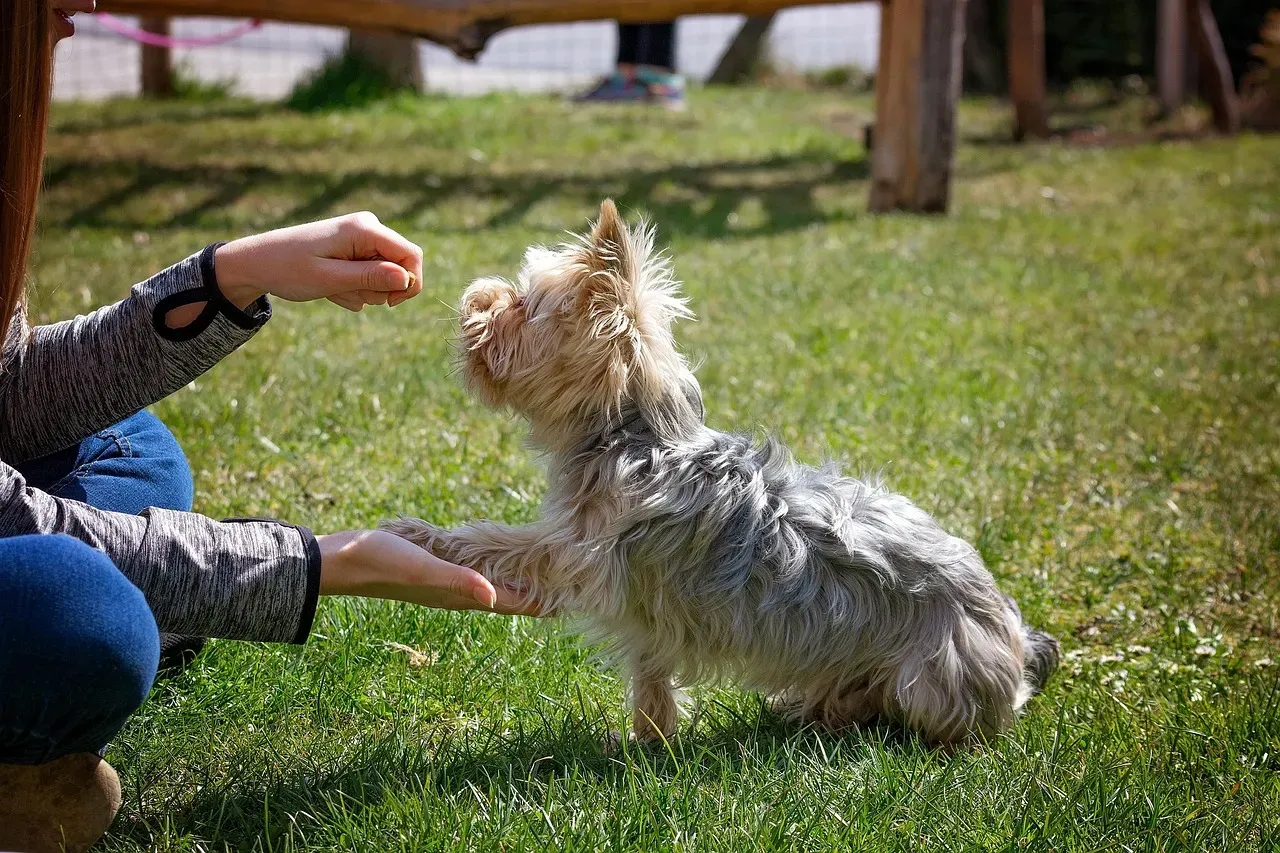
Plenty of people proudly admit their Chihuahua or Yorkie “runs the house,” and treat it like a running joke. Vets and behaviorists see something else entirely: a chronically stressed, under-socialized little dog. Small dogs often show more anxiety, barking, and biting precisely because every red flag gets excused as “cute.”
Fear-driven aggression is still aggression, even at six pounds. When small dogs never learn boundaries, get carried instead of walked, and get punished unpredictably when fear turns into snapping, the world starts to feel terrifying and out of control.
That constant vigilance isn’t harmless. Chronic stress hits immune function, heart health, and quality of life just like it does in bigger dogs. Treating a small dog like a real dog, with training, exercise, and structure, gives them a calmer, safer life than being carried everywhere ever could.
#9 – Relying on Outdoor Dogs and “He’s Used to the Weather”

Some owners insist, “he’s an outside dog, he loves it,” especially with certain hardy breeds. Vets see the other side of that story constantly: heatstroke, frostbite, parasite overload, and untreated injuries. No dog is physiologically built to thrive in extreme heat or cold without real risk, no matter how thick the coat.
Even tough working breeds suffer if left outside too long without real shelter, temperature control, and supervision. Beyond the physical damage, constant outdoor isolation is mentally punishing for an animal that’s wired to be social.
Worth Knowing
- Dogs regulate body heat far less efficiently than humans, mainly through panting
- Heatstroke can cause organ damage within minutes once a dog’s core temperature spikes
- Thick coats do not fully protect against frostbite on ears, paws, or tails
- Outdoor-only dogs face greater exposure to parasites and untreated minor injuries
Barking, fence-fighting, and pacing aren’t personality quirks, they’re coping behaviors from a dog separated from its family for most of the day. Dogs that sleep inside, spend real time with their humans, and get structured exercise outside consistently show better health and better behavior, “farm dog” reputation or not.
#8 – Skipping Heartworm, Flea, and Tick Prevention to “Avoid Chemicals”
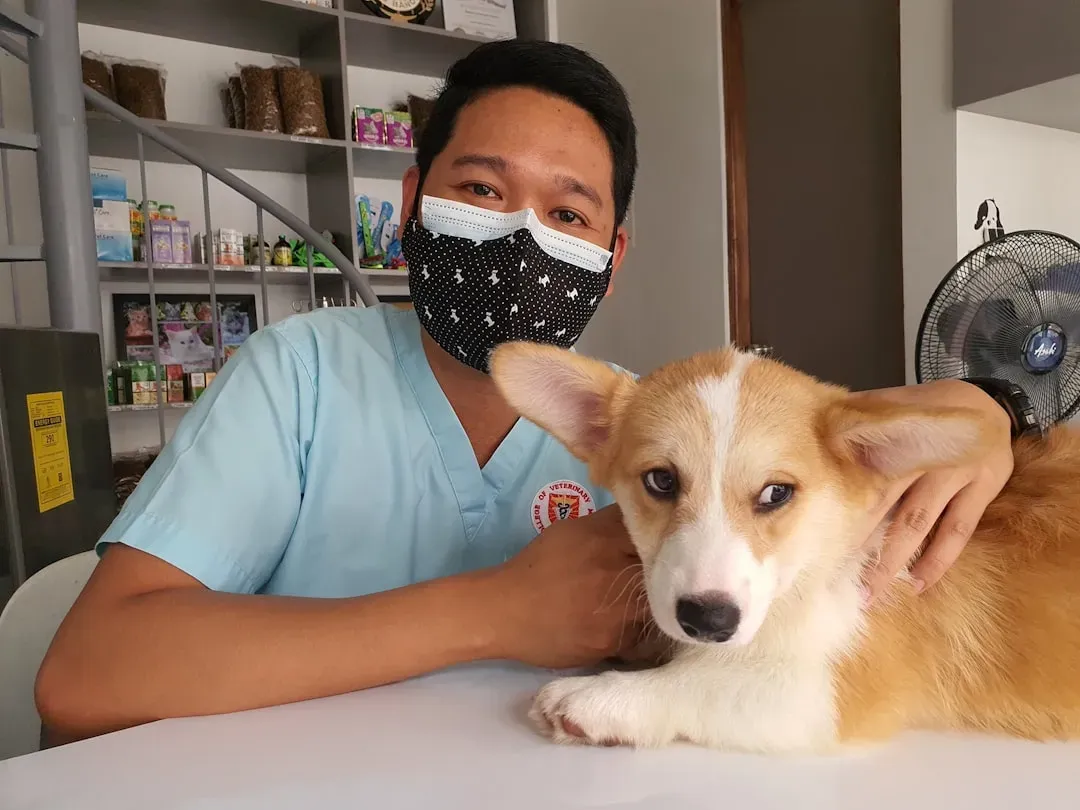
A growing number of owners proudly post that they’ve ditched “chemicals” for garlic, oils, or homemade concoctions instead. Most vets consider this genuinely dangerous. Heartworm disease, spread by a single mosquito bite, can cause lifelong heart and lung damage or death, and it’s far harder and more expensive to treat than to prevent.
Fleas and ticks carry diseases that silently damage organs over time, long before an owner notices anything wrong. Modern preventives aren’t risk-free, but they’re extensively tested, dosed by weight, and used under veterinary guidance, and the risk of side effects is far lower than the risk of uncontrolled parasites in most regions.
Vets aren’t pushing these products for fun. They’re tired of watching dogs arrive in heart failure or fighting tick-borne disease that a simple monthly dose could have prevented entirely.
#7 – Treating Every Limp or Stiffness as “Just Getting Older”
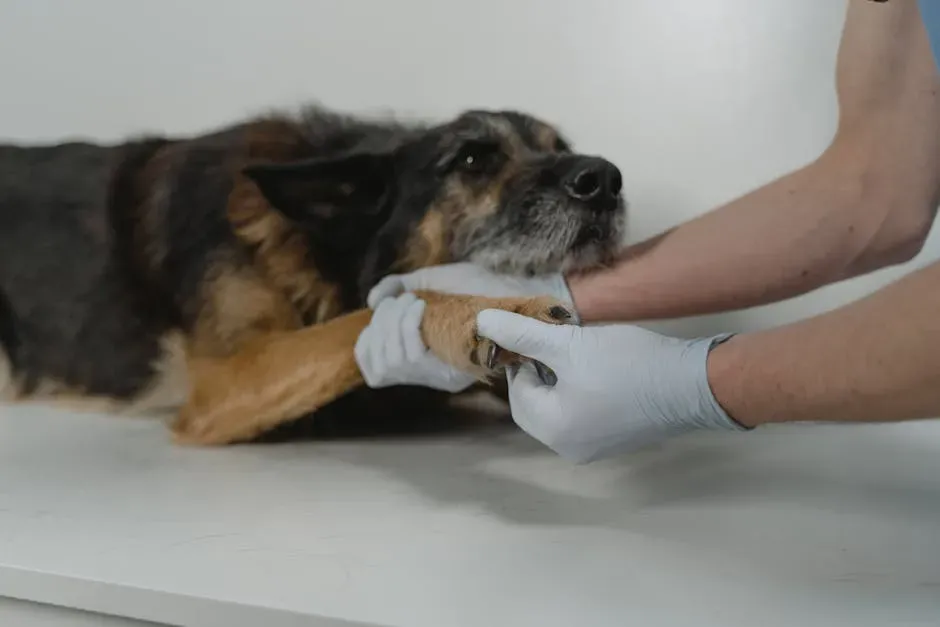
Many owners shrug off subtle mobility changes, especially in large breeds, with a simple “he’s just slowing down.” In reality, chronic pain is one of the most under-treated conditions vets see walk through the door. Arthritis can start shockingly early, and dogs almost never scream or whine about it.
They just move less, hesitate on the stairs, or stop jumping on the couch. Pain is exhausting, and over time sore joints change posture, strain other areas, and limit activity, which accelerates muscle loss and weight gain in a vicious cycle that shortens a dog’s comfortable years.
At a Glance: Subtle Signs of Pain
- Slower to rise or hesitating before stairs
- No longer jumping onto furniture or into the car
- Increased irritability when touched in certain spots
- Restlessness at night or trouble settling
There are real options now: joint supplements with solid evidence behind them, prescription pain meds, physical therapy, weight management, even acupuncture or laser therapy at some clinics. Owners who finally treat the pain often say the same thing: “I didn’t realize how bad it was until I saw the change.”
#6 – Letting Kids “Climb All Over” the Dog Because “He’s So Good”

Family social media is full of toddlers riding, hugging, or sprawled across dogs, and plenty of parents insist “he’d never hurt her.” Vets and behavior experts wince at this, because even the calmest dog has limits, and constant boundary violations are deeply stressful. Dogs give subtle warning signals first, lip licking, yawning, turning away, that get ignored until they finally snap.
Beyond the bite risk, a dog that can never truly rest, escape, or say no is living in a state of chronic tension that affects sleep, digestion, and overall wellbeing.
Until one has loved an animal, a part of one’s soul remains unawakened.
Anatole France
Respecting a dog’s safe space, teaching kids to pet gently and briefly, and supervising every interaction doesn’t ruin the bond, it protects it. The best family dogs are usually the ones whose signals get heard, not the ones forced to be saints 24/7.
#5 – Constantly Using Harsh Punishment and “Alpha” Methods
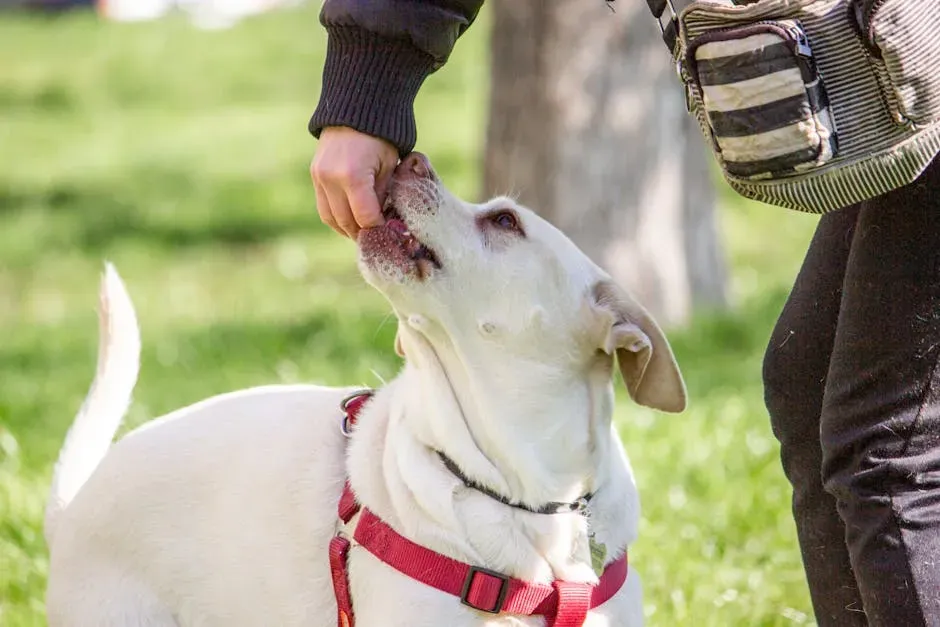
Some owners still cling to outdated dominance-based training advice, defending yelling, leash-jerking, alpha rolls, and shock collars as “tough love.” Vets and modern behaviorists overwhelmingly disagree. Fear-based training may suppress behavior in the moment, but it ramps up anxiety, damages trust, and can make aggression worse long-term.
Chronic fear changes physiology, raising stress hormones and affecting heart health, digestion, and immune function. A dog that never knows when punishment is coming learns to anticipate danger everywhere, and that’s not obedience, that’s survival mode.
Reward-based training doesn’t mean never saying no, it means teaching a dog what to do with clarity, consistency, and fair consequences. Dogs trained with humane methods are typically more relaxed, more reliable under stress, and safer around kids and strangers, so updating your training beliefs might be the most underrated health decision you ever make for your dog.
#4 – Ignoring Early Behavior Changes as “He’s Just Being Difficult”
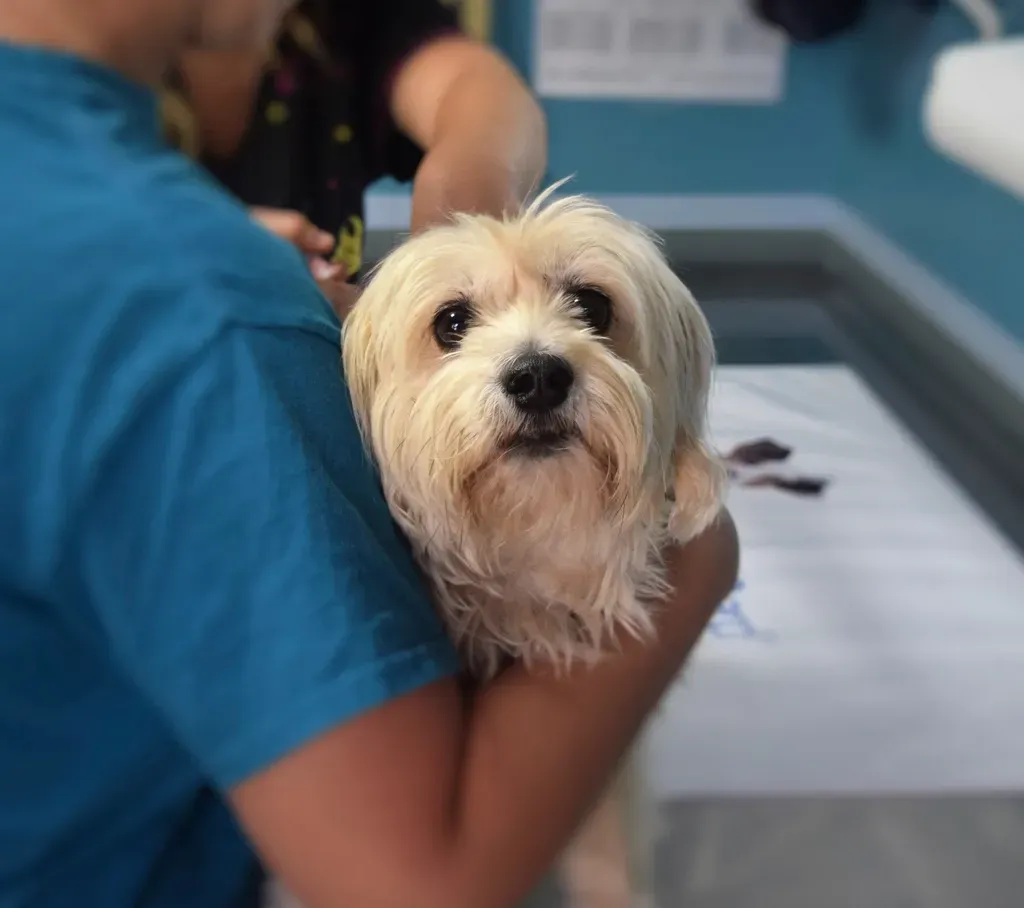
Subtle behavior shifts are often the earliest sign something is medically wrong, yet they get dismissed constantly. A dog that suddenly seems clingy, withdrawn, snappy, or restless is communicating something real. Pain, thyroid issues, cognitive decline, anxiety, even some cancers, first show up as “weird behavior” long before any obvious physical sign.
When owners chalk it up to stubbornness or jealousy, they miss a crucial diagnostic window. Vets routinely uncover underlying medical problems after owners finally come in for what they thought was a behavior issue, hiding, panting at night, avoiding touch, sudden indoor accidents can all point to real physical changes.
Behavior is a vital sign, and treating it like one can genuinely add high-quality years by catching disease earlier. Waiting for a dramatic collapse or crisis almost always means fewer, rougher years at the end.
#3 – Not Prioritizing Routine Vet Visits and Bloodwork
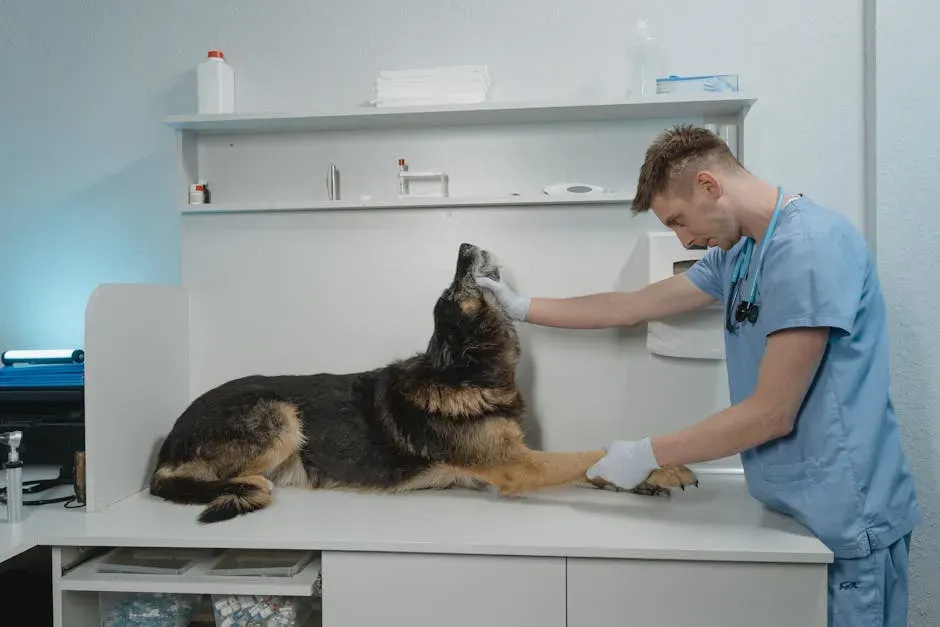
Many owners only see the vet when something looks obviously wrong, then feel blindsided by bad news. Vets know better, because quiet, early changes show up in exams and bloodwork years before a crisis ever hits. Kidney disease, liver issues, diabetes, thyroid imbalances, and early heart changes are all far easier to slow down when caught early.
Skipping annual or semi-annual wellness visits to save money often backfires hard. By the time weight loss, vomiting, or collapse shows up, the options left are more limited, more expensive, and less effective.
Quick Compare: How Often to See the Vet
- Puppies (under 1 year): every 3-4 weeks for vaccines and checkups
- Adult dogs (1-6 years): once a year, plus baseline bloodwork
- Senior dogs (7+ years): every 6 months, with routine bloodwork
Regular checkups let your vet track trends, a creeping kidney value, a new heart murmur, a small lump worth watching or removing while it’s still simple. Bloodwork in middle age and the senior years isn’t overkill, it’s how you buy more comfortable time, and preventive medicine is boring right up until it’s the thing that saved your dog’s last good years.
#2 – Letting Anxiety Run the Show Because “That’s Just How He Is”

Many owners normalize their dog’s anxiety with a shrug: “he’s just nervous,” “she hates being alone,” “he freaks out during storms.” Vets now view chronic anxiety as a major welfare and health issue, not a personality quirk. Persistent fear states raise cortisol and adrenaline, which over time can affect heart function, digestion, skin health, and immune resilience.
Dogs that pace, drool, shake, destroy things when left alone, or shut down in new places aren’t being dramatic, they’re overwhelmed. The old idea that treating anxiety with behavior work or medication is “weak” or “drugging the dog” is badly outdated.
Just like in people, some brains need extra support. Working with a vet or veterinary behaviorist on environmental changes, predictable routines, training, and when appropriate, medication, can turn a life of constant fear into one of relaxed, curious engagement, a shift that adds real comfort to whatever years remain.
#1 – Treating Food as Love and Sharing Human Junk
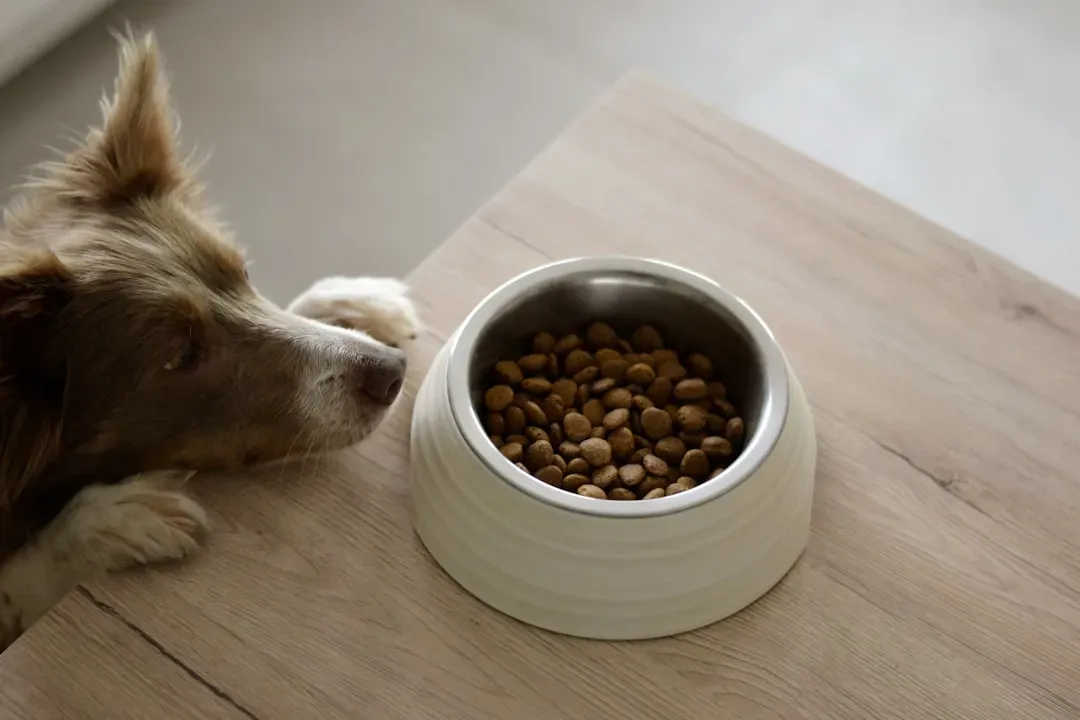
This is the hill many owners will die on: “he only lives once, let him enjoy it,” while sharing pizza crusts, bacon, sugary snacks, or heavily seasoned leftovers. Vets see the predictable endgame every time, pancreatitis, obesity, severe GI upsets, and long-term organ strain from a diet that was never built for a dog’s body.
A single fatty meal can trigger life-threatening pancreatitis in some dogs. Human junk food delivers calories, salt, and fat with almost no nutrients that actually help, and over years that mismatch quietly hammers metabolism, joints, and organs. Even “healthy” human foods like grapes, onions, and xylitol-sweetened items can be outright toxic.
Loving a dog through food was never the problem, what you choose to give is. High-quality food built for their age and health, measured treats, and maybe a little vet-approved fresh food gives real pleasure and real protection at the same time. Saying no to the pizza crust, even when those eyes are begging, is what real love actually looks like.
The Uncomfortable Truth About “Loving” Your Dog
Most owners defending these habits aren’t bad people. They’re following old advice, social media trends, or whatever “everyone else does,” and they genuinely believe they’re being kind.
But vets who watch dogs age day after day see a pattern that doesn’t lie: the dogs who get structured exercise, a lean body, preventive care, gentle training, and real respect for their emotional lives consistently get more good years, not just more years on paper.
Love without boundaries, extra food, skipped vet visits, ignored pain, endless unmanaged stress, feels kind in the moment and quietly cruel over a lifetime. If even two or three of these habits sound familiar, that’s not a reason to feel guilty, it’s exactly where you can add real years back. Which of these hit closest to home for you? Vets hear every excuse in the book, tell us yours in the comments.


