
14 Reasons Your Dog Sleeps Pressed Right Against You Every Night
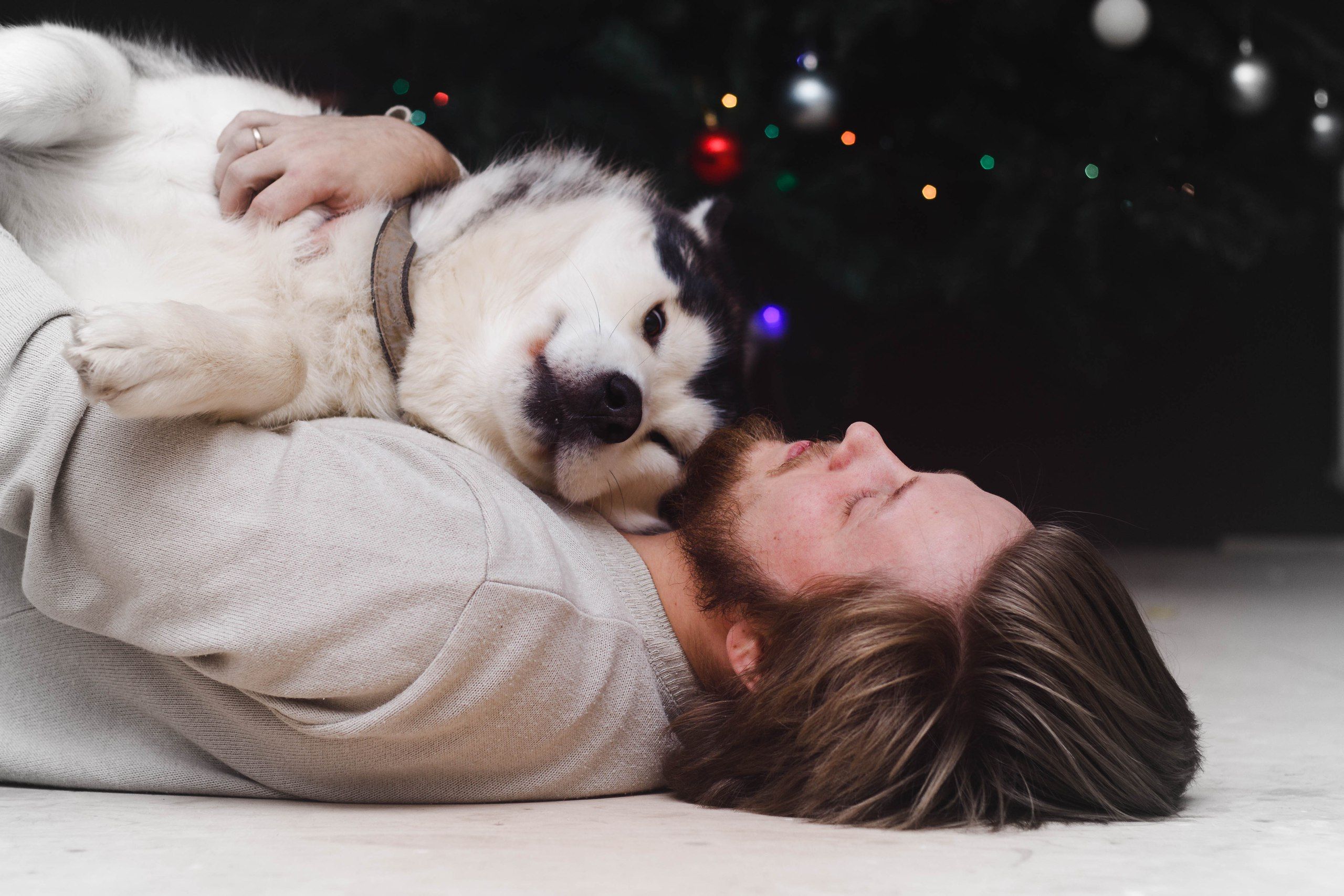
Most people assume their dog sleeps glued to them at night because they’re clingy, spoiled, or just love a good cuddle. That’s the story owners tell themselves – and it’s not the real one. Underneath that nightly press-and-cling routine is a tangle of ancient survival wiring, emotional signaling, and a few warning signs most owners walk right past without noticing.
Some of these reasons are sweet enough to make you a little emotional. Others are surprisingly calculated, and one or two are quiet red flags dressed up as affection. If your dog treats you like a human-shaped Velcro strip every single night, the truth behind it runs a lot deeper than “they just love me” – and behaviorists and vets have been unpacking it for years.
#14 – Leftover Pack Instinct From Their Wolf Ancestors
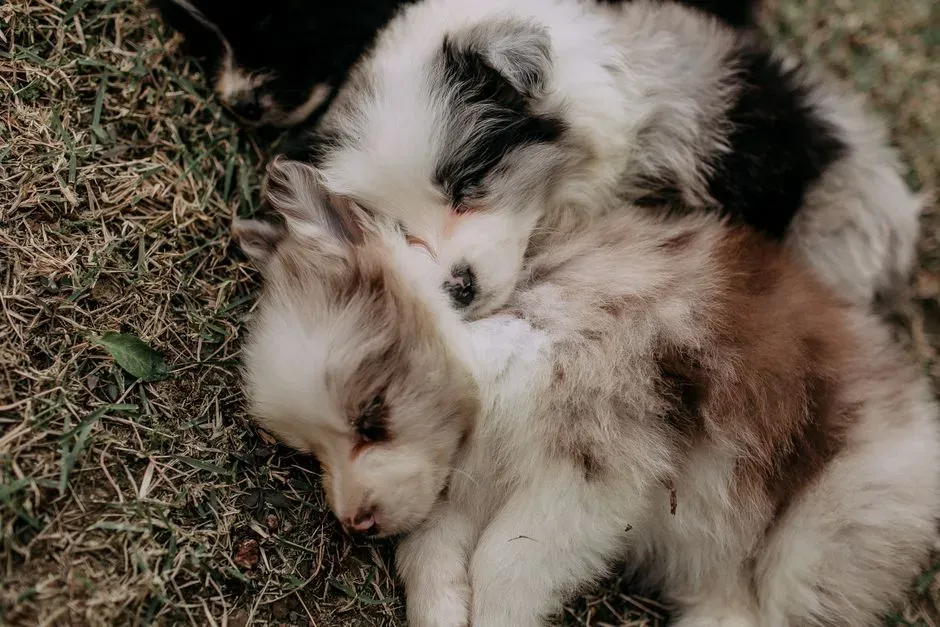
Your dog isn’t being dramatic – they’re running on an ancient script written long before couches existed. In the wild, canines pile together to stay warm, protected, and tuned in to every twitch their pack makes. When your dog presses into you at night, they’re essentially saying, “You’re my pack now.”
That full-body contact mirrors how littermates and pack members slept to guard each other from predators, conserve heat, and track movement in the dark. It’s not just cozy – it’s surveillance. Notice how many dogs choose your legs or side instead of your face? That’s strategic: close enough to sense danger, not so close they’d get shoved off mid-dream. Most owners call it “cuddly.” Experts call it a built-in alarm system left over from their wolf-pack days. But that’s nothing compared to what we found about #13…
Fast Facts
- Wild canines often sleep in tight group huddles, touching muzzle-to-flank to share warmth overnight.
- Group sleeping lets a pack split up alert duty, so no single animal has to stay fully on guard.
- Puppies show heat-seeking huddling behavior with littermates within their first few weeks of life.
- Domestic dogs keep this touch-based comfort wiring even though central heating removed the original survival need.
#13 – You’re Their Walking, Breathing Security Blanket
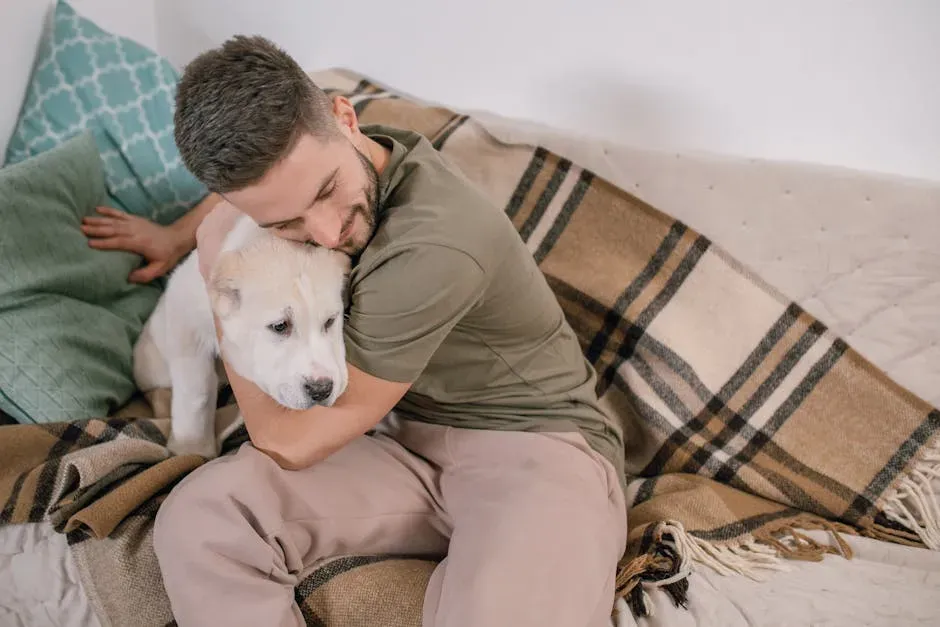
For a lot of dogs, you’re not just the owner – you’re the emotional anchor they need to fully power down. When they push their body into yours, they’re off-loading stress in real time. Your smell, your breathing, your heartbeat become background noise that tells their nervous system it’s finally safe to switch off.
Many anxious or rescue dogs simply won’t sleep deeply unless they’re physically touching their person. That’s not “needy” – that’s a nervous system trying to feel safe after whatever it’s been through. Some behaviorists argue we accidentally trained this ourselves, comforting scared puppies until our bodies became a literal safety cue. Whether that sounds sweet or a little co-dependent probably says more about you than about the dog. But that comfort-seeking isn’t the whole story – wait until you see what’s behind #12…
#12 – They’re Claiming You As “Theirs” (Yes, Really)
While you think you own the dog, your dog might quietly believe the opposite – and bedtime is where that belief shows itself. Dogs use body placement to mark social relationships, and pressing against you can be a way of staking a claim on the most valuable real estate in the house: right next to the human who feeds, walks, and protects them.
Some trainers argue that for certain dogs, this isn’t just affection – it’s low-key possession. You are their person, and they’re making that clear to everyone else in the room. You might notice the behavior spike when guests stay over or another pet joins the household, your dog suddenly glued to your side like a bouncer at the door of your bed. People debate whether that’s “dominance” or insecurity wrapped in fur, but the message underneath is the same either way. And it gets even more personal when you look at #11…
#11 – They’re Regulating Their Body Temperature With You
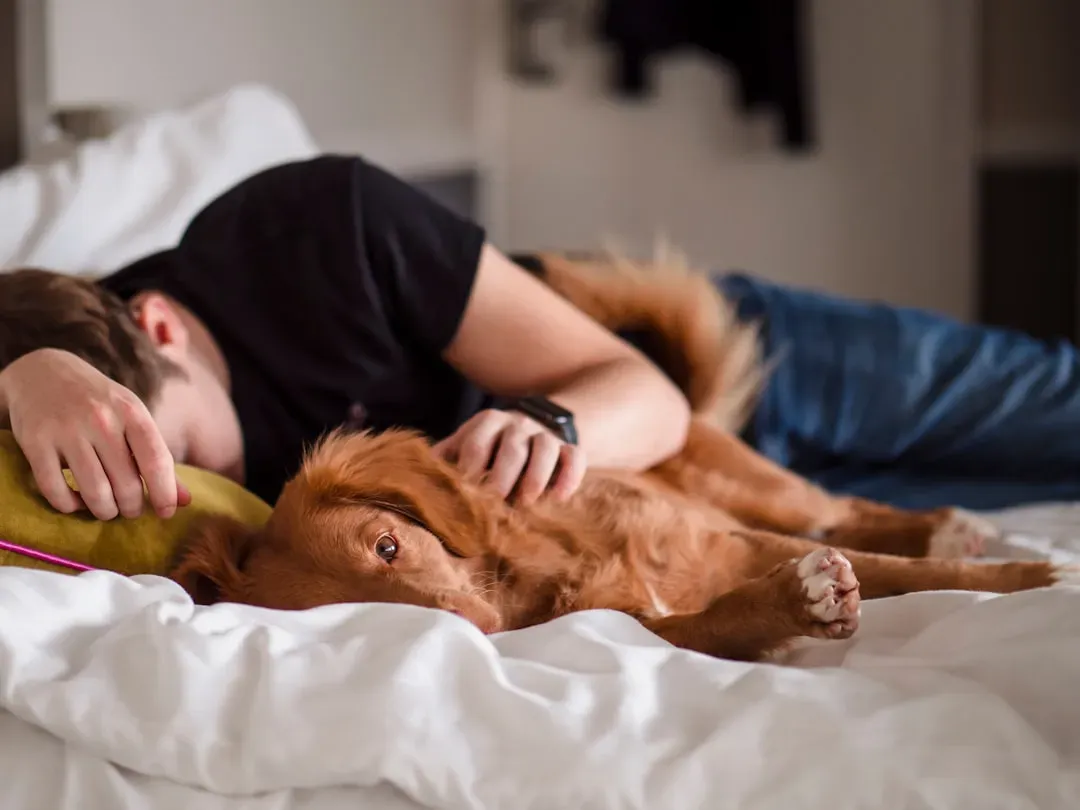
Sometimes the most emotional-looking behaviors are brutally practical. Your dog might simply be using you as a very comfortable thermostat. Dogs run warmer than humans, but that doesn’t mean they’re never cold – short-haired breeds, seniors, and small dogs especially struggle to hold their body heat overnight.
Pressing against you lets them steal your body heat like a furry little space heater. On cold nights, contact gets tighter, and they’ll curl into a ball right against your torso or legs. Confusingly, some dogs do the exact same thing in warm weather, which is why this isn’t only about temperature – it’s also about a steady, predictable touch point, almost like a weighted blanket for humans. If you’ve ever woken up sweating under a 65-pound “weighted dog,” you already know the feeling. But temperature is only half the science – just wait for #10…
#10 – Your Scent Literally Calms Their Brain

To your dog, you don’t just smell “nice.” You smell like safety, food, and home, all rolled into one. Studies on canine scent processing have shown dogs react very differently to a familiar human’s smell than to a stranger’s.
Your scent activates the reward and attachment centers of their brain, similar to how a favorite person lights up ours. When they bury themselves against you at night, they’re marinating in that smell – their version of white noise, helping them relax deeper and stay asleep longer. It’s why so many dogs sleep on dirty laundry when their owner is away; it isn’t gross to them, it’s priceless. Given the choice between a neutral blanket and the real thing, they’ll always pick you. And speaking of bodies, #9 reveals a detail most people never consider…
#9 – They’re Matching Their Heartbeat and Breathing to Yours
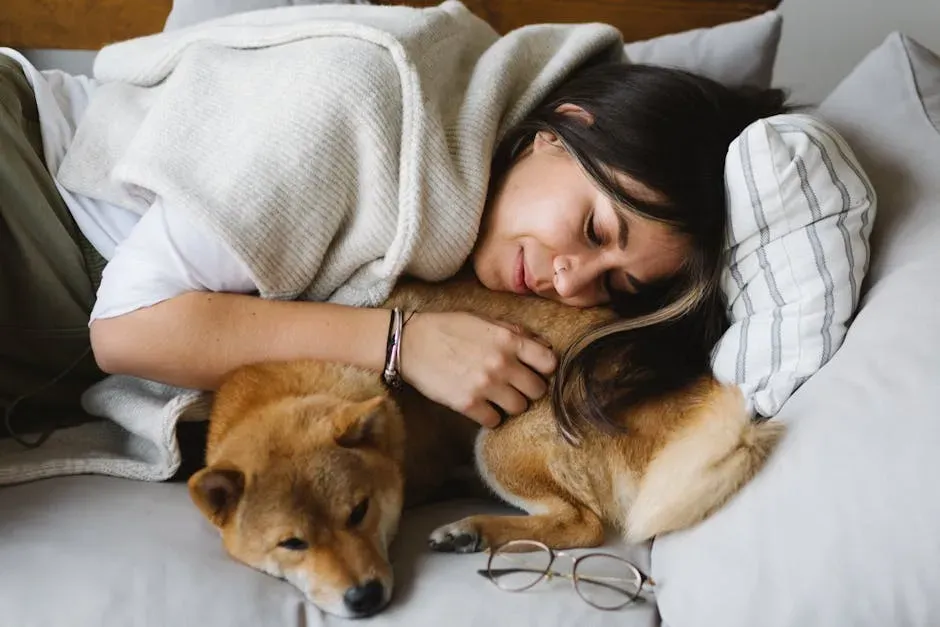
This one sounds almost too romantic, but it’s a real mammal phenomenon: co-sleepers sync up. When your dog sleeps pressed against you, their breathing pattern often starts to mirror yours, and many bonded dogs fall into similar sleep-wake rhythms as their primary human.
This syncing is genuinely soothing – their nervous system uses your rhythm as a template, the same biological comfort a human infant gets sleeping on a parent’s chest. Some behaviorists even argue that for highly bonded dogs, sleeping alone can be mildly dysregulating, showing up as pacing, licking, or restless shifting. Owners who push their dogs off the bed “for independence” sometimes accidentally create more anxiety, not less. And if that sounds intense, #8 dives into something even more emotionally loaded…
#8 – Separation Anxiety You Keep Calling “Cuteness”

Here’s where things get uncomfortable: not all snuggling is healthy. If your dog panics when you leave, shadows you from room to room, and then absolutely must sleep pressed against you, that nighttime clinginess might be separation anxiety, not just love.
The bed becomes the one guaranteed stretch of full-body contact in their day, so they cling to it hard. Owners call it “sweet,” without realizing their dog might be barely coping with the other 23 hours. You’ll see it when you try to roll away and they reattach instantly, sometimes with whining or pawing. Experts are split – some say co-sleeping worsens anxiety, others call it harmless comfort – and the honest answer depends on the dog in front of you. But ignoring the signs because you love the cuddles is a very human mistake. And yet, anxiety isn’t the only driver – #7 is far more protective than needy…
Worth Knowing
- Panics or paces the moment you leave a room, even for thirty seconds
- Follows you everywhere, rarely settling more than a few feet away
- Whines, paws, or immediately repositions if you shift away in bed
- Shows destructive chewing, barking, or accidents when left alone during the day
- Struggles to nap or truly relax unless in direct physical contact with you
#7 – They’re Standing Night Guard Over You
You think you’re the protector. Your dog didn’t get that memo. Many dogs sleep facing the door or the edge of the room while their back or side stays pressed against you, and that positioning isn’t random.
They’re placing themselves between you and any potential “threat,” even if that threat is just your roommate getting a glass of water at 2 a.m. Your body at their back and the open room in front of them is their ideal guard-dog setup. You’ll notice they startle at sounds long before you’re even fully awake. Even tiny dogs run this “I’m on duty” pattern, which quietly kills the idea that small breeds aren’t real protectors. To them, sleeping on you is half nap, half night shift. And if that sounds noble, #6 is a lot more selfish – your dog has found a hack…
#6 – It’s the Fastest Way to Get What They Want
Dogs are practical opportunists. If pressing against you works, they’ll do it again, and again, and again. Maybe it started by accident: your dog slept against you, you woke up, gave them a scratch, then got up to feed them or let them outside. Congratulations – you just taught them that being plastered against you is the shortcut to attention and access.
Over time, that becomes their whole night strategy: stay close so I can ask for anything the second you’re conscious. Watch how many dogs inch closer in the early morning hours – they’re not just chasing warmth, they’re pre-positioning for breakfast, a walk, or that one bathroom trip that finally gets you out of bed. They’ve learned that sleeping across the room means being ignored longer, while being glued to your side means you can’t avoid their eyes once you wake up. It’s manipulative in the cutest possible way. Still, not every dog is scheming – #5 shows a far more vulnerable side owners often overlook…
#5 – They’re Covering Physical Pain or Discomfort

This is the one people don’t like to think about: sometimes closeness is a band-aid, not a love letter. Older dogs, arthritic dogs, and pups recovering from injury often press against you because your body gives them stability, warmth, and a sense of safety when they don’t feel 100% okay.
They may lean in harder on nights when they’re stiff, sore, or just under the weather – you become their living heating pad and shield. If this pressing behavior shows up suddenly in a dog that never used to sleep that way, or intensifies alongside limping, slower stairs, or irritability, it might be pain talking, not affection. Many owners chalk it up to “getting cuddlier with age,” when the dog is actually struggling more at night. That’s not a reason to panic – but it is a reason to pay attention. And as physical as that is, #4 is even more primal…
Quick Compare
- Comfort-seeking cuddler: presses close but still shifts, stretches, and repositions easily through the night
- Comfort-seeking cuddler: seeks contact consistently, not just on rough or “off” days
- Pain-driven clinginess: sudden, new need for contact in a dog that didn’t sleep this way before
- Pain-driven clinginess: paired with stiffness, limping, slower stairs, or touch sensitivity in one spot
#4 – This Is How Dogs Say “You’re My Family”
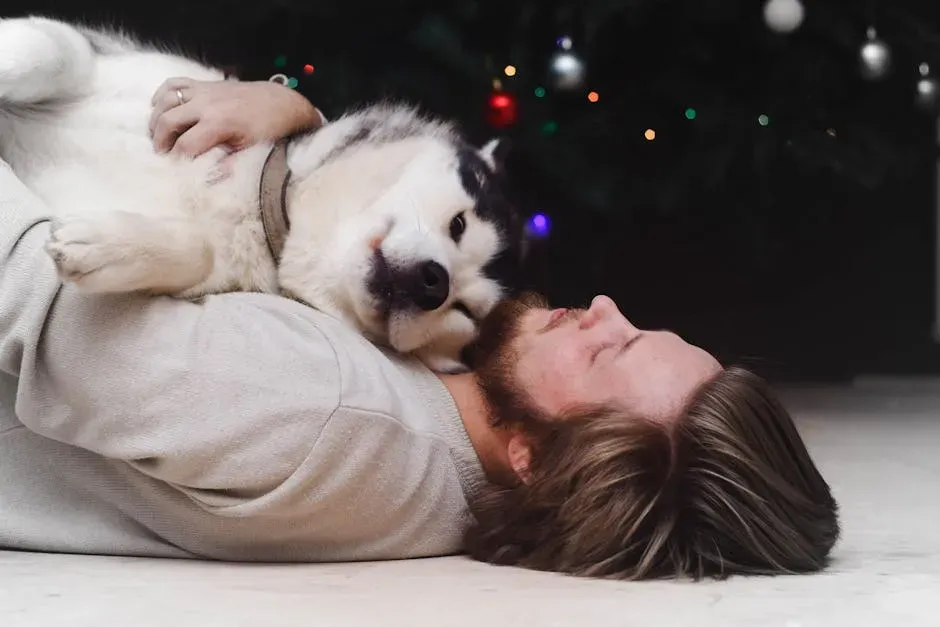
We love to humanize dogs, but this one barely needs translation: contact equals belonging. In canine social life, touch is a big deal. Dogs that sleep together, groom each other, or casually lean and nudge throughout the day are showing you a bond, not just a habit.
When your dog chooses to press against you every night instead of the cool, open floor, they’re casting their vote on who counts as “us.” You’re not just some human in the house – you’re in the inner circle. This is why some dogs are choosy about who they sleep next to even in multi-person households. They’ll hang around everyone politely, then at night, laser-select their true attachment figure and glue themselves there. People sometimes get offended when they’re not the chosen one, but dogs are brutally honest about their preferences. If they’re pressing against you every night, you are, like it or not, their person. And if you thought that was emotional, #3 gets weirdly tactical…
#3 – They’re Using You as a Shield From Things They Don’t Trust

Sometimes your dog isn’t protecting you – they’re hiding behind you. If there’s something in the environment they’re unsure about – noises outside, a new roommate, a visiting dog, even a ceiling fan they’ve never fully trusted – they may press their body tightly into yours to put you between them and the scary thing.
That contact is their way of saying, “If something happens, you’re handling it first, right?” You’ll see this most in dogs who are confident during the day but suddenly clingier at night after a change, like a move, a new baby, or more foot traffic in the house. Owners love to say, “They’re just more cuddly these days,” but the timing usually points to mild unease instead. It doesn’t mean they’re miserable – it means your presence is doing a lot of quiet, heavy lifting. And then there’s #2, where your dog is doing something sneakier with your emotions…
#2 – They Know It Melts You (And They Milk It)

Let’s be blunt: dogs are expert human-trainers. If your dog has learned that pressing against you at night makes you talk softer, stay in bed longer, skip the late-night phone scroll, or hand out more affection, they’re going to keep doing exactly that.
They are constantly tracking what gets rewarded – and your delighted “aww, you’re so sweet” is a giant green light. What looks like pure innocence is often savvy pattern-reading. This is why some dogs start sleeping closer during your rough weeks – they pick up on your low energy, your extra time on the couch, even your tears, and deploy their most powerful tool: full-body contact. Is it empathy, habit, or manipulation? Realistically, it’s a messy mix of all three, and anyone who insists “it’s just instinct” is underestimating how good dogs are at pressing the exact emotional buttons that work on you. And that brings us to #1, the reason that quietly ties all the others together…
#1 – Because To Them, Nighttime Is When The Pack Feels “Complete”
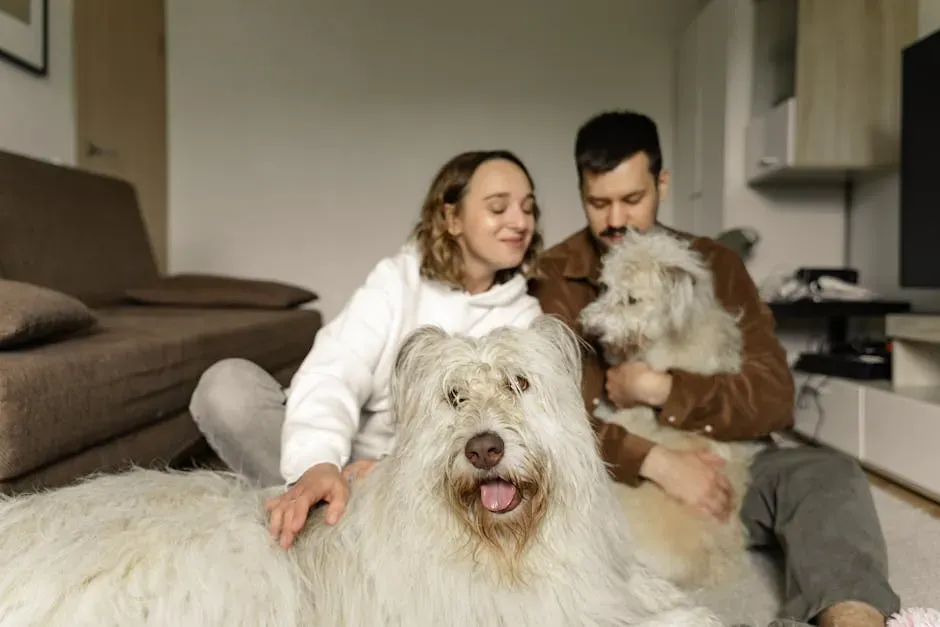
When the house finally quiets down, the TV’s off, the doors are locked, and you’re in bed, that’s the moment your dog’s world makes sense again. All day long there are separations, distractions, noises, and routines pulling you away from them. But at night, with you horizontal and finally still, they get the purest, longest stretch of undivided proximity they’ll have with you all day.
Pressing their body into yours is how they close the distance created by everything else – work, errands, screens, doors, guests, you leaving and coming back over and over. Most owners underestimate just how fragmented their dog’s access to them really is. To the dog, that nighttime contact is the reset button, the quiet reunion, the one non-negotiable moment where the pack is finally all in one place. It’s not just warmth or habit – it’s the nightly proof that “we made it through another day, and we’re still together.” Yes, that’s exactly as heavy as it sounds.
The Bottom Line

Your dog doesn’t sleep pressed against you “for no reason.” Behind that one simple habit is a whole stack of instincts – pack bonding, protection, temperature control, anxiety relief, pain management, and yes, a bit of tactical people-training.
Sometimes it’s innocent comfort. Sometimes it’s a sign they’re not coping well alone, and owners who label everything as “cute” are missing important context. Co-sleeping isn’t automatically good or bad – it’s data. The real question is what this behavior looks like in your dog specifically: calm and content, or restless and clinging like their life depends on it?
At a Glance
- Healthy sign: dog is relaxed, moves freely, and sleeps deeply after settling against you
- Possible red flag: clinginess spikes with pacing, whining, or panic when briefly apart
- Practical step: note when the behavior started and whether other symptoms came with it
- Time to check in: sudden shifts in appetite, mobility, or mood alongside more night clinginess
If you love it and your dog is healthy and relaxed, enjoy being the chosen pillow – you earned that spot. But if you’re noticing stress, pain, or quiet panic wrapped inside those cuddles, it’s worth adjusting the routine and talking to a vet or behaviorist. Either way, that nightly press against your side is never nothing. It’s your dog’s most honest sentence, spoken without a single word.