
14 Signs Science Says Prove Your Dog Truly Loves You
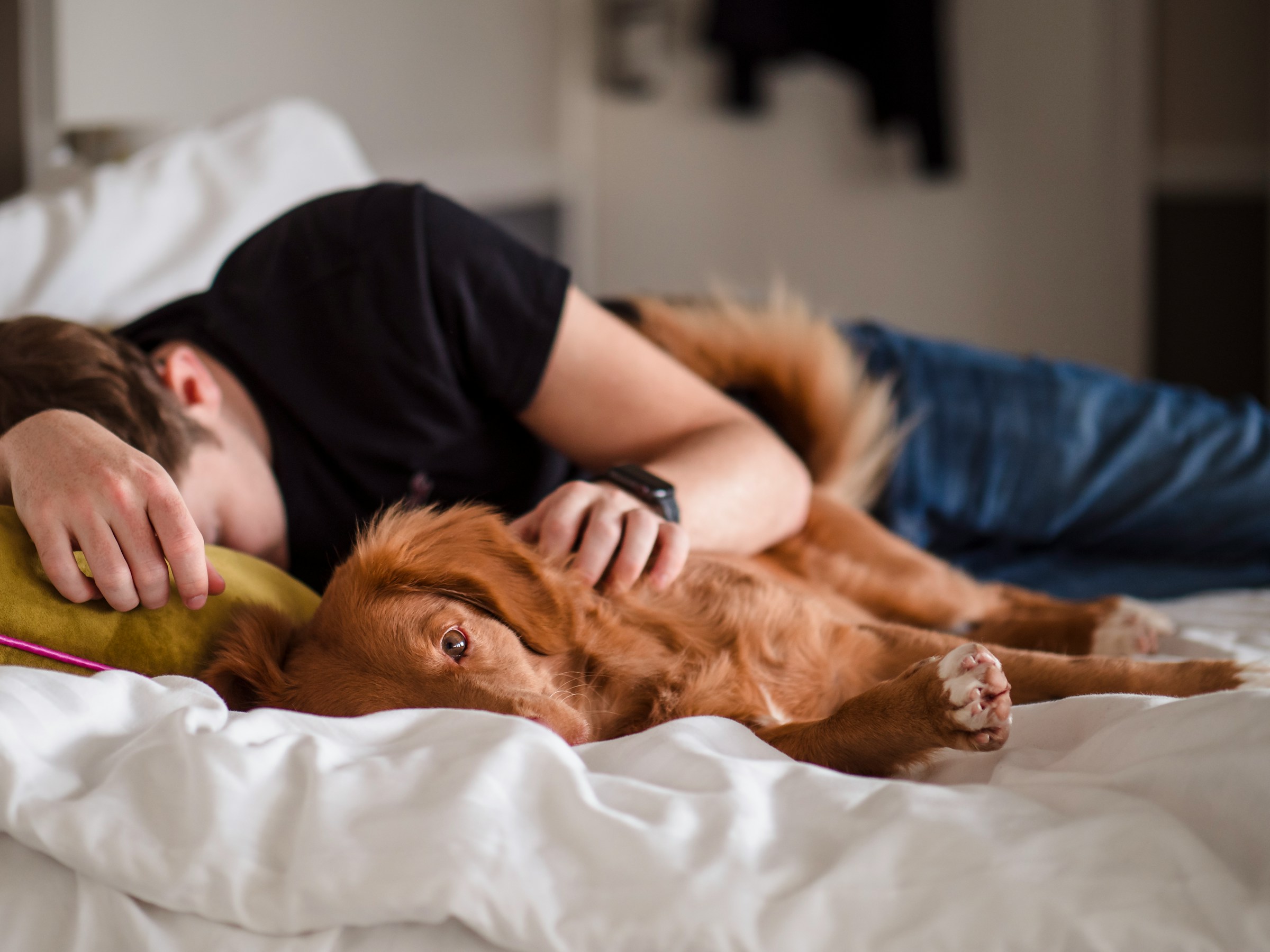
Your dog just spun in a circle, licked your face, and body-slammed the coffee table doing it. Cute, sure. But science says that tail-wagging, full-body wiggle is actually one of the least reliable ways to measure whether .
The real proof shows up in weirder places – how your dog chooses to sleep, who they check on in a crowded dog park, even how fast their heart rate settles the second you walk through the door. Researchers have spent years digging into this, and some behaviors that look like bad manners turn out to be love in disguise. Here’s what they actually found.
#1 – They Choose You Over Food (Yes, Really)
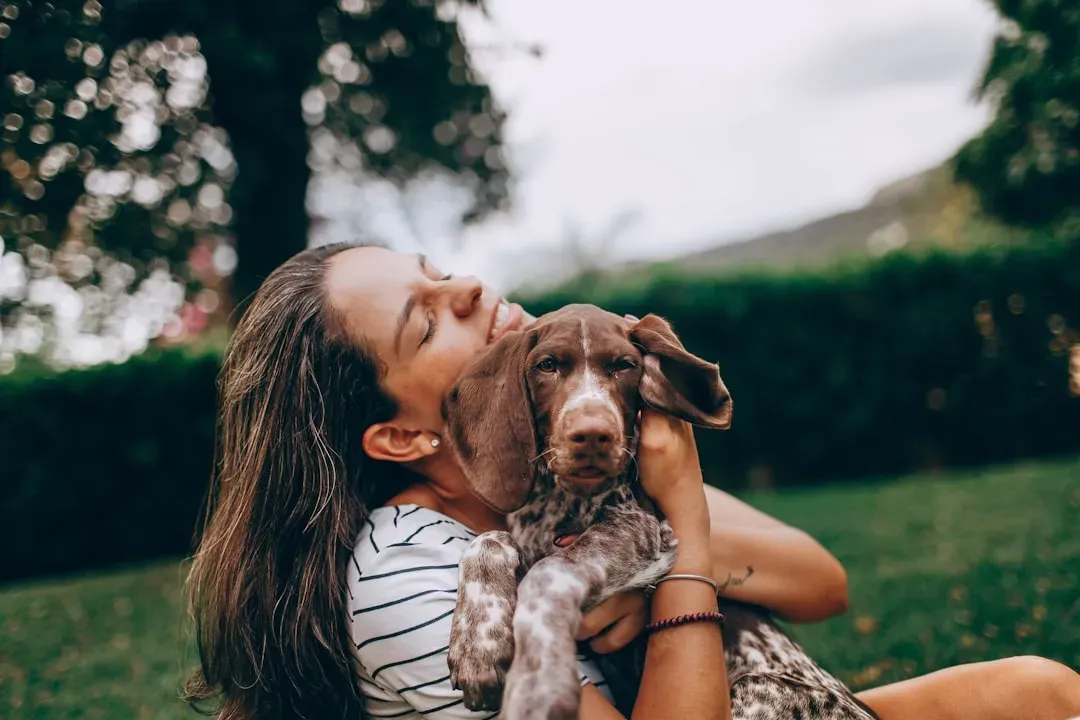
Researchers have put dogs inside MRI machines and given them an impossible choice: their favorite treat, or their favorite human’s scent. In more than one widely cited study, a dog’s reward centers lit up harder for their owner’s smell than for food – which is bizarre for an animal that evolved as a scavenger built to chase calories.
So when your dog abandons a full bowl just to trail you from room to room, that’s not clinginess. That’s attachment doing exactly what it evolved to do.
- They leave toys or treats behind to greet you at the door.
- They linger near you instead of eating right away when you move.
Some trainers still insist it’s all about the food. Long-term studies disagree – dogs who consistently pick your company over a snack are usually the most deeply bonded ones in the room. If yours does this, you’re not just a walking pantry to them.
#2 – Their Eyes Go Soft When They Look at You
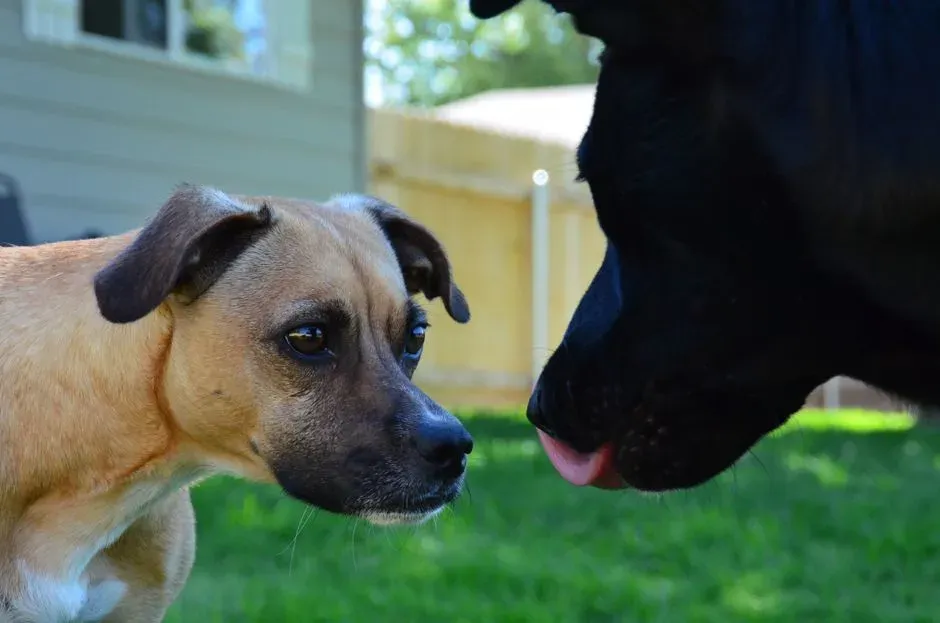
Most people write off “puppy dog eyes” as manipulation. Turns out it’s mostly love. When a dog gazes at a trusted human with relaxed lids and a slight squint, both of your bodies release oxytocin – the same hormone that bonds human parents to their babies.
That mutual gaze isn’t just sweet to watch. It’s literally rewiring the relationship deeper every time it happens.
- The eyes look soft, not wide and staring.
- The face is relaxed, often with a tiny eyebrow lift.
Some behaviorists call this the closest thing dogs have to a spoken love language. On the flip side, a dog who avoids eye contact even in calm moments may not feel fully secure yet – though that can change with gentle, unpressured gaze time during quiet cuddles.
Fast Facts
- A landmark 2015 study in the journal Science tracked oxytocin levels in dogs and owners during mutual eye contact.
- Dogs who held a gaze longer produced bigger oxytocin spikes in both themselves and their owners.
- Hand-raised wolves living alongside people didn’t show the same gaze-driven oxytocin loop, suggesting it developed specifically in dogs.
- Researchers describe this as a feedback loop – the longer you look at each other, the stronger the chemical bond gets.
#3 – They Sleep Touching You (or Deliberately Facing Away)
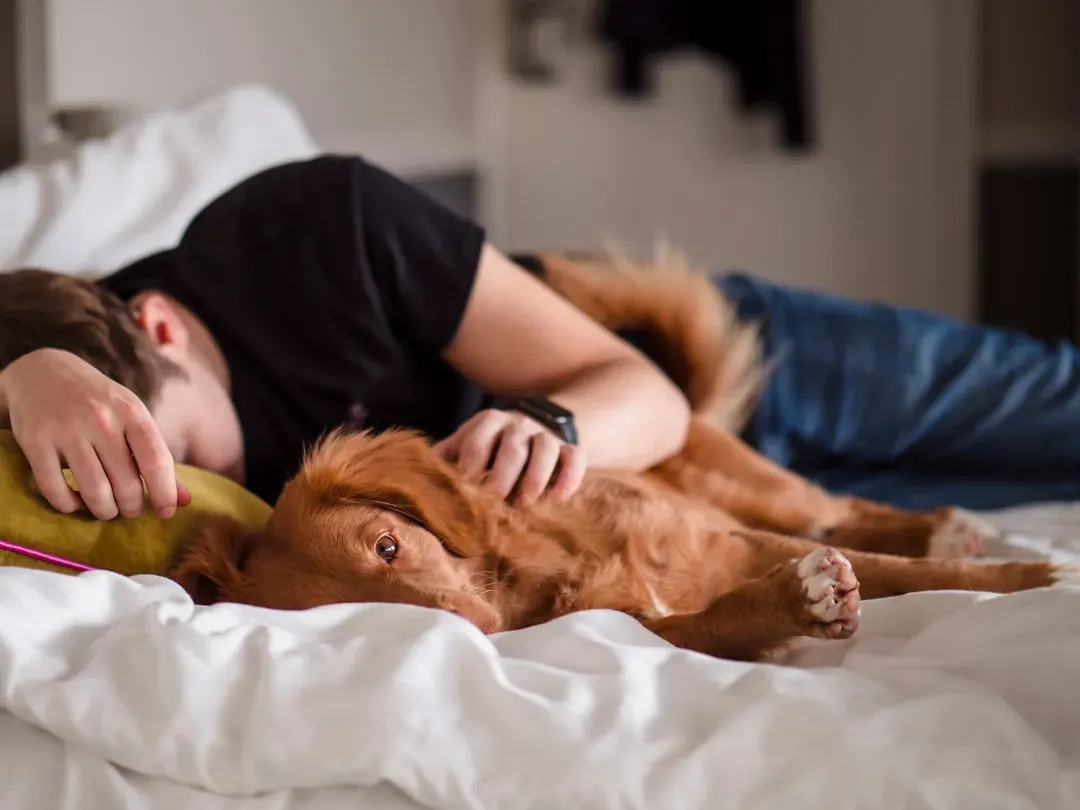
Where your dog chooses to sleep is never random. For social animals, sleep position is a safety decision. If your dog curls against your legs, sleeps on your feet, or presses their back into you at night, they’re literally using your body as the safest place they know.
That’s more than comfort. It’s trust deep enough to stay vulnerable while completely unconscious.
- Choosing your bed or couch over quieter, “better” dog spots.
- Napping wherever they can physically touch some part of you.
Interestingly, many deeply bonded dogs sleep facing away from you rather than staring at your face. That’s not rejection – it’s a guard-dog instinct, watching the room while keeping you tucked safely behind them. Owners misread this as distance constantly, when it’s actually protection.
#4 – They Get a Little Anxious When You Leave
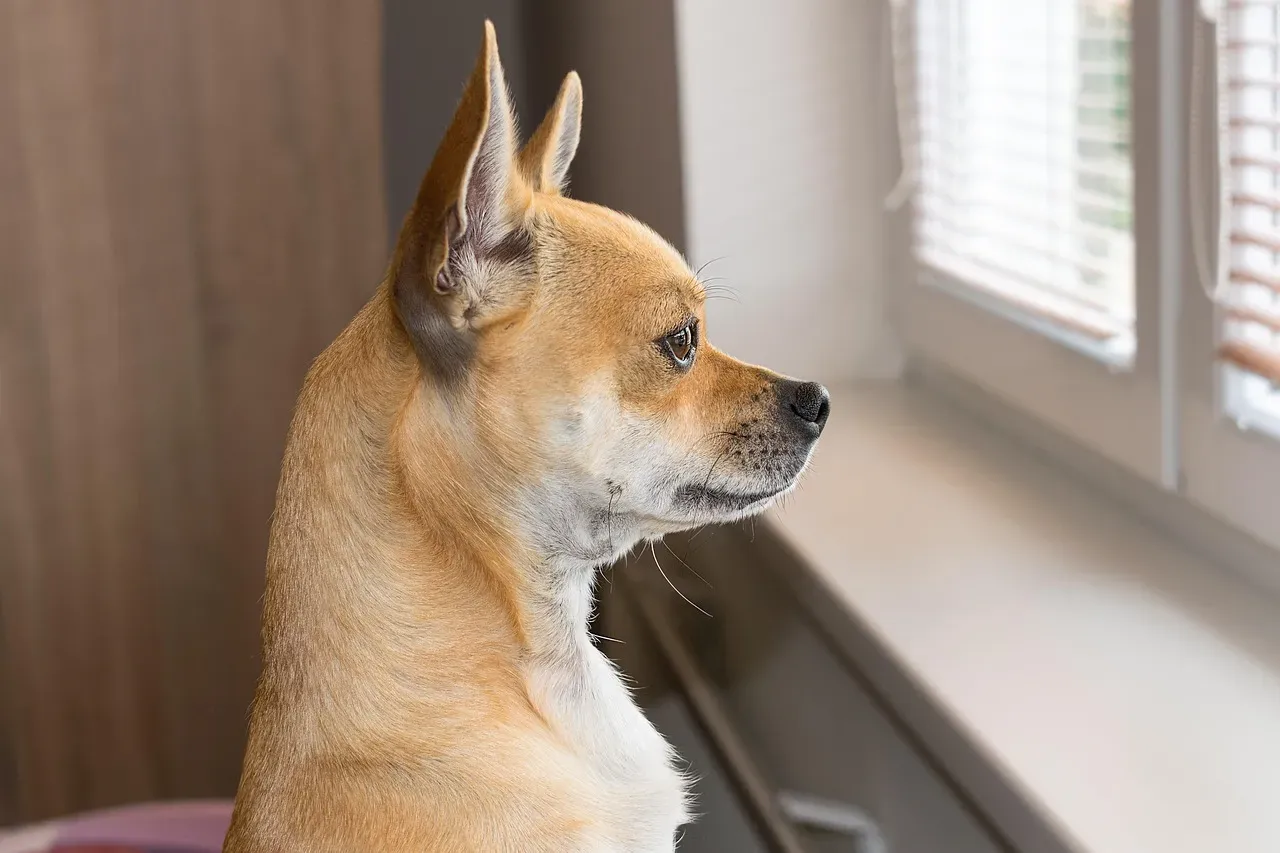
Severe separation anxiety is real and needs professional help – that’s not up for debate. But a mild, predictable protest when you leave, a bit of whining, watching the door, pacing for a few minutes, often signals a strong attachment system, not bad manners.
Evolutionarily, getting distressed when your social partner disappears made total sense for survival. A little worry is normal. Total indifference isn’t necessarily healthier.
- They settle within 10 to 20 minutes after you’re gone.
- The reaction is worst when YOU leave specifically, not just anyone.
A dog destroying your house is a real anxiety problem, not a cute love sign. But pretending your dog should feel nothing when their favorite human vanishes is just as unrealistic. The healthiest bond sits in the middle – noticeable concern, followed by calm coping.
#5 – They Bring You Their “Kills” and Favorite Toys
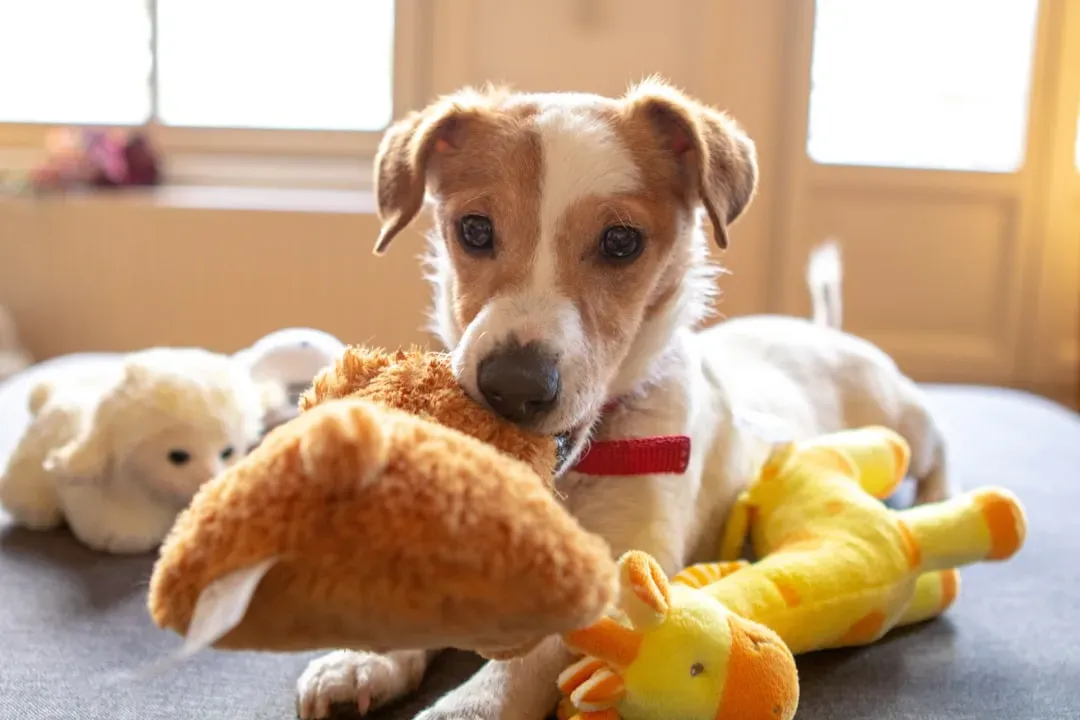
Most owners assume their dog is just being playful when they drop a slobbery toy – or worse, a dead squirrel – right at your feet. The truth is stranger: offering you a prized object is a social-sharing behavior, similar to how wild canids share food within a trusted group.
They’re not just asking you to throw it. They’re inviting you into their circle of who gets access to the good stuff.
- They place the item directly ON you, not just near you.
- They seem proud, almost insistent that you engage with it.
Some dogs bring their most prized possession and don’t even want to play fetch – they just want it beside you. That’s the dog equivalent of handing you an unlocked phone. Calling it “attention-seeking” isn’t wrong, exactly. It’s just attention from the one person they’ve chosen.
#6 – They Match Your Energy Without Being Asked
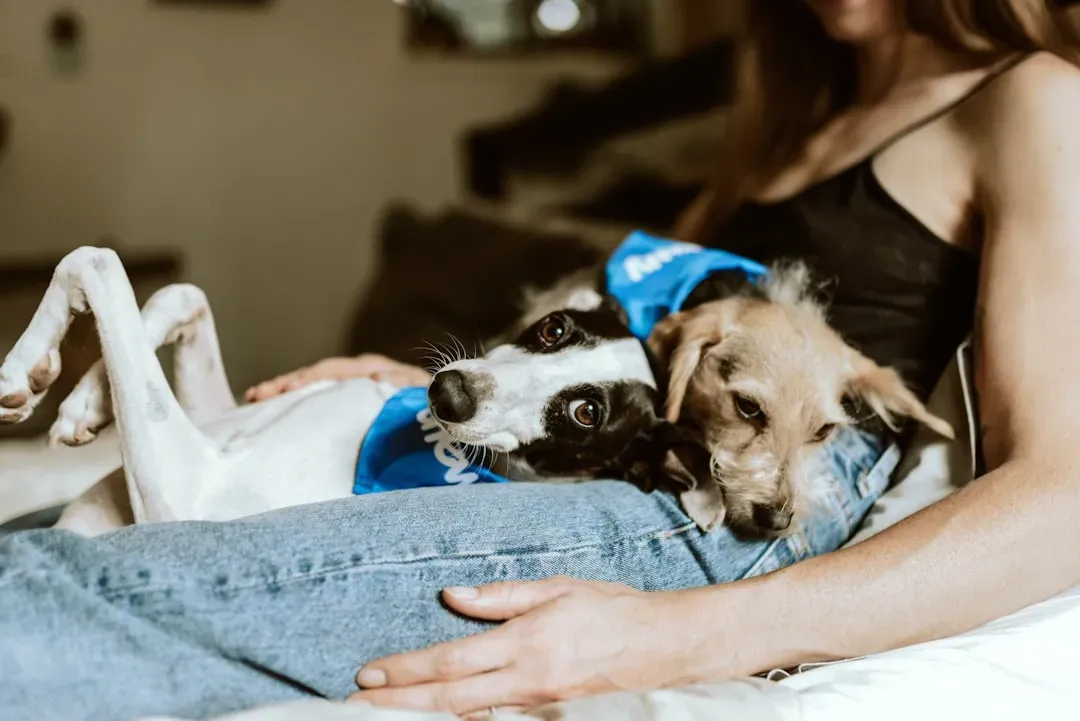
Bonded dogs don’t just exist around you. They sync to you. If you collapse on the couch after a brutal day and your usually hyper dog quietly settles at your feet instead of demanding fetch, that’s not luck.
Studies on social attunement show dogs can read human body language and mirror our arousal levels with startling accuracy.
- Hyped on hikes, mellow during movie nights, without a single command.
- Checking your face first before deciding how excited to get.
Some trainers frame this as obedience, but it runs deeper than that. A dog that cares about you is motivated to stay in emotional sync with you. A dog that constantly bulldozes your mood hasn’t learned to tune in yet – which makes this one of the most underrated signs of real attachment.
Quick Compare
- Securely bonded dog: softens when you’re tired, revs up when you’re excited, checks your face before reacting.
- Loosely bonded dog: stays keyed up regardless of your mood, reacting mainly to outside triggers like noise or motion.
- Securely bonded dog: recovers quickly once you settle down.
- Loosely bonded dog: needs the outside stimulus to stop before it can calm down.
#7 – They Check In with You in New or Crowded Places
Watch your dog’s eyes at the dog park. Confident, securely attached dogs will explore and play, but they’ll also regularly glance back or trot over to “touch base” with their person – a pattern researchers call the secure base effect.
You are, in a very real sense, their emotional home base. The same way a toddler orbits back to a parent at a busy playground.
- Quick eye flicks back to you mid-play.
- Brief returns to lean on you or nose your hand before diving back in.
Some owners mistake a dog who never looks back for a confident, secure dog. Often it’s the opposite – they may be more environmentally focused than socially bonded, or they’ve simply learned you’re irrelevant once there’s a squirrel involved. When your dog pauses the fun just to reconnect with you, that’s love, not neediness.
#8 – Their Whole Body Reacts When You Come Home
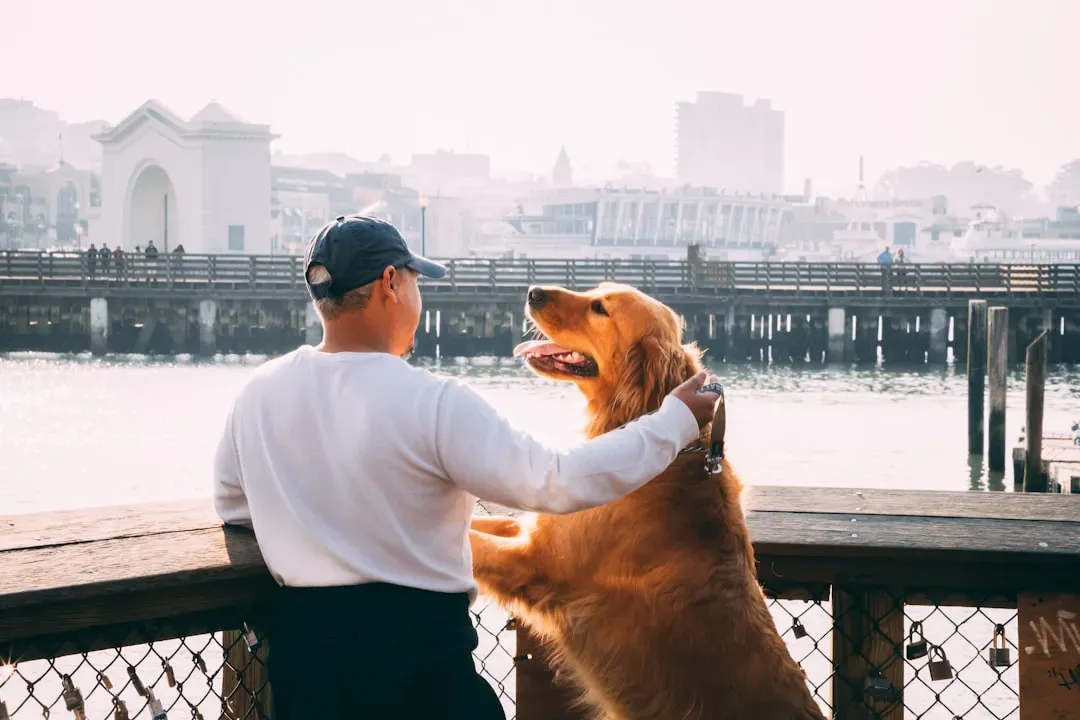
Everyone talks about tail wags, but the details matter more than people realize. A truly attached dog often gives what behaviorists call a “full-body greeting.” The tail isn’t just moving – it’s loose, sweeping, often biased slightly to the right, with the hips, shoulders, and even the face joining in.
That’s generalized joy, not just excitement or arousal.
- A wiggle from nose to tail, sometimes forming a “U-shape” with the whole body.
- A brief loss of composure followed by relaxed, happy engagement.
Compare that to a dog who jumps frantically but stays stiff, or fixates purely on whoever’s holding the leash or treats. Those may be excitement or training history talking, not affection. When your dog acts like you’re the best part of their entire day, even after a boring trash run, that’s a genuine emotional response.
#9 – They “Guard” You Casually, Not Aggressively
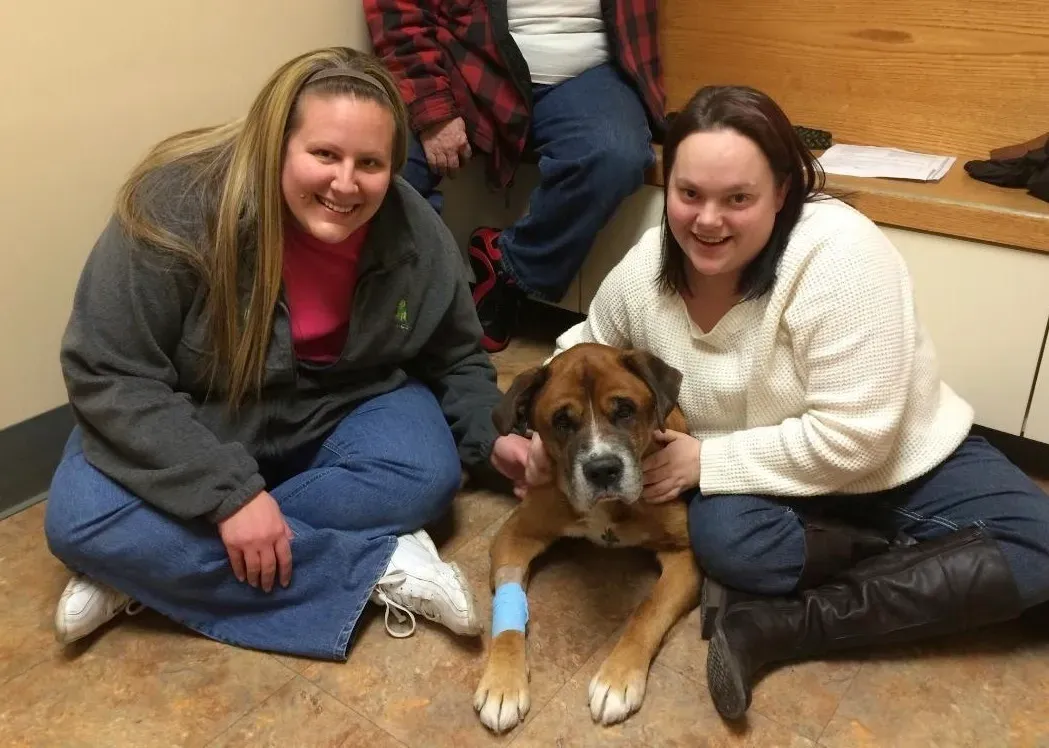
This one starts arguments in comment sections, but the nuance matters. Dogs who truly love you often position themselves between you and the world in a relaxed, casual way – lying facing the restaurant door, sitting between you and a stranger, pausing on the stairs to let you pass first.
That’s not dominance. It’s a quiet, protective instinct.
- Calm, watchful body language – not lunging or growling.
- Shifting slightly closer when someone approaches, then relaxing again.
Constant reactivity or snarling at everyone is a socialization or anxiety issue, not love. But plenty of owners dismiss every protective posture as a problem and miss the softer version entirely – your dog quietly tracking who comes near you and inserting themselves as a buffer. That’s a dog who considers you part of their pack worth defending.
Worth Knowing
- Relaxed protective dogs keep loose, weight-shifted body language, not a stiff or frozen posture.
- They recover fast – a few seconds of alertness, then back to relaxed once the “threat” passes.
- Anxious or reactive guarding usually includes stiffening, staring, growling, or barking at everyone who comes near.
- True protective bonding is selective – it shows up around strangers, not with every person or dog they meet.
#10 – They Can Relax in Your Space Without Constant Contact
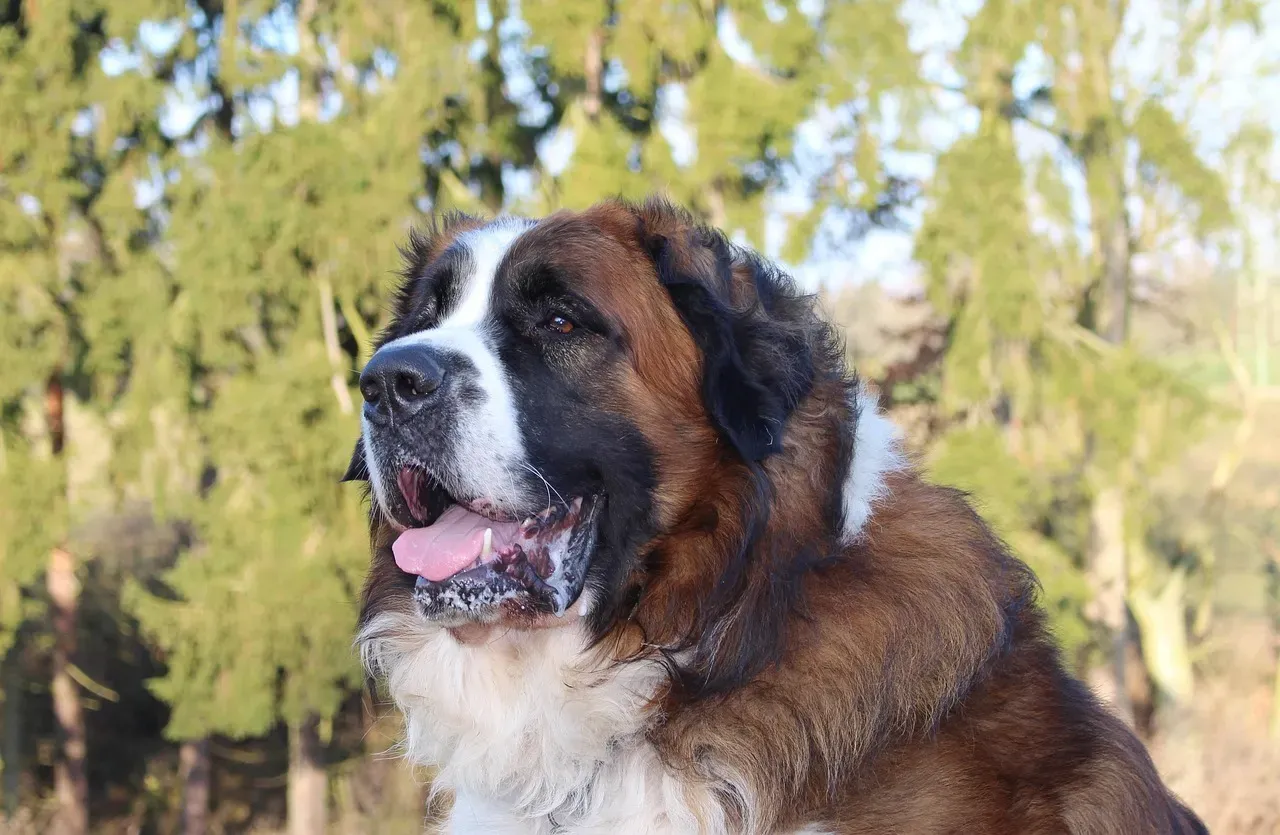
Clinginess and love are not the same thing. Some of the most secure, deeply attached dogs are the ones who can chill across the room, tracking you with half an eye while they nap.
Studies on canine attachment styles show securely bonded dogs explore and rest independently, but return easily the moment you engage them.
- They choose to be in the same room, not necessarily on top of you.
- They rest calmly even while you’re up doing chores.
Social media loves the “velcro dog” aesthetic, but needing to be plastered against you around the clock can signal anxiety more than affection. A dog who loves and trusts you doesn’t panic every time you shift on the couch. That quiet confidence is one of the most mature signs of doggy love there is.
#11 – They Notice When You’re Upset and Change Their Behavior
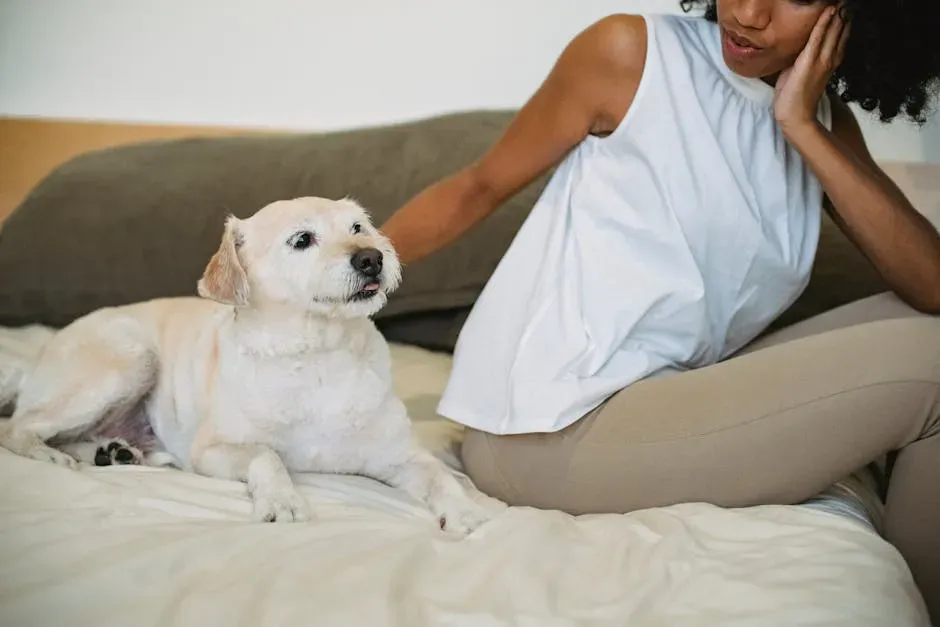
This is where the science gets uncomfortably real. Multiple studies have tested whether dogs respond differently to human crying versus neutral talking. The result: many dogs show increased attention, approach behavior, and stress signals specifically when their owner appears distressed – suggesting they’re reacting to your emotional state, not just the noise.
You might notice your dog moving closer, pawing or licking you when you cry, or a strange dip in their playfulness until your mood lifts.
- Your dog moves closer, pawing or licking you when you’re crying.
- Reduced playfulness or excitement until your mood improves.
Skeptics call this curiosity or confusion. But if you’ve ever had your dog quietly press into your side on a genuinely bad night, you know it feels different. They may not understand sadness the way we do, but they pick up that something is wrong and adjust for it – and that kind of emotional tracking doesn’t happen without a real bond.
Until one has loved an animal, a part of one’s soul remains unawakened.
Anatole France
#12 – They Tolerate (or Genuinely Enjoy) Your Weird Human Habits
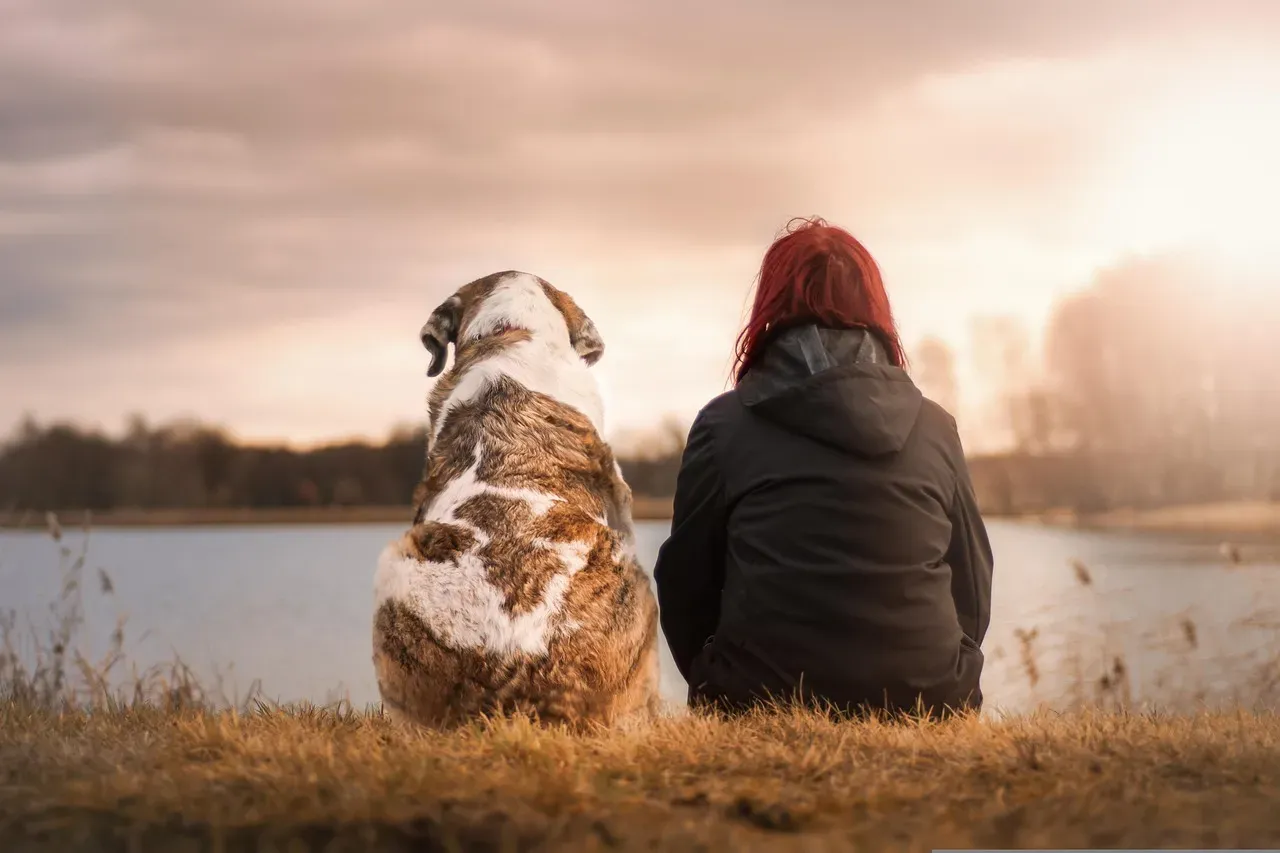
From your vacuum cleaner obsession to your late-night Netflix binges, your entire lifestyle is objectively bizarre to a dog. Yet bonded dogs often learn to accept, and sometimes genuinely enjoy, your routines.
Over time, they adapt to noisy environments, strange visitors, even costumes and baths, because the experience is paired with you, their attachment figure.
- Calmly accepting nail trims, brushing, or awkward photo sessions.
- Following your routines – bedtime, coffee time, walks – like a rehearsed script.
This doesn’t mean a dog who hates costumes doesn’t love you. But a dog who repeatedly chooses to stay near you even during things they clearly don’t enjoy is making a trade-off: your presence is worth the hassle. That kind of voluntary compromise is a very human form of love, and dogs pull it off more often than we give them credit for.
#13 – They “Smile” and Loosen Up Just for You
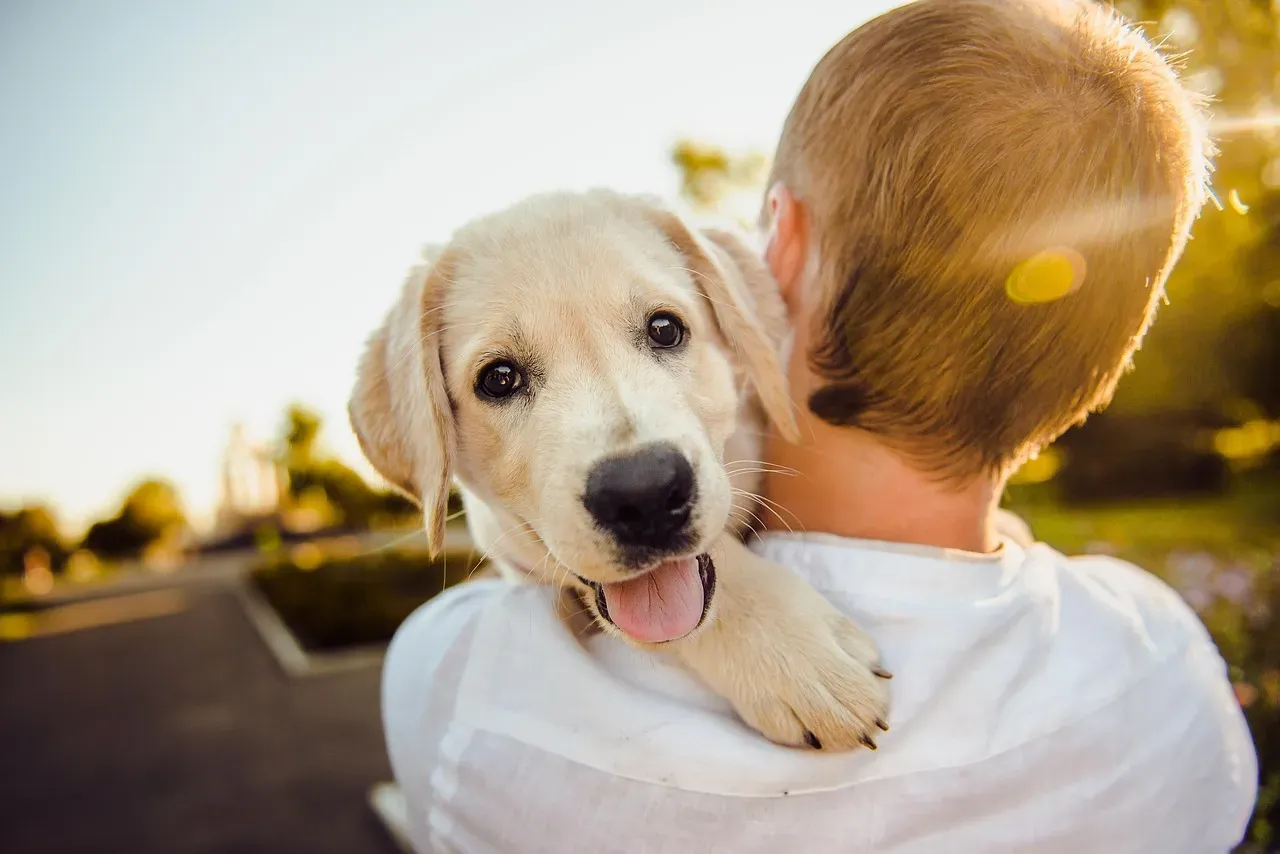
Facial expressions in dogs are still being heavily studied, but one pattern keeps resurfacing: dogs produce more and richer facial movements when their owner is paying attention versus when they’re alone. That includes relaxed open mouths, lifted eyebrows, and what plenty of owners swear is an actual smile.
Is it scientifically a smile in the human sense? Debatable. Is it an expression they reserve mainly for the person they’re most attached to? Very often, yes.
- The corners of the mouth draw back slightly when you talk to them.
- Their whole face softens the moment you come into focus.
Dogs who love you tend to unconsciously light up when you engage with them, in ways they don’t bother showing a random stranger. If you’ve ever felt like your dog has a “special face” reserved just for you, you’re probably not imagining it.
Why It Stands Out
- A 2017 University of Portsmouth study found dogs made significantly more facial movements when a person was paying attention to them than when they were ignored.
- Seeing food alone didn’t trigger the same spike in expressions – only human attention did.
- Brow-raising, the classic “puppy dog eyes” look, was the most common expression dogs aimed at people.
- Researchers say this suggests dog faces are partly under voluntary control, aimed at communicating with us specifically.
#14 – They Age Differently When They’re Attached to You
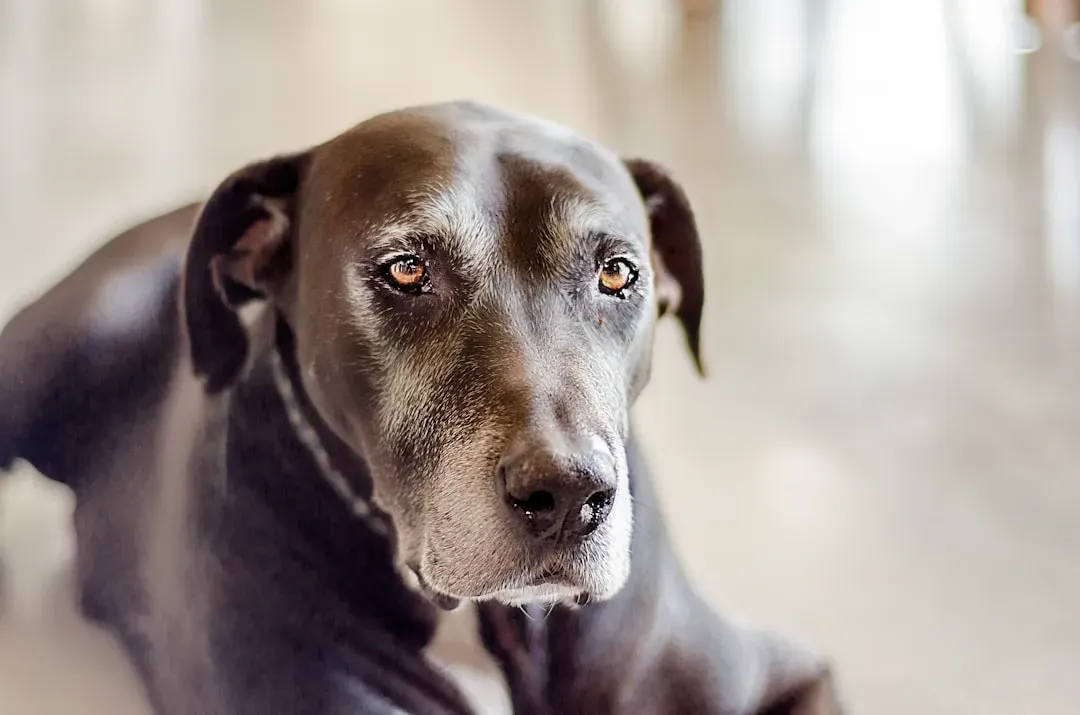
Here’s the one nobody wants to talk about. Long-term research is starting to show that dogs with strong, secure bonds to their owners often show better stress resilience, more stable heart rates, and in some cases even slower cognitive decline than poorly bonded or frequently rehomed dogs.
Love, in other words, actually changes how they age.
- Older dogs who perk up more for you than for anyone else.
- Seniors who stay engaged with training or play, but only because it’s with you.
Genetics and health care still matter, and not every loving dog gets a long life. But pretending the relationship doesn’t touch their biology is outdated thinking. When a dog spends their whole life orienting around your scent, your voice, your routines, it shapes their brain and body. That’s not just affection anymore. That’s a lifelong investment.
The Bottom Line
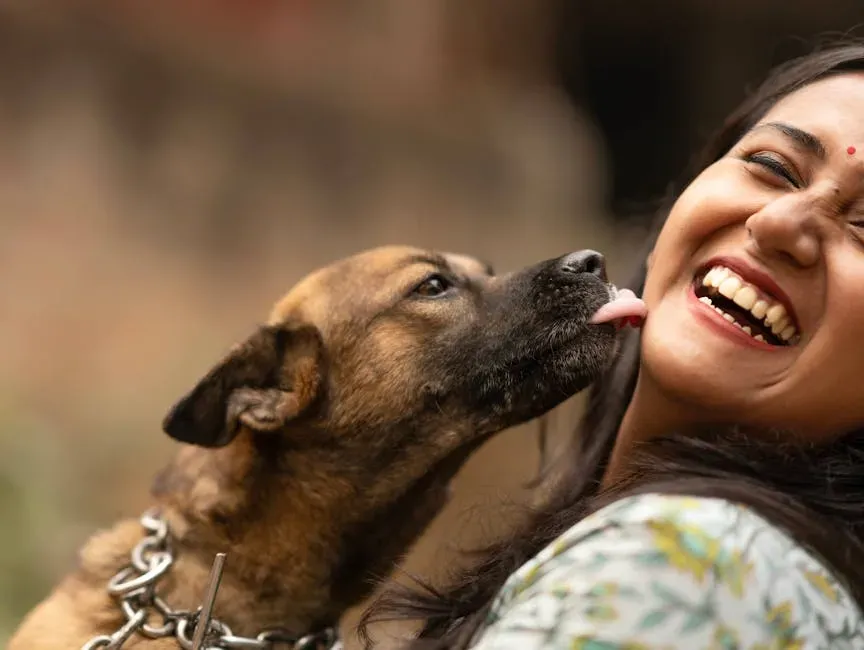
If you came here expecting “tail wag equals love,” you’ve probably realized how shallow that old story really is. The real signs are messier and far more intimate: choosing you over food, syncing to your moods, aging differently because of you, quietly rearranging their entire small life around your presence.
A dog that can relax across the room, check in with you at a crowded park, and still wiggle like a maniac the second you walk through the door isn’t just well trained. They’re attached, in the same stubborn, inconvenient way people get attached to each other.
Some people will insist it’s all instinct and conditioning, nothing more. Maybe that’s just easier than admitting your dog might actually care about you in a way that costs them something real. So here’s the only question that matters now: which of these fourteen signs does your dog show – and honestly, do you love them back on that same level?