

There’s a particular kind of grief that settles in long before loss actually arrives. With a senior dog, it tends to come in quiet moments: the slow rise from a favorite bed, eyes that hold yours a little longer than usual, a tail that still wags but somehow differently. Dogs can’t speak their feelings into words, but they communicate in ways that are deeply legible to those paying close attention.
Dogs likely don’t know that they have a terminal illness, but they often show physical and behavioral changes as their health and cognitive abilities decline. What they express isn’t a conscious farewell, but it is real. Understanding these signals doesn’t make letting go easier, but it does make the time remaining more purposeful. Here are 14 of the quietest, most telling signs that a senior dog may be approaching the end of their journey.
They Start Sleeping Through Life

Senior dogs sleep a lot. As your dog nears the end of his life, he will sleep more and more and will tire more easily. This is one of the first and most persistent signals, and it often gets dismissed as normal aging, which makes it easy to miss the shift in degree.
Dogs may sleep more frequently and for longer durations, reflecting their increasing fatigue and decreasing energy levels. Conversely, some dogs may experience restlessness and difficulty settling down or waking up more often. These changes can be due to discomfort, pain, cognitive decline, or disrupted physical functions, especially in aging dogs.
They Lose Interest in Food and Water

A refusal to eat or drink is a classic early dog death symptom. When the body begins to shut down, your dog may become averse to food, or eat lesser than they usually do. Also, in this situation, dehydration is normal, as they may even avoid drinking water.
Dogs may become picky about food or refuse to eat altogether due to nausea, pain, or difficulty swallowing. Some dogs may drink less due to decreased activity or organ dysfunction. Offering warm or strongly scented food can help, but when even favorite treats are turned away, it’s worth taking notice.
They Seek Solitude in Unusual Places

As their body temperature regulation changes or their urge to feel safer increases, dying dogs start seeking unusual places to rest. This could include under furniture, in closets, and in other secluded spots. Your dog may want to be away from the hustle and bustle of daily household activities.
Near the end of life, sometimes our beloved dogs want nothing to do with us. If your dog is seeking out quiet places of solitude or isolation, it could be a sign they are near the end of their time. This isn’t rejection. It’s a deeply instinctive pull toward stillness and quiet.
They Become Unusually Clingy
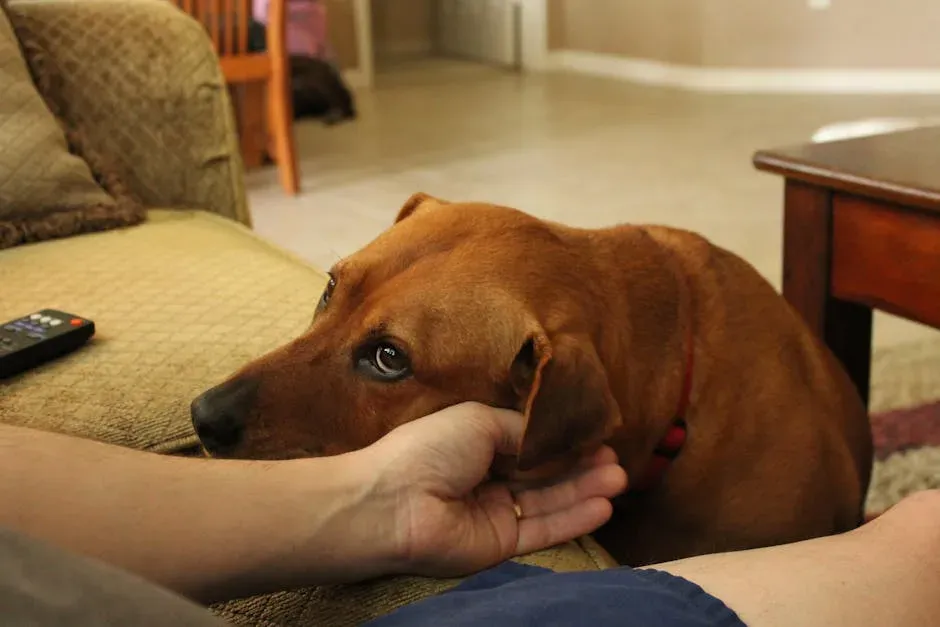
Some dogs may become excessively clingy, constantly seeking your attention, following you from room to room, and becoming anxious when left alone. This increased need for security and comfort is a natural response to their weakening state.
It’s the flip side of the withdrawal sign, and both are equally meaningful. Some dogs seek out the comfort and company of their humans to the point of clinginess, while others become more solitary and seek quiet corners to be alone. If your dog’s need for closeness feels suddenly different, more urgent or more tender, trust that feeling.
They Stop Responding to Favorite Things

A noticeable decline in interest in previously enjoyed activities and surroundings is a significant behavioral change that indicates a dog’s diminishing vitality. Showing no interest in toys or games that they once enthusiastically enjoyed. Becoming less responsive to familiar sounds or even the presence of their loved ones.
As a dog’s health declines, it may no longer show interest in its favorite activities. They may not rouse to play with toys, play with their pet siblings, or bark at small animals or passing cars. A lack of interest in what’s happening around them can signify they are near the end of their journey.
Their Mobility Begins to Fail
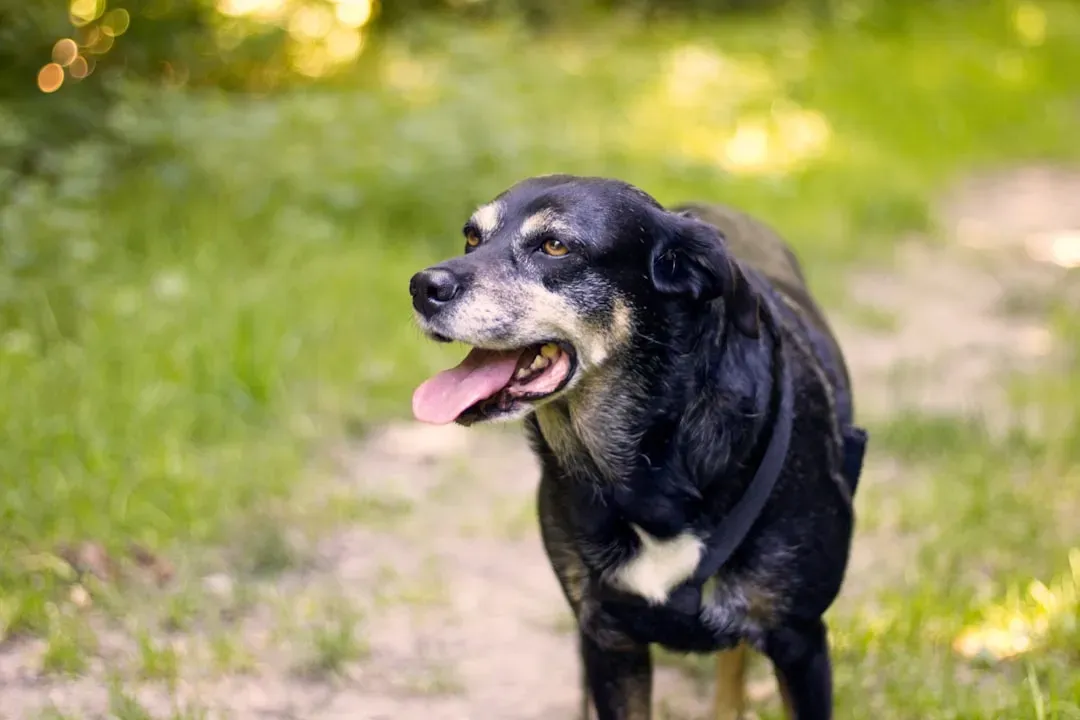
Unlike a young puppy, many dogs may experience pain and stiffness in their senior years. Decreased mobility and coordination often worsen with age, but this can be exacerbated as your dog grows weaker in his final days. They may struggle to keep up with daily routines, or they may be unable to get up to participate in their usual activities.
Unsteadiness, stumbling, or a loss of balance when they attempt to move. Worsening coordination, leading to difficulty navigating stairs or jumping onto furniture. These physical shifts are often progressive, starting with small stumbles before becoming more consistent.
Their Breathing Changes

Irregular, shallow, or labored breathing is a warning sign that a dog or cat may be dying. Particularly in a pet’s final hours, a gasping breath pattern may occur. Changes in breathing can also appear days or weeks before the end, not just in the final hours.
Difficulty in breathing is a common sign that indicates worsening conditions. As a dog approaches the end of its days, its respiratory functions weaken. This results in breathing difficulties, even when they are asleep. Any noticeable change in breathing patterns warrants a prompt conversation with your veterinarian.
They Experience Visible Weight Loss

Weight loss is very common in senior dogs and will start well before the end of life. Part of this is a normal aspect of the aging process: as the dog gets older, his body becomes less efficient at digesting protein, which causes him to lose muscle mass.
Slow, steady weight loss is common in pets with chronic illness, but sudden or worsening weight loss can be a sign your dog or cat is dying. This phenomenon occurs because of metabolic changes and is particularly common in pets with cancer. This may appear as increased prominence of hips or ribs, or loss of muscle mass, particularly in senior dogs.
Their Eyes Look Different
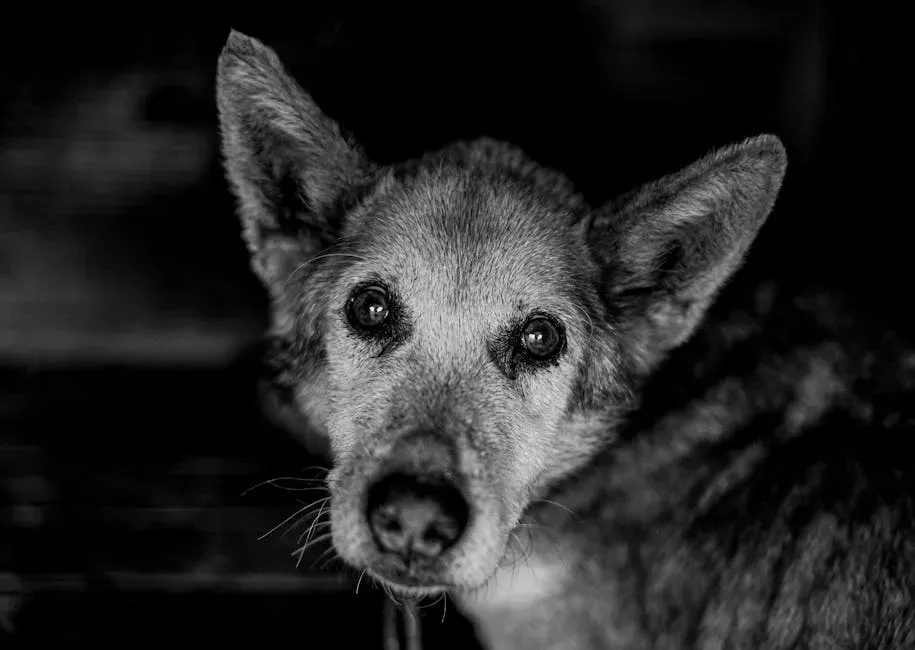
As dogs approach the end of their lives, their senses may begin to decline, affecting how they perceive and interact with their environment. Becoming less responsive to their name or loud noises, indicating a decline in their auditory perception. Bumping into objects or having difficulty navigating familiar surroundings suggests a decline in their eyesight.
Beyond physical decline, many dog owners describe a subtle shift in how their dog’s eyes simply look: a quieter, softer quality that feels different from anything before. Friends and family may say you’ll know it’s time because your dog will give you “The Look,” a moment when their expression seems intentional, almost like they’re asking for permission to go.
They Lose Control of Bodily Functions
Incontinence refers to when a dog loses control of its bladder or bowels. It is a common condition in senior dogs and worsens as they approach their end. If your dog starts soiling the house involuntarily when walking or sleeping, it might indicate they are close to death.
Incontinence and an increase in accidents are common as a dog’s body systems begin to fail, often signaling a loss of control over bodily functions. Urinating involuntarily, either in their sleep or without attempting to go outside. Experiencing accidental defecation, often characterized by loose stools or an inability to hold their bowels. Staying patient and compassionate through these moments matters enormously.
They Struggle to Regulate Body Temperature
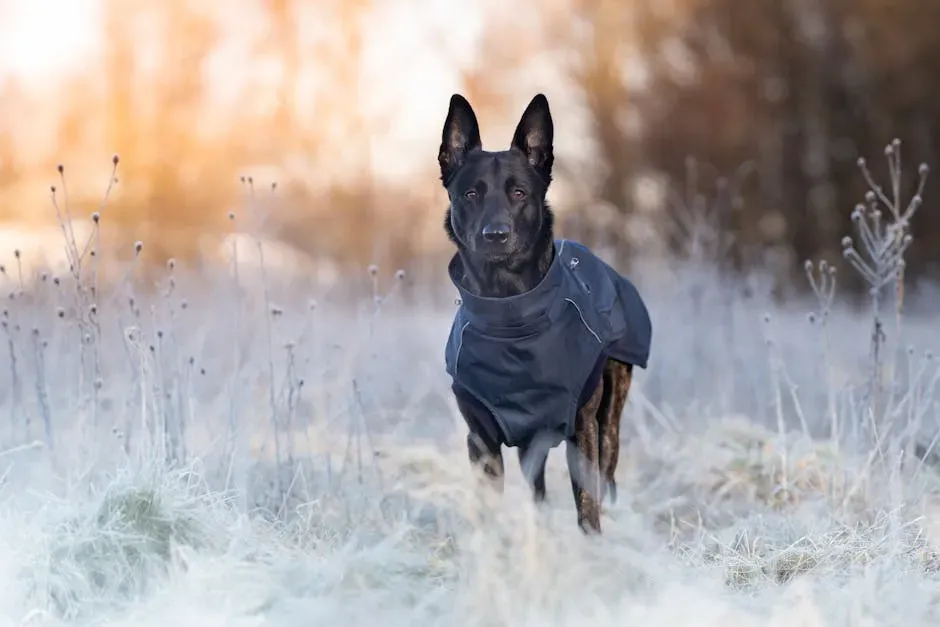
If your dog is sick, aging or near the end of life, you may notice they get hotter or colder than they used to. These temperature changes are due to hormonal changes that can make it difficult for your dog’s body to regulate temperature.
You might notice your dog seeking warm spots in summer or shivering in a room that feels comfortable to everyone else. A dying pet’s body may develop cardiovascular shock, causing poor circulation and low blood pressure. The pet may become cold or appear pale or bluish from lack of oxygen. These changes indicate the end is very near.
They Show Signs of Cognitive Confusion

Canine Cognitive Dysfunction or “dog dementia” can become more pronounced in a dog’s final stages. Some pets become mentally disoriented as they decline, which may reflect serious cognitive dysfunction or a health condition affecting the brain. Affected pets may pace, stare, vocalize, develop anxiety, or seem lost in their once-familiar home.
Some dying dogs may exhibit repetitive behaviors such as pacing, circling, or licking themselves excessively. These behaviors can be a sign of boredom, anxiety, discomfort, or cognitive dysfunction. Watching a dog look confused in a house they’ve lived in for years is genuinely heartbreaking, and it’s one of the more telling end-of-life signals.
They Vocalize in New Ways

Some may become unusually quiet, while others may exhibit increased vocalization, such as whining, howling, or barking, often without an apparent trigger. These vocalizations can be a sign of pain, anxiety, confusion, or a general sense of unease.
A dog that has always been quiet may begin to whimper at night. One that used to bark at everything may fall completely silent. When it comes to experiencing pain, dogs have been shown to exhibit similar responses to humans. They display signs of discomfort, vocalize distress, and may exhibit changes in behavior or appetite. Both ends of the vocal spectrum are worth paying attention to.
Medications and Treatments Stop Working as Well
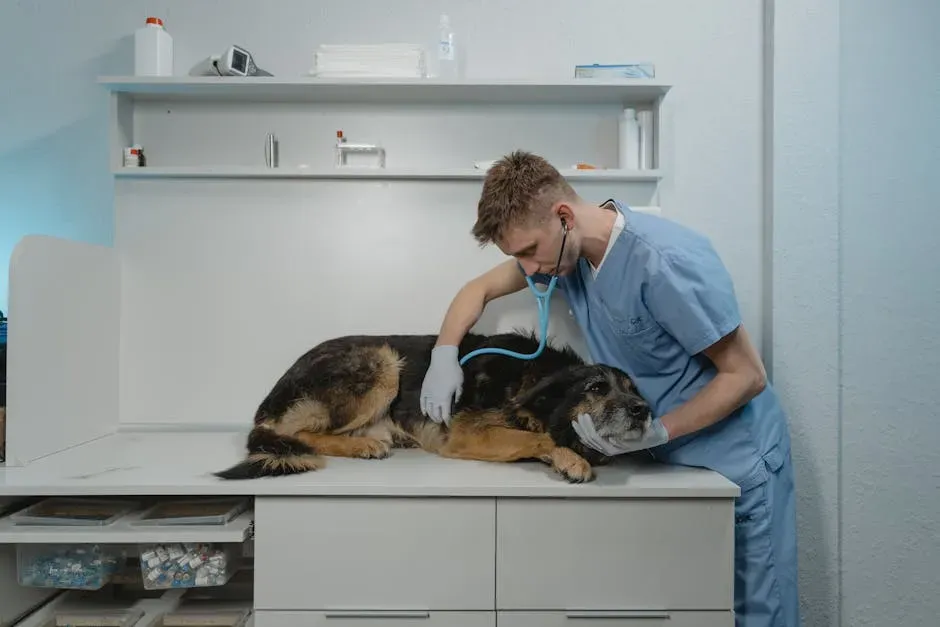
As your dog’s body wears out, he may stop responding to treatments and medications that had previously kept him happy and healthy. A dog with arthritis may require additional pain medications, or a dog with diabetes may require seemingly endless insulin dose changes.
If medications no longer alleviate pain, it might be time to consider humane options. This gradual treatment resistance is one of the more medically significant signals. A dog nearing the end of life often shows symptoms including significant appetite loss, extreme lethargy, difficulty maintaining balance, respiratory changes, and disinterest in activities. These signs, especially when occurring together and progressively worsening, suggest it may be time to consult with your veterinarian about euthanasia options.
Conclusion: Being Present Is the Greatest Gift

First to notice even the most subtle change are the owners, who know their dogs better than anyone else. That knowing is not something to second-guess. Years of reading a dog’s moods, habits, and expressions build a kind of fluency that matters in these final chapters.
Recognizing end-of-life behaviors lets you adapt your care to address your dog’s specific needs, whether creating quiet spaces or knowing when pain management should be discussed with your veterinarian. This understanding helps you make compassionate choices to prioritize your dog’s comfort and dignity during their final days.
None of these signs come with a timestamp. Some dogs show many of them; others show only a few. Whether your dog is slowing down from old age, battling cancer, or showing sudden changes that worry you, staying in close touch with your vet, focusing on comfort, and honoring their quality of life will help you make kind, informed decisions. In the end, your presence, gentle touch, and willingness to put their needs first are what make their final days truly peaceful. The love that made their life good is the same love that can make their leaving gentle.


