
10 Funny Ways Dogs React to Daily Life
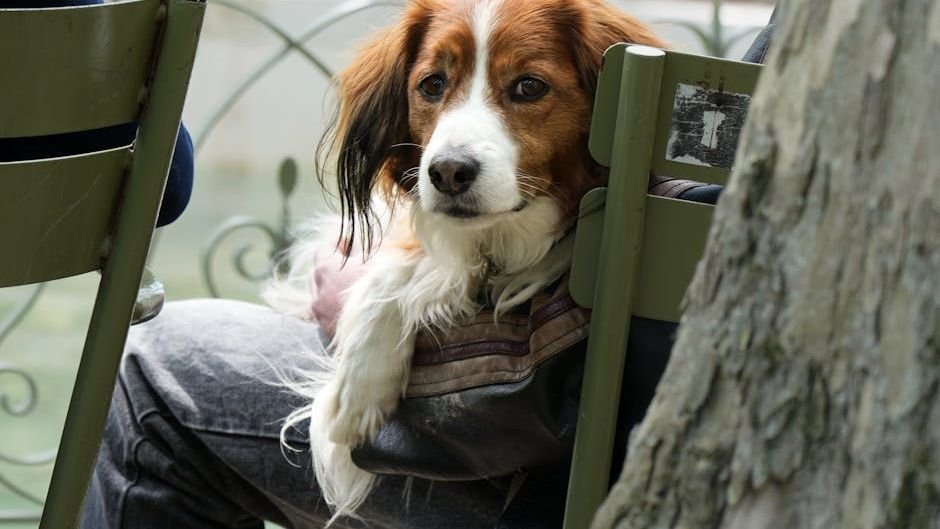
If you’ve ever watched your dog sprint full speed around the living room for no obvious reason, bark furiously at their own reflection, or spin in circles before settling onto the same fluffy bed they’ve slept on a hundred times, you already know that living with a dog is one big, joyful mystery. These moments make us laugh, pull out our phones to film, and occasionally wonder if everything is okay in there.
The good news is that most of these hilarious reactions aren’t random at all. They’re rooted in deep canine instinct, clever communication, and a sensory experience of the world that’s completely different from our own. Understanding the science behind the silliness doesn’t make it any less funny. If anything, it makes you appreciate your dog even more.
1. The Sudden Zoomies Out of Nowhere
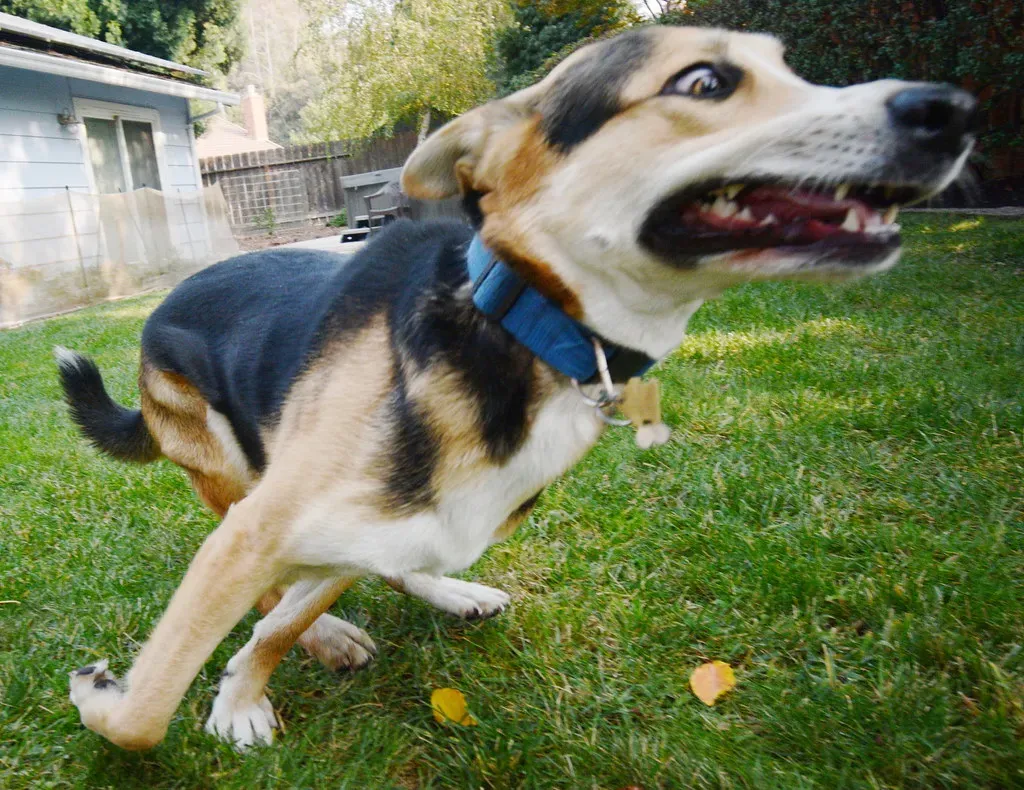
One minute your dog is peacefully napping. The next, they’re tearing through the hallway at full speed with their ears pinned flat and their tail tucked low like they just received some urgent news from the universe. These hilarious moments are officially called Frenetic Random Activity Periods, or FRAPs, when your dog tears around the house or yard at top speed with ears pinned back and tail tucked.
Zoomies typically serve real purposes: releasing pent-up energy after being calm or cooped up, shaking off nervous energy after a bath or vet visit, or simply expressing that they’re happy and excited. They’re especially common right after bath time, long naps, or when you’ve just walked through the front door.
The behavior is completely normal and generally no cause for concern. Whether it’s burning off steam, shaking off stress, or simply reveling in pure delight, zoomies aren’t just random antics – they’re your dog’s natural release valve. Give them a little space, secure the breakables, and enjoy the show.
2. Barking at Their Own Reflection in the Mirror
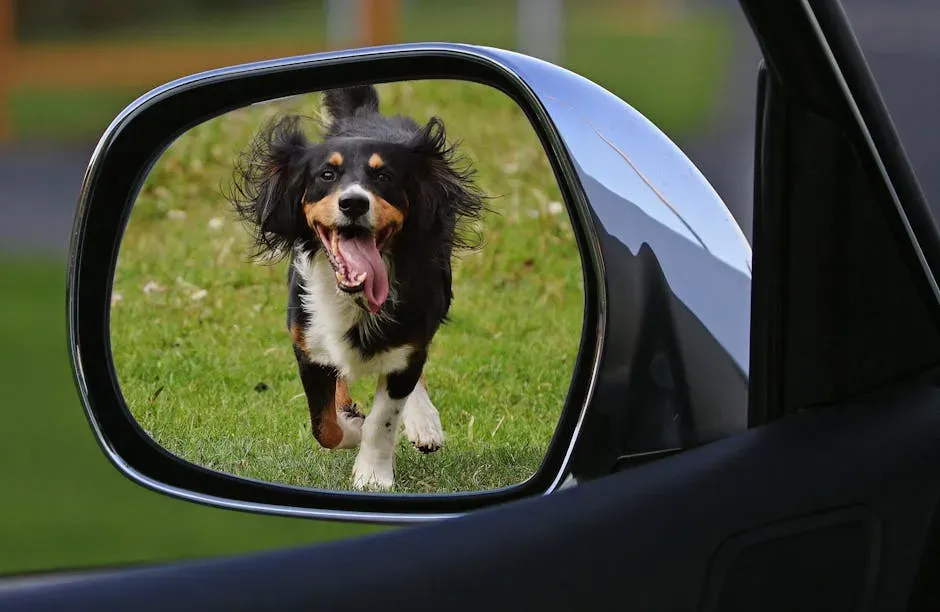
Your dog walks past the hallway mirror, freezes, and then unleashes a barrage of barks at the mysterious intruder staring back at them. It’s genuinely hilarious, but there’s a real cognitive reason behind it. A reflection can appear to dogs as a sudden, strange movement or an unfamiliar presence – a potential intruder, a rival dog that has somehow appeared in their territory without making a sound or leaving a scent.
A mirror reflection is a visual stimulus completely stripped of the olfactory information dogs rely on to classify what they’re experiencing. It’s not just that the reflection doesn’t smell like a dog – it doesn’t smell like anything at all. This sensory mismatch leaves the dog without a way to resolve the encounter. That confusion leads directly to barking.
Age and life stage significantly impact how dogs interact with reflections. Puppies often show the most dramatic reactions because everything is new and they have not yet learned what is real and what is not. Through repeated exposure without negative consequences, most puppies gradually habituate to reflections and lose interest. If your dog fixates persistently or shows signs of stress, gradual positive-reinforcement training near the mirror can help.
3. Going Completely Berserk Over the Vacuum Cleaner

The vacuum comes out of the closet and suddenly your calm, well-behaved dog transforms into a creature convinced the house is under siege. They bark, lunge, or flee to the farthest corner of the home. The average vacuum is very loud even by human standards, and your dog’s ears are considerably more sensitive – dogs have about four times the hearing capability of humans and can detect sounds at both higher octaves and greater distances.
Dogs can be startled when vacuums move without warning and change direction quickly. It’s natural for them to avoid or confront anything that moves in a way they can’t predict. The noise and movement can make a vacuum seem like a genuine threat that is invading their territory, prompting them to hide, bark, or attack.
Prevention matters here. It’s important not to scold or punish your dog for their reactions to the vacuum. Instead, use positive reinforcement training approaches to help your dog develop new reactions. Counterconditioning and desensitization are training techniques that will help your dog shift their relationship to something they initially find uncomfortable. Pair the vacuum’s presence with high-value treats and work at a pace that keeps your dog calm and success-oriented.
4. The Head Tilt That Makes Everyone Melt

You ask your dog a question, and they cock their head to one side with an expression of pure, focused concentration. It’s one of the most disarmingly cute things dogs do, and there’s actually meaningful communication happening in that moment. Dogs tilt their heads in response to certain stimuli or to gather more information about their surroundings – by tilting their heads they can adjust the shape of their ears to better locate the source of a sound.
Some breeds with longer muzzles may tilt their head to broaden their range of vision, as seeing facial expressions improves communication. Dogs are closely attuned to the tone and rhythm of human speech, and a tilt may indicate that they’ve caught a familiar word – like “walk” or “treat” – and are working out the full context.
Dogs are highly attuned to human emotions and body language. When a dog tilts their head in response to their owner’s voice or facial expressions, it may be an attempt to show empathy and understanding. That said, if you notice excessive or unusual head tilting accompanied by other concerning behaviors, it’s always a good idea to consult with a veterinarian to rule out any underlying health issues.
5. Chasing Their Own Tail Like It’s a Personal Enemy

Dogs have a complicated relationship with their tails. Specifically, some dogs seem genuinely convinced that their tail is an independent creature worth hunting. Dogs have a natural inclination for play and may chase their tails as a form of self-amusement – it’s simply fun for them to try and catch it. They may also do it as a form of attention-seeking behavior as they learn that tail chasing results in a positive response from the people around them.
Predatory instincts also play a role – dogs descend from predatory animals, and chasing moving objects triggers their natural hunting instincts. When a dog sees its tail moving, it may perceive it as something to chase, much like it would with a small animal or prey. Puppies especially are still discovering their own bodies, and the tail makes for a conveniently portable target.
Most tail chasing is harmless and brief. However, tail chasing can also be a sign that something’s wrong. In older dogs, it could be a sign of declining cognitive function, especially if it’s a new behavior. Obsessive or repetitive tail chasing could be a symptom of an OCD-like disorder called Canine Compulsive Disorder. If the chasing becomes constant or intense, a vet check is worth scheduling.
6. Spinning in Circles Before Lying Down

Your dog has a perfectly good bed. A soft, cushioned, expensive bed. Yet before settling in, they spin on it three times, dig at the surface, and rearrange the whole thing as if they’re building a nest from scratch. Dogs inherited the behavior of circling before lying down from their wild ancestors, which may have circled to tamp down vegetation and smooth the soil, to detect and remove irritating objects, or to crush or drive away potentially harmful creatures.
Turning in circles before lying down is also an act of self-preservation, in that the dog may innately know that they need to position themselves in a certain way to ward off an attack in the wild. Circling also helps dogs warm up or cool down, especially if they’re outdoors – by walking in circles, your pup tramples whatever is beneath their feet, such as grass, leaves, or flowers, which then acts as insulation.
Research has actually tested the nesting theory. Dogs were significantly more likely to circle on uneven shag carpet than on smooth surfaces, suggesting that one reason dogs spin is to make themselves a more comfortable temporary nest. While watching dogs turn before bedding down is amusing, it can also signal something is wrong – dogs that are in pain will circle excessively as they struggle to find a more comfortable position. Watch for stiffness, limping, or an inability to settle.
7. Begging at the Dinner Table with Oscar-Worthy Eyes

The dog was sound asleep. The moment a fork hits a plate, they materialize at your elbow, chin resting on your thigh, eyes wide and trembling with hope. It’s theatrical, and it works on most of us. Dogs are, by nature, opportunistic feeders that will happily accept any type of food at any time of day. Humans actually reinforce the begging behavior when they react and share their food with the dog. The dog quickly learns that this is a successful tactic to get extra snacks – staring and waiting patiently is an expected and common behavior.
Those soulful eyes aren’t accidental either. Dogs have co-evolved with humans over thousands of years and have developed the ability to use facial expressions to communicate with us in ways that even wolves cannot. The brow raise paired with that upward gaze is a learned social behavior that bypasses most human resistance immediately.
Prevention tip: consistency matters more than willpower in the moment. If every family member commits to never feeding from the table, the behavior gradually fades because the reward disappears. Growing puppies, pregnant and nursing dogs, breeds with high energy requirements, and those that exercise a lot may have an increased appetite. If your pet’s appetite changes or their weight looks to be increasing, get them checked by your veterinarian to investigate the cause.
8. Rolling in the Most Disgustingly Smelly Things They Can Find
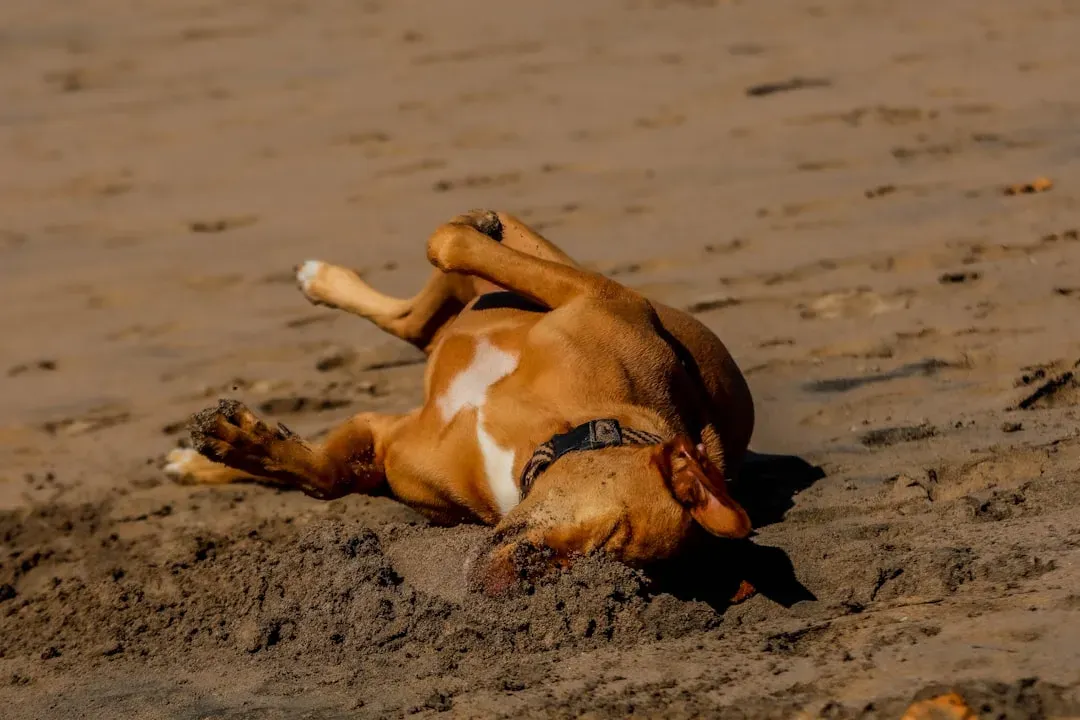
You give your dog a fresh bath. They smell like lavender and love. You open the back door, and within sixty seconds they’ve found the one patch of dead something in the entire yard and rolled in it with the enthusiasm of someone discovering treasure. Every pet parent has experienced this, and as gross as it is, this behavior is actually hardwired into their DNA. Wild canines rolled in strong scents to mask their own smell while hunting, and rolling in strong scents also serves as a form of canine communication, letting them share interesting discoveries with their pack.
Many dogs enjoy rolling in the grass, but some take it a step further and cover their bodies in the smells of dead animals, poop, or trash. To dogs, these are not foul odors – they’re just scents. Since dogs experience the world primarily through their noses, their instincts may prompt them to alter their scent.
There’s not much to train out of this one since the instinct runs incredibly deep. The most practical approach is supervision during outdoor time and keeping known problem spots – compost areas, garden beds, paths where wildlife passes – out of reach. Stock up on dog shampoo. You’ll need it.
9. Barking Like a Guard Dog at the Mail Carrier Every Single Day
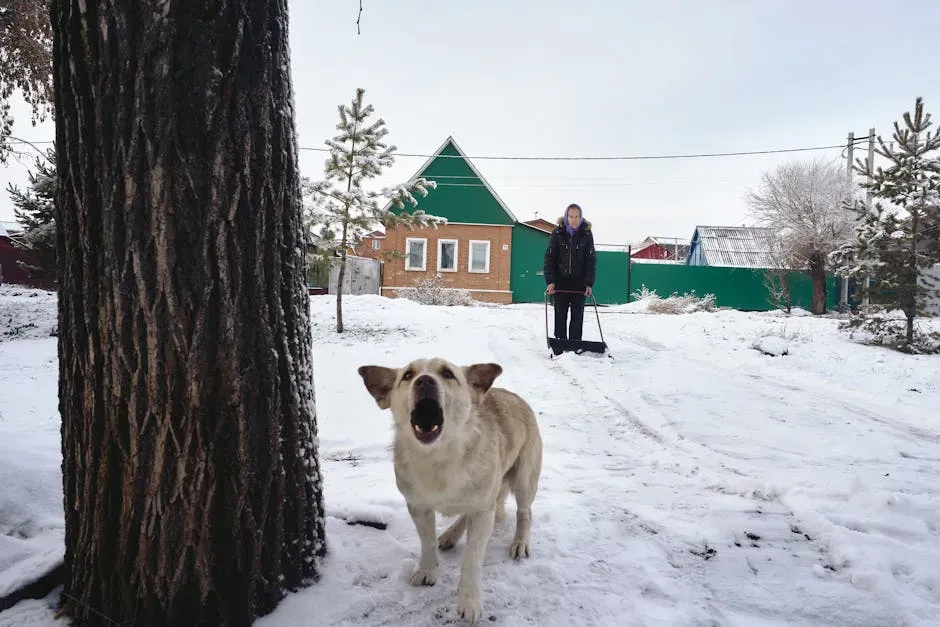
Rain or shine, day after day, the mail carrier approaches. Your dog launches into a full security alert. The mail carrier leaves. Your dog considers this a personal victory. Every day the mail carrier delivers letters, and every day your dog barks. This is a protective behavior – dogs see their house as their territory, and anyone approaching or near their territory is a potential threat, so they bark to ward off the intruder.
The reinforcement loop here is what makes this behavior so persistent. Think about it from your dog’s perspective: the mail carrier delivers mail, the dog barks to ward off the intruder, and the mail carrier goes away. It creates a pattern that is reinforced over and over – from the dog’s perspective, they are saving the house from invasion every day by driving away the intruder.
Managing this reaction involves teaching a calm alternative behavior. Redirect your dog to a designated spot away from the window or door before the mail carrier arrives. Reward quiet, settled behavior consistently. It is possible to shape a canine’s understanding and desensitize them, but without that, their survival instincts will characterize the stimulus as a possible threat. That is why early exposure helps build positive associations from the beginning, rather than trying to fix a problem down the line.
10. Leaning Against You Like a Warm, Furry Bulldozer
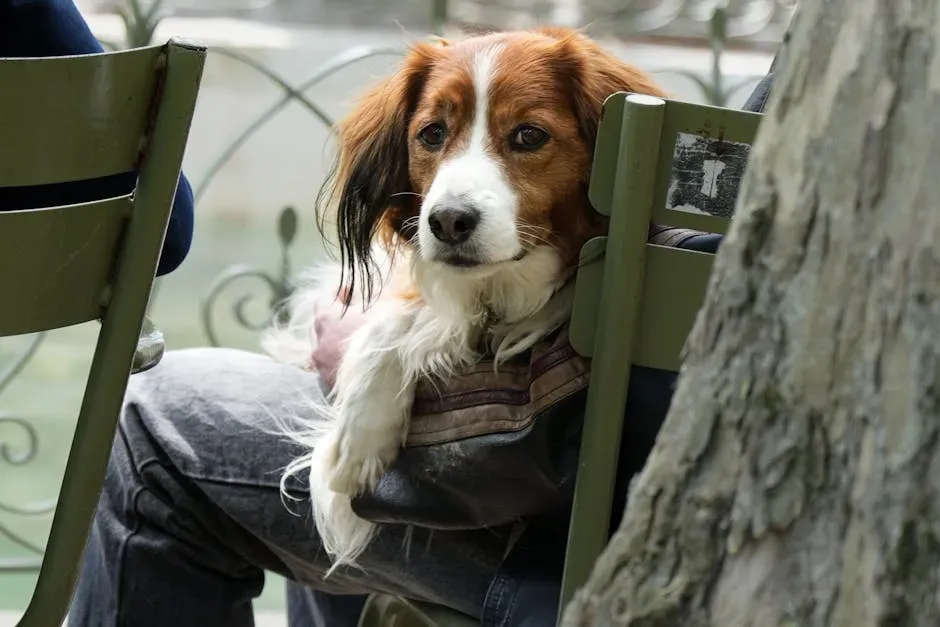
You’re sitting on the couch, minding your own business, and your dog slowly shifts their entire body weight into your side until you’re pinned against the cushion. They look perfectly content. You’ve lost feeling in your left arm. This behavior is more meaningful than it looks. The lean is a slow, gradual shift of weight until they’re pressed right up against you. It’s a behavior that says, “don’t move, I’m comfortable” – called contact comfort behavior. Dogs squish into people they feel safe with, and it’s quite a compliment.
Many people confuse this to be an act of dominance, even though the “alpha” theory has been scientifically disproven many times. It’s simply a sign of trust and a way for dogs to clearly communicate their desires. When your dog leans into you, they’re choosing you as their safe anchor. That’s worth the numb arm.
The lean also doubles as an invitation. Dogs who feel safe and bonded to their owners will seek physical closeness frequently. Dogs possess an innate ability to read our emotions, offering us comfort in times of grief and sharing in our joys. Leaning is just one of the many ways they bridge the communication gap between their world and ours – quietly, warmly, and with their full body weight.
Understanding the Humor Is Part of Loving Them Well
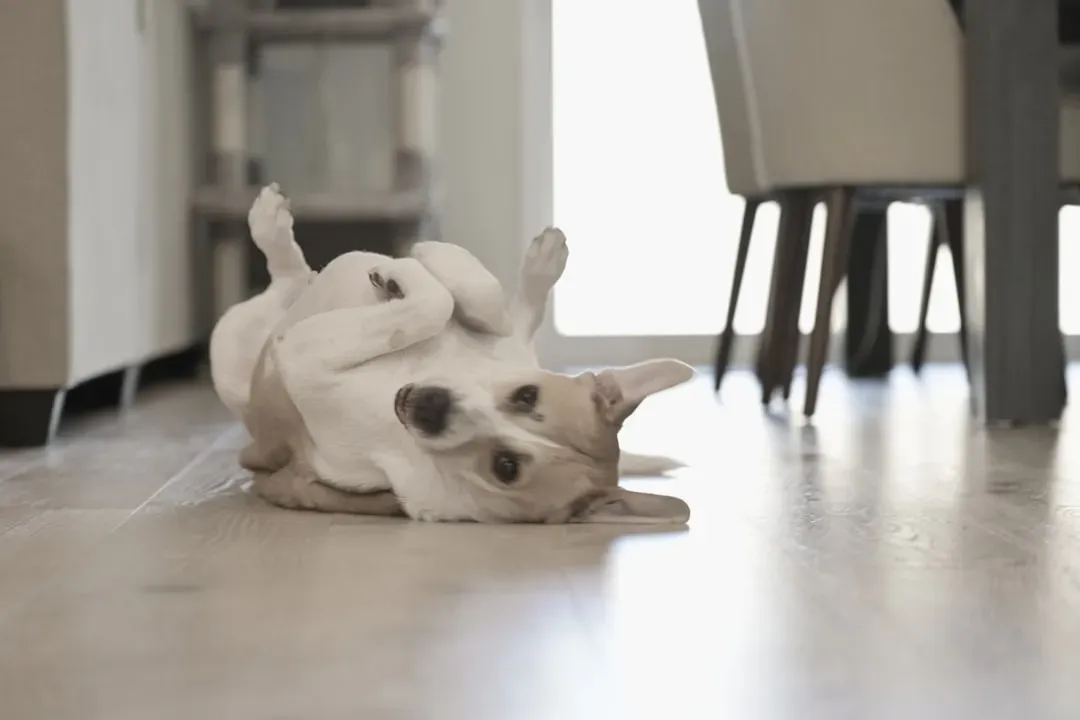
Dogs are endlessly funny, and their daily reactions to the world – mirrors, vacuums, mail carriers, their own tails – are almost always rooted in something real: instinct, communication, fear, joy, or a desire for connection. While some of the behaviors your dog displays may seem silly, they actually have logical explanations rooted in instinct, communication, and emotions.
Laughing at your dog’s antics is part of the joy of sharing your life with them. Knowing what’s behind those antics is what helps you respond thoughtfully when something shifts from funny to concerning. Understanding the why behind your dog’s weird behavior can give you insight into their mental state, and in some cases might even tip you off that something’s not quite right with their health.
The dog spinning on their bed, the one losing their mind over the Roomba, the one convinced the mail carrier is a genuine threat – they’re all doing exactly what makes sense to them. Your job, as their person, is to keep watching, keep learning, and maybe keep the phone handy. Some of these moments are absolutely worth recording.