
11 Ways Your Dog Builds a Life Around You Without You Noticing
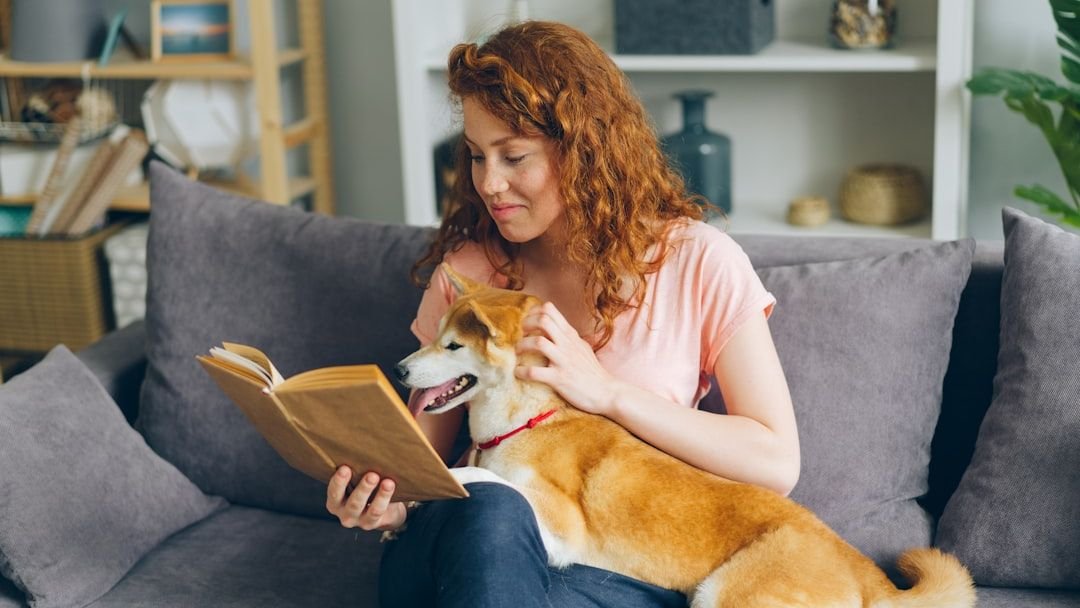
You probably think you’re the one who structures your dog’s life. You set the feeding times, you decide when the walks happen, and you choose where they sleep. In many practical ways, that’s true. Still, there’s a quiet, parallel story running beneath all of it, one your dog has been writing all along.
Without any deliberate effort or conscious planning, your dog has been observing you, adapting to you, and weaving their entire emotional world around your patterns. They notice the shoes you put on before a walk versus the ones you wear to work. They feel the shift in your energy before you’ve even processed it yourself. They time their naps to your stillness and their greetings to your footstep on the front porch.
This isn’t instinct alone. It’s something closer to devotion expressed through behavior. These 11 insights might just change the way you see your dog forever.
1. They’ve Memorized Your Daily Schedule Better Than You Have
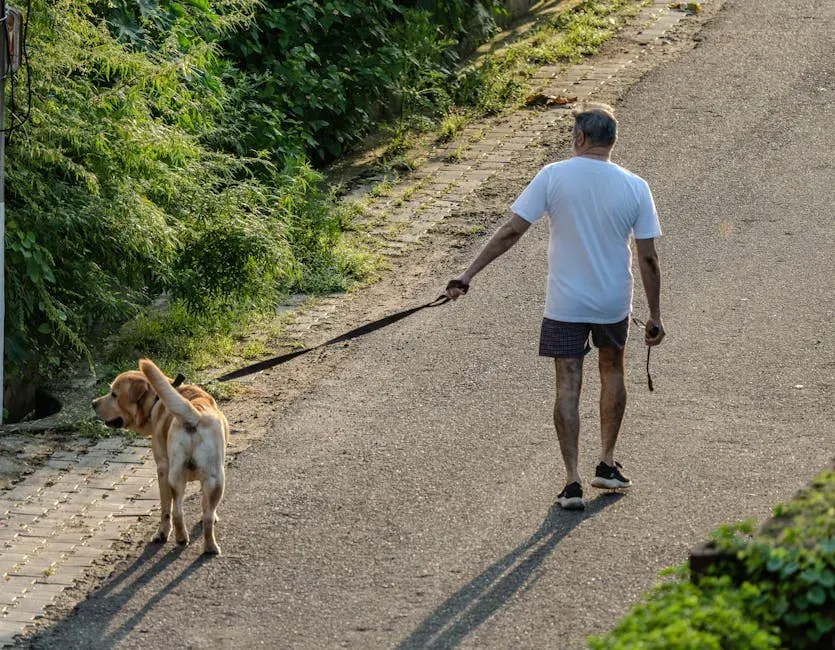
Dogs can’t tell time by the clock the way humans do. Instead, they use daily cues – changes in daylight, your body language, and patterns of household activity – to predict what will happen next. So when your dog starts hovering around the kitchen at a consistent time each morning, they’re not guessing. They’ve simply tracked every signal you unconsciously broadcast and built a mental calendar around them.
A dog’s internal systems are highly responsive to patterns in their environment, and when those patterns are stable, behavior improves. Dogs operate on a circadian rhythm, a 24-hour internal cycle that influences their biological functions. When daily activities like meals, walks, and bedtime align with these natural cycles, dogs feel more balanced and are less likely to act out due to stress or overstimulation. Your schedule is literally their biology’s best friend.
2. They Mirror Your Emotional State Without Thinking About It

Dogs don’t just observe your emotions – they can “catch” them too. Researchers call this emotional contagion, a basic form of empathy where one individual mirrors another’s emotional state. A 2019 study found that some dog-human pairs had synchronized cardiac patterns during stressful times, with their heartbeats mirroring each other. That tense, anxious morning before a big deadline? Your dog felt every bit of it.
When owners show anxiety, dogs’ cortisol levels often rise as well. This is why, on hard days, your dog might seem clingier, more alert, or reluctant to settle. If you’re anxious, your dog may become anxious. If you’re calm, your dog tends to relax. If you’re excited, your dog’s energy rises. They are, in the truest sense, emotionally tuned into your frequency.
3. They’ve Become Fluent in Your Body Language
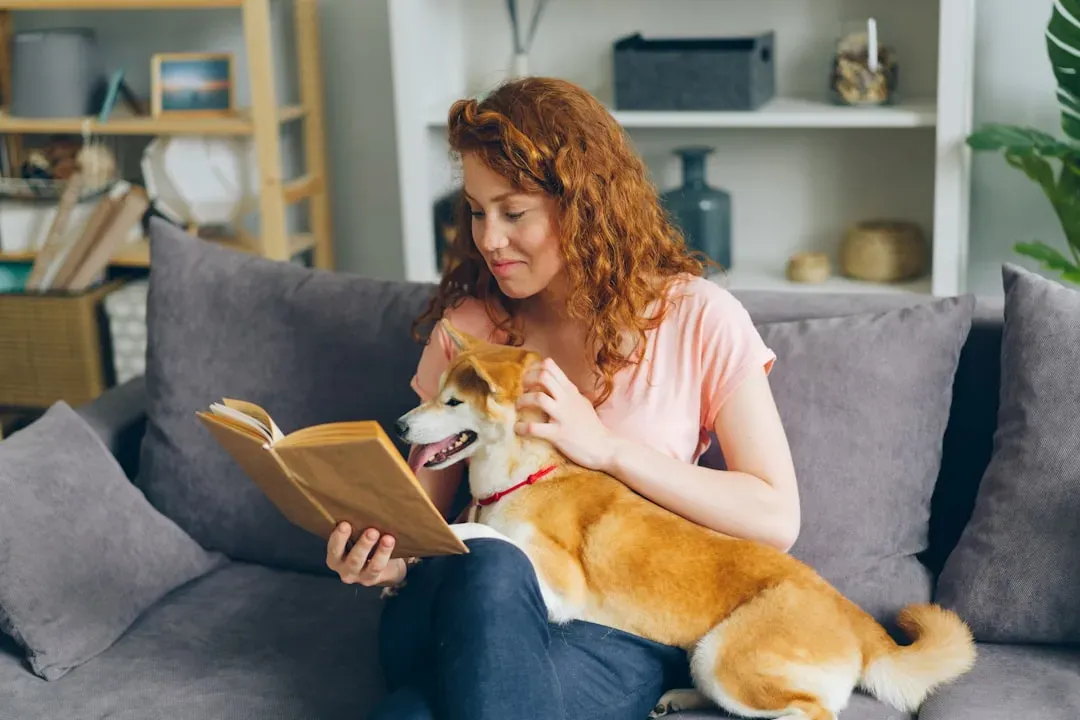
Dogs have been empirically shown to be particularly sensitive to human emotions. They discriminate and show differential responses to emotional cues expressed through body postures, facial expressions, vocalizations and odors. They don’t need you to say a word. The slope of your shoulders, the pace of your walk, the direction your eyes flick toward the leash – all of it is language your dog reads fluently.
Beyond eye contact, dogs are surprisingly skilled at reading human body language and facial expressions. Experiments demonstrate that pet dogs can distinguish a smiling face from an angry face, even in photos. What’s remarkable is that dogs are able to use the emotional information obtained from people in a functional way – they can infer the potential consequences of the displays and use that information for adjusting their own behavior. They’re not just watching. They’re drawing conclusions.
4. They Know Exactly When You’re About to Leave
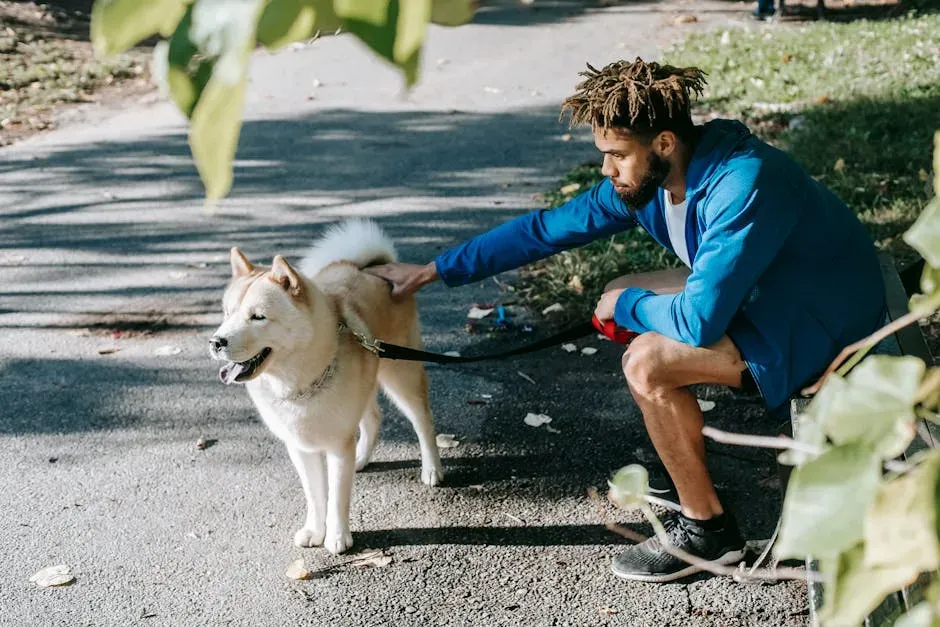
As the owner prepares to leave, the dog usually shows salient signs of anxiety including increased activity such as restlessness, pacing, and whining. These occur in response to recognizable departure cues, such as picking up car keys, putting on a coat, or picking up a briefcase. You might think your departure routine is unremarkable. To your dog, it’s a highly specific sequence they’ve catalogued down to the smallest detail.
There are a number of activities we do consistently prior to each departure. The dog soon learns to identify that these cues or signals mean imminent departure. If your dog begins to look unsettled when you reach for your bag – before you’ve said a single word – that’s not coincidence. That’s months or years of careful, involuntary observation at work. Softening your departure cues and practicing calm, consistent goodbyes can meaningfully reduce your dog’s stress around this transition.
5. Their Sleep Schedule Revolves Around Yours

Dogs thrive on consistency, and their internal clocks respond directly to the patterns their owners establish. Regular schedules for meals, activity, and rest help synchronize circadian rhythms in dogs with the household’s daily flow. Your late nights become their late nights. Your slow Sunday mornings become their most peaceful hours. They don’t choose this consciously – their biology simply adjusts.
Dogs that follow consistent routines encourage their owners to maintain regular bedtimes and wake times. The presence of a sleeping dog can provide comfort and security that helps some people fall asleep more easily. Physical contact with a calm, resting dog may reduce anxiety and promote relaxation. Dogs are descendants of wolves, highly social pack animals that sleep together for warmth and protection. This pack mentality still exists in domesticated dogs today. When your pup curls up next to you, it’s not just about comfort – it’s instinct. The relationship is genuinely reciprocal.
6. They Use You as a Social Reference Point in Uncertain Situations

When dogs are exposed to an ambiguous or threatening situation, they gaze at humans to look for information about the situation and react according to the emotion cues expressed by their owners, with body movement and vocal intonation being enough to elicit social referencing. Before your dog decides whether something new is safe or alarming, they check your face first. You are their internal compass.
Dogs seek eye contact more frequently. They interpret pointing gestures naturally. They actively look to humans for guidance when confused. This social referencing behavior is similar to what toddlers display with caregivers. The next time your dog freezes on a walk and looks back at you before reacting to something unfamiliar, you’re witnessing this process live. Your calm, steady response isn’t just reassuring – it’s genuinely instructive for them.
7. They’ve Attached Their Sense of Safety to Your Presence
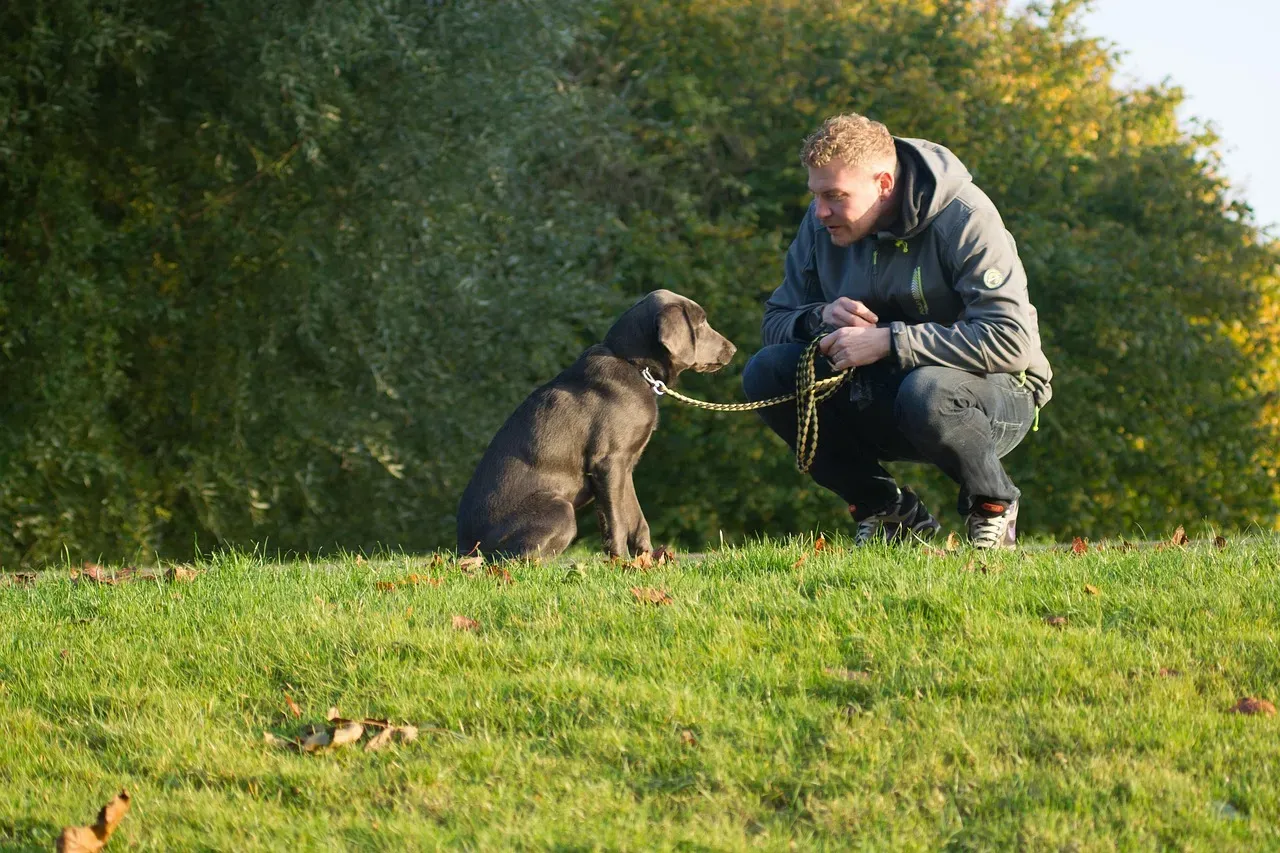
Dogs have been shown to form attachment bonds towards their owners analogous to the human infant-parent attachment. This isn’t a loose metaphor – it’s a well-documented behavioral parallel. Owner presence is a strong mediator of dog behavior. Dogs consistently behave differently when tested with versus without their owners. Their confidence, their willingness to explore, and their ability to rest all shift meaningfully based on whether you’re in the room.
Dogs are evolutionarily wired to seek out patterns, and when their daily life lacks a predictable rhythm, their nervous systems often remain in a state of high alert, leading to cortisol spikes and behavioral instability. Establishing a clear daily structure provides your canine companion with the reassurance they need to navigate the world with confidence and composure. You may not realize it, but your consistency is one of the most important forms of care you can offer.
8. They’ve Built Rituals Around Your Smallest Habits
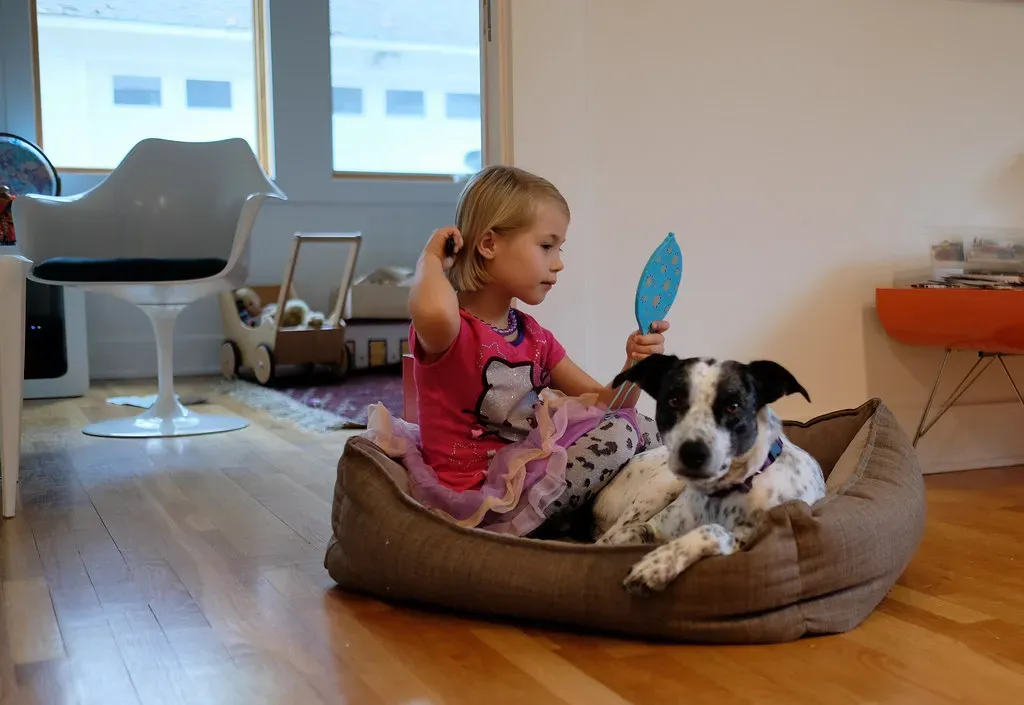
Maintaining rituals like morning cuddles, evening walks, or bedtime treats gives your dog emotional anchors, even when their surroundings are shifting. What feels routine to you feels meaningful to them. The morning stretch before you get up, the specific chair you sit in at night, the sound of the coffeemaker – these aren’t neutral details. They’re markers in your dog’s map of the world.
Feeding your dog at the same time each day sends a message that their needs are seen and will be met. Daily walks not only help with physical health but also create regular bonding time between you and your dog. All of these moments, when done consistently, help your dog predict your actions and form positive expectations around you. A dog that trusts its environment and caregiver is far more likely to exhibit good behavior. The small habits truly add up.
9. Your Mood Shapes Their Behavior All Day Long
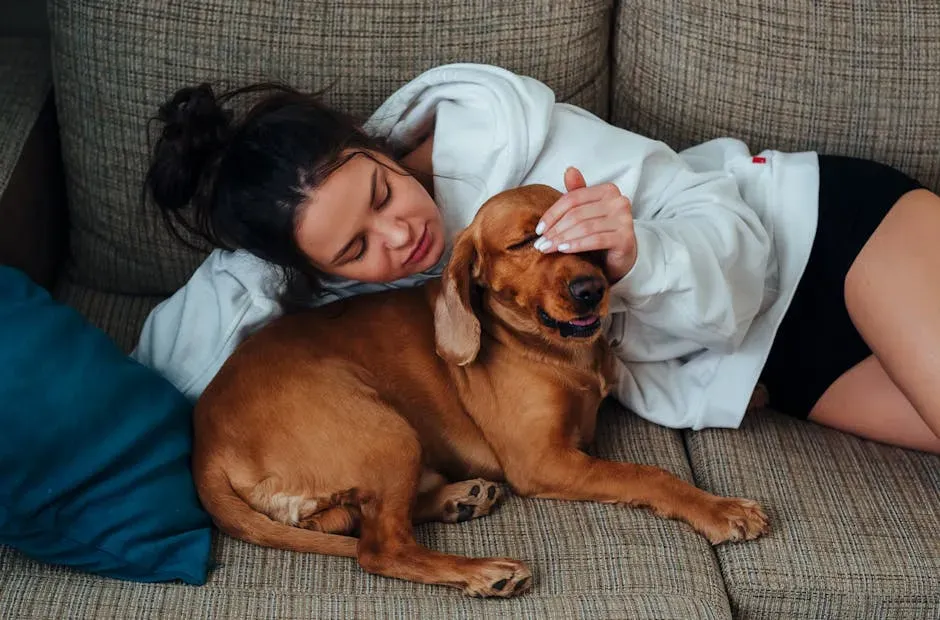
You might think you’re just living your life, but your dog is reading every signal you send and building their entire emotional framework around your habits. A rushed, frantic morning doesn’t just make you stressed – while your dog watches this, their nervous system is mirroring your stress. The energy you carry through your front door at the end of a difficult day lands on them, too.
Research has shown that dogs can distinguish different emotions and react accordingly. When humans are happy, dogs tend to be more playful; when humans are upset, they become comforting. This matters practically. Dogs respond best to calm, confident energy. Yelling or frustration can create confusion rather than clarity. Managing your own emotional regulation isn’t just good for you – it’s genuinely good dog ownership.
10. They’ve Learned to Anticipate Your Return Before You Arrive
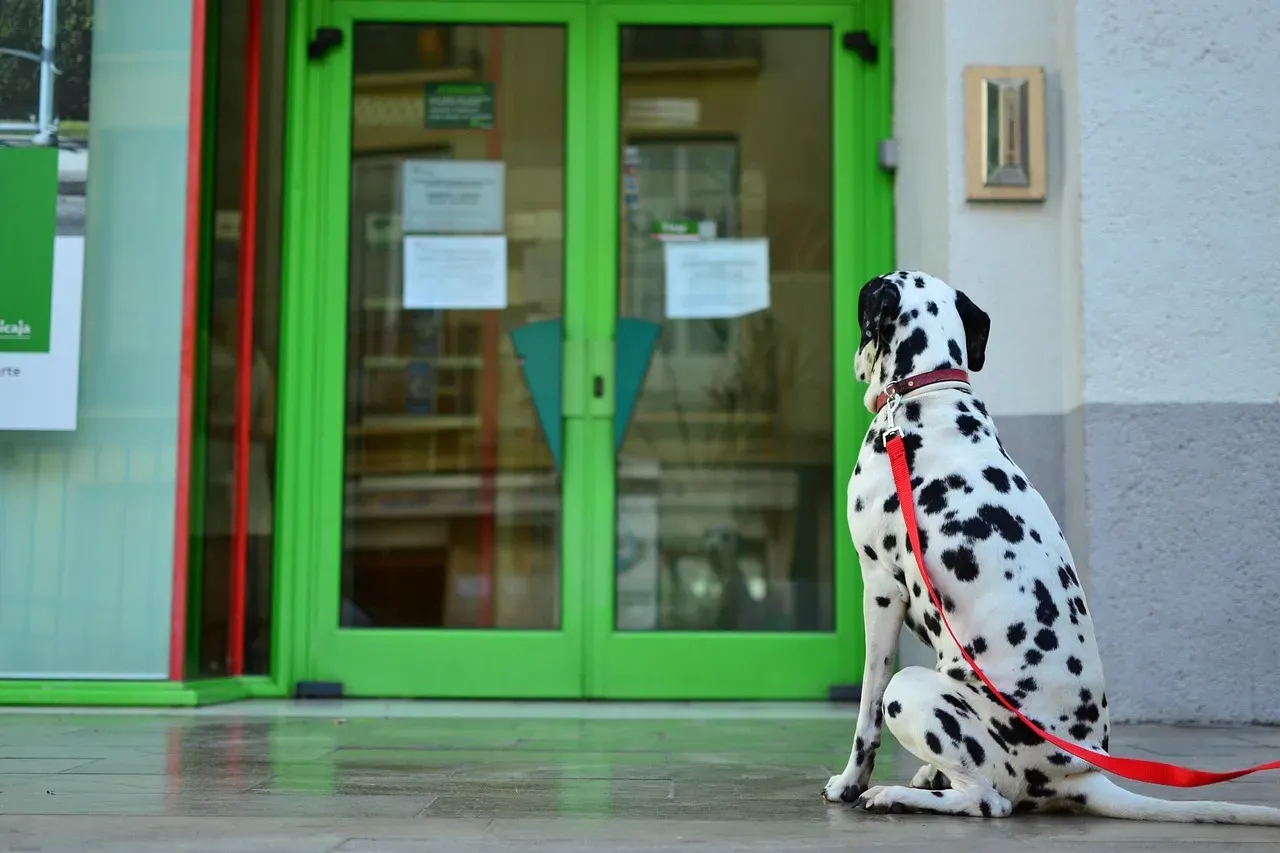
Many dog owners report that their dog seems to know exactly when they’re coming home, positioning themselves near the door minutes before the sound of the car or footsteps. Dogs are constantly paying attention to what works, what does not, and what happens next. They notice repeated experiences far more than one-time corrections or random moments of praise. Over time, subtle environmental cues tied to your return – a neighbor’s schedule, a distant sound, shifts in ambient light – get layered into one coherent prediction.
When routines are absent or constantly changing, it sends a message to the dog that their environment is unstable, which can trigger stress responses. On the other hand, when they can rely on consistent routines, it builds trust and helps them feel grounded and safe in their world. Your returns are one of the most emotionally significant events in your dog’s day. Even keeping them relatively calm and low-key helps your dog process them without tipping into over-excitement or anxiety.
11. They’ve Made You the Center of Their Internal World
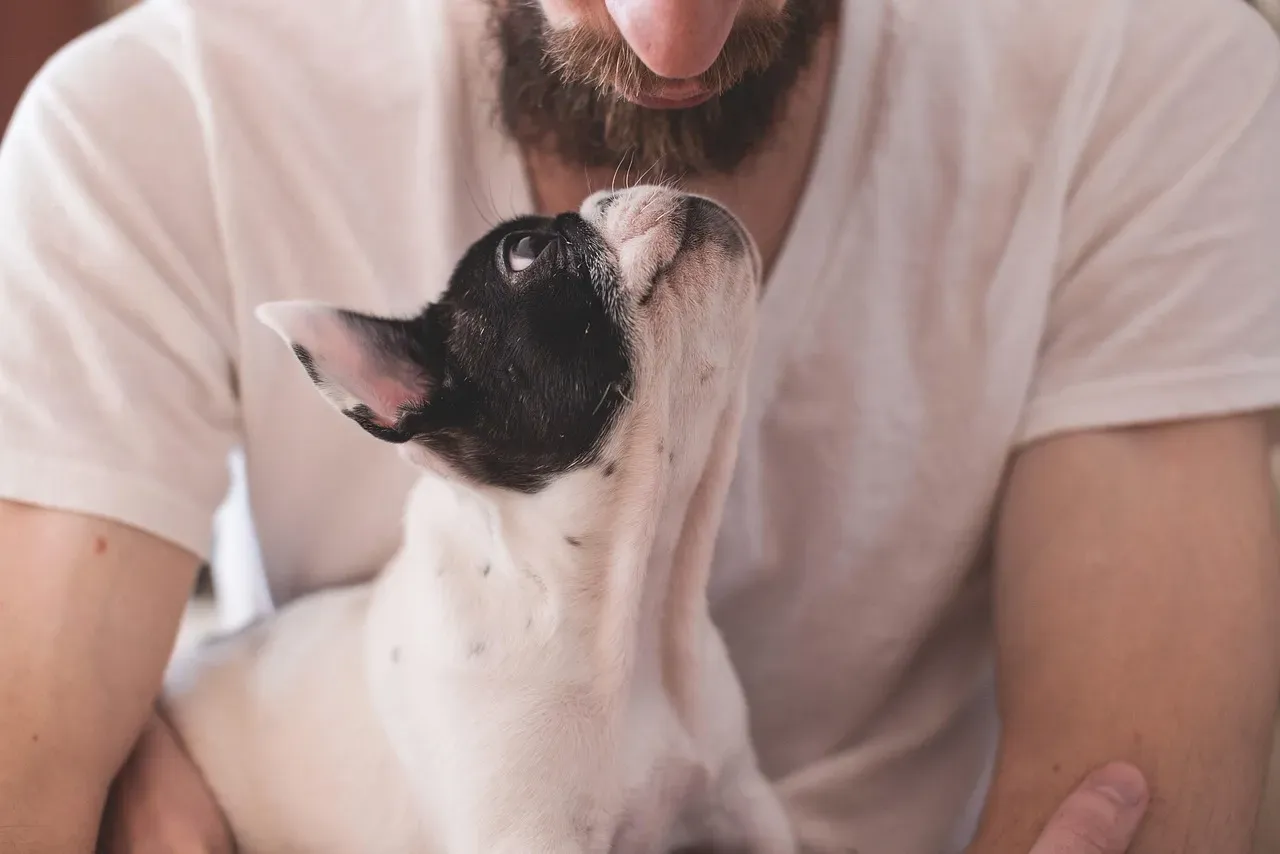
A dog who knows the daily flow of life often becomes calmer because they are no longer trying to control every moment. Clear routines around walks, crate time, feeding, training, and rest can help reduce frantic energy and improve focus. The stability you provide, even without realizing it, becomes the organizing principle of their entire existence. You are not just their owner. You are their reference point, their safe harbor, and their primary source of meaning.
In dogs, thousands of years living as our companions have fine-tuned brain pathways for reading human social signals. While your dog’s brain may be smaller than a wolf’s, it may be uniquely optimized to love and understand humans. They excel at picking up on what you’re projecting and respond accordingly. So dogs may not be able to read our minds, but by reading our behavior and feelings, they meet us emotionally in a way few other animals can. That’s a remarkable thing, when you sit with it.
A Final Thought
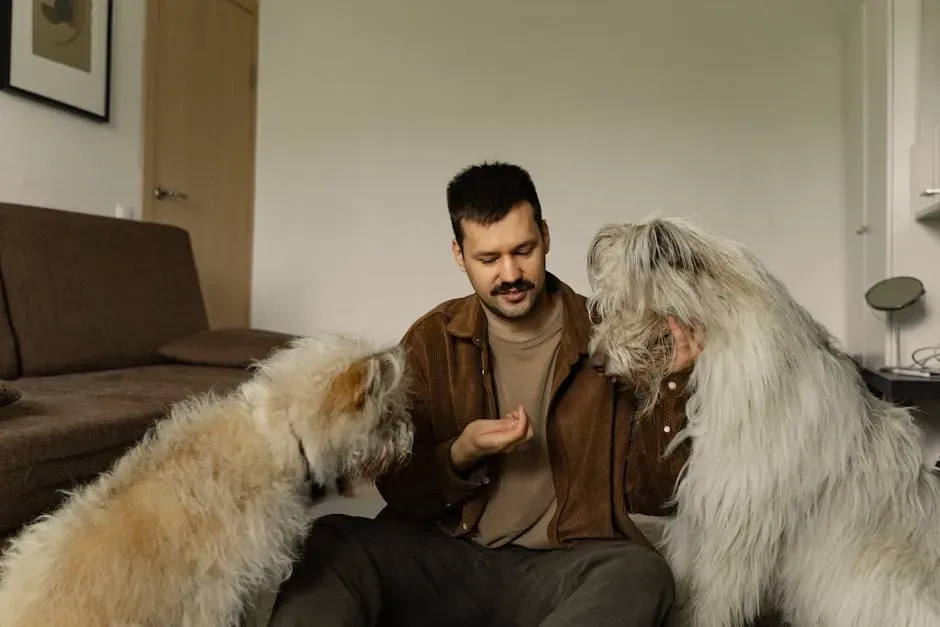
Most of what your dog does for you goes unspoken and unnoticed – the quiet way they wait, the way they settle near you during hard days, the steady presence that asks for nothing but your consistency in return. The bond isn’t just about love in a vague, sentimental sense. It’s built from pattern, trust, and a kind of attention that most humans rarely manage to sustain.
Understanding how intentionally your dog has built their life around yours isn’t reason for guilt – it’s a quiet invitation. Dogs not only get used to routines, but they thrive on them. Consistent schedules help regulate dog behavior, support healthy habit formation, and provide a sense of stability that contributes to stress reduction. The more consciously you show up in the small, daily moments, the richer and more secure that shared life becomes.
They’ve been paying attention all along. The question is simply whether we’re ready to pay attention back.