
10 Mistakes Owners Make That Slowly Break a Dog’s Trust

Most dog owners love their dogs fiercely. They buy the good food, the plush beds, the squeaky toys that end up underneath the couch cushion within 48 hours. They genuinely mean well. Yet despite all that love, trust between a dog and their owner can quietly erode, not from dramatic events or cruelty, but from everyday habits that most people never think twice about.
While dogs don’t naturally trust all humans, they are capable of developing deep trust in their owners. Research headed by animal expert Dr. Claudia Fugazza at Eötvös Loránd University in Budapest found that puppies intuitively trust human companions in the same way they trust other dogs. That’s a remarkable thing. However, you can lose your dog’s trust. Despite being incredibly faithful animals, a dog’s trust is never guaranteed forever, and the relationship is based on a mutual respect between dogs and their human companions. Understanding which behaviors chip away at that trust is the first step to becoming the owner your dog deserves.
1. Being Inconsistent With Rules and Routines

One day your dog is allowed on the sofa. The next, you’re pointing at them and saying “off” with total conviction. Sound familiar? When rules change from one day to the next, dogs get confused and anxious. Making sure everyone in the home agrees on the same rules and routines matters because dogs truly thrive on predictability.
Among the key reasons for a lack of trust, on the human side, is the absence of clearly defined rules or their random changes almost daily. Think of it from your dog’s perspective: they’re doing their best to understand a world they didn’t choose to enter. Experienced owners usually understand that daily structure is calming to dogs. First-timers often give a new dog tons of freedom right away, which can create anxiety and confusion. Clear patterns, including routines, boundaries, and predictable interactions, help dogs settle faster and behave more confidently.
2. Using Punishment Instead of Guidance
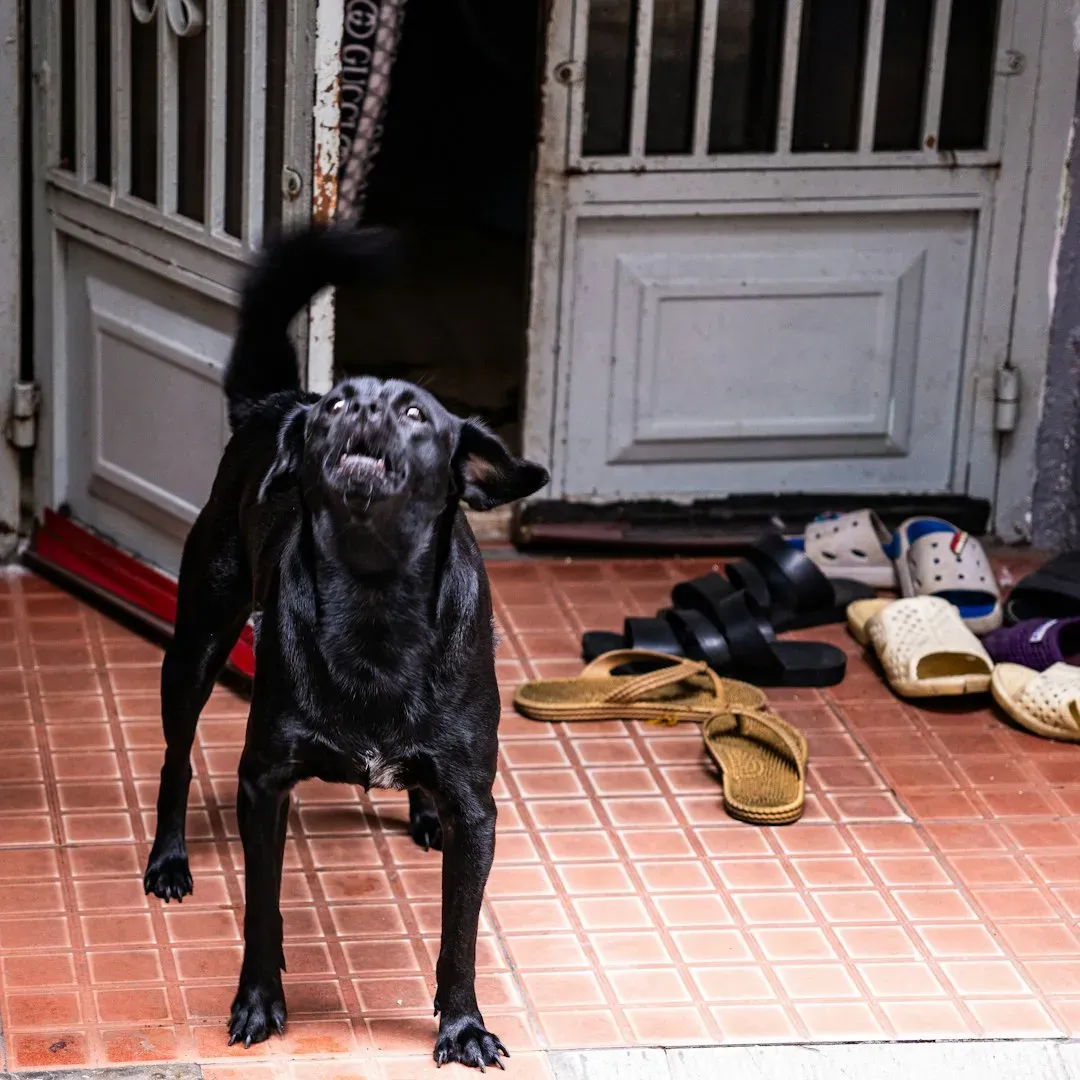
One of the biggest training mistakes is resorting to punishment, such as yelling or physical reprimands. These actions can cause a dog to feel threatened, damaging their trust in their owner. It’s a natural human impulse to react when something goes wrong, but a raised voice or a physical correction lands very differently in a dog’s world than it does in ours.
Disciplining a dog without clear reason only leads to confusion. They might not understand why they’re being scolded, and that’s where the problem starts. Your dog looks to you for guidance, so when harsh punishment comes without context, it breaks their trust. Punishment often leads to fear, anxiety, or even aggressive behaviors. For example, yelling at a dog for barking might seem like a solution, but it often escalates the problem as the dog becomes more anxious. Gentle redirection and reinforcing desired behaviors is far more effective, and far kinder.
3. Punishing Your Dog Long After the Incident
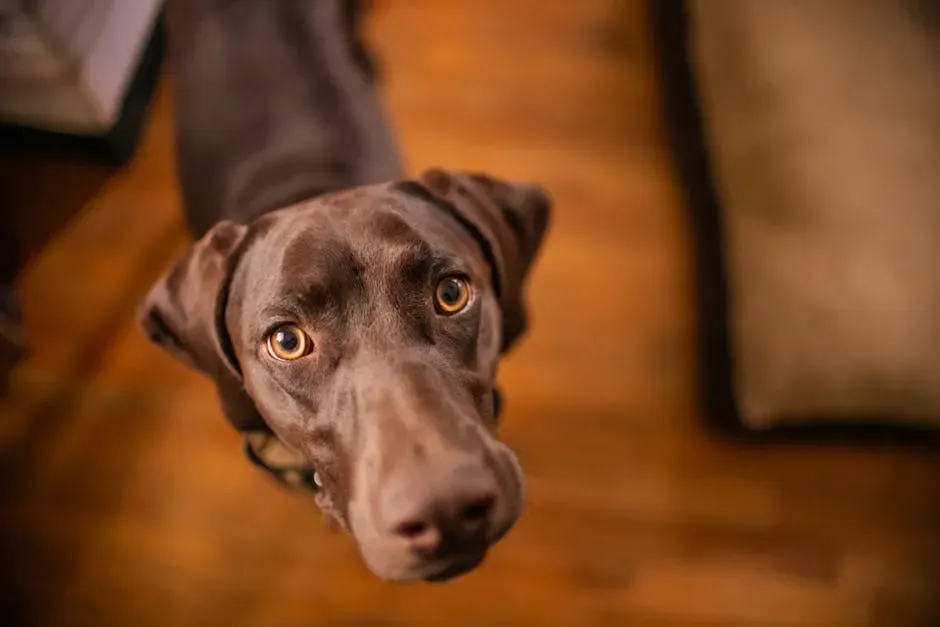
You come home, notice something chewed up in the corner, and launch into a scolding. Your dog gives you that lowered head and guilty-looking expression, and it feels like confirmation. The truth is, that expression isn’t guilt. It’s a stress response to your tone and body language. If your dog misbehaves, addressing it on the spot matters. But if you come home and your dog has already performed multiple other behaviors since the incident, punishing them hours later will only confuse them, as they won’t associate the correction with what happened earlier.
It’s unlikely that your pet will make the connection that their chosen spot or action was wrong. It will only make them feel anxious and teach them to fear you. Delayed punishment is one of those mistakes that feels justified from a human standpoint but is genuinely baffling and frightening for a dog. It plants seeds of unpredictability, and unpredictability is the enemy of trust.
4. Ignoring Your Dog’s Body Language
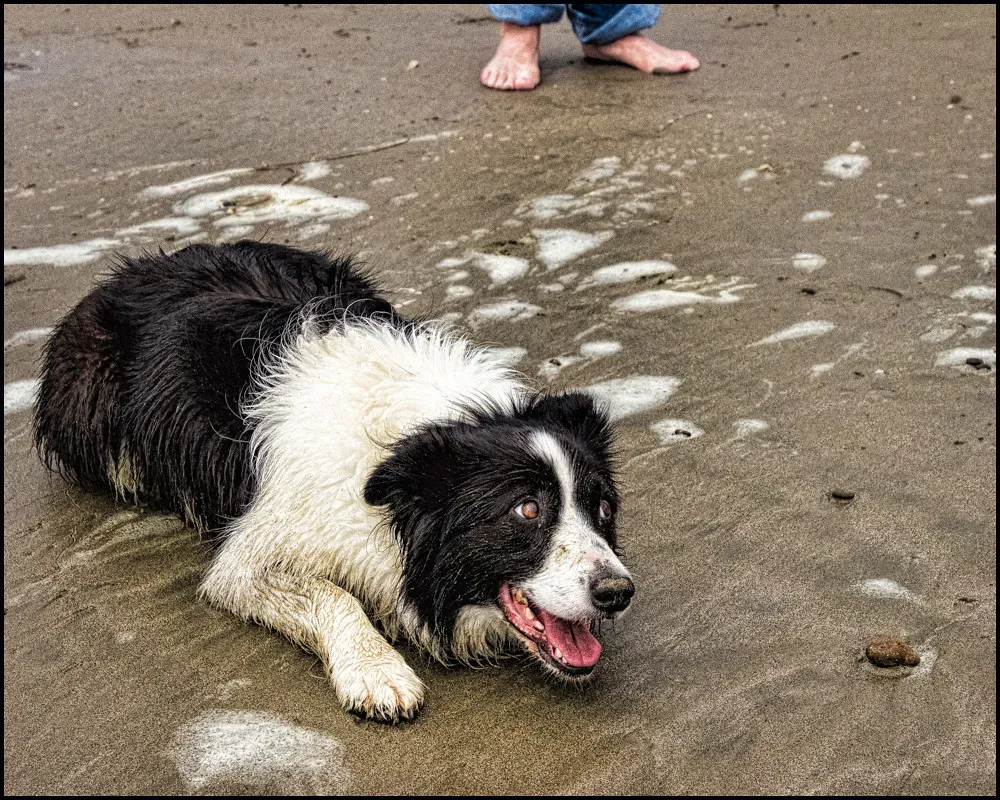
Dogs rely on body language to communicate their feelings, whether happy, anxious, or scared. Ignoring or misreading these signals can leave them feeling frustrated or unsafe. Lip licking, yawning at an odd moment, turning the head away, pinned ears, a stiff body: these are all attempts at communication. They’re quiet, easy to miss, and deeply important.
Dogs communicate with their bodies constantly, and we just need to learn to listen. Signs like lip licking, yawning, or turning away mean your dog is stressed or unsure. One common mistake seen repeatedly with dogs whose progress seems stuck is the failure to recognize more subtle signs of fear and discomfort. This can really damage the bond you have with your dog. When you start paying attention to those quiet signals, the whole relationship shifts.
5. Ruining the Recall by Making “Come” Mean Something Bad
Calling a dog and then doing something unpleasant, such as locking them inside, grooming them, or reprimanding them, teaches them not to come. Repeated experiences like this damage recall reliability. This is what behaviorists call “poisoning a cue.” It happens gradually and often without owners even noticing the pattern they’ve created.
If “come!” only ever means the fun is over, your dog will simply stop listening. Practicing recall often and making coming to you genuinely rewarding, whether through treats, toys, or enthusiastic praise, every single time, is what builds a reliable response. A reliable recall is ultimately built through trust and consistent positive outcomes after the behavior. It’s one of the most important safety skills your dog will ever have, and it lives or dies on the strength of your relationship.
6. Forcing Unwanted Physical Contact
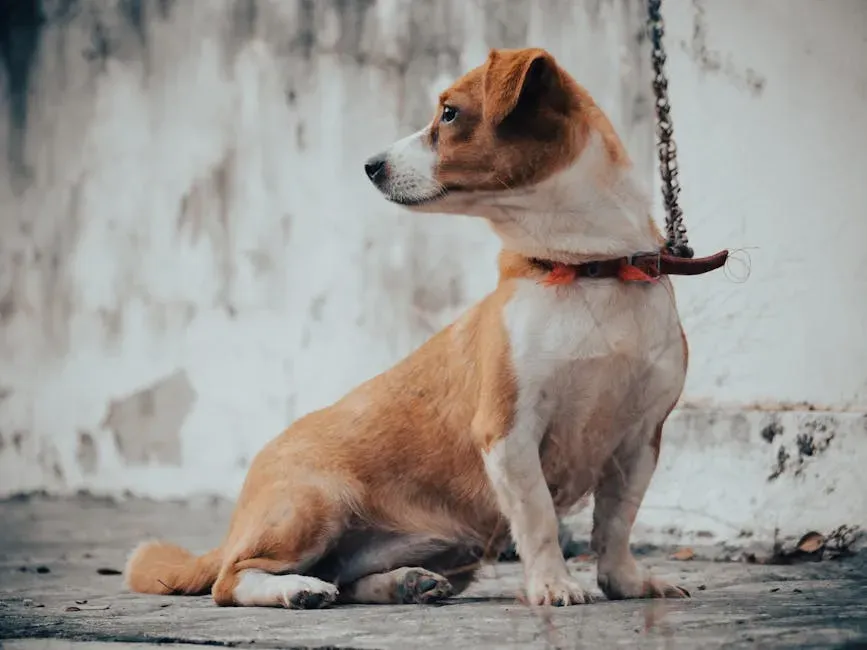
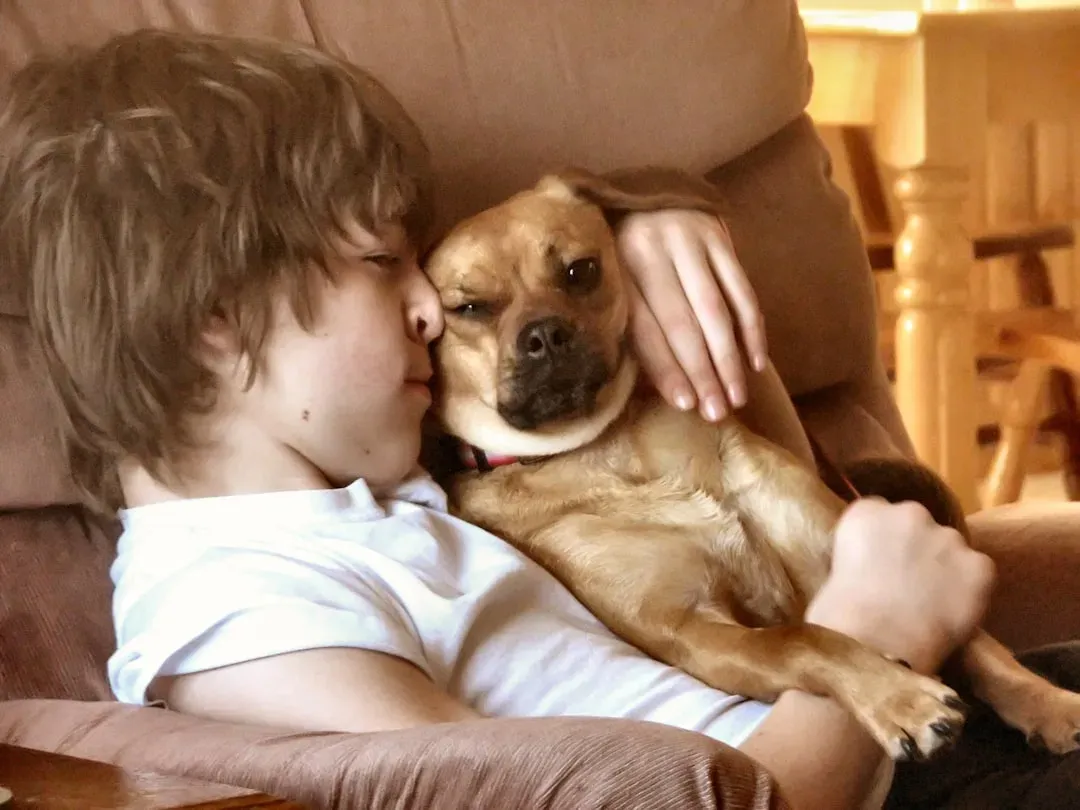
Many dog owners unknowingly make mistakes that can damage trust and create stress for their beloved companions. One of the most common is pushing physical affection on a dog who isn’t asking for it. Hugging a dog tightly, kissing their face, or restraining them when they’re trying to move away can all feel threatening from a dog’s perspective, even when the intention is pure love.
Many dogs have specific body areas they prefer to avoid during petting. The nose, paws, tail, and ears are typically sensitive zones that most dogs find uncomfortable to touch. Focusing on areas like the chest, sides, and the space between the shoulder blades is where most dogs enjoy gentle contact. Holding paws, hugging tightly, or chasing a dog who’s trying to leave can trigger defensive responses. Every dog has unique preferences shaped by their individual personality, past experiences, and current mood. Respecting these differences shows your dog that you value their autonomy and helps build the foundation for a trusting, lifelong partnership.
7. Being Emotionally Unpredictable
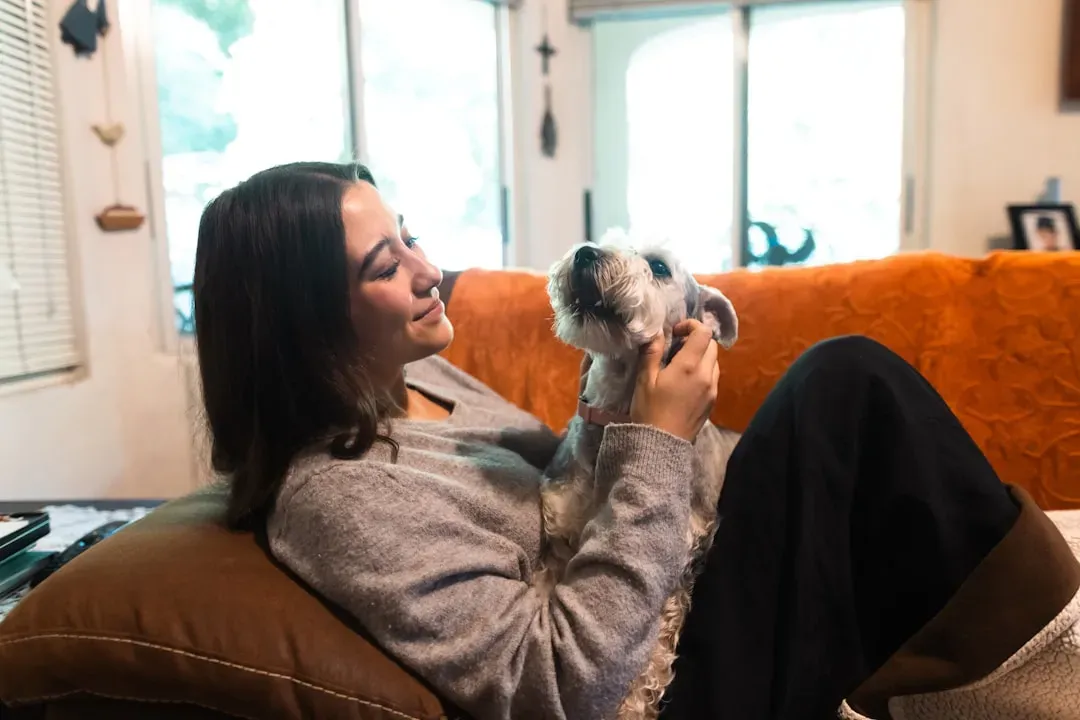
Dogs are remarkably sensitive emotional barometers. They pick up on stress, frustration, and anger in ways that can unsettle them deeply. Research from Brigham Young University suggests that dogs can read your emotions and are less likely to trust you when you’re in a bad mood. Researchers tracked how dogs reacted when they saw humans using positive or negative facial and vocal expressions, and when dogs saw negative behaviors like frowning, a furrowed brow, and a harsh voice, they were less willing to engage.
Dogs even copy their owners’ emotions to a degree, showing anxiety when owners are anxious, or being calm when owners are calm. This means your internal state becomes part of your dog’s emotional experience. It’s not about being perfectly serene all day, that’s not realistic. It’s about noticing when your frustration is spilling over into your interactions, and choosing to take a breath before engaging. Dogs read human messages through body language and tone of voice. If you’re constantly shouting, they may misinterpret this as escalation. Speaking to them in a calm yet firm voice generally produces a far better response.
8. Deceiving Your Dog Through False Cues
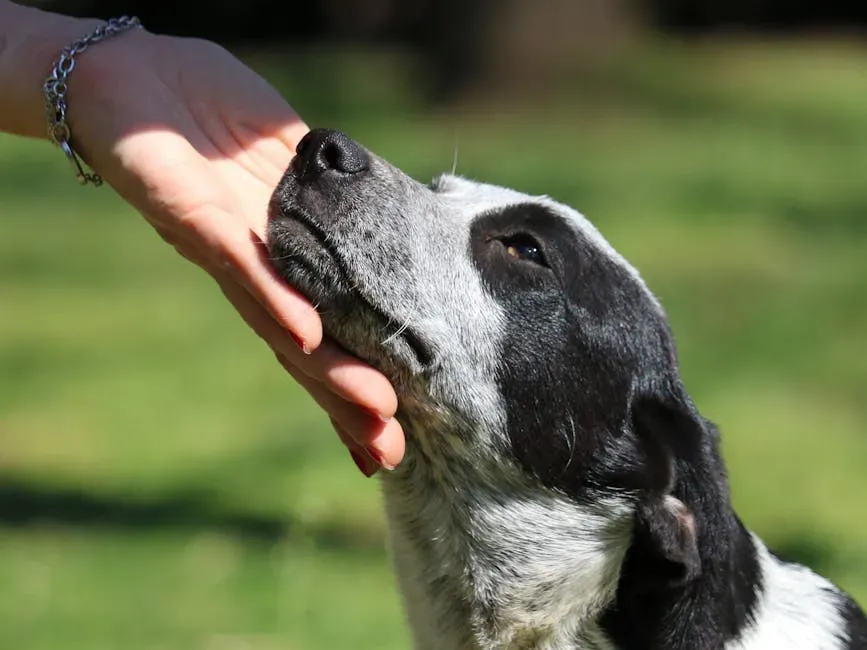
This one surprises people. It feels harmless to pretend to throw a ball that’s still in your hand, or to call your dog with excitement only to immediately clip on a leash and end the walk. If you frequently mislead dogs, they lose their trust in you and begin to act as if they can no longer rely on the information you give them. Dogs track these patterns far more carefully than we give them credit for.
Research led by Akiko Takaoka of Kyoto University showed that dogs will only use information and follow commands from people who have a track record of being trustworthy. This research shows that dogs keep track of whether people are reliable, and use those memories to determine whether they can trust particular humans. If you mislead your dog, he will remember and you may also lose his cooperation. Every fake-out is a small withdrawal from the trust bank, and the balance adds up over time.
9. Leaving Your Dog Isolated for Long Periods

Dogs are social animals, and being left alone for extended periods can have a lasting impact. Whether in early puppyhood or adult life, isolation can lead to significant behavioral issues. A dog that feels abandoned might start acting out, including chewing, barking excessively, or withdrawing from activities they previously enjoyed.
Love and acknowledgment of the dog’s place in your life are essential to a dog’s psychological health. If a dog feels that their owner does not care about them, it can have devastating psychological effects, possibly triggering anxiety, depression, and difficult behaviors. Quality time matters too, not just presence. A dog lying in the same room as a person staring at a phone for three hours isn’t getting much real connection. Even short, focused moments of engagement each day, a five-minute training session or a proper interactive game, feed that sense of belonging that trust is built on.
10. Misreading Misbehavior as Defiance
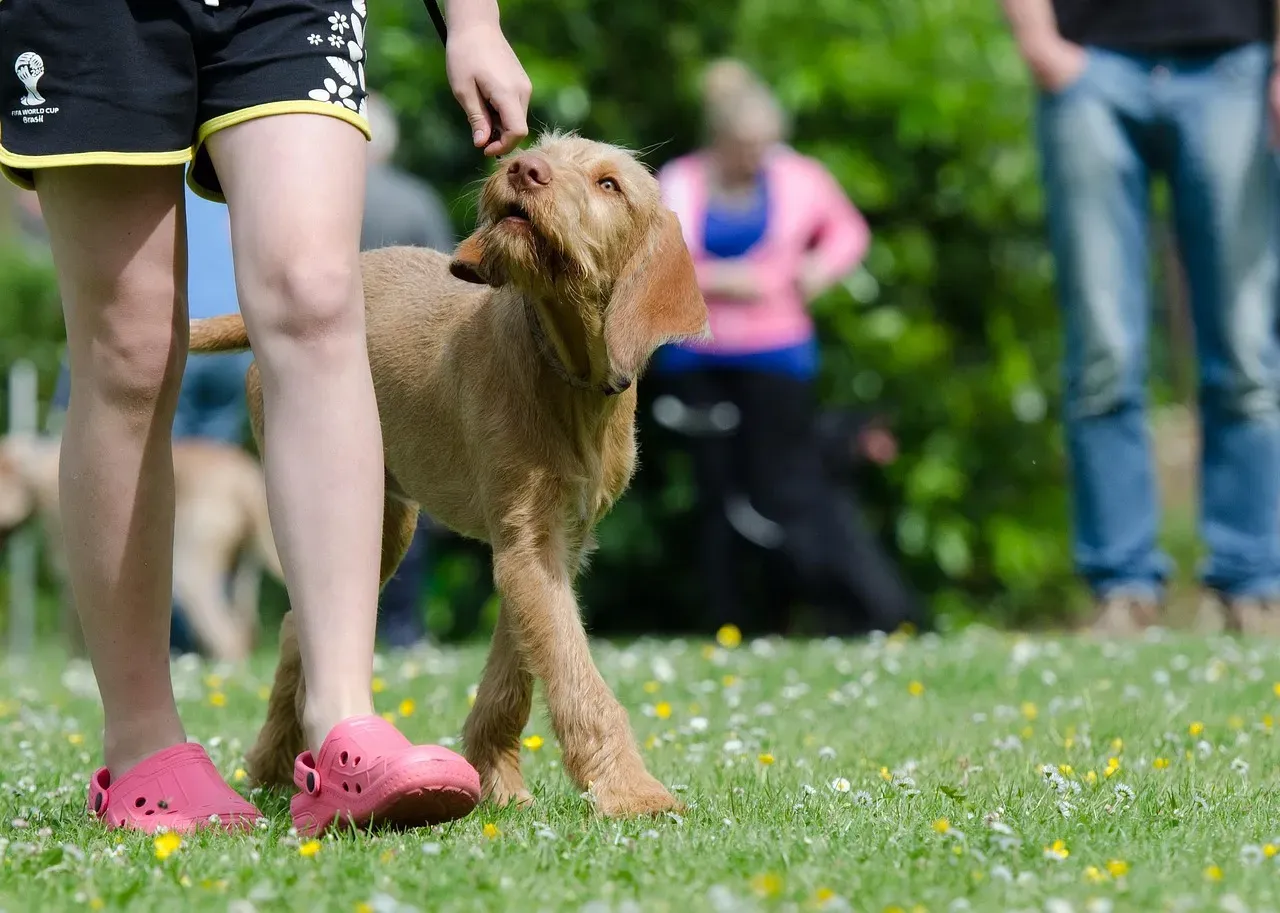
Many owners interpret unwanted behavior as intentional disobedience. In reality, dogs don’t operate from guilt, spite, or moral awareness. They operate from reinforcement history and habit. If a dog jumps, pulls, steals food, or barks excessively, it’s because the behavior has worked for them in some way. Responding to that with frustration or anger damages trust because the dog genuinely doesn’t understand the problem.
Most obedience issues are not defiance. They are misunderstandings or motivation problems, not unlike most human relationship issues. Dogs grow into patterns, not out of them. If a young dog practices unwanted behaviors, those patterns strengthen with repetition. Early course correction is always easier than trying to undo months of established habits. Approaching behavior as a communication challenge rather than a power struggle transforms the entire dynamic. It opens the door to understanding instead of conflict.
Rebuilding and Protecting the Bond That Matters Most
The good news is that in most cases, a lack of trust is primarily due to inexperience and mistakes made during upbringing, not permanent damage. Trust can be rebuilt. It takes patience, consistency, and a genuine willingness to see the world from your dog’s point of view. The signs of progress are quiet but clear: a looser body when you enter a room, a tail that lifts instead of tucks, a dog who chooses to stay close when they don’t have to.
When dogs receive positive reinforcement, trust is enhanced, and a dog is far more likely to respect their owner’s guidance. Dogs trained with positive reinforcement show eagerness to engage, enhanced social behaviors, and improved emotional stability. By choosing humane interactions, you not only build a strong, trusting relationship but also promote your dog’s overall well-being. None of this requires perfection. It simply requires showing up with awareness and a commitment to keep getting better.
The relationship between a dog and their person is one of the most quietly remarkable things in everyday life. They ask for so little and give back so much. Most of the mistakes covered here are easy to fix once you know to look for them, and the reward for doing so is a dog that doesn’t just tolerate your company, but genuinely seeks it out. That’s worth every bit of effort.