
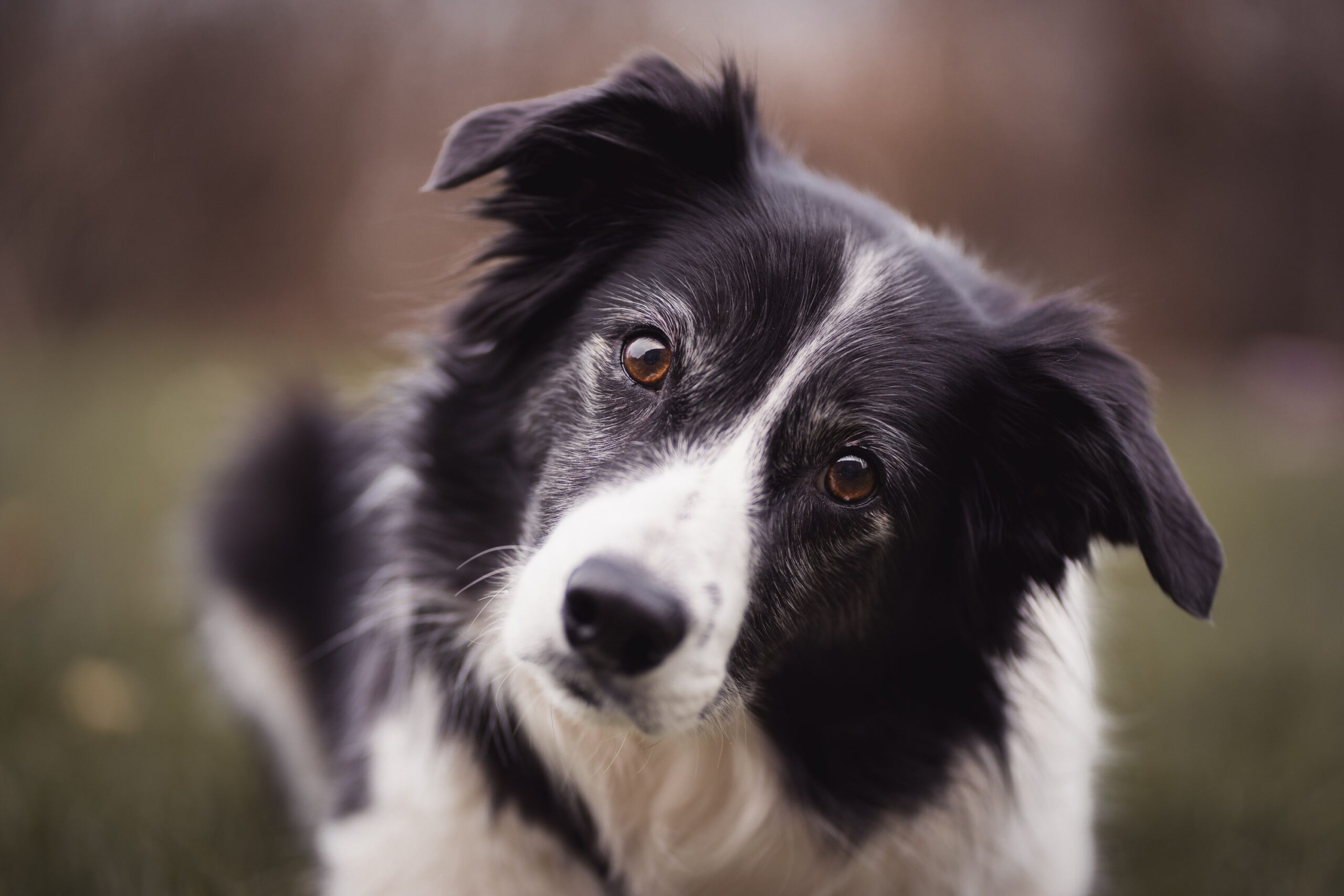
Everyone assumes the moment a rescue dog walks through your front door, it just… knows. New bed, new couch, new humans who actually feed it on time – surely the dog understands it’s safe now, right?
Wrong. Most rescues spend weeks, sometimes months, quietly bracing for the other shoe to drop, as if the cage or the shelter or the last person who gave up on them might come back at any moment. Their real personality doesn’t arrive in one big reveal – it leaks out in small, almost invisible moments that most owners completely miss. Behaviorists and longtime rescuers say these tiny freedoms tend to show up in a strangely consistent order, and once you know what to look for, you’ll never see your dog’s “good days” the same way again.
#14 – Choosing a Spot and Actually Relaxing There

The first freedom looks deceptively small: your dog picks a spot and actually relaxes into it, instead of just collapsing from exhaustion. In the beginning, a lot of rescues sleep the way they did in the shelter – curled tight, facing the door, one ear always listening. When they finally flop sideways with their belly half-exposed and just stay there, that’s your first real proof they’re not on guard duty anymore.
This is their nervous system quietly downshifting from survival mode into actual rest. Watch for the pattern: they keep returning to the same bed, the same couch corner, the same worn patch of rug. Their breathing slows down, and you might even catch the little twitching paws and muffled “dream barks” of an animal that finally feels boring is allowed. A dog that sleeps a lot right away isn’t necessarily relaxed – often that’s shutdown, not comfort. The real turning point is when they start choosing rest instead of just collapsing into it.
Fast Facts
- Shelters commonly reference a “3-3-3” adjustment pattern: 3 days overwhelmed, 3 weeks settling into routine, 3 months feeling fully at home.
- Rescues often mirror shelter-style sleep positioning – tight curl, facing the exit – during the first stretch in a new home.
- A relaxed, sideways sleeping posture is one of the earliest visible signs of a dropping stress baseline.
#13 – Eating When Hungry, Not Just When Food Appears
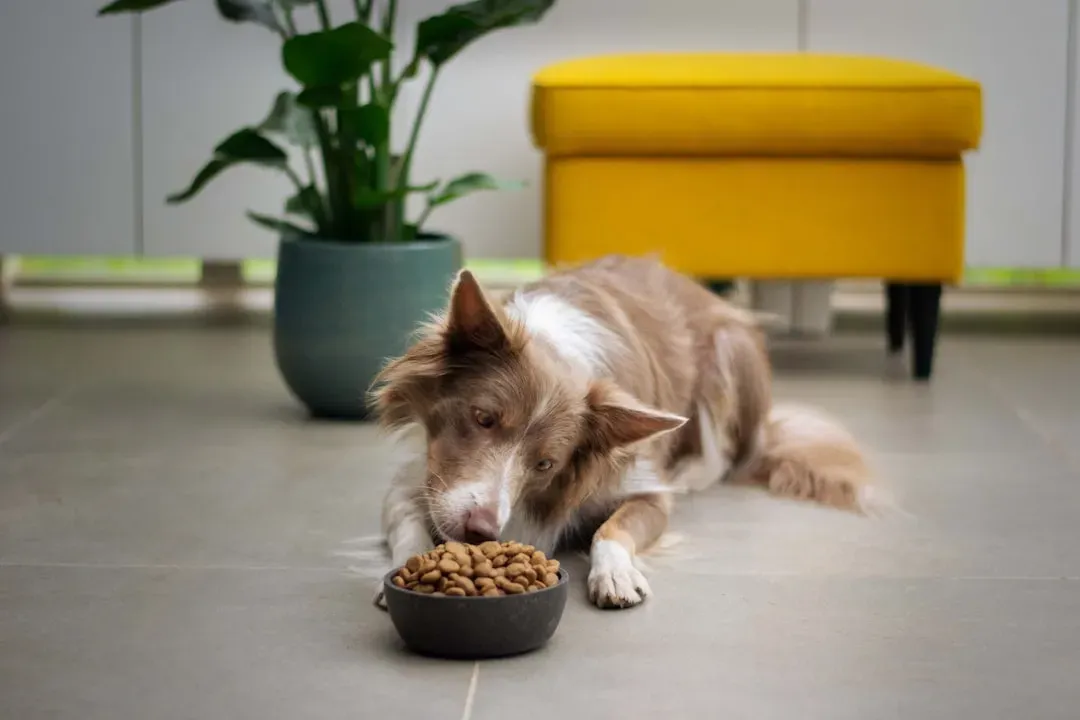
Plenty of rescue dogs inhale food like it’s their last meal on earth, because in their past, it very well might have been. Others barely eat at all, too stressed to bother. The quiet freedom shows up when your dog walks away from a full bowl or comes back to nibble later, behaving as if food will simply keep existing.
That’s a massive belief shift – scarcity rewritten into stability. Watch for the bowl-guarding to fade, or for a dog who once inhaled kibble without chewing to suddenly get picky. People love to call this “bratty,” but in a rescue it’s often the opposite: a small flex of safety, an unspoken “I can afford to be choosy now.” A dog who trusts dinner is guaranteed is a dog who has quietly decided you’re permanent.
#12 – Turning Their Back on You… and Napping Anyway
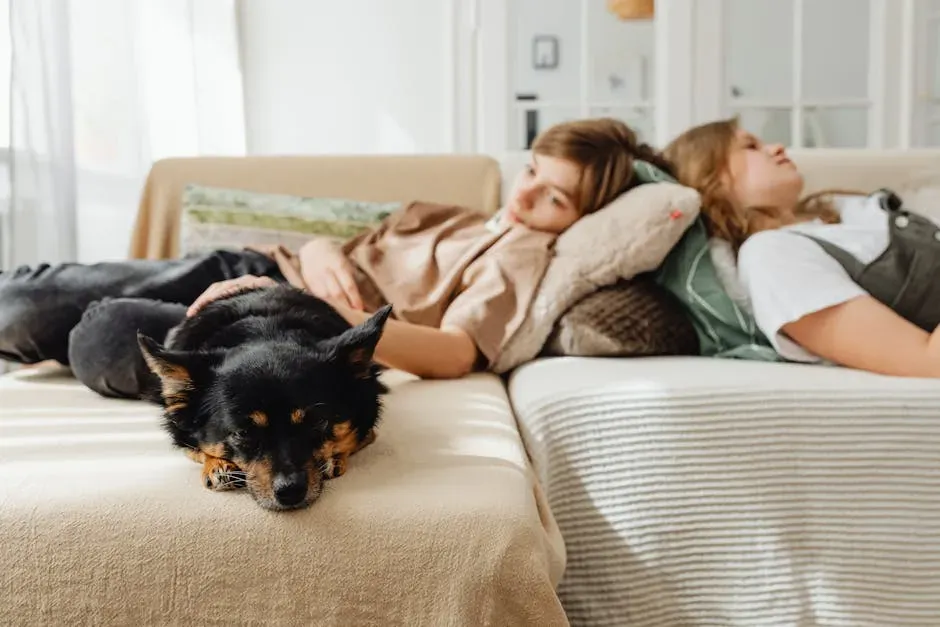
Most new rescues position themselves so they can watch every move – the door, the hallway, every human in the room. So when your dog finally turns their back to you and closes their eyes, that’s not laziness. That’s a small, radical act of trust. Predators don’t casually nap with their spine exposed to an unpredictable environment, and prey animals definitely don’t either.
When your dog does it anyway, they’re quietly betting their life that you won’t hurt them. You’ll notice it in little ways – facing the wall on the couch instead of the door, or curling up with their spine pressed against your leg like a wall between them and the room. A lot of owners take this personally: “Why won’t he even look at me?” In behavior terms, it means the opposite of rejection. Your dog has finally clocked out. They’re not scanning you for danger anymore – they’re using you as their safe backdrop.
#11 – Taking the Toy… Then Playing Without Watching You

Early on, a lot of rescues don’t really play – they test. They’ll grab the toy but keep their eyes locked on you, waiting to see if there’s a catch. Tug can feel dangerous, squeakers can be terrifying, and full-blown zoomies are rare because joy takes a kind of confidence they haven’t earned yet.
The turning point arrives when your dog grabs a toy and simply forgets you exist for a minute, completely absorbed in the fun of it. Watch for self-initiated zoomies, toys getting shaken and flung around the living room, and the freezing-when-you-reach-for-the-toy habit finally disappearing. Play isn’t just cute – it’s a neurological luxury. Anxious brains don’t waste precious energy on silliness. When a rescue dog risks being loud, clumsy, or ridiculous, it means they’ve finally decided nobody in this house is going to punish them for it.
#10 – Climbing Onto Furniture Without Waiting for an Invitation

Here’s a controversial one: the first time your rescue hops onto the couch or bed completely unprompted. Some owners love it, some hate it – but behaviorally, it’s loaded with meaning either way. A dog who checks your face before every single move is still bracing for a “no” that used to arrive hard and fast.
The day they decide, “Yeah, I belong up here,” is the day they’re quietly testing whether your love comes with strings attached. Watch for the tentative paw on the cushion, followed by a pause to read your face, before the eventual casual jump-up-and-curl-beside-you. You can absolutely still keep your boundaries – the couch itself isn’t the point. The point is that they’re finally willing to risk testing a boundary at all, because they no longer believe your anger will be explosive or permanent.
#9 – Moving Toward Noise Instead of Freezing or Hiding
Shelter life trains a dog to expect chaos at any moment – clanging bowls, sudden barking, doors slamming shut without warning. So many rescues either flinch hard or completely shut down the instant something loud happens nearby. A huge freedom shows up when they start walking toward the sound to investigate it, instead of bracing for impact.
Curiosity is quietly replacing fear. Watch for the garbage truck rumbling by while your dog just cocks their head instead of bolting for cover, or a dropped pan making them startle for a second before they casually go sniff out what happened. Owners sometimes mislabel this new nosiness as “naughty” behavior, when really it’s the opposite. A dog who can afford to be curious finally feels safe enough to explore the world instead of just enduring it.
Quick Compare
- Fear response: freezing, tucked tail, bolting to hide, tense “whale eye” stare
- Curiosity response: ears forward, head tilt, brief startle followed by a quick recovery
- Fear response: avoids the source entirely, stays pressed against a wall or owner
- Curiosity response: approaches to investigate, then returns to normal activity within seconds
#8 – Asking to Go Out… Instead of Holding Everything In
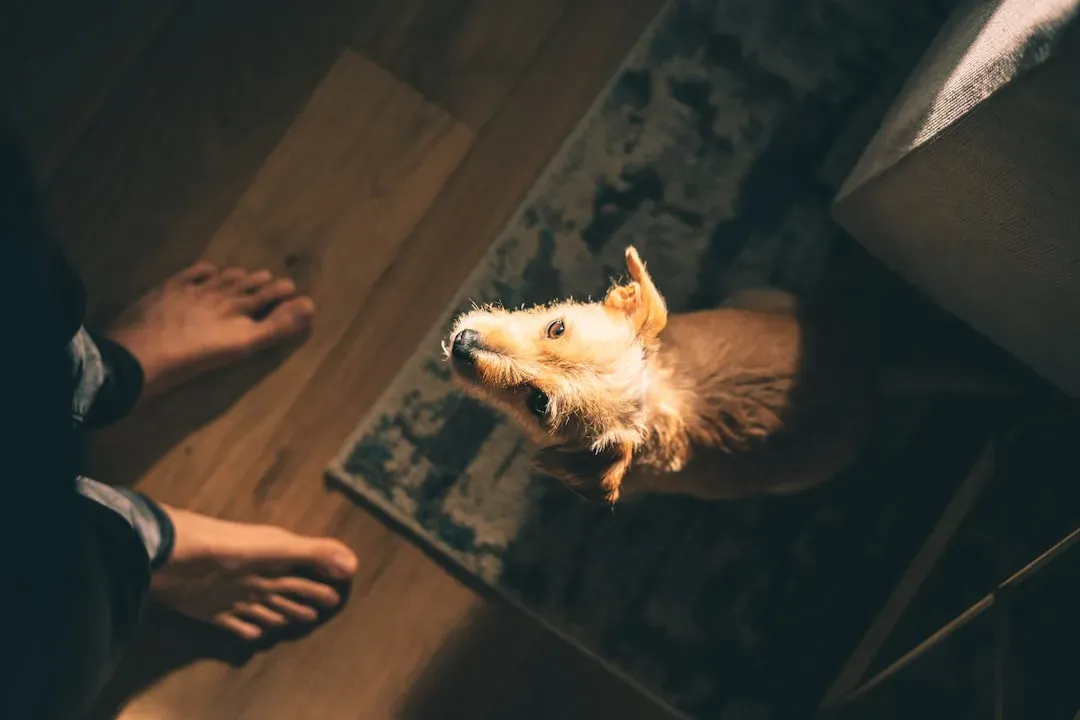
Early on, plenty of rescues won’t signal at all when they need the bathroom. They’ll either hold it uncomfortably long, a classic shelter habit, or have silent accidents while quietly expecting punishment no matter what they do. The freedom moment arrives when your dog actually comes to you – whining, scratching at the door, doing the unmistakable “I gotta go” dance.
That’s not just housetraining kicking in late. It’s communication layered on top of trust: they’ve started believing you’ll respond kindly and quickly instead of ignoring them or getting angry. Some owners get annoyed by this sudden “neediness,” but it’s actually emotional progress in disguise. A dog who asks instead of hiding has learned that their own discomfort finally matters to somebody.
#7 – Choosing You Over the Doorway
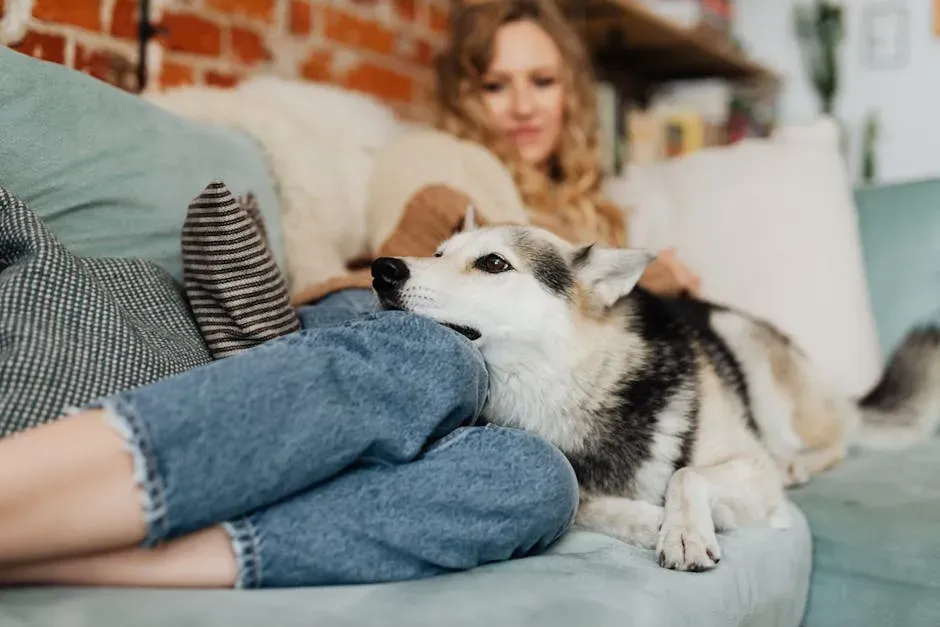
In the beginning, a lot of rescues will physically position themselves between you and the exits, or park themselves near the door in case they need to bolt. One distinct freedom is when they start choosing to sit next to you instead of holding down their strategic escape post. They’re trading survival strategy for connection, one small decision at a time.
Watch for them abandoning their “door post” to come sit at your feet, or following you into rooms that offer zero obvious exit benefit. Some trainers rush to label this “velcro dog” behavior and jump straight to separation anxiety. That can happen eventually, sure – but in the first few months, choosing attachment over surveillance is usually a sign of healing, not a problem to be fixed. The fine-tuning comes later. Right now, the core truth is simple: they picked you over the exit.
#6 – Vocalizing Opinions: Whining, Barking, and “Talking Back”
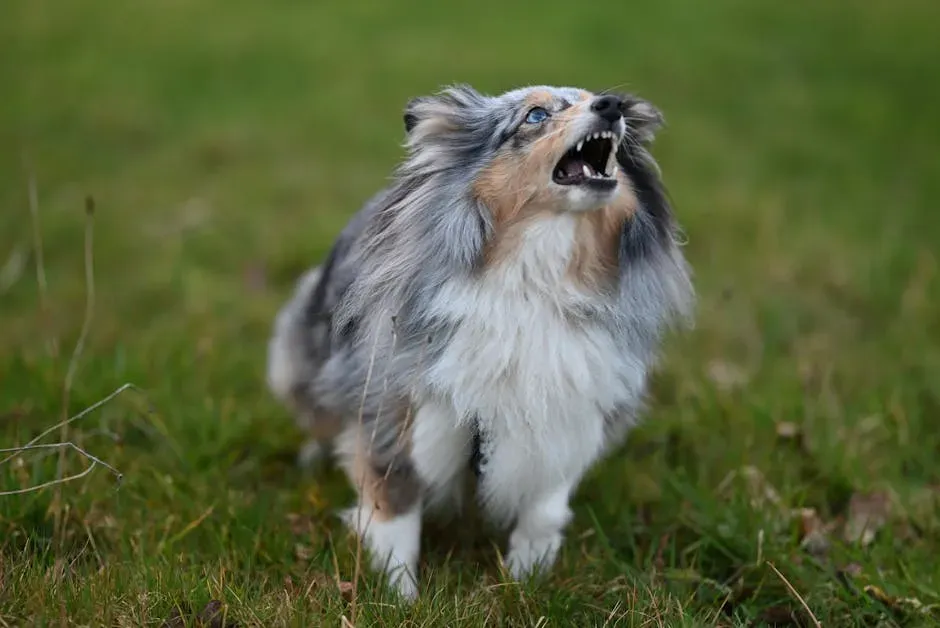
Many rescues are eerily silent at first. Owners actually brag about it – “He never barks!” – without realizing that silence can be a trauma response, not a personality trait. Dogs who were yelled at, shocked, or punished for making noise learn fast that the safest sound is no sound at all.
The real breakthrough is when your dog finally complains, barks, or “talks back” for the first time. It might be a small “woof” when someone knocks, a frustrated whine when dinner’s running late, or a goofy play-growl during tug. Excessive barking still needs structure, no argument there. But that very first honest sound is gold – it’s your dog deciding their voice won’t get them hurt anymore.
Until one has loved an animal, a part of one’s soul remains unawakened.
Anatole France
#5 – Taking Treats Gently… or Even Refusing One
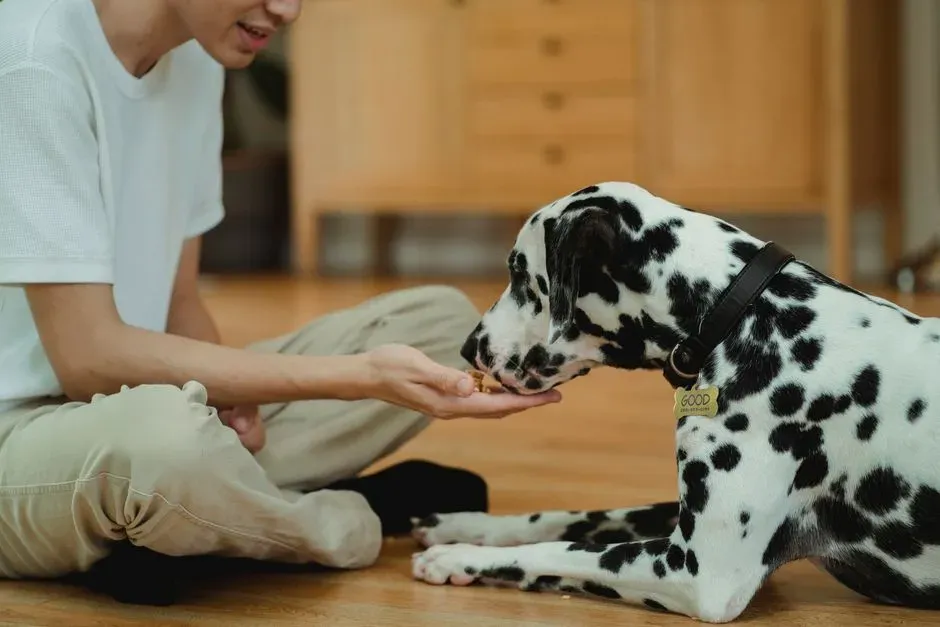
At first, plenty of rescues snatch treats like they’re stealing them, and some won’t take food from a hand at all. The subtle emotional shift happens when they start modulating their behavior around your fingers – taking treats softly, pausing mid-grab, or even turning one down when they’re already full.
Watch the mouth soften over time instead of frantically grabbing, or notice the moments your dog sniffs a treat and simply walks away. To a behaviorist, that signals a calmer nervous system and rising trust. A dog who can casually say “no thanks, I’m good” no longer believes every single resource is a life-or-death situation. Some owners misread this as stubbornness or being spoiled. In a rescue, it’s often one of the healthiest milestones you’ll ever witness.
Worth Knowing
- Secure dogs tend to seek physical contact voluntarily rather than only tolerating it.
- They recover quickly after brief separations instead of spiraling into panic.
- Relaxed body language – soft eyes, loose tail, easy breathing – becomes the norm, not the exception.
- A confident rescue will explore away from you, then circle back on their own, using you as a “safe base” rather than a lifeline.
#4 – Initiating Affection on Their Own Terms
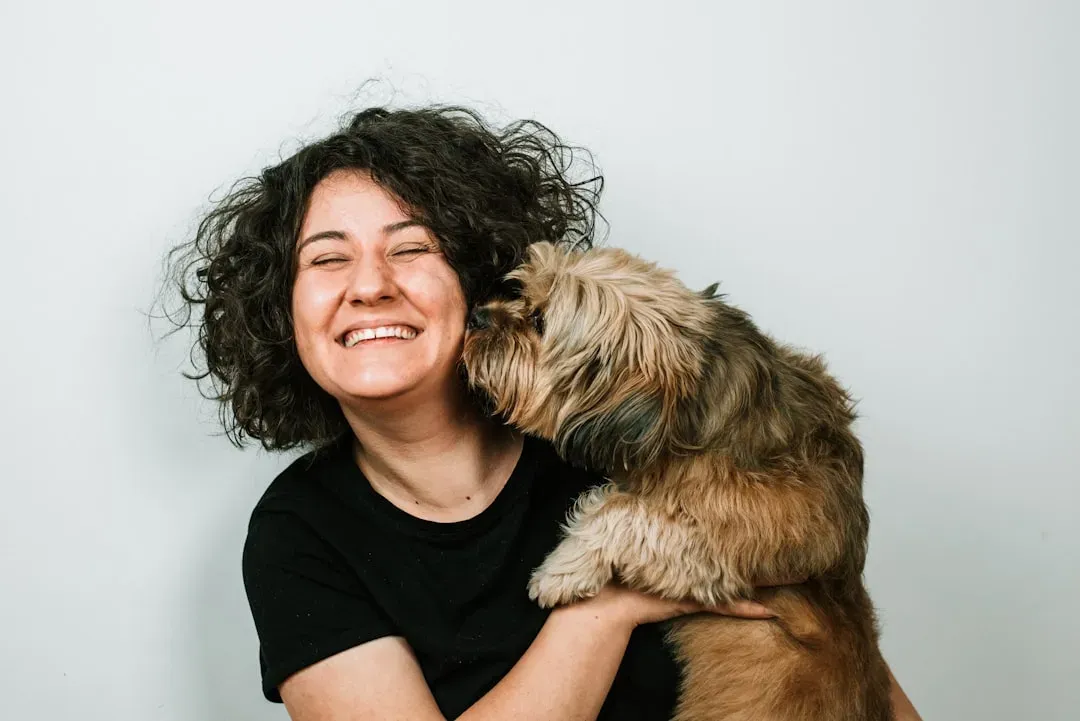
Everyone waits for the cuddles, but plenty of rescues will tolerate petting long before they ever actually seek it out themselves. They’ll lean in a little, they’ll brace and accept it, but they’re not the ones closing the distance. The real freedom is when they come find you specifically for touch – a nose nudge, a paw tap, a head dropped straight into your lap uninvited.
Watch for them leaving their bed, crossing the room, and leaning their full weight into your leg, or shoving their head back under your hand the second you stop petting. This isn’t clinginess – it’s agency. A dog who initiates contact is telling you, in their own language, that they see you as a source of comfort and not just food and rules. The tricky part is that some owners push for this too soon, flooding a fragile dog with forced hugs before they’re ready. When they finally get there on their own, they’ll make it very clear.
#3 – Showing Their “Ugly” Emotions Without Shutting Down
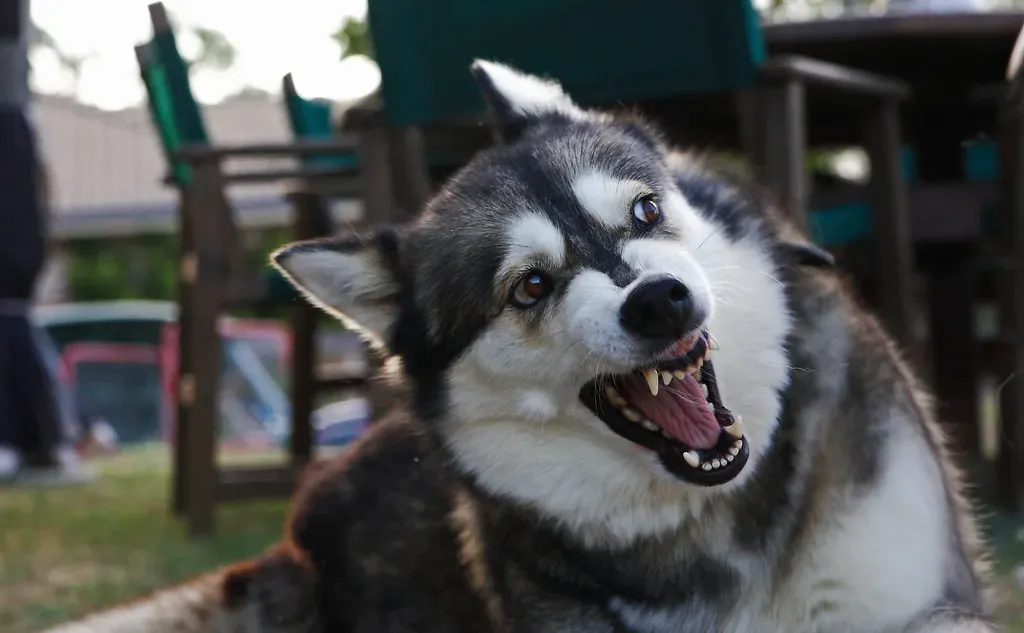
Here’s the most misunderstood freedom on this list: the day a rescue finally shows you their full emotional range – frustration, jealousy, zoomie-fueled chaos, even a little bit of bratty attitude. Early on, so many rescues present as eerily “perfect,” not because they’re calm, but because they’re terrified of what happens if they’re not. The day they throw a quiet tantrum is often the day they finally believe you won’t abandon them for it.
You might see them guard a toy once, after months of sharing everything without complaint, or pout when your attention shifts to another pet, or test a boundary they used to obey instantly and without question. That doesn’t mean bad behavior gets a free pass – it still needs boundaries. But behaviorists will tell you plainly: you can’t train what a dog is too scared to show you in the first place. When a rescue stops people-pleasing and starts being a little bit messy, that’s not regression. That’s the real dog finally showing up.
#2 – Sleeping Deeply Through the Night

Many new rescues sleep lightly, waking often, pacing, or needing to physically check the house several times before sunrise. The giant shift happens when they finally crash hard for hours, night after night, without jolting awake at every creak of the house. Deep, consistent sleep is one of the clearest physiological signs their stress baseline has actually dropped.
Watch for less panting and pacing before bed, fewer “middle of the night” check-ins just to see if you’re still there, and more of that ridiculous belly-up, snoring, fully-surrendered sleep. Chronic hypervigilance wrecks sleep quality in dogs the same way it does in people. When a rescue finally lets themselves fall into real rest, they’re not just tired – they’re confident the world will still be standing exactly where they left it when they wake up. It’s a freedom you usually only notice in hindsight, right before the biggest one of all shows up.
#1 – Believing You’ll Come Back (and Acting Like It)
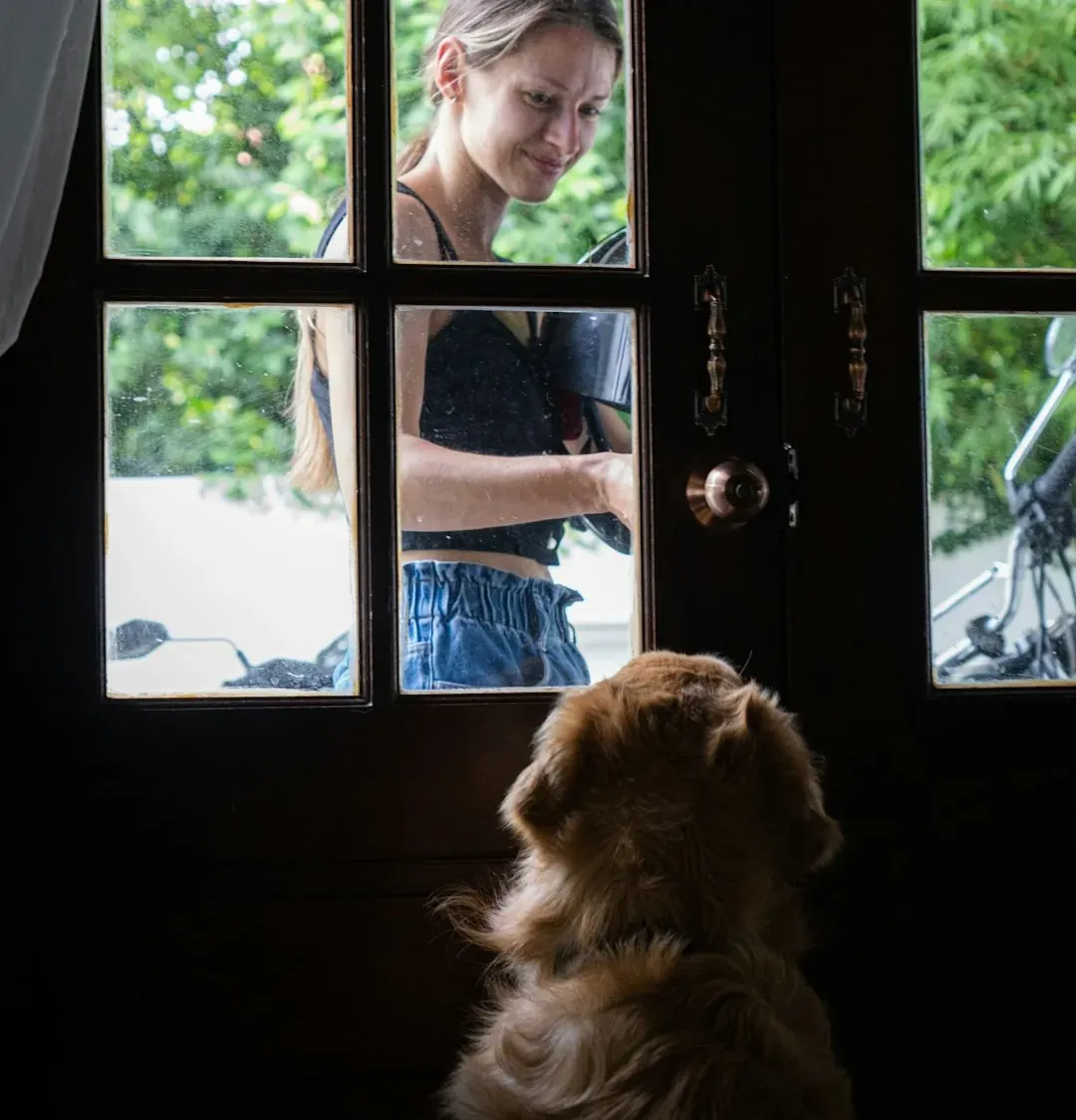
The most profound freedom on this entire list isn’t cute on the surface at all: it’s the moment your rescue stops panicking when you leave, because they’ve finally decided, somewhere deep down, that you’re coming back. This doesn’t necessarily mean zero reaction – plenty of dogs will always care a little when the door closes. The difference lives in how fast they recover, and how intense the reaction is in the first place.
Watch for them glancing up as you leave, then simply settling back into their routine. No screaming, no destroyed cushions, no frantic clawing at the door every single time. Instead, they nap, chew a toy, or watch the window like it’s just another Tuesday. This is attachment security, dog-style. A rescue who used to brace for abandonment but now treats your grocery run like nothing special has quietly rewritten their entire story about what humans are supposed to do. Out of everything on this list, this is the freedom that turns “temporary place” into “home” inside their head – and it’s usually the quietest one to witness.
At a Glance
- Sleeps deeply through the night without startling awake
- Comes to you for comfort without being invited
- Shows sass, jealousy, and full emotional range – not just “perfect” behavior
- Recovers within seconds or minutes when you leave the room or house
- Chooses your side over the doorway, the couch corner, or the escape route
The Bottom Line
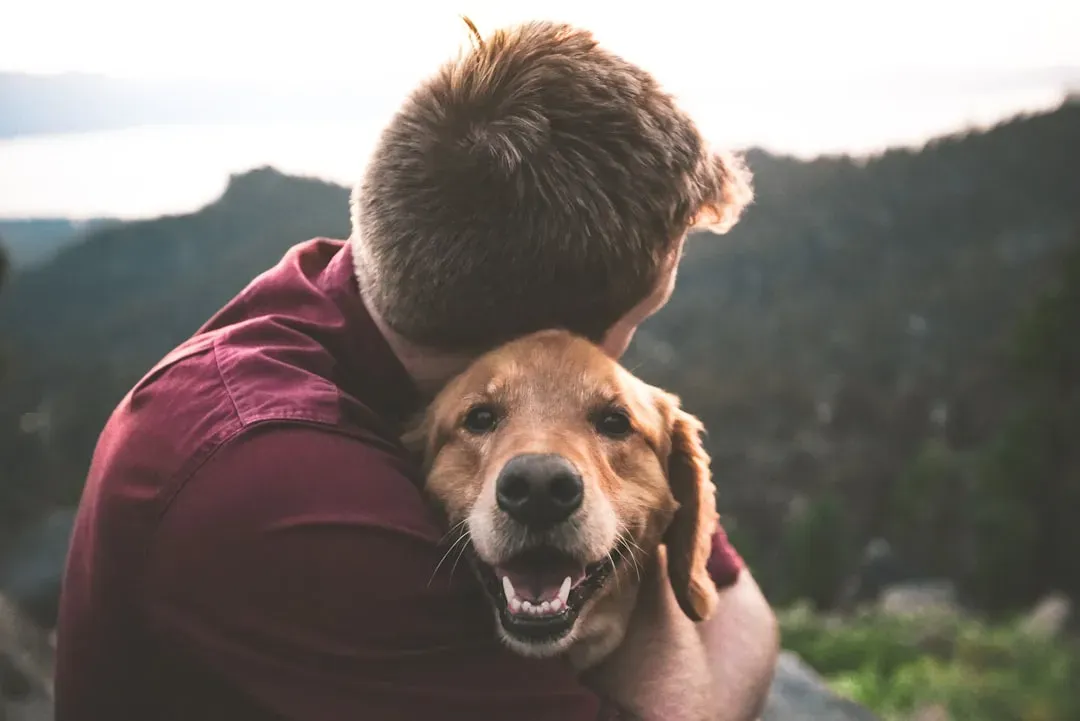
Rescue dogs almost never “just settle in” overnight, no matter what the adoption paperwork implies. They unlearn survival one tiny freedom at a time – a softer mouth around a treat, a louder bark, a deeper nap, a toy shaken without fear, a couch claimed without asking permission first. Each one of these is a small data point whispering the same message: I’m not waiting for you to leave anymore.
People love celebrating the Instagrammable milestones – the first cuddle, the first trick, the first goofy photo. But the real story of a rescue dog’s healing lives in the small, easily-missed choices nobody photographs. Here’s the uncomfortable truth: if your dog is still silent, still stiff, still eerily perfect months in, they might not feel safe yet – they might just be compliant, and those are not the same thing. Opinionated, noisy, boundary-testing rescues are inconvenient, occasionally exhausting, and honestly? That’s often the healthiest sign of all. So which of these fourteen freedoms has your own dog already claimed – and which one are you still, quietly, waiting for?


