
14 Small Routines That Quietly Tell Your Dog It Is Truly Home
Most people assume a dog feels “at home” the second you carry them through the front door. New house, new bed, new yard – surely that’s enough, right?
Behaviorists say something almost the opposite is true. It’s not the address that convinces a dog’s nervous system to finally relax. It’s the small, unglamorous, repeated stuff – the same phrase, the same footsteps, the same five seconds of touch – that quietly flips the switch from “I live here” to “I am safe here.” Here are 14 tiny routines that do exactly that, and there’s a good chance you’re already doing some without knowing why they matter.
#1 – The Same Greeting Ritual Every Time You Walk In
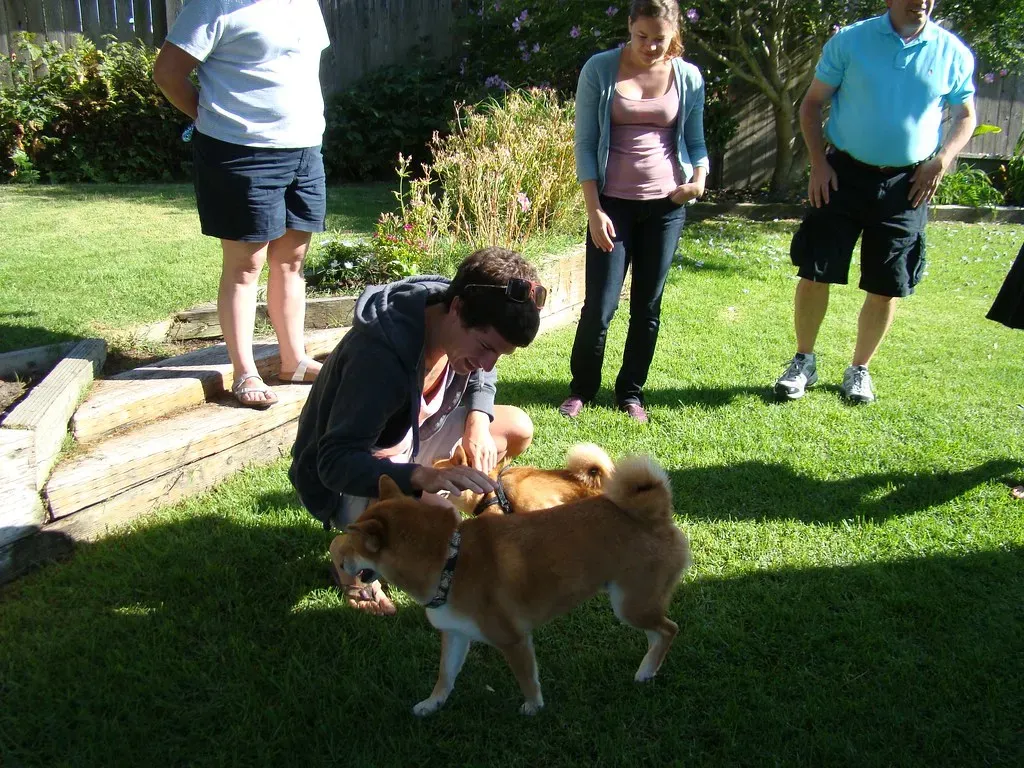
Dogs don’t care how big your house is. They care whether your return follows a pattern they can predict. A greeting that looks and sounds identical every single time you walk in tells your dog, “You always come back, and it always feels like this.”
Keep it boringly consistent: same phrase, same tone, same quick chest rub or ear scratch. The predictability is the message, not the enthusiasm. Over weeks, you’ll notice your dog waiting for that exact moment – not anxiously, but confidently, because they already know precisely what happens next.
#2 – A Predictable “First Thing” Every Morning
Most people wake up, grab their phone, hit the bathroom, and eventually remember the dog exists. From a dog’s perspective, that’s chaos with no shape to it. A repeatable “first thing we do” each morning – straight outside, or a few quiet minutes on the couch before anything else – becomes one of the strongest “this is home” signals you can send.
Your dog learns something simple but huge: when their person wakes up, they are the first predictable part of the day, not an afterthought squeezed in after coffee. Skip the loud “GOOD MORNING!” energy. Calm, identical steps in the same order, every day, is what turns those first few minutes into your dog’s emotional anchor.
#3 – The Same Phrase Before Every Meal
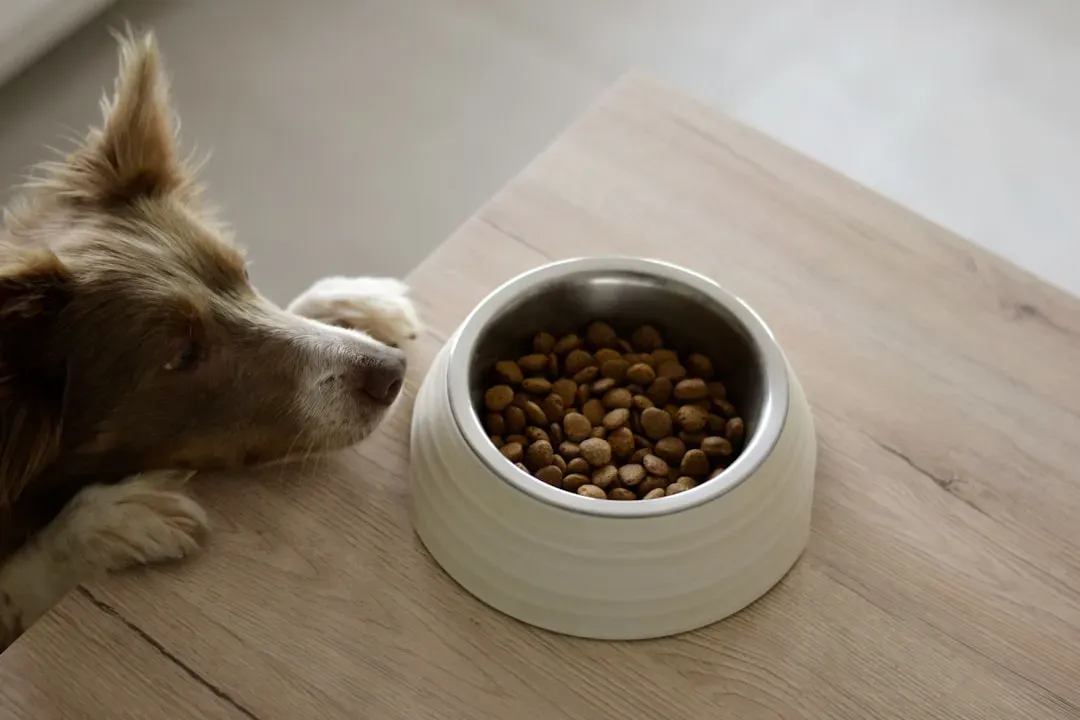
Feeding a dog isn’t only about nutrition – it’s about rhythm. When meals arrive around the same time, in the same way, a dog’s nervous system starts to relax before the bowl even hits the floor. A simple verbal cue turns “random food appearing” into a ritual they can count on.
Try pairing meals with something like “Ready for breakfast?” or “Time to eat, buddy.” Said the same way every time, dogs start responding with calm anticipation instead of frantic begging, because they trust what comes next. Same bowl, same spot, same words – it all quietly says, “You will always be taken care of here.”
Fast Facts
- Anticipatory calm – the relaxed waiting a dog shows right before a known event – is a real conditioned response, not just a coincidence.
- Consistent feeding times help regulate a dog’s digestive rhythm, much like routine does for people.
- Dogs fed on unpredictable schedules are more prone to anxious begging than dogs on a set routine.
- A repeated verbal cue before meals can become a genuine calming signal over just a few weeks.
#4 – A Daily Sniff-Walk That’s About Them, Not You
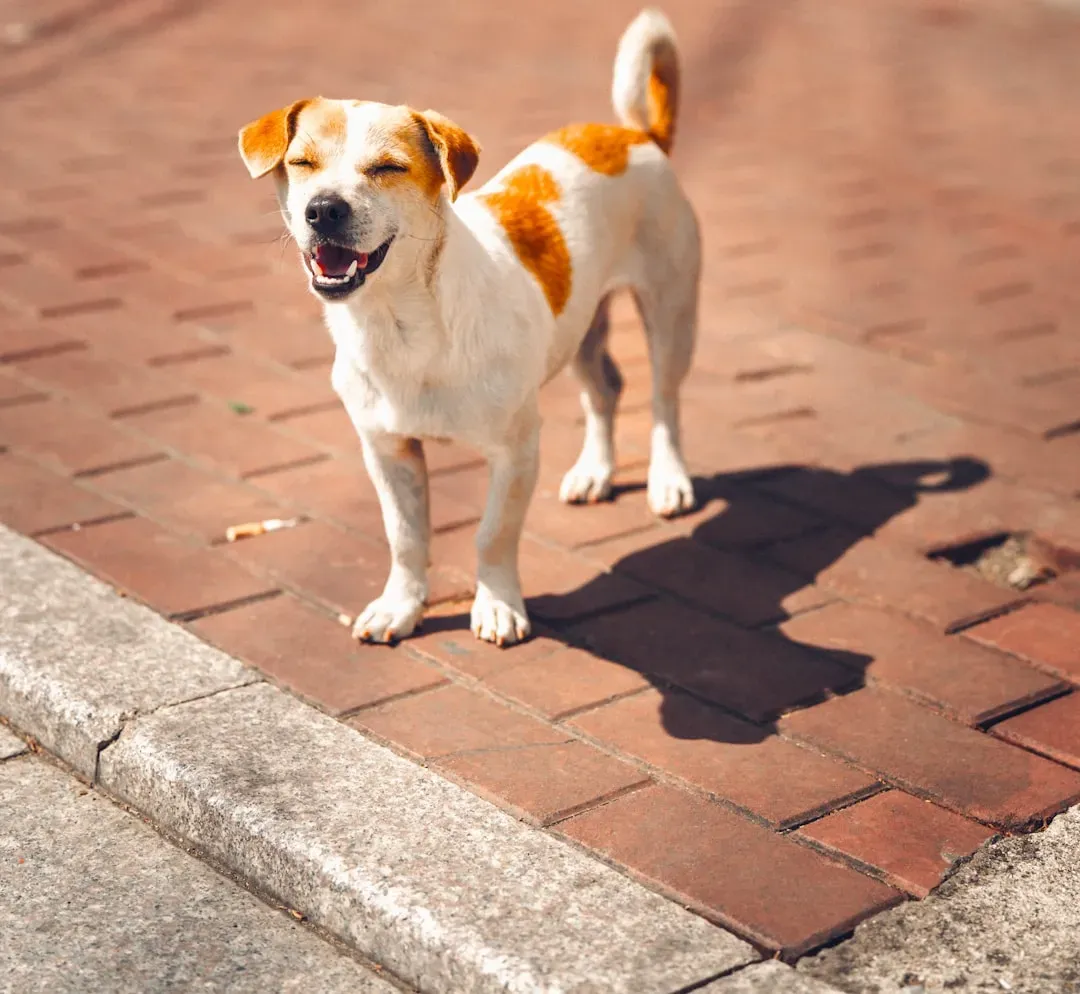
Here’s where a lot of owners accidentally miss the point: they treat every walk as exercise, all steps and speed. For a dog, one slow, sniff-heavy walk a day – where they actually get to read the world – sends a much deeper “I belong here” message than any brisk lap around the block.
Let them linger at the same mailbox, revisit the same tree, follow their nose wherever it pulls them. Smell is how dogs draw their mental map of “my territory.” Walking the same unhurried route most days tells your dog, in a language older than words, “These are our smells. We’re safe on this ground.”
#5 – A Wind-Down Routine That Never Changes Before Bed
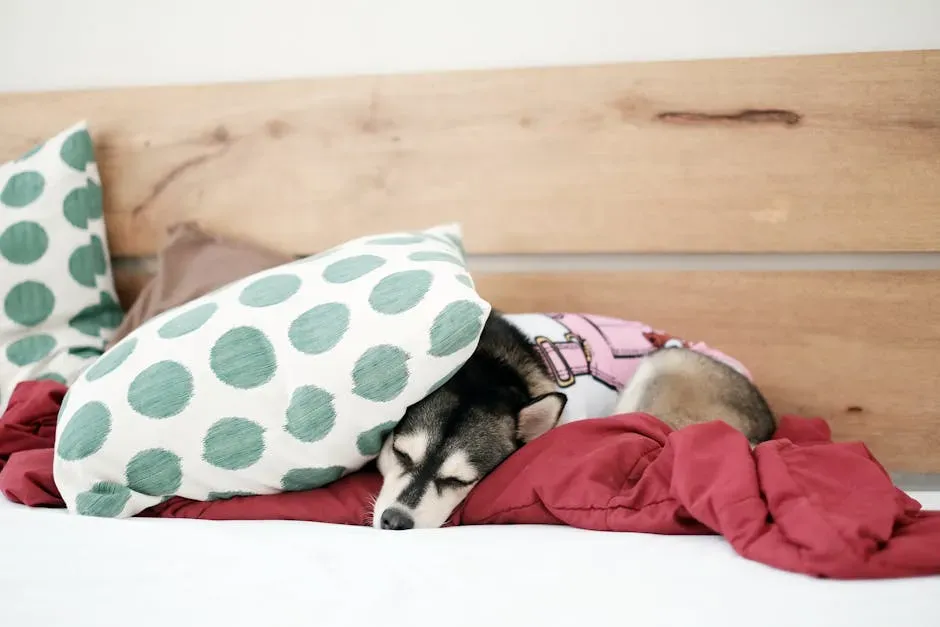
Most people flip off the TV, say “come on,” and expect the dog to just switch off too. Nervous systems – human or canine – don’t work that way. A short, consistent wind-down routine tells your dog, “The day is over, nothing scary is coming, you can finally let go.”
It doesn’t need to be elaborate: one last calm potty break, a few minutes of slow petting, the lights going off in the same order every night. Dogs who get this often show fewer night-time pacing spells or random 2 a.m. barking fits, because their body has learned exactly what these cues lead to. For dogs pulled from shelters or chaotic pasts, this routine alone can be life-changing.
#6 – One “Always-Available” Safe Spot That Never Moves
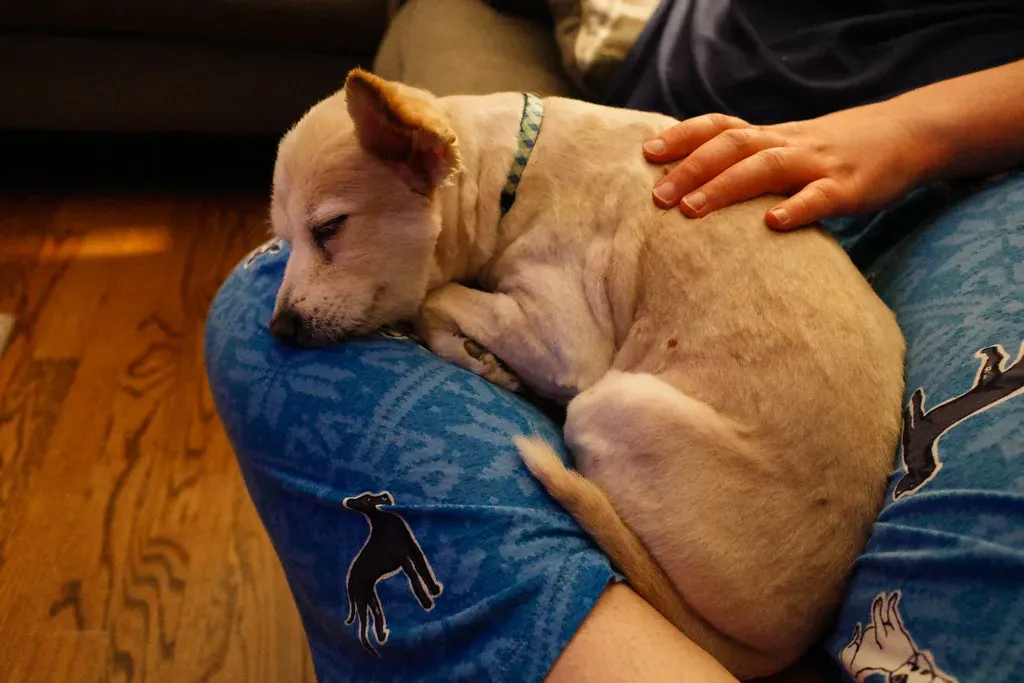
Plenty of owners buy three beds and five blankets and shuffle them around the house constantly. That feels flexible to a human. To a dog, it’s disorienting. What most dogs actually crave is one spot – a crate with the door open, a mat by the couch, a bed in a specific corner – that simply never changes.
The rule is strict: it stays put. No laundry piled on it, no dragging it to a new room, no letting the kids commandeer it. When a dog has one unmoving, untouchable refuge, their confidence in the entire house rises, because they always have somewhere nothing unpredictable ever happens.
#7 – Tiny “Nothing Is Wrong” Check-Ins Throughout the Day
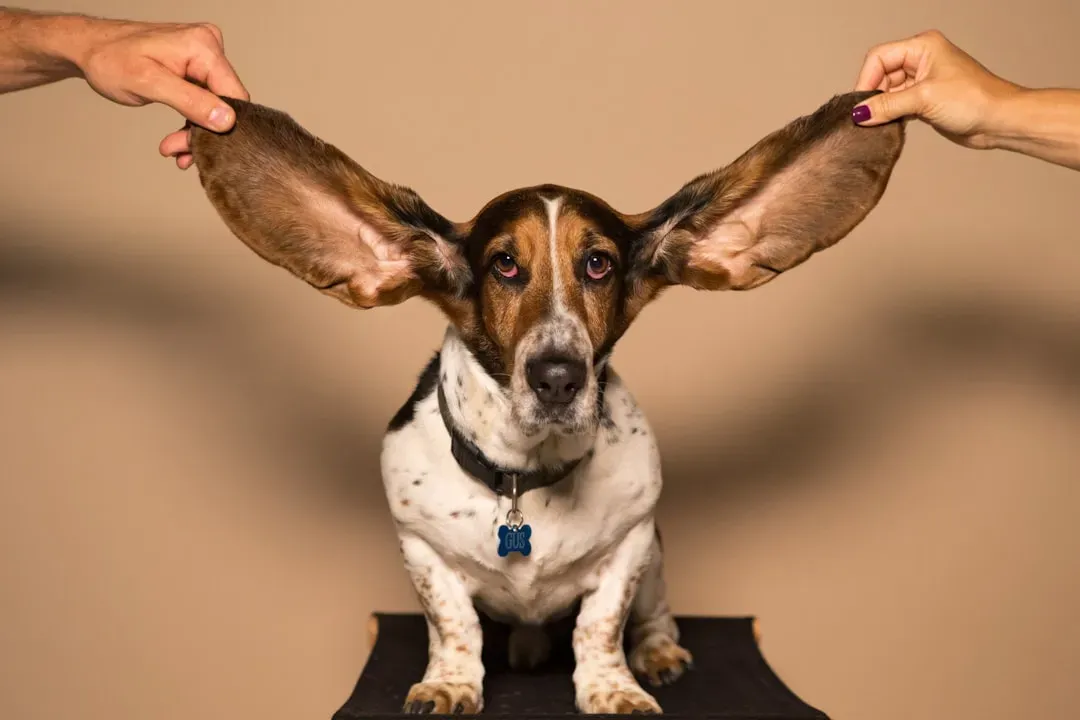
Most interaction with a dog happens for a reason – feeding, walking, training, play. But in a home that truly feels safe, there are also small, random moments where nothing is happening and everything is still okay. Those moments do more work than people realize.
A soft “hey you” and a quick ear rub. A slow blink and eye contact in passing. A hand on their side for two seconds, then moving on with your day. For anxious or rescue dogs especially, these tiny check-ins slowly rewrite the story from “I’m alone until something big happens” to “I’m quietly included, all the time, without asking for it.”
Quick Compare
- Predictable home: same greeting, same tone, same reactions – dog settles faster and stays calmer between events.
- Unpredictable home: random noise levels, inconsistent responses – dog stays watchful even during quiet moments.
- Predictable home: check-ins happen with no big trigger – dog learns calm is the default state.
- Unpredictable home: attention only arrives with excitement or urgency – dog learns stillness means something is missing.
#8 – A Calm, Repeated Phrase Every Time You Leave
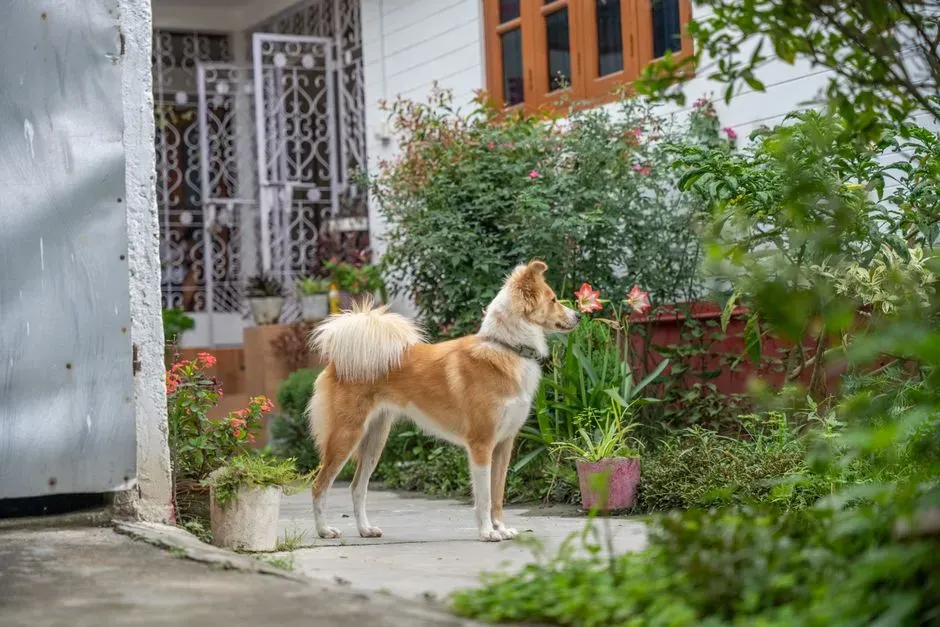
Everyone obsesses over the greeting when you get home. The goodbye might matter more. Slamming the door and vanishing without any cue can quietly feed separation anxiety over time. A simple, repeated leaving ritual tells your dog, “Yes, I’m going – but this is normal, and I always come back.”
Pick one line – “I’ll be back later” or “Guard the house, I’ll see you soon” – and use it in the same tone, in the same spot, every single time. Dogs start to file it under routine instead of crisis: this phrase means they leave, and later, they return. Some dogs will still whine. But leaving with zero structure at all is like vanishing mid-sentence, and a small, consistent exit ritual softens that every time.
#9 – House Sounds That Stay Predictable, Even When Life Isn’t
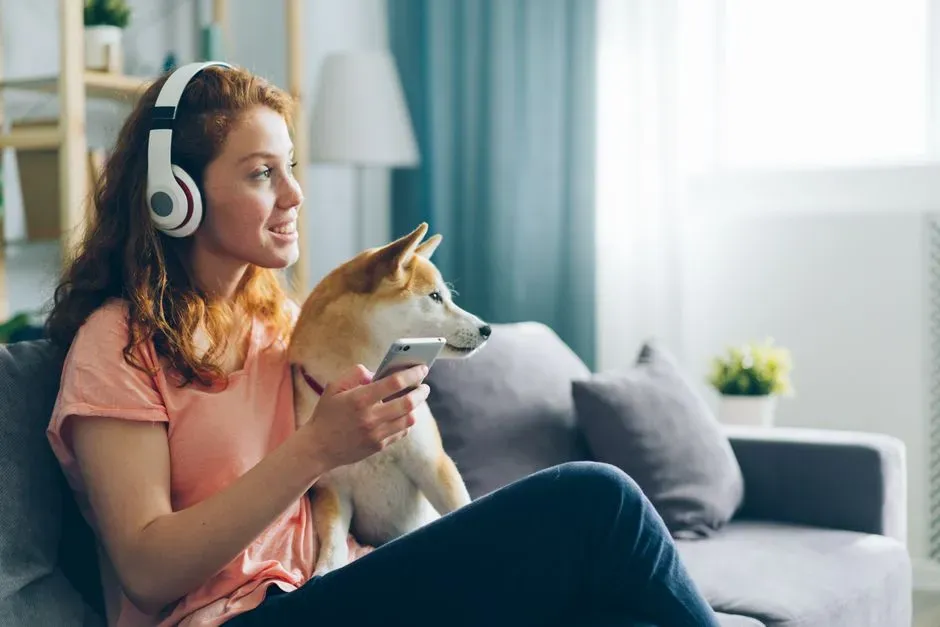
People wildly underestimate how much sound shapes a dog’s sense of safety. Slamming doors one day, dead silence the next, the vacuum ambushing them out of nowhere on a random Tuesday – all of it teaches a dog that their environment can turn on them without warning.
You don’t need a silent house. You need a patterned one. If the TV runs loud most nights, run it loud every night, not once a week at random. Repeated sound patterns teach a dog which noises are simply “how our house sounds” versus which ones are genuinely unusual – and that distinction changes everything. A noisy but predictable home is often calmer for a dog than a quiet one where chaos strikes at random.
#10 – One Simple House Rule You Actually Enforce Every Time
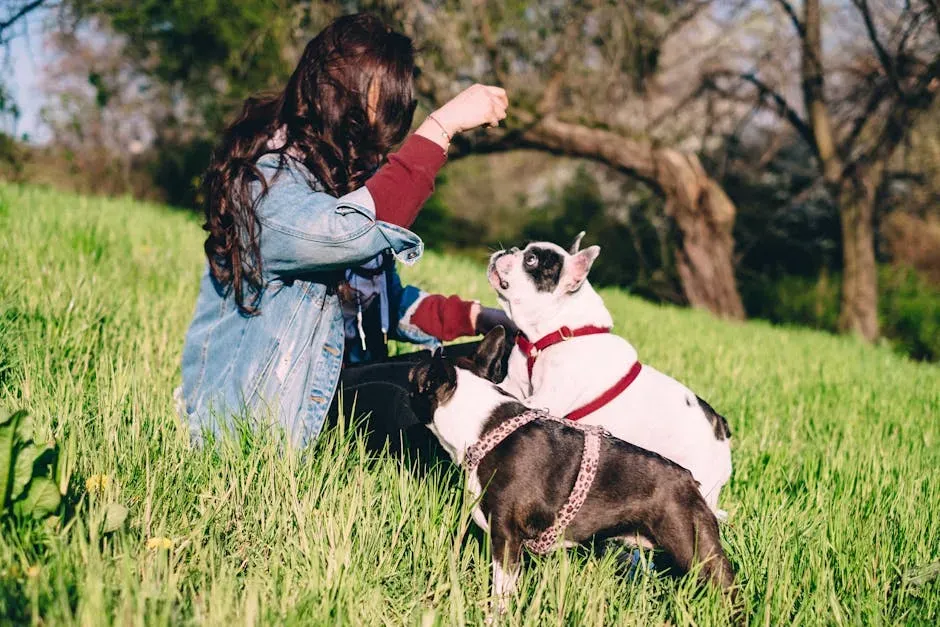
This one tends to surprise people: having at least one clear, consistently enforced house rule makes dogs feel more at home, not less. Chaos is stressful. Fair, predictable boundaries are the opposite – they’re comforting.
Maybe it’s no jumping on the counters, or no racing through the hallway. Whatever it is, the rule itself matters less than your response to it, which has to be identical every single time – calm, not chaotic. Dogs feel safer when they can predict your reactions just as reliably as they predict mealtimes. Home isn’t the place with zero rules. It’s the place where the rules never suddenly change.
Worth Knowing
- Dogs generalize consequences quickly, so an inconsistent reaction to the same behavior can confuse them more than the rule itself.
- A calmly enforced boundary tends to reduce repeat offenses faster than an inconsistent one.
- Predictable consequences let a dog relax between rule-related moments instead of staying on alert.
- Rules paired with a steady tone of voice are read as guidance, not punishment.
#11 – A Small Grooming or Touch Routine, Even If It’s Two Minutes

Grooming isn’t just hygiene – inside a canine social group, physical contact is how belonging gets reinforced. A short, predictable touch routine does the same job for your dog, especially when it’s gentle and never rushed or forced.
A quick brush after dinner. A “paw check” on the couch each evening. A short ear massage before bed. Repeated at roughly the same time, in the same context, your dog starts to associate that gentle handling with “this is what my family does with me” – a powerful signal, especially for dogs coming from neglectful or touch-averse pasts. Respect their limits, but don’t abandon touch entirely just because it’s easier.
#12 – One “Stupid Little Game” That Belongs Only to You Two
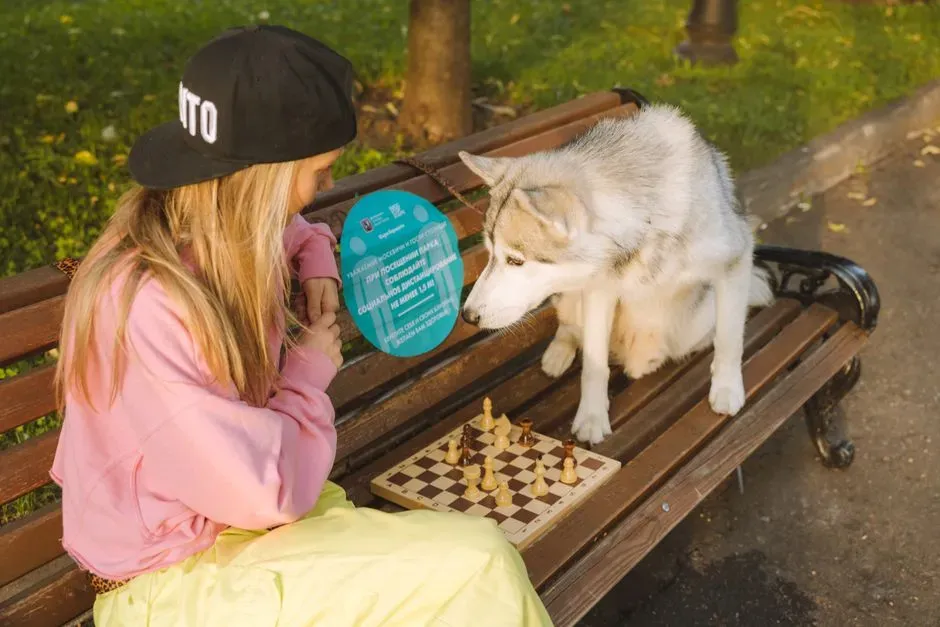
Every dog-human pair has room for one weird, slightly dumb private game that means nothing to anyone else on earth – and everything to your dog. It’s not training. It’s a signature.
Tapping the floor twice before tossing a toy. A silly “ready…ready…GO” before a mini chase down the hallway. Hiding behind the same doorframe for a peekaboo moment, every time. Done regularly, this becomes a stamp of belonging that generic fetch could never replicate. Dogs are master pattern-readers, and a ritual no one else on the planet plays exactly like this, in exactly this house, with exactly this person, tells them something no toy ever could.
#13 – Letting Your Dog “Help” With One Ordinary Daily Task
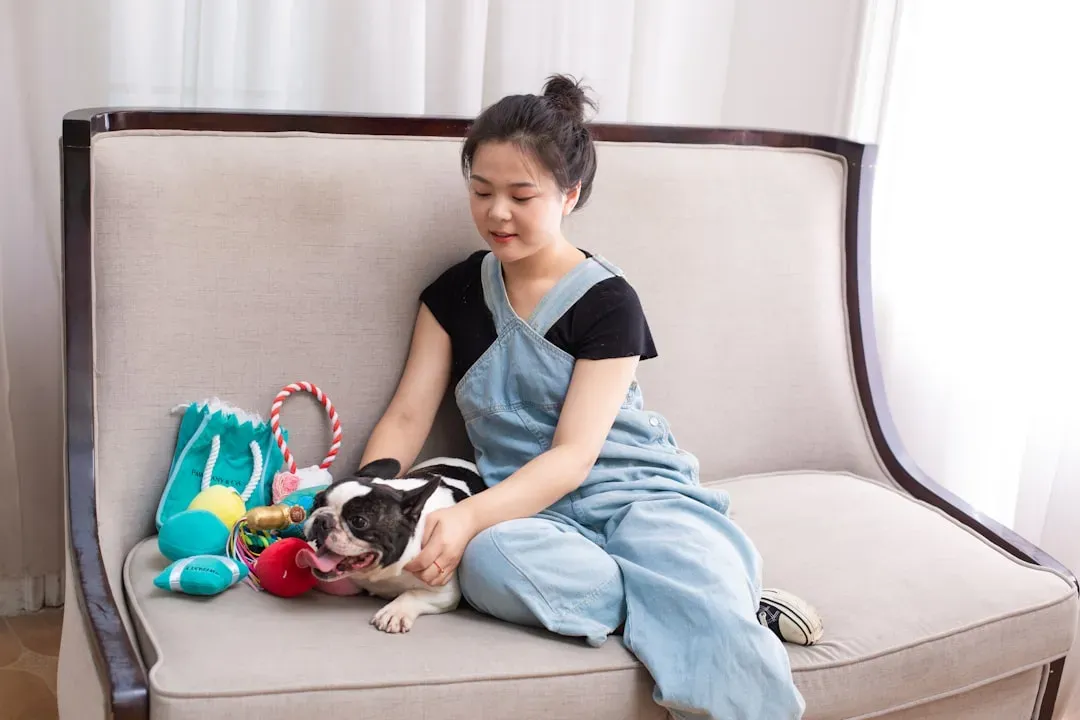
Here’s a slightly controversial one: letting your dog participate in a small household routine – not as a working dog, but as a family member with an actual role – can deepen their sense of belonging more than people expect.
Maybe they always come along to get the mail. Maybe they sit nearby while you load the dishwasher, or trail you to the bedroom every time you make the bed. Same time, same cue, same rough path, and they quickly learn, “This is our thing we always do together.” Excluding a dog from every task “because it’s easier” can quietly leave them feeling like a guest in their own home, rather than someone the house actually runs around.
At a Glance
- Sleeping deeply and loosely in common areas, not just curled defensively in a corner.
- Following family members room to room without visible stress or clinginess.
- Relaxed body language during everyday transitions like leash-up or bedtime.
- Willingly joining small routines – mail runs, dishwasher time, bed-making – without being coaxed.
#14 – Talking to Them Like They’re Already Part of the Story
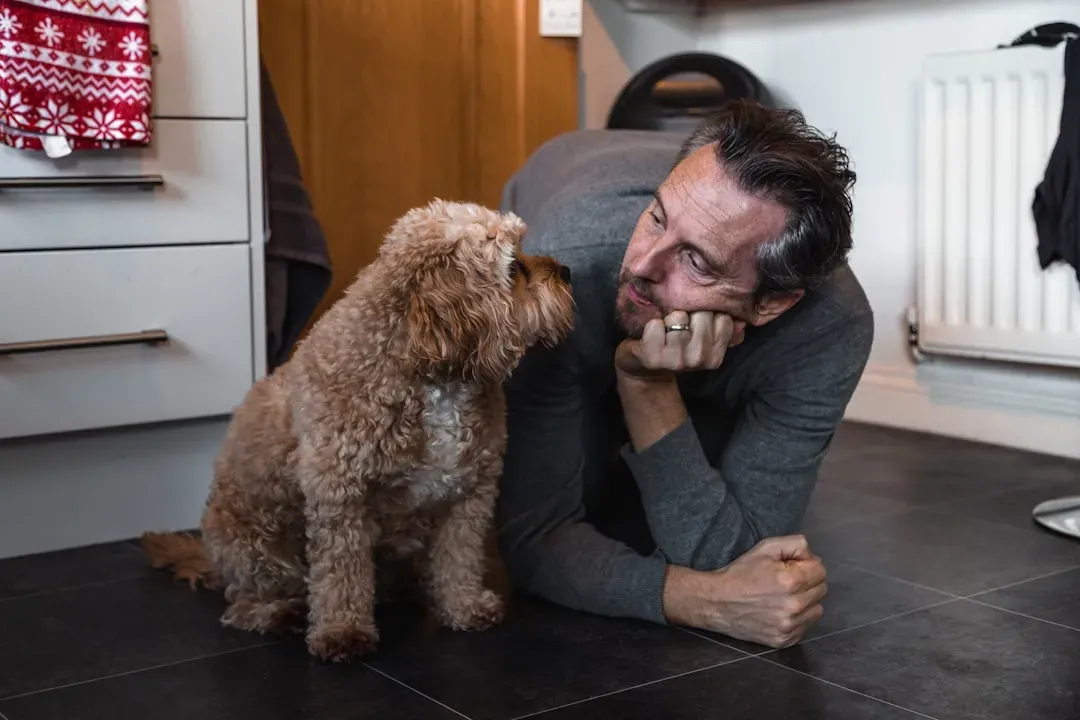
Most people only speak to their dog in commands – sit, stay, come, no – which keeps them stuck in a permanent tool role. Dogs in the most secure homes are often spoken to like quiet companions, even when they can’t understand every word.
That means narrating small things: “We’re going upstairs now.” Acknowledging them in passing: “You’re still on that couch, huh?” Including them in tiny decisions: “Where’s your toy? Let’s find it.” Over time, your dog learns your tone, your rhythms, your emotional weather, and starts reading the house like a shared language. They may not understand English literally, but they absolutely understand being spoken with instead of at – and that difference is often what turns a place they live into the place that’s truly theirs.
The Bottom Line
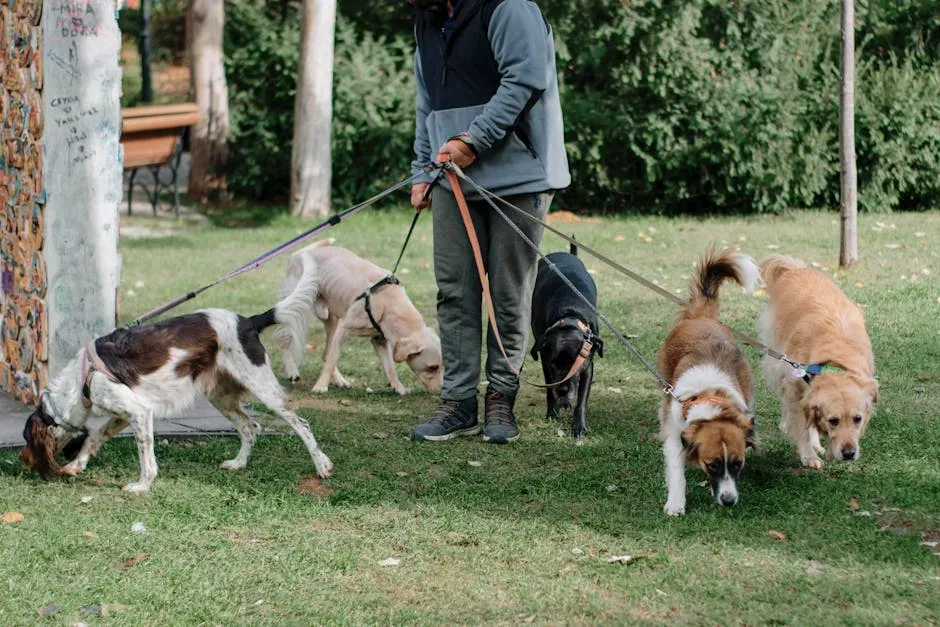
Strip away the matching collars and the orthopedic beds, and a dog’s sense of home comes down to one unglamorous thing: repeated, predictable, low-drama routines that happen the same way, with the same person, in the same space. The greeting at the door. The first thing in the morning. The silly game that’s only yours. The safe spot that never moves. The goodbye phrase that quietly promises, “I’ll be back.”
These habits look insignificant from the outside. Inside your dog’s nervous system, they’re everything. I’ll say the unpopular part out loud: love, food, and a yard are not enough on their own, no matter how much any of us want them to be. Structure is a form of love too, maybe the most important one, for an animal that can’t control a single other thing about its life. So which of these is your dog already quietly counting on – and which one have you been skipping without even realizing it?