
14 Tender Things Old Dogs Do in Their Final Season With You
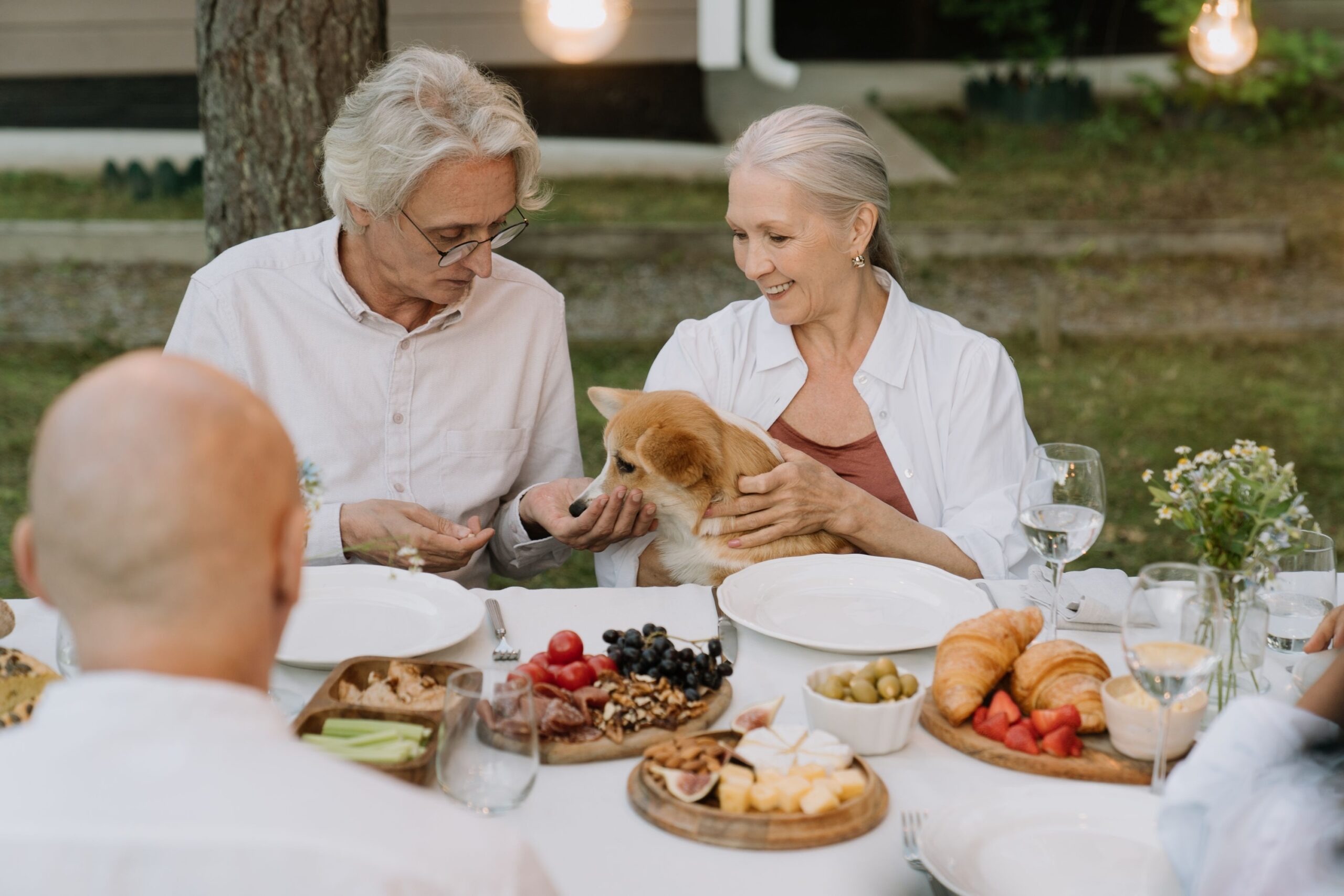
Most people assume the “final season” with an old dog is just vet bills, sad eyes, and heartbreak on a countdown. Anyone who’s actually lived through it knows that’s only half true – the real thing is quieter, stranger, and somehow more beautiful than that.
Your dog doesn’t just “slow down.” They start doing small, oddly specific things that feel like little goodbye letters tucked into your everyday routine – and most of them go unnoticed until much later, when you’d give anything to relive them. Here are 14 things older dogs quietly do in their last months that almost nobody talks about.
#14 – They Start Choosing One Room… And Quietly Claim It
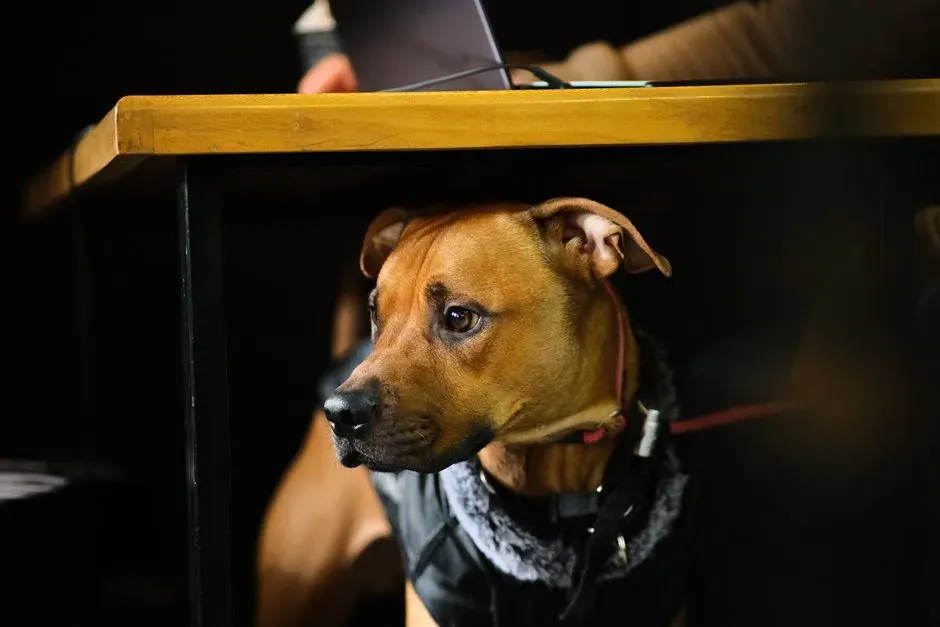
You’ll notice your dog isn’t roaming the house the way they used to. Instead, they gravitate toward one “safe base” – a spot with familiar sounds like your voice, the TV, or kitchen noise, and traffic that’s neither too busy nor too isolated.
You’ll find them settled in a corner, under a table, or against a wall where nothing can sneak up from behind. This isn’t them being antisocial – it’s them building a sanctuary where their body and brain feel less overwhelmed, and for many dogs, this room quietly becomes the emotional heart of their final season.
Some owners misread the stillness as depression and try to “cheer them up” by constantly relocating them. In reality, honoring that chosen spot – soft bedding, water nearby, a toy they still love – is one of the kindest things you can do.
#13 – Their Eyes Follow You Differently, Like They’re Memorizing You
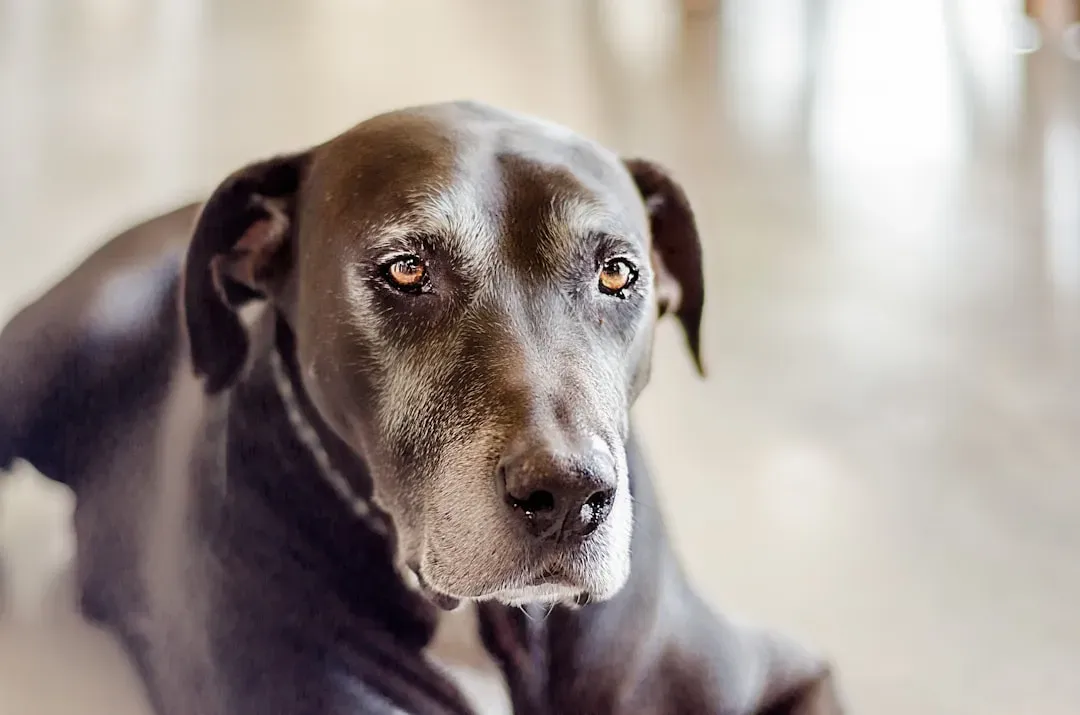
One day you’ll catch it: the way they look at you has changed. Instead of the sharp, expectant stare of a young dog waiting for the ball, an old dog’s gaze lingers – tracking you around the room even when they’re too tired to get up and follow.
Owners often say that in the final year, their dogs make more eye contact, but with less “What’s next?” and more “There you are.” As hearing fades or cognitive decline sets in, aging dogs lean harder on sight and scent to stay emotionally anchored to their people.
Some describe it as their dog “studying their face.” That’s not just sentimentality – it’s a survival strategy for connection. That soft, searching look is them checking one simple thing: you’re still here, and you’re still you.
Fast Facts
- A dog is considered a senior based primarily on their size: small dogs usually become seniors around 10–12 years old, while large and giant breeds may be seniors as early as 6–8 years old.
- As dogs begin to age into their senior years, their senses are likely affected, with vision, hearing, sense of smell, and taste all possibly diminished or even gone completely.
- Studies estimate that cognitive dysfunction affects between 14% and 35% of dogs over age 8, with prevalence increasing substantially in dogs over 11.
- One study found that 28% of dogs aged 11–12 are affected by cognitive dysfunction syndrome, and 68% of dogs 15–16 years old have it.
#12 – They Become Velcro at the Weirdest, Most Random Times
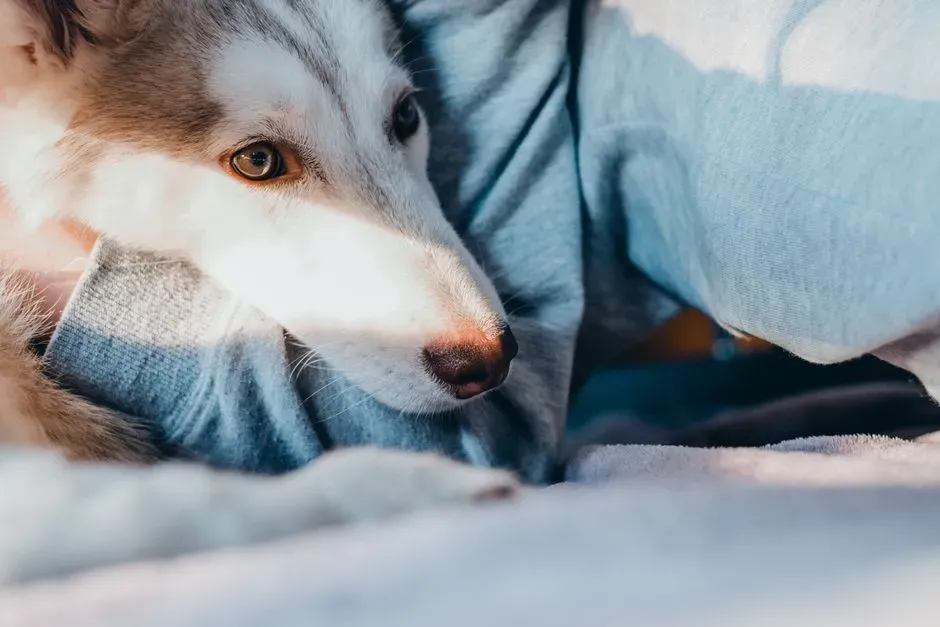
Separation anxiety in seniors looks nothing like it does in puppies, and it can show up out of nowhere. Suddenly your dog insists on being in the bathroom with you, or trailing you room to room, even though they used to be perfectly content alone for hours.
Many older dogs develop what some call “late life clinginess” – not out of fear of abandonment, but because their internal sense of time and safety is shifting. Short absences feel longer, and unfamiliar noises or darkness become more unsettling than they used to be.
This isn’t you spoiling them. Letting them lie by the shower, curl behind your chair, or sleep pressed against your bed can drastically lower their stress. Ironically, some of the most independent dogs become the most attached at the very end, and people mistake it for manipulation. It’s not. It’s need.
#11 – They Quietly Hand Off Their “Job” To Someone Else
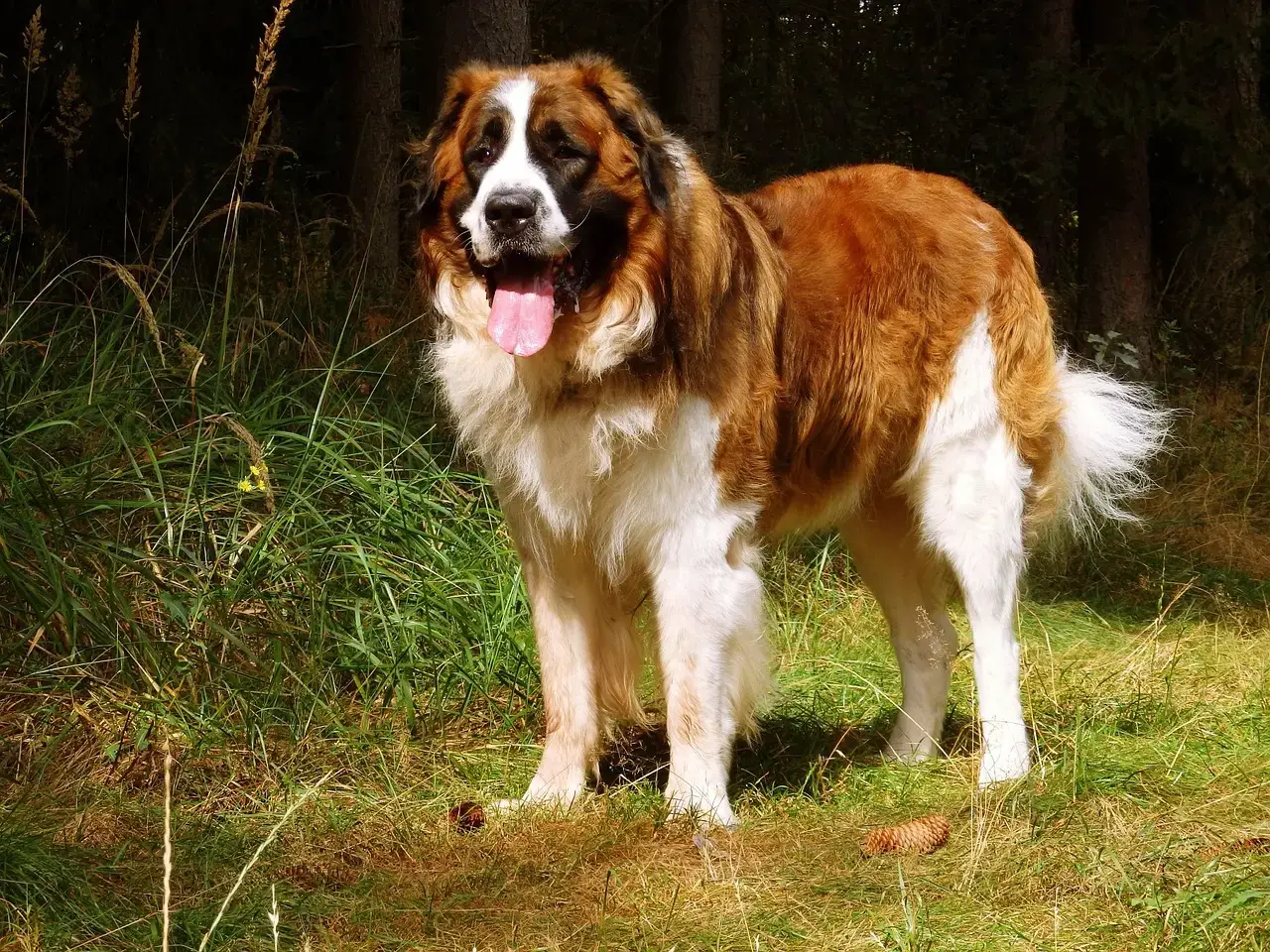
Working dogs, watchdogs, even the family’s self-appointed “fun police” often make a subtle handover near the end. The dog who always jumped up to bark at the door might just stop – and another pet, or a family member, steps in without anyone really deciding it.
Many households notice their senior dog gradually stops doing their old “job,” whether that’s guarding, herding the kids, or patrolling the yard, as if they’ve silently decided someone else has it covered now. It’s not that they stopped caring – their body simply can’t keep enforcing the old rules.
You’ll see it when they stay on the couch while the younger dog rushes the window, watch calmly as kids run past instead of herding them, or let you answer the door alone. It feels wrong at first, almost like they’ve checked out. In truth, it’s often a quiet act of trust: they believe the family will be okay without their constant supervision.
#10 – They Rediscover Old, Forgotten Comfort Objects
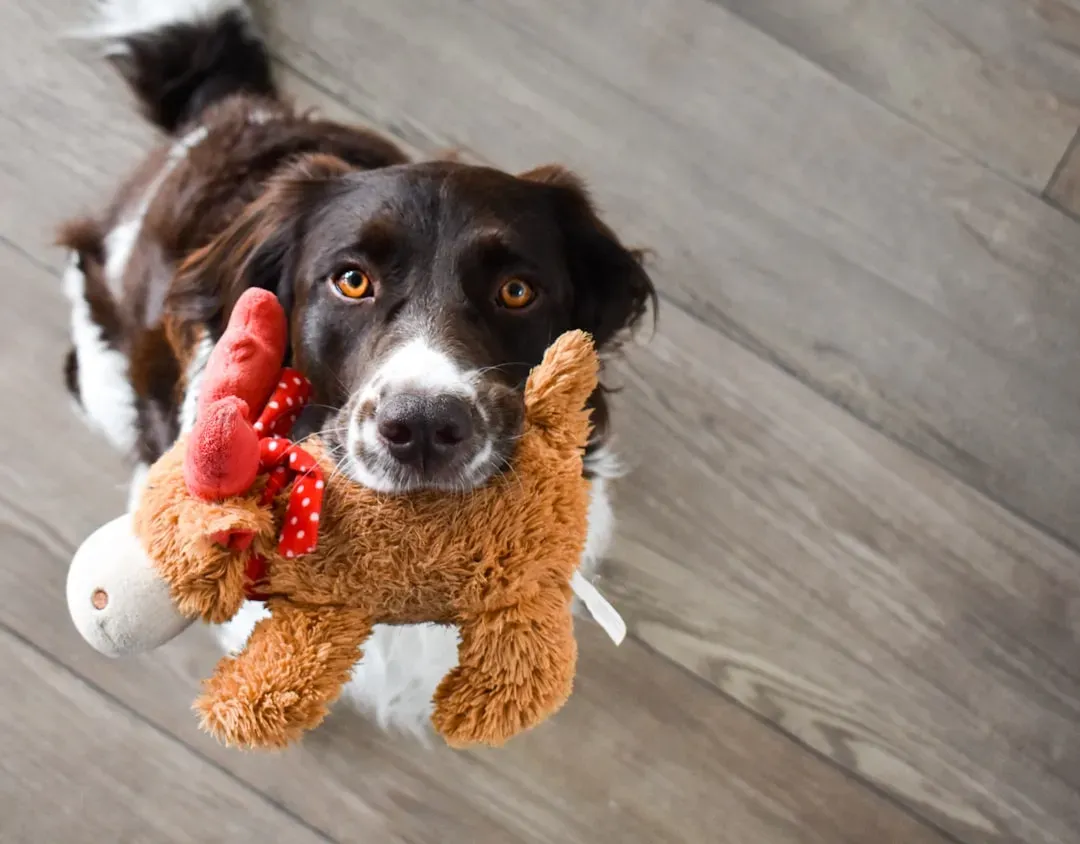
Out of nowhere, that toy they ignored for eight years is suddenly back in rotation. In late life, many dogs return to early-life comforts – a ratty stuffed animal, a specific blanket, even a worn collar or crate mat reappearing as a favorite.
This isn’t random. It’s their brain reaching for “younger, safer” memories that made them feel secure, not unlike how elderly humans cling to childhood songs or objects. You might find them sleeping with their nose buried in an old toy, dragging one particular blanket from room to room, or resting their head on a shoe you rarely wear anymore.
Let them have this. Washing that old toy less often, or keeping the frayed blanket accessible, can mean more than any new gift. It’s not sad – it’s them self-soothing with pieces of their own history.
Worth Knowing
- Familiar scents and textures can genuinely calm an aging dog’s nervous system, even as memory and mobility decline elsewhere.
- Long-ago memories often stay more accessible than recent ones, which is why “young” comfort objects tend to resurface late in life.
- Washing a favorite toy or blanket too often can strip away the exact scent that makes it soothing to them.
- Keeping two or three “anchor” items in easy reach can ease anxiety during stressful moments like vet visits or travel.
#9 – Their Appetite Turns Into a Conversation, Not a Routine
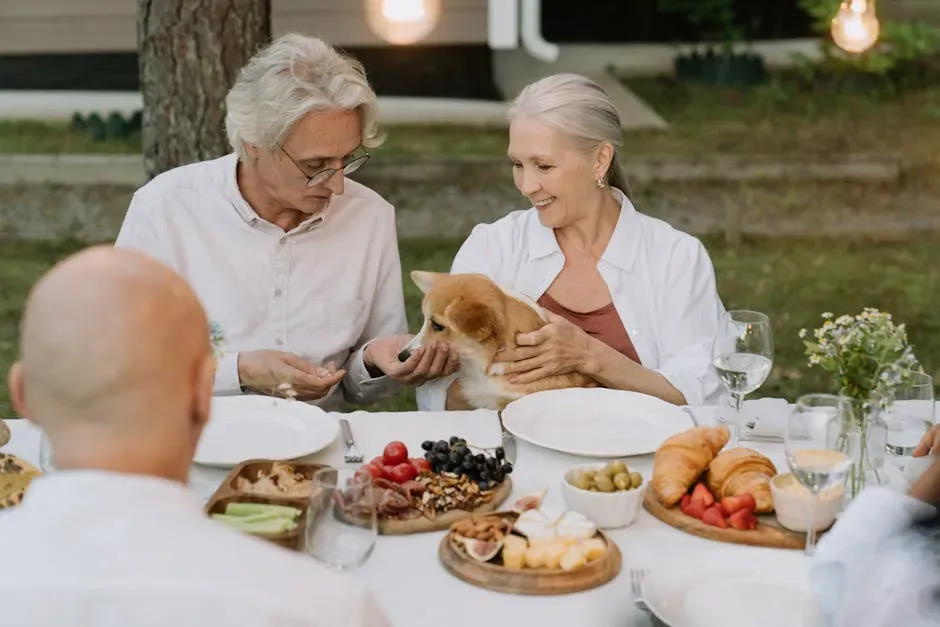
In earlier years, meals were automatic: bowl down, food gone. Older dogs often start “talking” to you with their appetite instead – sniffing, walking away, then coming back if you sit nearby.
They’ll eat more when you hand-feed them, when the bowl is moved closer, or when you sit on the floor and simply keep them company. They’re not always being picky – sometimes they’re asking for reassurance, or quietly struggling with nausea, pain, or fading senses. Strong smells, softer textures, and warmer food can suddenly matter more than brand names or trendy diets.
Owners sometimes panic around food, assuming refusal means the end is imminent. Sometimes it does signal decline. But often it simply means eating has become effortful, and your presence, patience, and willingness to adjust are part of what still makes it worth doing.
#8 – They Start Sleeping Like a Guard at the Door of Your Life
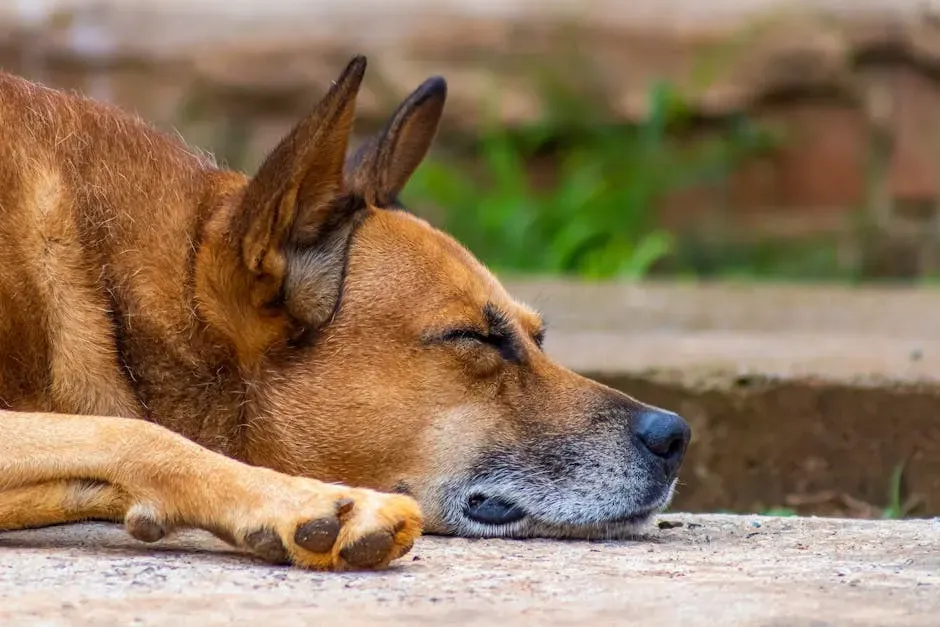
Old dogs sleep more, but pay attention to when and where. You’ll see them conk out hard, but almost always near thresholds – doorways, hall entries, the foot of your bed.
This “threshold sleeping” is an old instinct resurfacing: half-resting, half-monitoring, even though they no longer have the stamina to actually patrol. They’re preserving the role they’ve always had – guardian, witness, quiet backup – from a soft bed instead of on their feet.
You may notice heavier breathing or twitchy dreams, like they’re replaying old patrols in their sleep. Extreme lethargy can signal something serious and deserves a vet’s attention, but ordinary senior dogs simply shift into longer, deeper sleep with strategic placement. They won’t be at every door anymore, so they pick the ones that matter most.
#7 – They Get Weirdly Gentle With Tiny, Breakable Things
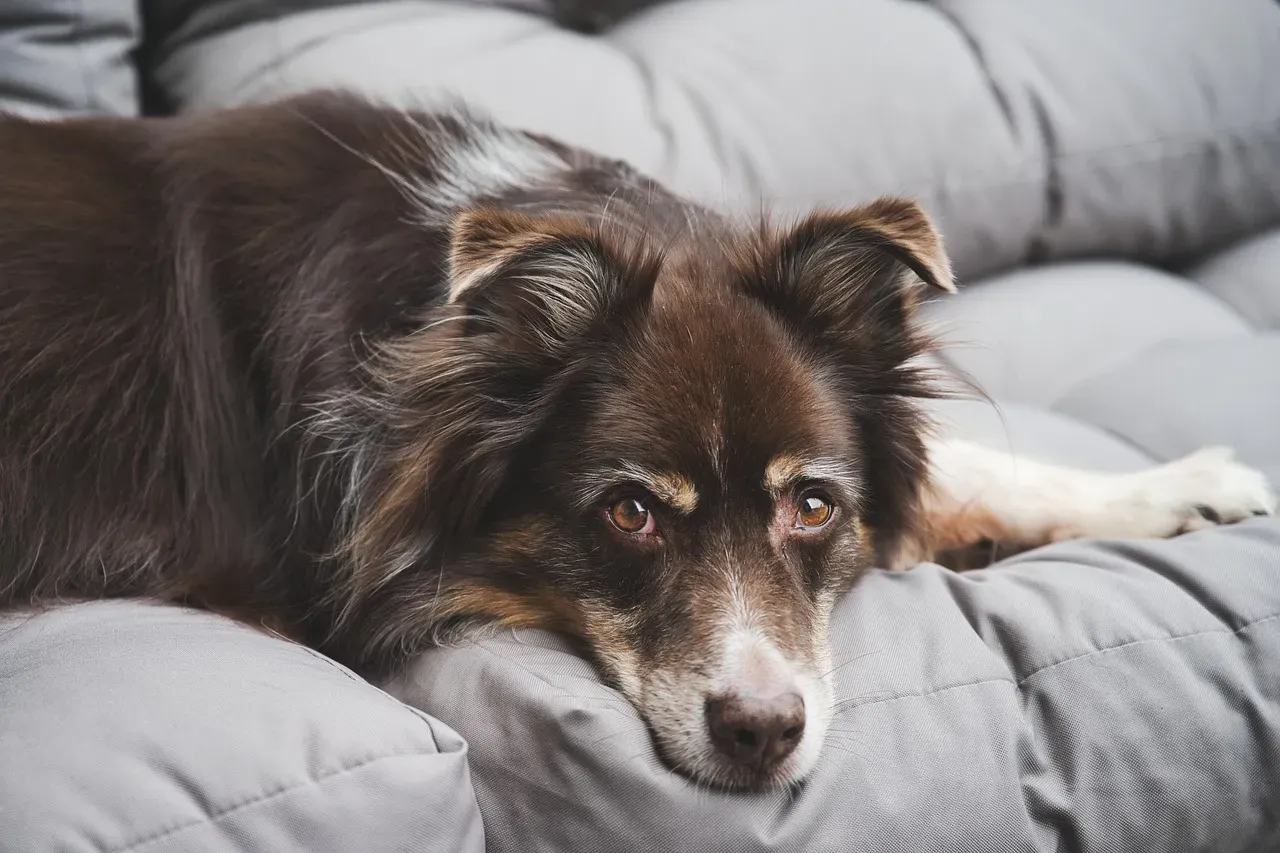
Watch how they behave around babies, frail relatives, or small animals. Many aging dogs – especially the ones with a history of being rowdy – become astonishingly careful around anything delicate, moving slowly near toddlers and stepping cautiously around elderly family members using walkers or canes.
It’s as if their rough edges sand down and what’s left is pure consideration. Not every dog transforms into a therapy dog – pain, confusion, or old trauma can just as easily cause irritability instead.
But when you watch a dog who used to bulldoze through coffee tables now carefully picking their way around a sleeping baby on the floor, you’re witnessing a kind of late-life wisdom. Their body may be failing them, but their social awareness is often sharper than ever.
At a Glance
- Slower, more deliberate movements around babies, toddlers, or elderly relatives
- Extra patience with sudden noises or clumsy handling from small children
- A softer play style with smaller pets, even ones they once ignored
- Occasional irritability instead of gentleness when pain or confusion is present
#6 – They Start Preferring Your Voice Over Almost Everything Else
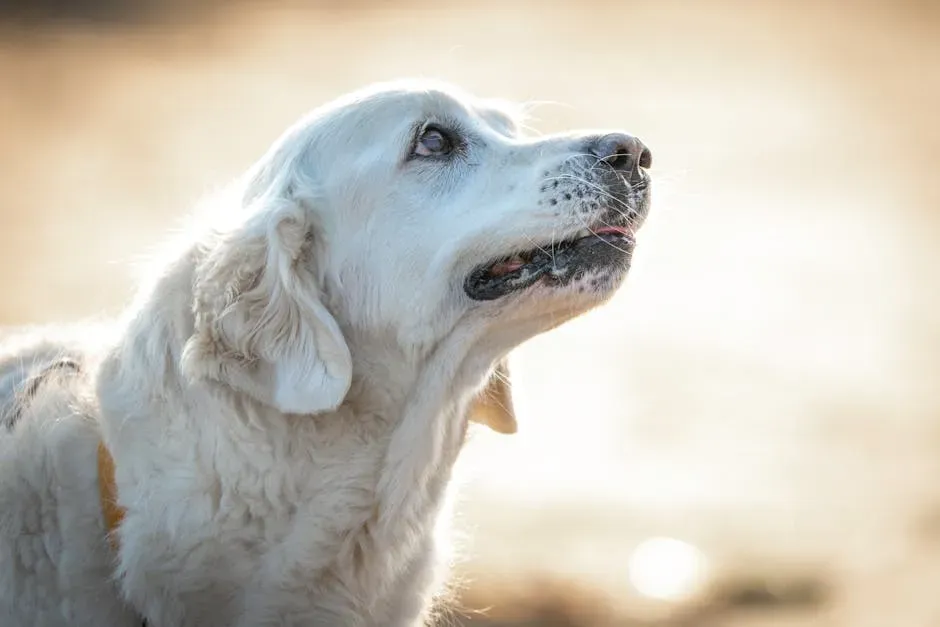
At some point, the ball, the park, and the chaos take a back seat to one thing: you talking. Senior dogs with fading vision or mobility issues often perk up more to familiar voices than to toys or treats.
They settle faster when you narrate what you’re doing, search less anxiously if they can hear you in another room, and tilt their heads or wag at your tone rather than your words. Even as hearing dulls, the vibration and rhythm of your voice stays deeply regulating for them.
For dogs moving toward the end, the game is no longer “What can we do together?” but “Can I still feel you around me?”
Reading emails out loud, humming, or simply talking softly while you fold laundry beside their bed isn’t silly. For them, it’s medicine.
#5 – They Begin Editing Themselves Out of Your Busy Life
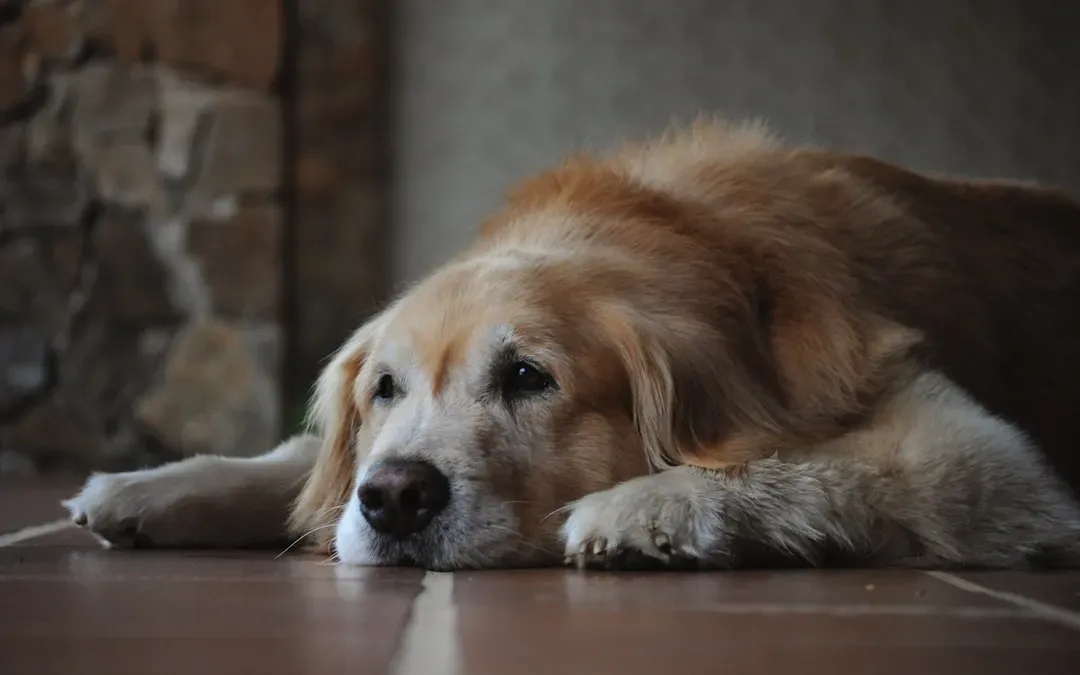
This one hurts because it’s so quiet. Older dogs often start opting out of activities they once lived for – they stop coming to the door when you grab the leash, don’t get up when the car keys jingle, and watch you pack for a day trip before laying back down.
It feels like rejection, but it’s often the opposite. Their body knows it can’t keep up anymore, so they quietly release you from the expectation of taking them everywhere.
This self-exclusion is easy to mistake for disinterest or depression, and sometimes it genuinely is a red flag worth a vet visit. But often it’s a heartbreaking kind of grace – an old dog deciding, “You go. I’ll be right here when you get back.” The kindest response is meeting them halfway: shorter walks, slower routes, and small “home adventures” built just for them.
#4 – They Have Random “Good Days” That Feel Almost Cruel
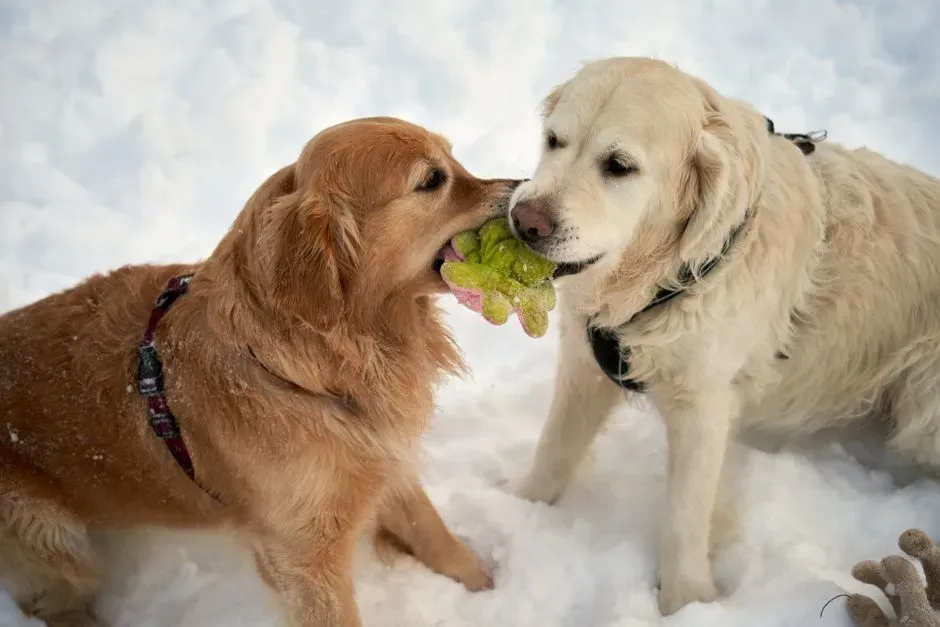
Just when you’re starting to accept the decline, they have a day that looks like five years ago. Out of nowhere, they trot instead of shuffle, eat like they mean it, and bring you a toy demanding a game.
Many owners secretly wonder afterward if they imagined the bad weeks. These “rally days” are extremely common near the end of life – short windows where pain, inflammation, or fatigue temporarily ease and the real dog shines through one last time. It’s biology, not a miracle cure.
The trap is denial – using these good days to talk yourself out of hard decisions, only to feel the crash afterward twice as hard. The healthier way to see them is as stolen bonus hours. Take the walk. Eat on the porch together. Let them ride shotgun. Just don’t demand that it means they’re fine again – let it simply be a flash of who they’ve always been.
Quick Compare
- Typical day: shorter walks, cautious movement, quieter mood, picky appetite
- Rally day: brighter eyes, faster pace, demanding play, eager appetite
- What’s really happening: a temporary dip in pain, inflammation, or fatigue – not a reversal of decline
- What doesn’t change: the underlying condition and the need for gentle, honest long-term planning
#3 – They Start Teaching You How to Say Goodbye Without Saying It
Old dogs are blunt teachers. They don’t use words, but the lesson lands anyway. You’ll notice they tolerate less fuss and want more presence – caring less about costumes, new tricks, or posed photos, and more about resting where they can feel you close.
They begin stripping the relationship down to its core: touch, proximity, routine. The fancy parts fall away, and what’s left is the daily, boring, irreplaceable us-ness that was always the point.
You’ll notice your own behavior shifting too – skipping events to stay home, sitting on the floor more, counting their breaths at night. On some level, you’re already rehearsing life without them, quietly banking their habits, smells, and sounds. It isn’t morbid. It’s your brain trying to store enough of them to outlast their body.
#2 – They Start Saying “Thank You” in a New, Quiet Language
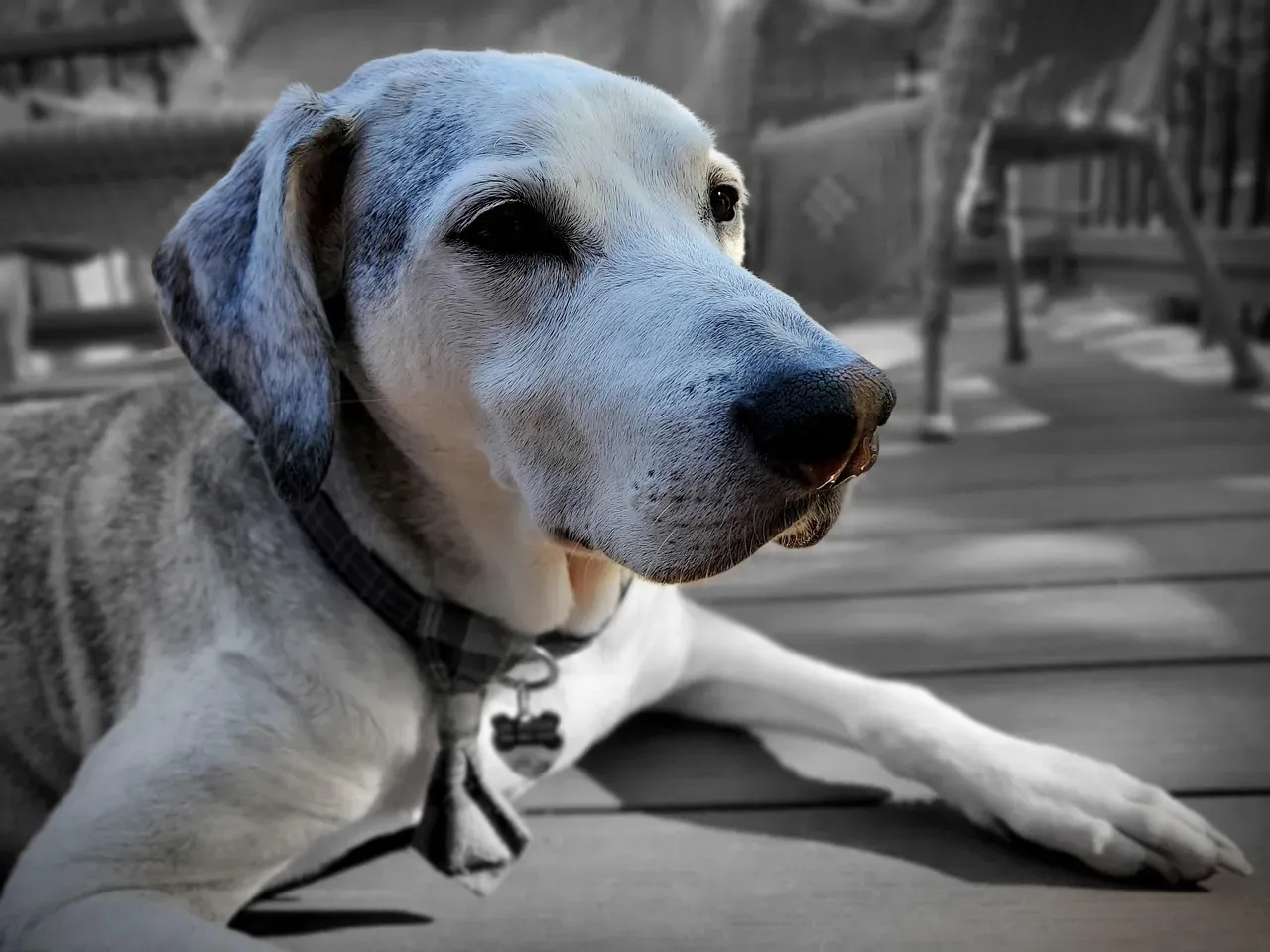
Gratitude, in old dogs, looks like stillness. They lean their full weight into your leg and just stay there, lick your hand slowly once or twice before resting their head, or exhale loudly when you adjust their bed or rub a sore joint.
These aren’t dramatic gestures. They’re micro-moments where a dog with limited energy chooses to spend some of it on pure appreciation, even though there’s no evolutionary reason for a terminally ill or very old dog to bother showing affection – it doesn’t help them survive. And yet they do it, again and again.
Science can’t technically prove that’s a “thank you.” But long-time dog people recognize the pattern instantly: in the final season, affection becomes more intentional, not less. They choose their moments. They pick their people. And when they lean in, it feels like the most honest gratitude you’ll ever receive.
#1 – They Try, in the Most Dog Way Possible, to Make You Okay
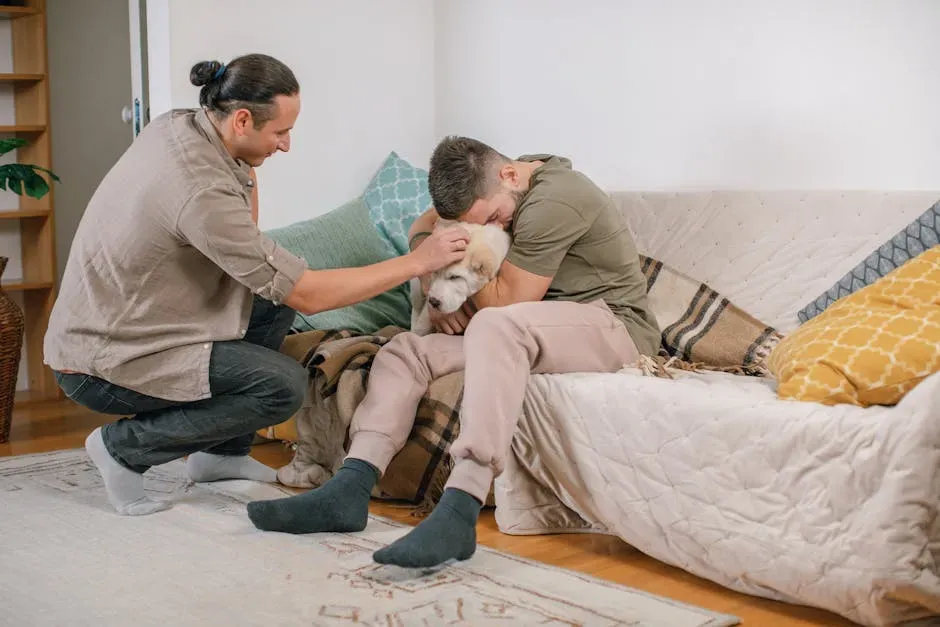
Here’s the part no one warns you about – sometimes they protect you from their own ending. Many dogs wait to pass after you’ve finally fallen asleep, right when you’ve just stepped out of the room, or on the one night you came home exhausted from the emergency vet.
People torture themselves over this, but behaviorally, it tracks. Dogs often mask pain and distress, prioritizing the stability of the “pack” until the very last possible moment. Some simply can’t let go while you’re hovering, panicking, or sobbing – when you step away, your nervous system quiets, and so does the pressure on them to keep holding it together.
Not every dog does this. Some need their person’s touch all the way to the last breath, and that’s its own kind of gift. But the pattern of “he waited until I left the room” is common enough that it’s almost a cliché among long-time owners. It isn’t betrayal. It’s one last, brutal kindness – taking the hardest moment onto themselves so your final memory of them isn’t the worst one.
The Bottom Line
The final season with an old dog isn’t one long goodbye. It’s a series of tiny, deliberate adjustments they make on your behalf – quieter rooms, softer routines, different roles, and rally days spent giving you one more good memory.
They step back when their body forces them to and lean in when it counts, somehow still finding the energy to reassure you the bond is intact even as everything else unravels. The most shocking part isn’t the decline. It’s this: while you’re busy worrying about losing them, they’re busy managing their own exit in whatever way hurts you the least.
Some people will say “it’s just a dog.” Those people have never watched a gray-muzzled friend quietly edit themselves out of family life with that much grace – and never will understand what they missed.
Did we miss a tender thing your old dog did in their final season with you? Drop it in the comments, and give them the honor of having their story told.