
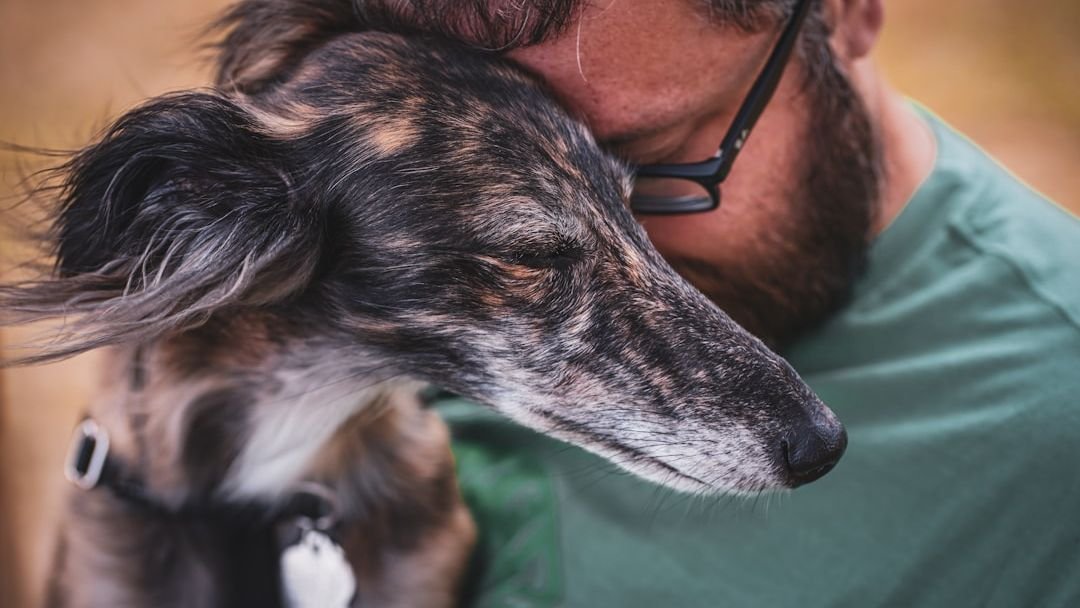
There’s a particular kind of stillness that settles over a home when a dog is nearing the end. You might notice it first in small, quiet ways: the bowl left untouched, the leash ignored, a gaze that lingers just a little longer than usual. These aren’t random changes. They’re a language, one that your dog has been speaking all their life, now concentrated into some of its most important messages.
Without knowledge of the unusual behaviors dogs show before they die, you might dismiss the very ways your pet is trying to communicate their discomfort or needs. That’s a heavy thought, especially for those of us who’ve devoted years to understanding every tail wag and bark. The good news is that recognizing these signs doesn’t have to be a guessing game. With the right knowledge, you can respond with the care, compassion, and presence your dog deserves in their final chapter.
1. They Stop Eating, or Become Picky About Food

Food is one of the most reliable windows into a dog’s wellbeing. A dog who once charged the kitchen at the sound of a bag rustling is now turning away from the bowl – that shift carries meaning. A common sign that a dog is close to death is when they start refusing to eat or becoming fussy with certain foods. If they feel sick or take medication that causes a loss of their sense of smell or taste, they may also lose their appetite.
Dogs may become picky about food or refuse to eat altogether due to nausea, pain, or difficulty swallowing. This isn’t stubbornness. It’s their body redirecting energy away from digestion. Offering foods with a strong smell, or warming up the food to increase the scent, can be ways to help engage your pet’s senses. Putting out smaller portions could also help increase your dog’s interest in food. A vet may also be able to prescribe either an appetite stimulant or a medication to reduce nausea, if that is the cause.
2. They Lose Interest in Water
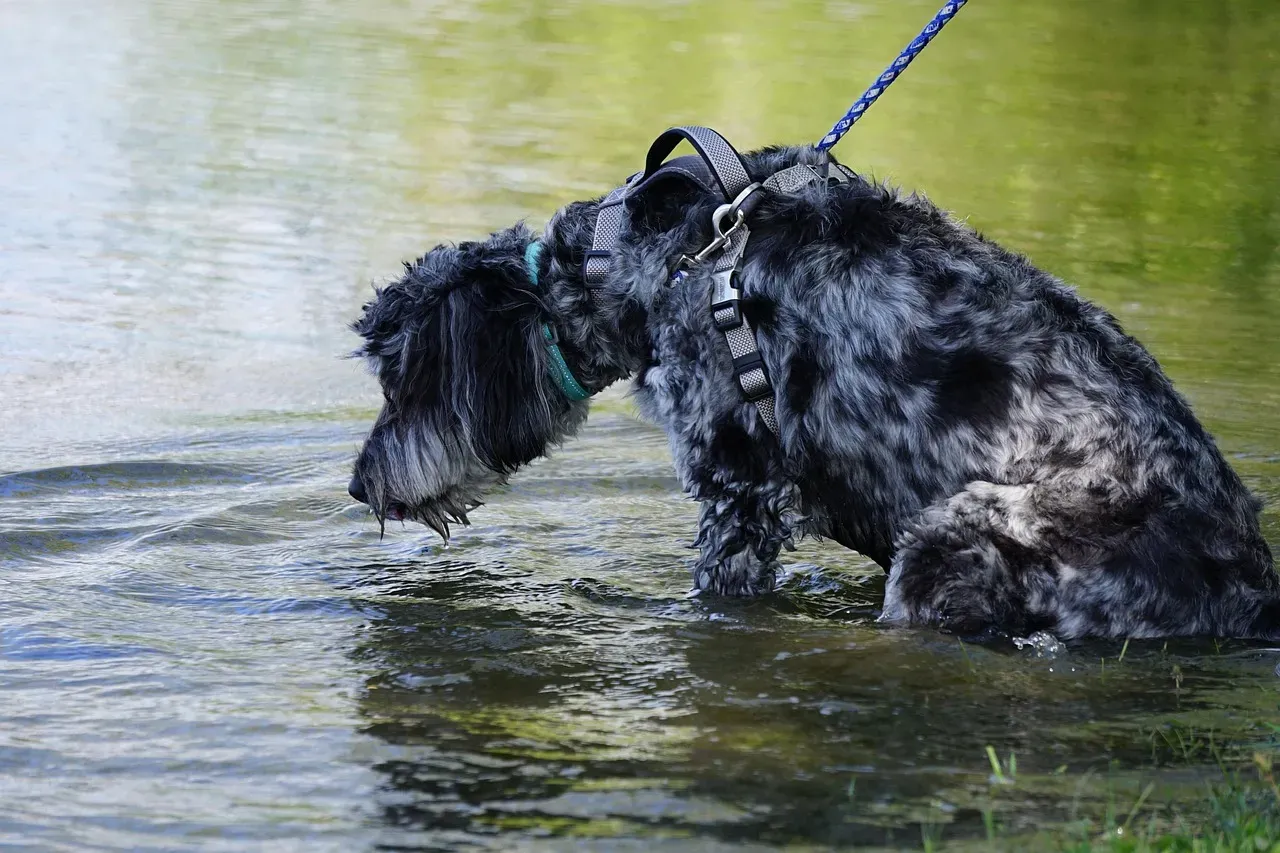
Water intake is something many owners overlook until it becomes a serious problem. If your dog is losing interest in their water bowl, it could be a sign that they are dying. Dehydration compounds discomfort quickly, so this is one sign that warrants prompt attention. Some dogs may drink less due to decreased activity or organ dysfunction, while others may drink excessively, particularly if they are experiencing kidney issues or dehydration.
Try switching to canned food or adding a little water to their food to stimulate your pup’s hydration. In some cases, you may need to give your dog water through a squirt bottle or oral syringe, being sure to only squirt a small amount at a time. Always check with your vet before doing this, as forcing water incorrectly can cause choking. The goal is comfort, not pressure.
3. They Sleep Far More Than Usual

Lethargy is another common sign and dog behavior before death. As a dog nears their end of life, they will usually sleep more and become disinterested in going for walks or other usual activities. What looks like laziness is actually the body conserving its remaining reserves. You might notice your dog sleeping all day long and having a hard time waking up or responding to you. This sudden loss of energy is usually a sign of serious health issues.
Support your dog by providing more beds or comfortable places to rest around the house, with toys and their favorite blankets. Don’t try to wake them frequently or coax them into activity they clearly can’t manage. Rest is part of how their body is coping. Being close, calm, and quiet is often the most helpful thing you can offer.
4. They Seek Solitude or Hide in Unusual Places
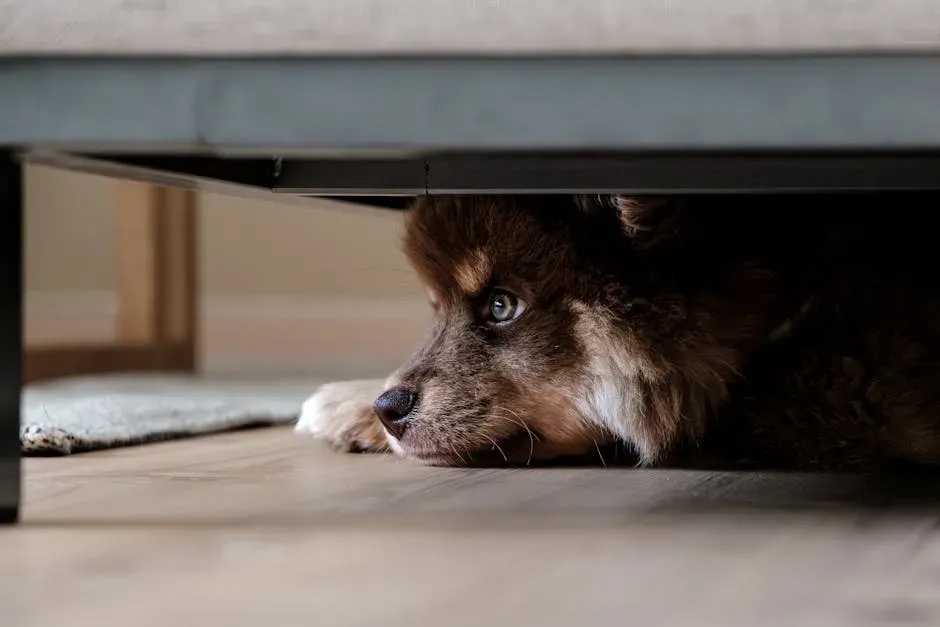
As their body temperature regulation changes or their urge to feel safer increases, dying dogs start seeking unusual places to rest. This could include under furniture, in closets, and in other secluded spots. Your dog may want to be away from the hustle and bustle of daily household activities. This behavior is frequently misread as rejection, but it isn’t personal. It reflects a deep biological drive toward quiet.
Choosing to hide or isolate themselves may reflect fatigue and a desire for quiet, or an instinct to separate oneself from others when the end is near. If your pet displays this end-of-life behavior, avoid forcing interactions, but remain close by so they can feel your calming presence. Place a soft bed or blanket near their chosen spot. Let them lead. Your nearness, even if silent, is a form of comfort.
5. They Become Unusually Clingy
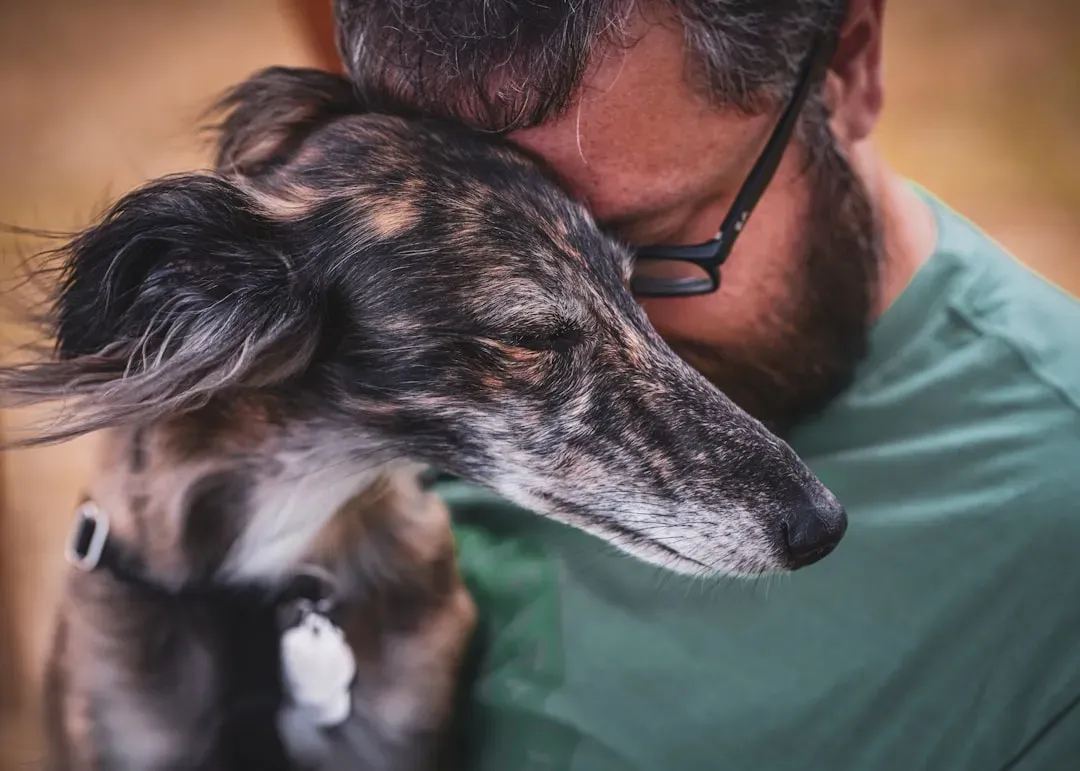
On the opposite end of the spectrum, some dogs say goodbye by holding on tightly. Pets can become affectionate or clingy when they are close to passing away. Their need for attention stems from the feeling of being vulnerable and weak. They may seek out comfort as they are fading away, with some dogs wanting you to pet them before they die, or cuddle them until the last moment.
Some dogs may become unusually clingy, wanting to be near you at all times, seeking emotional support in their final days. If your dog who once slept across the room now refuses to leave your side, honor that. Sit with them. Let them rest against you. Dogs can also sense their pet parents’ distress and may react accordingly, so try to remain as calm and reassuring as possible.
6. Their Breathing Changes
Breathing is one of the clearest physical signals that something significant is happening. Irregular, shallow, or labored breathing is a warning sign that a dog may be dying. Particularly in a pet’s final hours, a gasping breath pattern known as agonal breaths may occur. This can be distressing to witness, but understanding what it means helps you respond rather than panic. When breathing becomes labored, shallow, or rapid, that’s a sign of distress. Keep an eye out for panting or gasping at rest.
Because breathing difficulties can be painful and distressing, you should seek timely veterinary care or rapid euthanasia to reduce suffering if you notice this end-of-life behavior in your pet. Don’t wait it out hoping it improves on its own. Changes in breathing are among the signs that call for an honest conversation with your veterinarian as soon as possible.
7. They Lose Interest in Things They Used to Love

Watch for the moment your dog stops responding to the things that once lit them up. The leash stays on its hook without triggering a tail wag. The tennis ball goes uninvestigated. A once playful dog may lose interest in toys, walks, and other activities they previously enjoyed. This lack of enthusiasm is a natural consequence of their declining physical and mental state. As dogs age, their bodies may become less able to handle exertion, leading to fatigue and a preference for rest over playtime.
A noticeable decline in interest in previously enjoyed activities and surroundings is a significant behavioral change that indicates a dog’s diminishing vitality. They may show no interest in toys or games they once enthusiastically enjoyed, and become less responsive to familiar sounds or even the presence of their loved ones. This isn’t depression in the human sense, but it is a meaningful signal. Meeting them where they are, rather than trying to cheer them up forcefully, is far more compassionate.
8. They Pace, Circle, or Seem Restless
Some dying dogs may exhibit repetitive behaviors such as pacing, circling, or licking themselves excessively. These behaviors can be a sign of boredom, anxiety, discomfort, or cognitive dysfunction. It’s unsettling to watch your dog move through the house at night without apparent purpose, but this is their way of managing internal discomfort they can’t verbalize. A dog’s emotional state can become more fragile as their final journey nears, leading to heightened anxiety or apprehension, including becoming restless and unable to settle in one spot, or engaging in repetitive pacing even at night.
While it’s important to monitor these behaviors, avoid trying to stop them unless they are causing self-harm or significant distress. Speak to your vet about whether anxiety medication might help make your dog more comfortable. Sometimes, anxiety can be worse for a dog than pain. Talk to your vet about anti-anxiety medication to help your dog feel calmer and more comfortable.
9. They Show Confusion or Disorientation

Cognitive decline is one of the more heartbreaking things to witness because it changes the face of the dog you know. Canine Cognitive Dysfunction is very similar to dementia in humans. Early signs include pacing at night, fussiness, and irritability. As it progresses, your dog may seem to get lost in the house and yard or not know who you are. Seeing confusion in a dog who used to navigate every room with confidence can feel surreal.
This can manifest as disorientation, where they may seem lost in familiar surroundings or have trouble recognizing family members. Research on older dogs revealed that a notable percentage exhibited Canine Cognitive Dysfunction signs, despite only a small fraction receiving a formal clinical diagnosis. If you notice your dog staring blankly at walls or struggling to find their bed, consult your vet. Some cases are manageable, and a diagnosis opens the door to better supportive care.
10. They Vocalize Differently

Some dogs may become unusually quiet, while others may exhibit increased vocalization, such as whining, howling, or barking, often without an apparent trigger. These vocalizations can be a sign of pain, anxiety, confusion, or a general sense of unease. A dog who whimpers in the night, or one who has gone strangely quiet after years of being vocal, is communicating something real. Neither end of the spectrum should be dismissed.
Increased signs of pain such as crying, pacing, or panting indicate your dog may be suffering and needs a vet immediately to manage their comfort. Pain management in end-of-life care has become increasingly effective, and your dog should not have to endure unaddressed suffering. Documenting the sounds and timing of these vocalizations before your vet visit can help the doctor understand the pattern more clearly.
11. Their Coat and Grooming Changes

Near the end of life, your dog’s coat may look dull or unkempt due to decreased grooming behavior. Dogs near the end of life may be in too much pain or discomfort to groom. They may also simply be too tired or unable to coordinate the movement required to keep themselves clean. A dog who was once meticulous about their appearance now carries matted fur or a dull coat – that shift often reflects how much energy they’re spending just to exist.
Gently wash your dog with warm water and pet-safe shampoo, or apply pet-safe dry shampoo before brushing their coat. Grooming a dog in their final days isn’t vanity. It’s a form of physical contact and care that many dogs find deeply soothing. Slow, gentle strokes during a light brushing session can double as quiet time together, which both of you may need.
12. They Lose Coordination and Mobility
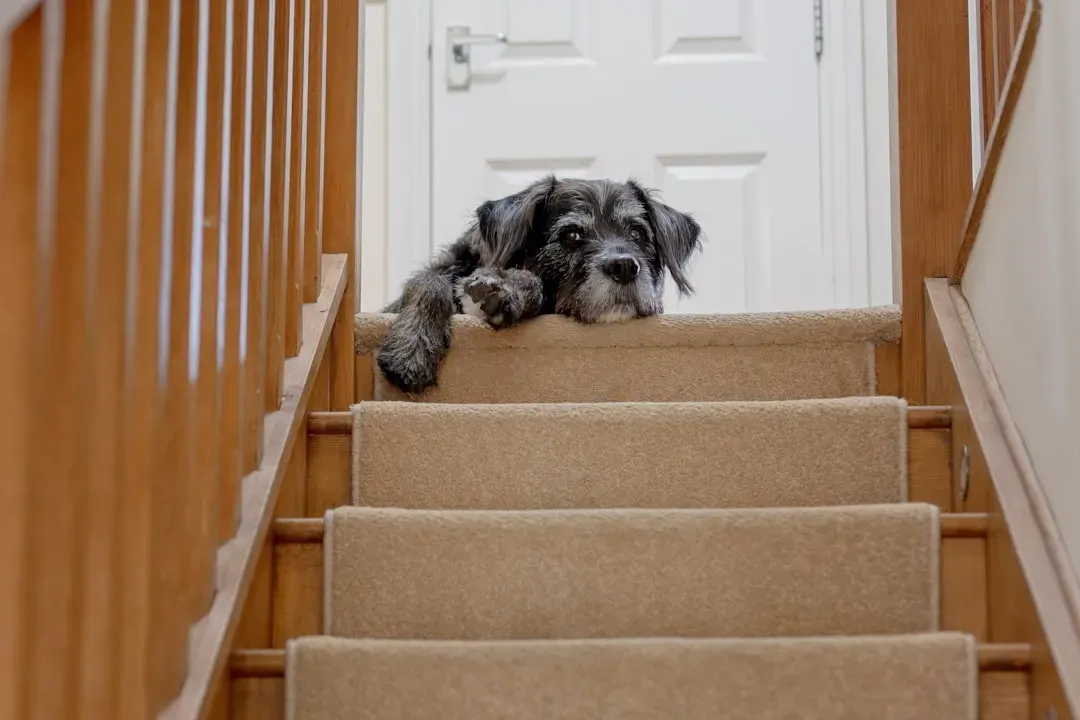
A dog who once bounded up the stairs now hesitates at the first step. Watching physical confidence fade is one of the clearest signals that the body is struggling. As a dog’s body ages, muscles and nerves stop functioning as well as they used to. Between the loss of muscle mass and the malfunction of proprioceptive nerves, coordination declines. They may struggle with steps and navigating obstacles, or slip on non-carpeted surfaces. Some dogs stumble or have trouble placing their feet correctly when walking.
You can help your dog by providing non-slip surfaces to walk on and using a harness or sling to support them when walking and going outside. Ramps can help them navigate stairs and get on and off furniture, though you should act as a spotter in case they lose their balance. These practical adaptations can meaningfully reduce falls and fear, helping your dog move through their day with a little more dignity and a little less pain.
13. They Have Accidents Indoors
A dog with years of perfect housetraining suddenly relieving themselves inside the home is often more confused and embarrassed by it than you are. Dying pets may lose control of their bladder or bowels in the days before passing. Accidents can occur due to weakness, decreased mobility, nervous system problems, or organ failure, even after previously perfect housetraining. Responding with frustration only adds to their distress. Patience here is genuinely important.
Incontinence and an increase in accidents are common as a dog’s body systems begin to fail, often signaling a loss of control over bodily functions. They may urinate involuntarily, either in their sleep or without attempting to go outside, and experience accidental defecation. Use absorbent, washable bedding pads to keep their space dry and comfortable. Keeping their resting area clean reduces skin irritation and preserves their comfort in a very practical way.
14. They Hold Your Gaze a Little Longer

Many pet owners report that their dogs make prolonged eye contact as if trying to communicate something profound. This can be seen as a final connection or farewell. Some dogs may show a final look that communicates their feelings to their owners – a loving, tired, sad, or confused look. Either way, the final look communicates their feelings. The mutual gaze can be something that only the two of you understand.
Dogs are incredibly loyal and often keep trying to engage even when they feel unwell. By the time their expression noticeably changes, they’re usually already uncomfortable. So when your dog looks at you that way, hold the gaze. Don’t look away. While there’s no scientific evidence to definitively say that dogs consciously try to tell us goodbye before dying, many pet owners and veterinarians have noticed behaviors in their dogs that suggest a form of farewell. Whether it’s biology or something more, that long look deserves your full, undivided presence.
A Final Word: When to Call Your Vet
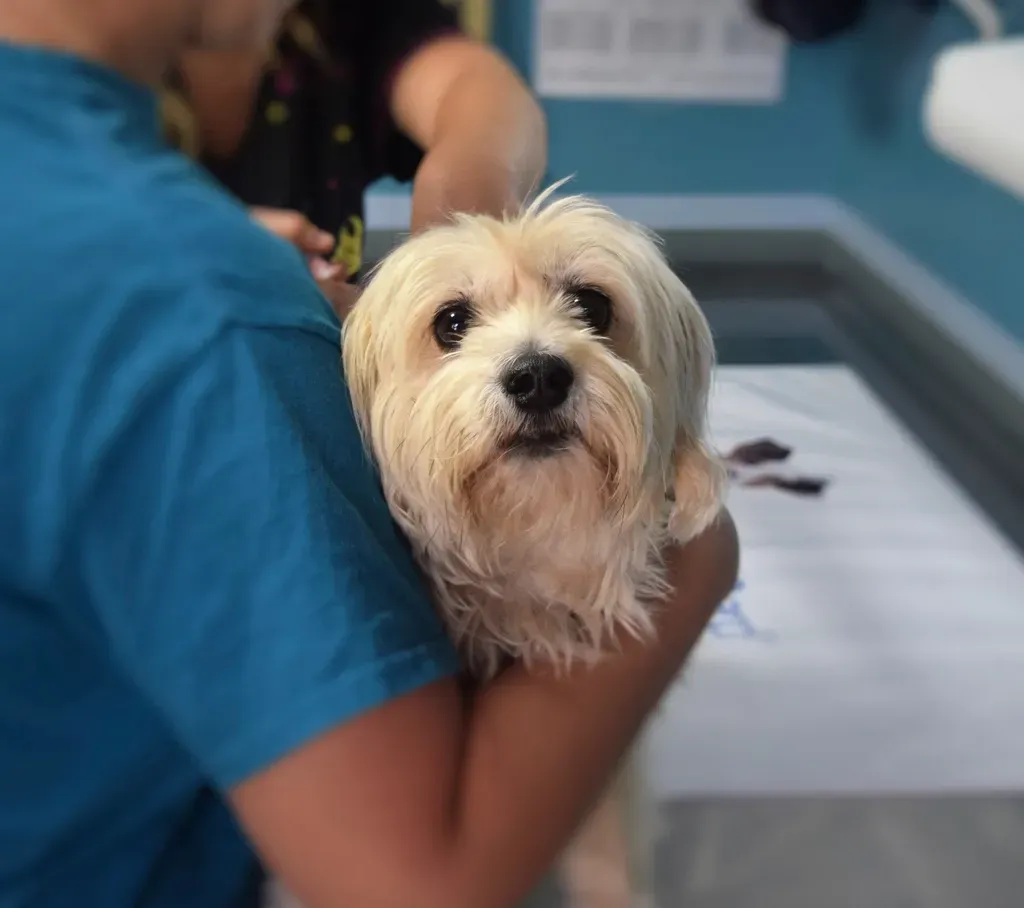
It’s worth saying plainly: not every sign on this list means your dog is dying. While some behavioral changes can signal the end of life, it’s just as important to remember that not every sign of decline means your pet is dying. Many pets, especially seniors, experience health issues that are treatable or manageable with proper veterinary care. A sudden withdrawal, mobility issue, or appetite loss could just as easily stem from arthritis, dental pain, infection, or a manageable chronic condition.
This mindset can overlook treatable conditions that could dramatically improve a pet’s quality of life with something as simple as pain medication, joint support, or appropriate diagnostics like bloodwork. Before assuming a pet is nearing the end, schedule a comprehensive veterinary checkup. Your vet is the most important partner you have in reading these signs correctly. If possible, make an end-of-life plan for your dog and discuss it with your family and your veterinarian well before the time arrives when you’ll need it. Your veterinarian can explain your dog’s ailments and describe palliative and hospice care options, euthanasia services, natural death, and aftercare and memorial considerations.
Dogs spend their whole lives learning to read us. They know when we’re sad before we admit it, and they show up anyway. The least we can do, in their final days, is learn to read them back. These fourteen signals aren’t a checklist of dread. They’re an invitation to be more present, more attentive, and more intentional with the time you have left. That kind of attention is love made practical, and your dog will feel every bit of it.


