

If you think a full food bowl and a neighbor’s phone number counts as a solid emergency plan for your dog, you’re not alone – and you’re also not as prepared as you think you are. Talk to owners over 70 who’ve actually lived through an unexpected hospital stay, and you’ll hear the same quiet confession over and over: they worried more about their dog’s next meal than their own recovery.
That fear is exactly what pushes the smartest ones to build systems most pet owners never think about until it’s too late. What follows isn’t the obvious advice you’ve already heard a hundred times. It’s the quiet, almost secretive prep work seasoned owners do behind closed doors – the kind that turns a five-alarm emergency into a dog who barely notices anything changed.
#1 – Choosing a “First Call” Caretaker (Not Just Any Neighbor)
The first quiet move many owners over 70 make isn’t stocking up on dog food – it’s deciding exactly who gets the phone call the second an ambulance shows up. “My neighbor will help” sounds like a plan until you remember that neighbor might be on vacation, working nights, or secretly not a dog person at all.
Prepared owners skip the guesswork. They pick one primary caretaker and one backup, then confirm in writing that both people are truly willing, not just being polite. They talk through the boring details: where the spare key lives, how long this person can realistically keep the dog, and what emergencies they’re actually comfortable handling. Some also accept a hard truth – an adult child three states away is useless in a same-day crisis, while a dog-savvy neighbor next door is often worth more than any relative.
#2 – Writing a One-Page “Dog Manual” (Because Memory Fails Under Stress)
Most people assume, “They’ll figure it out.” They won’t. In a real crisis, nobody is guessing your dog’s medication dose or their favorite hiding spot from memory, no matter how much they love animals.
That’s why meticulous owners over 70 create a simple, one-page “dog manual” and keep it taped near the front door or on the fridge. It usually covers:
- Feeding schedule and the exact food brand
- Daily routine, walk times, and quirks
- Vet info, medications, and health issues
The smartest ones also add blunt “do not” instructions, like “Do NOT take him to dog parks” or “Do NOT change his food suddenly.” Those warnings stop well-meaning helpers from making the exact mistakes that cause diarrhea, anxiety, or fights with other dogs. One page is often the difference between a dog barely coping and a dog calmly settling into a familiar routine with a new human at the wheel.
#3 – Pre-Authorizing the Vet and Setting a Spending Limit
Here’s the part almost nobody talks about: if your dog has a medical emergency while you’re hospitalized, your caretaker may not legally be able to approve treatment – or feel comfortable paying for it out of pocket. Most clinics won’t move forward with non-urgent care without the owner’s consent or a clear proxy on file.
Wise seniors fix this months in advance. They call the vet and formally add the caretaker as an authorized decision-maker, then set a clear spending cap, something like “up to $500 without contacting me.” This quietly prevents two nightmares at once: a caretaker being pressured to spend money they don’t have, and a dog suffering because no one has the authority to sign off on care. Some go a step further and leave a signed authorization note tucked right into the dog manual.
#4 – Creating an “If I Don’t Come Home” Plan
Most owners over 70 secretly think about one thing they never say out loud: what if I don’t make it back? It’s an uncomfortable thought, but it’s also the responsible one. Dogs can outlive us, and hospitals don’t always send people home on schedule.
The most prepared owners force themselves to answer three blunt questions in writing: who gets the dog permanently if they can’t return, is that person actually willing or just being polite, and what happens if that first choice backs out at the last minute? They tell the same story to everyone involved so there’s no family tug-of-war later. Some of the most honest ones admit the best long-term home isn’t a relative at all – it’s a friend whose lifestyle actually fits the dog. Avoiding the “shelter by default” outcome is the entire point.
#5 – Stashing a “Dog Go-Bag” by the Door
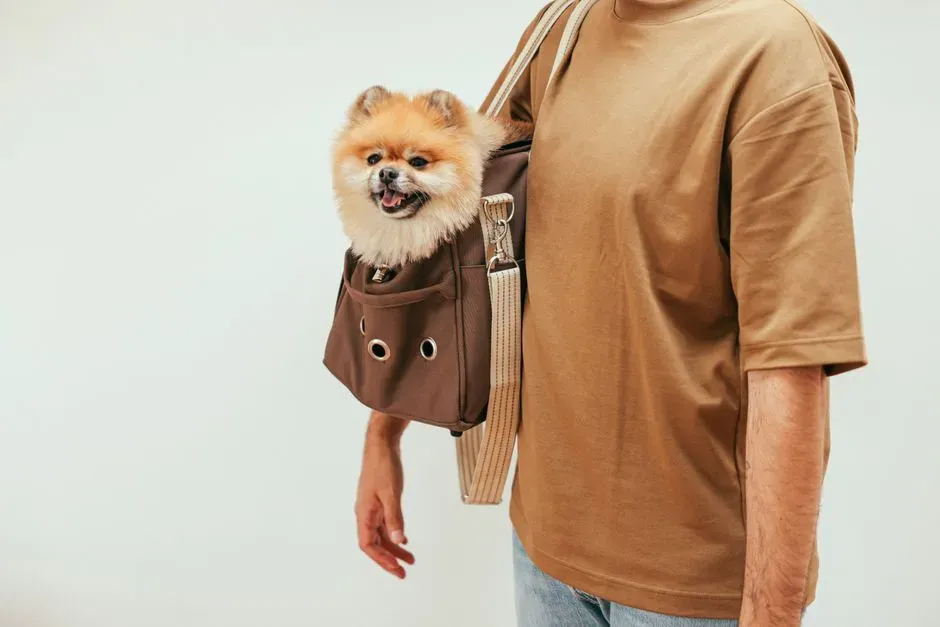
While most people fuss over their own overnight bag, smart older owners quietly keep a dog go-bag packed and ready to grab. It sounds dramatic, but it’s actually one of the most practical, low-stress moves on this whole list. Inside, they typically pack three to seven days of the exact food in labeled bags, a leash and harness, poop bags, a favorite toy or blanket, and copies of vet records, vaccine proof, and the microchip number.
The real genius is emotional, not logistical: scented items from home calm a dog faster than any calming chew on the market. A worn T-shirt, a usual blanket, that one loud squeaky toy they refuse to sleep without – these tell the dog, “You’re safe, this is still your life.” When someone steps in on short notice, grabbing that bag means the dog’s world travels with them instead of collapsing overnight.
Fast Facts
- 3-7 days of food packed in clearly labeled portions
- Leash, harness, and poop bags included
- Copies of vaccine records and the microchip number
- One worn item of clothing or blanket for scent comfort
#6 – Quietly Testing a “Sleepover” With the Backup Caretaker
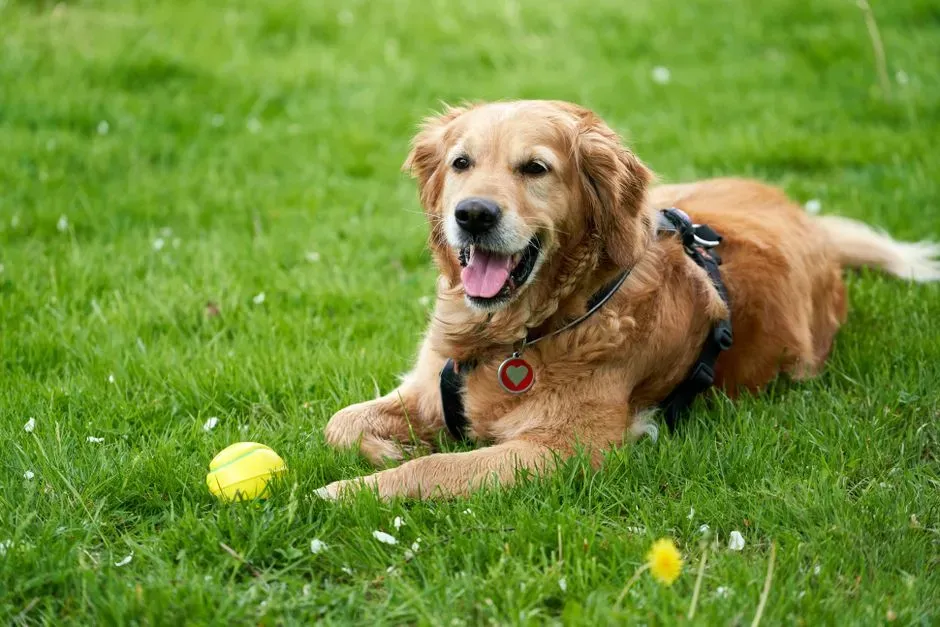
Most owners assume their dog “loves” the person who’ll take them in in an emergency. But love and actually living together peacefully are not the same thing, and plenty of owners learn that the hard way – at the worst possible time.
The savviest seniors run a real trial long before any hospital stay: a couple of daytime visits, then at least one overnight sleepover as a dry run. This reveals everything a phone call never could. Does the dog refuse to eat? Pace all night? Does the caretaker actually walk them, or just let them out into a tiny yard? Many owners are genuinely shocked to discover their “perfect plan” is a bad personality match. The trial also gives the caretaker permission to be honest – “he barks nonstop at my kids” is far better to hear now than while you’re stuck in a hospital bed unable to fix it.
#7 – Loosening the Bond So the Dog Isn’t “Owner-Dependent”
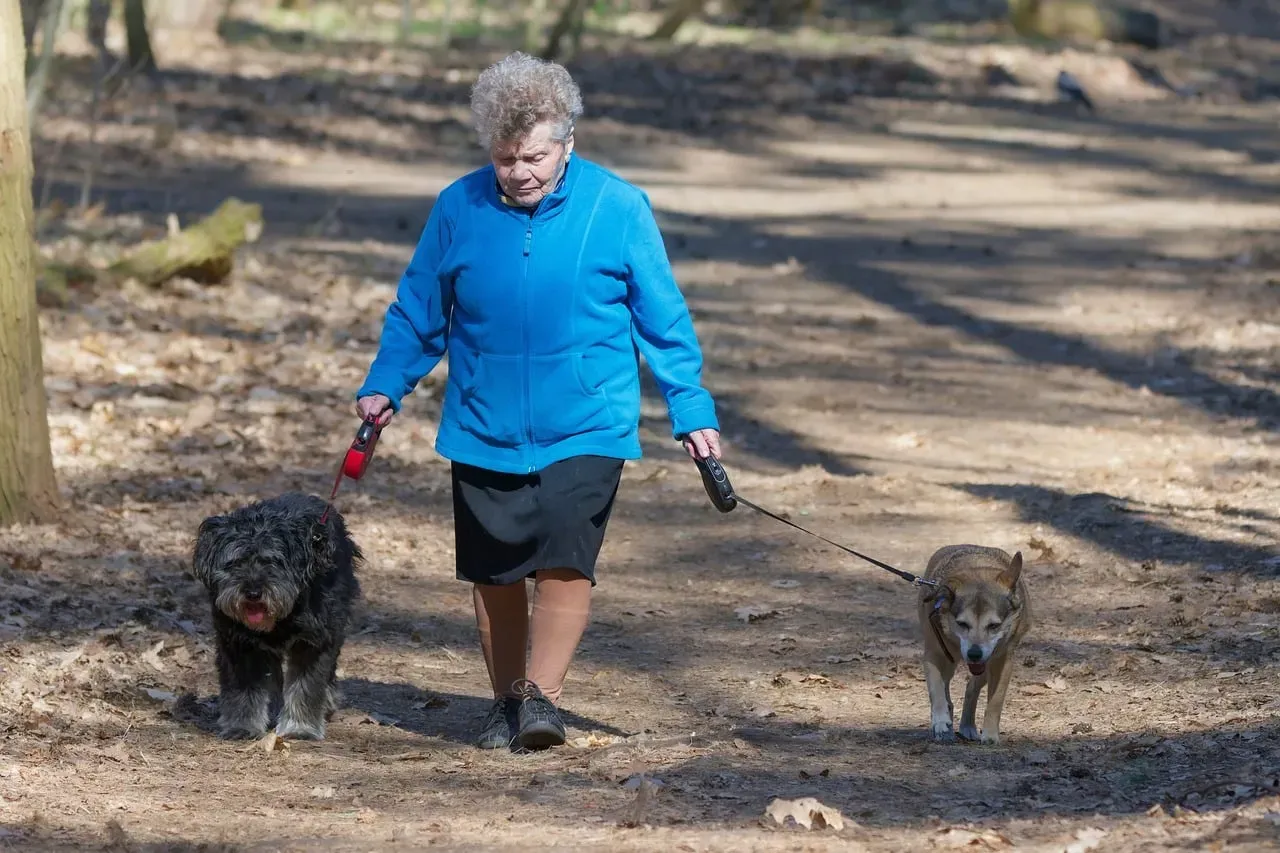
Here’s an uncomfortable truth: some seniors unintentionally make their dog so dependent on their presence that any separation feels like abandonment. Constant lap time, sleeping in the same bed every night, never being left alone – sweet, right up until an ambulance shows up unannounced.
Owners who think ahead start widening that comfort zone on purpose: short stretches with the dog in another room, some crate time or a bed away from their chair, occasional walks or feedings handled by a friend. This isn’t loving the dog less. It’s teaching them that other humans can be safe too.
Until one has loved an animal, a part of one’s soul remains unawakened.
Anatole France
Ironically, it’s often the dogs whose owners “couldn’t bear” to change a single routine who suffer the most when their person disappears suddenly.
#8 – Locking Down Food, Meds, and Allergies in Plain Language
In the real world, emergency caretakers are tired, stressed, and terrified of “messing up.” Complicated pill schedules and vet jargon don’t help anyone in that state. Owners who’ve been through a hospital stay before learn to simplify everything into plain, almost blunt language.
They spell out the exact food brand and portion, write medication instructions like “1 pill, morning, WITH food” instead of medical shorthand, and flag allergies in giant letters – “NO CHICKEN, causes vomiting” taped right on the food bin. The point isn’t to look organized. It’s to make the instructions idiot-proof at 11 p.m. when someone is panicking. The uncomfortable reality is that more dogs get sick from “helpful” changes during a transition than from actual neglect.
#9 – Updating Microchip and Tag Info to Match Reality

Plenty of seniors quietly assume the microchip from 2011 or the phone number on a faded tag will save their dog if it slips away from a caretaker. It won’t, not if that number belongs to a disconnected landline or an ex-spouse who moved years ago.
Prepared owners fix this before anything goes wrong. They confirm the microchip company has current phone numbers, add the caretaker as an alternate contact, and swap out worn tags for ones with a clearly readable number and city. Some even add a second tag reading, “If I’m loose, my owner may be hospitalized – please call [Caretaker Name].” That one line tells a stranger there’s context here, that this isn’t a dumped dog. It’s a small, boring task that quietly prevents a dog from ending up at a shelter while its owner assumes “someone” already called.
Worth Knowing
- Microchips only help if the registry has current contact info
- Most chip companies allow a free secondary emergency contact
- A second tag noting a possible hospitalization adds context for finders
- Tags should list a phone number and city, not just a name
#10 – Setting Clear House Rules So the Dog Isn’t a Menace to a New Household

Here’s the part people hate admitting: a lot of older owners let habits slide that guests simply won’t tolerate – jumping, nonstop barking, begging at the table. Those small annoyances can quietly kill an emergency foster arrangement.
The wisest owners over 70 start tightening things up before it’s needed: no more table scraps if the future caretaker has kids, cracking down on door-rushing before it knocks over a grandchild, practicing quiet time if the dog is a chronic complainer. They’re not turning into drill sergeants – they’re making their dog easier to love in someone else’s home. A dog that knocks over a frail neighbor or snaps over food gets “returned” fast when a hospital stay drags on. A well-mannered dog simply gets more second chances.
#11 – Building a Small Pet Emergency Fund So Money Never Becomes the Problem

Social media loves to romanticize “I’d do anything for my dog,” but money absolutely enters the conversation once you’re actually hospitalized. Most caretakers are willing to help, as long as they’re not suddenly financing someone else’s pet out of their own pocket.
Realists over 70 handle this three ways: they keep a small pet emergency envelope or account the caretaker can access, tell the vet outright, “use this card on file if this person approves treatment,” and write down what’s reasonable – okay with routine shots, no unauthorized $5,000 surgeries. This isn’t cold, it’s honest, and it stops resentment before it ever starts. The dogs who end up in the best hands are usually the ones whose owners removed the financial guesswork entirely.
Quick Compare
- Pet emergency envelope: quick cash access, no paperwork needed
- Card on file at the vet: caretaker only needs to approve, not pay
- Written spending limit: prevents surprise bills or resentment
#12 – Having the Honest Conversation With Family, Even When It’s Uncomfortable

Families love to say, “we’ll figure it out,” but behind closed doors, plenty of adult children genuinely don’t want to inherit a senior parent’s dog. Nobody says that out loud at Thanksgiving – they say it to each other once you’re already in the ICU.
Owners who actually protect their dog’s future ask the uncomfortable question directly: “Would you truly take Bella if I couldn’t come home?” They accept honest “no” answers instead of forcing guilt-driven promises, and they share the real plan – friend, neighbor, rescue group – so there’s no last-minute tug-of-war. This conversation often uncovers a surprise, like a niece who adores the dog but assumed someone else was already first in line. Clarity now prevents chaos later, even if it means the dog eventually goes to someone outside the family who actually wants them.
#13 – Pre-Arranging Boarding as a Failsafe, Not a Last Resort
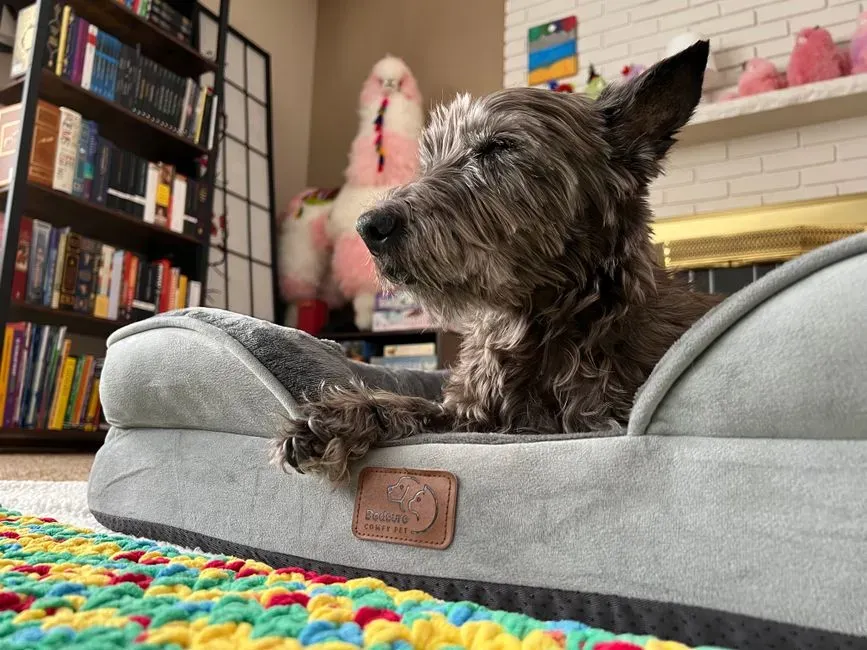
Some people bristle at the idea of boarding, as if it signals they don’t love their dog enough. Realists over 70 see it the opposite way: a paid, reliable backup beats “hoping” a neighbor happens to be free that week.
Quietly, they research local boarding facilities or vetted in-home sitters, do a trial day or overnight well before any health crisis, and keep vaccine paperwork current so drop-off is instant rather than a bureaucratic scramble. It’s rarely the first choice, but it’s a genuine failsafe when humans get sick, travel, or simply can’t step up. Because the dog has already met the staff, it doesn’t feel like being dumped in a strange kennel after a lifetime at home – and a good boarding facility is often kinder than an overwhelmed relative resenting every walk.
#14 – Pulling It All Together Into One “Dog Plan” Document
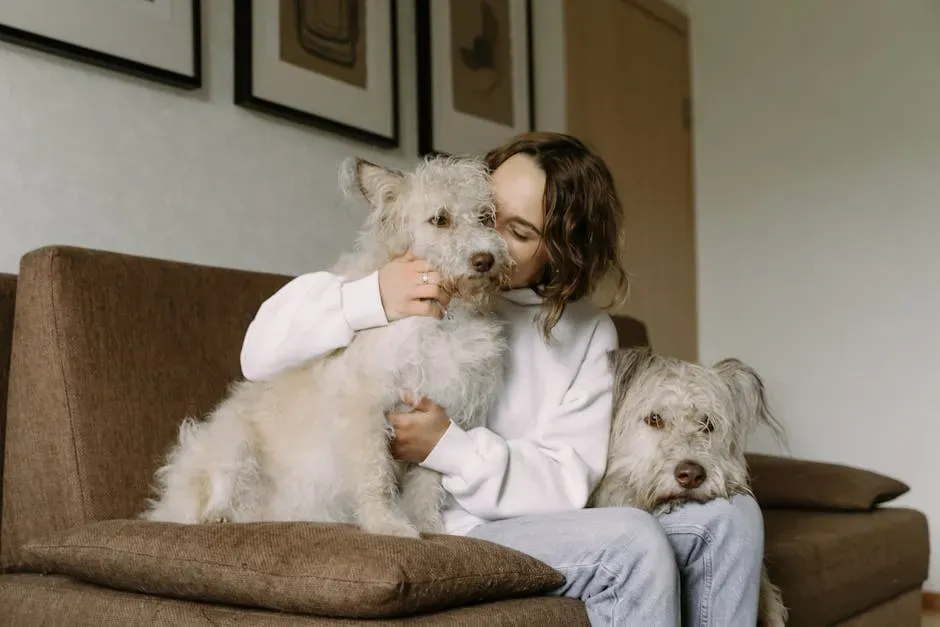
The most quietly prepared seniors don’t scatter instructions across a fridge, a drawer, and a neighbor’s memory. They build one simple “Dog Plan” document that pulls everything together into a single master key anyone can follow when emotions are high and time is short.
That document usually covers the dog’s name, age, microchip, and medical notes; the caretaker hierarchy from first call to long-term home; the daily routine, food, meds, and behavior limits; and exactly where the go-bag and extra supplies are stored. They print it, sign it, and tell at least two people where it lives – often in a bright folder by the front door with other important papers. It’s not a legal masterpiece. It’s a practical roadmap that turns “I hope my dog will be okay” into “I know exactly what happens next.”
At a Glance
- Dog’s name, age, microchip number, and medical notes
- Caretaker hierarchy from first call to long-term home
- Daily routine, food, meds, and behavior limits
- Exact location of the go-bag and extra supplies
The Bottom Line
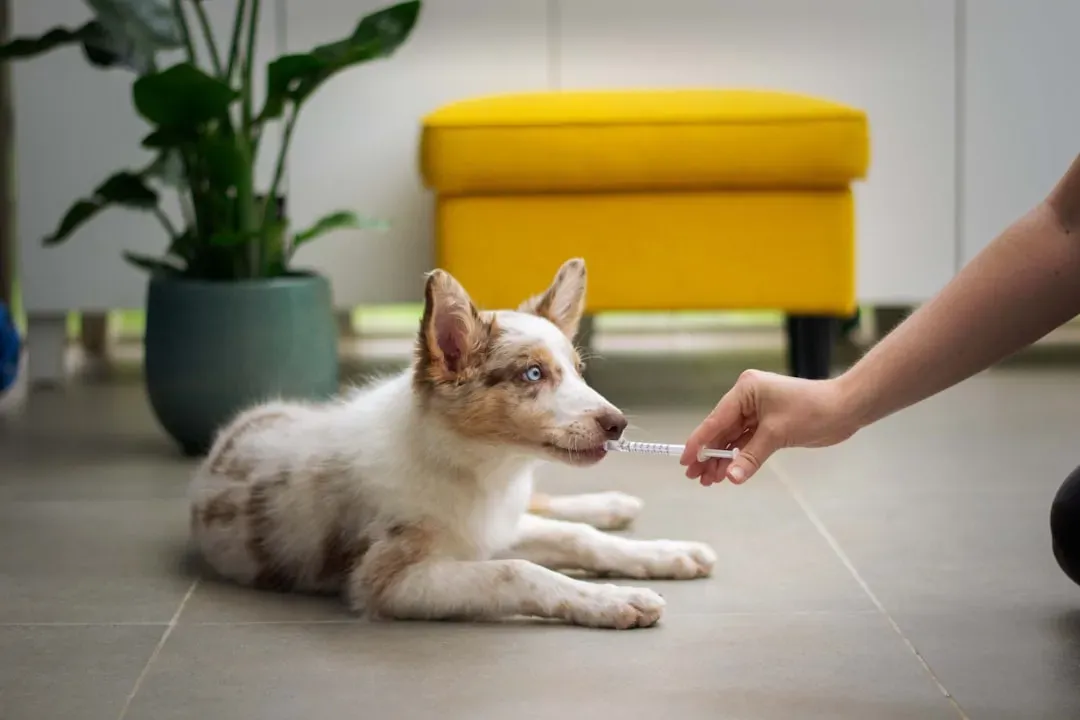
When owners over 70 quietly arrange all of this, they’re not being dramatic. They’re being honest about how fragile a dog’s routine really is once the one steady person in its life suddenly vanishes for a few days or weeks.
The real shock isn’t how much there is to do – it’s how much suffering comes from gaps that were entirely avoidable: no named caretaker, no money plan, no written instructions taped where anyone can find them. The dogs who land softly when their person goes into the hospital are almost never the ones with “the most love.” They’re the ones whose humans did the boring, unglamorous prep work long before anyone needed it.
Some will call this overkill. I’d argue the opposite is true: pretending everything will just work itself out is the real irresponsibility. So which side are you on, and what have you actually put in place for your own dog?


