
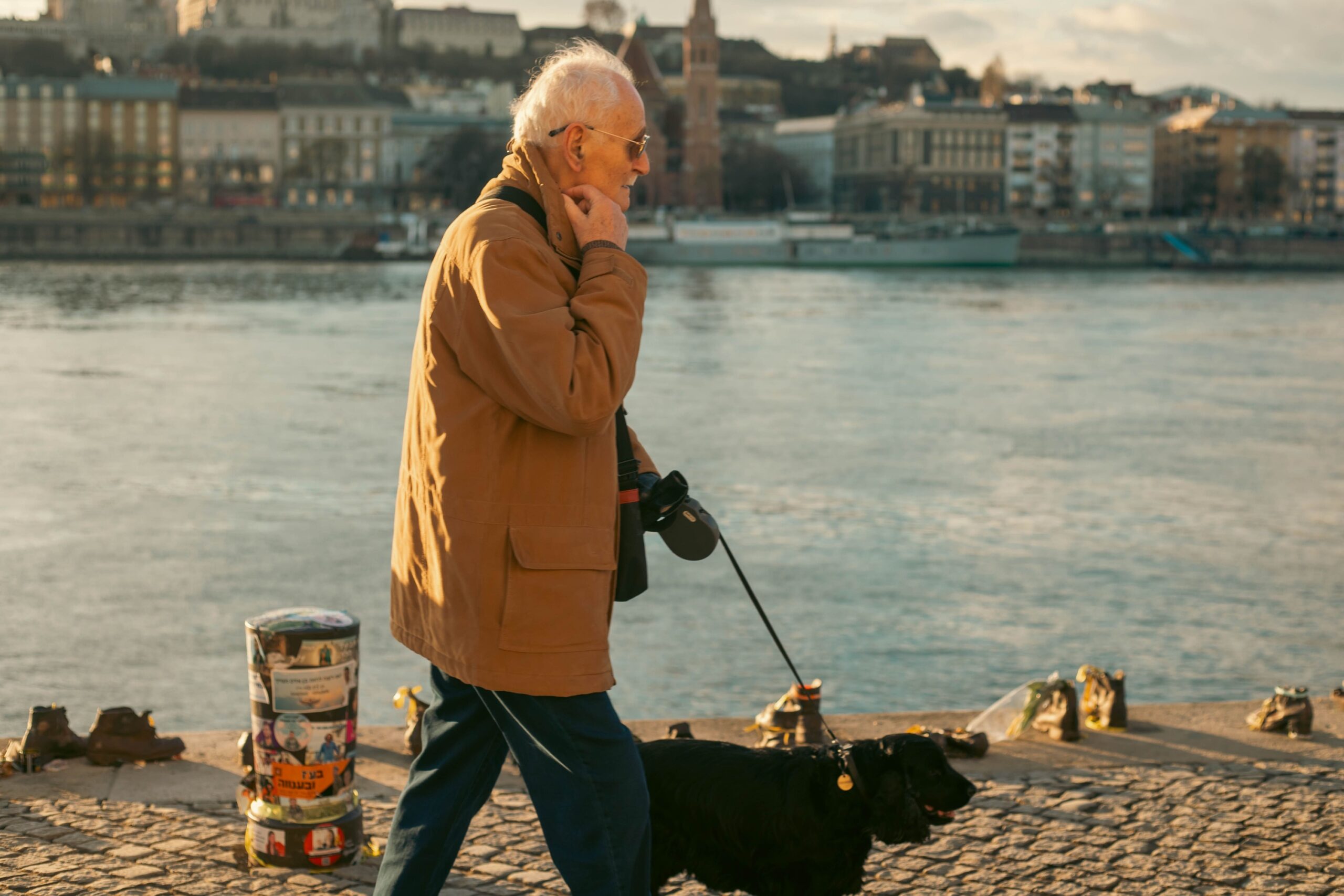
Everyone repeats the same comforting story about old dogs: they slow down, they nap more, they mellow out with age. It sounds sweet. It’s also mostly a lie we tell ourselves.
A lot of what gets filed away as “just getting older” is actually a dog quietly rewriting the rules of what their body and brain will allow – and almost nobody stops to ask why. Vets see the pattern constantly. Owners almost never do, because the changes creep in one ordinary Tuesday at a time, disguised as good manners or maturity. By the time someone notices, their dog has usually been hiding pain, fading senses, or a fraying brain for months. Here are the 14 things senior dogs quietly stop doing – and the real story hiding behind every single one.
#1 – They Stop Jumping Up to Greet You at the Door
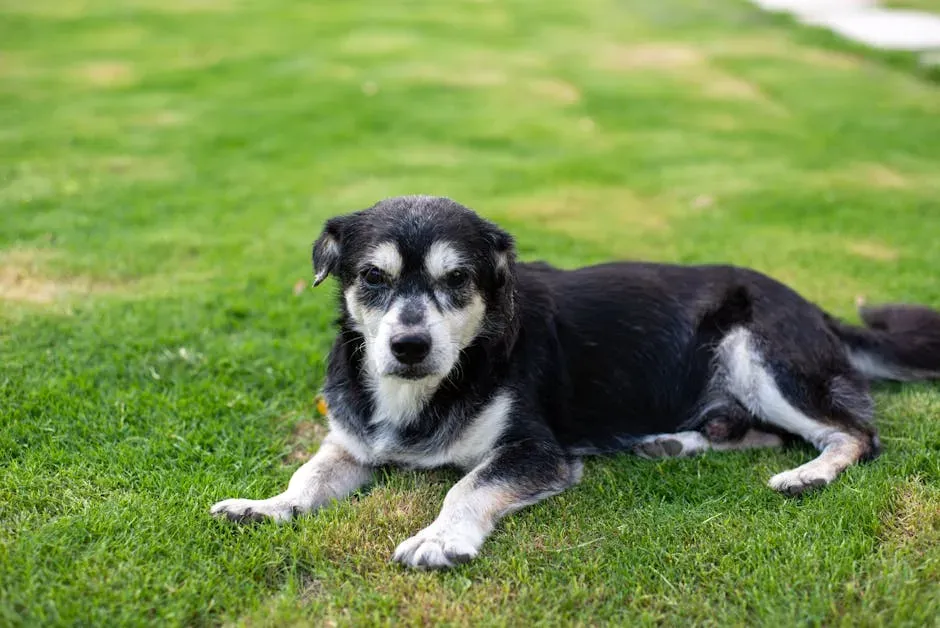
We love the wild, tail-wagging welcome of a young dog leaping into our arms. So when a senior dog suddenly stops racing to the door or launching onto the couch, most people just say, “She’s finally calming down.” In reality, this is often the very first quiet red flag of aging joints.
Dogs almost never choose to be less excited to see you – what changes is what their body will let them do. Arthritis, hip dysplasia, and spinal pain make launching upward feel risky and painful, so instead of jumping, they’ll hover, paw lightly at your leg, or wait for you to come down to them. Many owners read that as aloofness or emotional distance, when it’s really just physics and pain hiding in plain sight.
Fast Facts
- Osteoarthritis is common in older dogs, and canine arthritis affects 80 percent of dogs that are age 8 or older.
- One in five dogs shows signs of osteoarthritis by the age of one, so joint trouble isn’t only a “senior” problem.
- Dogs are adept at masking signs and symptoms, concealing either by being boisterous in nature or reluctant to show vulnerabilities.
- Stiffness after rest, a shortened stride, or hesitation before jumping are usually the earliest visible clues.
#2 – They Stop Trailing You From Room to Room
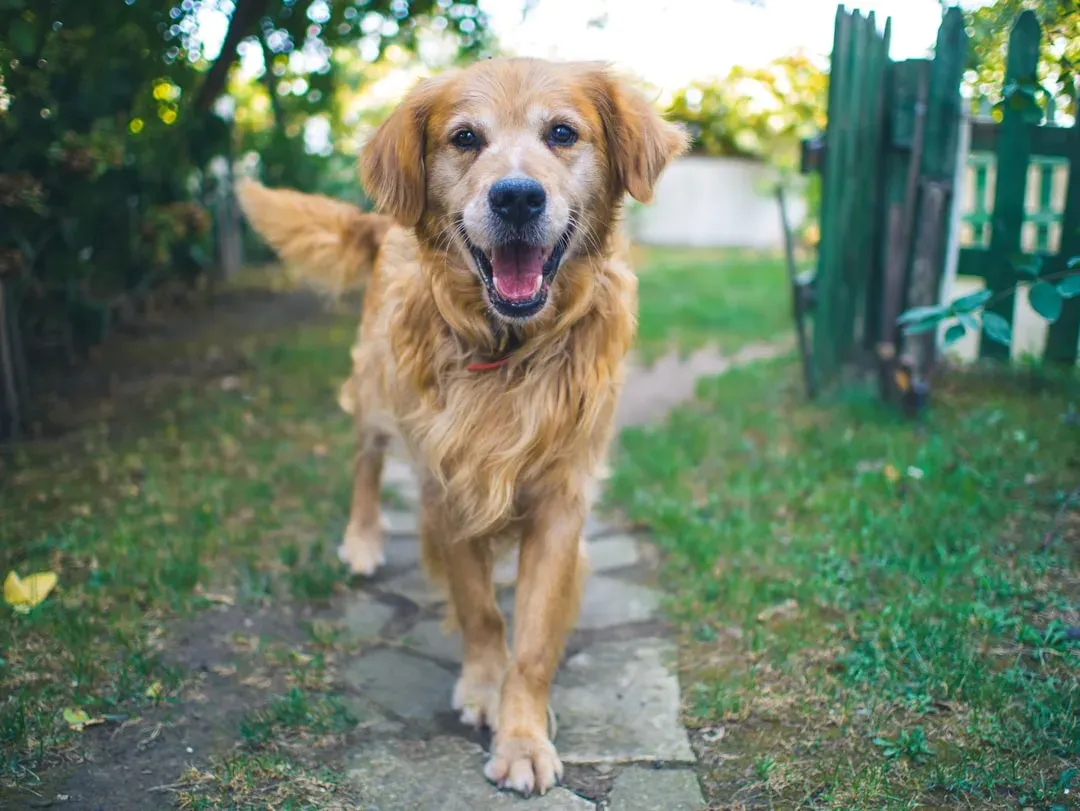
That little shadow who used to trail you into the bathroom and trip you in the hallway suddenly just… stays put. At first it looks like independence, or finally “understanding boundaries.” In a lot of older dogs, it’s something much less flattering.
They’re quietly calculating energy, stability, and the risk of slipping with every single step. Hardwood floors feel slick, stairs look taller, sudden turns can tweak a stiff back – so they pick a “safe base” and only move for things truly worth it, like food or bedtime. This shift can also hint at early cognitive decline, since a dog who used to track your every move may simply no longer be able to follow the pattern. When “wherever you go, I go” turns into “I’ll wait right here,” it deserves a second look, not a shrug.
#3 – They Stop Playing With Their Favorite Toys
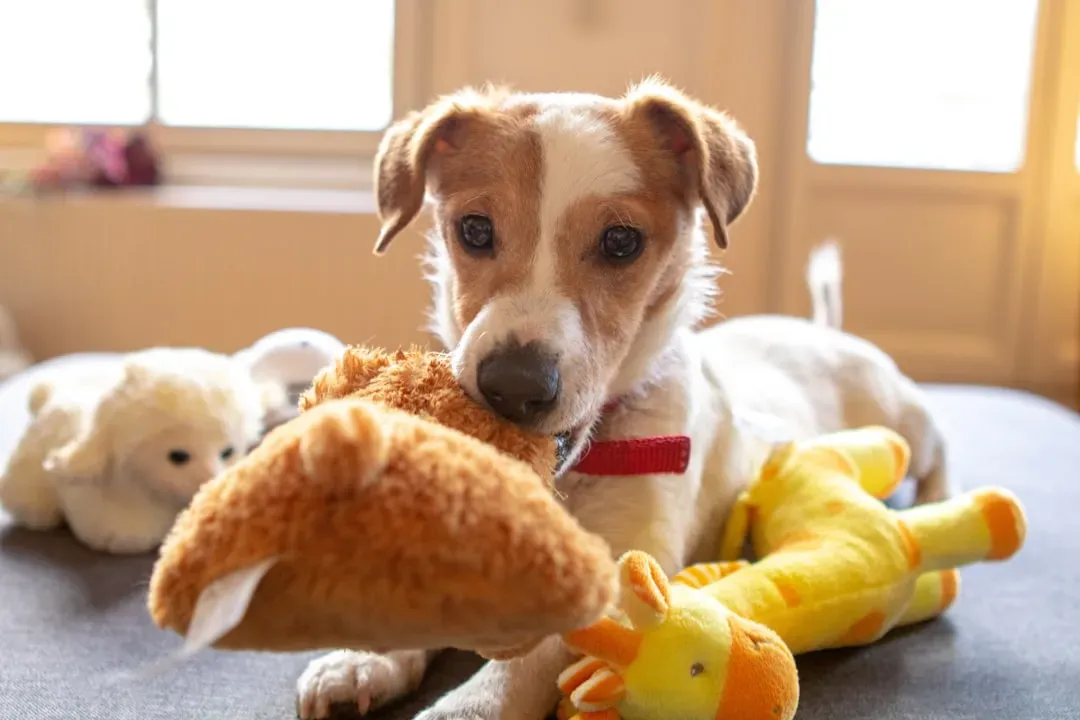
That squeaky duck they once “killed” every night? The tennis ball they’d chase until they collapsed? One day your senior dog walks right past it like it isn’t even there, and most owners write it off as “He’s just over toys now.”
Loss of play drive is actually one of the clearest windows into how an older dog really feels. Sometimes it’s physical – stiff jaws make tugging painful, arthritic paws hate sudden twists to grab a toy. Sometimes it’s sensory, since fading vision means they can’t track a flying ball anymore. And sometimes it’s neurological: dogs with early cognitive dysfunction genuinely forget games they once loved. Softer toys, easier games, or stationary play can bring back a small glimmer of the joy that never actually disappeared, just got buried.
#4 – They Stop Climbing Onto the Furniture They Used to Rule
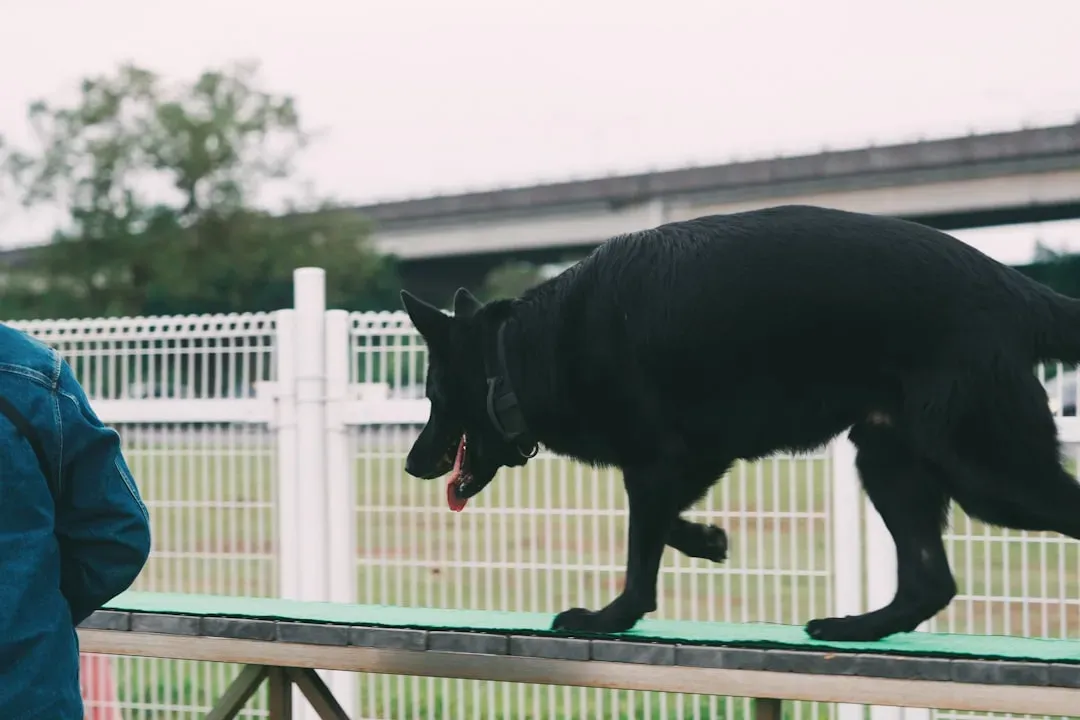
A young dog treats the couch like a throne. A senior dog suddenly prefers the floor, and nobody questions it. Owners say, “She’s being so good now,” and even feel relieved – but underneath that “good behavior” is often a dog hiding a painful truth.
Getting on and off furniture now feels like jumping off a moving truck. The up-and-down impact hammers aging hips, knees, and elbows. Some dogs do a genuinely heartbreaking thing: they stand facing the couch, measure the distance, and quietly give up. Others get stuck halfway, scrambling with their back legs. That’s not manners – that’s mechanical failure, and a simple ramp or step stool can hand their favorite spot right back to them.
#5 – They Stop Begging for Walks
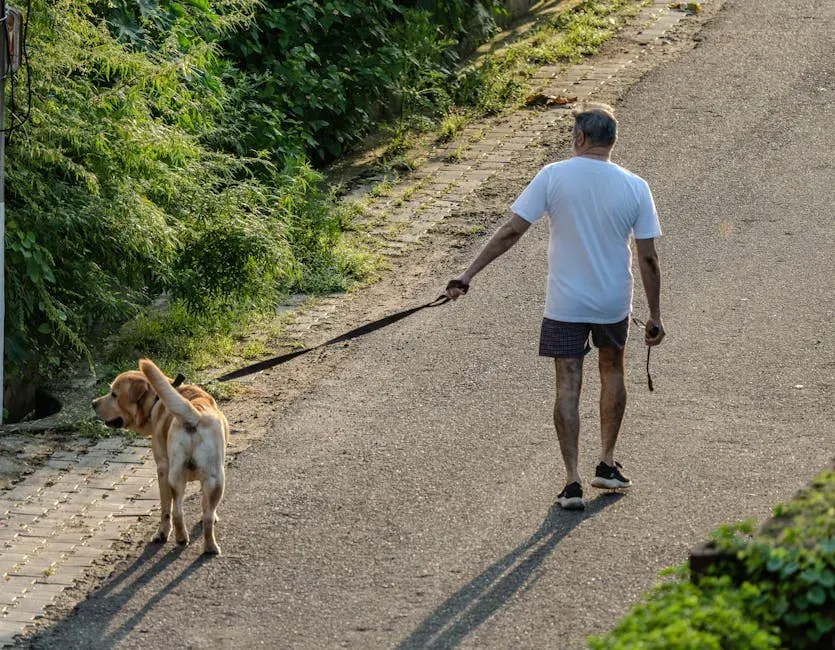
Everyone recognizes the young dog who explodes with joy at the word “walk.” So when a senior dog barely lifts their head at the leash, people casually say, “He’s over walks now.” That’s rarely the full story.
Most dogs are hardwired to explore, so losing that drive is a warning sign, not a personality upgrade. Pain is the obvious culprit – hard pavement pounds on arthritic joints, uneven ground feels risky. But there’s also sensory overload: a dog with fading hearing or vision may find the outside world confusing, even a little frightening, as bikes and barking dogs become impossible to track. Shorter, softer routes at cooler times of day aren’t giving up on walks – they’re meeting a dog where they actually still are.
#6 – They Stop Jumping Into the Car
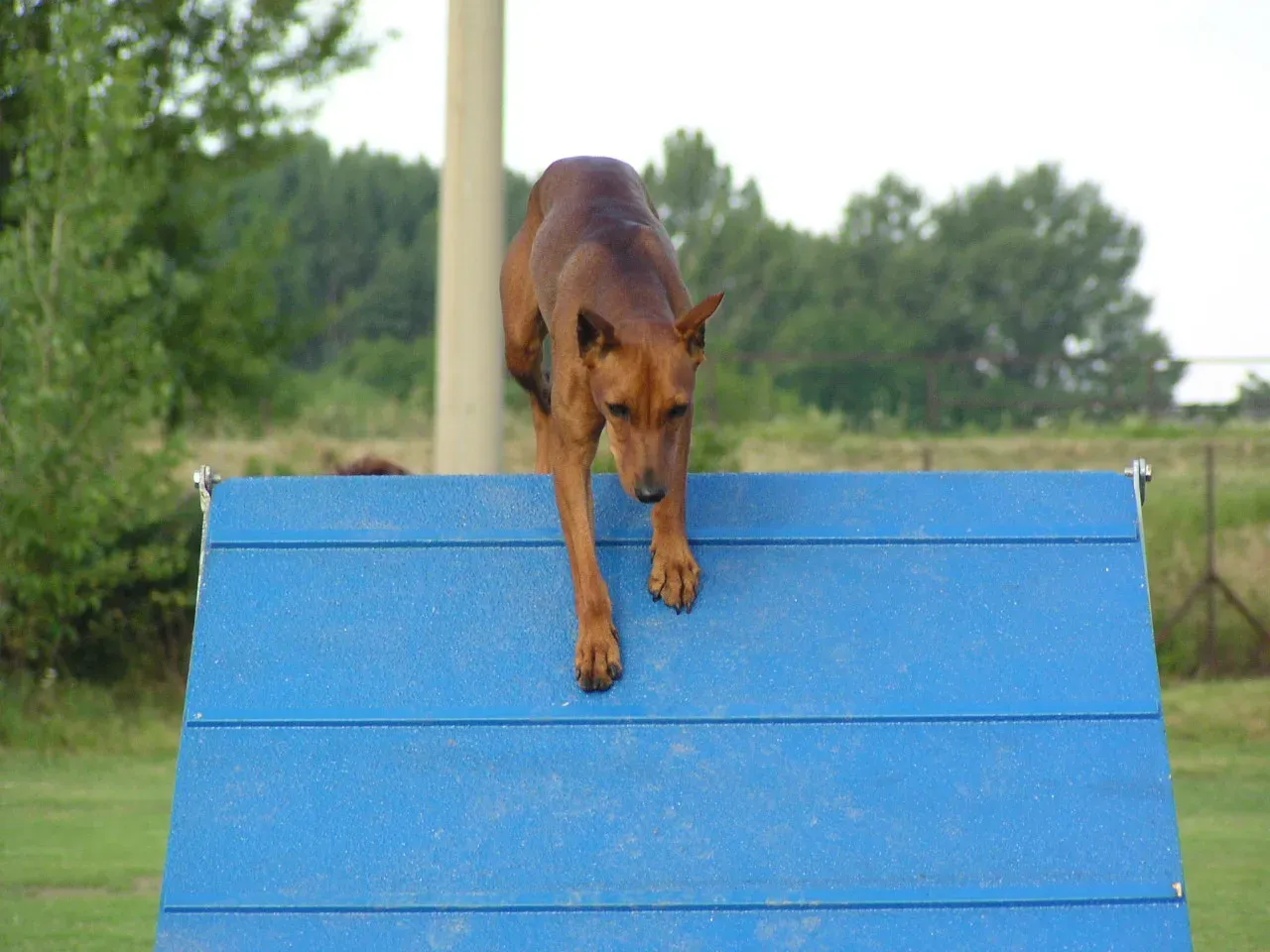
Owners often celebrate this one: “He finally stopped launching himself into the car and knocking everyone over!” The uncomfortable truth is that most senior dogs don’t stop car-jumping because they suddenly respect your personal space.
They stop because what used to be a simple leap now feels like a high-risk stunt. Jumping into an SUV means loading all their weight onto back legs and landing hard on the front shoulders – brutal for a dog with hip arthritis or cruciate wear. Some will still try, but you’ll notice slipping, scrambling paws, or a wince afterward. That’s your warning shot, and a ramp isn’t a luxury item – it’s basic safety gear for a body that’s done pretending.
#7 – They Stop Barking at Everything – or Start Barking at Nothing
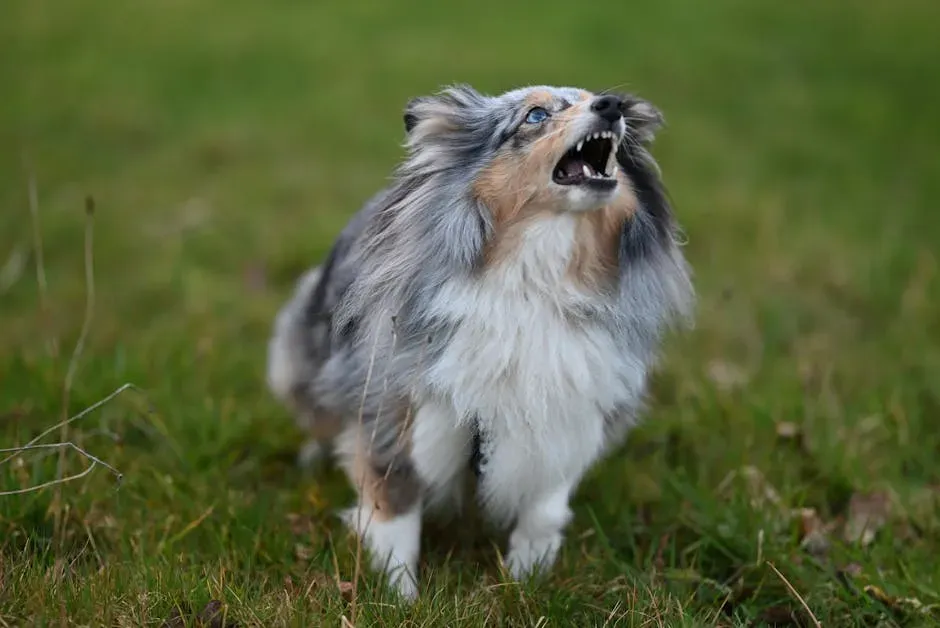
This one divides people. Some owners are thrilled when their “doorbell maniac” finally goes quiet. Others are baffled when a once-chill dog starts barking at empty corners at 2 a.m. Both shifts are red flags, not quirks.
A dog who stops reacting to knocks or doorbells probably isn’t “finally trained” – they likely can’t hear them anymore, and hearing loss in dogs is so gradual that owners rarely catch it in real time. On the flip side, a dog barking at shadows may be dealing with cognitive dysfunction, vision changes, or new anxiety they can’t fully interpret. In both cases, the honest question isn’t “what’s wrong with his behavior” – it’s “what’s changed in how he hears, sees, or processes the world.”
Quick Compare
- Sudden silence: Missed doorbells and ignored car doors usually mean hearing loss, not better manners.
- New barking at nothing: Barking at empty corners or shadows often points to cognitive changes, vision loss, or new anxiety.
- What stays the same: Both patterns are sensory or neurological shifts, not a personality change.
- What helps: A hearing and vision check, plus a conversation about cognitive health, uncovers the real cause faster than guessing.
#8 – They Stop Sleeping Through the Night
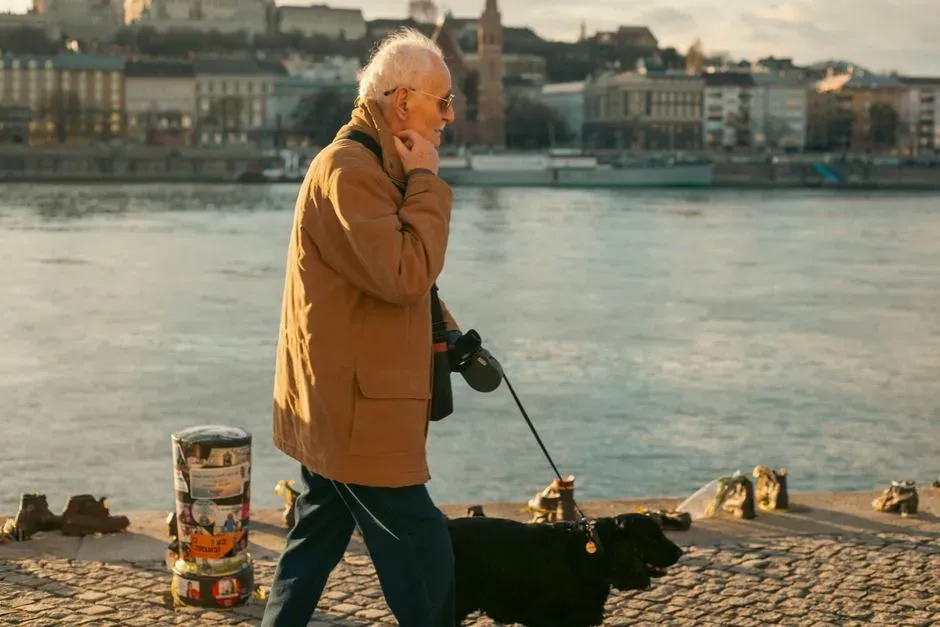
Everyone expects a puppy to disrupt their sleep. Almost nobody questions it when a senior dog starts pacing at 3 a.m., or simply stands in the dark, staring at nothing. It gets brushed off as “old dog weirdness.”
In reality, nighttime changes are one of the loudest cries for help an elderly dog ever gives. Joint pain often worsens as the body cools, cognitive dysfunction scrambles the internal clock, and increased thirst from kidney disease or diabetes can trigger frantic middle-of-the-night wandering. Some dogs pace because they’re anxious and disoriented – they genuinely can’t remember how to settle. Vets can often fix this dramatically with pain control or medication, but only once someone stops calling it “annoying” and starts calling it what it is.
#9 – They Stop Eating With Their Old Enthusiasm
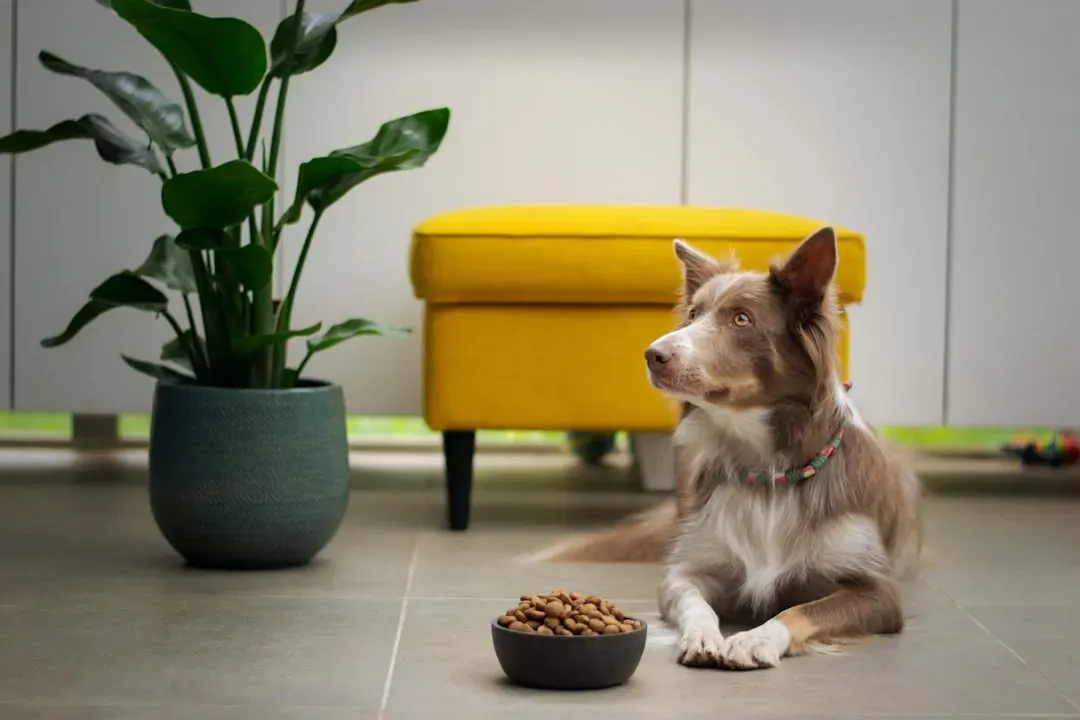
When a once-food-obsessed dog starts picking at meals or walking away from a full bowl, people chalk it up to “smaller appetite with age.” That’s a comforting story, and it’s also a dangerous one.
Dental pain is a huge, hidden factor – broken teeth or infected gums can make every crunch feel like chewing glass, so they nibble or drop kibble instead. Nausea from kidney or liver disease can make food unappealing, and even a dog’s sense of smell fades with age, turning a favorite meal bland overnight. Elevated dishes, softer food, or warming meals can help, but only after a vet rules out something serious. “He just eats less now that he’s older” is often the sentence standing between a family and an actual diagnosis.
Worth Knowing
- Dropping food, chewing on one side, or bad breath often points to dental pain, not pickiness.
- Sudden appetite loss paired with increased thirst can signal kidney or liver issues that need prompt testing.
- A softened, warmed, or elevated meal can make eating easier without masking a bigger problem.
- Any appetite change lasting more than two or three days is worth a vet call, not a wait-and-see approach.
#10 – They Stop Wanting to Be Touched a Certain Way
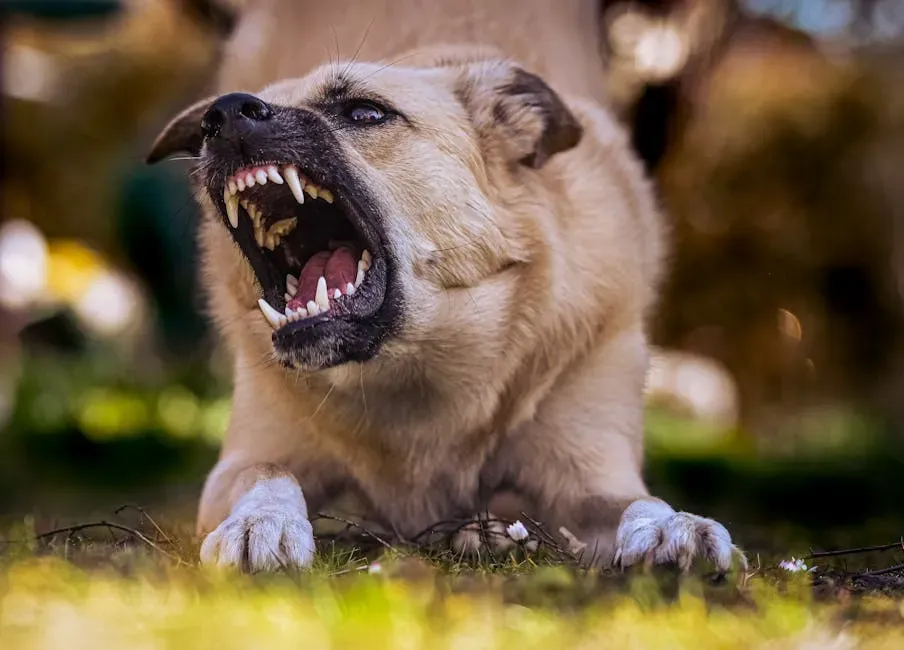
A lot of families miss this one because it looks polite on the surface. The dog who once flopped into your lap for belly rubs suddenly stiffens when you touch their hips, or moves away from a hug. Many people call it “grumpiness” or newfound independence.
In older dogs, withdrawal from touch is far more often about pain than personality. Arthritic joints hate pressure, sore backs hate heavy hands, and dogs with neurologic issues can find certain touches genuinely startling. This is exactly where bite risk quietly climbs – a dog who once tolerated anything may now growl when pushed past a new, invisible limit. That’s not a dog “turning mean.” That’s a dog finally protecting themselves after years of staying quiet.
Such short little lives our pets have to spend with us, and they spend most of it waiting for us to come home each day.
John Grogan
#11 – They Stop Exploring New Places
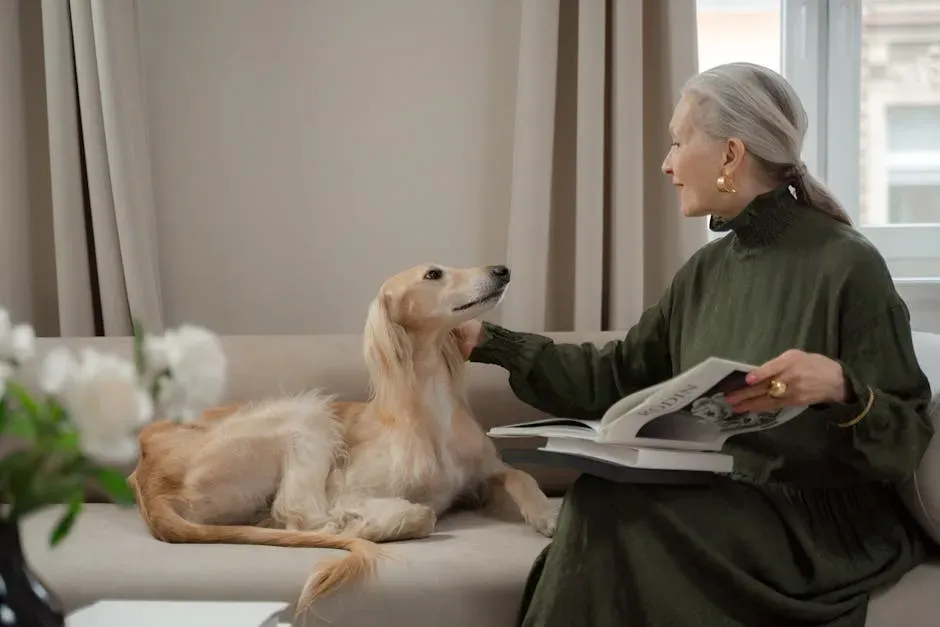
Remember when your dog dragged you down every new trail and into every shop with an open door? Senior dogs often reverse that completely, sticking to familiar routes and freezing up in busy environments. Owners call them “homebodies now,” and even praise the change.
Underneath it, you’re often watching a nervous system that’s simply maxed out. As vision and hearing fade, new environments become puzzles missing half their pieces, and cognitive decline makes mapping unfamiliar space feel unsafe. The real tragedy is when people decide the dog “grew out of needing enrichment” and stop offering any at all. Gentle, low-stress novelty – quiet parks, slow sniff-walks – still matters deeply to a mind that’s working harder than it looks.
#12 – They Stop Holding Their Bladder Like They Used To
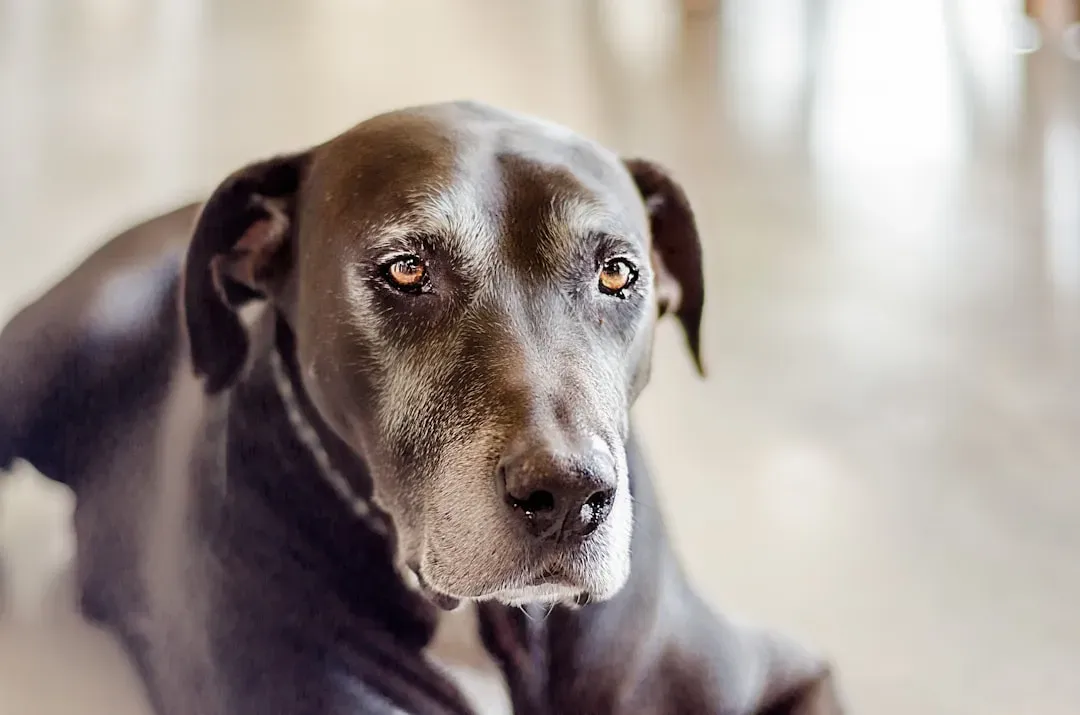
Accidents in the house are one of the most blamed and least understood senior dog changes. Families get frustrated, assume laziness, and decide the dog “just isn’t trying anymore.”
Continence is actually one of the last things a dog wants to lose – and one of the first things humans punish them for. Weakened muscles, arthritis that makes squatting painful, kidney disease, and cognitive dysfunction can all quietly break the system that used to work flawlessly. Punishing a dog for this doesn’t fix anything; it just raises their anxiety and makes the problem worse. When a housetrained senior suddenly starts having accidents, the only sane response is a vet visit and a little compassion, not anger at the carpet.
#13 – They Stop Reacting to Loud Noises They Used to Hate
Fireworks, thunderstorms, the vacuum – the classic triggers. Many owners breathe a sigh of relief when their noise-phobic dog suddenly “outgrows” the panic. No more shaking, hiding, or drooling through a storm. It feels like a win.
It isn’t one. In most older dogs, disappearing noise anxiety is less about bravery and more about deafness creeping in. The suffering doesn’t vanish, it just changes shape – deaf dogs startle more easily at sudden visual movement and become more anxious when they lose track of their people. Celebrating the loss of fear while ignoring the loss of hearing is one of the quiet cruelties baked into how we talk about aging pets.
#14 – They Stop Acting Like Themselves
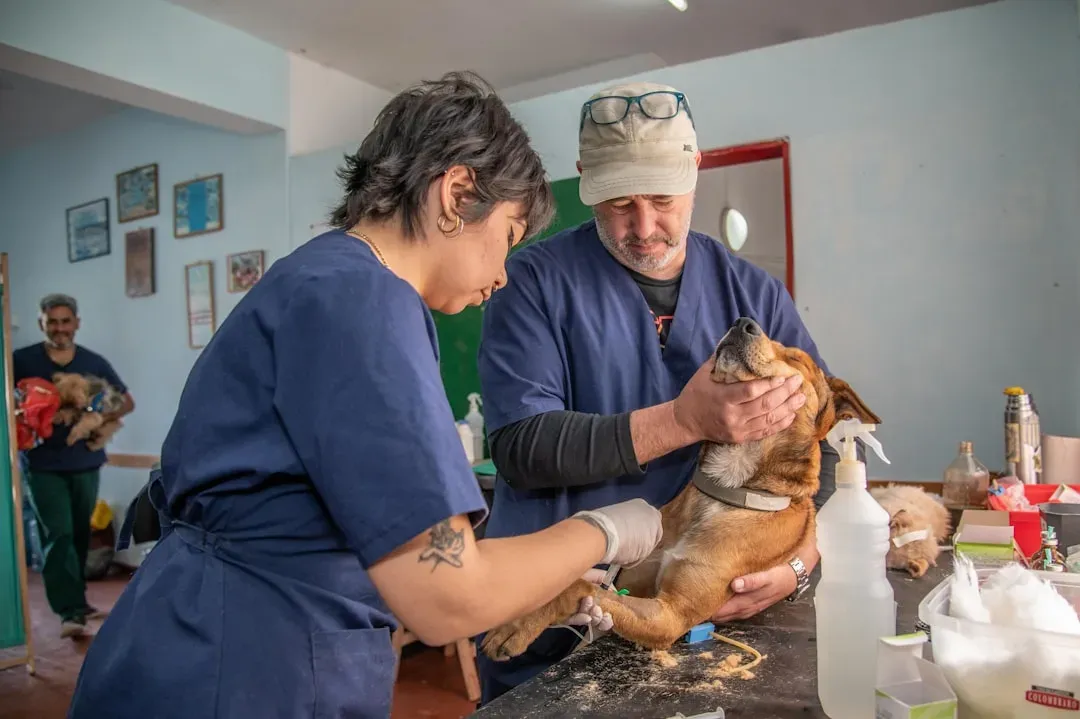
This is the one nobody wants to say out loud. Owners describe it in pieces: more clingy, less interested in family chaos, staring at walls, seeming lost in their own routine. “She’s just not her old self,” they say, and then quickly change the subject.
When an older dog’s entire vibe changes, it’s rarely just a mood swing – it’s often the brain, the body, or both quietly asking for help. Canine cognitive dysfunction isn’t rare, we just don’t like naming it, and disorientation, shifted sleep cycles, and lost house training are classic signs. Pain and chronic disease can erode a personality from the edges until what’s left feels like a familiar ghost. Pretending it’s “just old age” is easier for us. It is never easier for them.
At a Glance
- Cognitive dysfunction affects about 28% of dogs aged 11 to 12, rising to 68% of dogs aged 15 to 16.
- Yet the incidence of CCD is expected to be around 14% in dogs eight and older, while less than 2% have actually been diagnosed with this medical condition.
- Clinical signs commonly include inactivity, inattention, anxiety, incontinence, wandering, and sleep-wake cycle disorder.
- There’s no cure, but therapies like environmental enrichment, dietary change, supplements, and psychoactive drugs have been shown to delay progression and improve behavioral signs.
Senior dogs rarely “just get old.” They stop jumping, playing, walking, and even acting like themselves for reasons that are almost always physical, sensory, or cognitive – never because they’re suddenly lazy or “over it.” We normalize suffering by calling it slowing down, and we congratulate ourselves on how well-behaved they’ve become while they quietly struggle a few feet away from us.
Here’s the opinion part, and I’ll say it plainly: praising a senior dog’s new calm without questioning where it came from is a failure of attention, not an act of love. The most loving thing you can do isn’t celebrate the silence – it’s investigate it. Pain management, small environmental fixes, and honest vet visits can hand a dog years of real comfort instead of a slow, silent fade that everyone around them mistook for peace.


