
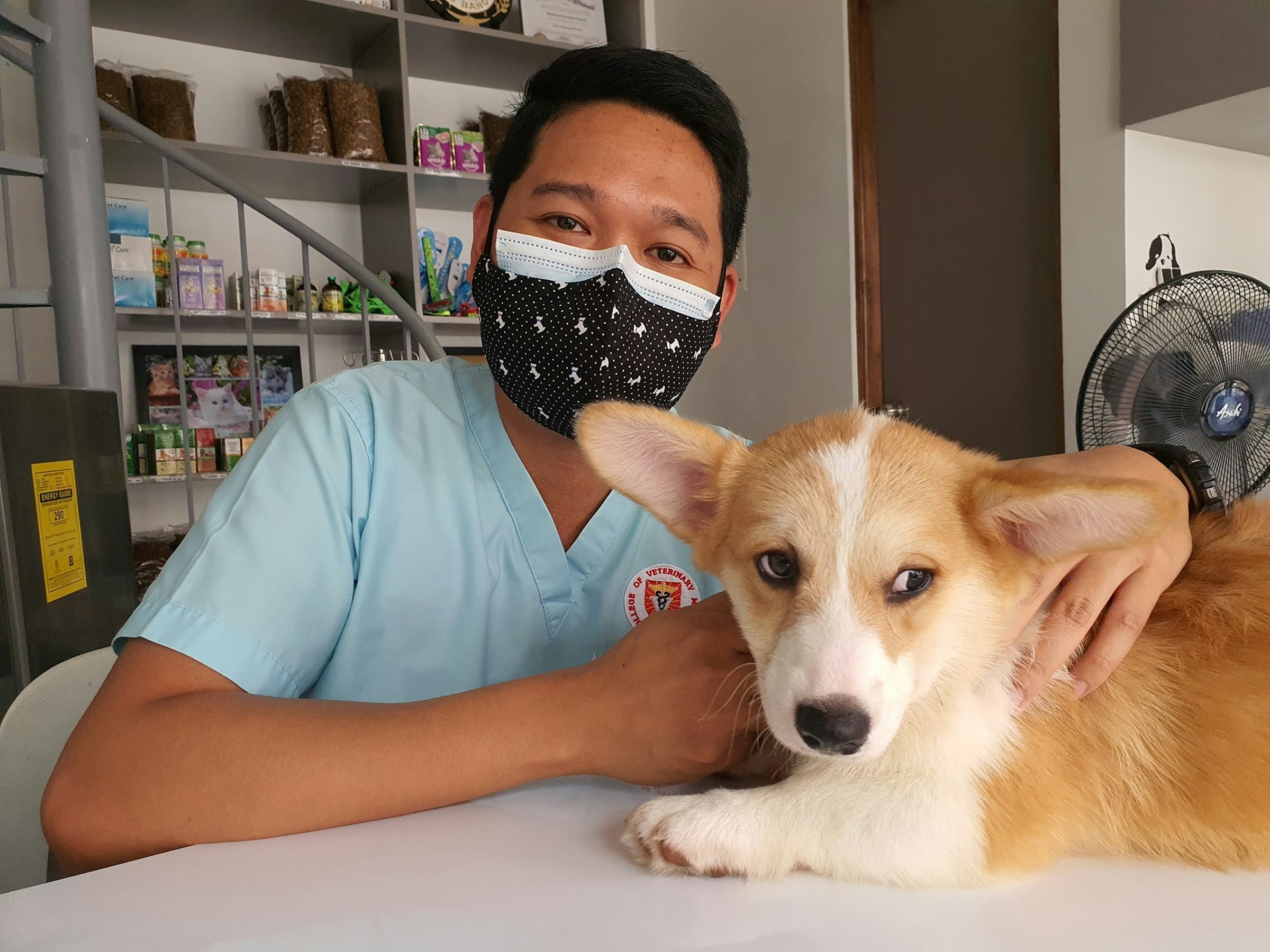
Nobody flinches at the vaccine appointment. Nobody panics over the $60 nail trim. The moment that actually breaks people is the one nobody warns them about: the four-figure invoice that shows up after a “routine” emergency, handed over by a vet who looks almost as tired as you feel.
Here’s the part that stings even more. Vets see this exact scene play out weekly, and most of it was preventable months or even years earlier with a few boring, unglamorous choices nobody tells new pet owners to make. This isn’t a guilt trip. It’s the list vets wish they could hand you before you’re standing at the front desk doing math in your head.
#1 – Your “Cheap Puppy” Is Usually a $10,000 Commitment
Vets will tell you bluntly: the adoption fee is the cheapest part of owning a pet. That $150 shelter dog or “free” kitten can quietly turn into five figures over a lifetime of routine care alone.
First-year vaccines, spay or neuter, parasite prevention, food, and the odd emergency add up fast, and most owners only budget for the first two. Vets quietly watch people crumble when a totally normal $600 to $1,200 procedure appears out of nowhere, especially with large breeds, flat-faced dogs, or trendy designer mixes that were sold on cute, not on cost.
Fast Facts
- Adoption fees usually range from $50 to $700, but “designer” or purebred puppies can run $1,500 to $7,000 upfront.
- First-year costs, including vaccines, spay or neuter, and supplies, commonly land between $1,200 and $4,400.
- Lifetime cost estimates for a dog typically fall between $20,000 and $55,000, depending on size and health.
- Cats tend to run a bit cheaper over a lifetime, usually landing somewhere between $15,000 and $45,000.
#2 – The Real Emergency Isn’t Your Pet. It’s Your Lack of a Plan.
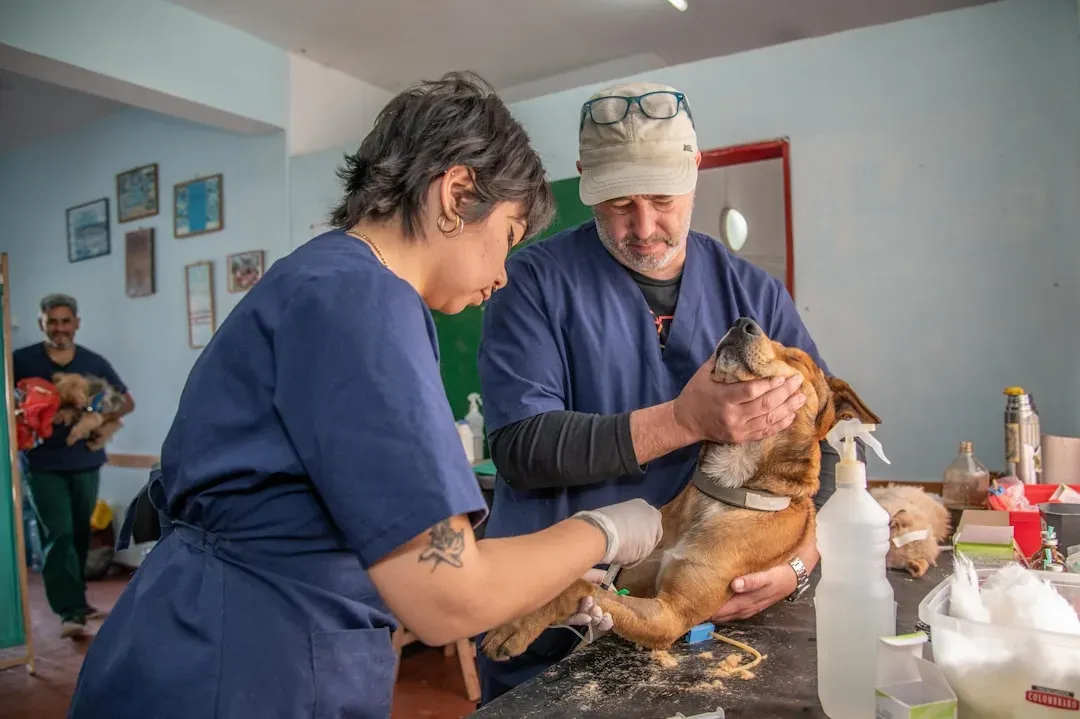
By the time you’re in the ER at midnight, your options are already limited. Vets see this every single weekend: a critically sick pet, a terrified family, and no money set aside, no insurance, and no idea what any of this actually costs.
That’s when the conversation shifts from “how do we fix this” to “what can you afford, if anything,” and it’s agonizing for everyone in the room. A blocked cat or a foreign-body surgery can easily run $2,000 to $5,000, and that’s not some rare freak event. It’s a routine Tuesday. Vets wish owners treated emergencies as a “when,” not an “if,” starting the very first week they bring a pet home.
#3 – Pet Insurance Only Works If You Buy It Before There’s a Problem

Owners love to call vets greedy when they can’t cover a $3,000 surgery, then announce they’re “getting insurance after this.” Vets bite their tongue because that’s simply not how it works. Once a pet has an issue, it’s usually a pre-existing condition and excluded forever, no matter which company you pick.
What vets secretly wish more people did is buy a solid accident-and-illness plan in the first few months of a pet’s life and just keep paying it, even when nothing’s wrong. The families who did are the ones saying yes to gold-standard care instead of Googling low-cost euthanasia after an accident. Plenty of vets consider skipping early insurance one of the most expensive mistakes a new owner can make.
#4 – “Routine Care” Is Your Cheapest Bill, Until You Skip It
A lot of people think they’re being smart by dodging annual exams or vaccines to save a little money. Vets see the exact opposite play out constantly: the pets who miss basic preventive care are the ones who come back with the biggest bills.
That skipped $90 exam quietly becomes a $2,000 dental, a diabetic crisis, or a life-threatening infection that could’ve been caught months earlier. Early disease usually looks boring, a little weight loss, mild bad breath, drinking more water, and owners shrug it off until the pet suddenly “crashes.” Heartworm, parvo, severe dental disease, and tick-borne illness are almost never bad luck. They’re the direct cost of skipped prevention.
#5 – The Phone Estimate Is Not a Contract, and It’s Not a Scam
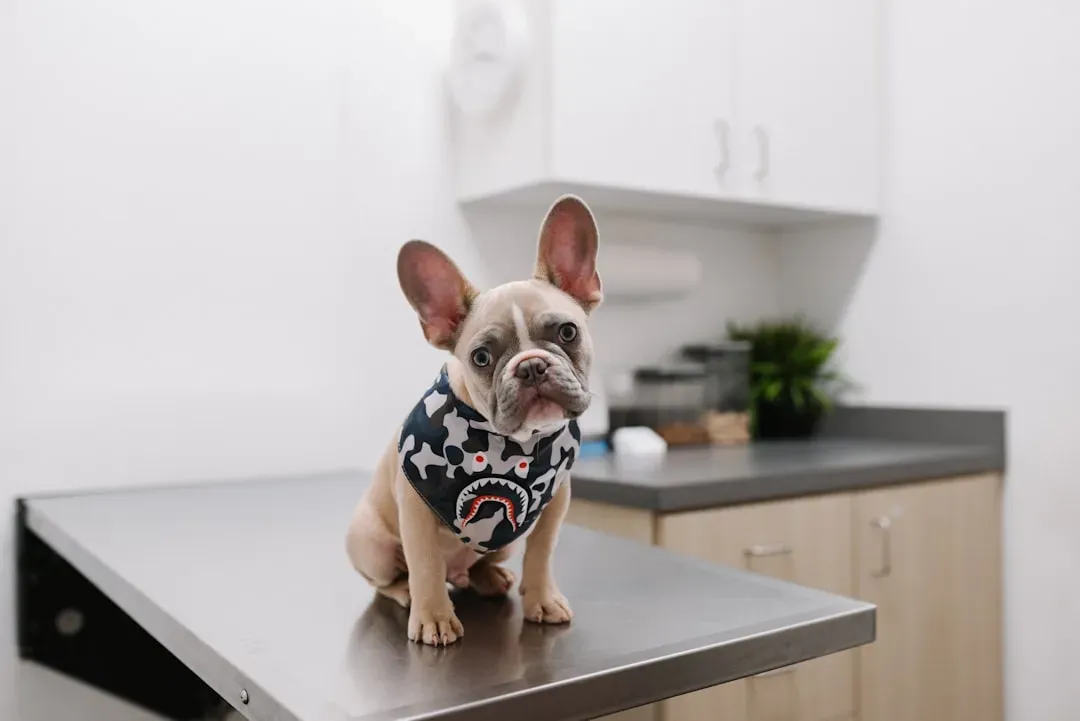
One of the most common fights in any clinic: “You said $500 on the phone, and now it’s $1,200!” Owners forget those numbers are ballpark estimates, often given before anyone has even laid a hand on the pet. Once bloodwork, X-rays, or complications enter the picture, the number moves, not because someone’s gouging you, but because the problem turned out bigger than it sounded.
Vets wish owners understood that medicine isn’t a menu, it’s detective work. Nobody can predict how a pet will respond to anesthesia or what else they’ll find until they actually start. Good clinics walk you through a written estimate range and get your approval as things change, and the owners who stay calm are simply the ones who expected a range instead of a fixed number.
#6 – Your Vet Is Not Getting Rich Off That Invoice
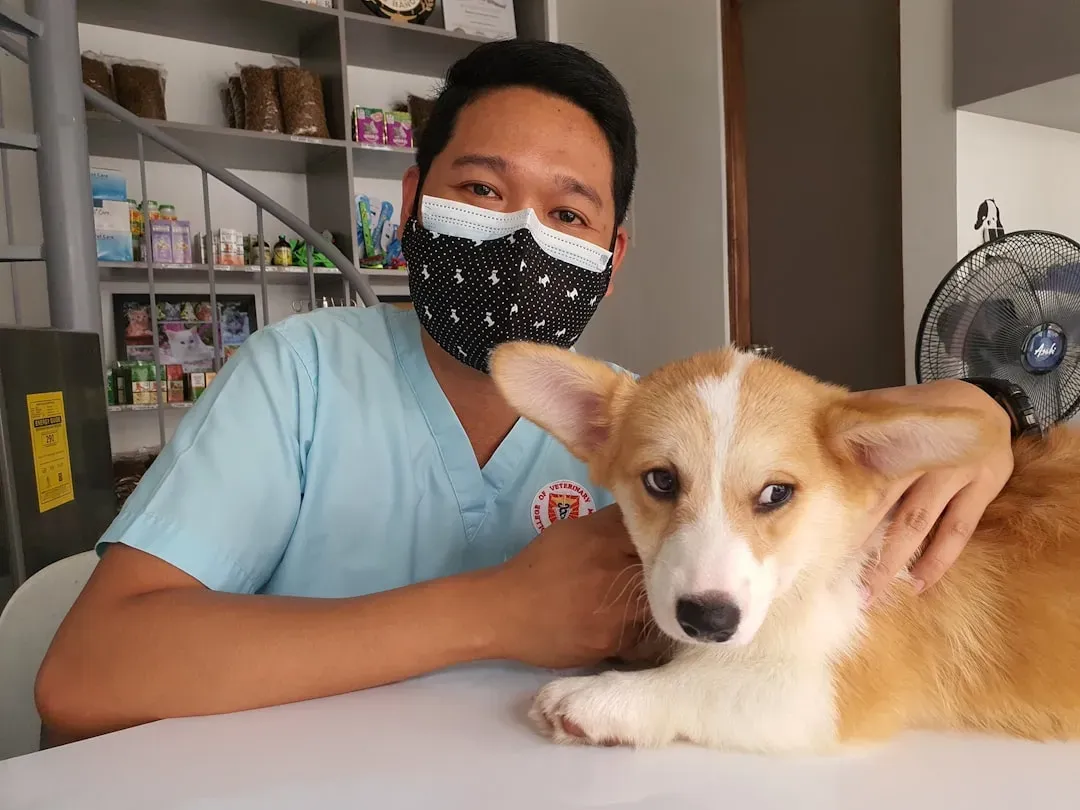
There’s a popular myth floating around that vets are swimming in cash every time your card gets swiped. Meanwhile, the profession is quietly dealing with six-figure school debt, brutal burnout, and one of the highest suicide rates of any career. That $800 bill isn’t going straight into someone’s pocket. It’s paying trained staff, buying drugs, maintaining equipment, and keeping the lights on.
Most people have no idea what a modern clinic costs to run: in-house lab machines, surgical tools, digital X-ray, ultrasound. It’s essentially a mini human hospital, minus the backing of government funding or giant insurance companies. Many vets are actually undercharging compared to human medicine, which doesn’t make your bill hurt less, but it does explain why “just lower your prices” was never a real solution.
At a Glance
- Average veterinary school debt for recent graduates sits around $150,000 to $180,000, and a large share of grads owe $200,000 or more.
- Median veterinarian salary is roughly $100,000 to $120,000 a year, nowhere close to what many human medical specialists earn.
- Multiple studies have found veterinarians die by suicide at roughly two to three and a half times the rate of the general population.
- Running a modern clinic means paying for equipment, drugs, diagnostics, and trained staff long before a single invoice is printed.
#7 – Online Pharmacies Aren’t Always the Bargain You Think
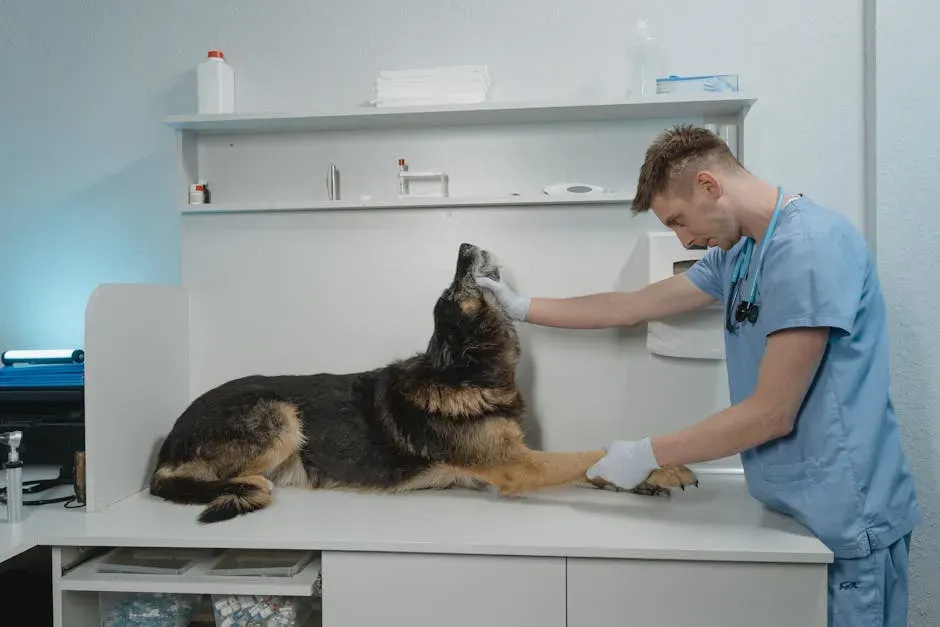
A lot of owners are shocked when their vet charges a prescription fee or won’t price-match some random online pet med site. From the outside it looks petty. From the vet’s side, they’re competing with companies that never see your pet, don’t run emergency care, and sometimes ship products nobody would call reliable.
Legit online pharmacies do exist, and some really are cheaper. But vets also see the fallout: counterfeit preventatives, mishandled insulin, expired drugs, and dangerous dosing errors. When that happens, the website isn’t the one answering the phone at 2 a.m., your vet is. Many clinics now run their own online pharmacies with manufacturer guarantees, and it’s not always the cheapest option, but it’s the one your vet will actually stand behind.
#8 – Breed Choice Is a Financial Decision, Not Just a Vibe
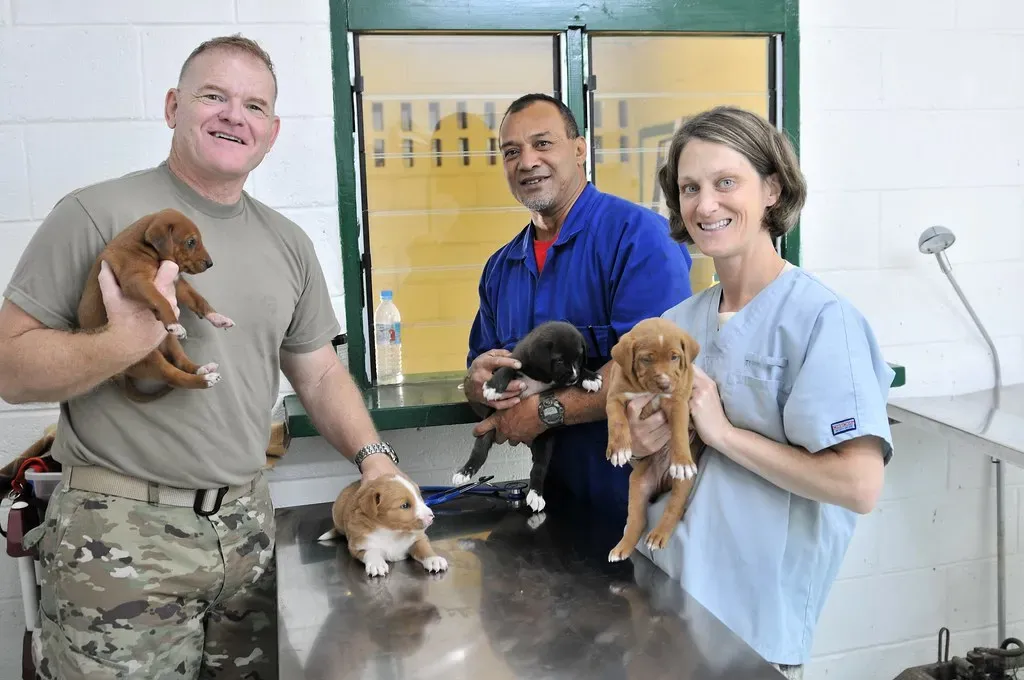
Here’s the one that gets people defensive: some of the most popular breeds today are walking medical bills. French Bulldogs, English Bulldogs, Pugs, and many doodles show up constantly for breathing issues, skin infections, eye injuries, orthopedic problems, and C-sections. They’re not bad dogs. They’re victims of human fashion.
Vets quietly wish more people did boring research before falling for a cute face on TikTok. Want a flat-faced dog? Assume multiple thousand-dollar procedures over its lifetime. Want a giant breed? Budget for orthopedic issues down the road. Picking a high-risk breed without the budget to match is, in the eyes of many vets, one of the cruelest unintentional choices an owner can make.
Quick Compare
- Flat-faced breeds (Bulldogs, Pugs, Frenchies): breathing surgery, skin fold infections, eye ulcers, and difficult births.
- Giant breeds (Great Danes, Mastiffs, Rottweilers): hip dysplasia, bloat, and heart disease that often show up by middle age.
- Popular doodle mixes: chronic ear infections, skin allergies, and unpredictable genetic health from inconsistent breeding.
- Mixed-breed shelter pets: often carry the lowest lifetime medical risk, thanks to broader genetic diversity.
#9 – Spay/Neuter Timing Isn’t About Morality. It’s About Risk and Cost.
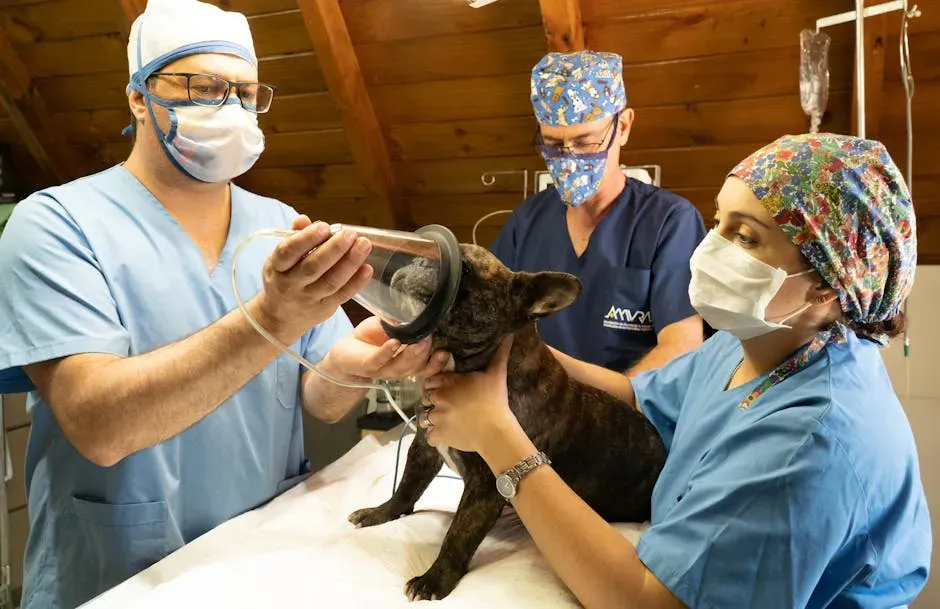
People love to argue about spay and neuter like it’s a political debate. Vets are thinking in completely different terms: pyometra, mammary cancer, testicular cancer, roaming, and surprise litters. An unspayed female with a uterus full of infection needs emergency surgery that can cost three to five times more than a routine spay, and she might still die.
On the other side, some large-breed dogs may genuinely benefit from delaying sterilization until they’re more mature. The point vets wish owners understood is that the “right” timing depends on breed, size, lifestyle, and your ability to manage an intact pet safely. What they truly can’t stand is watching a family skip it purely to save money, then show up with a life-threatening emergency that was ninety percent preventable.
#10 – Dental Disease Is Not Cosmetic. It’s a Time Bomb.
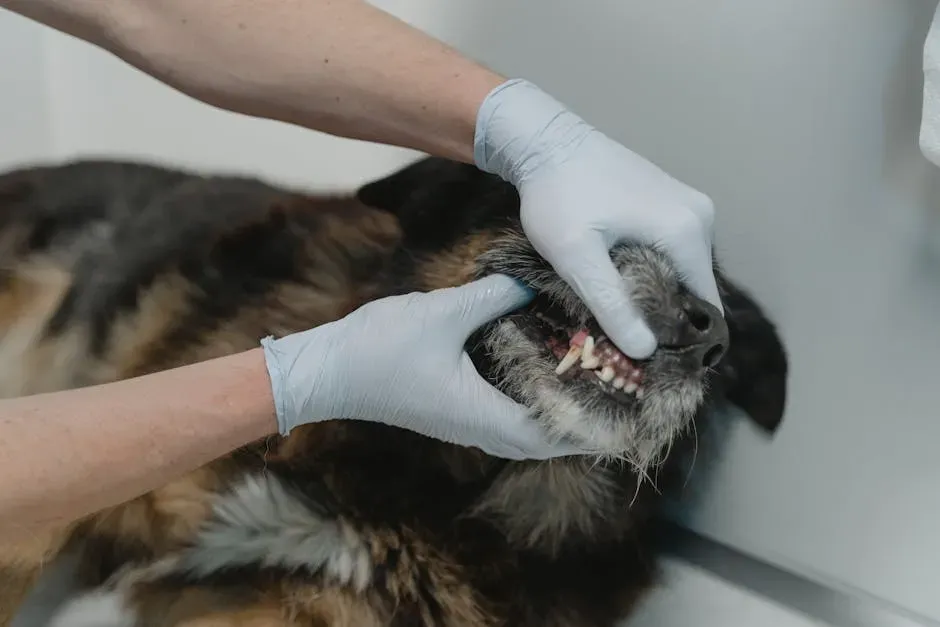
Plenty of owners roll their eyes when dental cleaning comes up. “I’m not putting my dog under anesthesia just for pretty teeth.” But vets aren’t chasing a Hollywood smile, they’re trying to stop bone loss, abscesses, chronic pain, and bacteria showering into a pet’s organs every single time they chew.
Some dogs and cats come in with mouths so rotten they can barely eat, and the owner had no idea anything was wrong. A professional cleaning with X-rays might cost hundreds of dollars now, but waiting until teeth are falling out turns it into a multi-thousand-dollar surgical nightmare, or worse, years of silent pain because “they’re still eating.” Vets would rather have ten awkward tooth-brushing conversations than one tragic, avoidable dental disaster.
#11 – “Financial Euthanasia” Haunts Vets Long After You Go Home
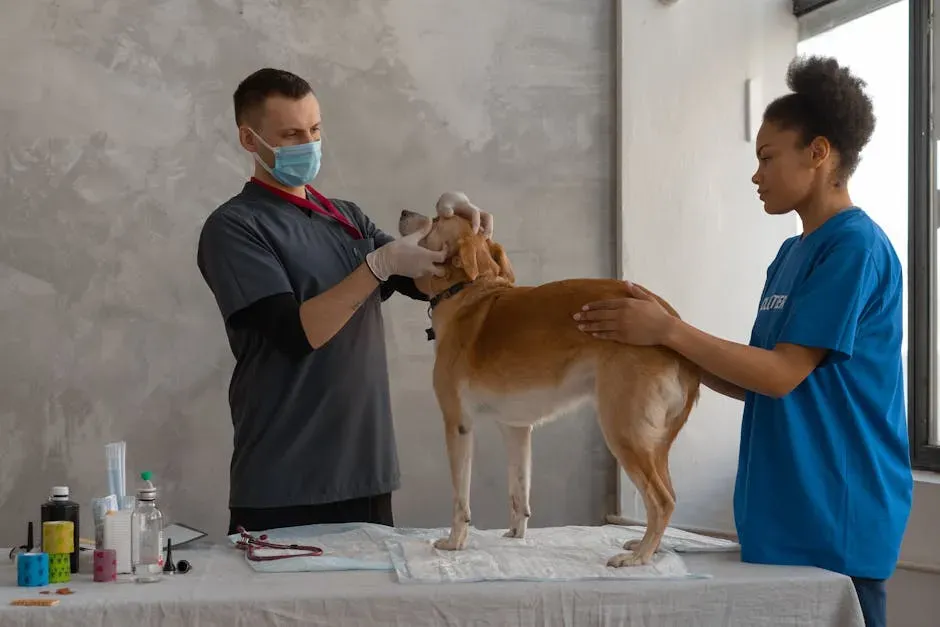
Vets have a phrase most owners never hear: financial euthanasia. It means putting a pet down not because the condition is hopeless, but because the family simply can’t afford treatment. That decision shatters owners, and it sticks to the vet like a ghost. They’re the ones who inject the drug, hold the animal, and watch a fixable problem end in death.
This is why so many vets push insurance, savings, and preventive care so hard. It’s not about commission, it’s about avoiding that exact conversation ever again. Some owners accuse them of emotional blackmail when prices come up, when in reality most vets are quietly discounting, eating costs, or offering a plan B and C so nobody has to choose the needle.
#12 – Saying No to Gold-Standard Care Doesn’t Make You a Bad Owner

Here’s something most vets wish they could shout from the rooftops: you’re allowed to set boundaries on what you can afford. Referral specialists, MRIs, 24/7 ICU care, it’s all incredible medicine, but it isn’t realistic for every budget, and vets know that better than anyone.
What actually worries them is when owners feel so ashamed they ghost the clinic instead of asking about alternatives. A good vet can often offer tiered options: ideal care, a reasonable middle ground, and true bare-minimum comfort care, but that only happens if you’re honest about your limit. Saying “my absolute max is this much, what’s the best we can do” isn’t rude, it’s exactly what a good vet is hoping to hear.
#13 – Your Vet Techs Are Doing Half the Work for a Fraction of the Pay
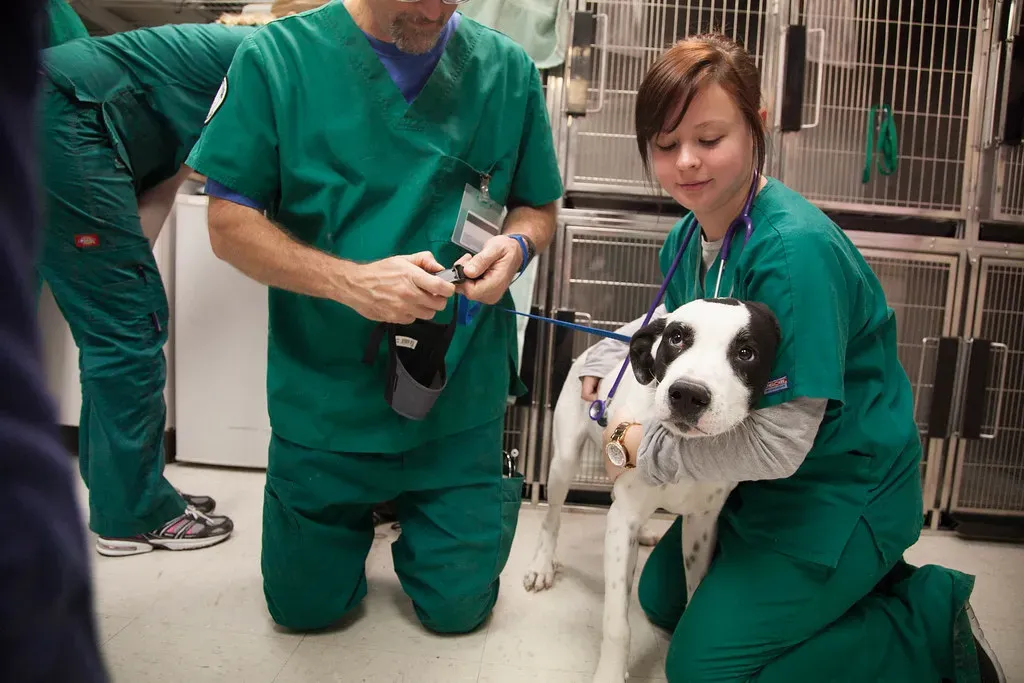
You probably chat with the vet, but it’s the techs and nurses placing catheters, monitoring anesthesia, running bloodwork, comforting your pet, and catching subtle signs of trouble before anyone else notices. Many are highly trained, credentialed professionals earning shockingly little compared to human nurses doing similar work.
They’re also the ones absorbing the anger when a bill comes in higher than expected. Vets wish owners understood that respecting support staff isn’t just about manners, it directly affects patient safety. A burned-out, underpaid team is more likely to make mistakes or miss the small detail that catches a problem early, and that “tech fee” on your invoice is paying the people literally keeping your animal alive during a procedure.
Worth Knowing
- Vet techs earn a median wage of around $46,000 a year, according to federal labor data.
- Registered nurses doing comparably skilled clinical work earn a median in the $80,000 to $90,000 range, nearly double.
- Most credentialed vet techs complete a two-year degree and pass a national licensing exam before ever touching a patient.
- Turnover runs high in the field, with many techs leaving within five to ten years over pay and burnout.
#14 – You’re Allowed to Switch Vets, But Not to Avoid the Truth

Some owners vet-hop until they find someone who tells them what they want to hear: that vaccines are optional, that chronic limping is just old age, that their clearly overweight dog is fine. Good vets refuse to say that, even if it costs them a client, because the medicine doesn’t change just because the price or the diagnosis upset you.
That said, vets genuinely want you to find a clinic where you feel heard and respected, and if the trust is broken, switching is healthy. What they wish you wouldn’t do is use a second opinion as a way to dodge reality, shopping around until someone finally agrees to a shortcut. You can change vets whenever you want. You can’t outrun biology or math.
The Bottom Line
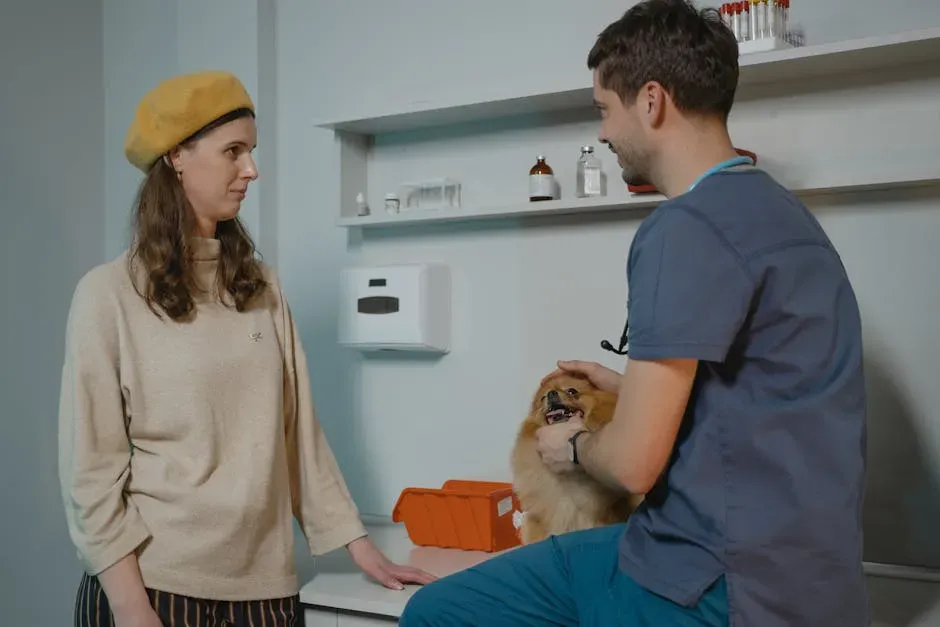
The first big vet bill never really comes out of nowhere. It’s the final receipt for a hundred small decisions made months or years earlier: the breed you fell for, the exam you skipped, the insurance you meant to buy, the symptom you brushed off as nothing.
Vets aren’t perfect, and yes, some clinics are badly run. But most of them are simply caught in the gap between what good medicine actually costs and what we all wish it cost. You don’t need to be rich to be a good pet owner. You need to be honest with yourself early, before you’re the one standing at the front desk doing math you should’ve done a year ago.
Which one of these hit closest to home, and do you think vets are being straight with owners, or completely out of touch? Sound off in the comments.


