
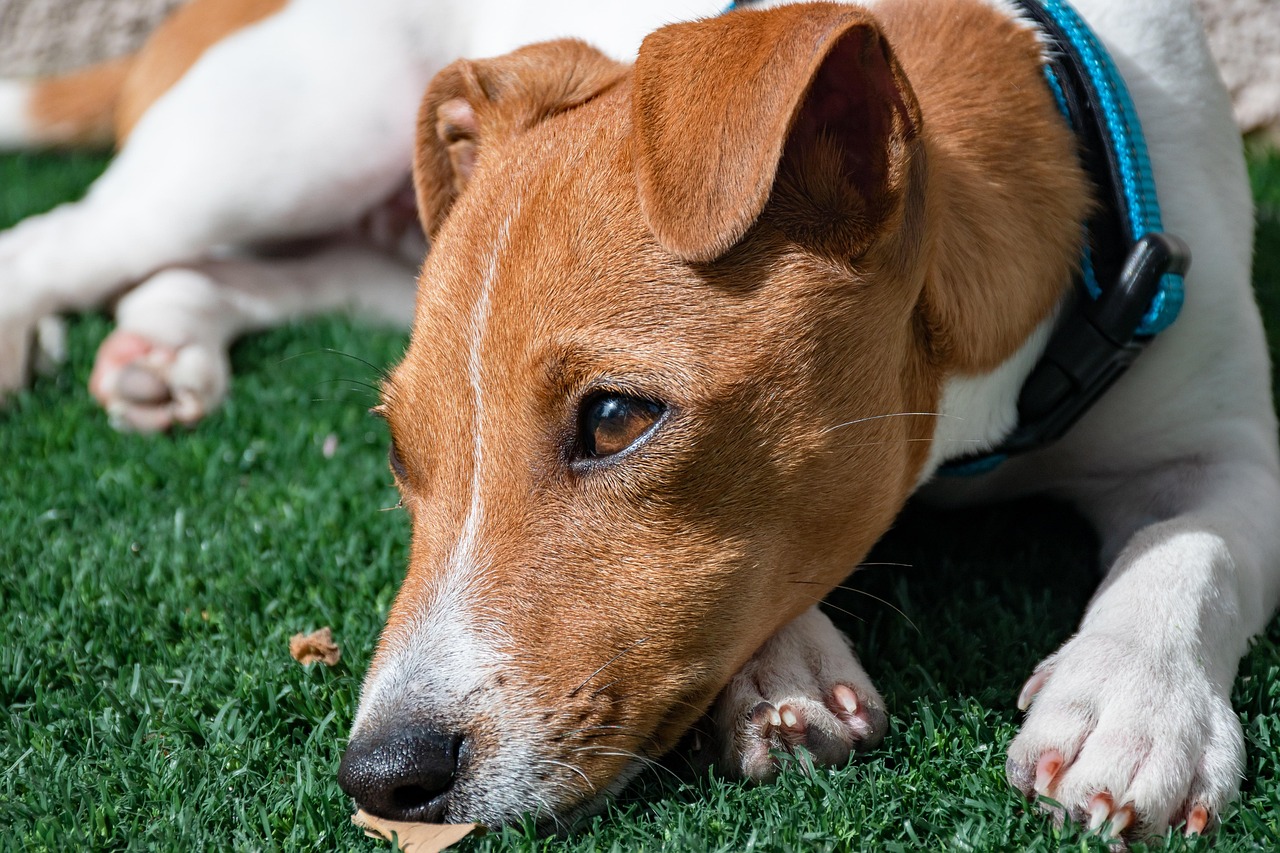
You’d notice, right? You know your dog’s face better than your own at this point – every sigh, every ear flick, every mood shift. So surely you’d catch it immediately if something was actually wrong.
Here’s the uncomfortable part vets don’t always say out loud: most of the earliest, most serious health changes in senior dogs don’t look like emergencies. They look like Tuesday. They look like “she’s just getting older” or “he’s finally mellowed out.” Even the most devoted owners miss them, not from lack of love, but because these changes are brilliant at disguising themselves as normal aging. Fifteen of those disguises are below – and by the end, you may realize your dog has been quietly telling you something for months.
#1 – “Slowing Down” That’s Really Silent Pain
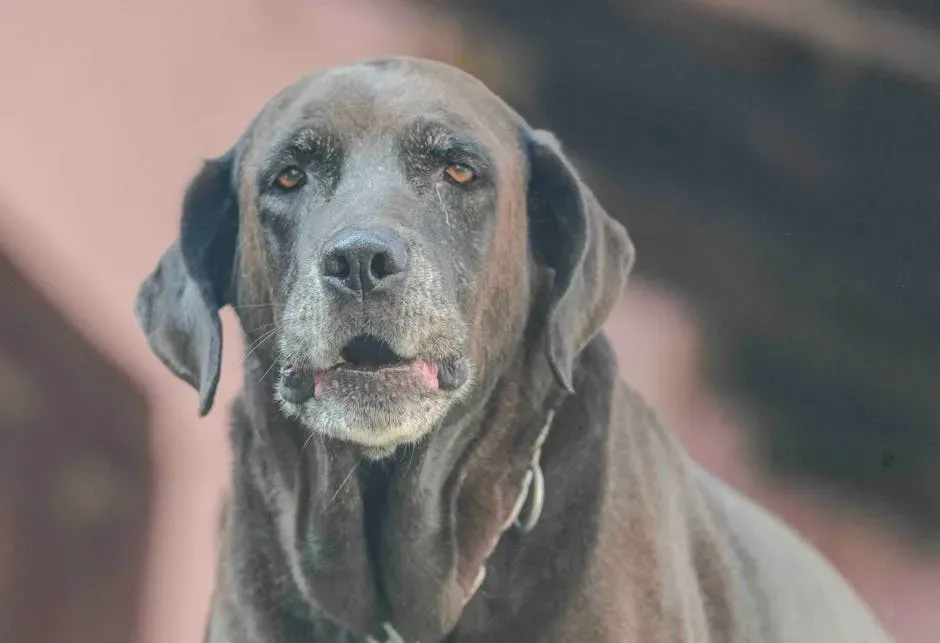
We love to say our dogs are “just not puppies anymore,” but that casual phrase hides a real problem. Most “slowing down” in senior dogs is actually untreated pain, usually from arthritis quietly eating away at their joints.
An older dog who no longer jumps on the couch, hesitates before stairs, or lags on walks isn’t being dignified or mature. They’re probably hurting, and the change happens so gradually that owners normalize it instead of naming it.
Watch for the tiny stuff: taking longer to stand after naps, stiffness after exercise, or subtle toe-dragging on hard floors. Many dogs with chronic pain never yelp or limp dramatically – they just quietly rearrange their whole life around the ache.
The part that stings a little? When a vet finally starts them on pain meds, owners almost always say the same thing: “It’s like I got my old dog back.” That sentence alone tells you how long the pain was hiding in plain sight.
Fast Facts
- At least 80% of dogs over the age of 8 years old suffer from arthritis
- Many dogs with joint pain never limp or yelp – they simply move less
- Large and giant breeds often show joint trouble earlier than small breeds
- Visible improvement from pain management can show up within days, not months
#2 – New Clinginess That’s Actually Anxiety or Cognitive Decline
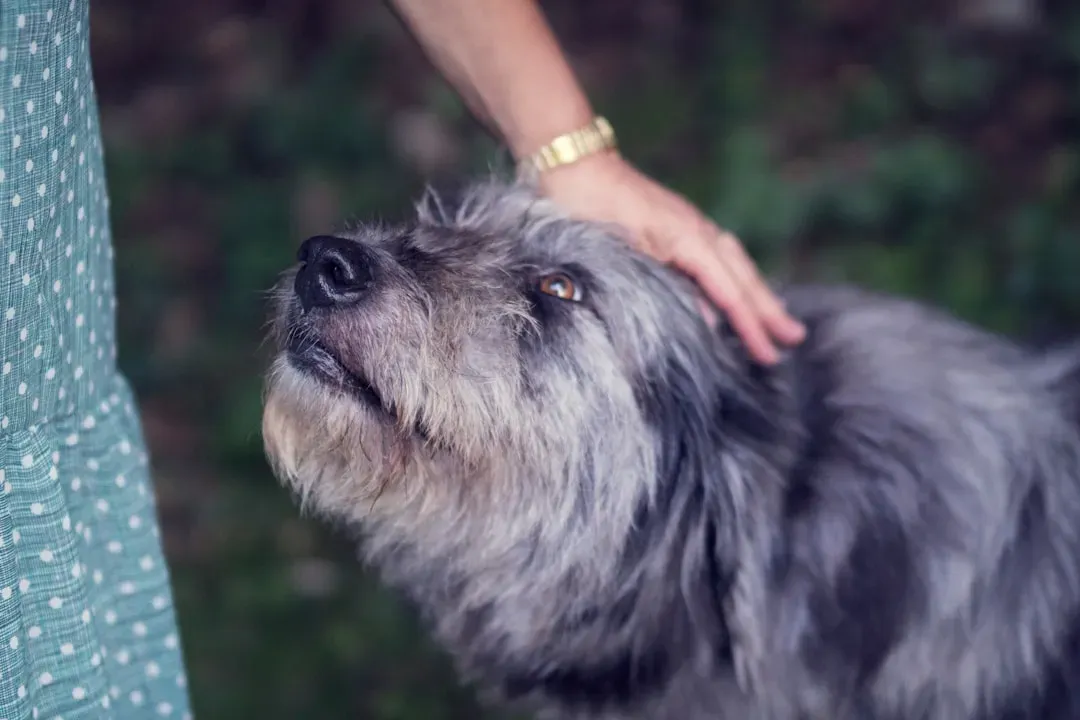
Most people are secretly flattered when their older dog suddenly becomes extra cuddly. But a dramatic increase in clinginess – following you room to room, panicking when you leave, whining if a door closes – can be a red flag for anxiety or early canine cognitive dysfunction, often called doggy dementia.
It isn’t “sweet” when a previously independent dog can’t settle unless you’re in view. It’s often a sign they feel lost, confused, or unsafe in a world that suddenly makes less sense.
- Pacing or restlessness when you’re out of view
- Panic barking that only started in their senior years
Owners often excuse this as “she just loves me so much,” but attachment that suddenly intensifies with age usually has a medical or neurological trigger behind it. Low-dose anxiety support, environmental tweaks, or brain-supportive supplements can make a massive difference – but only if someone stops calling it flattering long enough to call it a symptom.
#3 – “Getting Picky” With Food That Signals Nausea or Dental Pain

When an old dog starts turning up their nose at meals, most people shrug and say, “He’s just become picky.” In reality, loss of appetite in a senior dog is one of the biggest, most under-reacted-to warning signs there is.
It can mean chronic nausea, kidney disease, dental disease, or even certain cancers. Dogs are food-driven by nature, so when that drive fades, something is usually happening behind the scenes.
- Only eating soft foods or refusing kibble entirely
- Dropping food, chewing on one side, or walking away mid-meal
Many devoted owners start rotating fancy toppers or cooking special meals, convinced they’re “spoiling” their dog, while quietly avoiding the harder question: why did the appetite change at all? A dog who goes from enthusiastic eater to indifferent isn’t being dramatic. They’re communicating discomfort the only way they know how.
#4 – Drinking More Water… and Everyone Ignores It
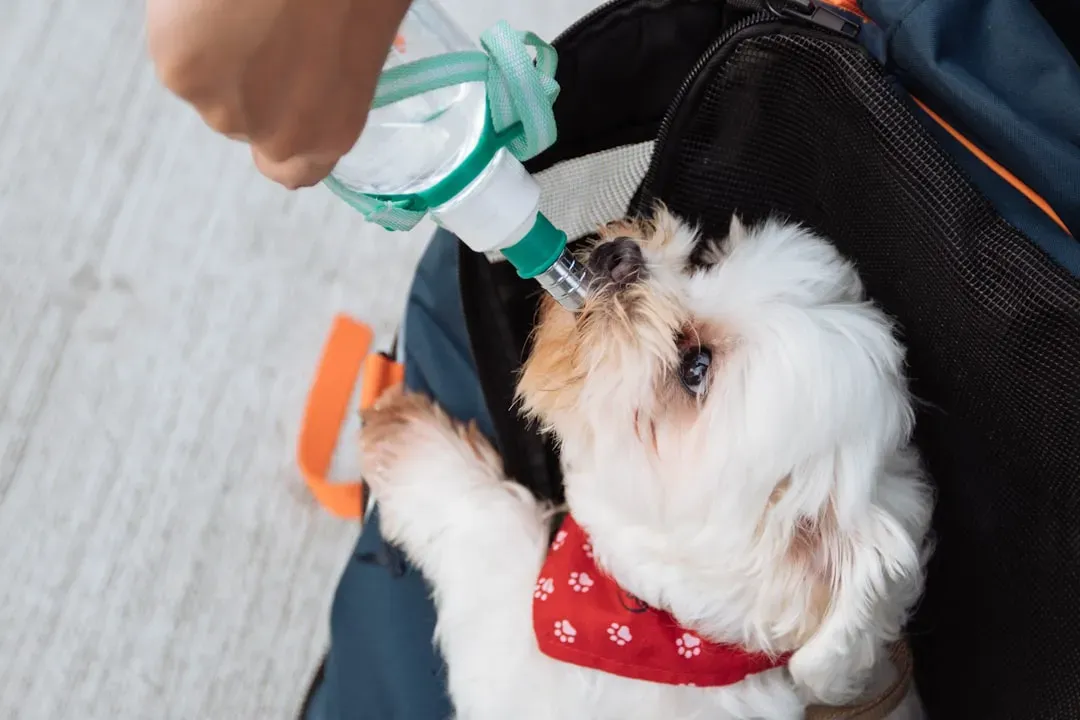
If there’s one change vets wish owners took more seriously, it’s this one. A senior dog suddenly drinking more water and peeing more often is a massive red flag, not a quirky new habit.
Most people laugh it off – “guess he’s just thirsty” – or blame hot weather, a bigger bowl, or getting older. That delay is exactly how diabetes, Cushing’s disease, and kidney issues go unnoticed for months at a time.
- Refilling the water bowl far more often than usual
- Nighttime accidents in a previously house-trained dog
Here’s the uncomfortable bit: by the time many owners finally mention the increased drinking to a vet, bloodwork often shows a condition that’s been quietly brewing for a while. Catching it early can change the entire trajectory of a dog’s remaining years, so if you’re topping off the water bowl more, don’t write it off as nothing.
#5 – “Grumpiness” That’s Really Untreated Discomfort
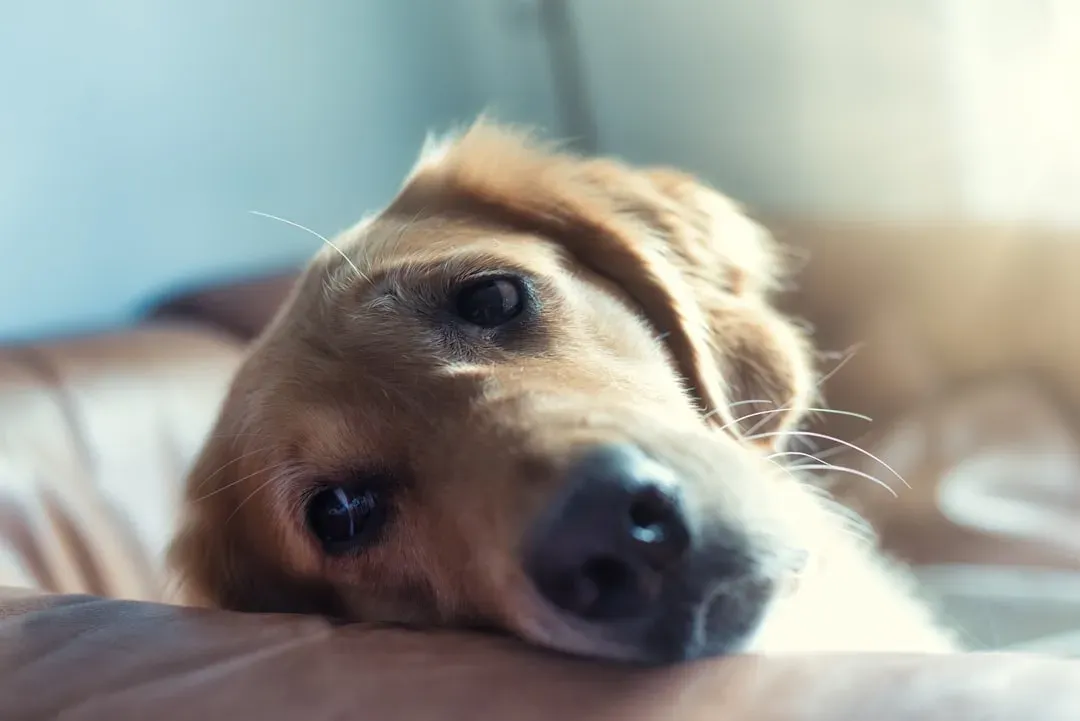
A lot of older dogs get labeled “grumpy” or “over it,” especially around kids or younger dogs. The common line is, “he just doesn’t have the patience he used to.”
But behaviorists will tell you bluntly that a sudden intolerance for handling, brushing, being picked up, or being bumped is often a dog screaming, “that hurts.” They can’t say their hips ache, so they growl when a toddler leans on them instead.
- Growling when touched in specific, consistent spots
- Moving away from affection they used to happily accept
People love the story that their dog is “set in his ways,” but what’s really happening is that chronic pain is shrinking their tolerance window. Punishing the growl fixes nothing. Finding what actually hurts and treating it is the only thing that ever really changes the “attitude.”
#6 – Subtle Weight Loss You Only Notice in Old Photos
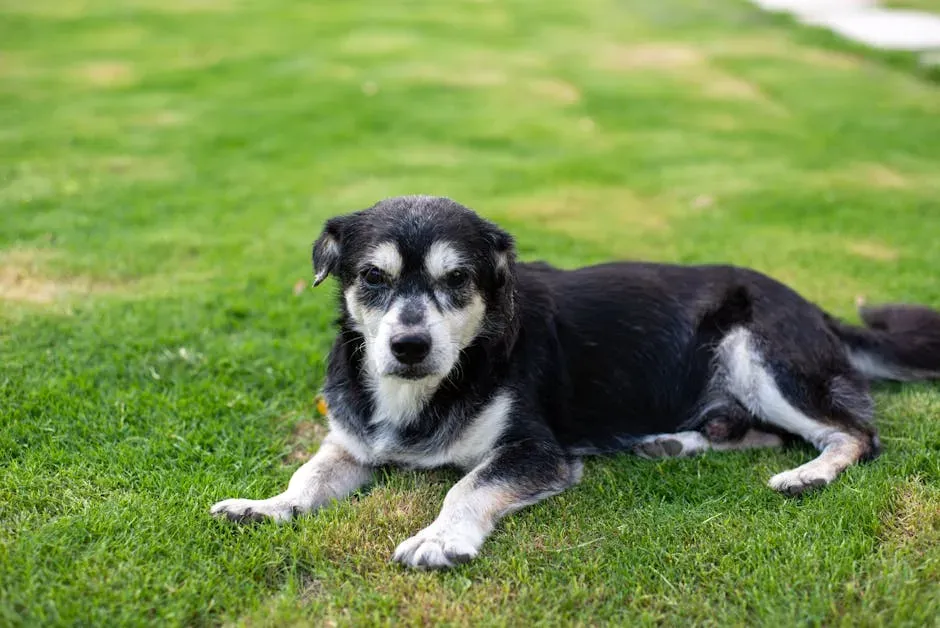
Because we see our dogs every single day, gradual weight loss is almost invisible in real time. Many owners only realize how thin their dog has gotten when they scroll back to a photo from a year ago and do a double take.
Unintentional weight loss in senior dogs is one of the most alarming quiet changes, precisely because it’s so often mistaken for something good. “He’s slimming down, that’s probably healthier” is a comforting thought – but not in a ten-year-old Lab who was never overweight to begin with.
- Ribs, spine, or hip bones becoming more visible
- Collars or harnesses suddenly sitting looser than before
Here’s the harsh part: cancer, chronic organ disease, and malabsorption problems often show up first as slow, steady weight loss, not dramatic vomiting or collapse. By the time the change is undeniable to the eye, it may already be advanced. Regular weigh-ins at home, especially after age seven, catch these drops long before a photo has to break the news.
Worth Knowing
- Weight loss is clinically significant when it exceeds 10% of the normal body weight
- a healthy 70-pound dog would have to lose more than 7 pounds before the loss is considered clinically significant
- That’s an easy amount to miss just by looking, especially on a fluffy or barrel-chested breed
- A kitchen scale or vet-office weigh-in every few weeks catches the drop long before it’s visible
#7 – New Nighttime Restlessness That’s Brushed Off as “Weird”
If your once-calm dog now paces at night, stands staring at walls, or wakes you up repeatedly, that isn’t just quirky senior behavior. Nighttime restlessness is a classic sign of cognitive decline, anxiety, or pain that quietly gets worse once the house goes quiet.
Owners often grumble about the lost sleep but rarely connect the dots to brain or body health underneath it.
- Wandering the house in circles or aimless loops
- Standing in corners or getting “stuck” behind furniture
Some people joke that their dog is “losing it,” but cognitive changes are not a punchline. Dogs with early dementia can feel genuinely disoriented and distressed, especially when the usual daytime cues disappear. There are medications, supplements, and simple environmental tricks that ease this – but only once someone recognizes it as a health issue instead of late-life goofiness.
#8 – Quiet Eye Changes That Signal Big Trouble

Cloudy eyes in older dogs are so common that many owners never even bring them up at the vet. The problem is that not all cloudiness is harmless aging. Some of it is painful glaucoma, cataracts, or other conditions that can steal vision – and comfort – fast.
Dogs are remarkably adaptable, so they memorize obstacle-free routes and lean harder on smell and hearing to compensate. That adaptability is exactly what makes vision loss look far less dramatic than it actually is.
- Hesitation at stairs or in dim lighting
- Bumping into unfamiliar objects, door frames, or furniture
Many people wave it off with “he sees well enough.” But early diagnosis can sometimes protect the vision that’s left or ease serious eye pressure pain – and yes, that pain can be excruciating even in a dog who never whimpers. If your senior’s eyes suddenly look red, bulging, or noticeably cloudier, that is never a wait-and-see situation.
#9 – Bad Breath That’s Actually Chronic Infection
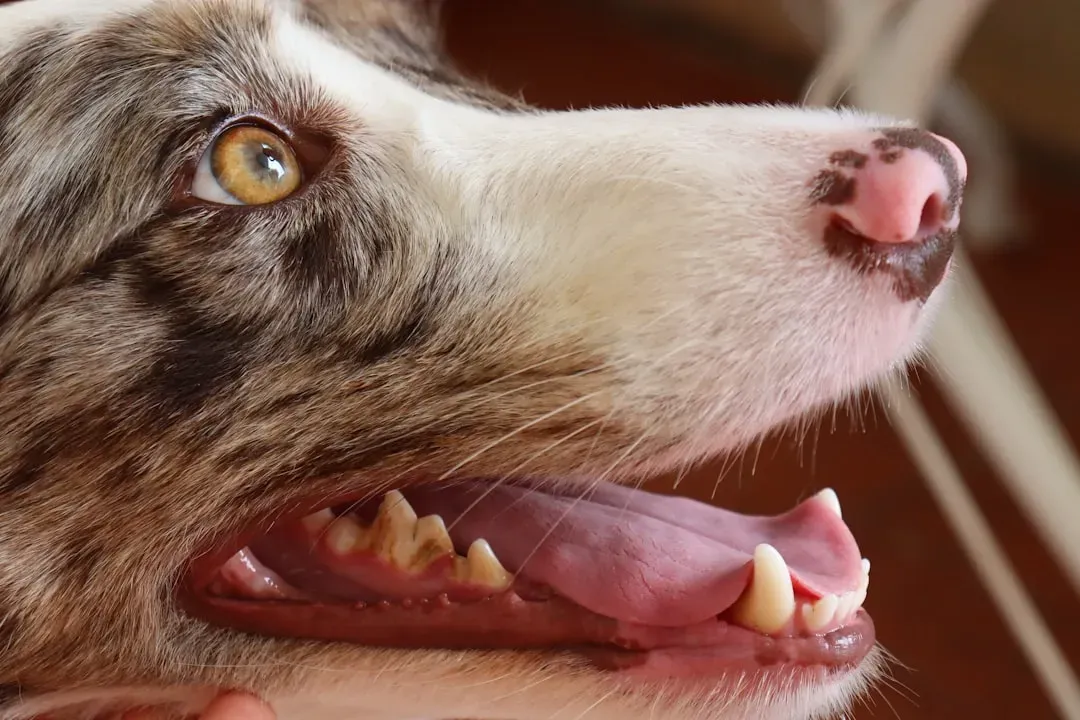
“Dog breath” is so normalized that people joke about it instead of treating it. But foul, worsening breath in an older dog is usually a sign of dental disease – rotting teeth, infected gums, or abscesses quietly leaking bacteria into the bloodstream.
We’re not talking mild odor here. We’re talking smell-it-across-the-room funk that people shrug off as inevitable simply because it came on slowly.
- Dropping food or chewing noticeably slower
- Pawing at the mouth, drooling, or rubbing their face
Here’s the part many owners hate hearing: dental disease doesn’t just hurt, it can contribute to heart, liver, and kidney problems over time. Skipping cleanings out of cost concerns or anesthesia fear is extremely common, but the trade-off is years of low-grade infection and pain. A truly devoted owner looks under the lip, not just at the Instagram filter.
#10 – Tiny Gait Changes That Predict Major Issues
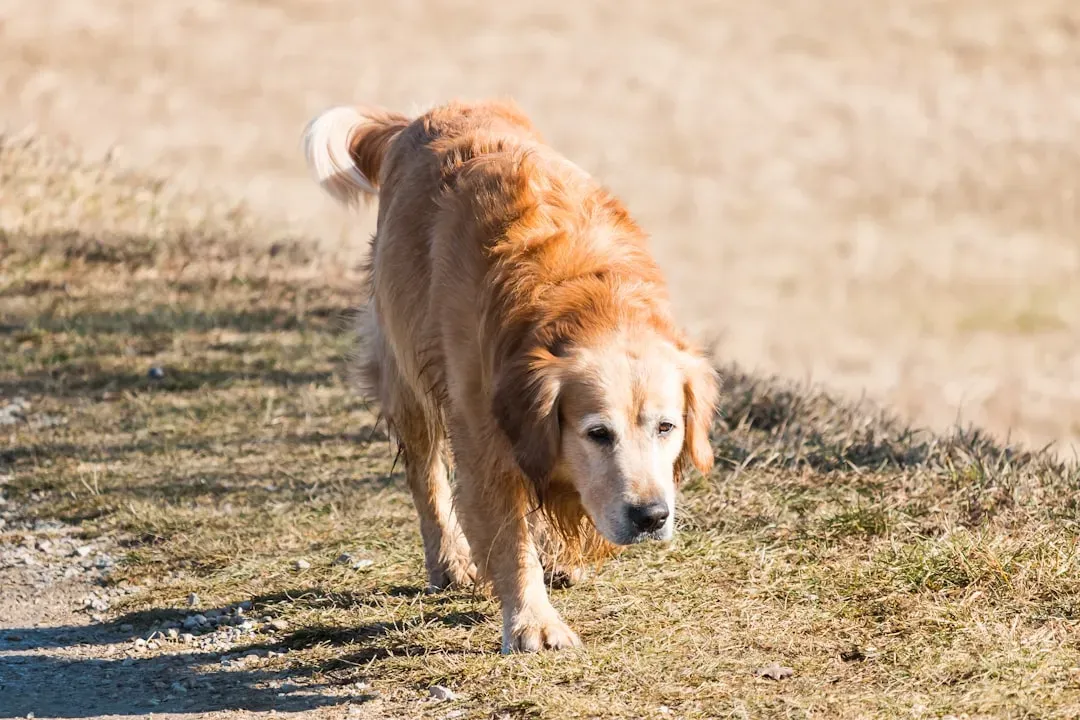
Older dogs rarely go from walking fine to unable to stand overnight. Instead, their bodies send quiet early warnings through small gait changes that nearly everyone dismisses as nothing.
A slight bunny-hop in the hind legs, a head bob on one front paw, a gentle sway, or occasional slipping on slick floors seem too minor to matter. They’re not.
- Nails wearing down unevenly, hinting one leg is overused
- Hesitation before jumping into the car or onto furniture
Many owners assume their dog is just clumsy or dramatic instead of recognizing early orthopedic or neurologic trouble. The reality is that catching subtle gait changes early is exactly when joint support, weight management, and medication work best. Waiting until the dog can’t stand or cries out makes everything harder and every outcome worse.
#11 – Hearing Loss That Gets Misread as Stubbornness
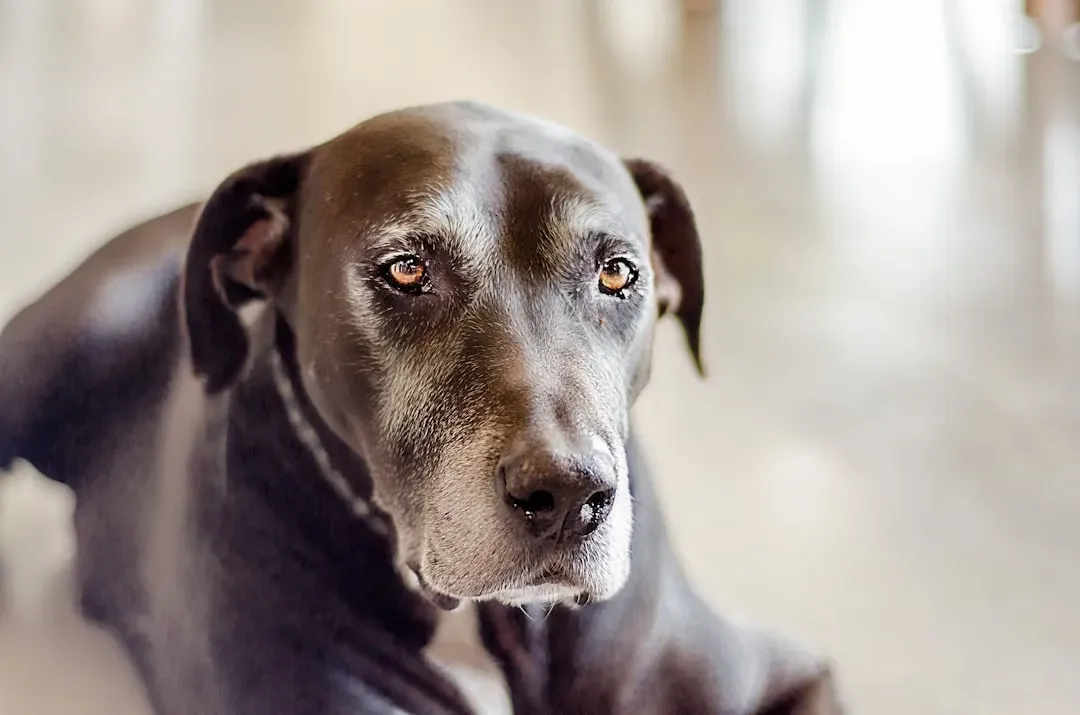
A dog who starts “ignoring” you in their senior years isn’t necessarily disobedient. Gradual hearing loss is stunningly common in older dogs, and most people miss it for months because they interpret it as attitude instead of biology.
The dog stops coming when called, startles more easily, or sleeps straight through loud noises that used to send them running.
- Not noticing you enter the room until you’re already close
- Jumping or flinching when touched from behind
Owners will say, “he listens when he wants to,” but what’s really happening is that your voice simply isn’t getting through the way it used to. That matters for safety, since off-leash walks become riskier, and it matters for reducing startle-based snapping. Leaning on visual signals and gentler wake-ups is kinder than getting frustrated at a dog whose ears are fading, not their love for you.
At a Glance
- Hearing loss in older dogs often starts with high-pitched sounds, like a doorbell or a squeaky toy
- Many dogs compensate so well that owners mistake fading hearing for selective listening
- Deep, low-pitched sounds and floor vibrations tend to be the last things a dog can still detect
- Hand signals and touch cues can replace verbal commands almost seamlessly
#12 – Panting and Pacing That Aren’t About Heat
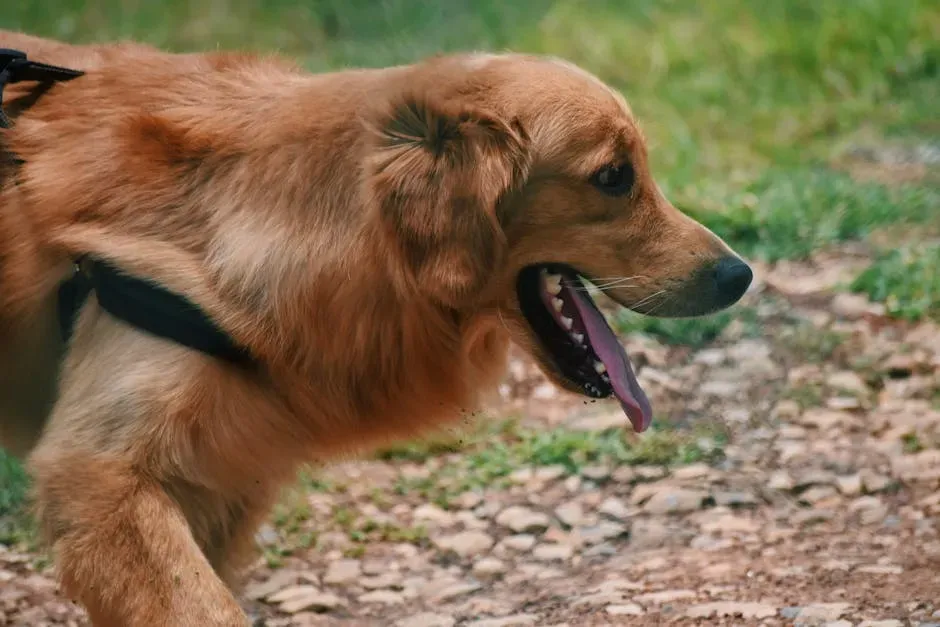
If your older dog is panting heavily in a cool room, especially at rest, that’s not “just being hot” or “out of shape.” Unexplained panting and pacing can signal pain, heart disease, respiratory problems, Cushing’s disease, or serious anxiety.
It’s the kind of background behavior devoted owners live alongside for months before realizing it was never normal to begin with.
- Panting at night while doing absolutely nothing
- Restless moving from spot to spot, unable to settle
The excuse “she’s just an anxious girl” can be dangerously comforting. When panting shows up without exercise, heat, or obvious stress, it deserves real investigation, not a meme about velcro dogs. Sometimes the fix is as simple as better pain control. Other times, it’s the very first clue to something much bigger.
#13 – House Soiling That’s Blamed on “Spite”
Few things trigger more frustration than a previously house-trained senior dog suddenly having accidents indoors. Owners jump straight to moral language: “he knows better,” “she’s doing it out of spite,” or “he’s being lazy.”
In reality, new accidents are usually about medical issues like UTIs, kidney disease, or incontinence – or about cognitive decline. It’s almost never about bad manners.
- Leaking urine while resting or sleeping
- Seeming genuinely surprised or confused when you find the mess
Here’s the part many people quietly avoid: scolding an older dog for accidents doesn’t fix the underlying problem, and it can make an anxious, cognitively declining dog even more distressed. Medications, strategic potty breaks, and management tools like washable diapers are far more compassionate than shame. If your dog suddenly “forgets” years of training, ask a vet before you assume a personality problem.
#14 – “Quieter” Behavior That’s Actually Depression
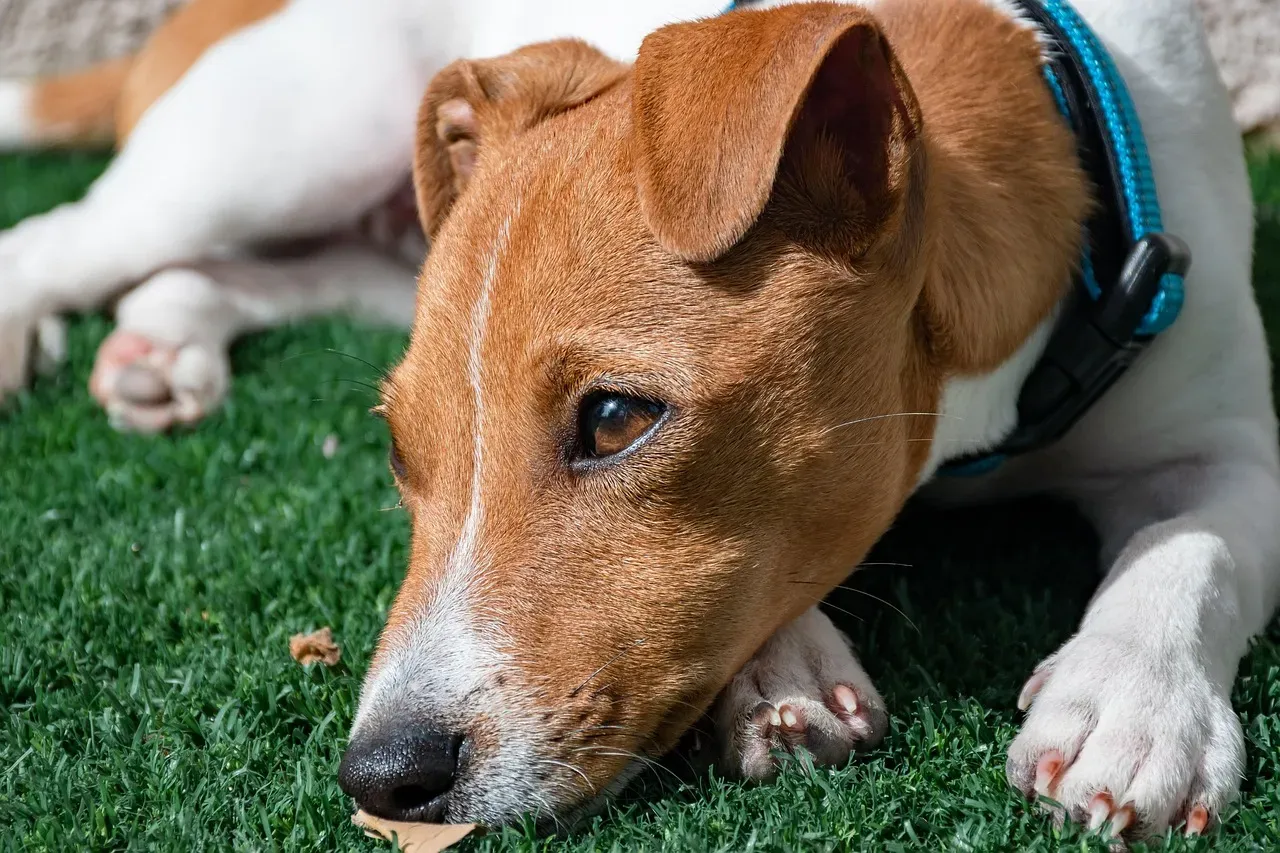
A once playful, engaged dog who now mostly lies on their bed, ignores toys, and skips their usual greeting at the door is often called “mellowing out.” But a flat, withdrawn senior dog may actually be experiencing depression, chronic pain, or a genuine decline in overall well-being.
The line between calmer and shut down is thinner than most people realize, and owners cross it without ever noticing.
- Less interest in walks they used to love
- Ignoring visitors or other pets they once greeted every time
Some slowing is normal, but a dog who seems emotionally checked out is not simply becoming zen. This is where owners miss chronic pain, untreated illness, or loneliness from reduced stimulation most often. Adding pain relief, gentle enrichment, and real one-on-one time can wake up a spark you thought was gone for good. Calling it “aging gracefully” is a comforting story – just not always a true one.
#15 – Tiny Lumps and Bumps That Get the “We’ll Watch It” Treatment Forever
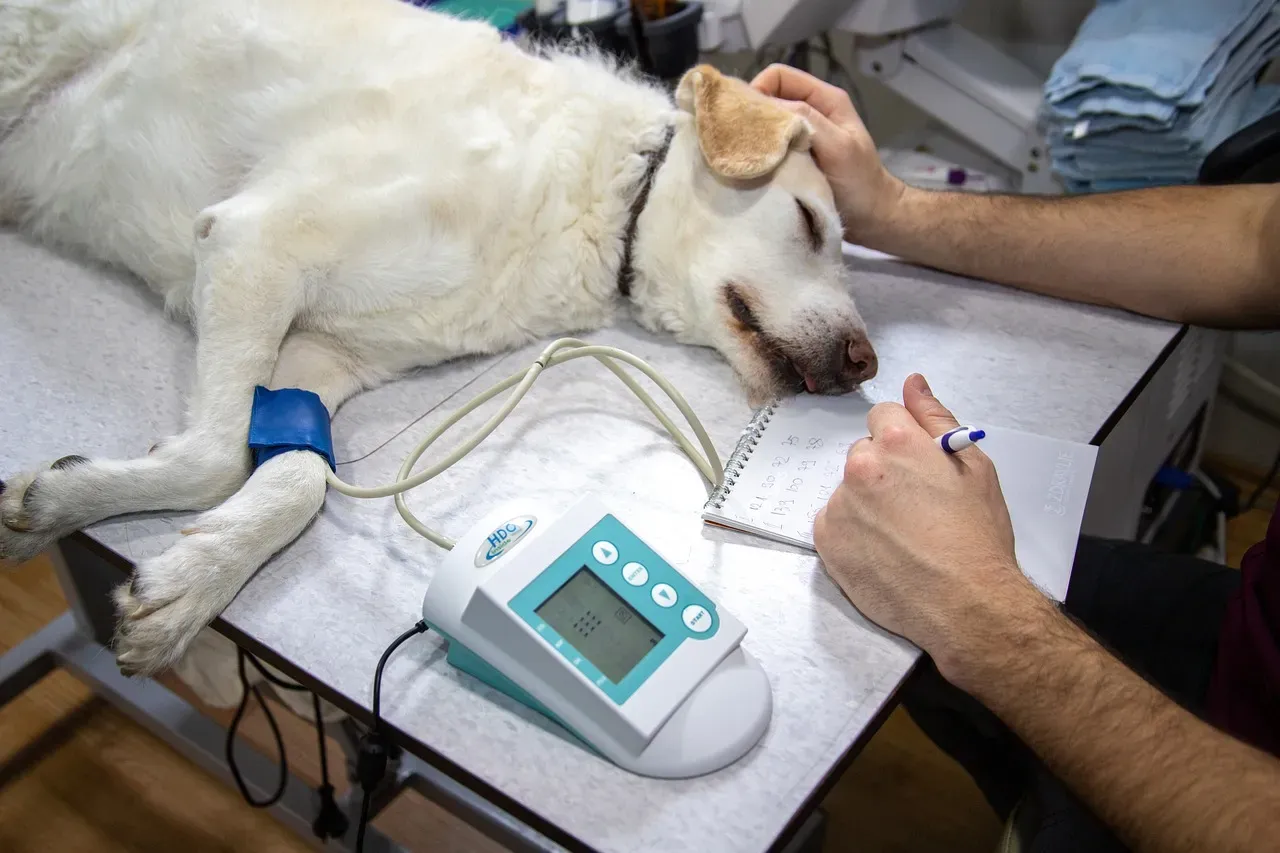
Almost every older dog develops lumps under the skin, and many turn out to be nothing more than benign fatty tumors. The real problem is how casually owners decide to “just keep an eye on it” – and then quietly stop watching altogether.
Months pass, the lump grows a little, a new one shows up, and no one actually measures or tests anything. By the time real concern kicks in, a once-small, easily removable mass can turn into major surgery, or worse, something inoperable.
- Any new lump that appears and doesn’t go away
- Any existing lump that changes size, shape, color, or texture
Here’s the blunt truth many people don’t want to hear: you cannot tell by feel whether a lump is harmless or dangerous. Only a vet can, and biopsies or needle aspirates are quick, relatively inexpensive, and often lifesaving. Saying “it’s probably just fat” isn’t devotion. It’s wishful thinking wearing devotion’s clothes.
Quick Compare
- Lipomas: soft, slow-growing, usually harmless fatty deposits under the skin
- Mast cell tumors: can feel almost identical to a lipoma to the touch, but may be malignant
- Cysts and abscesses: often firmer or tender, sometimes linked to infection
- The only real answer: a vet-performed needle aspirate or biopsy, not a guess by feel
The Bottom Line
The hardest part of loving an older dog is realizing how much they hide from you, and how easy it is to explain away the quiet changes that matter most. Slowing down, getting clingy, panting at night, drinking more water, or “getting grumpy” aren’t charming senior quirks. They’re often the first, soft alarms of real disease or discomfort.
Devoted owners don’t just love harder as their dog ages. They notice harder, question their own comfortable explanations, and refuse to file every new behavior under “just old age.” Is it uncomfortable to consider that your best friend might be hurting, confused, or unwell right now? Absolutely.
But pretending not to see it has never once protected a dog. It only delays the help they can’t ask for directly – and the dogs who trust us most deserve owners willing to look a little closer.


