
14 Things Your Dog Would Do for You Without a Second of Hesitation
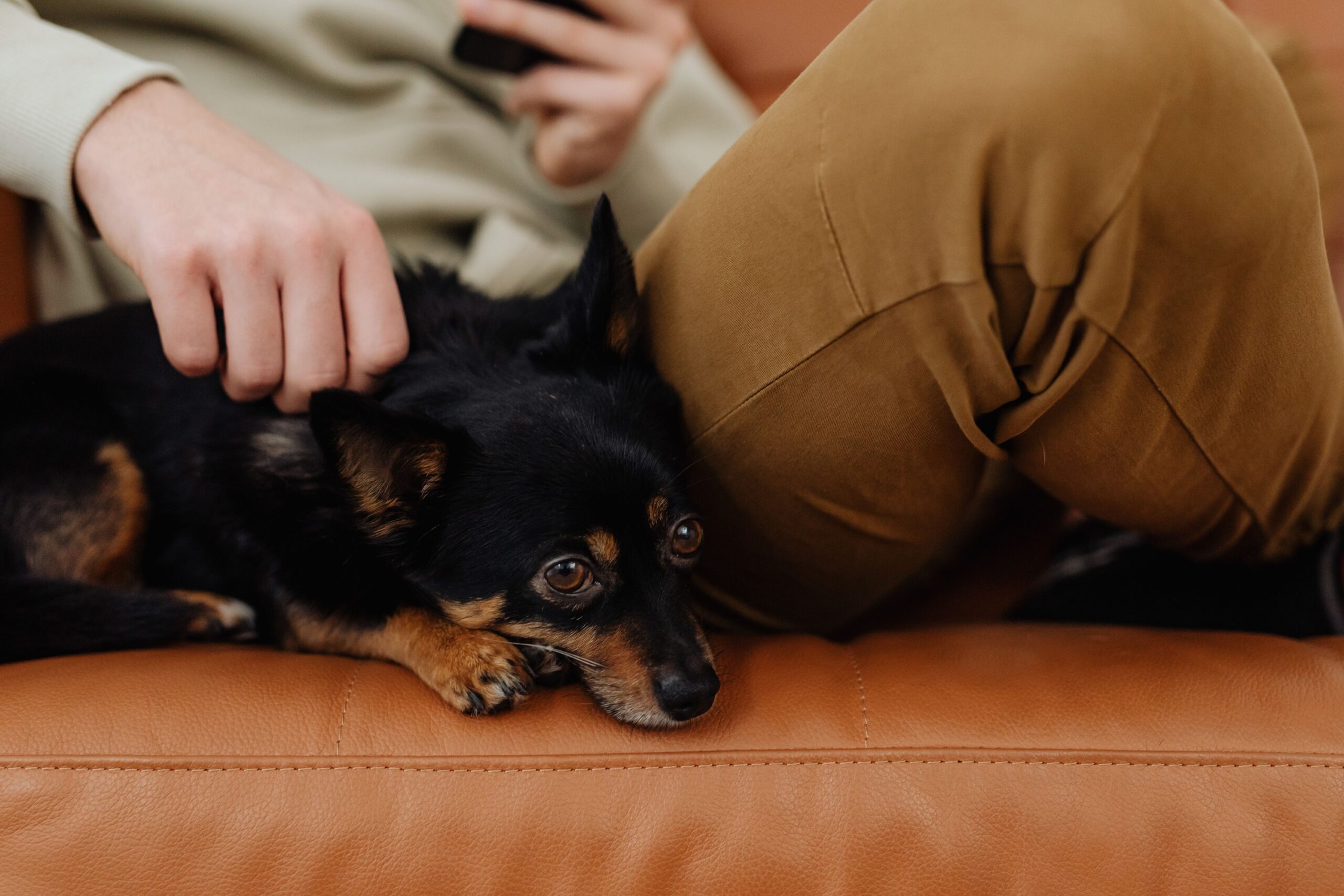
Most people assume dogs love us because we feed them – but that’s only a tiny piece of the story. Behavior studies keep finding that dogs will choose their humans over food, even when they’re hungry. Your dog isn’t just coexisting with you; they’re quietly making ride-or-die decisions on your behalf every single day.
Some of what they’d do for you borders on reckless loyalty, and frankly, most humans don’t deserve it. Yet your dog offers it anyway, without overthinking, without keeping score. Here are 14 things your dog would do for you without even a second of hesitation – and what the science, and real-life stories, actually say about why.
#14 – Curl Up Next to You When You’re Sick
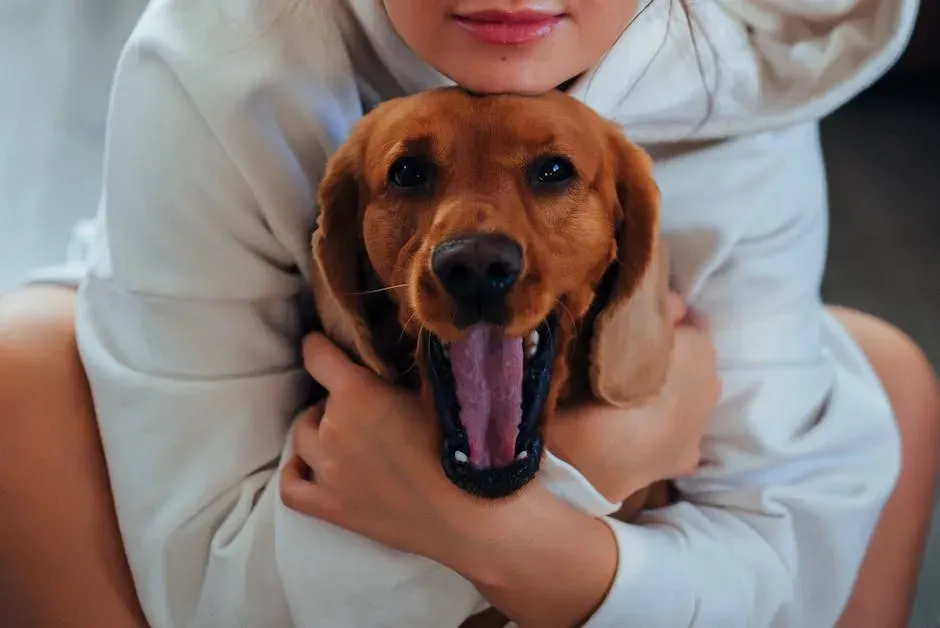
Your dog wouldn’t just notice you’re off – they’d immediately move closer. Dogs can pick up changes in our smell, breathing, and posture, and they react fast. Many owners report their dogs becoming extra clingy when they’re ill or recovering from surgery.
Your dog will happily trade their favorite sunny spot or toy just to lie against your leg when you feel like trash. That’s not training; that’s instinctive caregiving. A normally hyper dog may suddenly walk more slowly beside you, skip the zoomies, or watch you from a few feet away like they’re guarding the room. While people text “let me know if you need anything,” your dog just shows up – no speech, no delay, no emotional surcharge.
Fast Facts
- A dog’s sense of smell is estimated to be thousands of times more sensitive than a human’s, letting them pick up on subtle shifts in your scent.
- Reduced play, slower movement, or unusual closeness often shows up before you’ve said a word about feeling unwell.
- Resting a head or paw directly on a sick owner is a common comfort-seeking posture in dogs.
#13 – Put Their Body Between You and a Threat
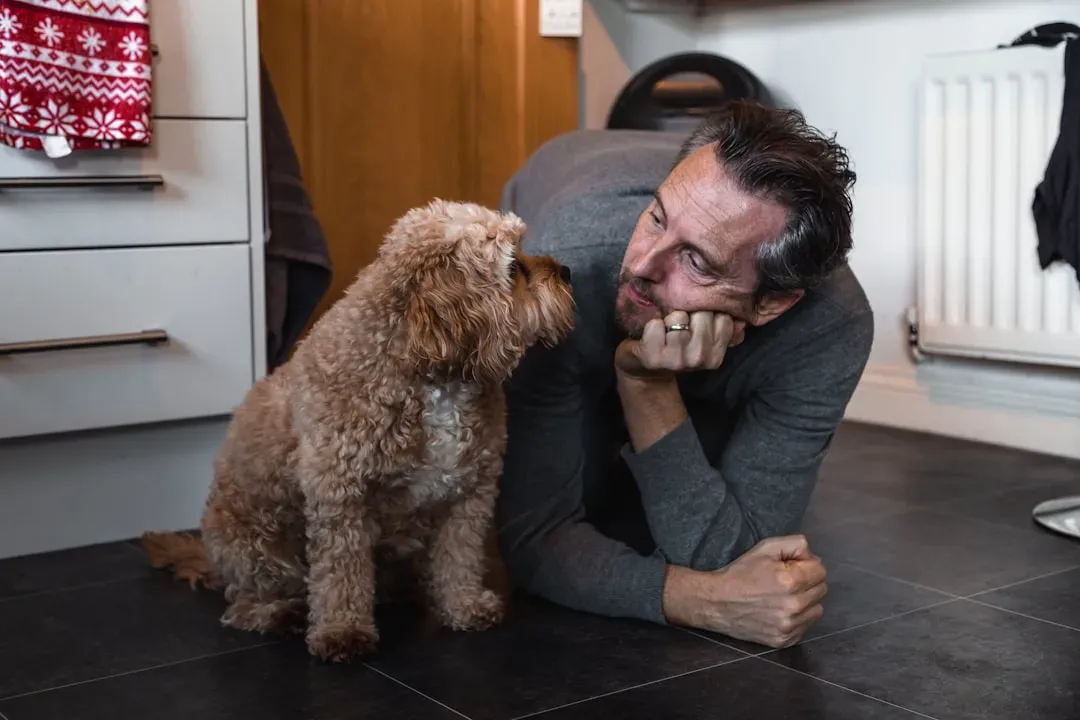
If your dog even thinks something is off, they’ll step forward first. That can look like standing a little ahead of you when a stranger walks by at night, or suddenly blocking a doorway so you don’t go toward a noise.
Some dogs will literally plant themselves between you and what they perceive as danger, long before they know how serious it really is. This isn’t only a “guard dog” thing – small and timid dogs show the same pattern, with raised hackles, growling, or leaning hard into your leg. Are they always right about what’s dangerous? Absolutely not. A plastic bag in the wind has never murdered anyone. But while most people freeze or reach for their phones, your dog’s default is simple: if something happens, it goes through them first.
#12 – Stay Loyal Even When You’re Not at Your Best
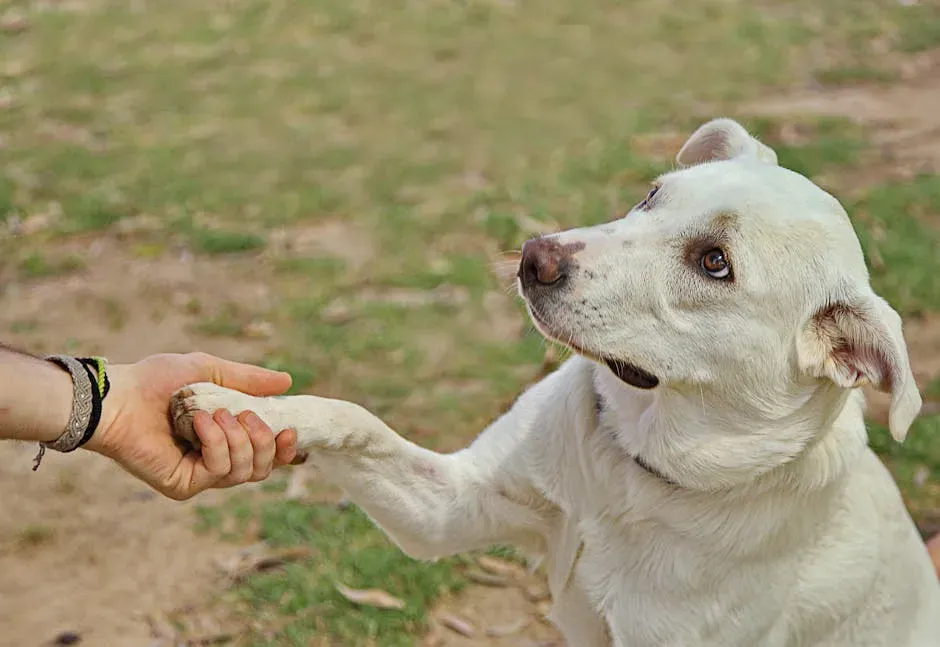
People love to say “dogs are too good for us,” and honestly, they’re not wrong. Your dog doesn’t care if you’ve gained weight, lost your job, or made a complete mess of your life this year. They’re not scrolling your past mistakes or judging your bank balance.
You can be at your lowest, and your dog will still greet you like you’re the best decision they ever made. That kind of unconditional loyalty is rare, and a little uncomfortable if we’re being honest. Snap at them after a bad day and you might see a small flinch, but you won’t get the cold shoulder for a week. Give a sincere pat and a “sorry,” and they’re instantly back on your side – no grudge, no distance, no subtweets.
#11 – Drop Everything When You Call
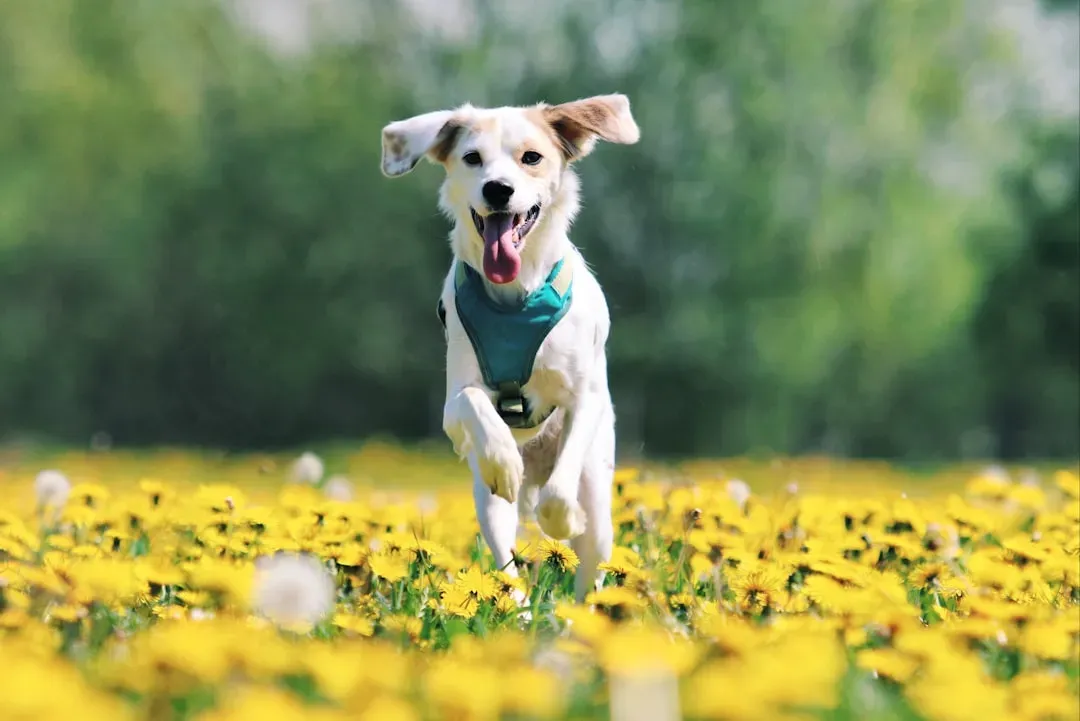
You are your dog’s highest-priority notification. Even dogs with spotty recall show one thing clearly: when they do process that you’re calling, they’re all in. Ears up, quick glance, then full-speed sprint.
Your dog will abandon fascinating smells, social opportunities, and even food scraps on the ground just to bolt back to you. That’s not normal behavior in the animal kingdom – that’s attachment. Training helps, sure, but underneath the commands is something deeper: you’re their safe base. Plenty of people don’t deserve that level of priority – they delay walks, ignore the ask, scroll through whole evenings – yet if you call, your dog still shows up like it’s the best part of their day.
Worth Knowing
- Recall speed often comes down to bond strength as much as training – securely attached dogs tend to respond faster to their person’s voice.
- Dogs can hear frequencies far beyond human range, which helps them catch your voice or footsteps from surprising distances.
- Even a distracted dog will typically break from play or sniffing the moment they register their owner calling.
#10 – Wait Patiently for You to Come Home
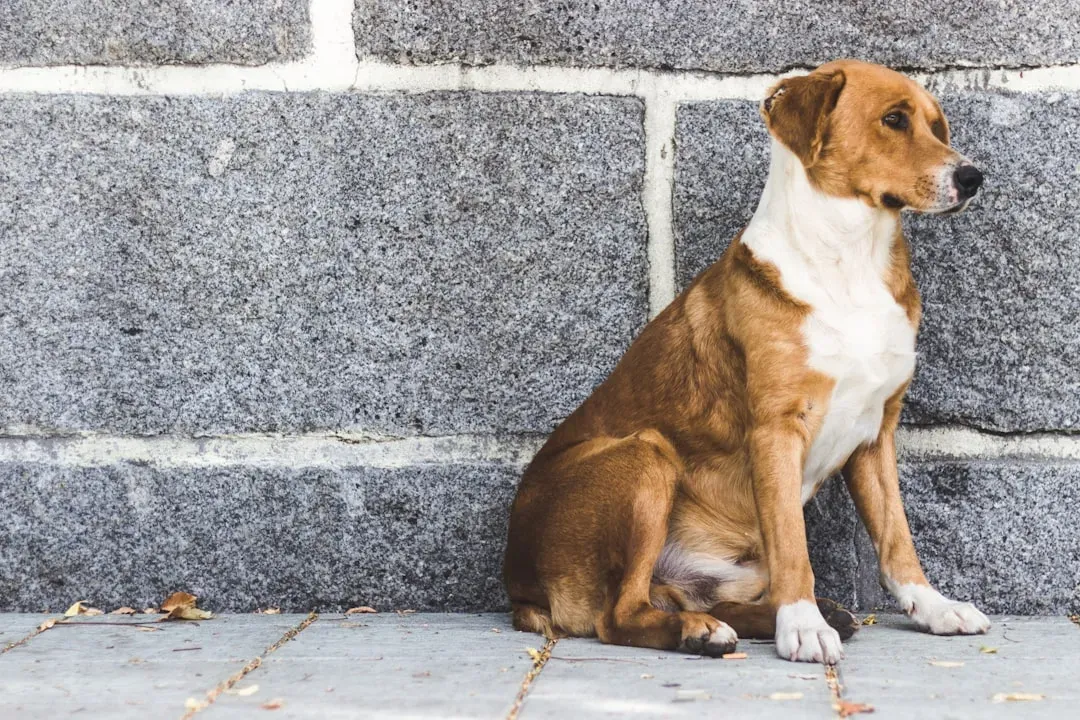
Imagine loving someone so much that you sit by the door, day after day, convinced they’ll return – even though you don’t understand clocks, calendars, or traffic. That’s your dog.
Dogs have been caught on camera padding to the door at the same time every day, waiting for footsteps, a car sound, or just the faintest sign you’re back. Here’s the part people underestimate: the emotional risk your dog takes. Every time you leave, they have no guarantee you’re coming back – no text, no ETA, just faith and routine. Yet when they finally hear you, there’s no passive-aggressive coldness, no “you’re late.” It’s a full-body celebration, like they’ve won the lottery again.
#9 – Forgive You Much Faster Than You Deserve
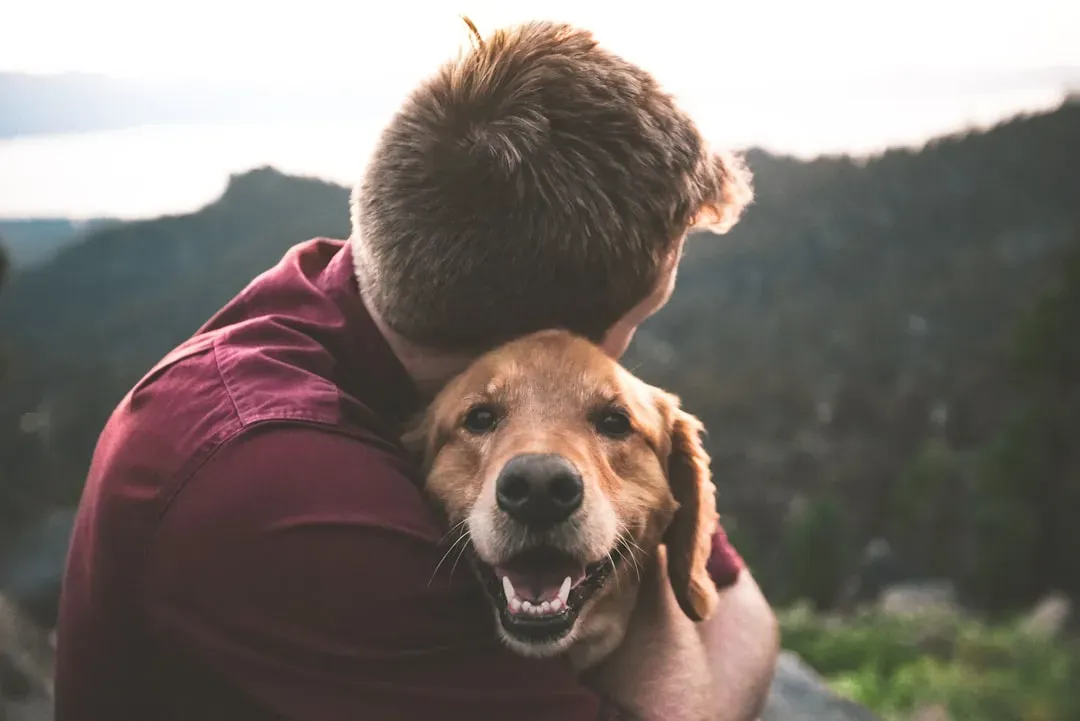
Most people overestimate how “resilient” dogs are and underestimate how much their actions actually hurt them. Yelling, rough handling, chronic ignoring – these things take a toll. Yet even after you screw up, your dog’s first instinct is usually to seek connection, not revenge.
They’ll cautiously approach you, lick your hand, or lean against your leg minutes after conflict, basically offering you a reset button. That’s emotional generosity most adults can’t match. This doesn’t mean we get a free pass to mistreat them – but it does mean they give us more chances than we give each other. No silent treatment because you forgot the walk yesterday. If you repair, they respond. In a world obsessed with cutting people off, your dog’s default is: let’s try again.
Dogs are our link to paradise. They don’t know evil or jealousy or discontent.
Milan Kundera
#8 – Match Their Entire Day to Your Rhythm

Your dog’s natural instincts might say chase, sniff, explore, nap, repeat. But once they bond with you, they quietly reprogram their internal schedule around your life.
They sleep when you sleep, hover nearby when you sit, and often hold their bathroom breaks until you’re available. That’s a level of adapted self-control we’d praise in a human roommate. Many dogs even sync their emotional highs and lows with you – energetic when you are, flopped down and quiet when you’re tired. They learn your work hours, your alarm sound, the difference between your shoes and your “we’re not going anywhere” slippers. Your entire routine becomes their operating system, no contract required.
At a Glance
- Dogs often pick up on daily routines – meals, walks, work schedules – within days to a couple of weeks of consistent repetition.
- Anticipatory behavior, like waiting by the door minutes before a regular departure or return time, is common in bonded dogs.
- Shared sleep-wake patterns show up frequently in close-knit households, with dogs adjusting rest times to match their owner’s.
#7 – Share Their Most Prized Possessions With You
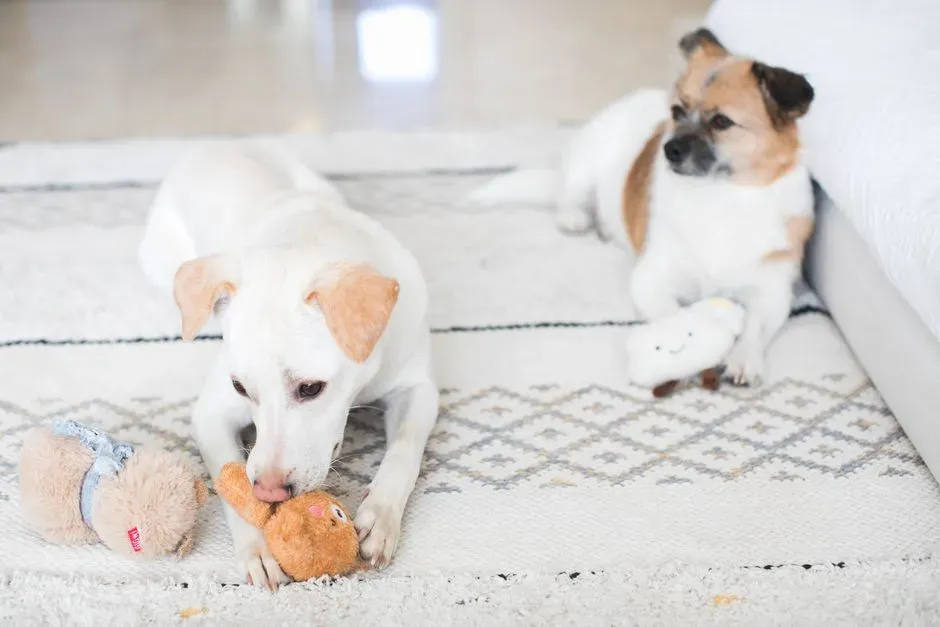
In the animal world, giving up a high-value resource is a big deal. Yet how many times has your dog proudly trotted over with their favorite toy, bone, or that disgusting slobbery ball, presenting it like a gift?
For a dog, letting you touch, take, or even toss their “treasure” is an enormous sign of trust and affection. They’re literally saying, “what’s mine is yours.” Instead of sneaking off to enjoy the toy alone, many dogs insist on playing with you – poking your hand, dropping it in your lap, staring until you join in. While some people can’t even share the TV remote, your dog effortlessly shares the thing they love most, because to them, connection beats possession every time.
#6 – Sense Your Stress Before You Say a Word
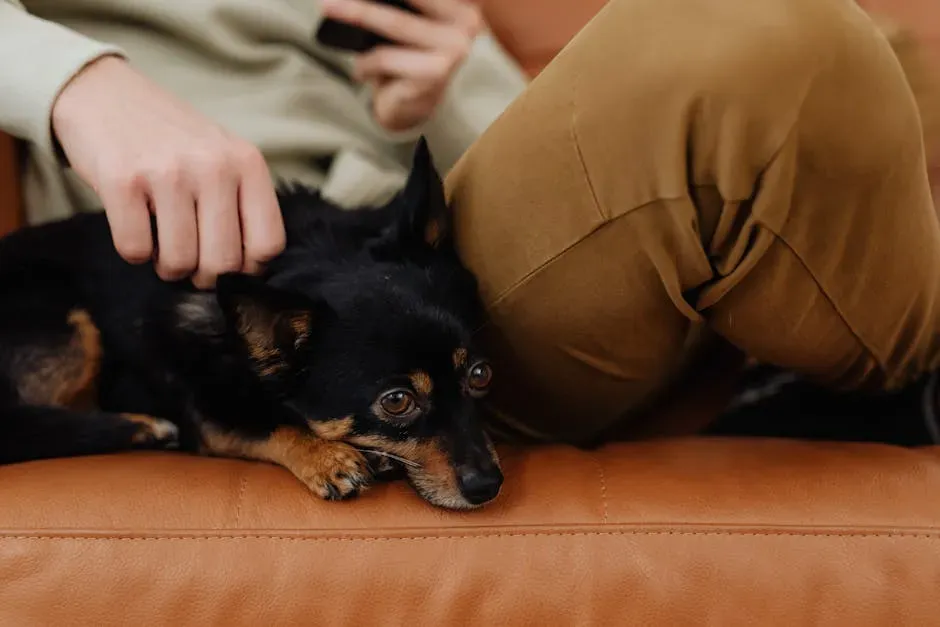
You don’t need to vent out loud for your dog to know something’s wrong. Dogs are insanely good at reading micro-changes in body language, scent, and tone.
Research suggests they can detect shifts in our cortisol levels and emotional state just from our smell and behavior. That’s why they hover, nudge, or stare at you on days when you haven’t “said” anything is wrong. Some will paw at you or lean their full weight against you; others go quiet and just sit nearby, acting like a furry emotional anchor. While plenty of humans respond to stress by backing away, your dog instinctively moves closer – because your pain isn’t an inconvenience to avoid, it’s a cue to stay.
#5 – Tolerate Things They Secretly Hate Just to Be With You
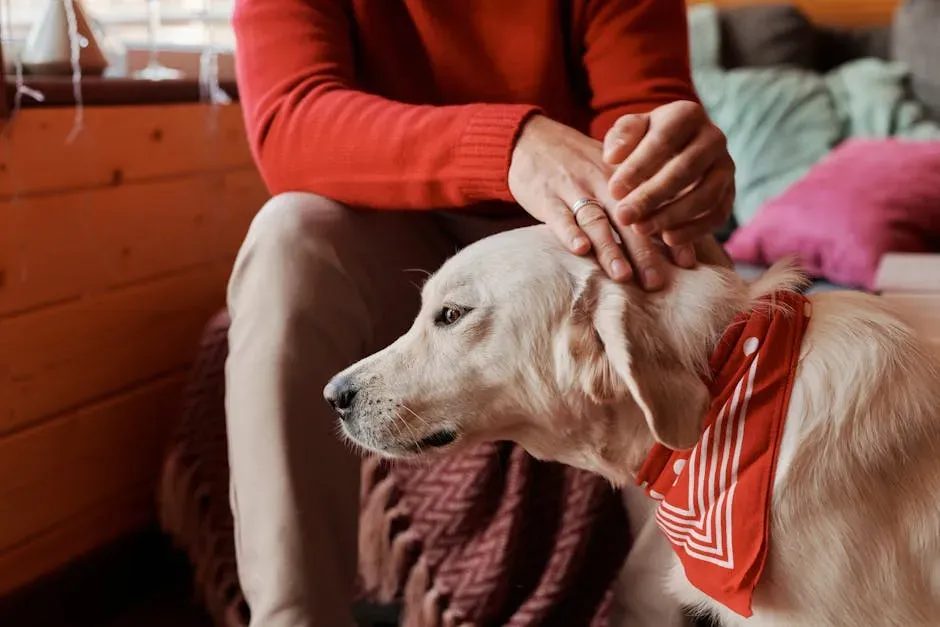
Let’s be honest: a lot of popular “cute” dog content is just dogs tolerating human nonsense. The costumes. The endless photos. The loud parties. The car rides when they’d rather stay home.
Many dogs put up with uncomfortable, confusing, or overstimulating situations simply because being near you matters more than avoiding discomfort. Think nail trims, baths, vet visits, meeting your loud relatives. Your dog might hate every second, but they follow, they endure, they look to you for reassurance. Could they bite, bolt, or refuse? Absolutely. Most just don’t – because sometimes they just love you enough to do it anyway.
#4 – Alert You to Danger You Haven’t Noticed Yet
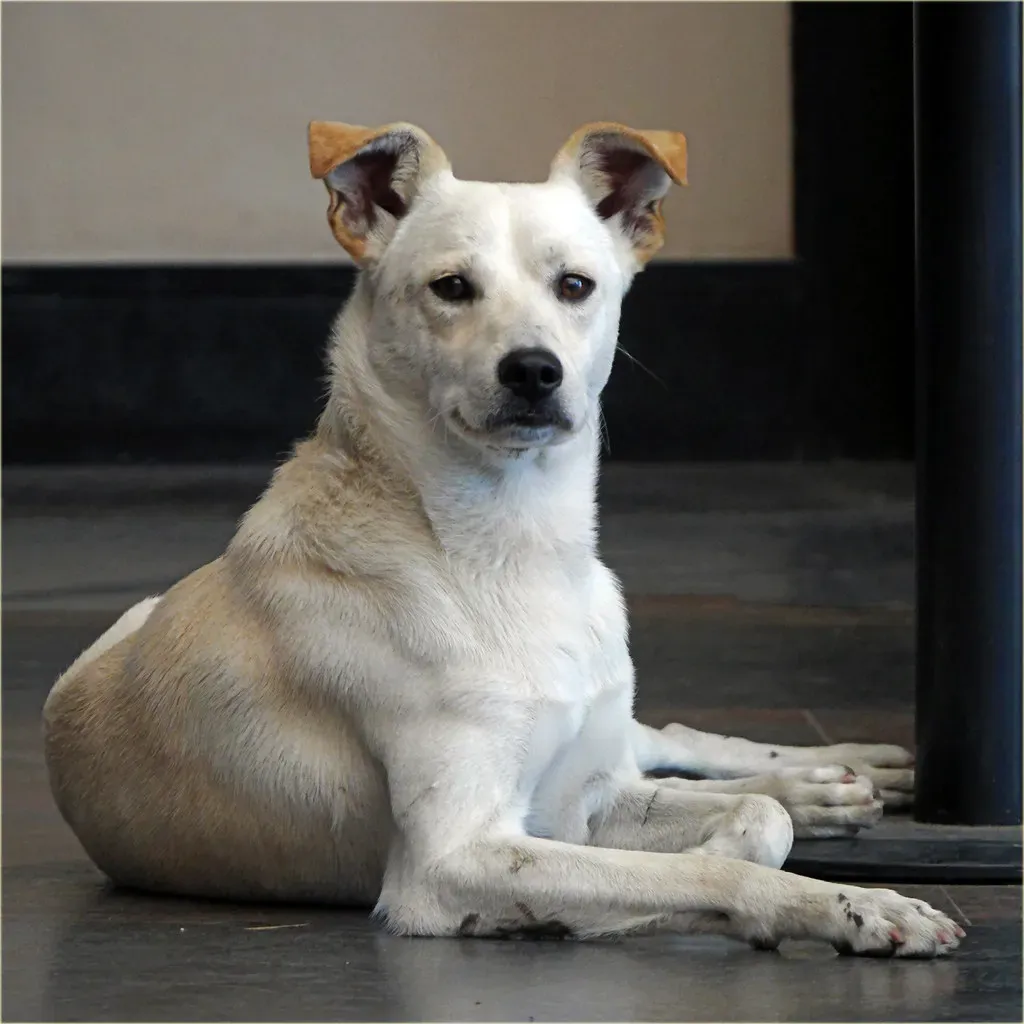
Smoke. Gas leaks. Intruders. Even something as small as a loose wire sparking behind a wall – dogs have a track record of noticing things before we do.
There are countless documented cases of dogs frantically waking sleeping owners before fires, storms, or break-ins. They don’t understand the full physics of the situation; they just know “wrong” when they sense it, and they act. That weird noise outside at 2 a.m.? They’re up before you, scanning. The stranger lingering too long near your car? Your dog is reading posture and movement while you’re still checking your phone, ready to escalate from a curious ear-perk to full alarm.
Quick Compare
- Smell: Dogs detect scents at concentrations far below what a human nose can register, including smoke and gas.
- Hearing: Dogs pick up higher frequencies and fainter sounds long before people notice anything unusual.
- Reaction: Where humans wait for visual or audible confirmation, dogs often act on scent or sound alone.
#3 – Follow You Into the Unknown Without Hesitation
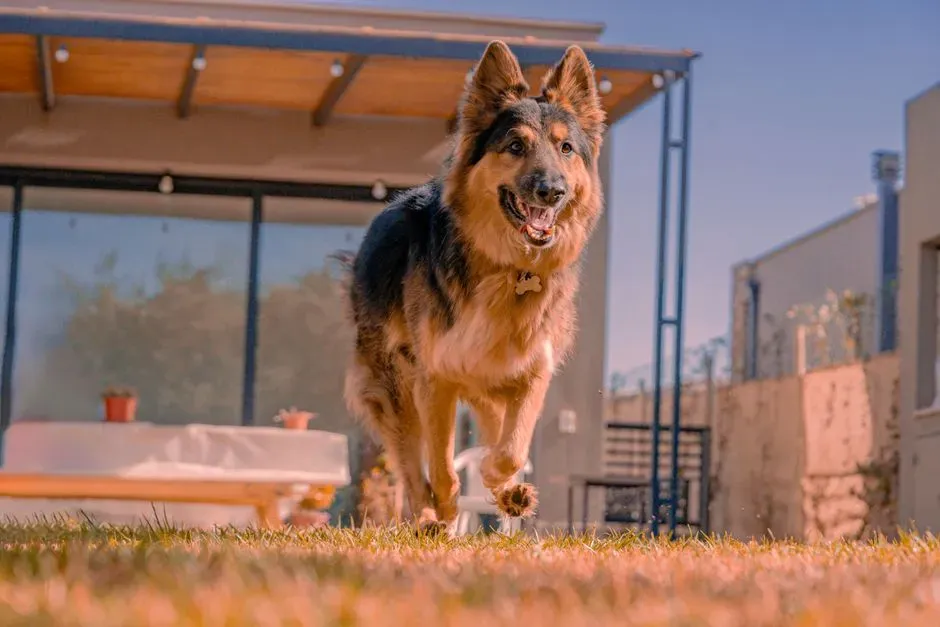
Go down a dark hallway. Step onto a strange elevator. Move to a new apartment. Your dog’s world is made of places they don’t fully understand – but if you step forward, they often step with you.
Many dogs will willingly walk into unfamiliar, even scary environments simply because you’re there, acting like it’s okay. Think about big life changes: moves, breakups, new partners, new babies. Your dog doesn’t get a vote. One day their routine is shattered and the furniture smells different, yet they pack their loyalty into whatever new space you land in and settle near your feet like, “if this is home now, fine, I’m in.” While humans debate and sometimes bail, your dog’s choice stays brutally simple: if you’re going, so am I.
#2 – Sacrifice Their Own Comfort to Protect Yours
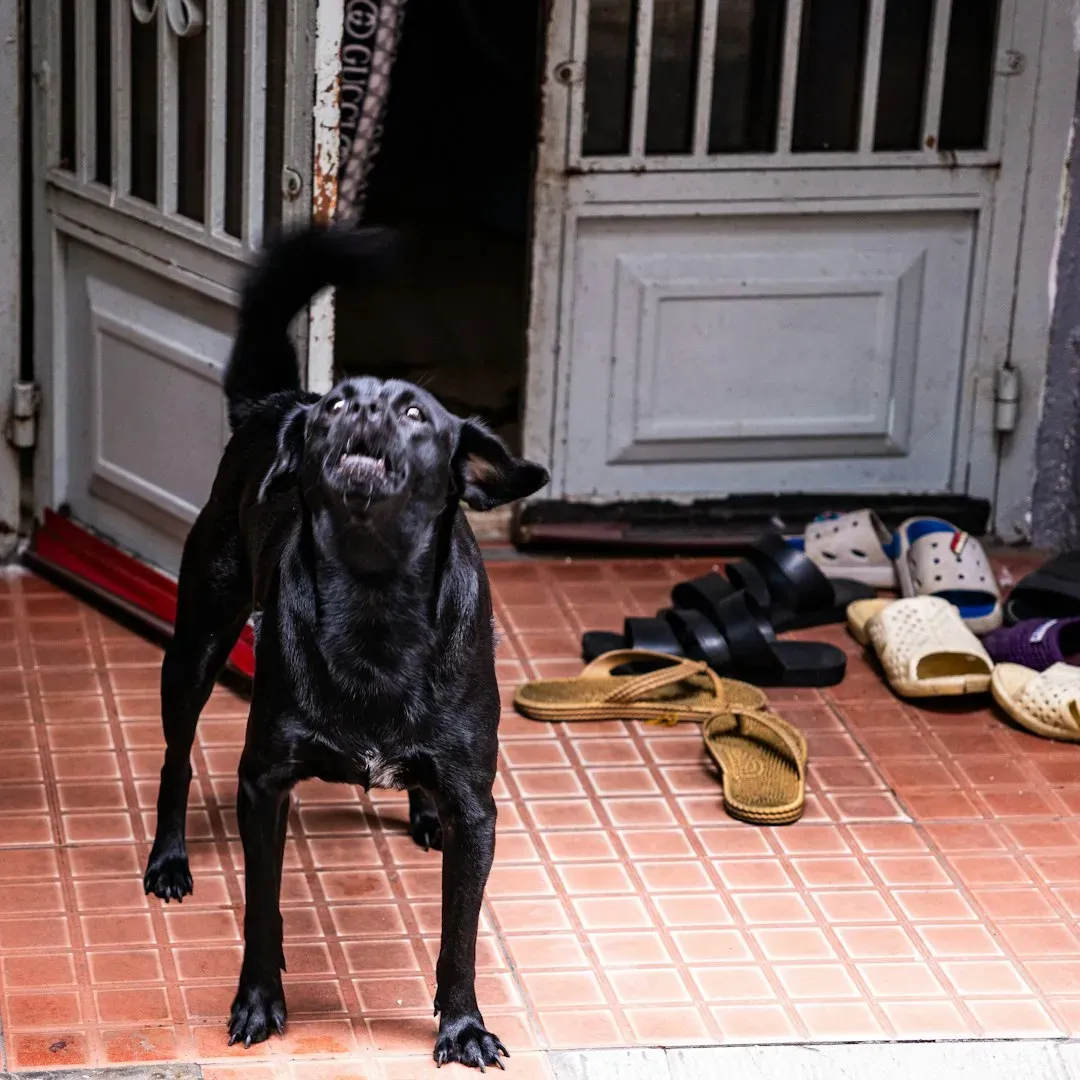
Dogs will sleep in cramped positions, skip comfortable spots, and even expose themselves to stress if it means you’re safer or calmer. You’ll see it when they choose the hard floor by your bed instead of a plush dog bed in another room, or when they bark at every noise so you don’t have to wonder what it was.
Some dogs have literally placed themselves in harm’s way – between owners and aggressive animals, abusive people, or physical danger – without any training to do so. Even on a small scale, they constantly trade minor comfort for your peace: holding a bladder on a delayed walk, waking instantly if you shift or cry out in your sleep, leaving a warm spot just to check on you in another room. Most people prioritize their own comfort first and help when it’s convenient. Your dog’s calculation runs the opposite way.
Why It Stands Out
- Choosing a hard floor near you over a soft bed elsewhere reflects attachment-driven, proximity-seeking behavior, not just habit.
- Interrupted sleep to check on a restless or upset owner is a widely observed protective response in bonded dogs.
- Holding a bathroom break rather than causing inconvenience shows a level of self-restraint many owners overlook.
#1 – Love You Like You’re Their Whole World
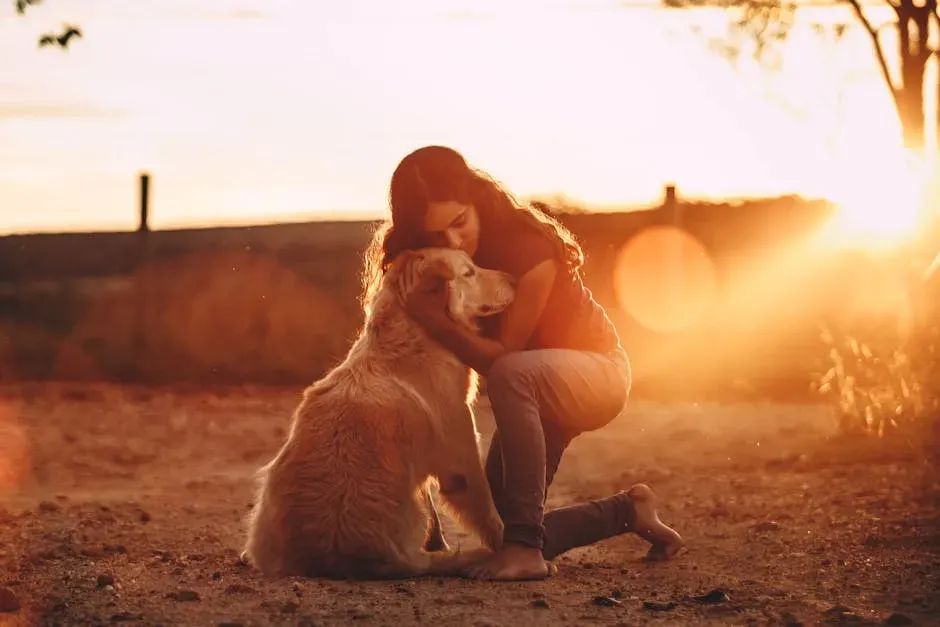
Here’s the uncomfortable truth: biologically, your dog could have lived an entirely different life. Different family, different country, different circumstances. But in their mind, there is no multiverse. There is just you – their person, their constant, their world.
Their brain literally lights up when they smell you; studies show dogs have unique, reward-linked responses specifically to their owner’s scent. They don’t love you because you’re perfect, stylish, or endlessly entertaining. They love you because you are theirs. You’re the one who shows up, feeds them, touches them, speaks their name – and in return, they center their whole emotional universe around you through every bad haircut, breakup, and 3 a.m. breakdown.
Dogs are not our whole life, but they make our lives whole.
Roger Caras
The Bottom Line
When you strip away the cute videos and filtered posts, the reality is raw: your dog is quietly making huge emotional sacrifices for you every day, without ever asking for a thank-you. They’d stand between you and danger, follow you into chaos, forgive your worst days, and reorganize their entire existence around yours.
If a human partner behaved with even half the loyalty most dogs show, we’d call it extraordinary. Yet many people still treat dogs as accessories or background noise. The hard, honest question is this: are you loving your dog back with even a fraction of the intensity they give you by default – not in toys or outfits, but in time, respect, and real attention?
Because if your dog would do all of this for you without hesitation, the least we can do is stop pretending they’re “just a pet.” Did we miss something your dog would do for you in a heartbeat? Drop it in the comments.