
14 Ways Dogs Sense You Are Unwell Long Before You Do

Your dog isn’t staring at you because they’re hoping for a snack. Sometimes they’re staring because something in you has already changed, and they clocked it before you did.
Researchers studying scent detection, medical-alert dogs, and everyday pet behavior keep landing on the same unsettling conclusion: dogs read our bodies like open books. They catch shifts in scent, breathing, movement, and mood that slip past our own awareness completely. In documented cases, dogs have flagged cancer, warned of seizures, and reacted to blood sugar crashes before any machine did. Most owners write this off as clinginess or a weird phase. That’s the mistake. Once you see the full list of ways your dog is quietly tracking your health, you’ll never look at their “weird” behavior the same way again.
#14 – They Smell Micro-Changes in Your Body

Dogs don’t just have a good nose; they live in a world of scent we can’t even imagine. When you’re getting sick, your body chemistry shifts. Hormones, inflammatory molecules, even the bacteria on your skin change slightly, and your dog’s nose is built to notice those shifts instantly, often before symptoms hit you at all.
A dog’s sense of smell is estimated to be tens of thousands of times more sensitive than ours.
So when your dog suddenly becomes fixated on sniffing your breath, your armpits, or one specific body part, it’s not random. They may be detecting volatile organic compounds your body releases when you’re stressed, infected, or dealing with something bigger. Trained dogs can already smell certain cancers from breath or urine samples.
Fast Facts
- Dogs have roughly 220 million scent receptors, compared to about 5 million in humans.
- The area of a dog’s brain devoted to analyzing smell is proportionally far larger than ours.
- Trained medical-detection dogs have identified certain cancers from breath and urine samples in controlled research settings.
- Stress, infection, and metabolic shifts all alter the scent compounds a dog’s nose can pick up.
Your pet at home isn’t a medical device. But if their sniffing habits suddenly change, your body might be saying more than you think – and #13 is even harder to ignore.
#13 – They Notice When Your Routine Quietly Breaks

Dogs are routine fanatics. You might not notice you’re moving slower, sleeping later, or skipping little habits when you’re coming down with something, but your dog absolutely does. They know when you usually get up, how fast you normally move, and the rhythm of your “healthy” day.
When your routine breaks, your dog often reacts before you realize anything is wrong.
Maybe they hover by your bed instead of waiting at the door. Maybe they skip pushing for their usual walk because they sense your low energy. While you’re telling yourself you’re “just tired,” they’re already adjusting their behavior to your new, unwell baseline.
Some people find this creepy. For dogs, it’s survival-level awareness – their emotional world is tied to your predictability, and when that pattern shifts, many grow watchful, clingy, or oddly quiet. Most people call that loyalty. It’s actually early detection.
#12 – They React to Tiny Changes in Your Gait and Posture
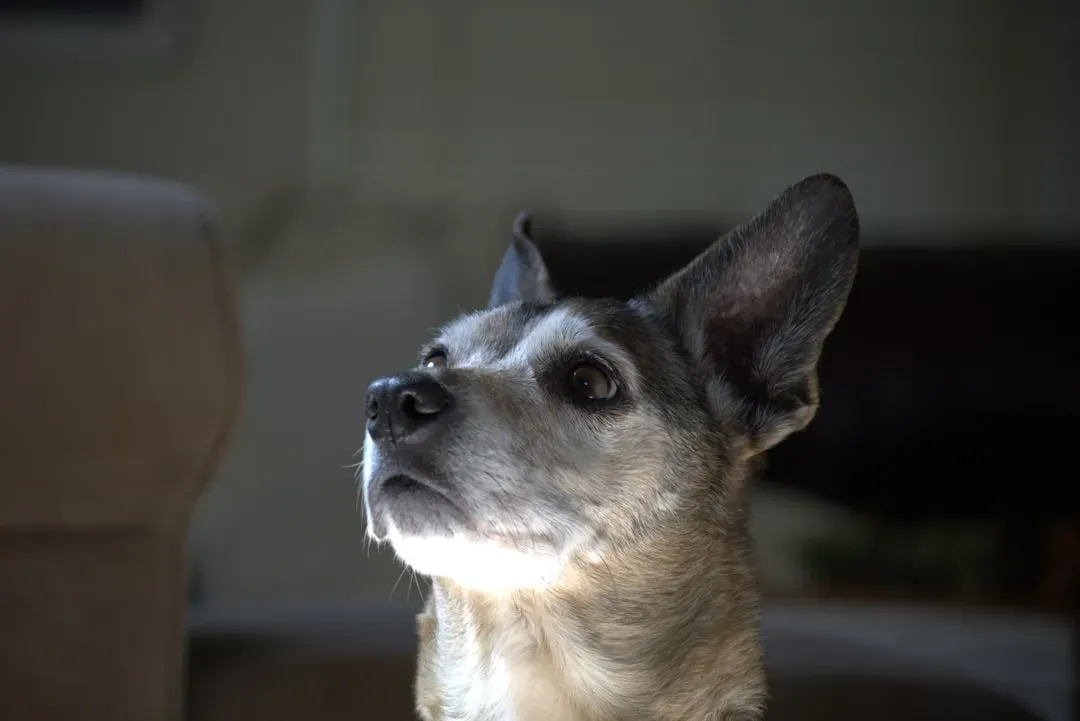
You don’t need a limp for a dog to know something’s off. They read micro-changes in how your body moves – a slightly hunched back, a slower rise from the couch, a subtle favoring of one side. To a dog, these are blaring alarms.
Dogs evolved to read movement because, in the wild, a pack member moving oddly could mean injury, disease, or danger.
Most people only notice pain when it’s obvious: clutching your side, holding your head, dragging your feet. Dogs notice when you’re ten percent off. They may circle you more, walk closer on one side, or wedge themselves under your hand as you stand, almost like a living cane.
Older owners with arthritis often report their dogs started slowing their own walk before any formal diagnosis ever came – as if the dog was adjusting to a weakness the human wasn’t ready to admit yet.
#11 – They Pick Up on Stress Hormones and Mood Swings

Everyone talks about “emotional support dogs,” but few people understand how literal this is. When you’re stressed, anxious, or sliding into burnout, your body shifts hormonally. Cortisol, adrenaline, and other chemicals change your natural scent and your micro-expressions.
Dogs can smell and see this chemical stress signature long before you’d ever call it anxiety out loud.
That’s why some dogs get suddenly clingy the moment you insist you’re “fine.” They press their body against you, nudge your hands, or refuse to leave your side. Social media loves to romanticize this as “they just know when you need them.”
The less comfortable truth: your body may be screaming stress signals you’ve been ignoring for months. Some behaviorists even argue chronic stress is one of the first things dogs regularly flag in their owners, long before a doctor ever does.
#10 – They Detect Fever and Temperature Shifts

You don’t need a thermometer for your dog to decide you’re running hot. Dogs are highly sensitive to temperature changes in the people they’re bonded to, and your skin temperature, breathing pattern, and even the warmth of your breath all shift when a fever is brewing.
Many owners report their dogs suddenly avoiding close contact, or doing the opposite and curling up tightly, right before they realize they’re sick.
Some dogs sniff repeatedly at your face, neck, or chest as your temperature climbs. Others go strangely cautious, watching from a slight distance as if trying to figure out what changed.
Science still debates exactly how dogs detect fevers, but the behavior pattern is consistent – heat, scent, and posture all shift together during infection. If your dog gets weirdly fixated on your face and won’t stop checking on you, your body may already be shifting into illness mode.
#9 – They Sense Pain in Specific Body Areas
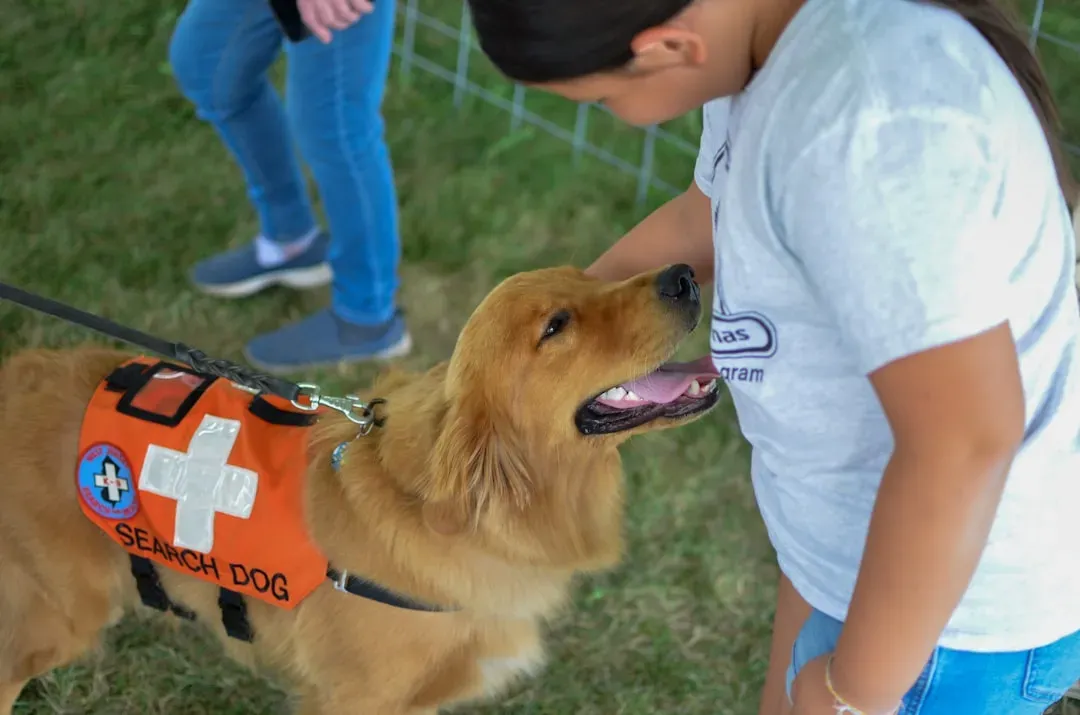
This is the one that makes skeptics uncomfortable. Many owners report their dog obsessively sniffing, pawing, or gently pressing against one specific spot on their body, only to later discover a real medical issue exactly there.
From joint problems to infections and even some cancers, dogs seem drawn to “trouble spots” long before humans take them seriously.
Your dog isn’t a diagnostic machine. But when they repeatedly lick, sniff, or hover around the same knee, side, or breast, that’s not random affection – they’re picking up differences in scent, heat, or swelling you barely feel, or are actively ignoring.
Worth Knowing
- Some cancer-detection dogs are trained specifically to identify tumor scent in breath, skin, or urine samples.
- Owners have reported dogs persistently nudging or lying on a spot that later revealed a tumor, cyst, or infection.
- Formal medical-alert training typically takes months of scent-recognition work before a dog is ready to work with patients.
- Joint pain, swelling, and localized infections all produce heat and scent differences a dog can pick up at close range.
In some documented cases, dogs have alerted owners to early-stage tumors simply by refusing to stop nudging or lying on that exact spot. Most people wait until pain is undeniable. Dogs respond to the earliest sensory clues instead.
#8 – They Hear Changes in Your Breathing and Heart Rhythm
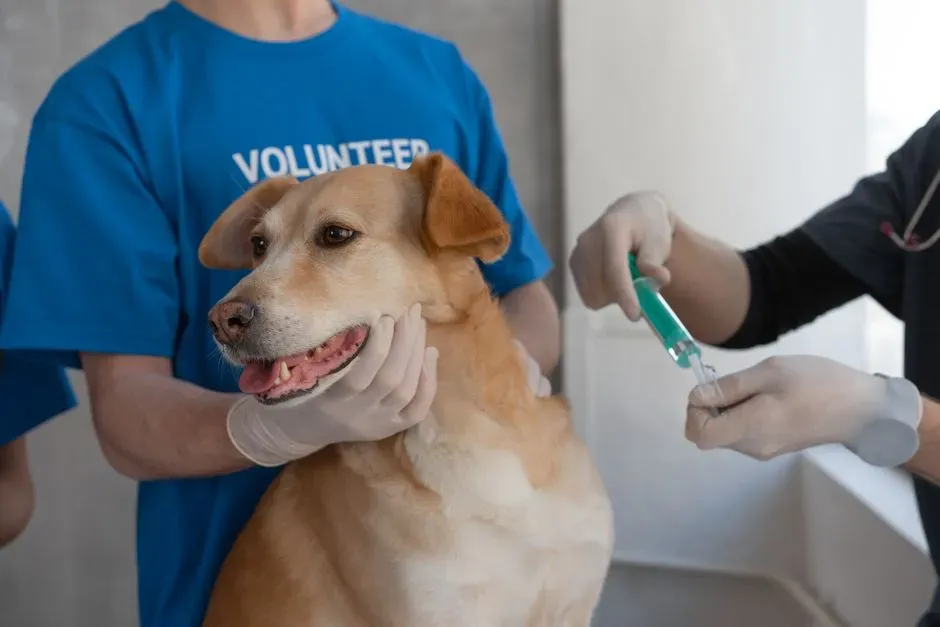
Dogs don’t just hear louder; they hear better. The rhythm, depth, and pace of your breathing form a sound pattern they memorize without even trying. When you’re unwell – whether from a respiratory infection, a heart issue, or a panic attack – your breathing changes long before you announce, “I don’t feel right.”
Some seizure-alert and medical-alert dogs are literally trained around these tiny auditory hints.
Even untrained pets react when breathing turns shallow, irregular, or labored. They might stare at your chest, tilt their head, or grow restless at night when your sleep breathing changes.
In more serious cases, owners report their dogs waking them repeatedly during sleep apnea episodes or sudden breathing irregularities. You shrug it off as your dog “being annoying.” Your body may have just thrown a red flag.
#7 – They React to Pre-Seizure and Neuro Changes

This is one of the most dramatic examples on the list. Some dogs sense subtle changes before a seizure or neurological episode, sometimes minutes or even an hour in advance. Scientists are still working out the exact mechanism, but it likely involves:
- Shifts in scent from chemical changes in the body.
- Very small changes in movement or behavior.
There are countless real-world reports of dogs alerting, pawing, or herding owners to safety before a seizure hits.
Some bark at family members, pace anxiously, or physically block their person from walking or driving. Even without formal training, certain dogs become hyper-attuned to these neurological tells.
Not every dog is a seizure-alert dog. But when your normally calm dog suddenly turns frantic or insistent around you, especially if you have a neurological condition, that’s not “acting weird.” That’s an early warning.
#6 – They Smell Blood Sugar Drops and Metabolic Shifts

This one sounds like science fiction until you look at how many diabetic-alert dogs already exist. When blood sugar drops or spikes, the body leaks out unique scent markers through breath and sweat, and dogs can be trained to respond to exactly that.
Here’s the twist: even untrained family dogs sometimes start reacting to recurring blood sugar issues long before diagnosis.
Owners have reported dogs waking them at night, pawing at them, whining, or refusing to leave their side when blood sugar quietly tanks. Others say their dog became oddly alert and clingy only during episodes of dizziness or weakness – classic metabolic warning signs.
Quick Compare
- Trained diabetic-alert dogs: Learn to recognize specific scent markers tied to blood sugar highs and lows, and respond with a specific trained cue like nudging or fetching a testing kit.
- Untrained family dogs: Often react instinctively to the same scent shifts, showing alert behavior like whining, pawing, or refusing to leave your side without any formal training.
- Both: Are not a replacement for medical monitoring, but can act as an early, informal warning sign worth paying attention to.
Your dog isn’t a lab test. But when health issues build slowly over months, your dog may be the only one who’s been paying attention to the pattern from day one. Ignoring that is very human. It’s just not very smart.
#5 – They Pick Up on Depression and Emotional “Numbness”
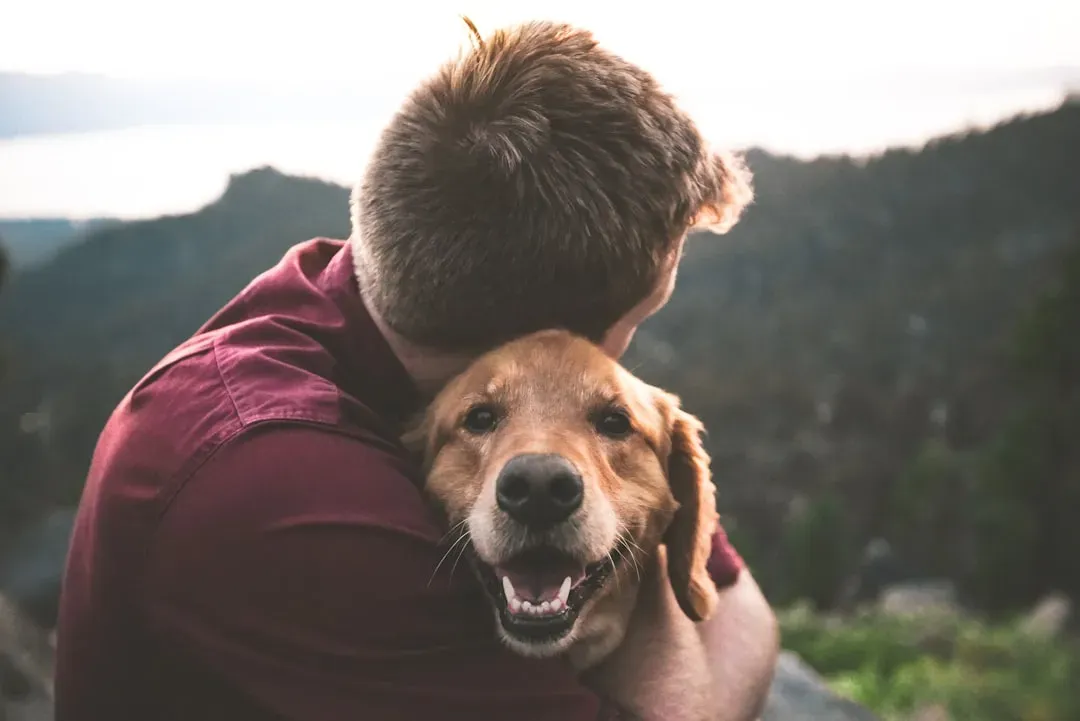
Physical illness isn’t the only thing dogs sense. When your mental health starts to slide, your patterns, voice tone, and body language all dull out. You move less, talk less, laugh less. You stop initiating play or walks. Your dog reads this as a serious shift in pack energy.
For many dogs, owner depression is experienced like an ongoing injury to their favorite human.
That’s why some dogs turn almost suffocatingly attentive when their person is depressed. They may bring toys without insisting you play, curl against you more than usual, or stare at you with what people read as “worried” eyes.
Is some of that projection on our part? Probably. But behaviorally, dogs are reacting to a real pattern: your emotional output has crashed. The internet likes to claim dogs can cure depression, which is unrealistic and unfair to the dog. What they can do is throw the first emotional flare that something isn’t right, long before you admit it’s more than a bad week.
#4 – They Sense Infection and Inflammation Through Smell and Heat
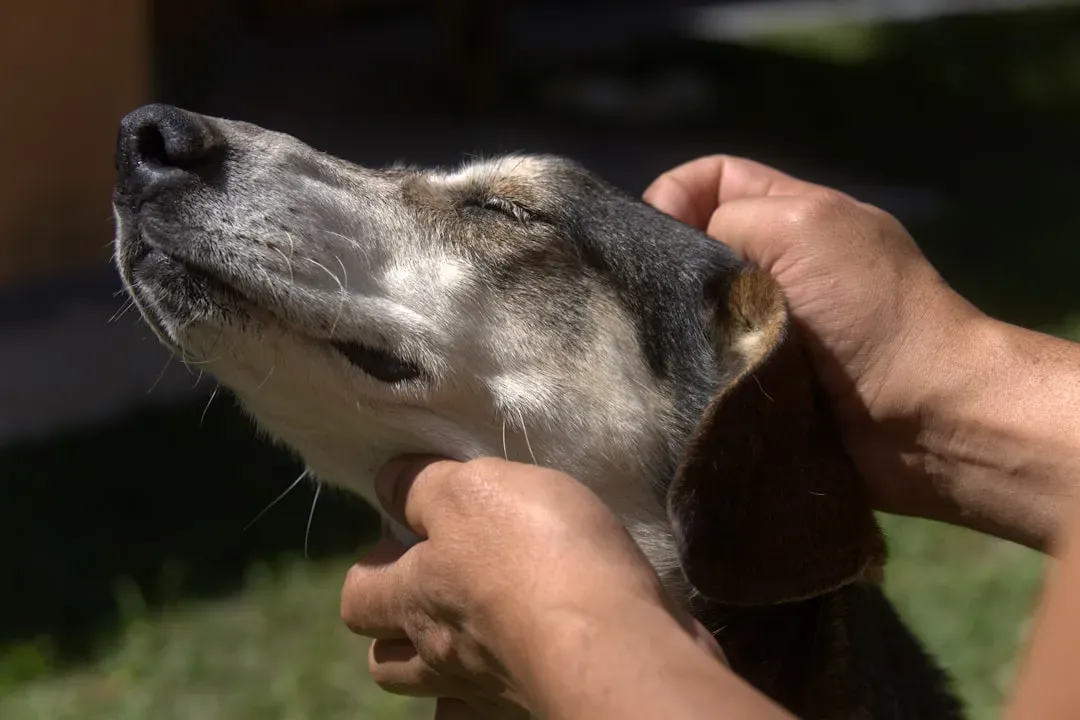
When you have an infection – sinus, ear, tooth, skin, you name it – your body doesn’t just hurt. It broadcasts the problem through scent and temperature. Increased blood flow, swelling, and immune activity all carry a chemical signature.
Dogs frequently zero in on infected areas, sniffing or licking them obsessively.
Sometimes that’s gross. It might also be the earliest signal something needs attention. Owners often notice this with ear infections or dental issues – a dog gets weirdly interested in one side of your face or constantly sniffs your mouth. Others press their nose gently against joints inflamed by autoimmune conditions.
People shrug this off as “my dog being weird,” right up until a doctor confirms an underlying issue. If your dog consistently targets the same area and you’re feeling off, it’s worth listening.
#3 – They Monitor Your Sleep Quality Like a Hawk

If you think your dog just “sleeps” next to you all night, you’re underestimating them. Dogs track your movement, breathing, and even your tossing and turning. When your sleep quality tanks because of illness, pain, stress, or breathing problems, your dog often responds long before you admit you haven’t slept well in weeks.
Some dogs will reposition themselves closer to your chest or head when something’s wrong at night.
Others start waking you repeatedly, nudging you when your breathing changes, or sitting upright and alert while you’re restless. Many people get irritated, kick the dog off the bed, and miss the point entirely: your nervous system is dysregulated, and your dog is acting on it.
Fast Facts
- Dogs can register shifts in breathing rate, body temperature, and movement while you sleep.
- Repeated nighttime waking or repositioning near your chest may coincide with breathing irregularities.
- Chronic poor sleep is linked to higher risks of heart disease, weakened immunity, and mood disorders.
- Many owners only recognize a sleep problem after their dog’s nighttime behavior changes for weeks.
Over time, poor sleep wrecks your health. Dogs seem to treat disrupted sleep as a serious pack issue, not a minor inconvenience. They don’t care about your morning meeting; they care that your body isn’t resting right.
#2 – They React to Subtle Behavioral “Glitches” You Don’t Notice

Before you feel truly sick, you often have tiny glitches: dropping things more often, zoning out mid-task, walking into rooms and forgetting why. Dogs catch this immediately because it clashes with your usual pattern.
They are pattern specialists, and when your decision-making or coordination changes, they clock it – even if you laugh it off.
Maybe you miss their feeding time by an hour. Maybe you trip over them twice in one day when you never do. Maybe you suddenly sit staring at your phone instead of talking to them.
To your dog, none of this is random – it’s a sign something internal is off. Some become pushier to re-engage you, others grow watchful and subdued. Either way, they’re responding to a version of you that isn’t “normal,” even if you keep insisting everything’s fine.
#1 – They Tune Into Your Overall “Energy Signature” and Act Before You Do
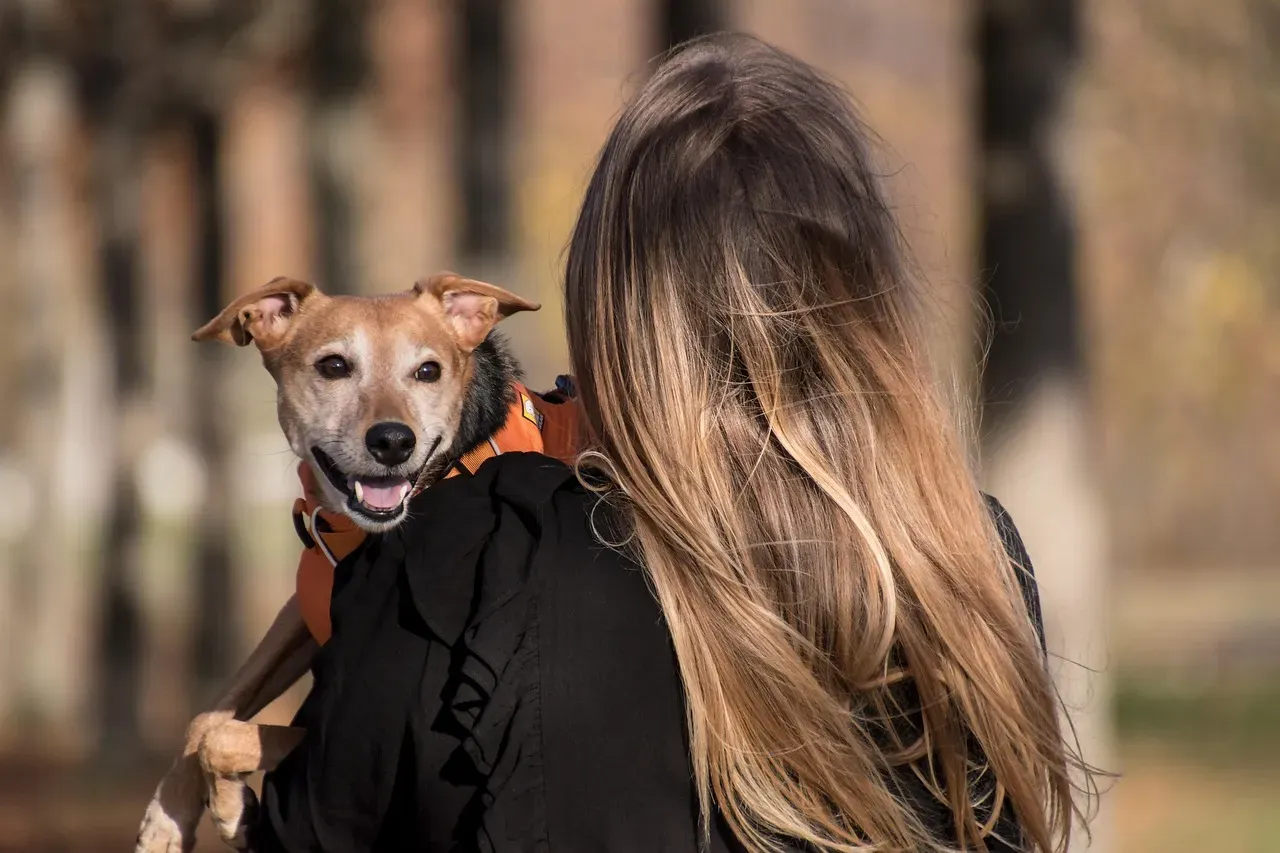
Here’s the uncomfortable truth: your dog often knows you’re unwell because they know you better than you know yourself. Not in a mystical way – in a brutally practical one. They live with your scent, your movement, your voice, breathing, routines, and moods, all day, every day.
Over time, your dog builds an insanely accurate baseline of you, and they notice any deviation.
That deviation can mean illness, injury, hormonal shifts, pregnancy, burnout, or something you haven’t even named yet. While people argue online about whether dogs really detect disease, dogs are busy responding to what’s right in front of them: your energy is off.
When they shadow you more, refuse to leave your side, grow agitated around you, or suddenly change their behavior with no obvious trigger, they might be reading your body’s earliest warning signals more clearly than you are.
The Bottom Line
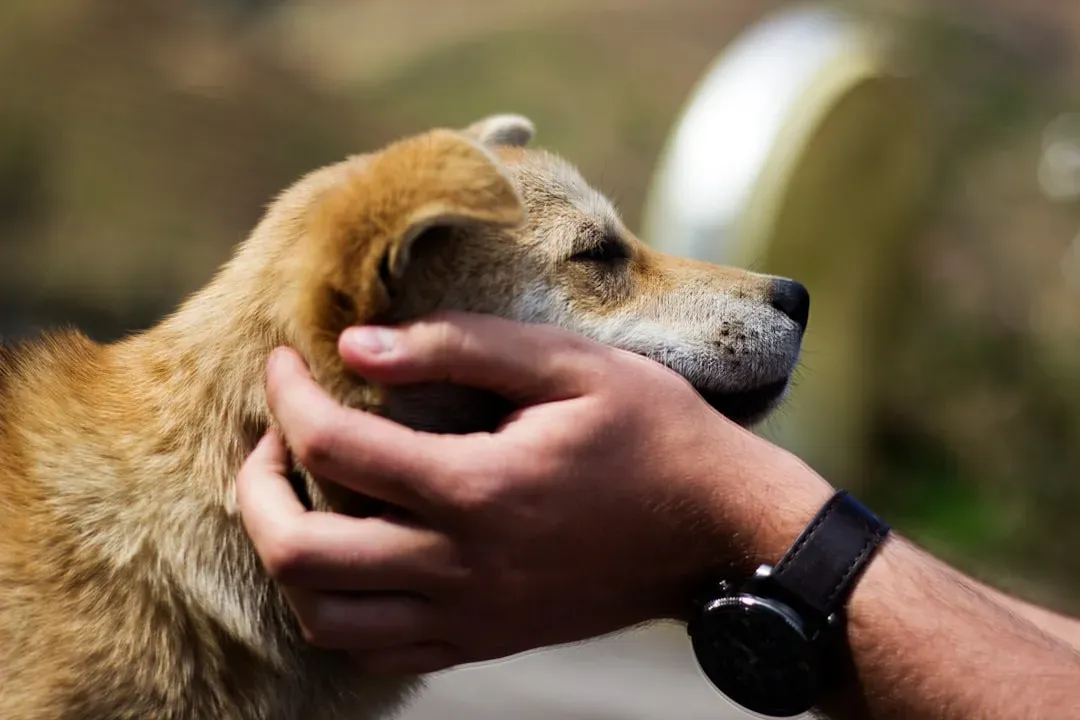
We like to think we’re the ones taking care of our dogs, but the evidence quietly says the opposite: they’ve been health-monitoring us the whole time. From scenting out hormone and inflammation changes to flagging shifts in mood, gait, and sleep, dogs are constantly picking up on signals we’re too distracted, or too stubborn, to notice.
The hard truth is that most people only take their dog’s “weird behavior” seriously after a diagnosis, not before.
Should you panic every time your dog acts odd? No. But dismissing persistent, focused changes, especially when you’re feeling even slightly off, is denial dressed up as logic. The smarter move is simple: pay attention, track patterns, and trust that your dog’s obsession with you isn’t random.
They are, in their own messy, furry way, the earliest health alarm you’ll ever have. Did your dog ever “diagnose” you before a doctor did? Tell us about it in the comments.