
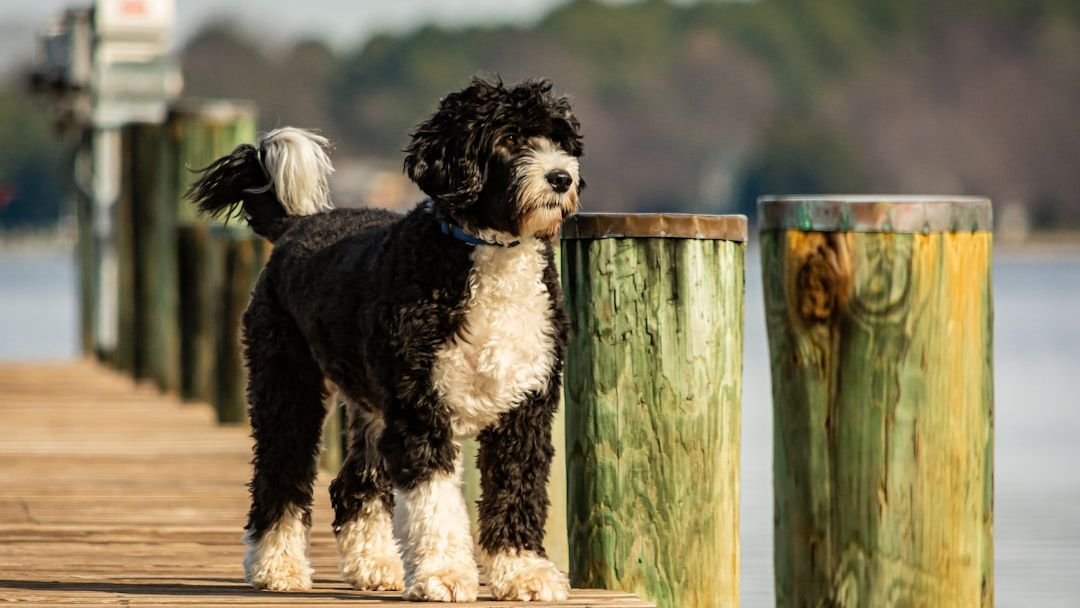
There’s a fascinating paradox hidden inside most professional grooming salons. The people who spend their days coaxing perfectly rounded pompoms out of Poodles and untangling the silky cascades of Afghan Hounds often go home to dogs with short coats and zero-fuss maintenance needs. It’s not that they don’t love high-maintenance breeds. It’s that they know exactly what owning one actually costs – in time, in energy, and in patience.
The irony isn’t lost on professional groomers – they spend their days making high-maintenance breeds look absolutely stunning, yet when it comes to choosing their own companions, many opt for the very breeds they recommend to busy pet parents seeking low-maintenance options. If you’re in love with one of the breeds on this list, that’s completely understandable. This article isn’t here to discourage you. It’s here to give you the full, honest picture so you can prepare, commit, and care for your dog with open eyes.
1. The Poodle: Genius-Level Coat, Genius-Level Commitment
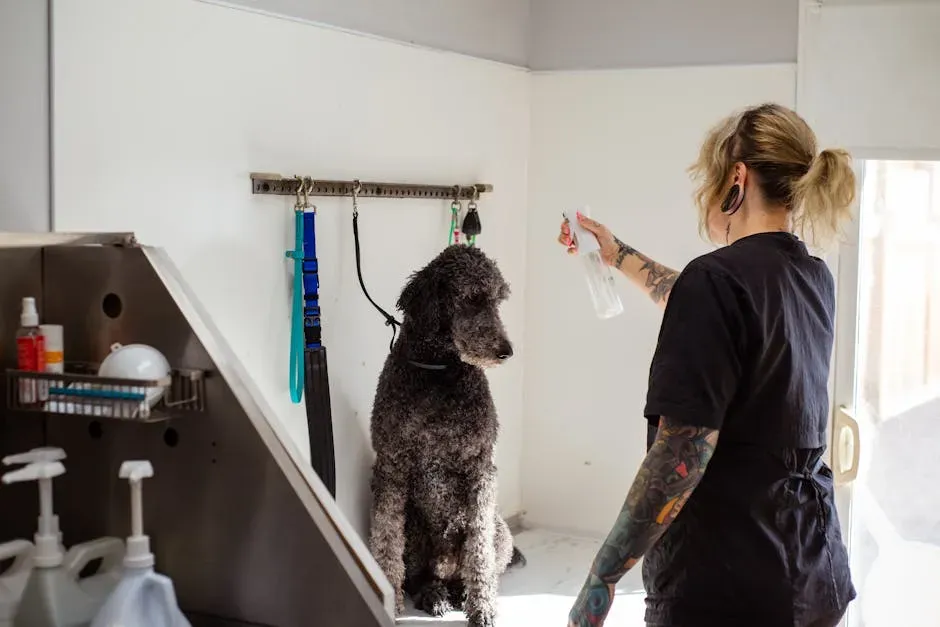
There’s a reason the Poodle sits at the top of nearly every “hardest breeds to groom” list. Their coat is made of dense, curly, single-layer hair that grows continuously, much like human hair. Unlike double-coated breeds that shed, Poodles don’t drop fur naturally – meaning every strand stays put until it tangles. Left without attention for even a few weeks, the coat begins to felt from the inside out.
A Poodle’s coat can turn into a felted mess relatively quickly. Mats form under the armpits, behind the ears, and around the tail base – and these aren’t just annoying clumps. They pull on the skin, cause sores, trap moisture, and invite infections. The behavioral signs are just as telling: a dog in mat-related discomfort will flinch from touch, become anxious, and may even snap when handled.
On top of that, Poodles often sport intricate styles such as the Continental or English Saddle clip, which demand precision and expertise. As a groomer, you must be familiar with breed standards or customer preferences, adding complexity to the process. Most owners will need to take their Poodle to a professional dog groomer every four to six weeks to be bathed and groomed. For a groomer who already does this all day, coming home to the same requirement is the last thing they want.
2. Old English Sheepdog: Beautiful, But Borderline Relentless
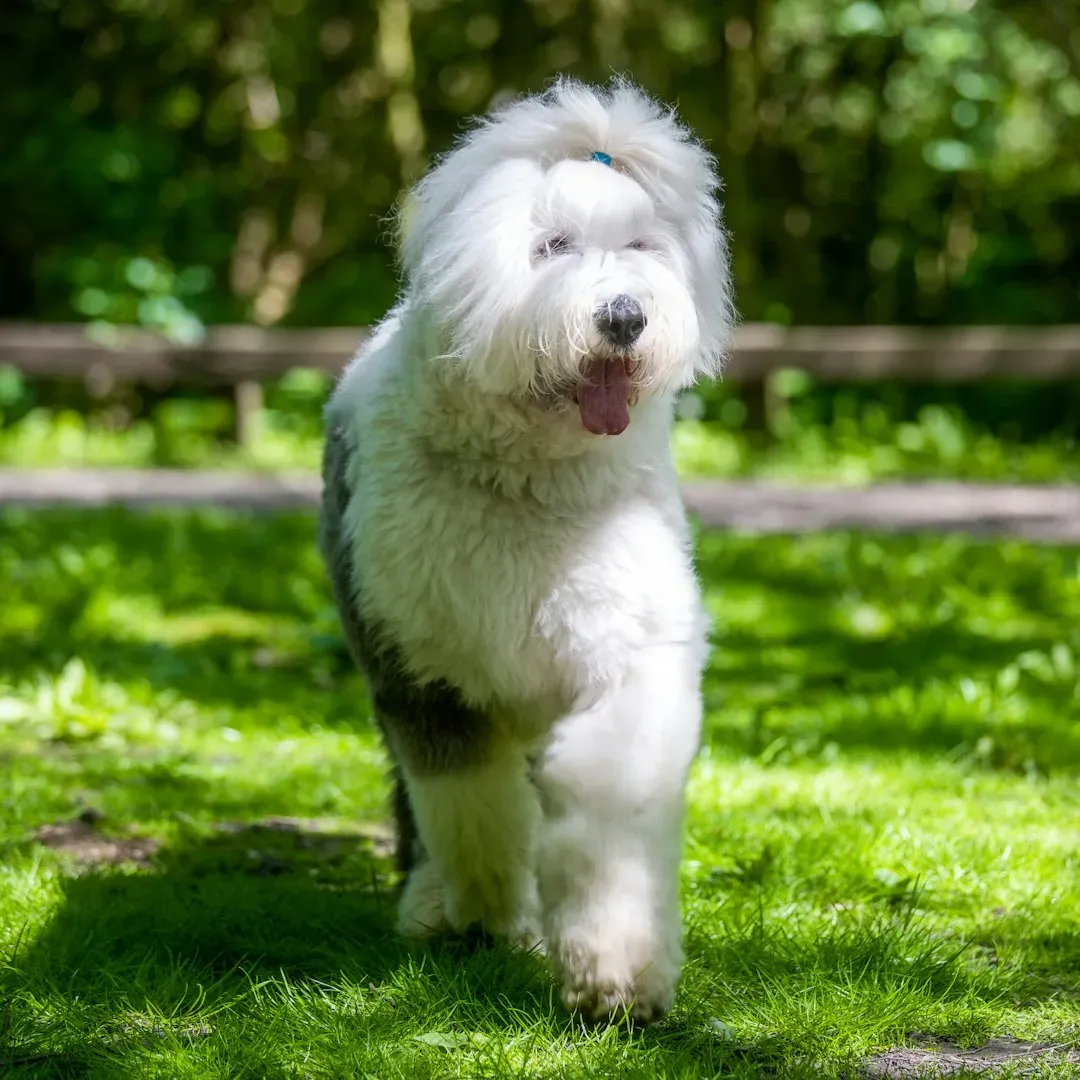
Known for their abundant, shaggy double coats, Old English Sheepdogs are prone to matting and require extensive upkeep. Groomers and pet owners must ensure thorough brushing to avoid painful tangles and skin irritation. The coat isn’t just long – it’s dense and naturally coarse, covering the dog from nose to tail in an impressive, fluffy mass that demands constant attention.
Old English Sheepdogs have a double coat that requires extensive grooming down to the skin over its entire body at least once a week. Daily brushing and regular trips to a professional groomer are required. Skip a few sessions and you’re not just dealing with some surface tangles – you’re dealing with mats that sit close to the skin, causing the dog genuine discomfort.
Many groomers count the Old English Sheepdog among their least favorite breeds to groom. Not only do these dogs have a lot of hair, but many owners neglect the coat too long, and the dogs arrive as a matted mess – yet owners still want the full, fluffy look. That combination of expectation versus reality is exhausting for professionals, making ownership even less appealing after a long workday.
3. The Komondor: The Dog That Could Take All Day to Dry
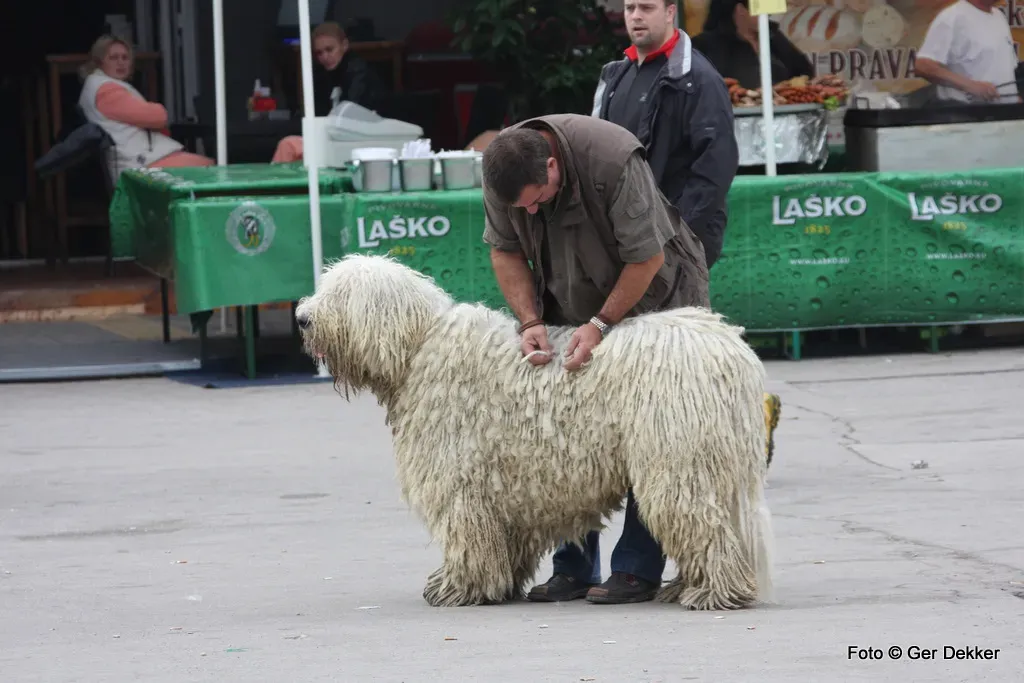
The Komondor is famous for its distinctive corded coat, which resembles long, matted cords or dreadlocks. These cords form naturally as the puppy grows, and by the time the dog reaches maturity, the coat is a remarkable sight. However, this striking appearance comes with a responsibility – the coat requires diligent maintenance to prevent matting, tangling, and hygiene issues.
Looking like a giant mop come to life, the Komondor’s corded coat is truly one of a kind. Those cords don’t form naturally without help – they require careful separation and maintenance to develop properly and avoid matting into one solid mass. Bathing is a marathon event, as the cords take hours to dry completely. Keeping them clean and preventing dirt buildup demands patience and specialized knowledge.
Drying a Komondor is a full-day process. Many groomers suggest using large floor fans to blow the dog dry, because it is just about the only way to prevent the hair from mildewing. Even with the best setup, the coat may stay damp for up to 24 to 48 hours after a bath. That’s a significant lifestyle commitment hiding behind an undeniably cool-looking dog.
4. Afghan Hound: Aristocratic Beauty With Aristocratic Demands
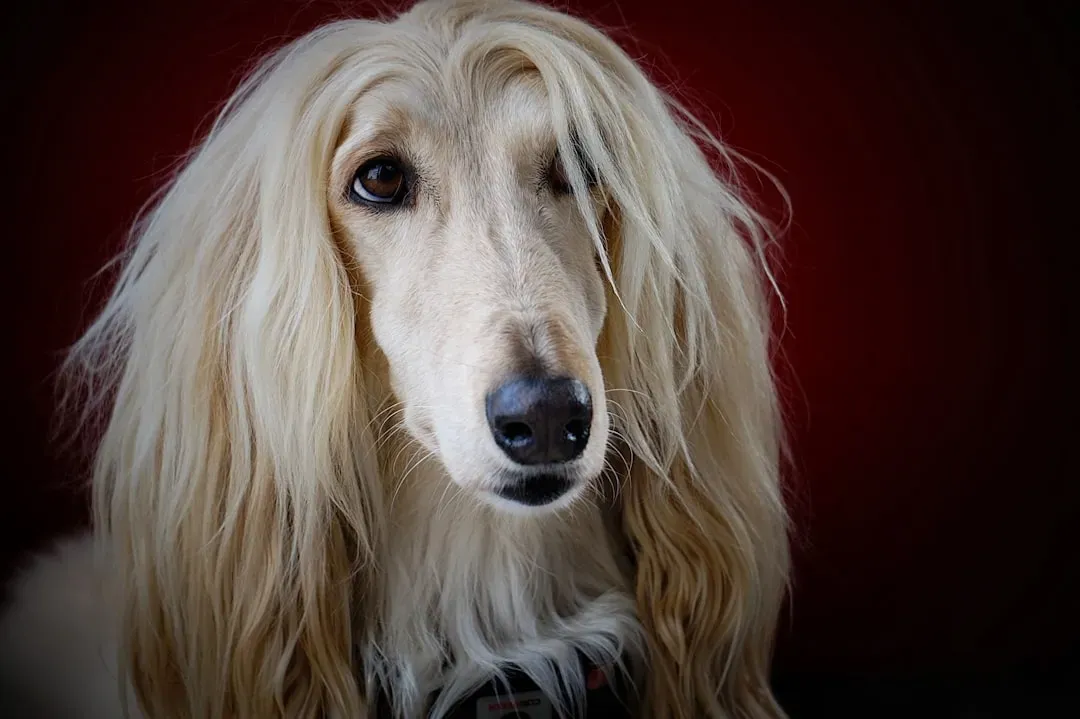
The Afghan’s long, silky coat is beautiful but high-maintenance. Regular brushing is essential to prevent mats, especially around ears and topknots. While they shed minimally, their flowing locks require patience, consistency, and occasional baths to maintain that signature silky sheen. The coat’s fine texture makes it particularly prone to tangling during everyday activity.
Afghan Hounds are known for their long, silky coats that require extensive grooming to maintain. Their coats need daily brushing to prevent tangles and mats, and regular bathing is necessary to keep their fur clean and shiny. Afghan Hounds also require professional grooming to trim and style their coats. Since these dogs are active and love to run, they regularly pick up debris, burrs, and dust that work deep into the coat.
For busy families, the Afghan Hound’s grooming needs can quickly become overwhelming, making professional help almost a necessity rather than a luxury. Groomers who work with Afghan Hounds professionally know that a full session can consume several hours – which is exactly why most would rather admire this breed from a distance.
5. Maltese: Small Dog, Enormous Grooming Responsibility
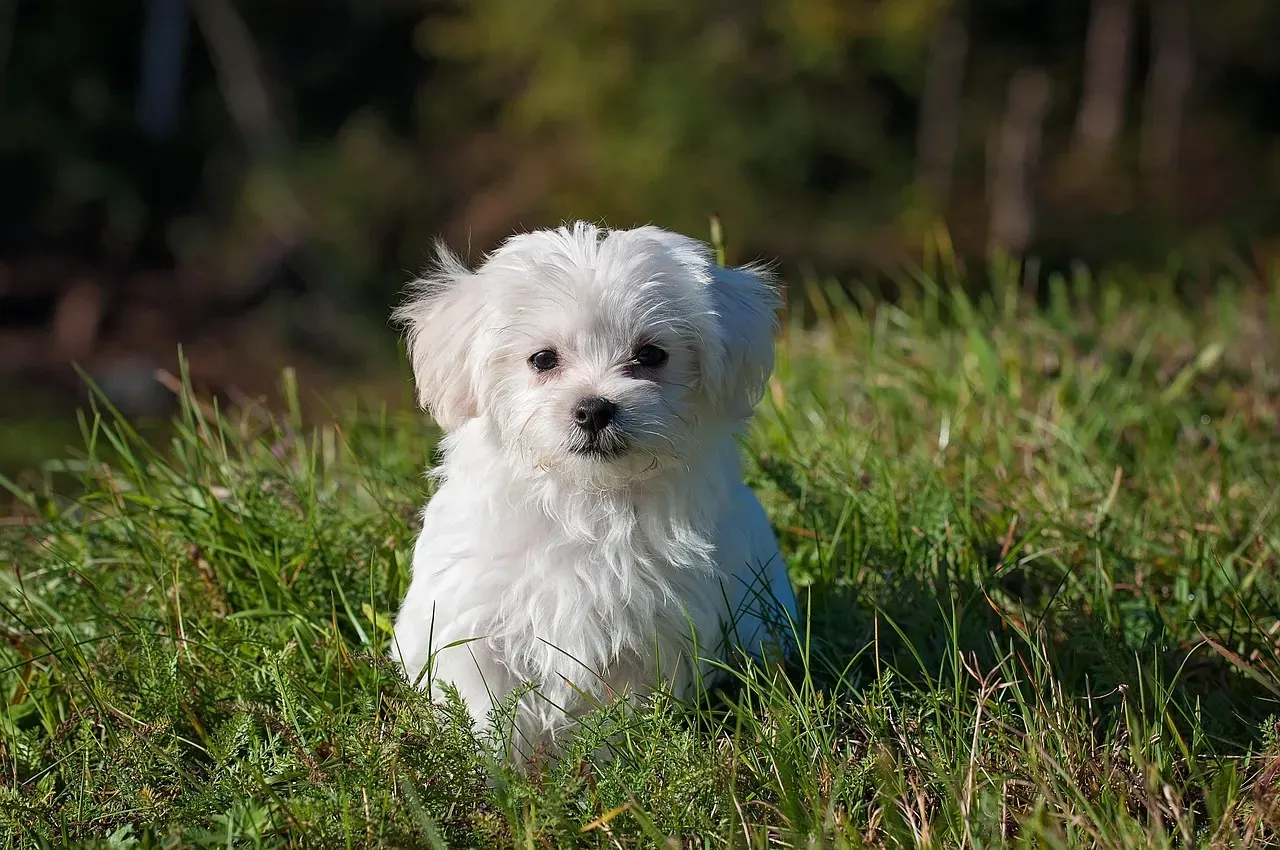
Tiny but demanding, the Maltese sports a gorgeous long white coat that requires daily care to keep it tangle-free and pristine. Their hair grows continuously and easily picks up dirt, requiring frequent baths and conditioning treatments. Tear staining around the eyes is also common and needs regular cleaning to prevent discoloration.
The mental energy required to maintain a Maltese properly is something many groomers find exhausting after a full day of detailed work. The breed requires not just regular grooming but preventative care to avoid staining and matting. Maltese dogs have long, white coats that need to be gently brushed every day, plus regular baths and coat conditioning. Combing down to the skin helps prevent tangles and mats.
Maltese are prone to tear staining, so regular cleaning around their eyes is necessary. Their ears need frequent cleaning to prevent infections, and their nails should be trimmed regularly. The grooming regimen required to keep a Maltese looking and feeling its best is significant, making them one of the breeds with the highest grooming needs. For most groomers, this adds up to a breed that’s gorgeous to look at but genuinely tiring to maintain.
6. Lhasa Apso: Tibet’s High-Maintenance Treasure
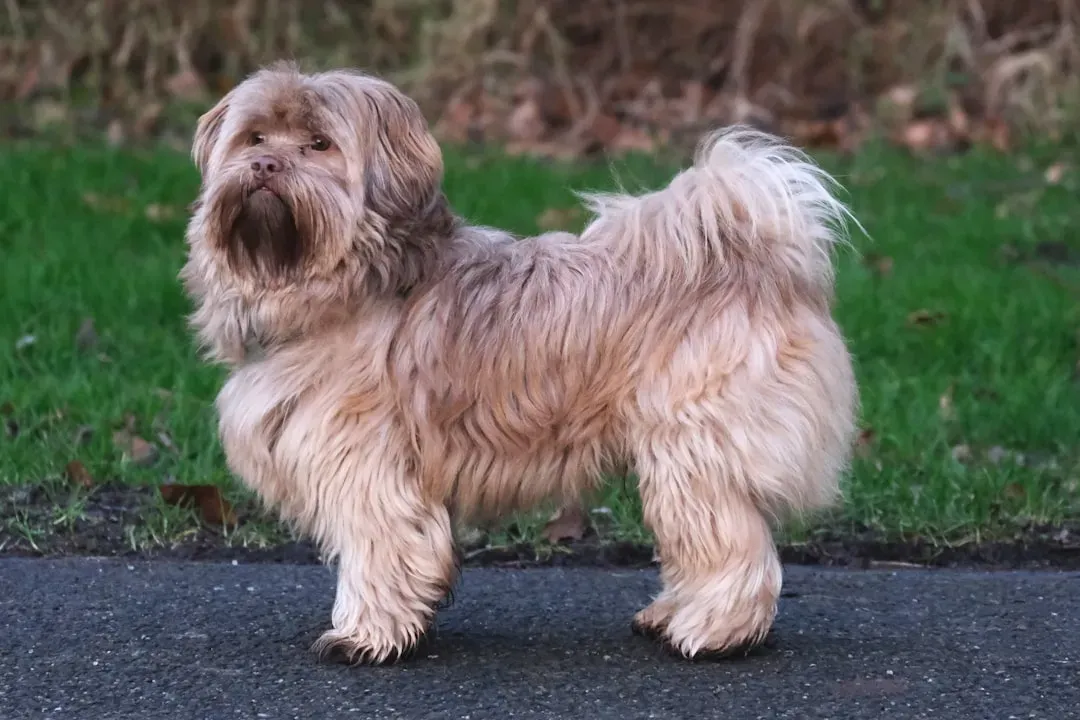
The Lhasa Apso, a small dog with a long, flowing coat that demands regular attention, originates from Tibet. Daily brushing is necessary to prevent mats, particularly in the hair around their ears and tail. Despite their small size, this breed’s grooming schedule rivals that of much larger, more obviously demanding dogs.
What makes these dogs particularly challenging is their coat’s tendency to mat in hard-to-reach places, requiring constant vigilance. Lhasa Apsos with long hair need to be brushed regularly using specific tools and techniques, and the breed needs to be bathed every two to four weeks. Without consistent brushing, their coat turns into a matted nightmare that’s painful for them and expensive to fix.
Regular grooming to prevent tangles and matting is essential. Grooming a Lhasa Apso can be a time-consuming task, even for experienced dog owners. You need to be fully prepared to brush them every day to maintain a healthy coat. This breed requires regular shampooing to minimize tangling and must be groomed professionally every six weeks. That’s a tight schedule for any owner, let alone someone who already spends their workday doing exactly that.
7. Bichon Frise: The Cloud Dog With a Hidden Catch
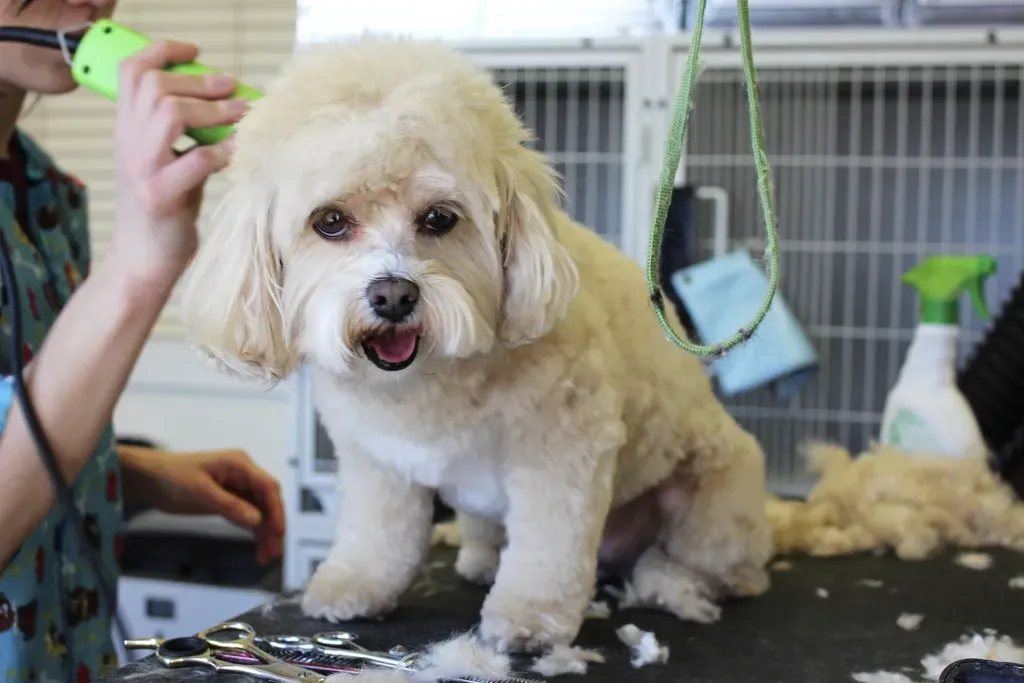
The Bichon Frise has a thick, fluffy double coat that requires daily grooming with a brush and comb to keep it looking its best. These dogs also have a thick undercoat that can be very difficult to groom at home, especially for new dog owners. Grooming a Bichon Frise can be time-consuming and requires a lot of patience, due to mandatory regular bathing, drying, detangling, trimming, clipping, and cleaning.
Bichon Frise dogs should be brushed at least two or three times a week, or even every day. They need to be clipped and bathed once a month, so should be taken to the groomer around every four to six weeks. Shed hair that gets caught up in the undercoat has to be brushed out to prevent mats from forming. Those powder-puff looks don’t maintain themselves.
Many groomers describe severely matted Bichons as “grooming emergencies” that require hours of careful work. After dealing with these challenging cases professionally, many groomers prefer pets that won’t become emergencies if they miss a day or two of brushing. The Bichon’s cheerful personality is genuinely wonderful – but the coat maintenance behind that fluffiness is relentless.
8. Shih Tzu: Royal Roots, Royal Upkeep
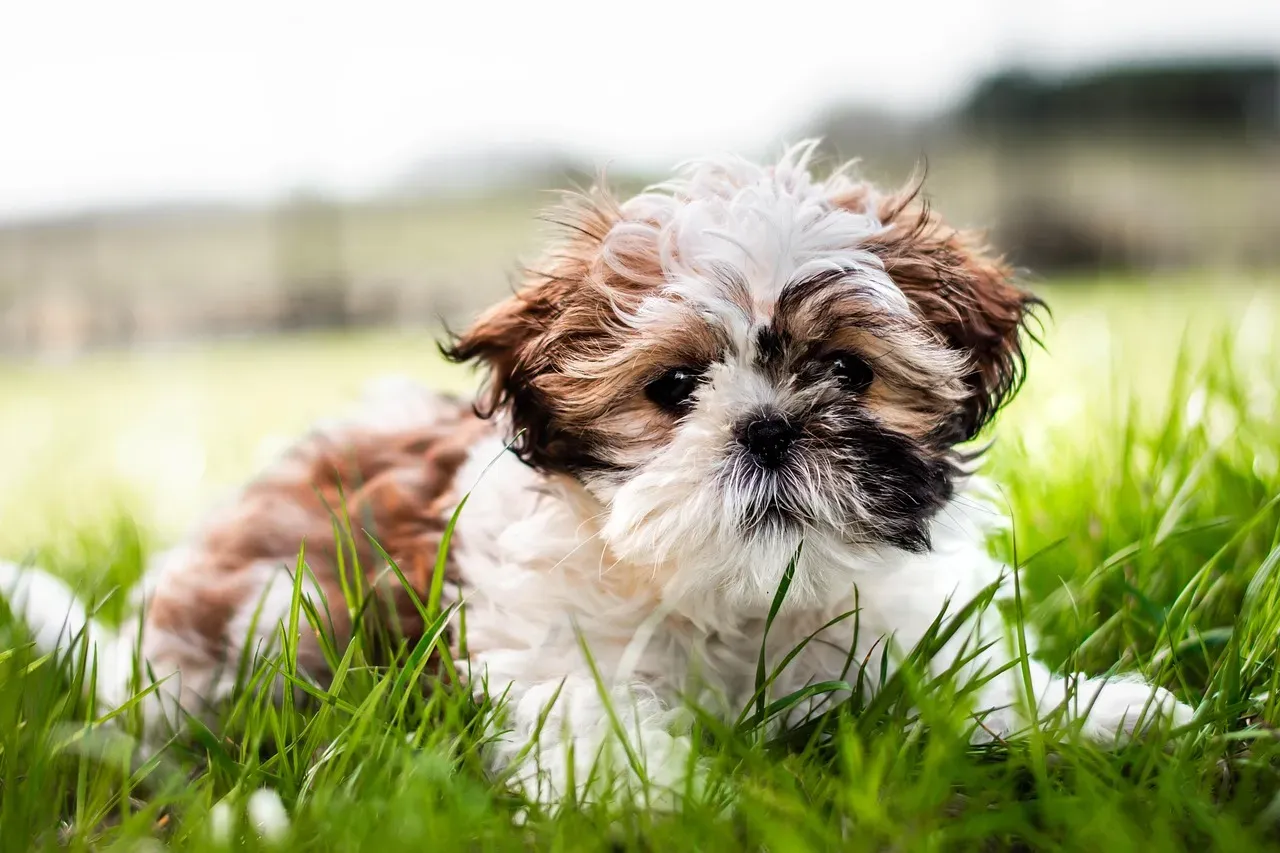
The Shih Tzu’s long, flowing coat is not merely cosmetic but represents a significant welfare consideration. Unlike fur, the breed’s coat more closely resembles human hair, growing continuously without seasonal shedding. Daily brushing and regular professional grooming are essential to prevent painful matting. Matting most commonly develops in friction zones, including behind the ears, beneath the collar or harness, and around the groin. Failure to maintain coat hygiene can lead to skin inflammation, infection, and chronic discomfort.
Not only does the Shih Tzu require daily brushing, but they also need daily attention paid to cleaning the ears and wiping the eyes. Keeping the coat trimmed would lower the amount of thorough brushing needed. Many owners choose to keep their Shih Tzus in shorter puppy cuts to reduce daily maintenance. Even with regular home care, professional grooming every few weeks helps keep their coat manageable and prevents skin issues from developing.
There’s also the face to consider. Groomers and vets recommend keeping a close eye on the fur around a Shih Tzu’s mouth and nose, trimming it occasionally and keeping the area clean, as food can collect there and make the skin sore, potentially leading to infections. It’s a breed that genuinely rewards consistent, attentive owners – but penalizes any lapses quickly.
9. Cocker Spaniel: Those Ears Are Asking for Trouble
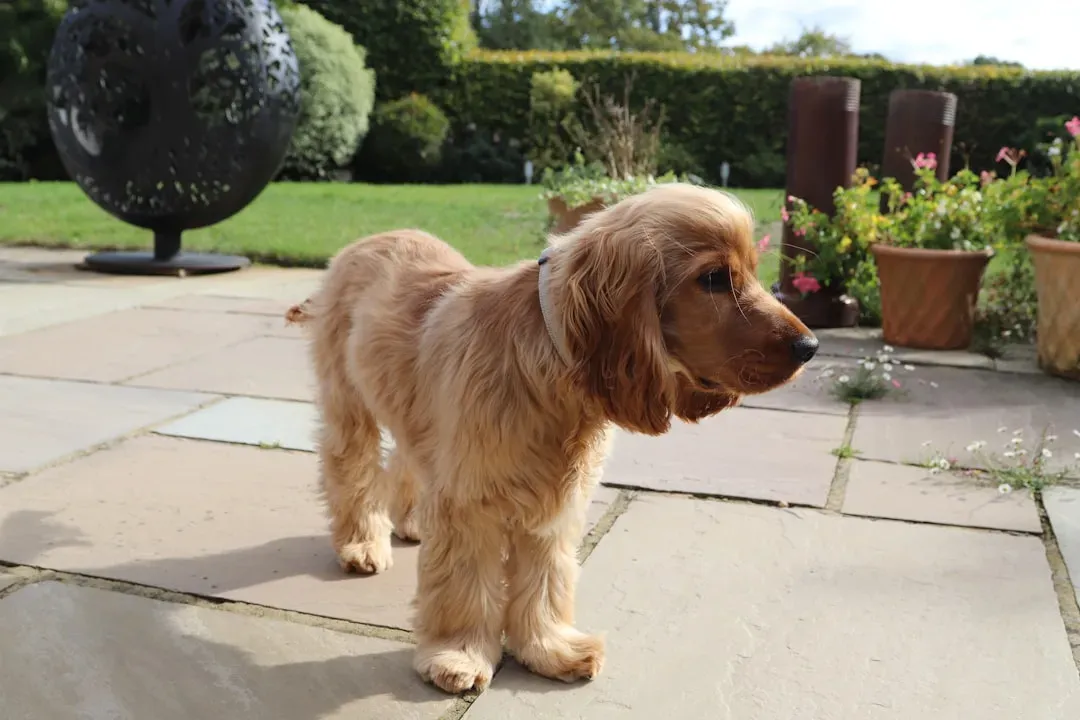
Those soulful eyes and floppy ears make Cocker Spaniels irresistible, but their dense, wavy coat is another story. Their fur mats quickly, especially in areas where the coat is longest, like the ears, chest, and legs. Regular bathing and thorough brushing are essential to maintain their coat’s health and appearance. Without consistent grooming, their beautiful fur can become a tangled nightmare that’s uncomfortable for the dog and frustrating for owners trying to manage it.
Cocker Spaniels require regular, thorough grooming as well as thorough bathing using high-quality dog shampoo. Thorough rinsing and re-rinsing are crucial, as soap residue can cause skin irritation. Careful drying with a blow-dryer on a low heat setting is important, along with learning the proper procedure for cleaning and drying the ear canals. During bathing, checking the Cocker’s skin for any inflamed spots and getting treatment is essential.
Cocker Spaniels are also prone to ear infections, so their ears need frequent cleaning. Regular nail trimming and dental care are essential to their grooming routine. The time and effort required to maintain a Cocker Spaniel’s coat and overall health make them one of the breeds with the most grooming needs. Groomers see what happens when those ears get neglected – and it’s enough to make them think twice about ownership.
10. Portuguese Water Dog: The “Presidential” Pressure Problem
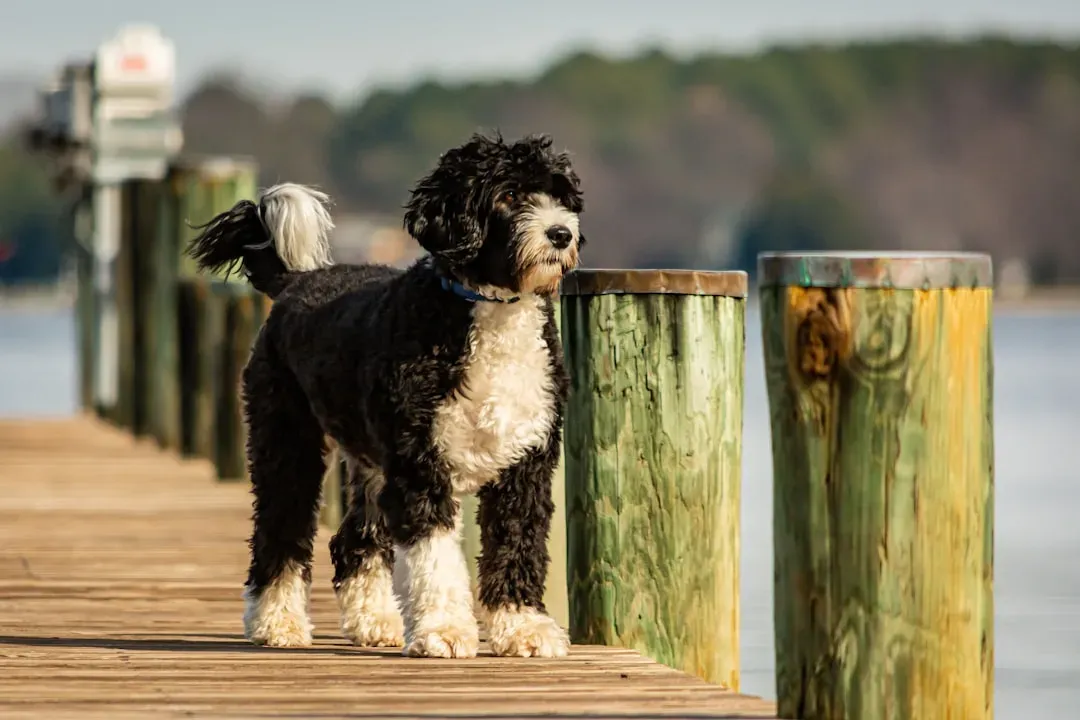
Made famous by the Obama family, Portuguese Water Dogs have become increasingly popular. Active and intelligent, the breed makes an excellent choice for active families with children of all ages. Having hair rather than fur, their coats continually grow and require regular brushing, bathing, and trimming. The non-shedding quality that makes them so appealing is, ironically, part of what makes them demanding.
The challenge with this breed isn’t just the maintenance – it’s the expectation. With coats ranging from tight and curly to loose and wavy, Portuguese Water Dogs require “regular and extensive grooming,” according to the AKC. This breed should be groomed once a week and bathed occasionally. That weekly grooming commitment is non-negotiable, not optional.
When you’re the professional everyone expects to make their dog look “presidential,” the pressure can be intense, making many groomers prefer lower-maintenance companions at home. It’s a breed that’s genuinely wonderful in the right hands – but those hands need to be willing, available, and well-equipped with the right brushes.
11. The Puli: A Living Work of Art You Can Never Just Towel Dry
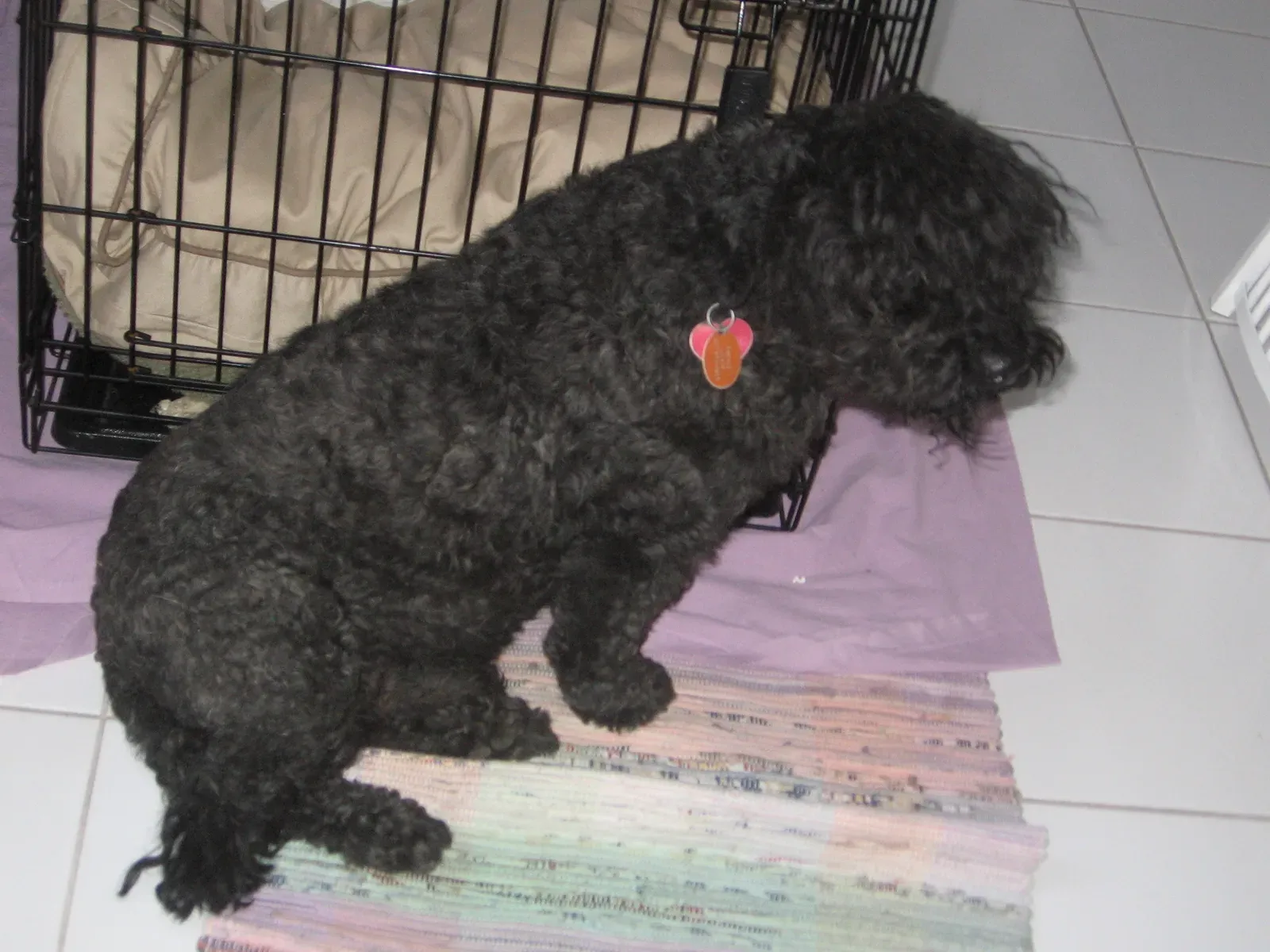
Transferred from en.wikipedia to Commons by User:Kelly using CommonsHelper., Public domain)
A Puli’s corded coat is beautiful but extremely high-maintenance. The cords must be separated as they form, bathed with care, and dried thoroughly to avoid mildew. Owners need patience and often professional guidance to maintain the signature dreadlocks. Like the Komondor, drying is where most people underestimate the true time investment of owning this breed.
The intricate corded coat needs to be pulled and separated weekly. When rinsing the Puli after a bath, it is necessary to make sure all shampoo has been rinsed away from each dreadlock. Shampoo residue may cause skin irritation. Generally, a Puli coat takes several hours to dry with a blow dryer, or a few days on its own.
When bathing within the home, this breed is extremely hard to dry due to their cords. It can take several hours to even a full day for this breed to dry. If the breed is not dried correctly, it can leave mildew as well as a stench within their cords. That’s not a pleasant discovery on a Tuesday evening after a long day at the salon. Groomers know this all too well – which is exactly why they tend to admire the Puli from afar.
12. Yorkshire Terrier: Big Demands in a Tiny Package
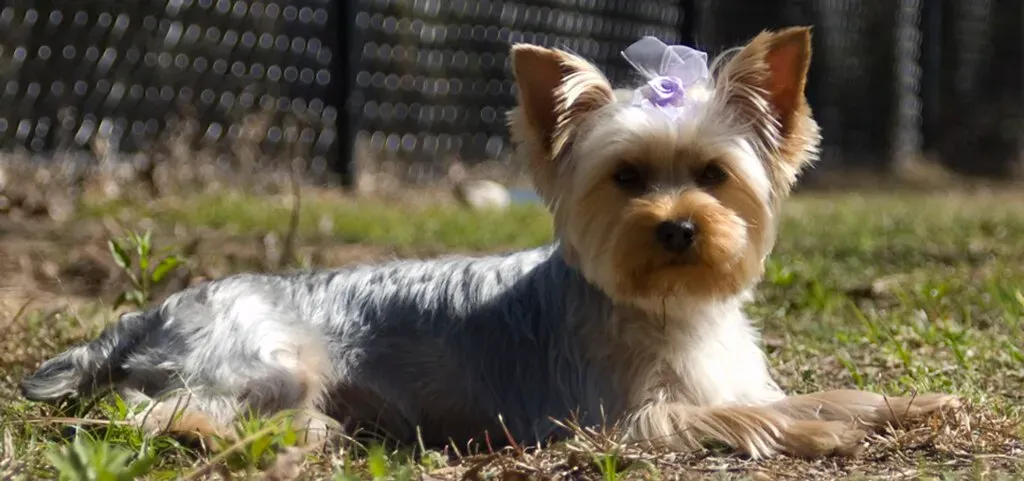
The Yorkshire Terrier, or Yorkie, is a small breed known for its long, silky coat. This breed’s coat requires daily grooming to prevent matting and tangling. Don’t let the small size fool you – the Yorkie’s grooming demands are entirely disproportionate to its compact frame. That fine, hair-like coat gets into knots with startling speed.
These little dogs require daily brushing to keep their coats free from matting. Unless trimmed, their bangs are tied in a top knot to keep hair out of their eyes. Some owners opt to keep the long coat trimmed for easier brushing. That’s actually smart advice – keeping a Yorkie in a shorter “puppy cut” can significantly reduce the daily time burden, though it doesn’t eliminate it entirely.
Groomers frequently deal with Yorkies whose owners have skipped several weeks of brushing, arriving at the salon in desperate need of a de-matting session or a full shave-down. Prevention is everything with this breed. Start brushing early, stay consistent, and never skip more than a day or two – your Yorkie’s skin and comfort depend on it.
13. Havanese: Silky, Social, and Surprisingly Demanding
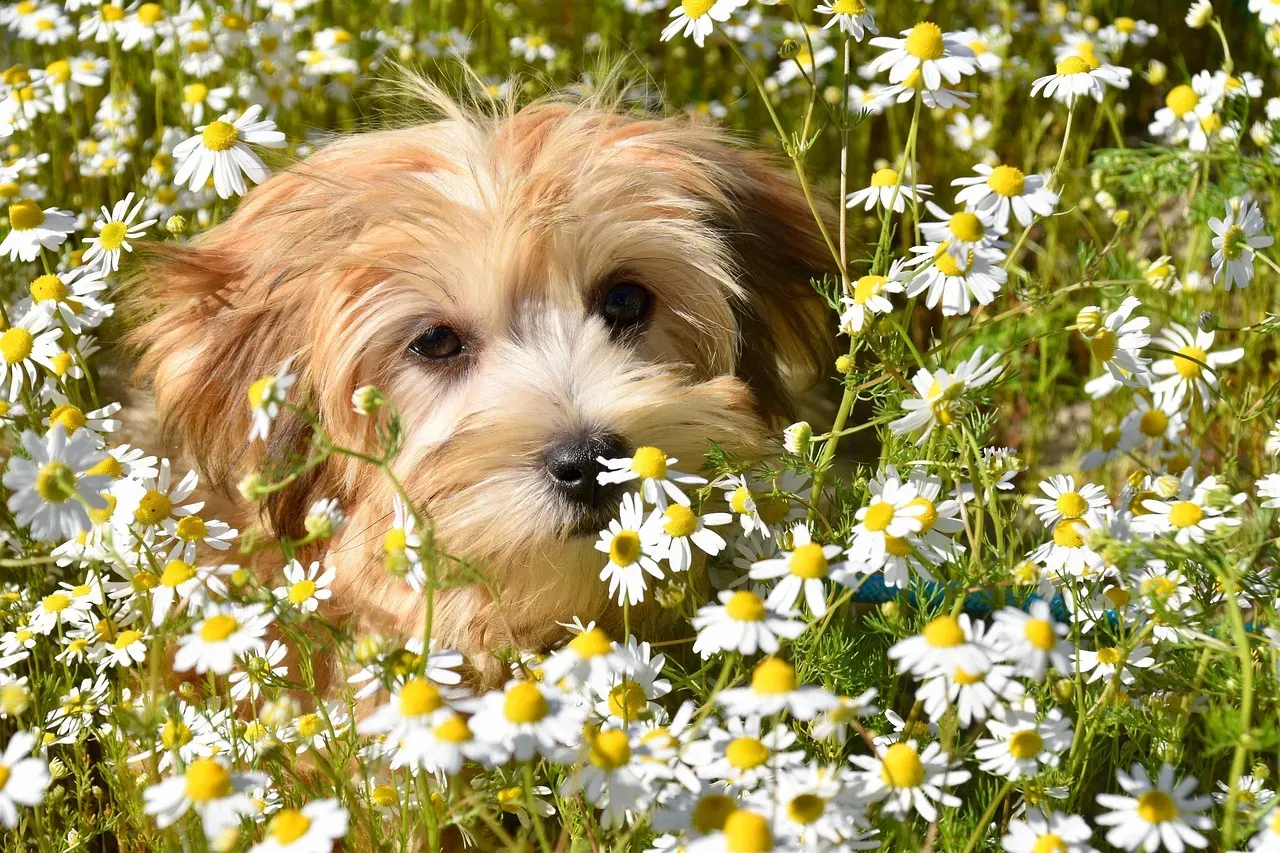
The Havanese, known for their friendly disposition and lively personality, have a long, silky coat that requires attentive care. Daily brushing prevents mats and tangles, especially in the hair around their ears and hindquarters. Regular baths and professional grooming sessions keep the Havanese looking their best.
Havanese dogs have long, soft, silky coats that need to be groomed daily to keep them free of mats and tangles. Alternatively, Havanese owners can choose to clip their dog’s coat to a short trim, which will reduce grooming time. Professional care is needed for Havanese dogs with a corded coat. That option to keep them shorter is worth serious consideration for anyone who loves the breed but doesn’t have a daily brushing window built into their routine.
What catches many new Havanese owners off guard is how quickly this breed’s coat can change character. A puppy coat can feel manageable, then the adult coat comes in thicker and silkier, and suddenly daily brushing feels very different. Building the habit early, before the adult coat arrives, is the single most useful thing any Havanese owner can do for themselves and for their dog.
14. Chow Chow: The Lion Dog With a Double Coat That Proves It
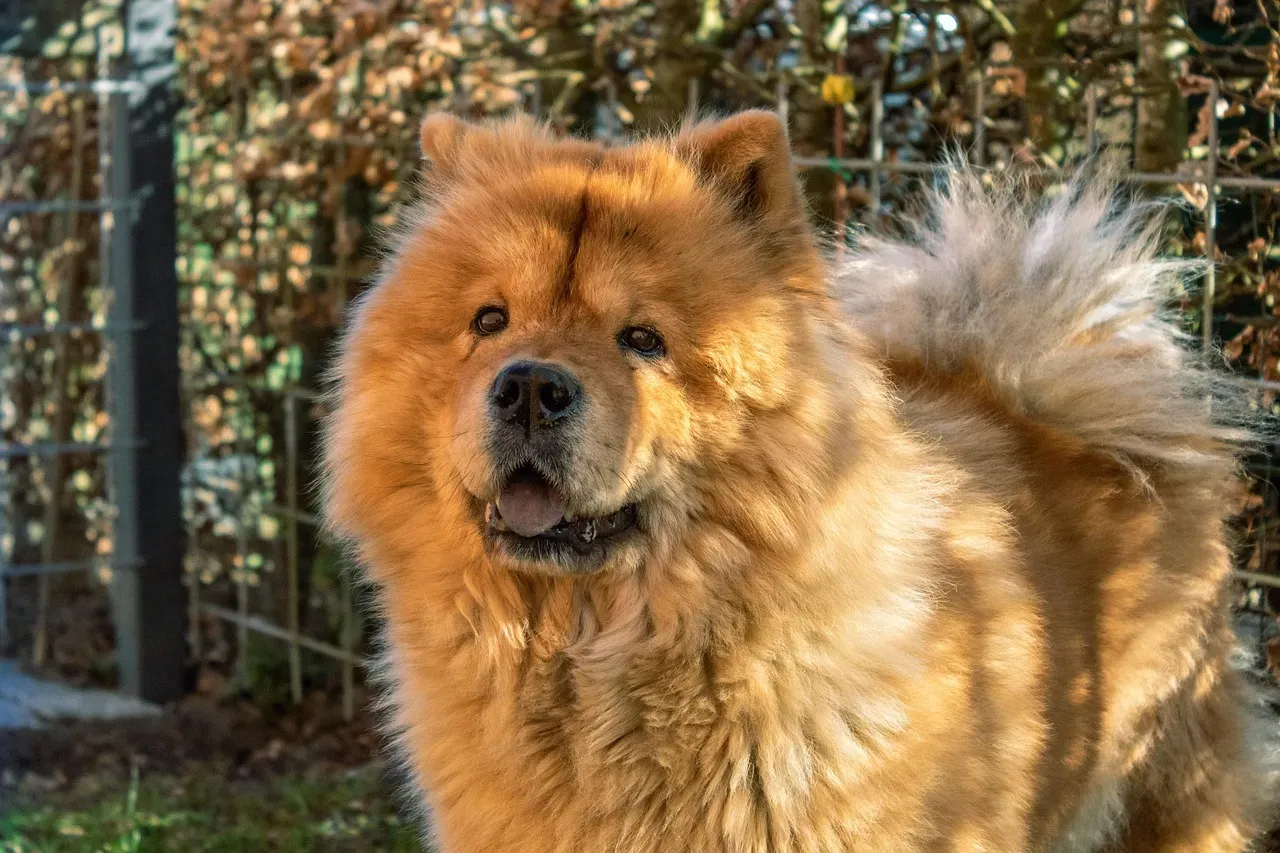
The Chow Chow, known for their lion-like mane and distinctive blue-black tongue, has a dense double coat that requires dedicated grooming. Regular brushing helps prevent matting and keeps their coat healthy. Extra attention should be paid to areas like their mane and hindquarters for their well-being.
The Chow Chow’s coat comes in two varieties, rough and smooth, with the rough coat being particularly dense around the neck and chest – that distinctive mane look comes at a real grooming cost. Both coat types shed significantly, and without regular brushing, loose hair accumulates in the undercoat and creates mats that press against the skin. Skin infections can develop in those areas before they’re even visible.
Beyond the coat, Chow Chows present another grooming challenge: temperament. They’re famously independent, sometimes suspicious of handling, and not always the most cooperative on a grooming table. Any untrained or unsocialized dog is going to make the job harder, no matter the breed. Dogs with anxiety, behavioral issues, or health concerns are also stressful. Early, consistent grooming exposure from puppyhood is not optional for this breed – it’s essential.
15. Bernese Mountain Dog: A Giant Heart and a Giant Coat
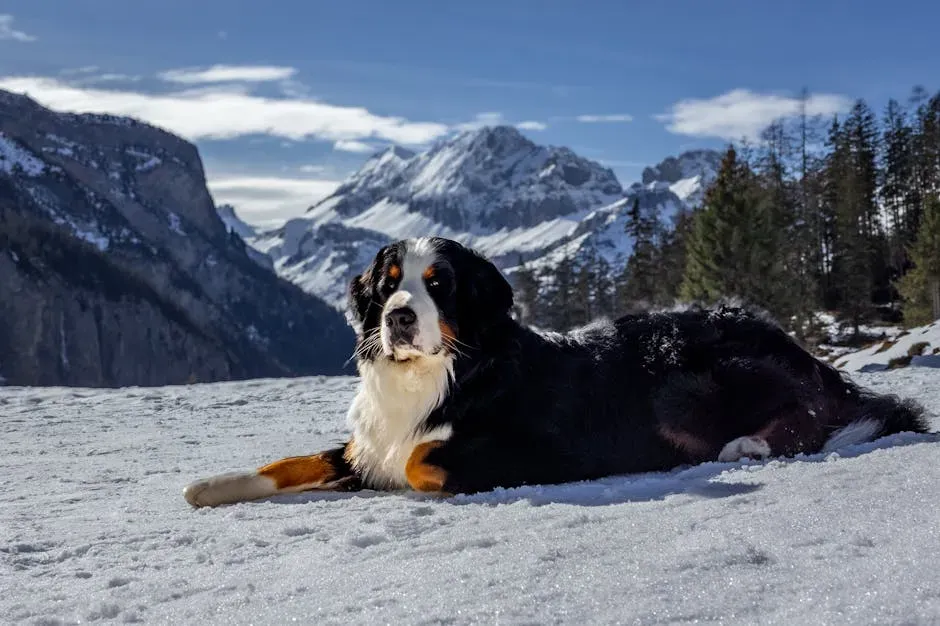
Because of their thick double coat that comes in a tricolor black, white, and tan pattern, Bernese Mountain Dogs shed heavily year-round. They need a pet parent dedicated to grooming their fur – and one that doesn’t mind extra fur on the couch, floor, and clothing. Owning a Berner means accepting that hair is simply part of your home’s décor now.
The Bernese Mountain Dog’s thick double coat requires brushing several times per week, if not every day. This helps prevent matting and control the heavy shedding, though hair will still end up in your house. The Bernese Mountain Dog’s floppy ears can easily trap moisture, which can lead to an ear infection. Regular ear cleaning is important to keep this breed healthy, and ears should always be cleaned after water exposure.
The Bernese Mountain Dog, with its long, silky coat and striking tricolor markings, demands meticulous grooming to keep its coat healthy and free from mats. Regular brushing, ideally several times a week, is essential to prevent tangles and matting. Starting with a slicker brush and following up with a comb to reach the dense undercoat is the recommended approach. Groomers who work with Berners love the breed’s gentle personality – but they also know first-hand that managing that coat professionally is a significant physical job. Taking that home after a full day’s work is rarely high on their wish list.
What All of This Means for You as a Dog Owner
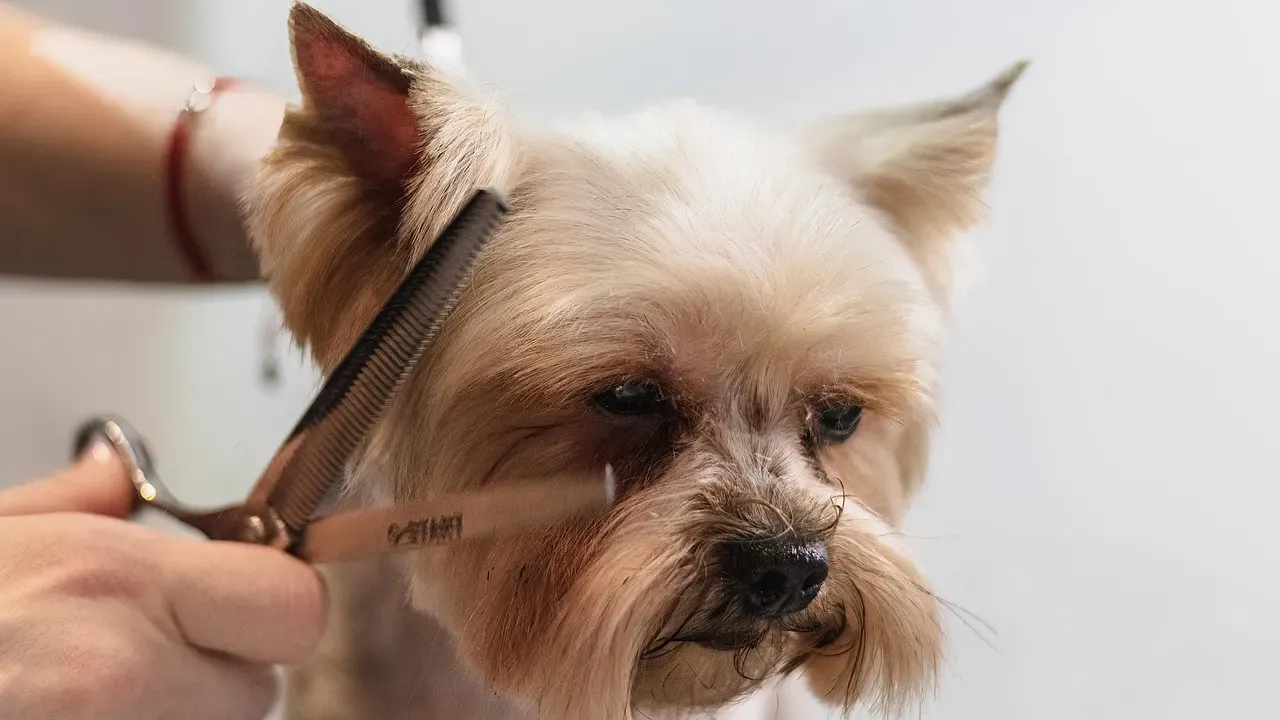
None of these breeds are bad choices. They’re wonderful, loyal, and deeply rewarding companions for the right owners. The key word there is “right.” Understanding a breed’s grooming needs is essential before bringing a dog into the home. Beyond aesthetics, grooming also impacts a dog’s comfort and overall health. Regular care helps prevent infections, reduces shedding, and strengthens the bond between the dog and its owner. For owners, mastering grooming isn’t just about appearance – it’s a commitment to well-being.
Matting refers to dense tangles, knots, and clumps that form in a dog’s fur. Restricting airflow and trapping moisture, mats can cause irritation, sores, and other painful conditions. This is the part that matters most – grooming neglect isn’t just an aesthetic issue. It causes real physical suffering. Every one of the 15 breeds on this list deserves an owner who takes that seriously.
Grooming eliminates loose and dead hair, reducing shedding. Consistent grooming also allows for regular inspection of your dog’s skin, aiding in the early detection of conditions like parasites, lumps, or skin disorders that may require prompt medical attention. Think of each grooming session as a health check – not just a beauty appointment. And if you ever feel overwhelmed, calling in a professional isn’t failure. It’s good dog ownership.
Conclusion: Informed Love Is the Best Kind
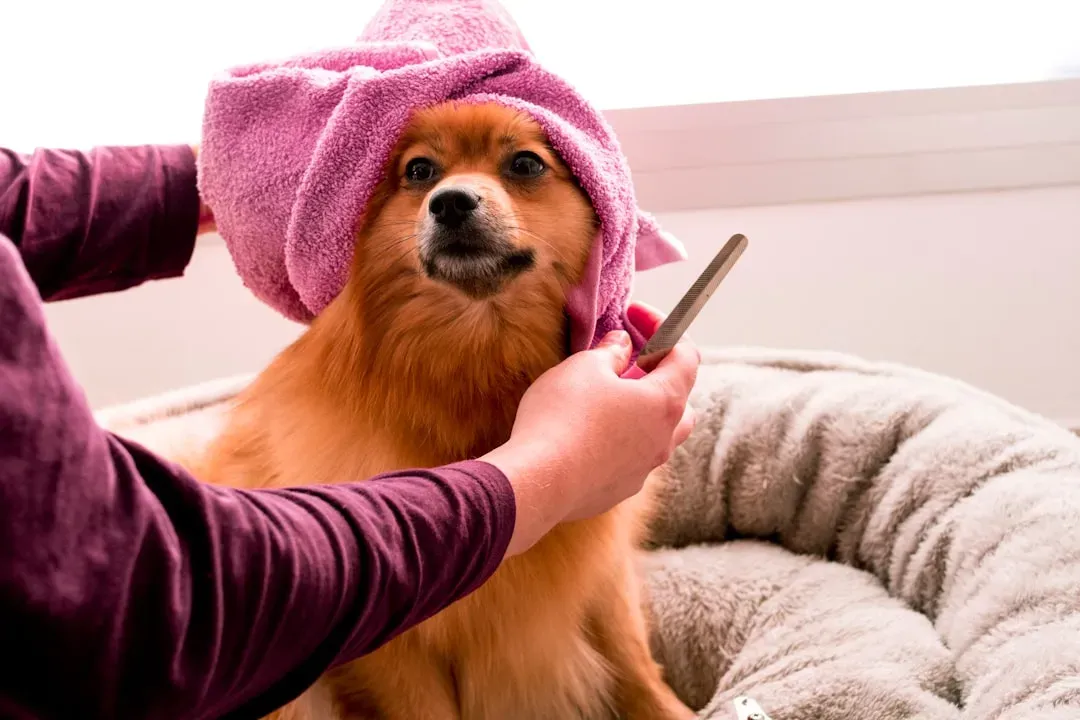
Groomers aren’t quietly avoiding these breeds because they’re difficult to love. They’re avoiding them because they understand the full picture – the daily brushing, the emergency de-matting sessions, the all-day drying marathons, the skin checks, the ear cleanings. That knowledge, accumulated through years of professional experience, shapes their personal choices in ways most dog owners never get the chance to learn before bringing a puppy home.
If your heart is set on a Poodle, a Maltese, or a magnificent Komondor, that’s a beautiful thing. Go in knowing what’s involved, build a grooming routine before you even bring the puppy home, and form a good relationship with a professional groomer early. Your dog will be healthier, more comfortable, and genuinely happier for it.
The most important grooming tool isn’t a slicker brush or a high-velocity dryer. It’s consistency. The breeds on this list don’t ask for perfection – they just ask that you show up for them, regularly and with care.


