Many people picture large, sturdy dogs when they think about long lived companions. Yet the reality often surprises owners who discover that some of the smallest breeds can outlast expectations by years while maintaining good health into old age. Proper care plays a big role, but genetics give certain dogs a natural edge that keeps them active and content well past the average.
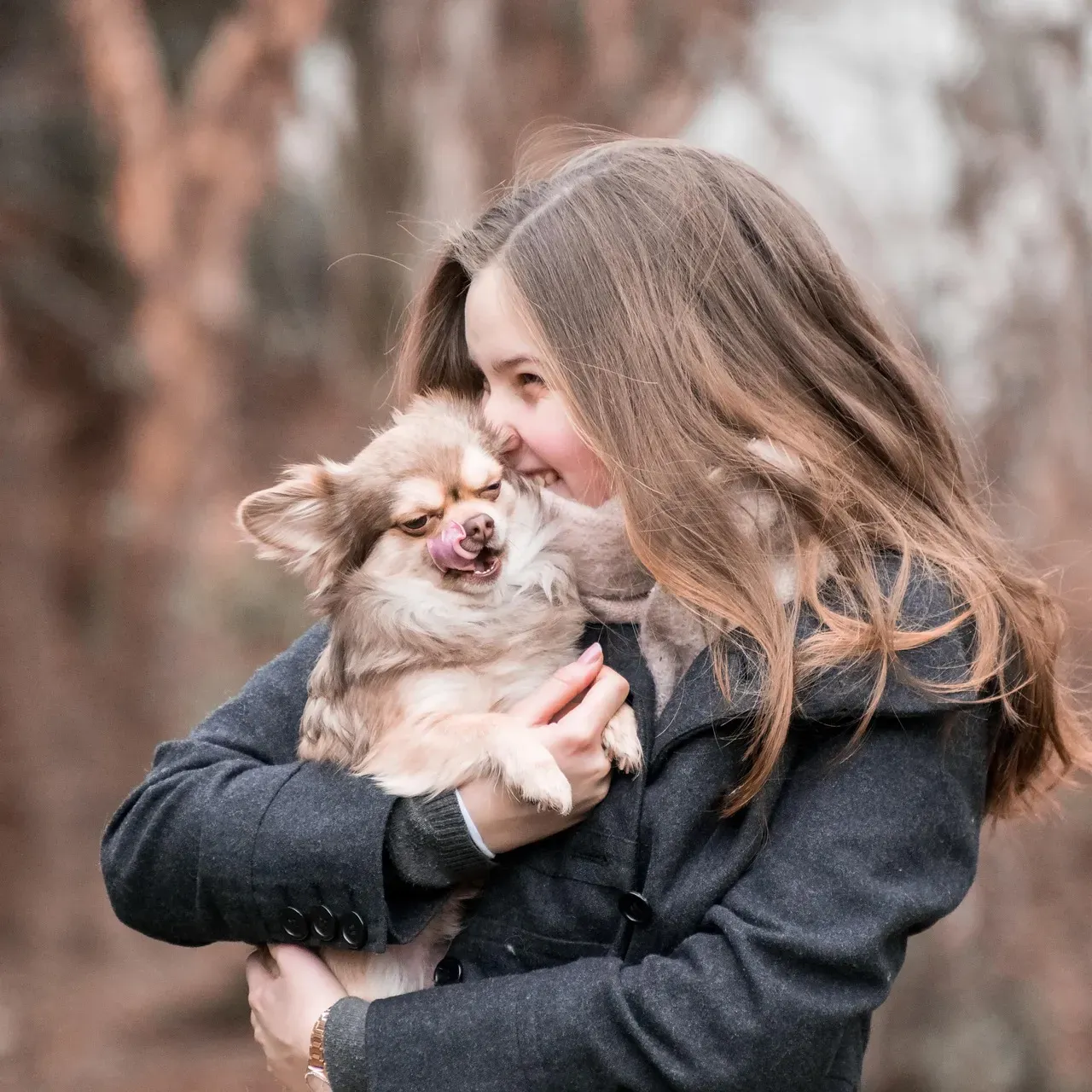
Chihuahua
Chihuahua (Image Credits: Pixabay)Chihuahuas frequently reach 14 to 16 years, with some living into their early twenties when given attentive care. Their tiny size contributes to fewer joint strains compared with larger breeds, and they tend to stay lively without major mobility issues. Owners often notice these dogs remain alert and playful even as seniors. Regular dental cleanings help prevent common problems that could shorten their time. A balanced diet and moderate exercise keep their hearts strong over the long haul. Many families find Chihuahuas form deep bonds that last well into double digits.
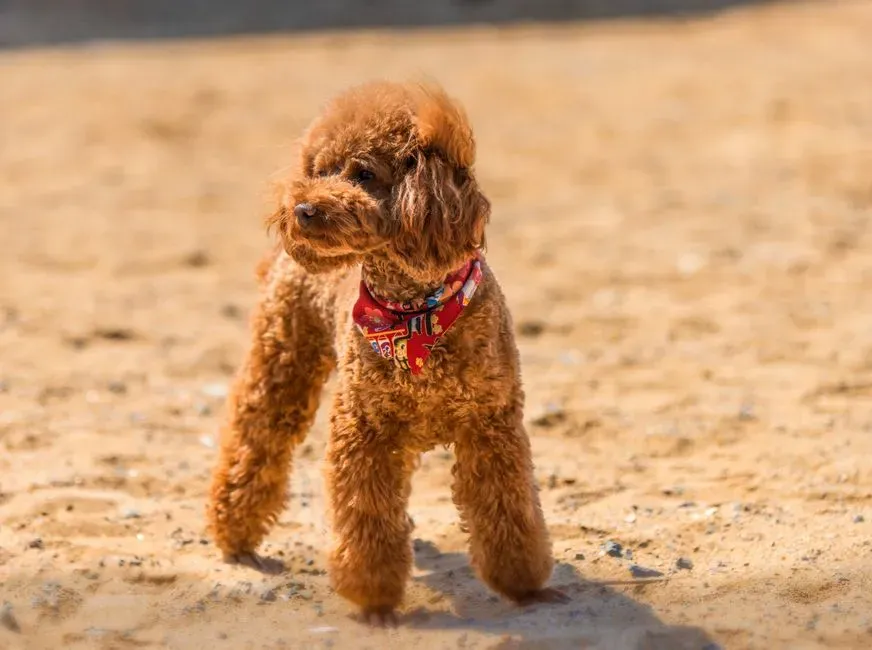
Toy Poodle
Toy Poodle (Image Credits: Pexels)Toy Poodles commonly live 14 to 18 years and often retain their signature intelligence and energy. Their curly coats require consistent grooming, yet this breed avoids many hereditary conditions that affect other small dogs. Owners report that well cared for individuals stay sharp and affectionate deep into their teens. Mental stimulation through training games supports cognitive health as they age. Routine vet checks catch minor issues early, preserving their quality of life. These dogs adapt easily to different households, making their extended years a steady source of companionship.
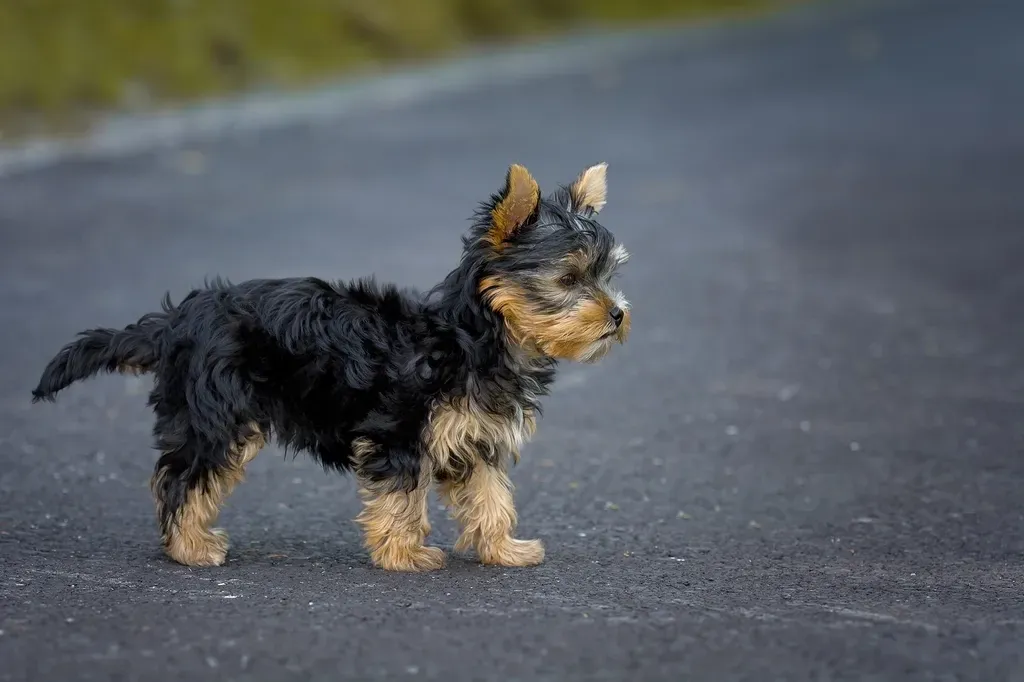
Yorkshire Terrier
Yorkshire Terrier (Image Credits: Rawpixel)Yorkshire Terriers average 14 to 16 years and frequently remain feisty and curious throughout. Their small stature reduces certain orthopedic concerns, though attentive owners watch for tracheal sensitivity. Many reach advanced ages with only routine maintenance needed. Daily brushing keeps their silky coats healthy and prevents skin irritations. Short walks and interactive toys provide enough activity without overtaxing their frames. Families appreciate how these terriers keep a youthful spark well beyond typical expectations.
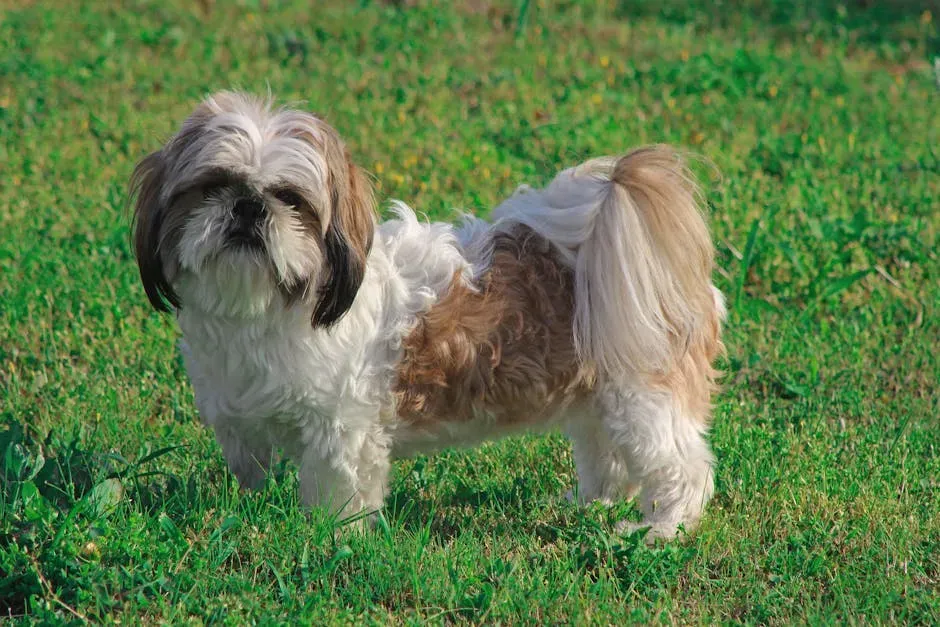
Shih Tzu
Shih Tzu (Image Credits: Pexels)Shih Tzus often enjoy 12 to 18 years when breathing and dental needs receive proper attention. Their compact build supports longevity, and many stay sociable and gentle into their later years. Owners value the breed’s calm demeanor that pairs well with long term living. Gentle daily exercise helps maintain muscle tone without strain. Regular eye and ear cleanings address breed specific tendencies early. This combination allows many Shih Tzus to remain comfortable companions for well over a decade.
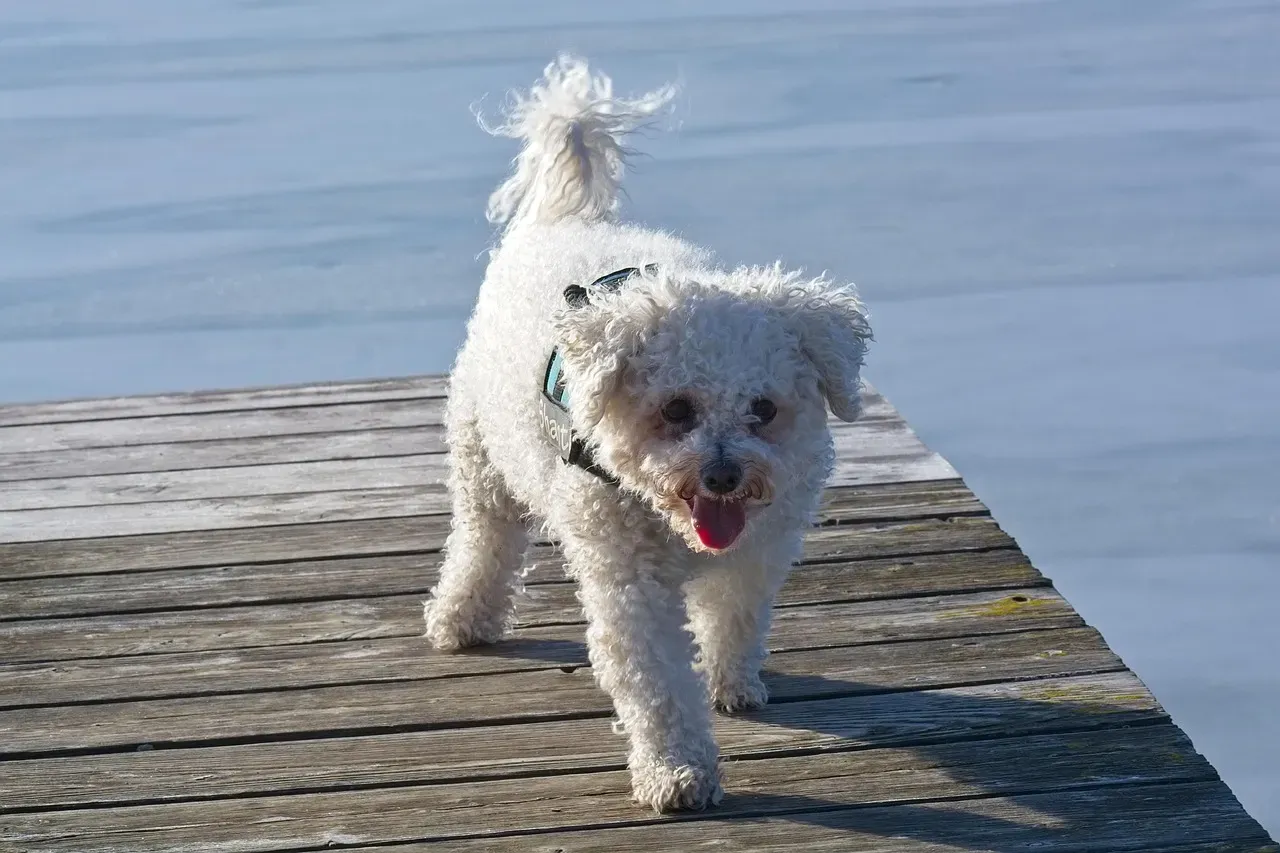
Bichon Frise
Bichon Frise (Image Credits: Pixabay)Bichon Frises typically reach 14 to 15 years and keep their cheerful personalities intact. Their white coats demand grooming, yet the breed shows resilience against several common ailments. Families often describe these dogs as consistently happy and engaged even as seniors. Portion controlled meals support weight management that protects joints over time. Social interaction and light play keep their spirits high. With steady care, Bichons frequently enjoy extended periods of good health and affection.
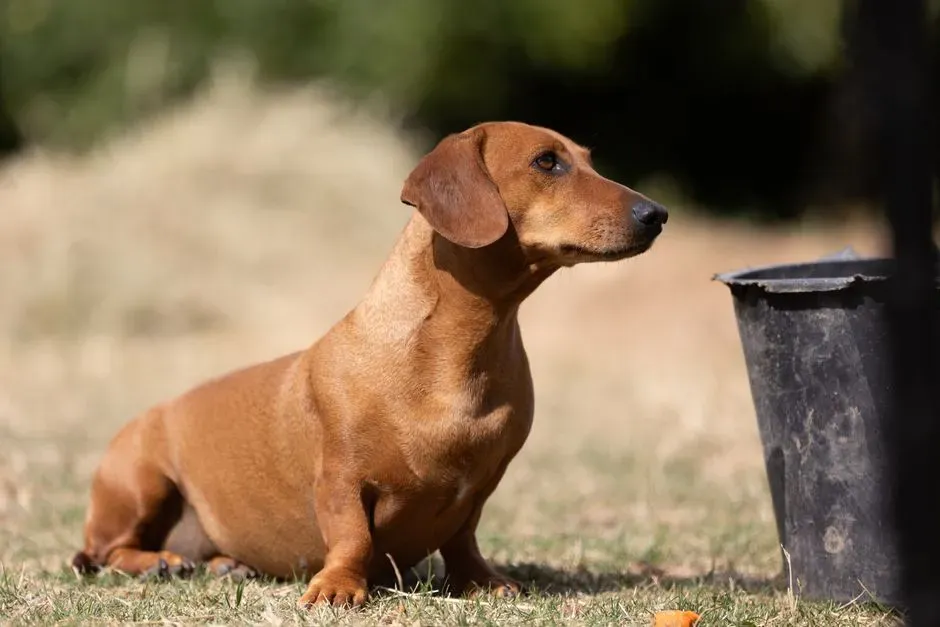
Dachshund
Dachshund (Image Credits: Pexels)Dachshunds commonly live 12 to 16 years, and some surpass 20 with careful back support. Their long bodies benefit from weight control and ramps for furniture access. Many owners find these dogs retain their hunting spirit and loyalty well into old age. Short, frequent walks prevent strain while providing mental outlets. Annual checkups monitor spinal health proactively. This approach helps Dachshunds stay mobile and content for many extra years.
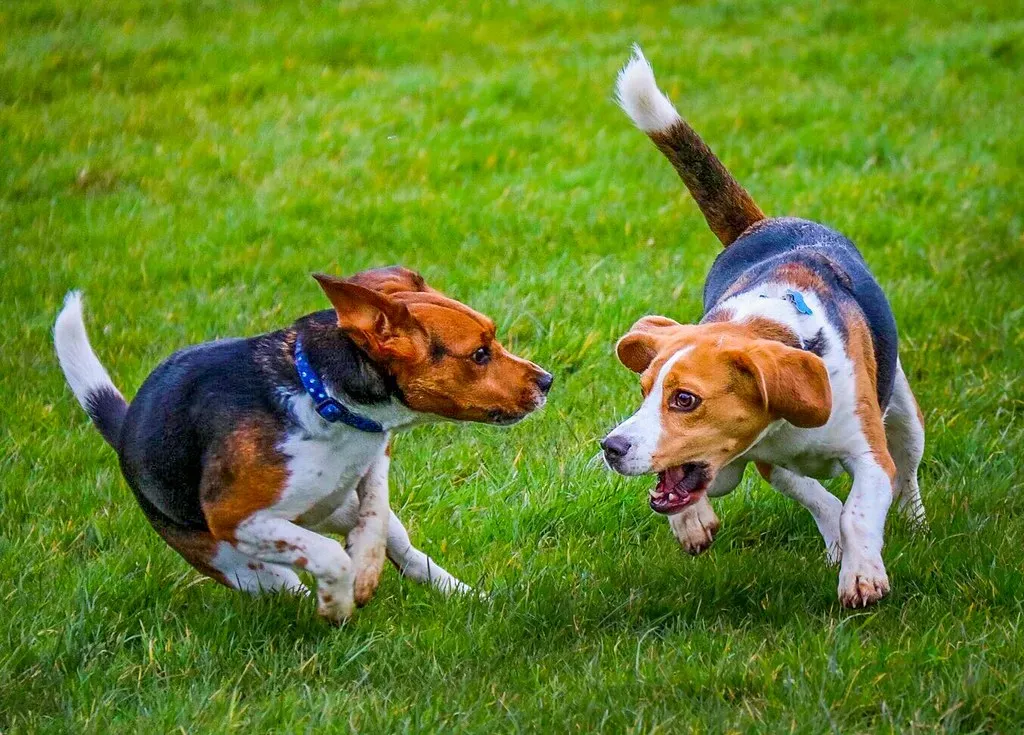
Beagle
Beagle (Frank Shepherd, Flickr, CC BY-SA 2.0)Beagles average 12 to 15 years yet often remain energetic scent hounds into their teens. Their sturdy frames handle moderate activity well, and they rarely face extreme breed specific declines. Owners enjoy how these dogs stay food motivated and social throughout life. Portion management curbs weight gain that could affect joints later. Regular scent games provide enrichment without high impact. Many Beagles continue exploring their surroundings happily for well over a decade.
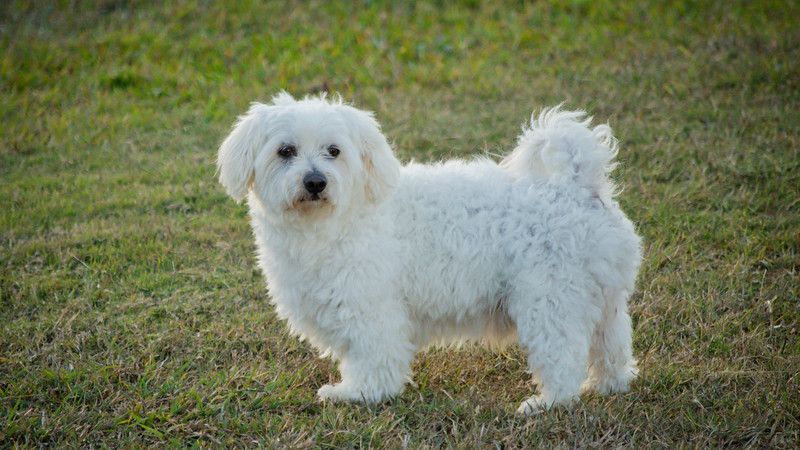
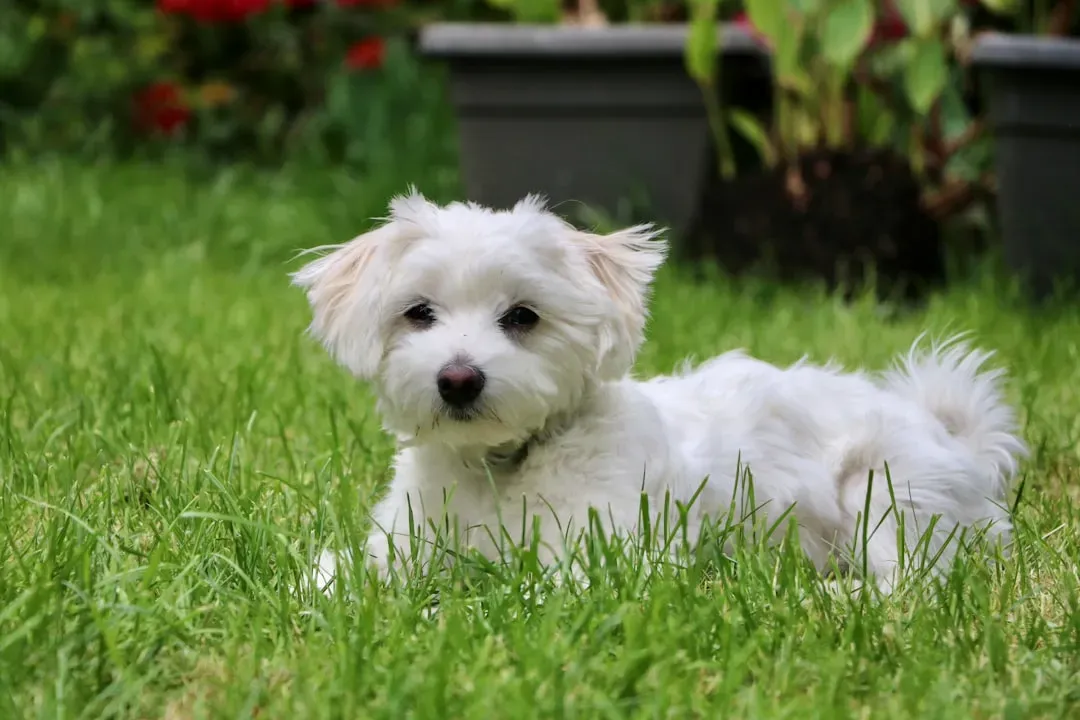
Maltese
Maltese (Image Credits: Unsplash)Maltese dogs frequently reach 12 to 15 years and maintain their elegant appearance with grooming. Their small size limits certain physical stresses, allowing them to stay active companions. Families note these dogs often keep a gentle, affectionate nature deep into seniority. Daily brushing prevents matting that could lead to skin concerns. Gentle play sessions support heart health without excess exertion. Consistent routines help Maltese enjoy extended periods of comfort and connection.
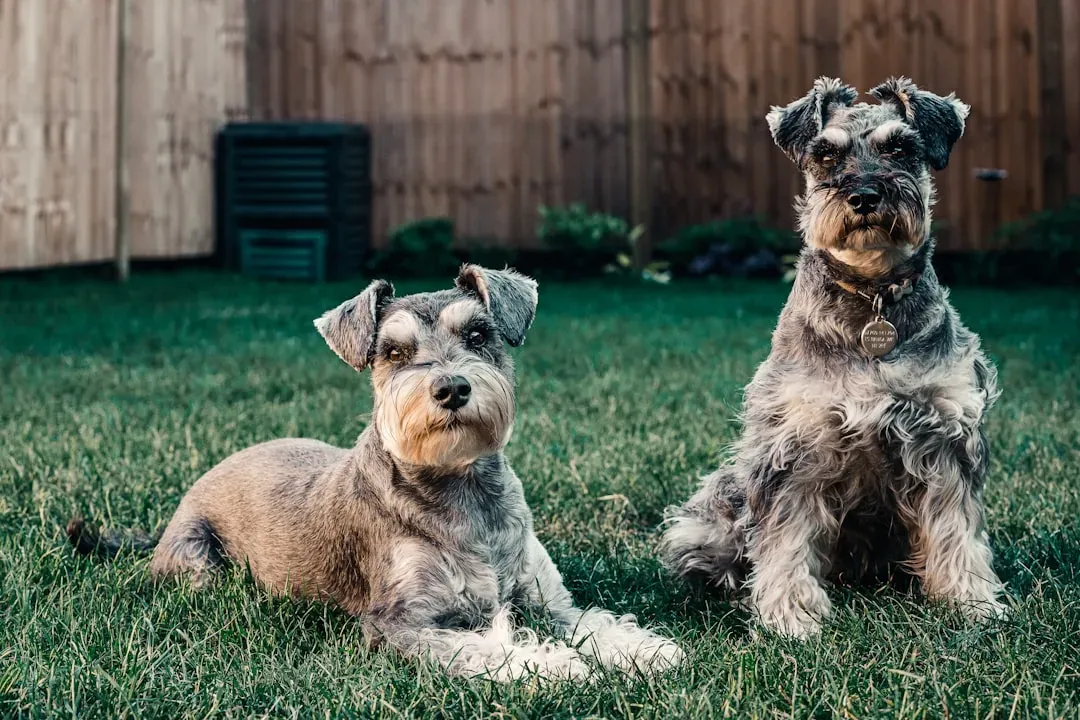
Miniature Schnauzer
Miniature Schnauzer (Image Credits: Unsplash)Miniature Schnauzers typically live 12 to 15 years and retain their alert, bearded charm. Their working heritage contributes to overall robustness when diet and exercise stay balanced. Owners often observe these dogs remain protective and playful well past average lifespans. Weekly ear cleanings address common sensitivities early. Puzzle toys engage their minds and support cognitive longevity. This steady approach lets many Schnauzers thrive as family members for years beyond expectations.
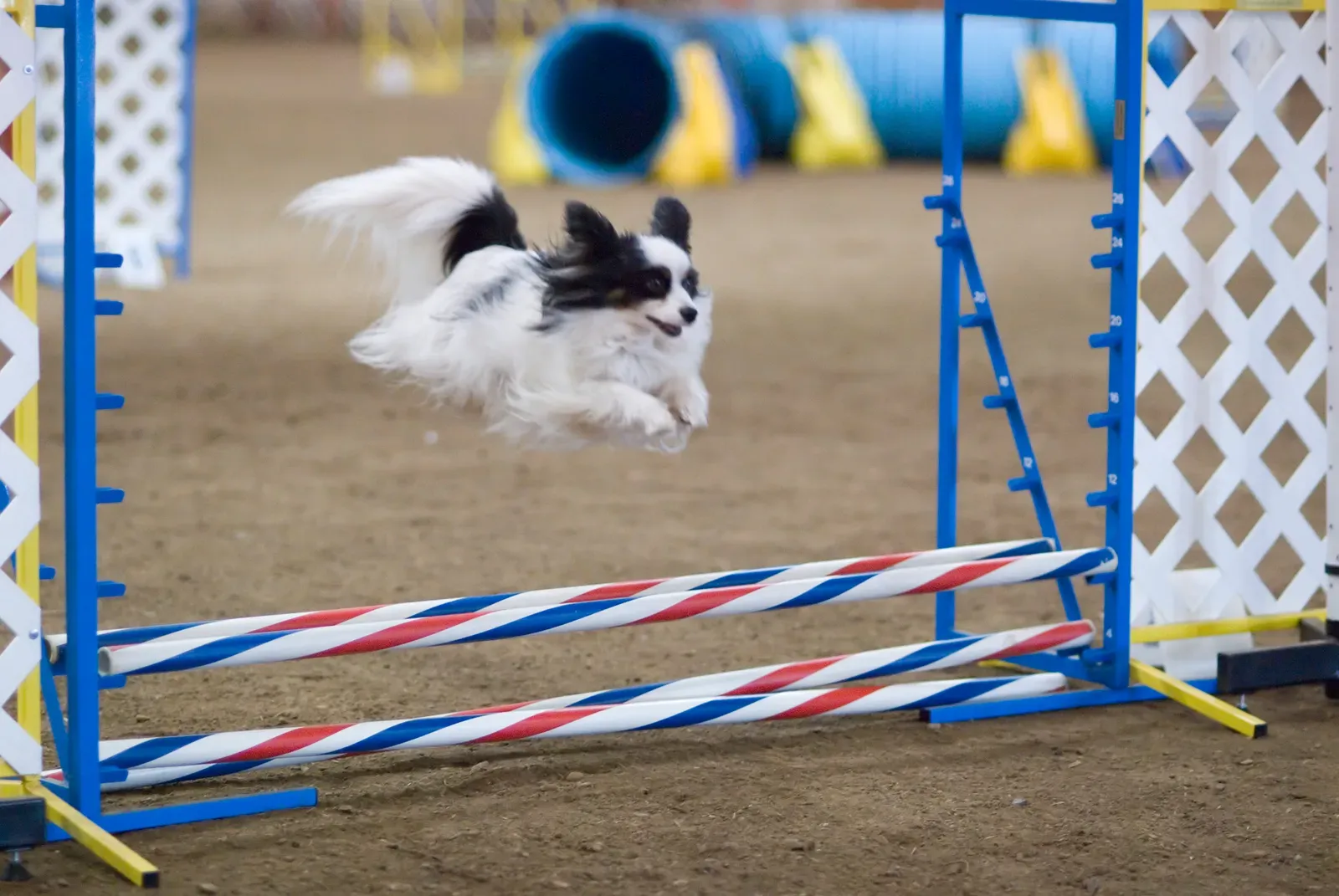
Papillon
Papillon (HMKC Spring 2007 Agility Trial, CC BY 2.0)Papillons average 14 to 16 years and keep their butterfly eared alertness intact. Their lightweight frames support agility without heavy joint wear. Many owners describe these dogs as quick learners who stay engaged companions into old age. Short training sessions provide mental exercise that benefits longevity. Regular nail trims and coat care maintain comfort. Families appreciate how Papillons often remain spry and interactive for an extended period.
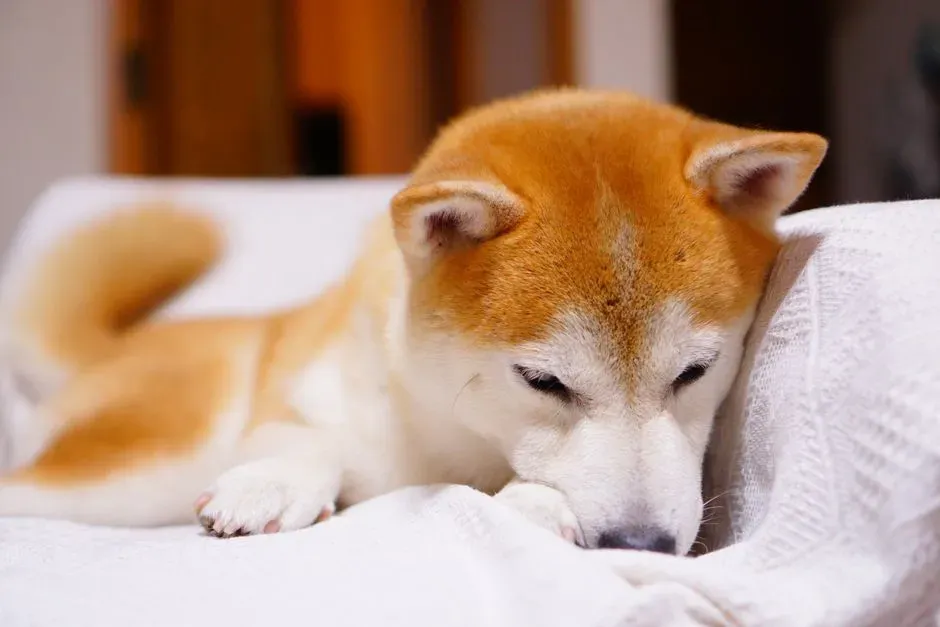
Shiba Inu
Shiba Inu (Image Credits: Pexels)Shiba Inus commonly reach 14 to 16 years and preserve their independent yet loyal traits. Their clean habits and moderate exercise needs align well with long term health. Owners find these dogs stay agile and self sufficient even as seniors. Portion controlled feeding prevents obesity that could shorten active years. Occasional brushing suffices for their double coat. This low maintenance profile helps Shibas enjoy many healthy seasons with their people.
Australian Cattle Dog
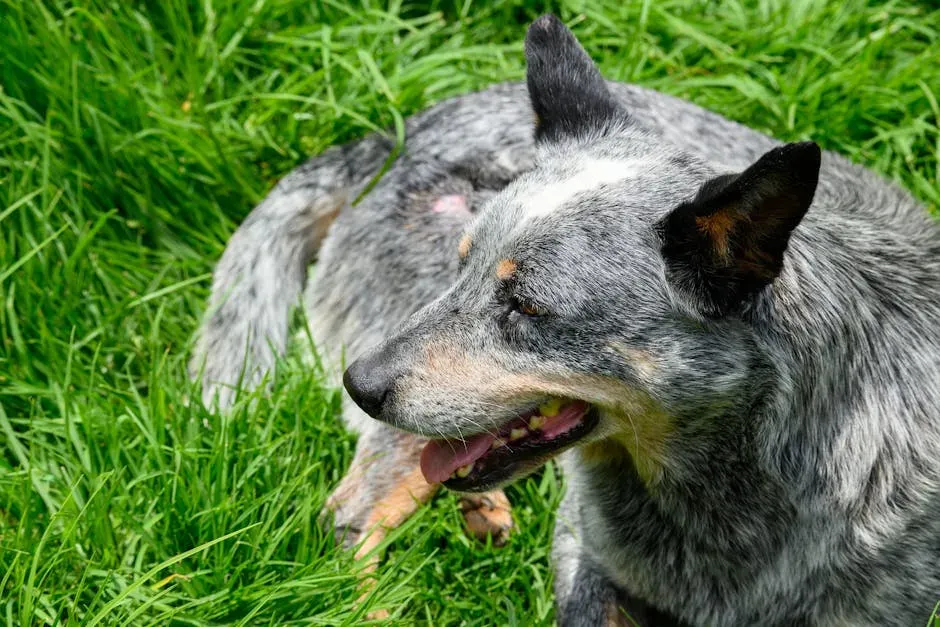
Australian Cattle Dog (Image Credits: Pexels)Australian Cattle Dogs often live 12 to 16 years and maintain working level stamina when properly channeled. Their herding background fosters resilience and focus. Families report these dogs stay mentally sharp and physically capable well into their teens. Daily mental challenges like herding games keep them fulfilled. Weight monitoring protects joints over time. Consistent activity paired with rest supports their extended vitality.
Chinese Crested
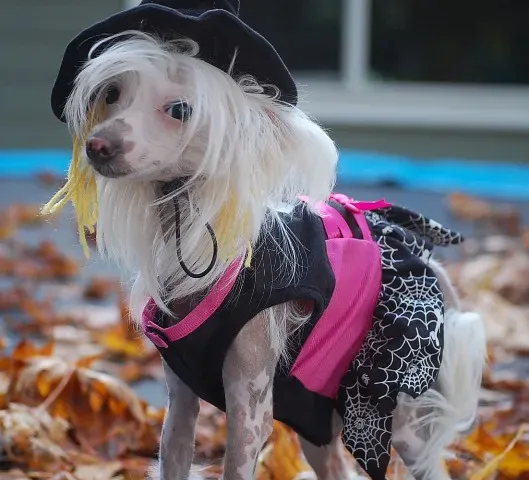
Chinese Crested (Petful.com, Flickr, CC BY 2.0)Chinese Cresteds frequently reach 13 to 18 years and adapt well to indoor living. Their varied coat types require tailored care, yet the breed shows strong overall constitution. Owners value how these dogs remain affectionate and curious across many years. Skin protection from sun or cold preserves comfort in later life. Gentle walks and cuddles meet their moderate needs. This flexibility allows many Cresteds to enjoy long, content companionship.
Coton de Tulear
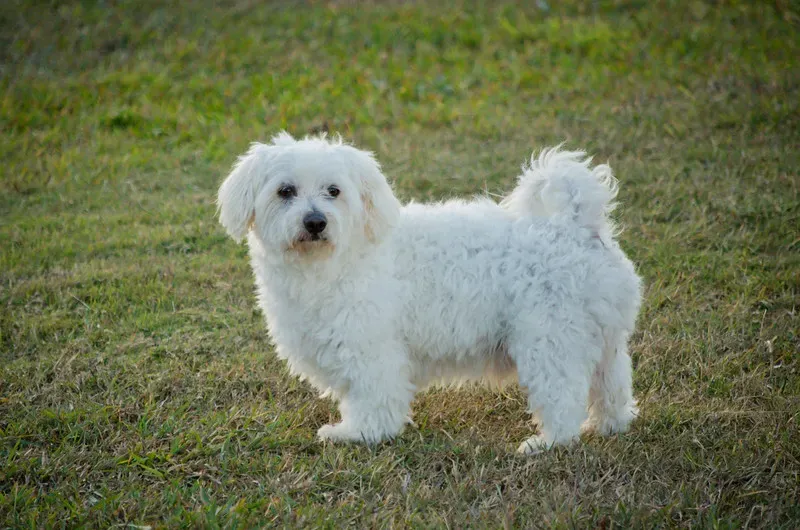
Coton de Tulear (|Nicolas|, Flickr, CC BY 2.0)Coton de Tulears average 15 to 19 years and keep their fluffy, adaptable personalities. Their modest exercise requirements suit various lifestyles while supporting longevity. Families often note these dogs stay social and cheerful deep into old age. Daily brushing maintains coat health without complication. Balanced meals and light play preserve energy levels. Steady routines help Cotons thrive as companions for nearly two decades in many cases.
Jack Russell Terrier
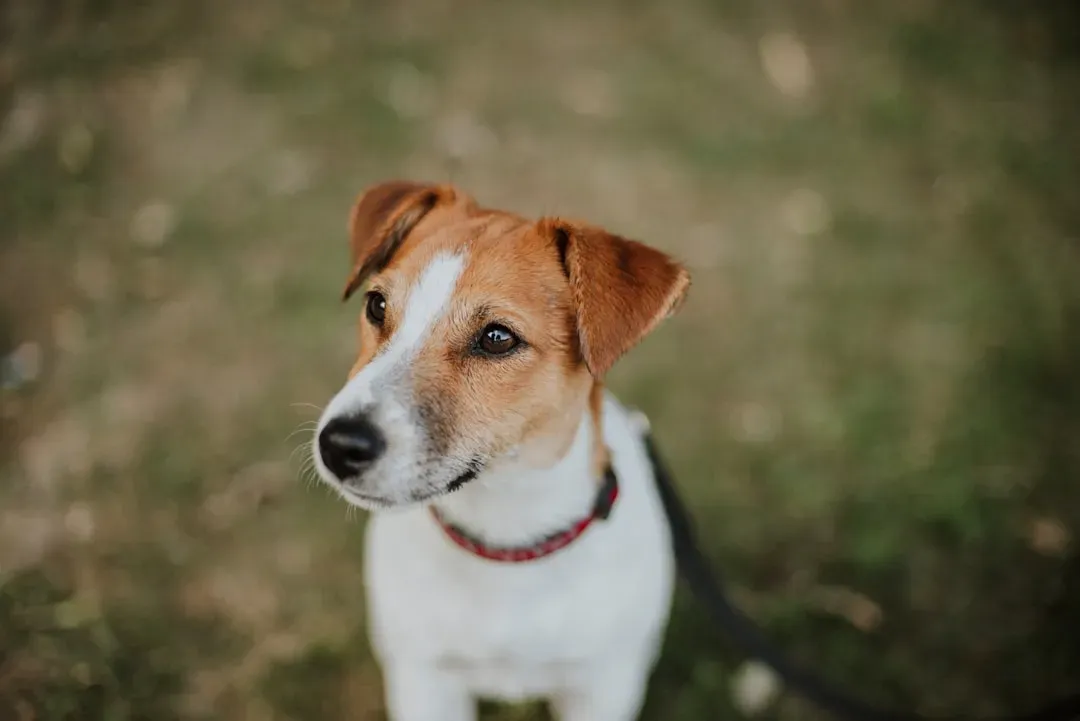
Jack Russell Terrier (Image Credits: Unsplash)Jack Russell Terriers commonly live 13 to 18 years and retain their bold, energetic spirit. Their compact build handles activity well when channeled appropriately. Owners appreciate how these dogs stay focused and playful well beyond typical expectations. Short bursts of exercise prevent boredom while protecting joints. Mental games channel their drive productively. This balance supports many Jack Russells in enjoying extended periods of good health and fun. Choosing one of these breeds can mean more years of shared routines and quiet moments. The surprise often lies in how ordinary care unlocks that extra time. In the end, the longest companionship comes from matching a dog’s natural strengths with attentive daily habits that let both of you age gracefully together.