
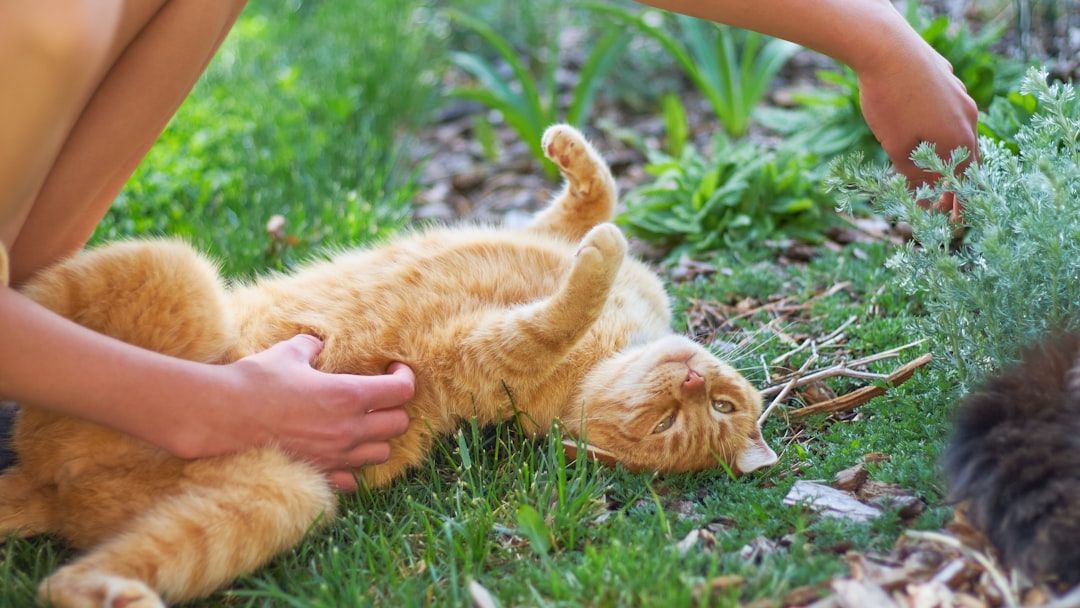
Most people assume s simply warm up to any gentle touch, yet the reality often involves a quick flick of the tail or a sudden retreat. What feels like affection to us can register as an intrusion to them, and the gap between those two views explains plenty of scratched hands.
Learning the boundaries starts with noticing the small signals that come before any real trouble. A few adjustments in approach can turn wary glances into relaxed purrs without much extra effort.
Reaching Straight for the Tail

Cats keep their tails as sensitive extensions of their spine, packed with nerves that make sudden grabs feel startling. A hand coming from behind or latching on without notice often triggers an instinctive pull away or a defensive swat. Many owners learn this the hard way after one playful tug leads to an arched back and flattened ears.
Instead, watch how the tail moves on its own first. A slow sway usually signals calm interest, while rapid twitching warns that contact there will not go well. Respecting that space keeps interactions smoother for both sides.
Heading Straight to the Belly
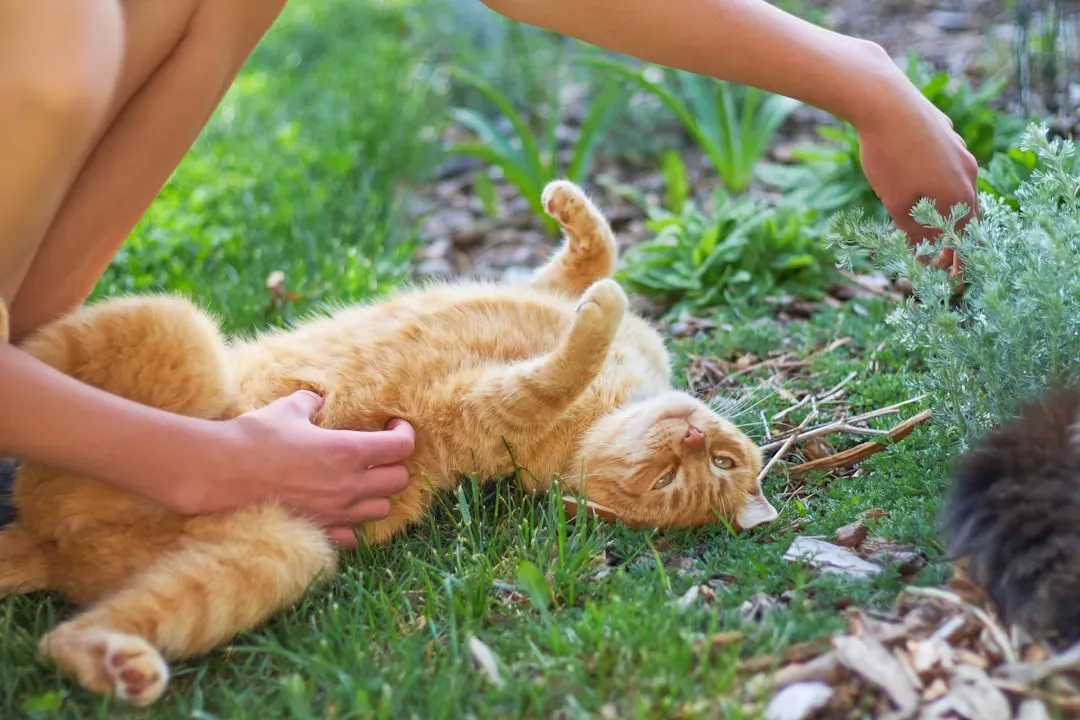
The soft underside looks inviting, yet it remains one of the most protected areas on . Exposing it often means the animal already feels secure, and any touch can flip that feeling into a need to defend the vulnerable spot. What starts as a rub can end with claws out in seconds.
Focus instead on the sides or back where most cats tolerate longer contact. If a belly shows up during play, treat it as a rare invitation rather than an open door. Over time this restraint builds trust that lasts longer than any single petting session.
Grabbing at the Face or Whiskers
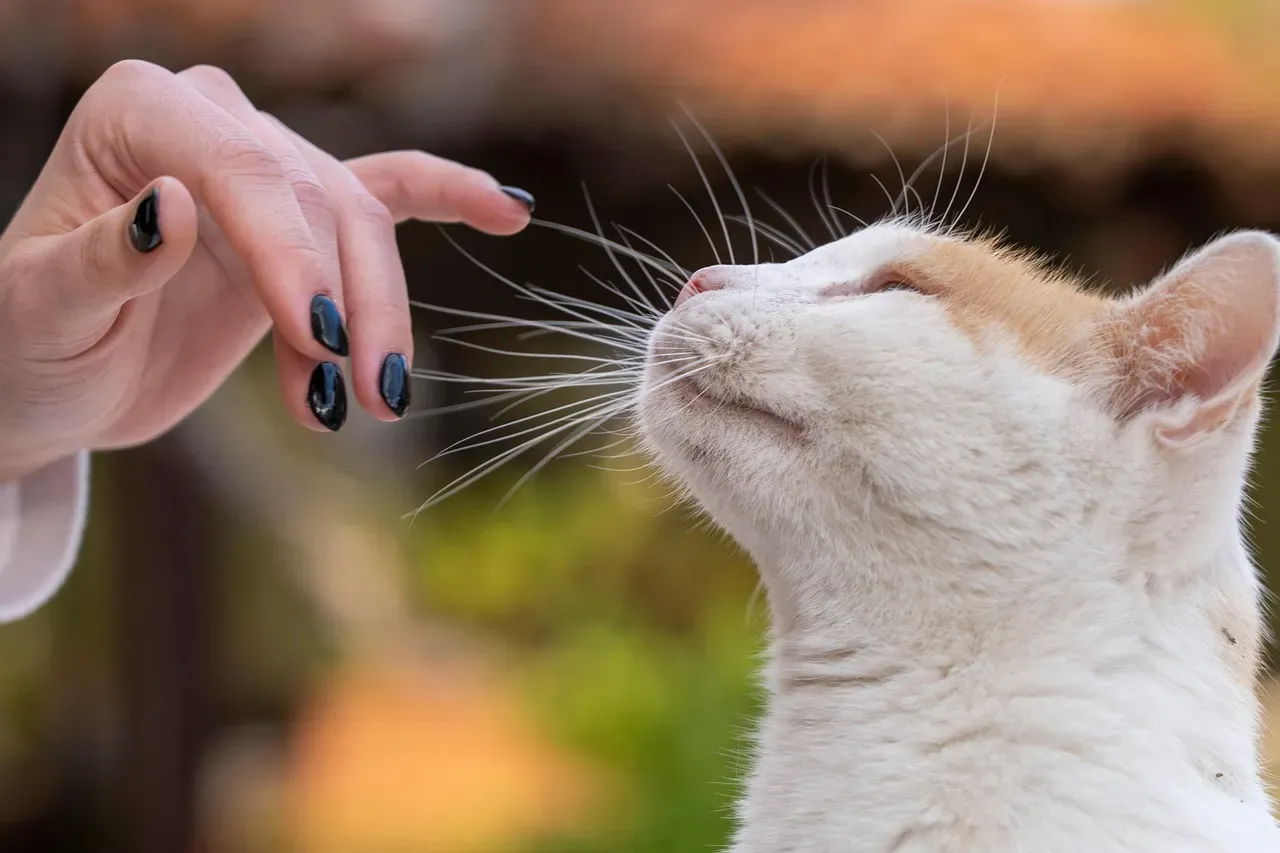
Whiskers serve as delicate sensors that help cats navigate tight spaces, so fingers brushing or tugging them disrupts that built-in radar. The same goes for the cheeks and chin when the approach feels too direct or sudden. Cats often turn their heads away or shake off the contact before any real irritation shows.
Let the cat lean into a hand rather than reaching for those spots first. Gentle strokes along the jawline work better once the animal has already moved closer on its own terms. This small shift prevents most face-related misunderstandings.
Petting Too Long or Too Hard
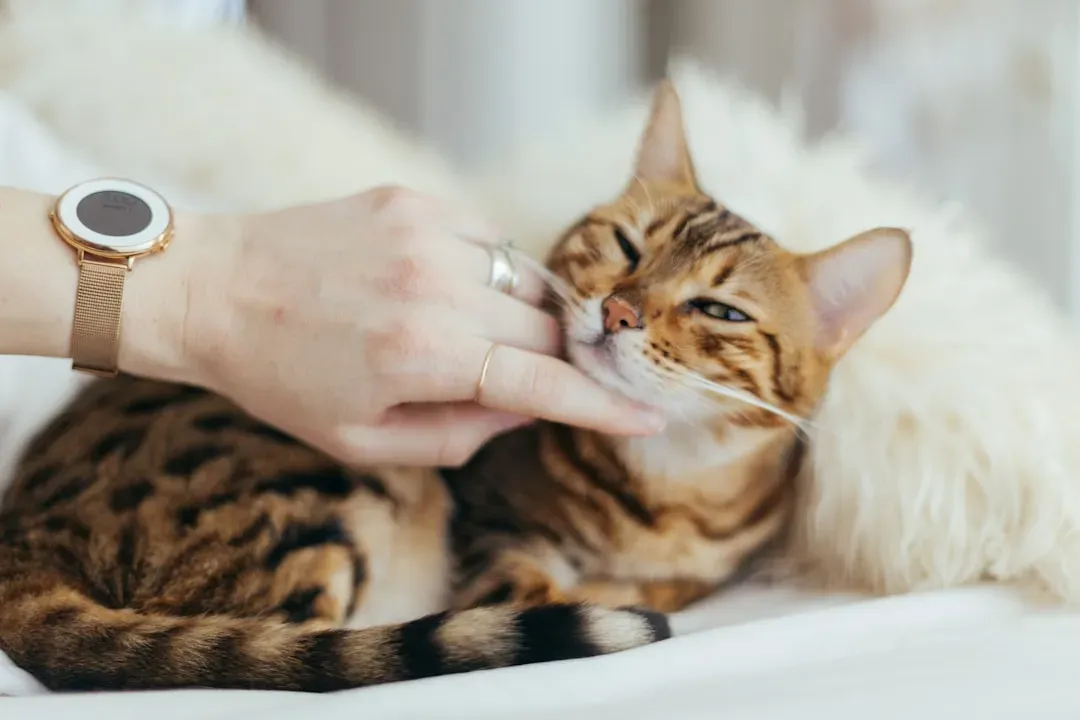
Even cats that enjoy attention have a limit that arrives without much warning. What begins as steady purring can shift to a stiff posture or a quick nip once the sensation becomes overwhelming. Owners sometimes miss the early signs because the change happens gradually.
Short sessions with breaks give the cat control over when to step away. Light pressure works better than firm rubbing, especially along the spine where over-stimulation builds fastest. Paying attention to these cues turns brief moments into repeated positive ones.
Approaching Without Letting the Cat See You

Cats prefer to track movement with their eyes before any contact begins. Coming up from behind or from above can feel like an ambush even when the intent is friendly. The result is often a startled leap or an immediate retreat to higher ground.
Move into view slowly and pause a short distance away. Allow the cat to close the remaining gap if it chooses. This simple habit respects their need to stay aware of their surroundings at all times.
Forcing to Stay in Place
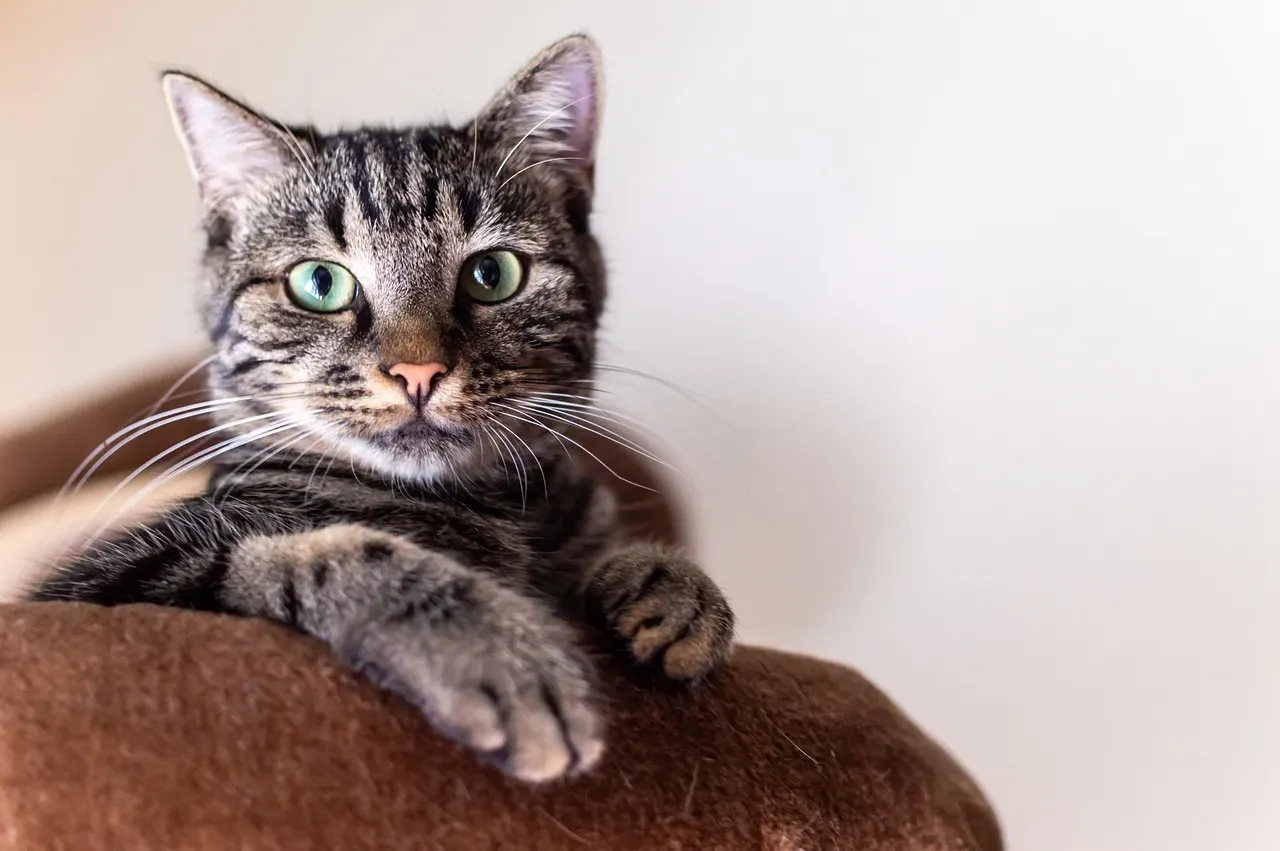
Holding still while trying to pet it removes the option to leave, which quickly raises stress levels. Even calm animals will start shifting or vocalizing once they sense the restraint. What feels like a cuddle to one person registers as a trap to the other.
Keep hands open and let the cat decide how close to stay. If it walks off, that signals the moment has passed rather than a personal rejection. Giving that freedom usually brings the animal back sooner for the next round.
Misreading Subtle Body Language

Small changes like ear position, pupil size, or a slight tail flick carry more meaning than most people realize at first. that looks relaxed from a distance may already be edging toward discomfort. Missing these details leads to repeated cycles of confusion on both ends.
Take time to notice the full picture before extending a hand. When the signals stay neutral or positive, the interaction tends to last longer and feel more natural. Over repeated encounters this awareness becomes second nature.
Respecting ‘s preferences does not mean giving up affection. It simply means meeting them where they already stand, which often leads to steadier trust and fewer surprises. The payoff shows up in quieter evenings and longer stretches of shared calm.


