
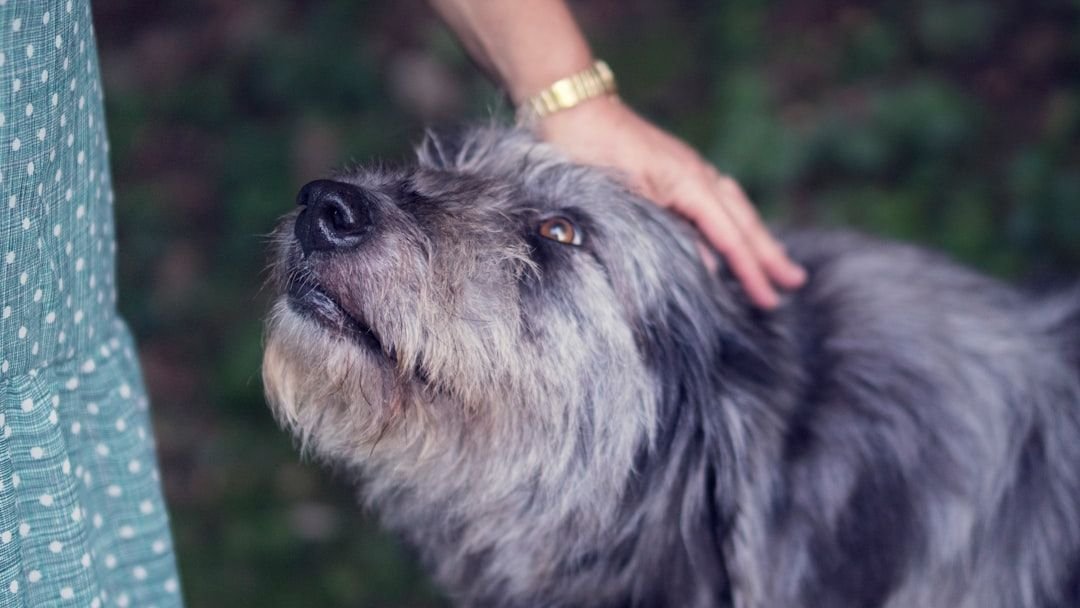
Your dog may move a little slower now, sleep a little longer, and need help with the stairs, but that spark in their eyes has not gone anywhere. Age changes how your dog’s body works, but it does not erase what they love or the memories you’ve built together. In many ways, your senior dog feels life more deeply than ever, especially the small, bright moments that break up the routine of their day.
When you start paying attention, you see those moments everywhere: the quicker wag of a tired tail, the sudden bounce in old joints, that wide, soft-eyed grin that seems to say that life is still very, very good. Understanding what still lights your old dog up helps you give them a happier, calmer, more comfortable life. It also reminds you that even as the years pass, your bond is nowhere near finished; it is just changing shape.
1. Hearing You Come Through the Door
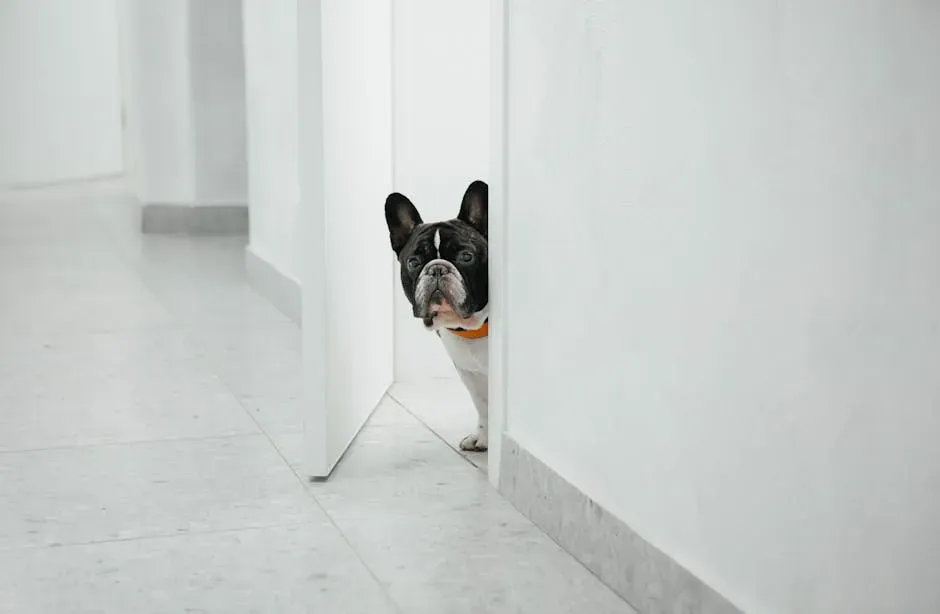
You might think your dog is too old to care who walks in, but watch closely the next time your keys jingle in the lock. Even senior dogs who have lost some hearing often react to familiar patterns like doors opening, footsteps in the hall, or your particular rhythm as you move around. Their head lifts, their ears twitch, and that slow tail begins its familiar thump-thump on the floor as they realize you are finally home.
To your old dog, your return is still the highlight of the day, no matter how long you were gone. You are their sense of safety and predictability in a world that has started to feel more confusing as their senses fade. If you lean into this moment – drop down to their level, say their name softly, offer a gentle chest rub instead of an overexcited hug – you can keep this reunion joyful without overwhelming aging joints or stiff muscles.
2. The Rustle of the Treat Bag
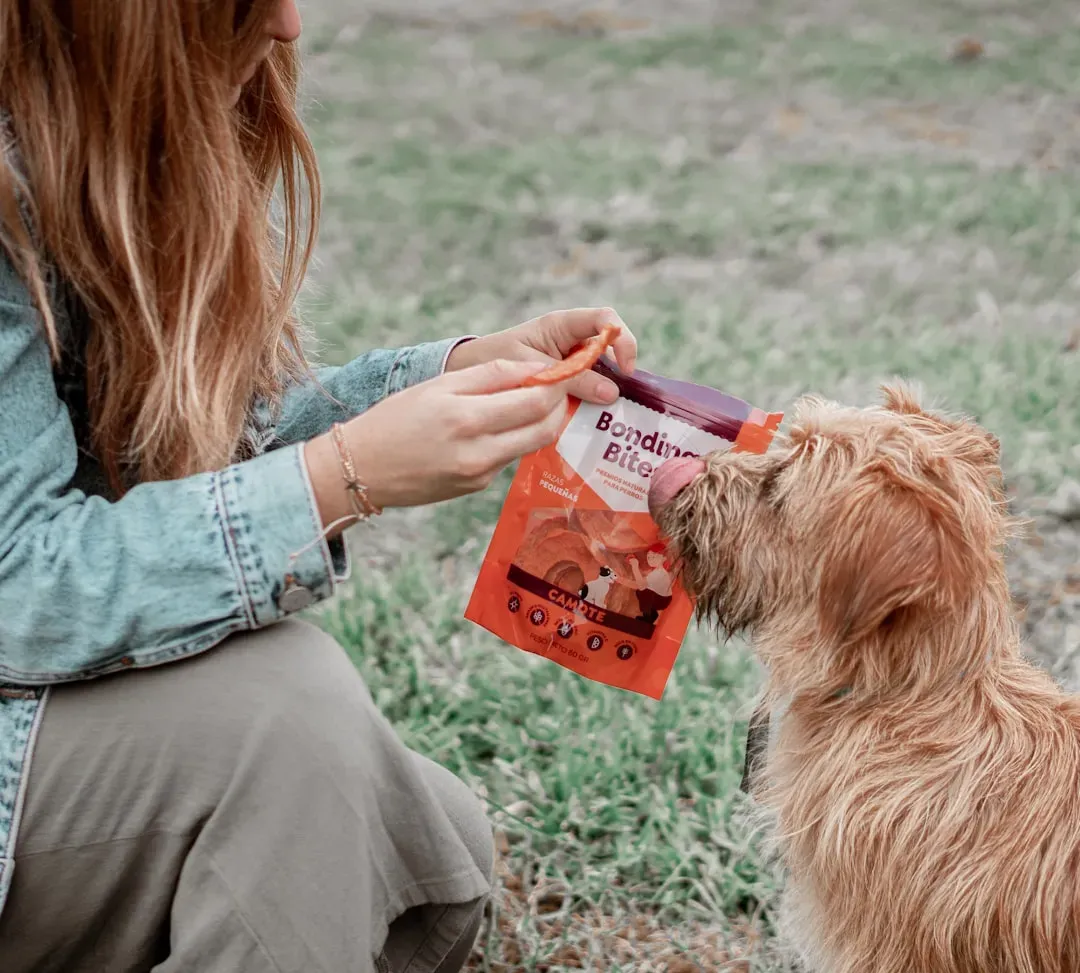
Even if your dog’s hearing is not what it used to be, the sound of the treat bag or the clink of kibble in a bowl cuts through the years like nothing else. Food is one of the last big joys that remains consistent throughout a dog’s life, and a senior dog often becomes even more focused on tasty rewards as their activity level drops. You might notice their body shift forward, eyes brighten, and nose work overtime the moment you open that cupboard.
Of course, with an older dog, you need to balance excitement with health. Softer treats that are easier to chew, lower-fat snacks, and appropriate portions help you keep their weight under control and protect aging joints. You can still turn treat time into a tiny celebration, maybe by asking for very simple, low-effort cues like a sit or a nose touch, and then rewarding generously. Your dog does not care about the complexity of the trick; they care that you are playing the game together.
3. A Slow, Sniffy Walk on a Familiar Route
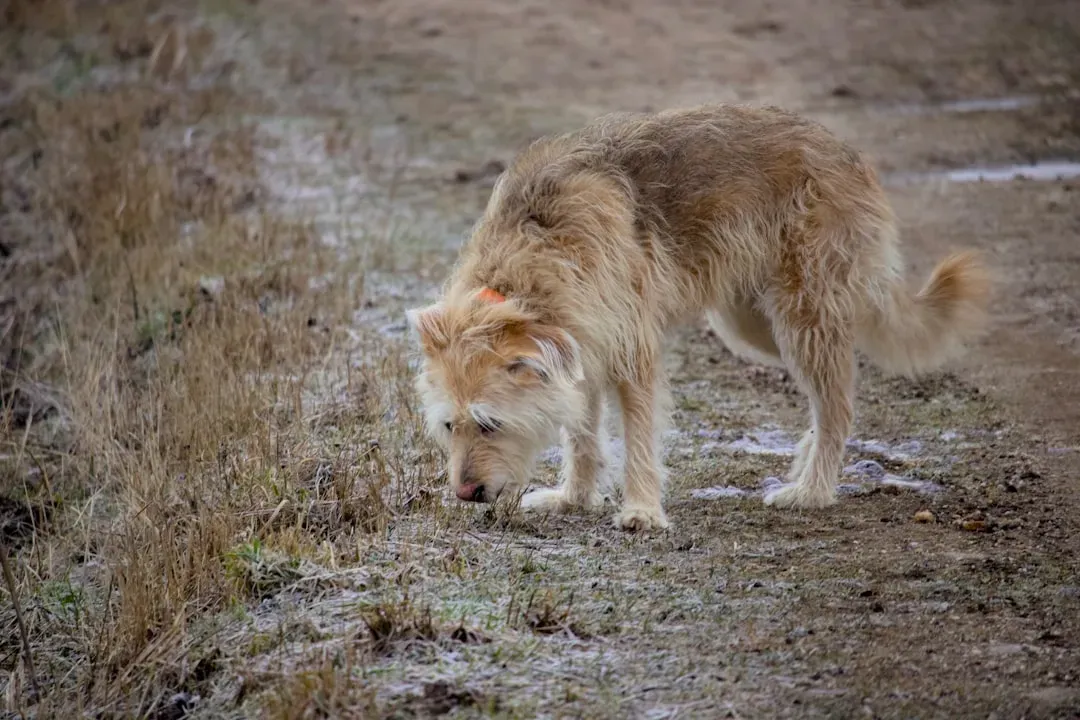
Your senior dog may not be able to charge down the trail like they used to, but a slow walk, rich with scent, can still make them glow. Dogs experience the world primarily through their nose, and sniffing is mentally stimulating in a way that keeps old brains flexible and engaged. When you allow your dog to set the pace and linger where they want, you are basically taking them on a nose-driven adventure that is kinder to their body.
Short, frequent walks are usually better for older dogs than one big outing, especially if arthritis or heart issues are in the picture. Think of these walks less as workouts and more as sensory tours. You can stay close to home, choose flat paths, and avoid extreme temperatures while still giving your dog the joy of checking their “pee-mail” and tracking who passed through the neighborhood. The best part is that you get to slow down with them, noticing the small things you might otherwise rush past.
4. Car Rides and Little Adventures
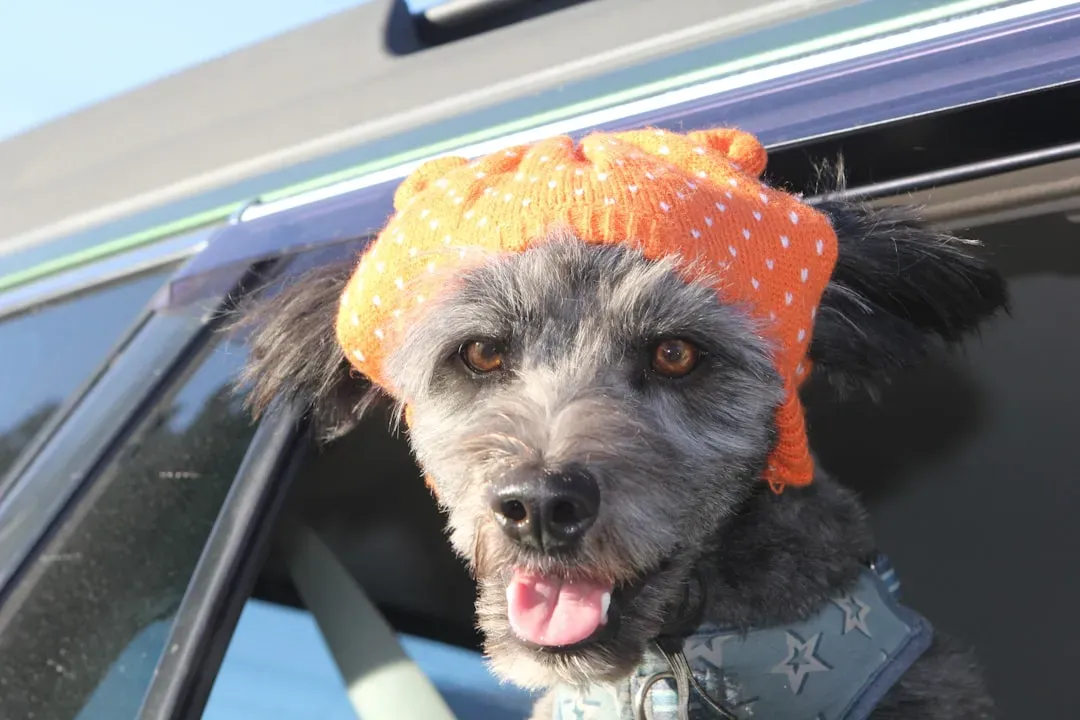
For many dogs, the sight of the car keys or the open trunk still wakes something up inside, even in old age. Your senior dog might not be able to leap into the back seat anymore, but with a ramp, a lift, or a lower car, they can still enjoy that feeling of going somewhere with you. The motion, the changing smells through a cracked window, the sense of being included – these things matter a lot when their world has quietly shrunk to the same few rooms.
Short car rides to calm places are usually best: the park at a quiet time, a drive-through where they get a small dog-safe snack, or a visit to a friend they know and love. Always secure them safely with a harness or crate so they can relax without sliding around. What lights them up is not the distance you drive, but the message behind it: you still want them with you, and life outside the front door is not over yet.
5. Reuniting With Favorite Humans
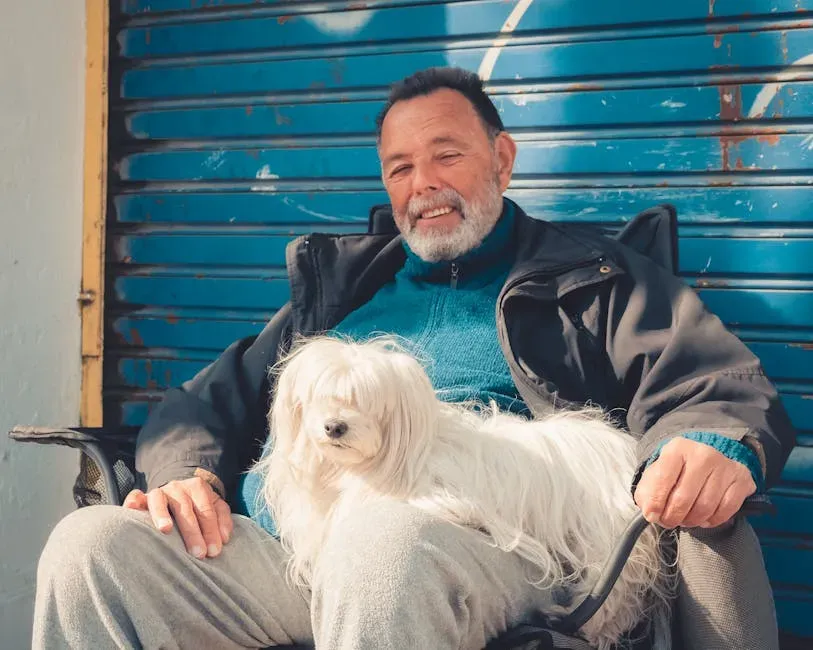
There is something almost sacred in the way an old dog greets a beloved person they have not seen for a while. A visiting adult child, a neighbor who used to walk them, the friend who always gave them belly rubs – these familiar people can spark a surge of energy you rarely see anymore. You may notice your dog trying to stand a little straighter, leaning in heavily for contact, or making soft, happy sounds they do not use very often.
As dogs age, their social circle usually gets smaller, and the faces that remain become deeply significant. When you can, make space for those gentle reunions. Keep the environment calm, ask visitors to crouch down instead of looming, and encourage slow, steady petting rather than rough play. Your dog may fall asleep right afterward from the emotional effort, but the warmth you see on their face in that moment is worth every bit of planning.
6. Simple Games They Can Still Win
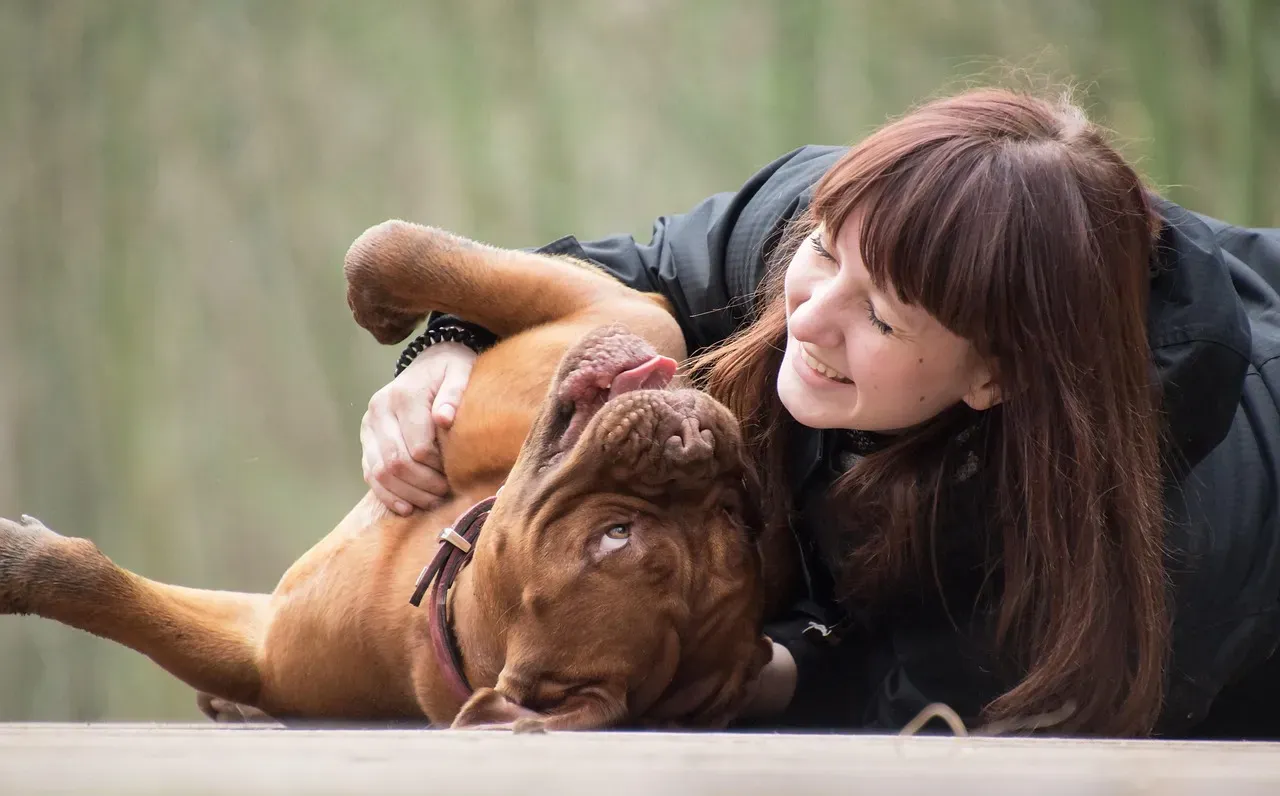
Your old dog may not be up for intense fetch or fast agility turns anymore, but they still love the feeling of success. Games that let them “win” without straining their body can light them up in surprising ways. Think of easy nose work, like hiding a few treats in plain sight, or rolling a ball just a short distance so they can nudge it back to you instead of sprinting after it.
These small, adjusted games keep your dog’s mind sharp while honoring physical limits. You might ask for a paw touch, a spin in place if they can manage it safely, or a gentle tug on a soft toy while both of you stay seated. The key is to watch their body language closely: a wagging tail, bright eyes, and relaxed posture mean they are having fun; any stiffness, panting, or reluctance is your cue to slow down. When your dog realizes they can still play and succeed, that inner puppy shines through for a moment.
7. Cozy Cuddles and Evening Routines
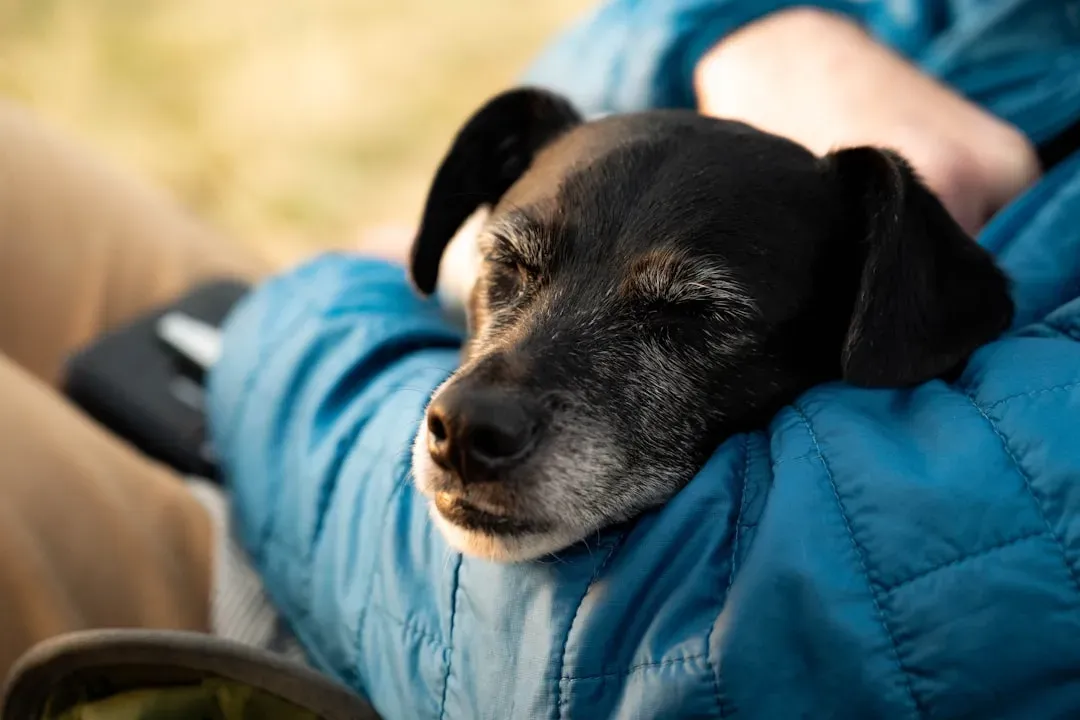
As dogs get older, many of them become more affectionate and clingier, seeking your presence for comfort and reassurance. The quiet, predictable moments at the end of the day – a shared spot on the couch, your hand resting on their chest, your voice humming through a show or a book – can mean more to them now than any wild adventure did when they were young. Your old dog often sleeps deeper and more peacefully when they can sense you nearby.
Creating a simple, soothing evening routine can truly light them up inside, even if it looks calm from the outside. Maybe it is a gentle brushing session, a soft massage along their shoulders, or just lying on the floor beside them for a few minutes before bed. These rituals help your dog feel secure as their sense of time blurs with age. You might find that you start to rely on this routine too; it becomes a daily reminder that you are both still here, still together, still choosing each other at the end of every day.
8. Special Smells and Food Puzzles
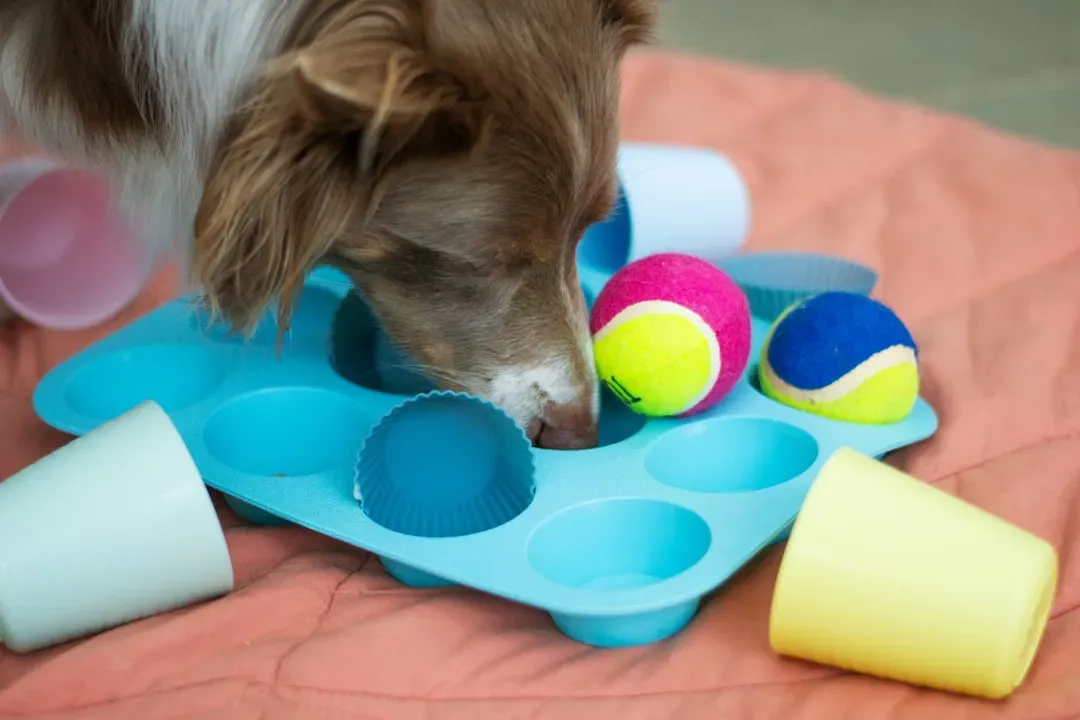
Your dog’s eyesight may fade and their hearing may dull, but their sense of smell often stays strong well into old age. That makes scent-based enrichment one of the easiest ways to bring joy into their day. A frozen lick mat with something safe and tasty, a snuffle mat scattered with part of their meal, or a simple cardboard box with treats hidden in crumpled paper can turn a few minutes into a thrilling little mission.
Food puzzles for seniors do not have to be complicated; in fact, simpler is often better so they do not get frustrated. You can choose toys that are soft, stable, and easy to manipulate with an older mouth or stiff paws. Just adjust the difficulty level so that your dog can solve the puzzle with a bit of effort but not struggle endlessly. When they finally find that last piece of food and you quietly cheer them on, you can see the satisfaction in their eyes – a small victory in a body that no longer feels like it once did.
9. Soft Beds in Sunny Spots
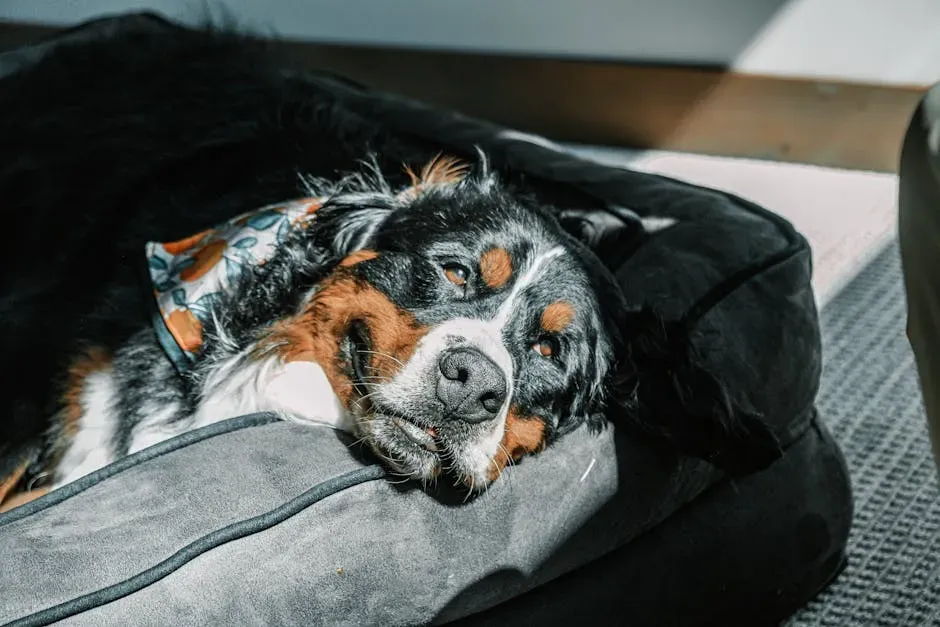
Some of the brightest moments for an old dog are incredibly simple: a warm patch of sun, a thick, supportive bed, and a sense that they are exactly where they are meant to be. Older joints ache more, muscles recover slower, and cold floors can be downright uncomfortable. When you offer them a good orthopedic bed in a sunny corner or by a window, their whole body seems to sigh with relief.
You might notice that your dog chooses certain spots at certain times of day, following the sunlight as it moves or seeking cooler shade when they get too warm. Paying attention to these habits helps you arrange their space in ways that genuinely improve their comfort. Add a blanket for extra cushioning, elevate a water bowl within easy reach, and make sure they do not have to cross slippery floors to get to their favorite place. The delight on their face when they settle into that perfect spot is quiet, but unmistakable.
10. Short Visits to Nature
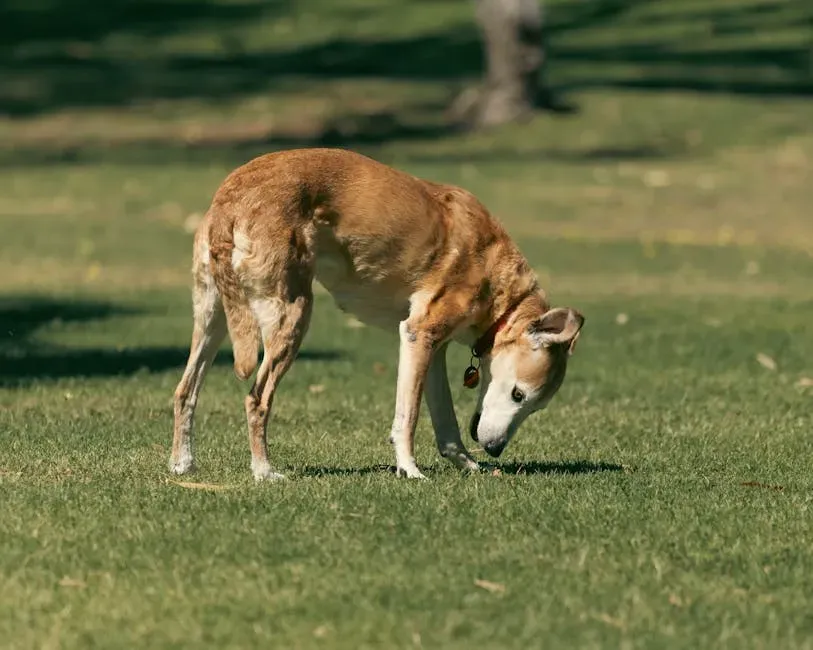
Your senior dog may not be up for long hikes anymore, but short, gentle visits to nature can still light that spark in an instant. A brief stroll through a park, a few minutes by a lake or creek, or even just sitting together under a tree in your backyard exposes them to new smells, sounds, and textures. Grass under their paws, leaves rustling overhead, distant birds calling – these sensations keep life feeling rich and varied.
The trick is to think in terms of quality, not quantity. Ten minutes of relaxed sniffing on soft ground is often more beneficial for an old dog than an hour-long walk on hard pavement. You can bring a portable water bowl, find a shady bench, and simply let them look around while you sit beside them. Your dog does not need to climb mountains to feel alive; sometimes stepping off the usual sidewalk and into a patch of green is enough to make their tail wag a little faster.
11. Gentle Grooming and Massage
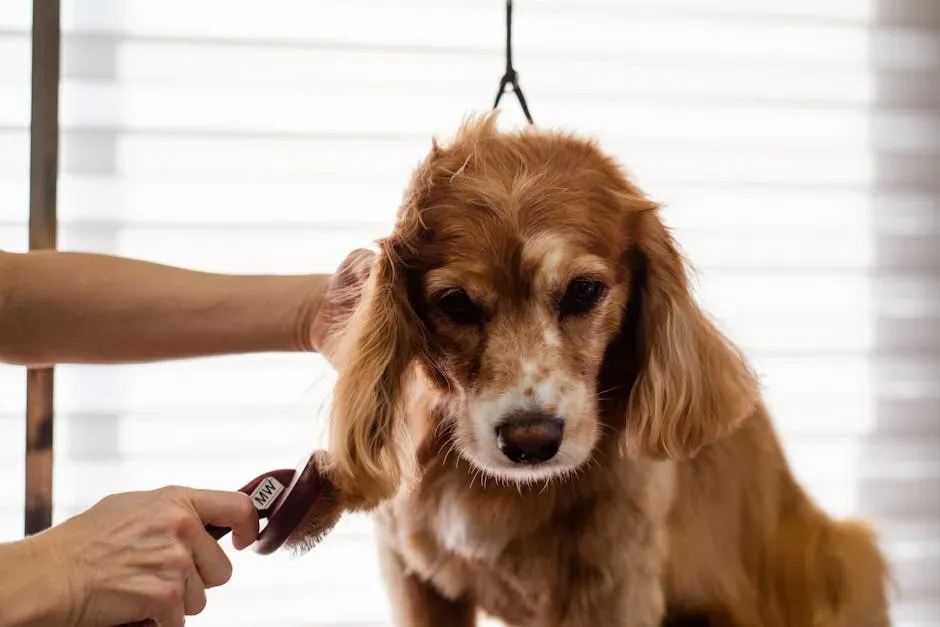
As your dog ages, grooming stops being just about appearance and becomes a powerful way to keep them comfortable and connected to you. Soft brushing helps remove loose fur, prevents mats, and gives you a chance to check for lumps, sore spots, or skin changes. Many senior dogs genuinely enjoy this one-on-one attention, especially when you move slowly and avoid tender areas like arthritic hips or a stiff neck.
Gentle massage can also be incredibly soothing for an older body. Light pressure along their shoulders, back, and thighs can ease tension and help circulation, much like it does in humans. You do not need to be a professional; simply moving your hands with intention and watching how your dog responds tells you a lot. If they lean into your touch, close their eyes, and breathe more deeply, you have found a moment that truly lights them up, even as they drift off to sleep.
12. Revisiting Old Favorite Toys
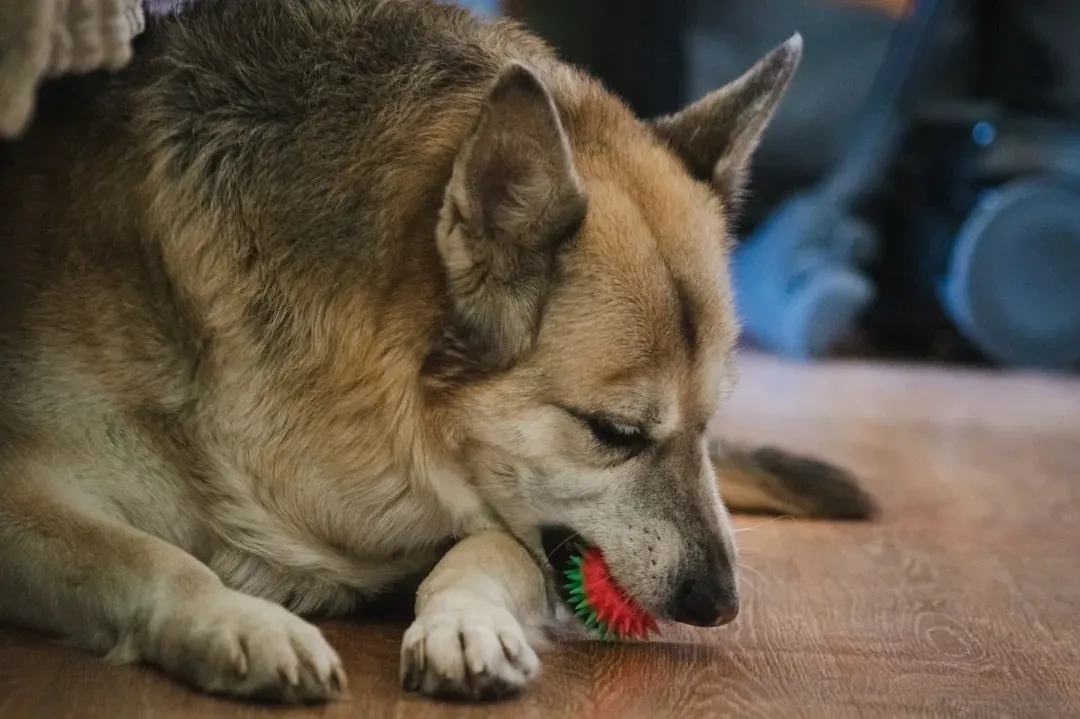
There is a quiet kind of magic in handing your old dog a toy they have loved for years, even if it is a little frayed around the edges. Familiar textures and smells seem to transport them back to earlier days, when they used to shake it wildly or race around the room with it. Now the play might look different – a gentle mouthing, a soft chew, or just resting their head on it – but the emotional connection is still there.
If your dog’s mouth or jaw is weaker now, softer toys are kinder than hard rubber or heavy balls. You can also turn old toys into calmer games, like hiding them under a blanket for your dog to uncover or trading them for a treat to keep their brain engaged. By honoring their history with these objects instead of throwing them away the first time they slow down, you tell your dog in a very real way that their whole life matters, not just their most athletic years.
13. One-on-One Time Away From Other Pets
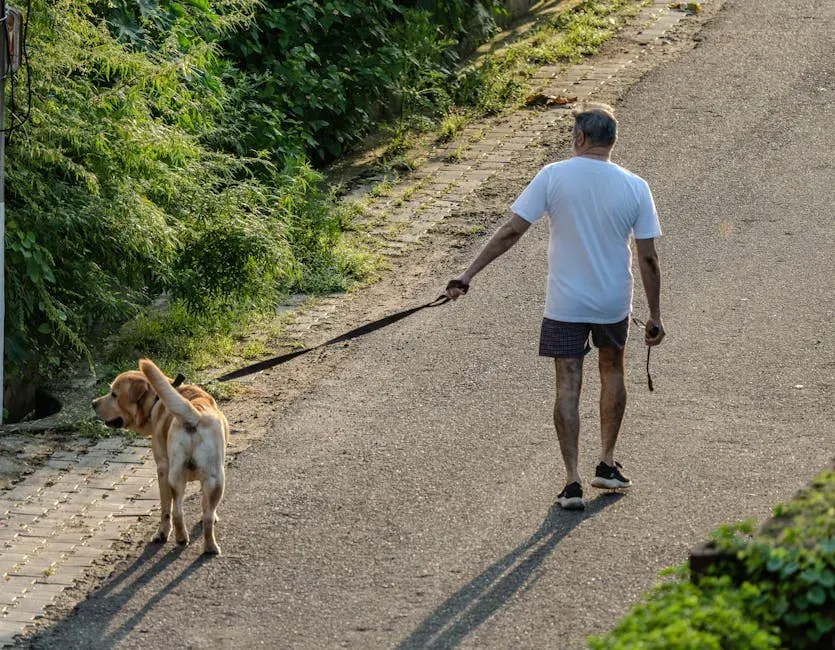
If you live with more than one animal, your senior dog might secretly treasure the moments when it is just you and them again. Younger pets tend to move quickly, play rough, and grab attention without meaning any harm. A quiet walk alone, a solo ride in the car, or even a separate cuddle session in another room gives your older dog a chance to relax without feeling crowded or overwhelmed.
During this one-on-one time, you can move at their natural pace instead of adapting to everyone else’s energy. Talk to them, even if you are not sure how much they hear; your voice is familiar and grounding. Offer them choices – this way or that way on the walk, this bed or that bed, this toy or that treat. When they realize that, in this moment, they do not have to compete with anyone, you often see that old, confident spark flicker back to life.
14. Being Included in Family Moments
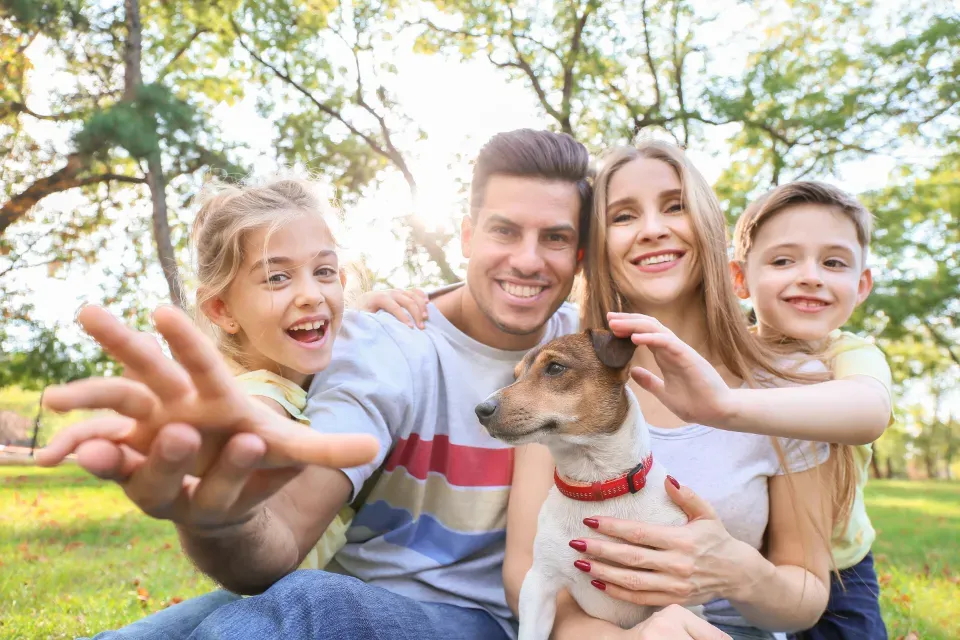
Your dog may spend more time sleeping in another room these days, but they still care deeply about being part of the family. Simple things like moving their bed into the living room during movie night, letting them lie nearby during dinner, or making space for them in holiday photos help them feel included. They might not be in the middle of the action, but being on the edge of it, where they can watch and listen, still lights something up in them.
You do not need to entertain your dog every second; just being present together matters. If loud noises or crowds bother them now, you can create a cozy corner with a familiar blanket and a chew, and check in with them often. When your dog realizes that the heart of the household still has a place for them, even if they are not bouncing around like they used to, that sense of belonging becomes one of their deepest comforts.
15. Your Calm, Steady Attention
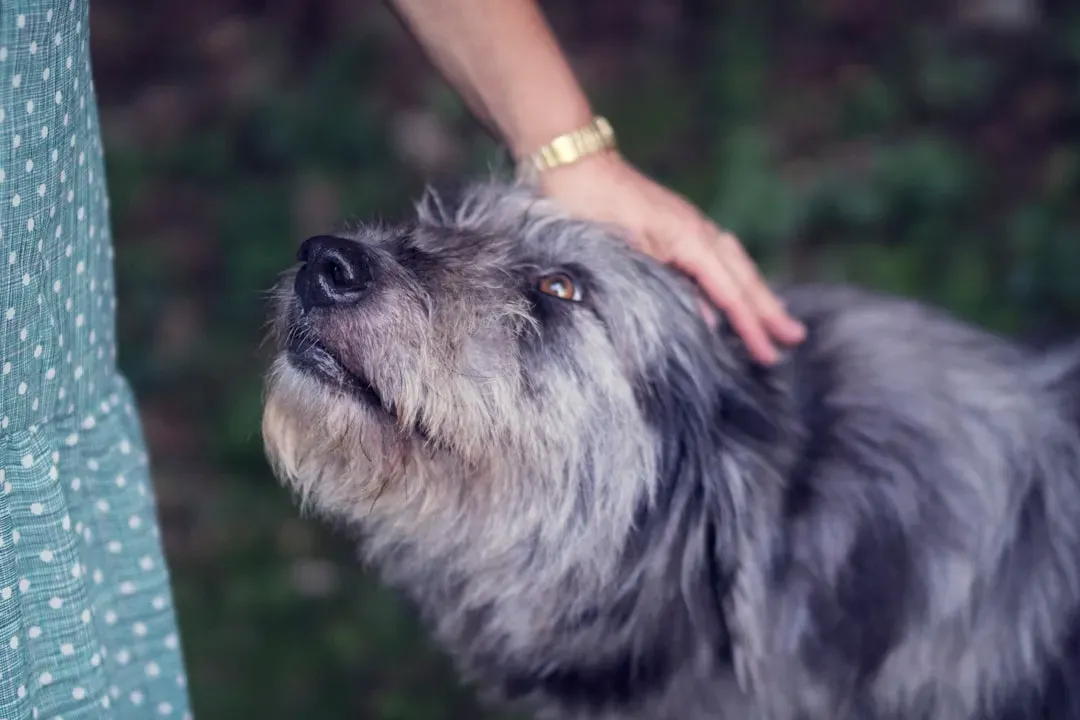
In the end, what lights your old dog up more than anything is not a specific toy, walk, or treat. It is you – your attention, your patience, your willingness to adapt as their needs change. When you sit down beside them with no agenda, when you look into their cloudy eyes and smile, when you say their name in that special way you have always used, you tell them that they still matter exactly as they are right now.
Older dogs can become anxious or disoriented as their world narrows, but your steady presence acts like an anchor. You might find yourself talking to them more softly, moving more slowly, and planning your day around their comfort without even thinking about it. These choices, small as they seem, create a life where your senior dog can age with dignity and joy. That peaceful, contented light you see in their face at the end of a quiet day together is not an accident; it is the result of every loving decision you make.
Growing old with a dog is both tender and a little heartbreaking, but it is also one of the most meaningful experiences you can have. When you notice and nurture the moments that still make your senior dog light up, you are not just caring for a pet; you are honoring a lifelong friend. Years from now, you will remember the gray muzzle, the slower steps, and, most of all, those small flashes of pure happiness you helped create. Which of these moments will you savor a little more the next time you see your old dog’s eyes sparkle?


