
15 Reasons the Elderly Dog at the Shelter That Nobody Wants Is the One Most Worth Taking Home
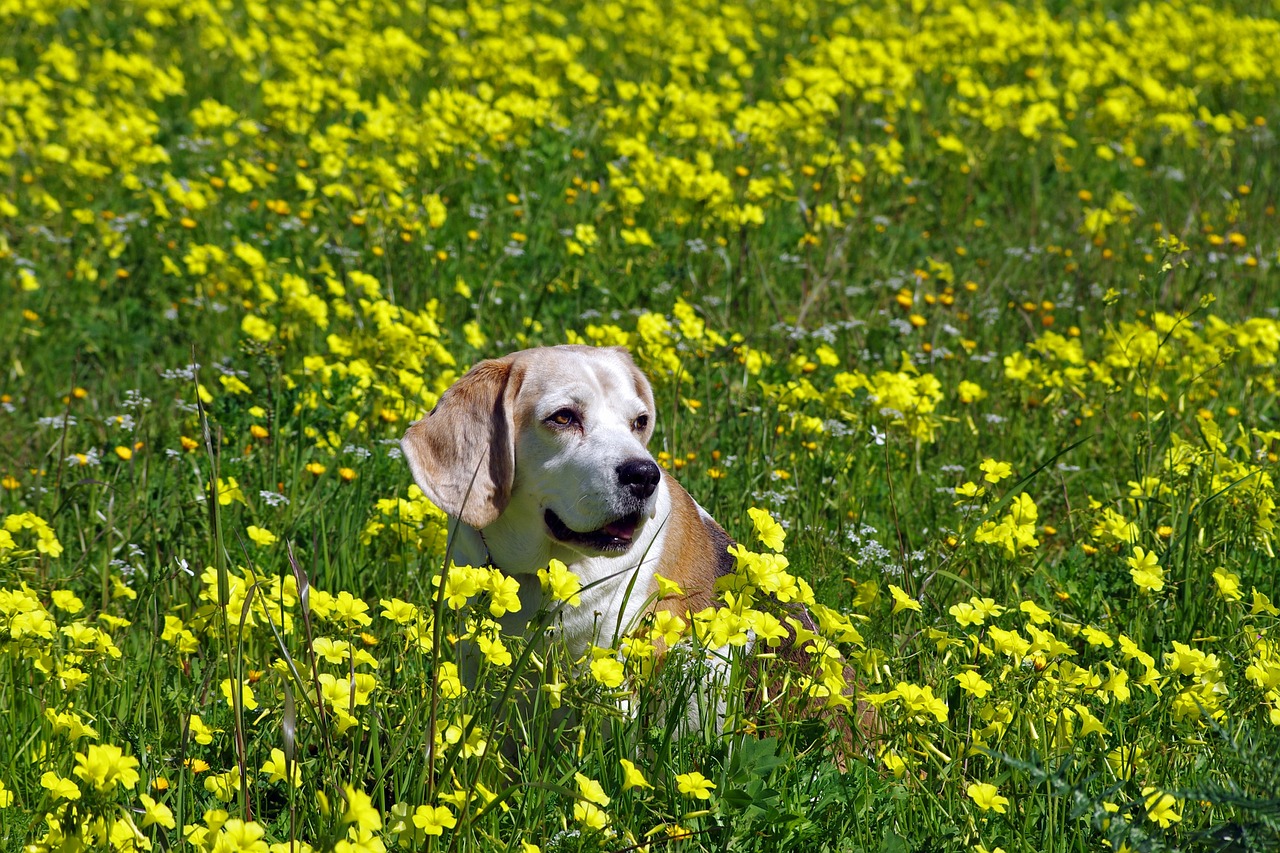
Walk through any animal shelter and you can almost feel it: people rush past the graying muzzles to coo over the wobbly puppies and wide-eyed youngsters. The senior dogs watch quietly from the back of the kennels, as if they already know they’ve been overlooked a hundred times before. It is heartbreaking, and if you pause long enough to look one of them in the eyes, it can also be life-changing.
Taking home the older dog everyone else ignores is not just an act of kindness; it is one of the most rewarding, surprisingly joyful decisions you can make. These dogs come with stories written in their tired joints and softened eyes, and somehow, giving them a gentle final chapter has a way of rewriting your own life too. Once you understand what senior shelter dogs actually offer, you may start to wonder how you ever walked past them in the first place.
1. You Know Who They Really Are

Here’s the shocking thing most people never think about: with an older dog, what you see is genuinely what you get. Their personality is already formed, their quirks are on display, and their energy level is clear, which means far fewer surprises once you bring them home. You can sit with a senior dog at the shelter and actually get an honest preview of life together.
With puppies, you’re essentially making a guess about the future, like choosing a roommate based on a baby photo. Seniors, on the other hand, show you how they handle strangers, noise, handling, and other dogs right now. That makes it much easier to match the right dog to your lifestyle, whether you want a couch buddy, an easygoing walking partner, or a calm family companion.
2. They’re Usually Already House-Trained
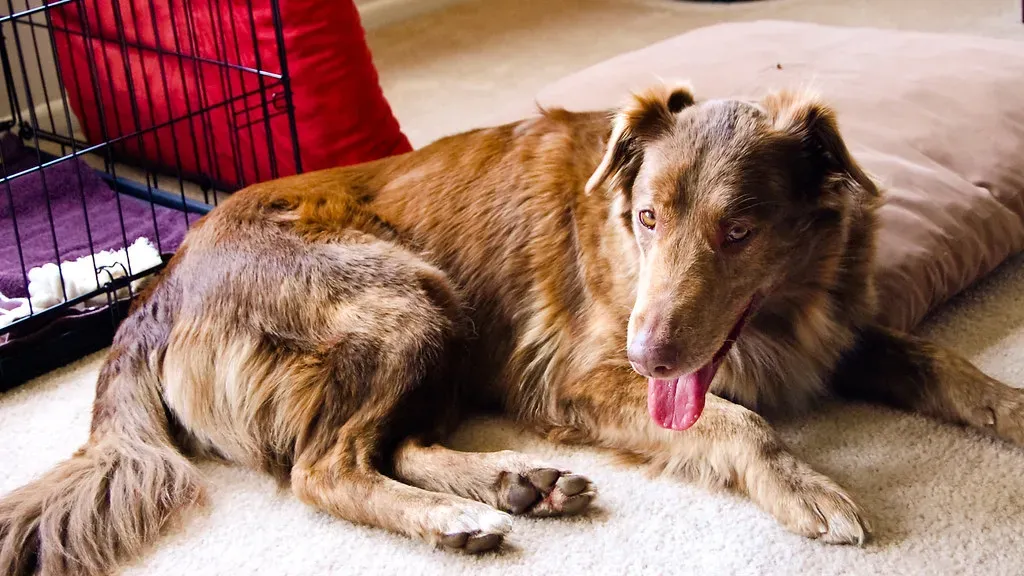
One of the biggest perks of adopting an older dog is that most of them already understand the basics of living in a home. Many senior shelter dogs were once beloved pets who know where to sleep, where to eat, and, crucially, where to go to the bathroom. That alone can save you months of accidents, frustration, and carpet cleaning.
Of course, there can be a short adjustment period in any new environment, but you’re not starting from scratch the way you would with a puppy. Once the routine clicks, older dogs are often incredibly reliable, because they’ve done this before. If you’ve ever dragged yourself out of bed every two hours to let a puppy outside, the idea of a dog who can comfortably sleep through the night feels like winning the lottery.
3. Their Energy Level Fits Real Life

Everyone loves the idea of an energetic dog who’s always ready for adventure, until reality hits: long workdays, family obligations, and plain old human fatigue. Senior dogs tend to have a gentler, more manageable energy level that fits the way most adults actually live. They’re usually delighted with a calm walk, a bit of play, and then a long nap by your side.
This doesn’t mean they’re lifeless or “done” with fun. Many older dogs still enjoy toys, short hikes, and training games, but they don’t need constant stimulation to stay sane. Instead of bouncing off the walls, they’re more likely to curl up beside you while you work or watch TV, which makes life with them feel peaceful rather than exhausting.
4. Training Is Often Easier (And More Fun)
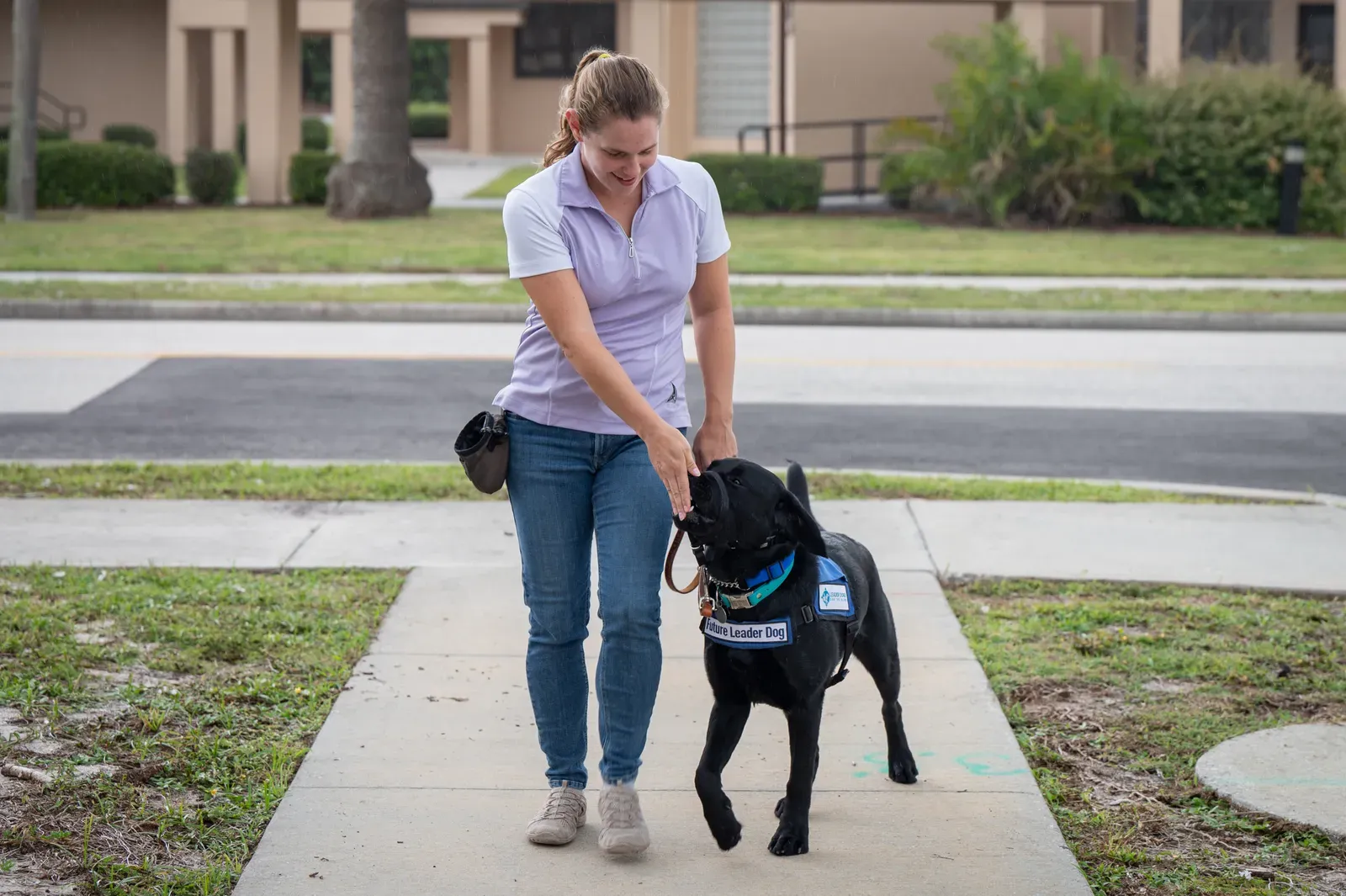
There’s a common myth that you can’t teach an old dog new tricks, but real trainers will tell you the opposite: seniors can be fantastic students. Many already know basic cues like sit, stay, and come, so you’re often building on a foundation rather than starting with a blank slate. They tend to be less easily distracted than puppies, which means you can actually finish a training session without feeling like you’re negotiating with a tornado.
On top of that, a lot of older dogs are incredibly eager to please, especially once they realize they’re safe and wanted. They’ve often lived in homes where human approval mattered, and you can see their eyes light up when they understand what you’re asking. Teaching a senior dog a new skill may feel less like training and more like having a quiet, thoughtful conversation with a friend who really wants to understand you.
5. They Show You a Different Kind of Gratitude

People often say their senior rescue looks at them “like they know.” While we can’t crawl inside a dog’s mind, there is something deeply moving about the way many older shelter dogs respond once they realize they’ve been chosen. They have seen the loud kennels, the concrete floors, the steady stream of people walking past, and they know what it feels like not to be picked.
When you bring one of these dogs home, their gratitude shows up in quiet ways: the way they sigh and sink into a soft bed, the way they follow you from room to room at first, the way they relax over weeks as if letting out a breath they’ve held for years. It feels less like they are excited about “a new toy” and more like they are relieved to finally be safe. That kind of bond hits different; it feels deep, grounded, and humbling.
6. You’re Not Encouraging Irresponsible Breeding
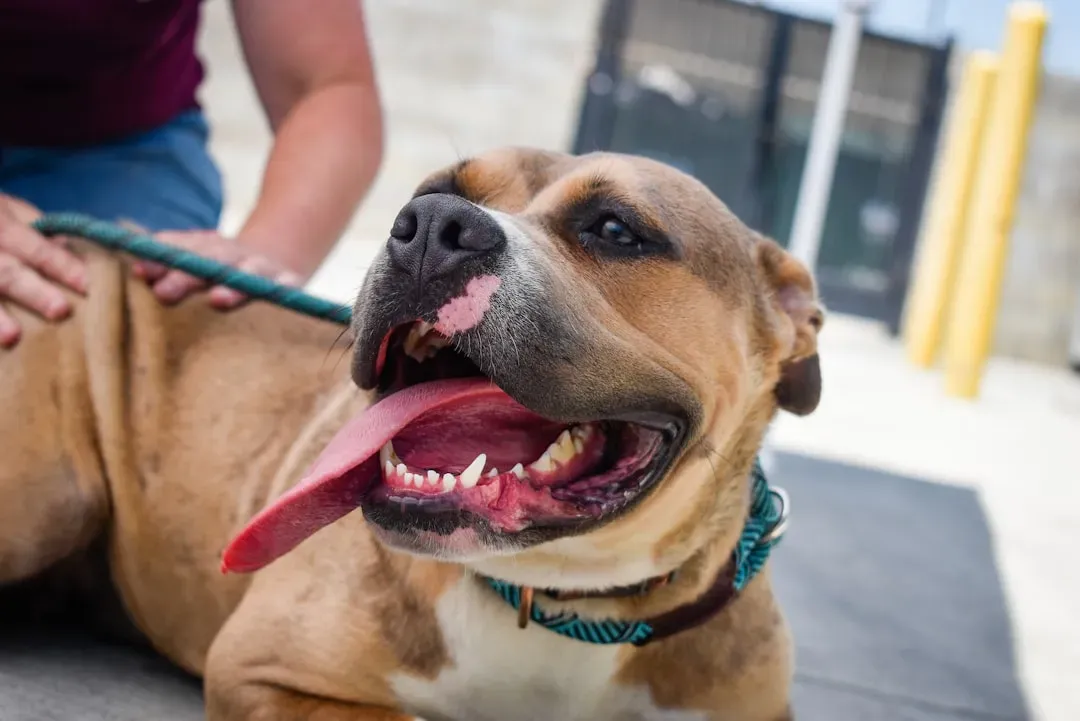
Choosing an older shelter dog is a powerful way to step out of the cycle that keeps dogs being bred and discarded. Many shelters are crowded with animals who once were someone’s cute puppy and then became inconvenient. By adopting from that population, especially an elderly dog that others ignore, you’re using your choice to push back against that pattern.
Instead of pouring money into demand for “new” dogs, you’re investing in a life that already exists and urgently needs a home. In a small but real way, that sends a different message: that a dog’s worth does not drop the moment their face turns gray or their pace slows. It may not change the world overnight, but it absolutely changes the world for the dog you take home.
7. Their Needs Are Often Surprisingly Simple
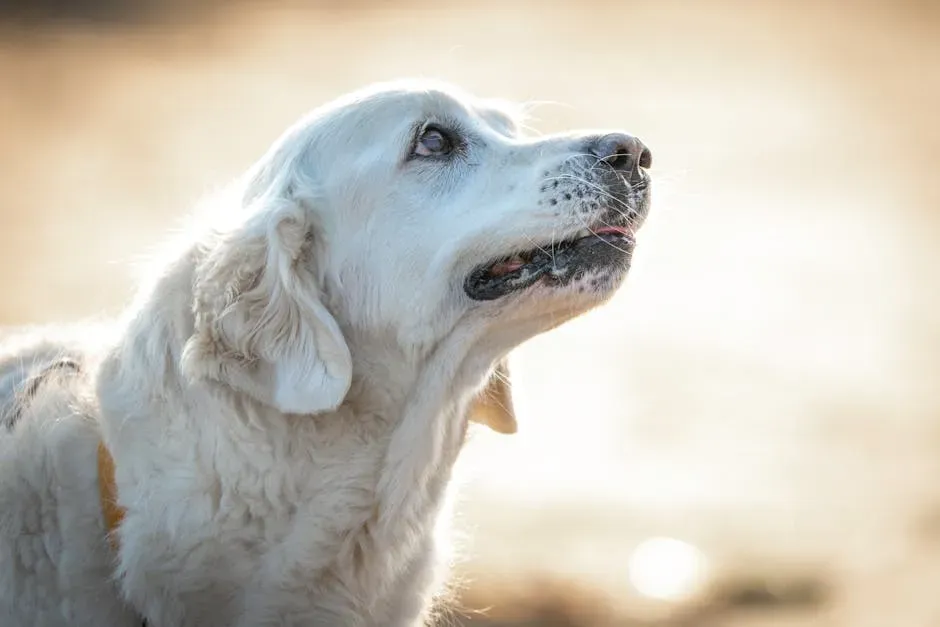
Senior dogs can have medical issues, and it’s honest to acknowledge that. Arthritis, dental problems, or age-related conditions are common, and they can require vet visits and medication. But in day-to-day life, many older dogs have very simple needs: a comfortable place to sleep, a predictable routine, gentle exercise, and someone to care enough to notice when they’re in pain.
Modern veterinary care offers many affordable options to keep senior dogs comfortable, from joint supplements to basic pain management. Shelters and rescue groups sometimes even provide medical history or support for known conditions, so you’re not walking in blind. You do take on responsibility, but you also gain the chance to make their final years not just bearable but genuinely good, which is a trade many people find more than worth it.
8. They’re Often Great With Kids and Other Pets

A lot of older dogs have already lived in busy households, so the chaos of children or the presence of other animals is nothing new to them. Their lower energy can make them more patient with curious hands and clumsy hugs, especially when properly supervised. They’re less likely to bulldoze toddlers or leap onto the kitchen table in a burst of puppy enthusiasm.
When it comes to other pets, a calmer dog can be less threatening and easier to integrate. They’re less driven to roughhouse nonstop or test boundaries all day long, which can help reduce tension in multi-pet homes. Of course, every introduction needs to be done slowly and thoughtfully, but if you’re looking for a steady presence rather than a wild card, a senior dog often fits the bill brilliantly.
9. You Skip the Destructive Phase

Ask anyone who’s raised a puppy about “that one chair” or “those shoes” they lost, and you’ll usually get a grim little laugh. Young dogs explore the world with their mouths and claws, and your furniture pays the price. Senior dogs, by contrast, have generally outgrown the urge to chew everything within reach or redesign your baseboards for fun.
That doesn’t mean an older dog will never pick up a toy or nibble a sock, but the all-consuming, teething-fueled chaos is usually behind them. You’re far less likely to come home to shredded pillows, gnawed doors, or a living room that looks like a snowstorm of stuffing just hit. For people who love dogs but also like having a home that stays mostly intact, this is a major, underrated advantage.
10. You Learn to Appreciate the Small Moments
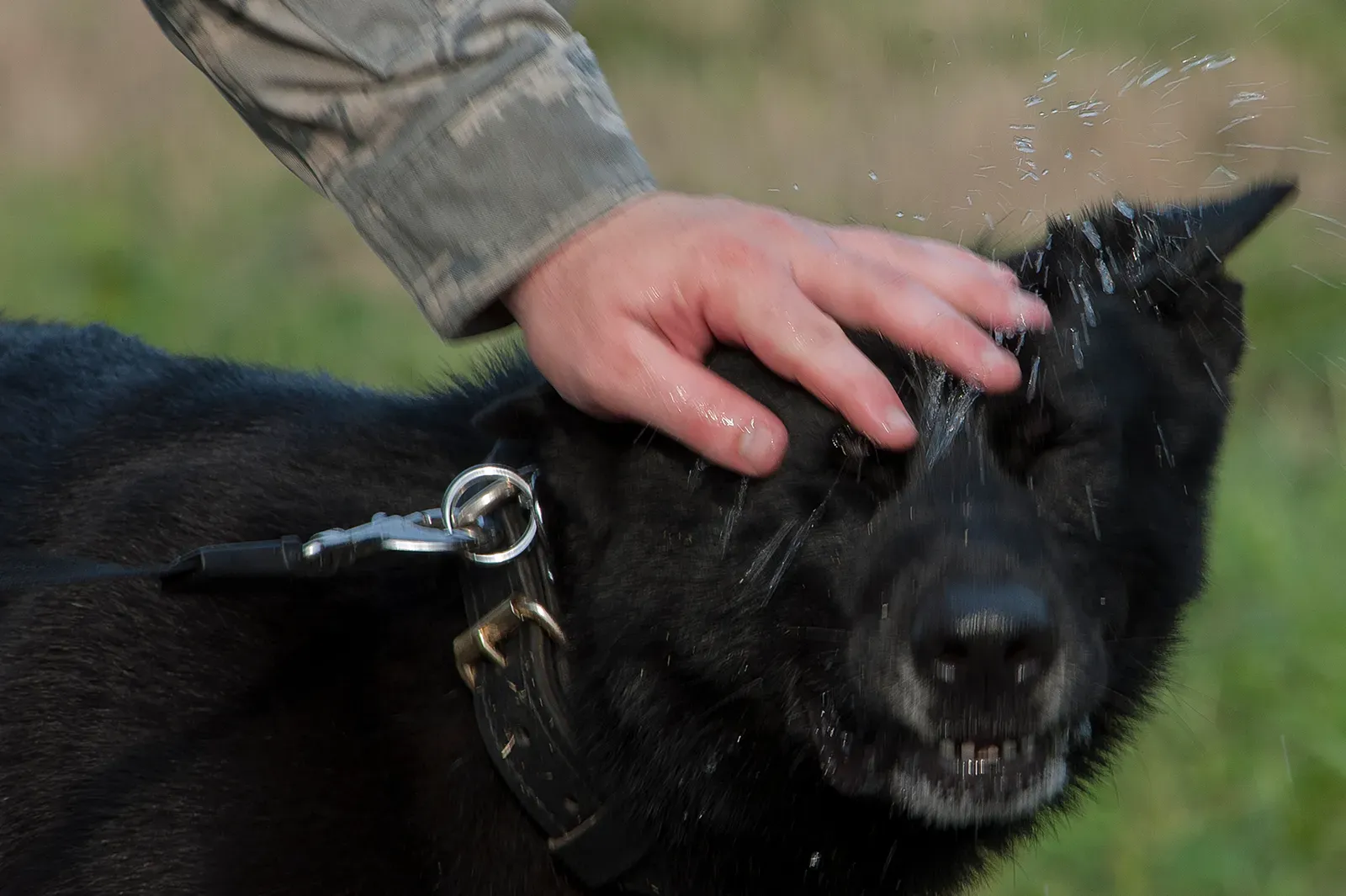
Living with a senior dog shifts your sense of time. You become more aware that every walk, every nap, every goofy little tail wag is part of a shorter chapter, and that knowledge changes how you pay attention. Suddenly, a slow stroll down the block becomes less of a chore and more of a quiet ritual you both share.
There is something oddly freeing about this. You stop obsessing over milestones like perfect obedience or endless adventures and start focusing on comfort, joy, and presence. Instead of thinking, “We have fifteen years to do everything,” you think, “We have today, and I’m going to make sure it’s good.” That mindset often spills over into the rest of your life in a surprisingly healing way.
11. You Give Your Home a Softer, Calmer Energy
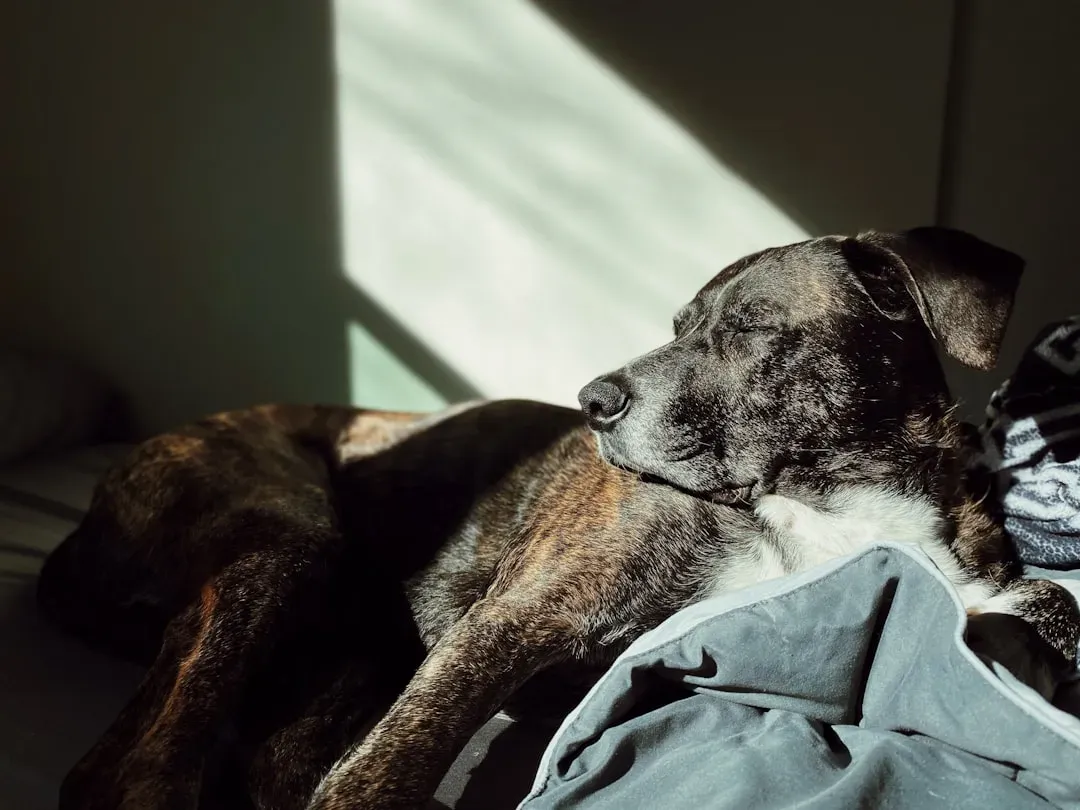
The vibe of a house with an elderly dog is just different. There’s a kind of gentle stillness that settles in when your main living companion is happy to snooze in a patch of sunlight or slowly follow you from room to room. It can turn a space from feeling busy and sharp-edged to feeling warm and lived-in.
For people dealing with stress, burnout, or grief, that softness can be incredibly soothing. A senior dog doesn’t demand constant entertainment; they just anchor you, quietly reminding you to sit, breathe, and maybe scratch their ears for a while. It feels less like adding another responsibility and more like inviting a calm, grounding presence into your daily routine.
12. You Become Part of Their Redemption Story
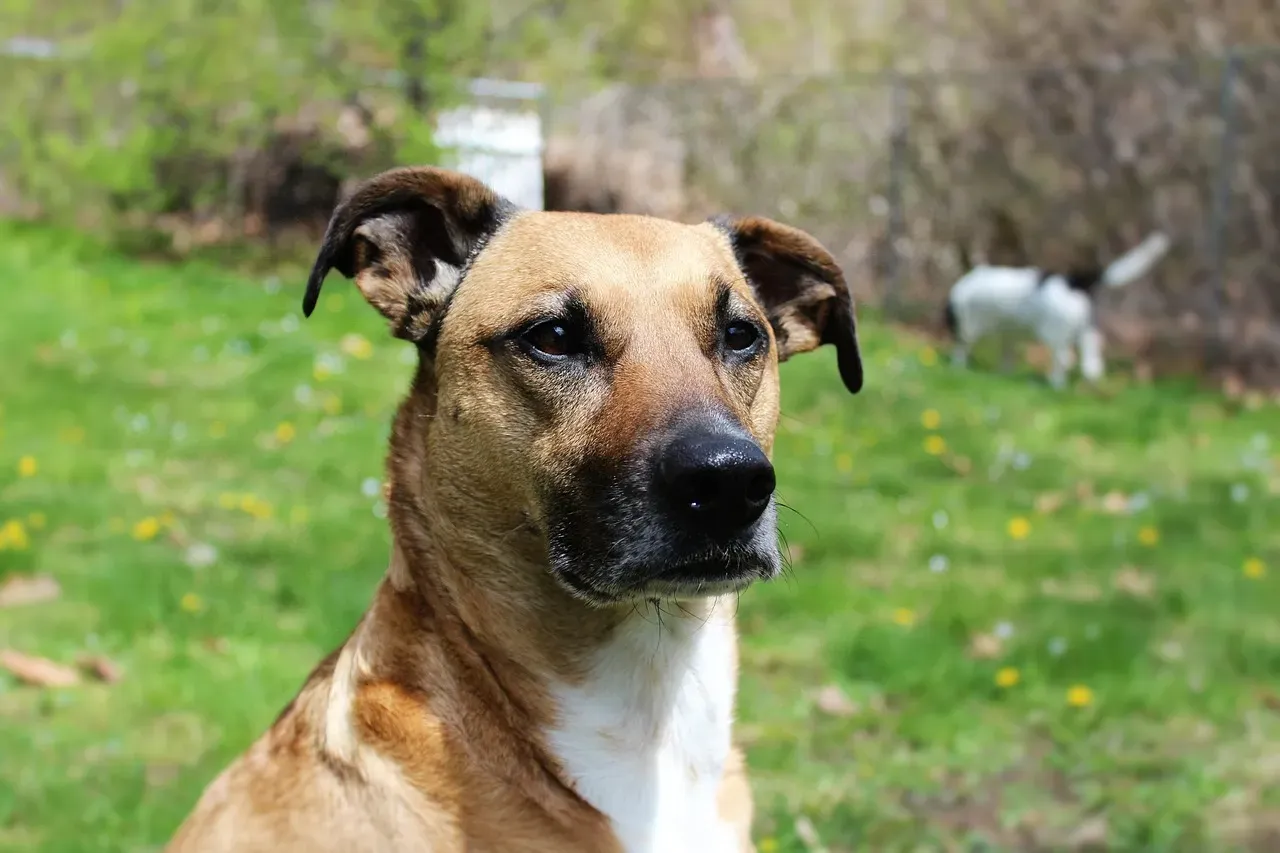
Every older dog sitting in a shelter has a backstory, even if no one knows exactly what it is. Maybe they were loved for years and then lost their person to illness. Maybe their family moved and left them behind. Maybe neglect or indifference chipped away at their spirit over time. Whatever happened, they ended up in a cage, waiting, as the days blur together.
When you choose that dog, when you say, “You, specifically, come home with me,” you change the ending of that story. Instead of fading out in a concrete run, they get a real bed, familiar smells, and someone who shows up for them every day. You can’t undo whatever hurt came before, but you can make sure that the last chapters are filled with gentleness and care instead of confusion and loss.
13. They Still Have So Much Life Left
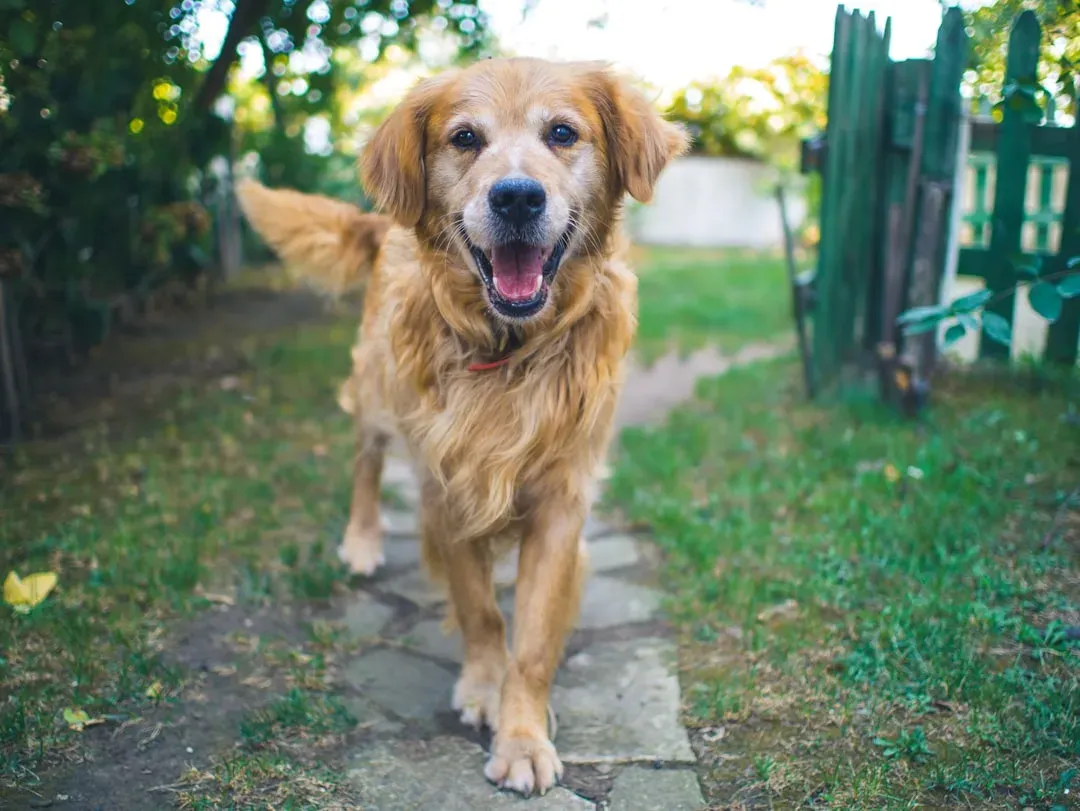
One of the saddest misconceptions is that “old” automatically means “almost gone.” In reality, many senior dogs still have several good years ahead of them, especially if they receive consistent care, decent food, and vet attention. A dog labeled “senior” at seven years old could easily share half a decade or more of walks, cuddles, and holidays with you.
Age is not a defect; it’s just a stage. A lot of older dogs still have a sparkle in their eyes, a goofy side that comes out when you throw a toy, or a sudden burst of zoomies that reminds you they used to be wild once. If you judge them only by the gray on their muzzle, you risk missing out on all the fun they still have left to give.
14. You Teach the People Around You What Really Matters
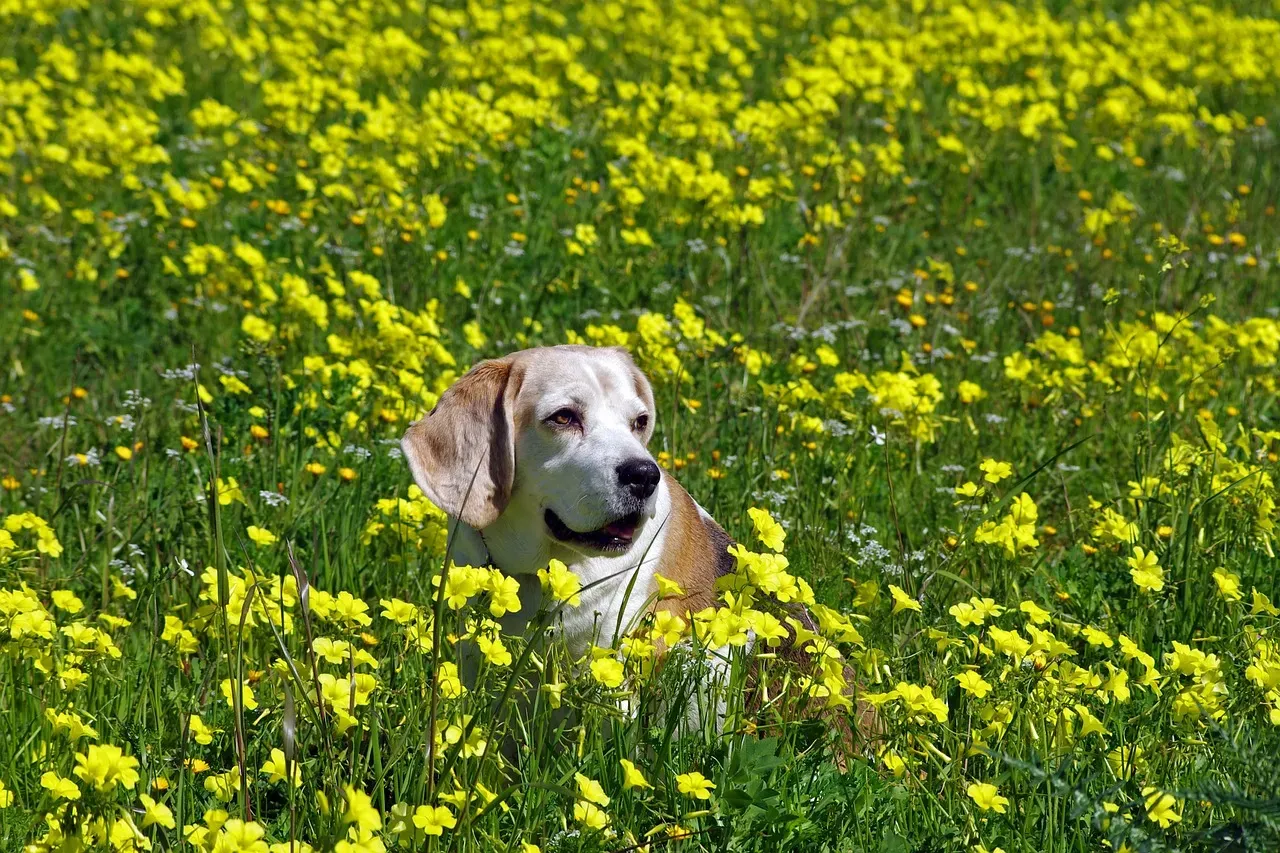
Adopting the lonely, elderly dog that no one else wants sends a quiet but powerful message to the people who see you do it. Friends, neighbors, and even the staff at the shelter witness a different set of values in action: compassion over convenience, loyalty over novelty, substance over appearance. Kids who grow up watching this kind of choice often internalize the idea that worth is not tied to youth or perfection.
In a culture that constantly glorifies “new” and “young,” walking proudly with your gray-faced dog is a small act of rebellion. It shows that love is not about getting a blank slate or a flawless body; it is about showing up for someone exactly as they are. That lesson reaches further than you think, shaping how the people around you relate not only to animals but to aging humans too.
15. You Get a Love Story With a Clear Beginning and a Gentle End
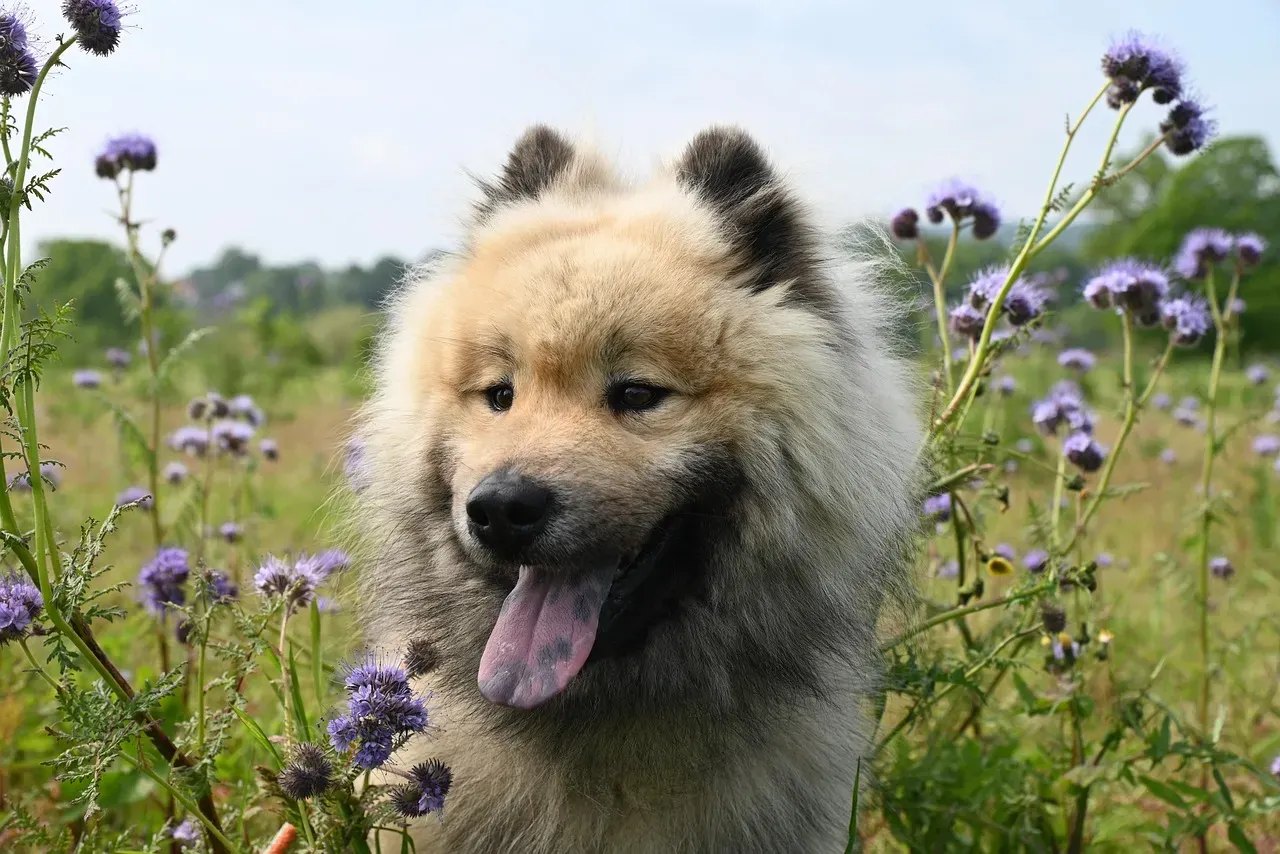
With a senior dog, you walk into the relationship knowing from day one that your time together is limited. That can feel scary, and honestly, it is. But it also forces a kind of emotional honesty that many of us spend years avoiding. You cannot pretend you have forever, so you start loving like you know you don’t.
Yes, the goodbye often comes sooner. It will hurt. But the depth of connection that forms in those years is not less real because it is shorter. In some ways, it is sharper and more concentrated, like a beautiful song that plays only once instead of looping endlessly in the background. When you look back, you may find that this brief, intense love story is one of the most meaningful relationships you ever had.
Conclusion: The Dog Everyone Walks Past Might Be the One You Need Most
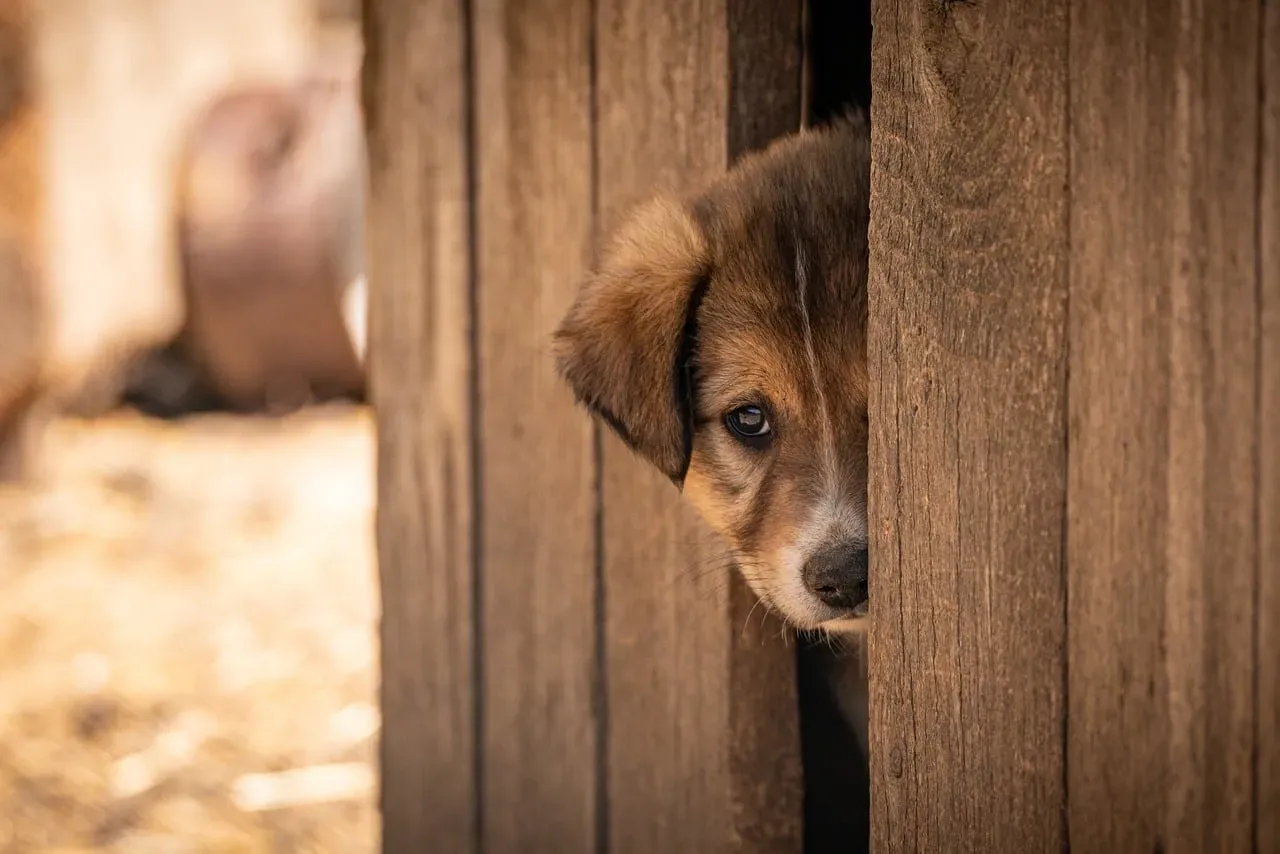
I still remember standing in a shelter once, watching people crowd around a pen of puppies while an old dog slept in the corner of her kennel, ignored by everyone. She lifted her head when I walked by, gave one slow tail thump, and that was it – I was done. Living with her taught me more about patience, acceptance, and showing up every single day than any self-help book ever has.
Choosing the elderly dog no one wants is not about sainthood or martyrdom. It is about recognizing value where others see inconvenience, and trusting that love is not measured in years, but in how fully you show up while you have the chance. If you ever find yourself standing in front of those kennels, ask yourself: are you really so sure that the dog you think you want is better than the one quietly waiting for you at the back?