
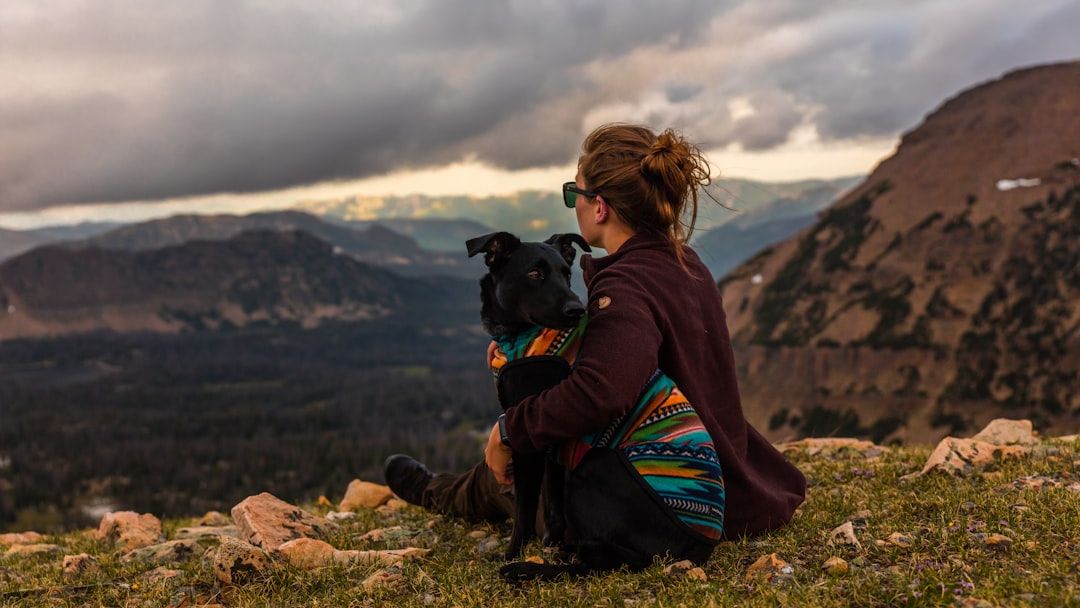
Many dog owners notice subtle shifts in their pet’s behavior during the final weeks or months. These moments often feel deeply personal, as if the dog is choosing to linger a bit longer for the person who has shared their life.
The idea that a dog might hold on for one more day with their favorite human comes up again and again in quiet conversations among people who have been through it. It is hard to prove in a lab, yet the patterns feel familiar to anyone who has watched an aging companion navigate those last stretches.
They Choose Your Lap Over Their Own Bed
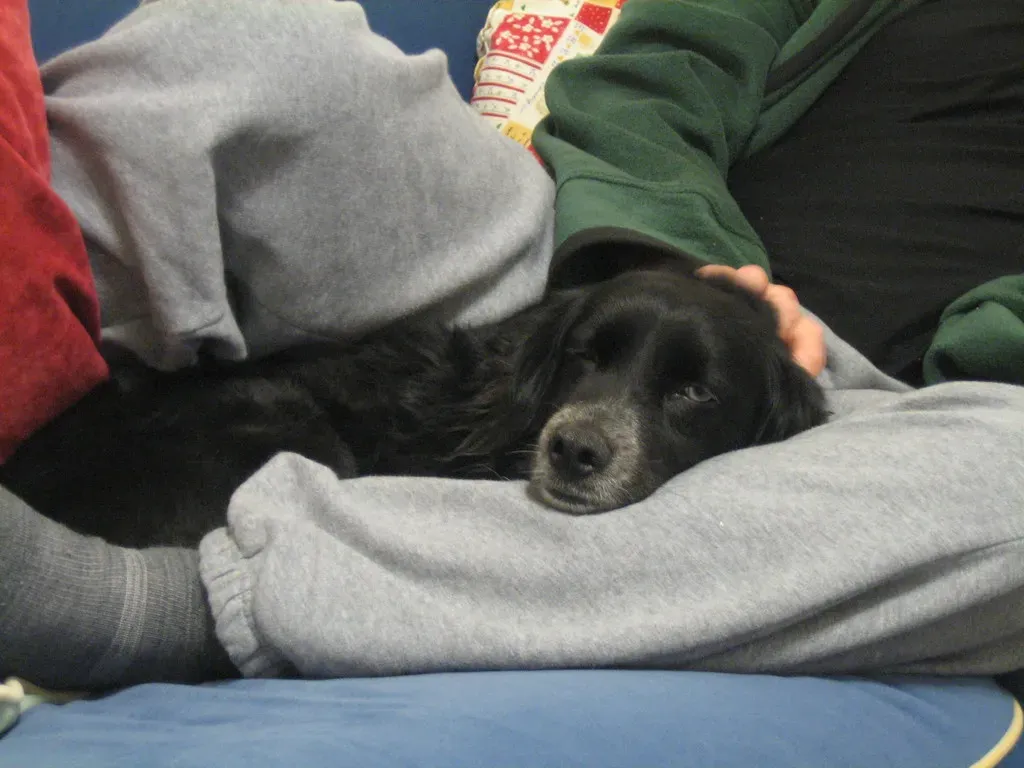
Older dogs often have favorite resting spots that they have used for years. When that changes and they start seeking out your lap or the chair right beside you instead, it can feel like a deliberate choice. They may shift their weight slowly and settle with a soft sigh once they are close.
This preference shows up even when their usual bed is still comfortable and nearby. The closeness seems to bring them a steadier rhythm to their breathing. Owners frequently describe the same quiet settling in, as though the simple presence of their person makes the moment easier to hold.
Their Eyes Follow You Across the Room
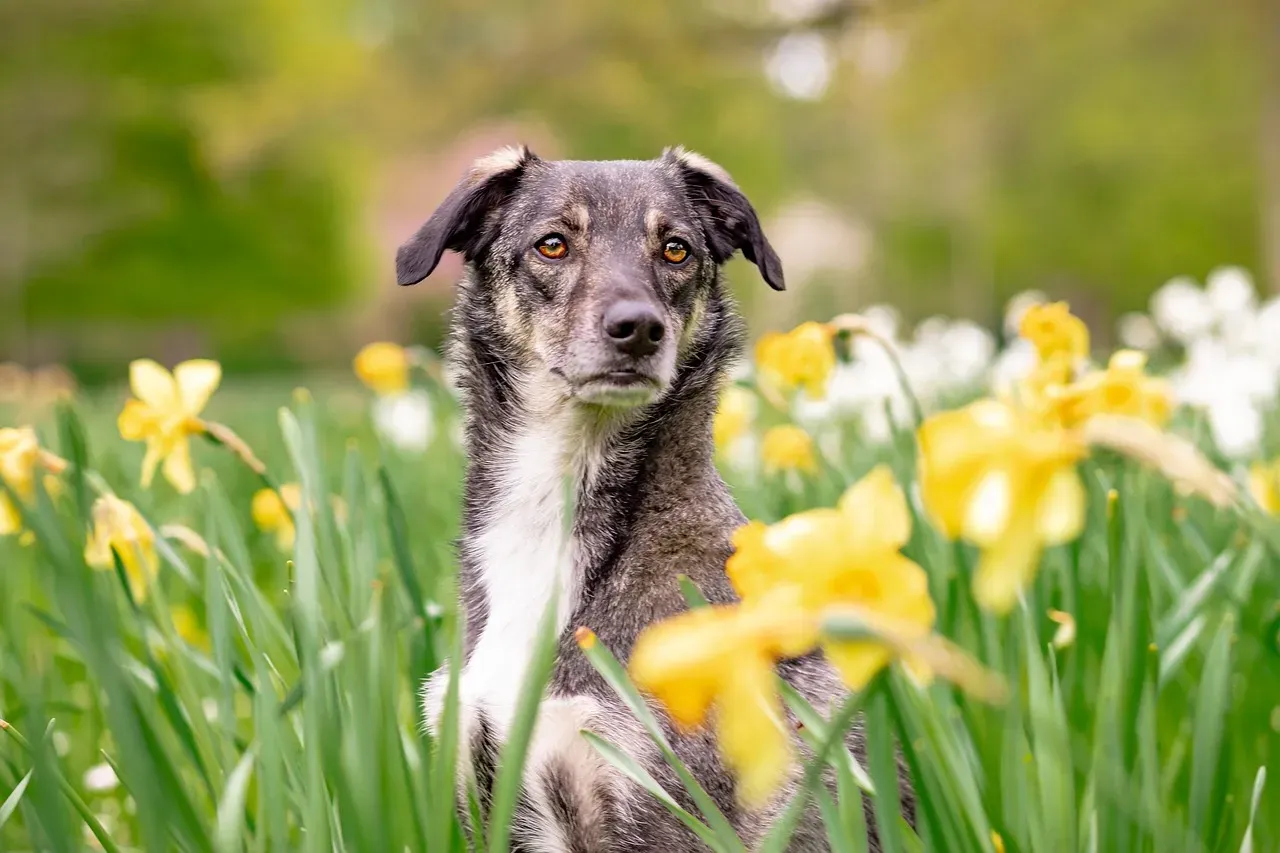
A dog that once glanced your way now tracks every movement you make. The gaze stays soft and steady, even when you are just crossing from the kitchen to the hallway. It is not the alert stare of a younger dog waiting for a walk. It feels more like quiet tracking, a way of keeping you in sight without much effort.
Many people notice this happens more when the dog is resting but still awake. The eyes move slowly, almost thoughtfully. It creates a sense that they are anchoring themselves to your location in the house.
They Wait to Eat Until You Are Near
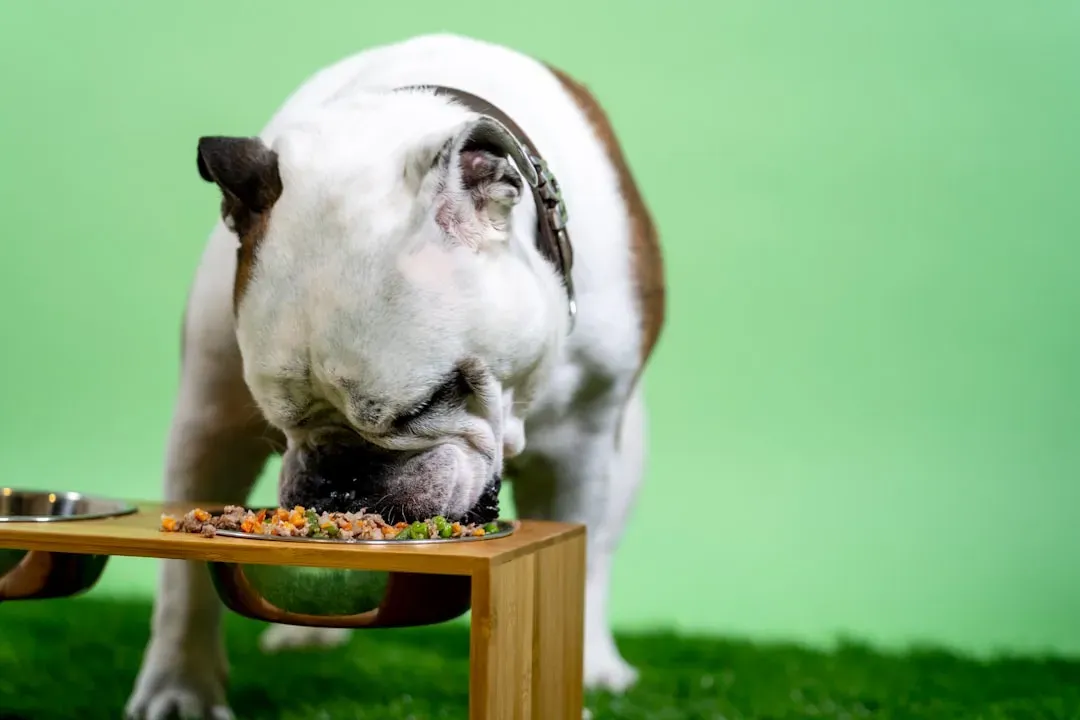
Appetite changes are common in senior dogs, yet some will still take a few bites when their person sits close by. They may ignore the bowl if left alone with it, then show interest once you return to the room. The food itself does not suddenly become appealing. Your presence appears to make the act of eating feel safer or more worthwhile.
This pattern repeats at different times of day. A dog might push food around with their nose until you kneel beside them. Then the small movements toward the bowl begin. It is a gentle signal that your company still matters in ordinary routines.
A Weak Tail Wag Appears Only for You
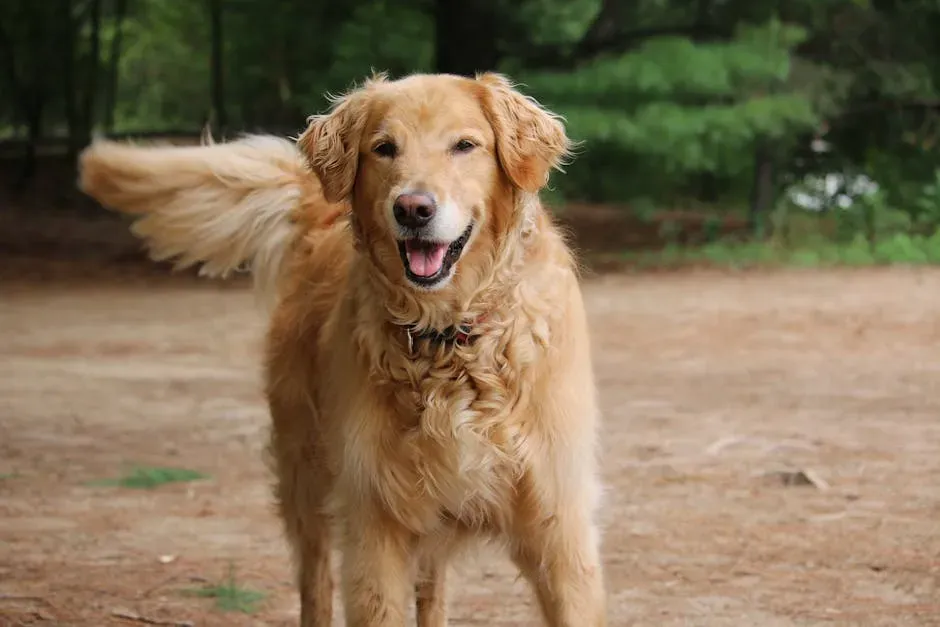
The tail may stay still for most of the day. When you enter the room or speak their name, a single slow wag or two shows up. It lacks the full-body enthusiasm of earlier years. The movement is small and brief, yet it arrives consistently in response to you.
Other family members or visitors often receive no such reaction. The wag seems reserved, almost private. It serves as a quiet acknowledgment that your arrival still registers as something worth noticing.
They Lean Into Your Hand During Petting
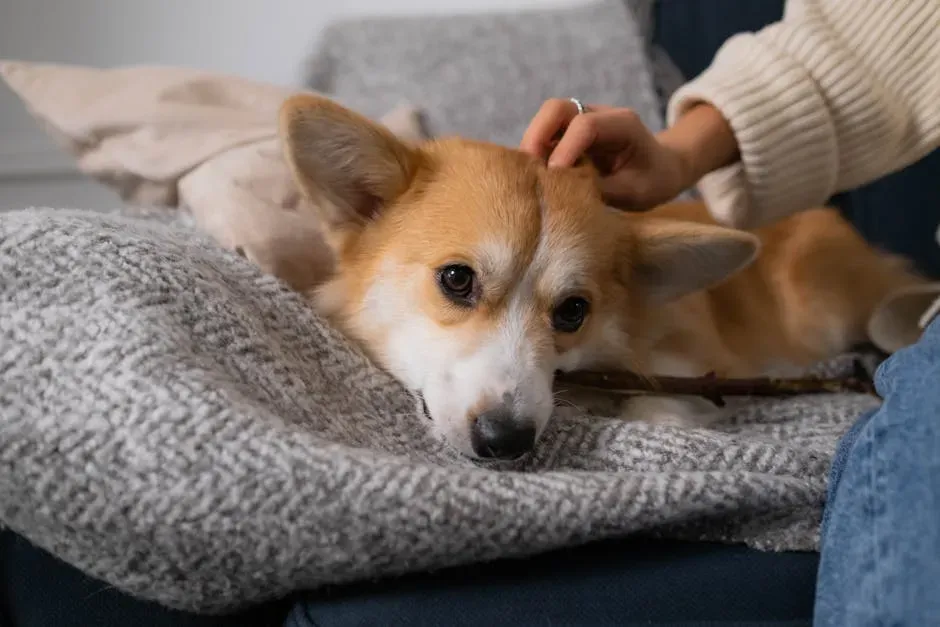
Many dogs enjoy touch throughout their lives. Near the end, some press their head or shoulder more firmly into a stroking hand. The pressure feels intentional, as though they are seeking steadier contact. They may hold the position longer than before.
The leaning happens even when the dog is standing or sitting with effort. It is not dramatic. It is simply a steady push against your palm or fingers. Owners often describe it as the dog asking for the touch to continue without words.
Breathing Slows When You Sit Beside Them
Resting breathing can become uneven or quicker in older dogs. Some owners observe that the pattern evens out once they settle nearby. The change is noticeable within a minute or two of sitting down. It is not dramatic enough to measure with a clock, yet it feels consistent.
The dog may shift position slightly to face you before the breathing settles. The moment passes once you stand up again. This small adjustment suggests your nearness brings a measure of calm that the dog seeks out.
They Ignore Toys but Respond to Your Voice
Favorite toys often lose their appeal in later stages. A dog may walk past a squeaky ball without a glance. Yet the same dog will lift their head or turn toward the sound of your voice calling their name. The response is not energetic. It is simply present.
The contrast stands out because the dog once chased those toys with focus. Now the voice carries more weight than the object. It points to a narrowing of what still feels worth engaging with.
They Choose to Sleep Facing You
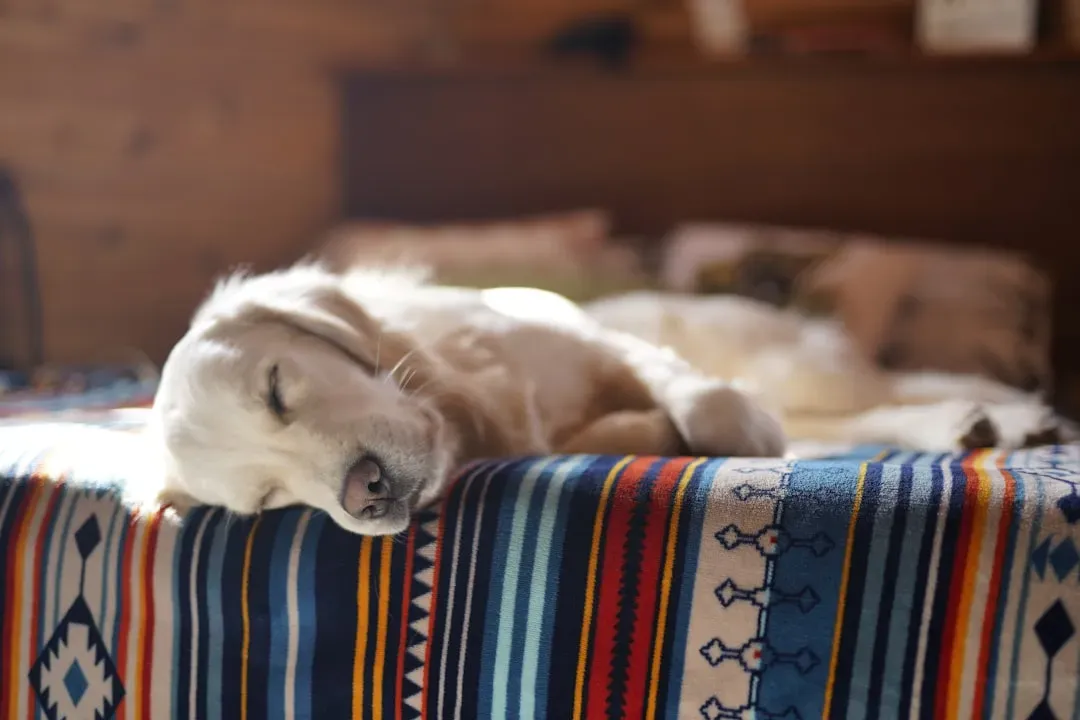
Sleep positions shift over time. Some dogs begin to rest with their body angled so their face points toward where you usually sit or lie. The choice happens even when other comfortable spots are available. It is a quiet reorientation of their resting space.
The position allows them to open their eyes and see you without much movement. It happens night after night in the same way. The consistency makes the choice feel deliberate rather than random.
They Perk Up Slightly at the Sound of Your Return
The front door or car in the driveway once brought full excitement. Later, the reaction shrinks to a small lift of the head or a single ear twitch. The change registers only when it is your arrival, not someone else’s. The small response still arrives reliably.
Other household sounds do not produce the same flicker of attention. The dog appears to reserve that tiny spark for the person who has been gone. It is brief, yet it repeats.
They Refuse to Settle Until You Are Home
Some dogs pace or stay restless when their main person is away. Once that person returns, the dog finds a spot and relaxes. The settling happens quickly after the reunion. It is not about the house itself. It is about the presence of one specific individual.
The pattern shows up even on short absences. The dog may wait near the door or in a hallway. The release of tension is visible once you are back in the same room.
They Accept Help Only From You
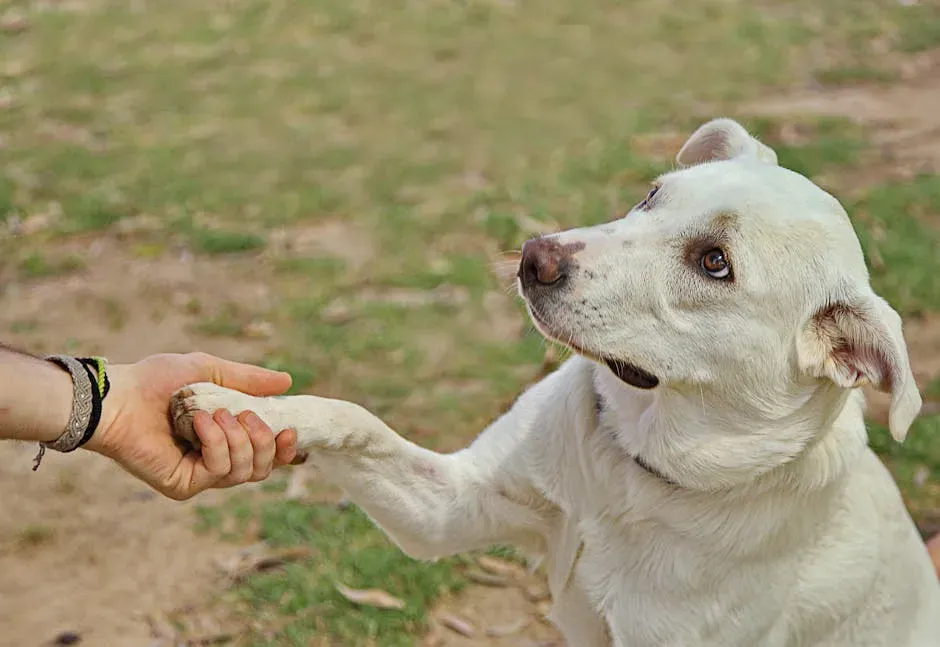
Mobility issues often require gentle assistance with stairs or getting up. A dog may accept that help more readily when it comes from their primary person. They may stiffen or hesitate with others. The trust appears stronger in that one relationship.
The difference shows in small moments, such as shifting weight or allowing a hand under the chest. It is not dramatic resistance with everyone else. It is simply a clearer willingness with you.
Their Favorite Spot Moves Closer to Yours
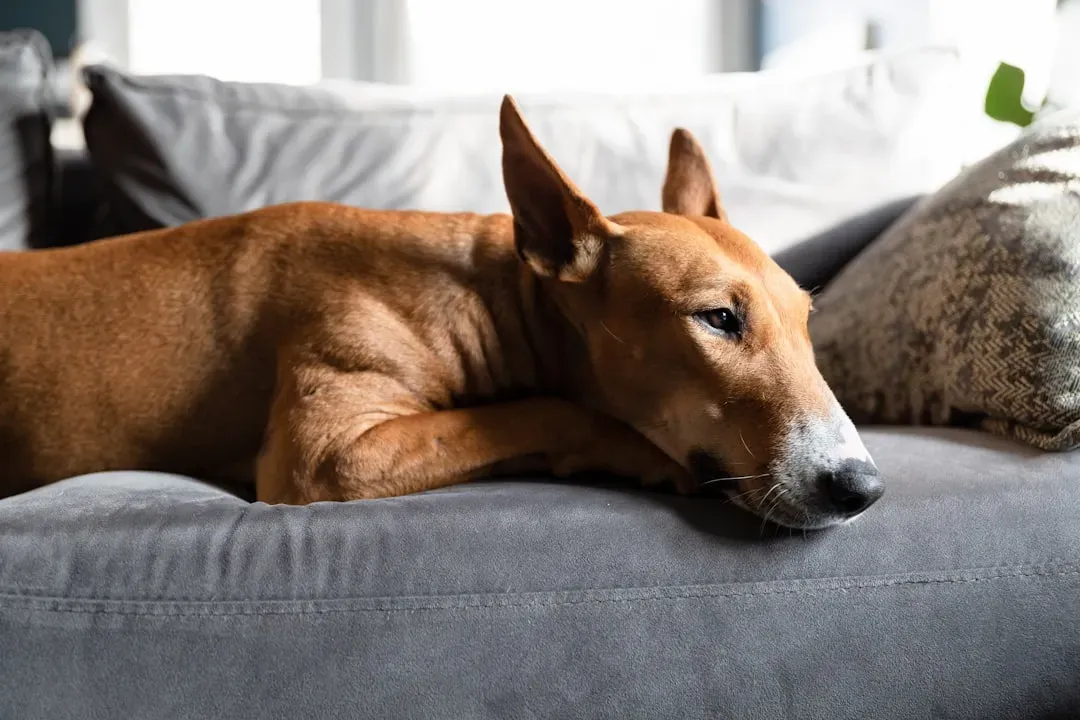
Dogs often claim a particular corner or cushion. In later months, that spot sometimes drifts nearer to where you spend time. The move happens gradually. One day the dog is a few feet closer, then a little closer still.
The new location keeps you in easy view or reach. It does not require much energy to maintain. The adjustment feels like a quiet realignment of their daily space around you.
They Sigh When You Leave the Room
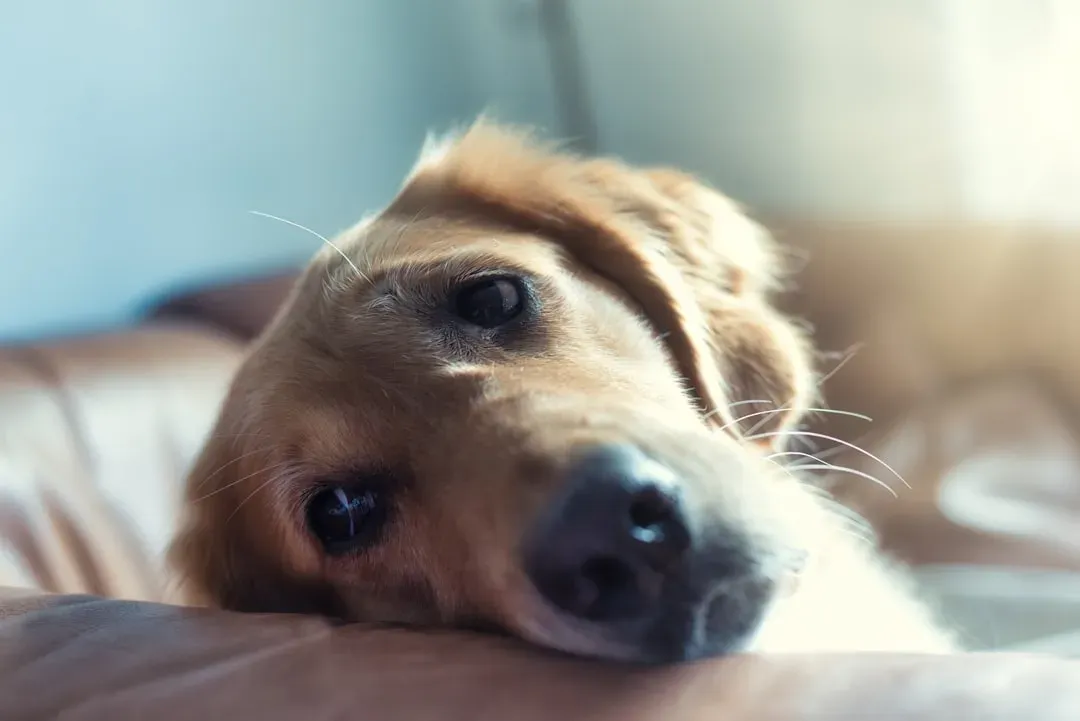
A soft exhale or sigh can follow your departure from the room. It is not loud or distressed. It registers as a small release, almost like the dog is marking the moment. The sound returns when you come back and settle again.
Other departures by family members do not always produce the same response. The sigh seems tied to your specific movements. It becomes one more small marker of the bond.
They Hold On Through Difficult Days
Some dogs experience days when movement or comfort is harder. Yet they still greet you at the door or stay awake until you are settled for the evening. The effort appears tied to your presence rather than to any external schedule.
The pattern repeats across several days. The dog seems to gather what energy remains for those ordinary interactions. It is a quiet persistence that owners often notice and remember.
They Look Content Only When You Are Close
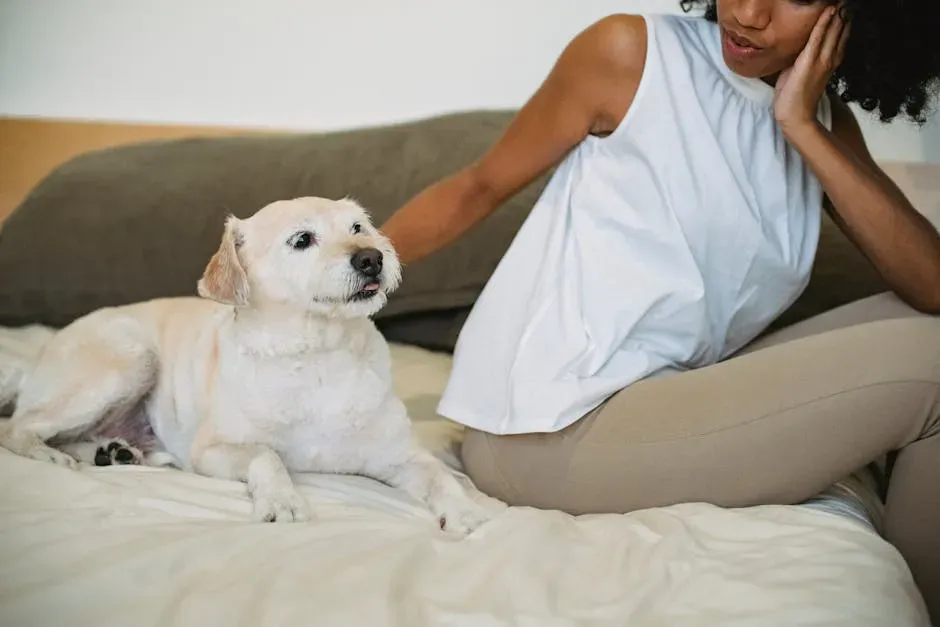
Resting expressions can vary. Some dogs appear more at ease when their person is within reach. The muscles around the eyes and mouth soften. The overall posture looks less tense than when they are alone in the room.
The change is subtle and consistent. It does not require active interaction, only proximity. The contentment registers as a small but steady difference in how the dog carries themselves.
These small signs do not prove anything in a scientific sense, yet they shape the way many people experience those final weeks. They turn ordinary moments into something that feels chosen rather than random. In the end, the bond between a dog and their person often shows itself most clearly in the quiet decisions a dog still makes when strength is fading. Those choices leave a lasting imprint long after the days run out.


