
15 Tender Habits a Dog Reserves for Its One Favorite Human
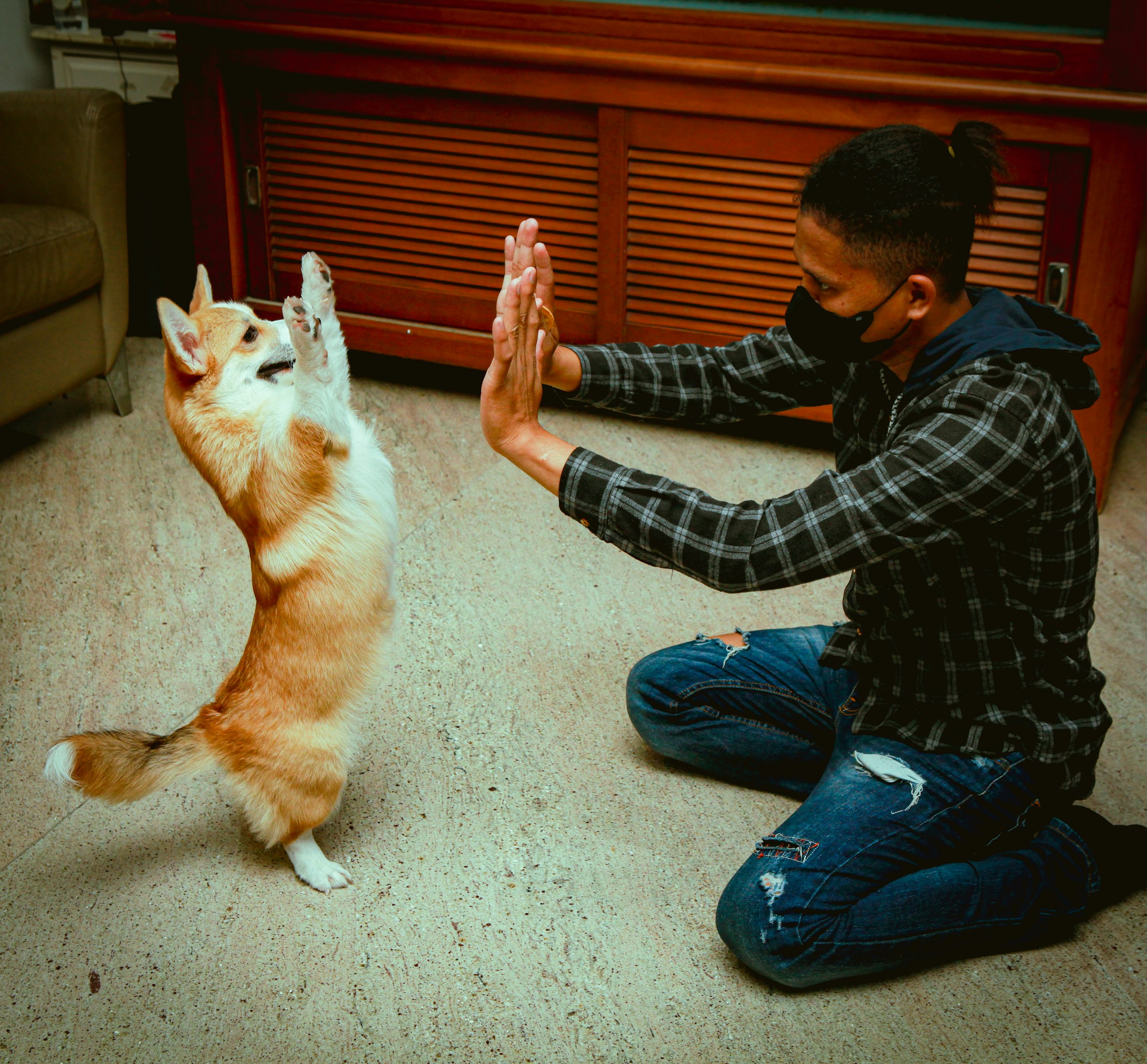
Ask most people how a dog picks its favorite human and you’ll get the same lazy answer: whoever feeds them the most. Dog behaviorists roll their eyes at that one. Food matters, sure, but the real tell-tale signs of a dog’s one true person are quieter, stranger, and almost impossible to notice unless you know exactly what you’re looking for.
Some of these habits happen in half a second – a blink, a glance, a subtle shift in body weight – and most owners never clock them for what they are. Once you learn to spot them, though, you’ll start seeing them everywhere in your own living room. Here are 15 tender, oddly specific habits dogs almost never hand out equally. They save these for the one.
#15 – The Slow, Soft Blink While Staring at You
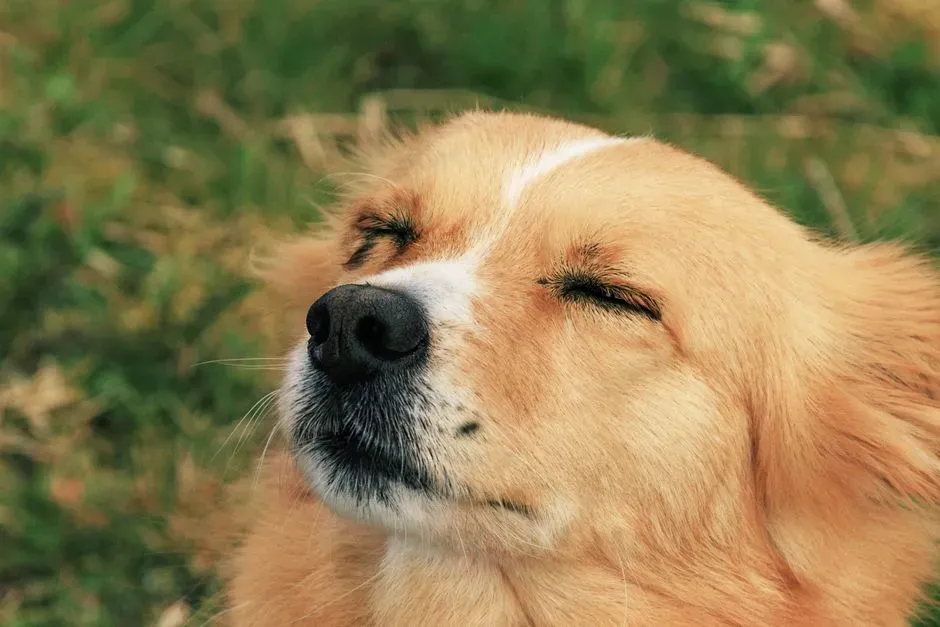
Most people assume a staring dog wants something – food, a walk, the ball that rolled under the couch. But when your dog locks eyes with you, softens its whole face, and gives you a slow, heavy-lidded blink, that’s not a request. That’s trust talking.
Dogs generally avoid holding eye contact with strangers because, in dog language, a hard stare can read as a threat. When they hold your gaze and add that lazy blink, it’s the canine equivalent of saying, “I’m completely safe with you.”
You’ll usually catch this in the quietest moments of the day: lying together on the couch at night, or right after you’ve collapsed into a chair after a long shift.
- Ears sit neutral, not pinned or perked
- Jaw looks loose, breathing slows down
- Body settles instead of staying “on alert”
Some behaviorists compare it to how bonded dogs rest near each other without flinching. If your dog does this often, take it as a quiet vote of confidence – you’re their emotional anchor, not just the person holding the leash.
#14 – Always Choosing Your Spot in the Room
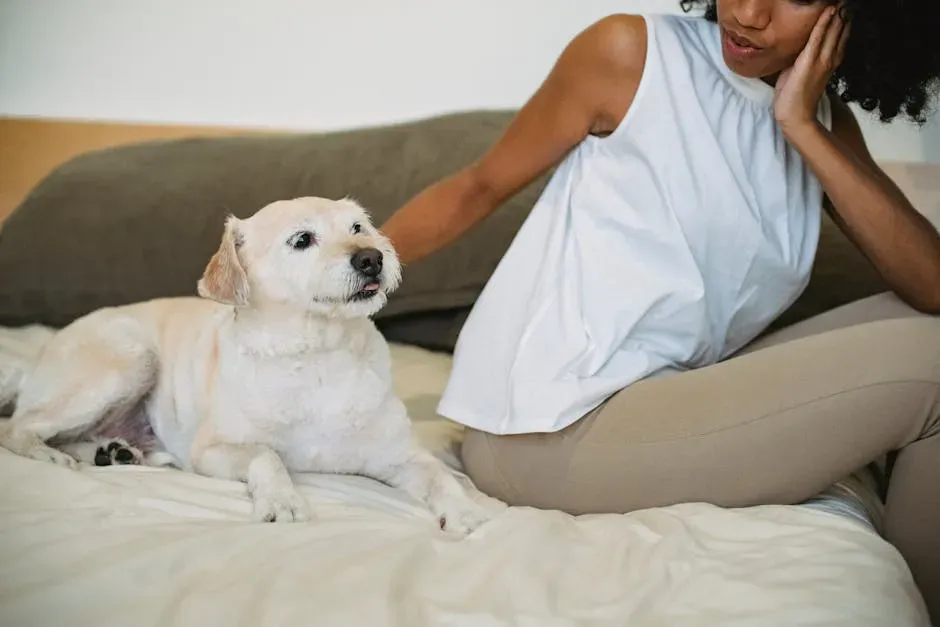
Plenty of dogs follow everyone around the house. A favorite-human dog does something more specific: it picks one spot, almost every single time – wherever you are.
Watch what happens in a room full of people. Your dog scans the space, then settles closest to you: your feet, your side of the couch, beside your chair, even camped outside the bathroom door like a furry bodyguard.
This isn’t random clinginess. It’s proximity seeking, a classic marker of secure attachment in animals, and it means your dog is quietly organizing its whole world around your location.
- If you move rooms, they relocate too
- They’ll ignore a louder, more exciting person just to stay near you
Some owners mislabel this as separation anxiety, but anxiety looks like pacing, whining, or destruction. Quietly choosing your spot and settling in for a nap? That’s comfort. That’s your dog saying, “As long as I know where you are, my world makes sense.”
#13 – Resting Their Head on You Like a Living Anchor
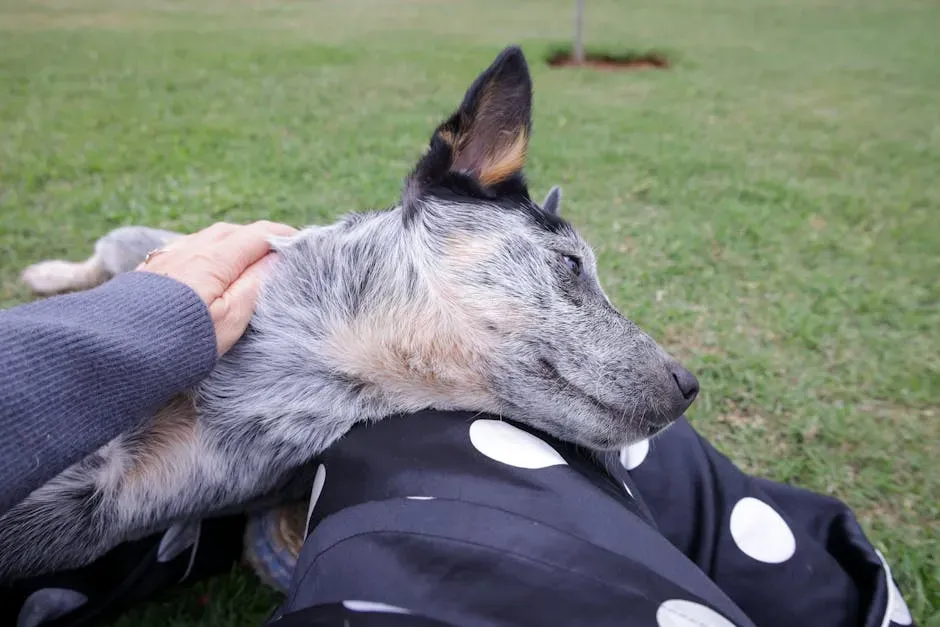
Most dogs enjoy petting, but not every dog treats a human body like a pillow. If yours consistently rests its head on your lap, forearm, chest, or even your ankle, you’re more than furniture. You’re their emotional base.
Head resting is a genuinely vulnerable posture because it exposes the neck and face, the parts animals usually protect the hardest.
Fast Facts
- Head-resting exposes the neck and throat, the most vulnerable parts of a dog’s body
- Puppies learn this position early, piling together with littermates for warmth and safety
- Dogs rarely rest their head on someone they find unpredictable or threatening
You’ll often see it in transitional moments: when you’re stressed or crying, when noise outside makes them uneasy, or right before they drift off to sleep.
Behaviorally, this is half affection, half self-regulation. Dogs use physical contact to calm their nervous system, the same way puppies pile together to feel safe. Many owners think, “Aw, they’re just comfy,” and miss the deeper message underneath it: this is trust and reliance, fused into one small gesture.
#12 – Mirroring Your Emotions Almost Too Accurately
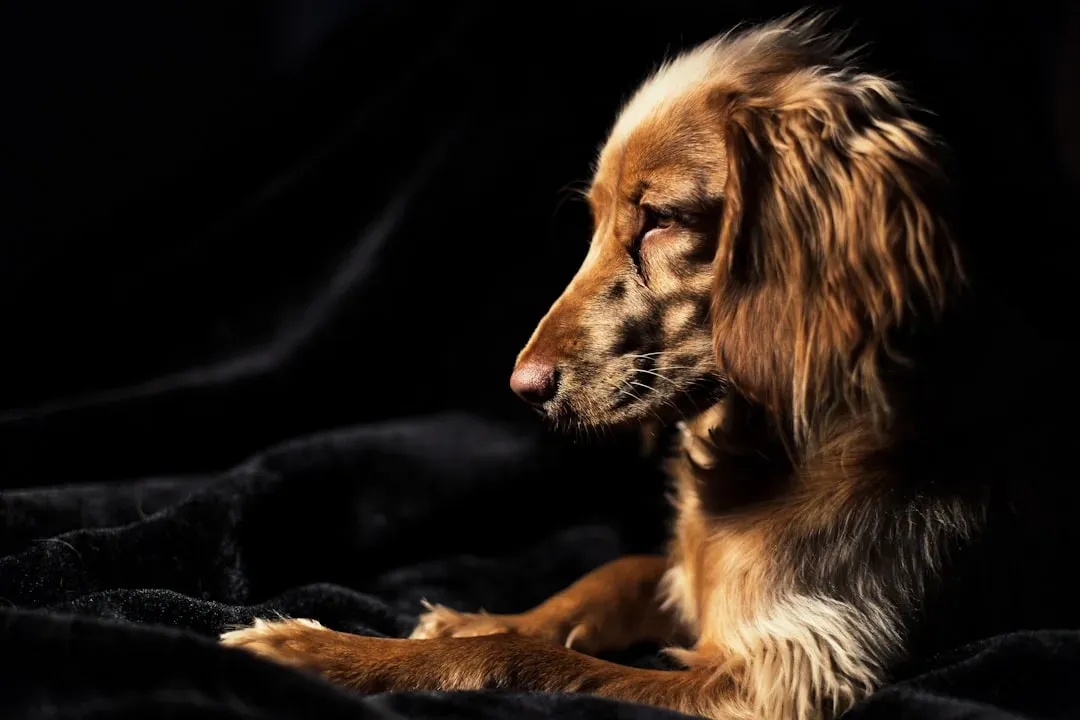
A dog that loves everyone will wag for anyone. A dog with a favorite human does something stranger – it changes state with that person’s mood, almost like it’s plugged into you.
You come home joyful, and suddenly they’re bouncing off the walls. You slump down defeated, and they go quiet, lick your hand, or simply lie closer without being asked.
This isn’t magic, it’s attunement. Studies show dogs can read human facial expressions and pick up shifts in voice tone and posture most people don’t even notice in themselves.
- You sigh; they look up sharply
- You laugh; they race over with a toy
- You’re sick; they stay unnaturally calm and close
This mirrors exactly how bonded dogs behave inside a pack, adjusting themselves to a leader’s energy. Your dog isn’t just reacting to you – they’re tracking you emotionally, and when that level of mirroring gets reserved for one person, that person is the chosen one.
#11 – Bringing “Gifts” That Make No Sense to Anyone Else
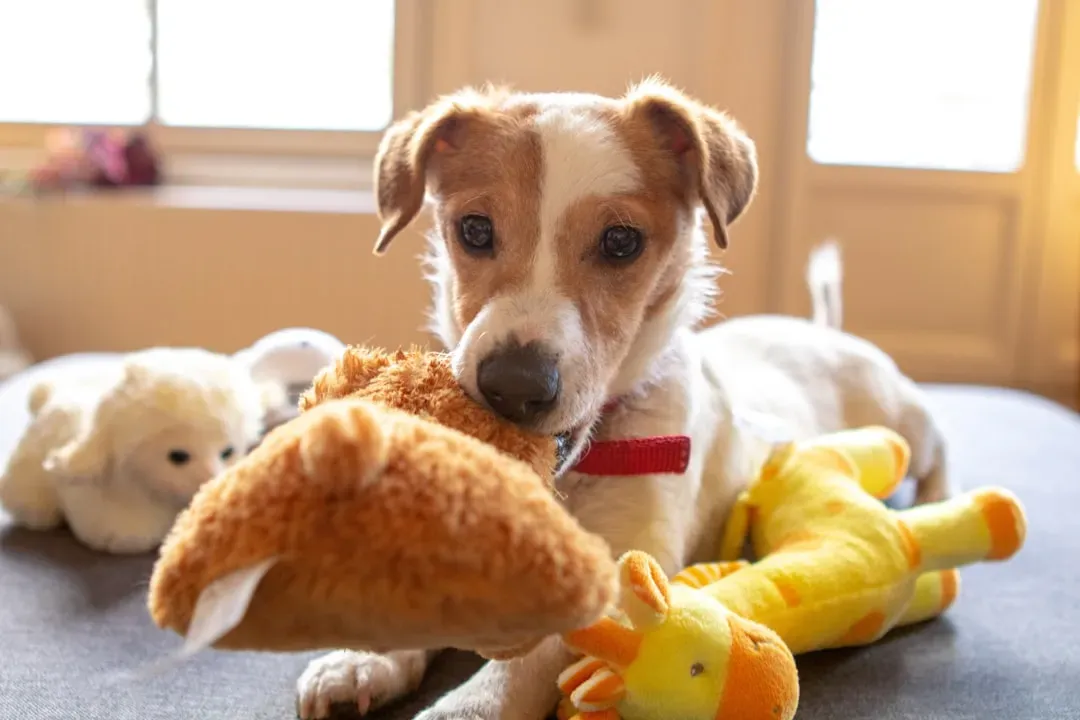
Yes, most dogs love fetch. But not every dog brings random, non-play offerings to just one specific person. If your dog trots over with a slobbery toy, a sock, a leaf, or a favorite chew and drops it on you specifically, they’re not just saying “play with me.”
They’re sharing resources, and in dog language, that’s a surprisingly intimate move.
Resource sharing doesn’t come naturally to most animals – guarding and hoarding do. When a dog hands over their favorite toy, a treasure they found in the yard, or some random object they suddenly seem to care about, it’s a small trust exercise. They’re betting you won’t steal it forever or punish them for it.
Watch who gets the first “gift” when you walk through the door. If it’s always you, even with other people standing right there, that’s your dog telling you exactly who they’re trying to impress.
#10 – Sleeping in Positions That Expose Their Belly Near You
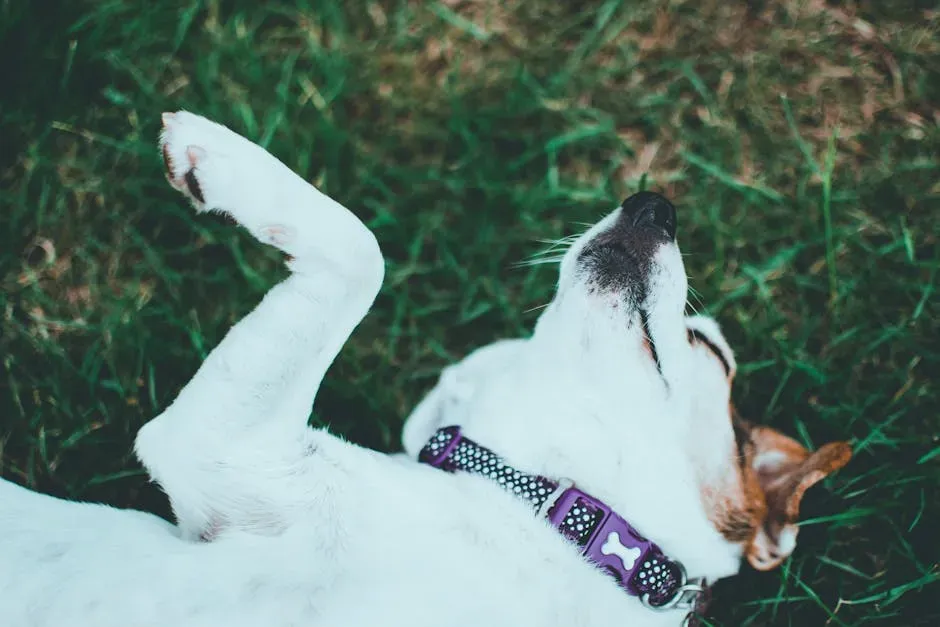
Most people think a belly-up dog just wants scratches. Not always. In the wild, sleeping belly-exposed is genuinely risky – those organs are unprotected. So when your dog sprawls on its back, belly out, pressed against you or curled at your feet, that’s maximum vulnerability on display.
Worth Knowing
- Wild canines almost never sleep belly-up; it leaves vital organs unprotected
- A relaxed, exposed sleeping posture signals the surrounding environment feels fully secure
- Twitching or deep REM sleep near you shows their nervous system has fully powered down
Pay attention to the details. Do they stretch out so their back touches you? Do they drop into a deep, twitchy REM sleep in that exact position? Do they only do it near you, and no one else?
Dogs have plenty of other options – curled in a corner, tucked under a table, hidden away entirely. Choosing an open, exposed position next to your body means they trust you to be their security system while they’re literally unconscious.
People joke about “protective dogs,” but this is the flip side of that coin. Your dog believes you’ll protect them when they’re completely defenseless, and that belief is not something they hand out casually.
#9 – Checking In With You in New or Busy Environments
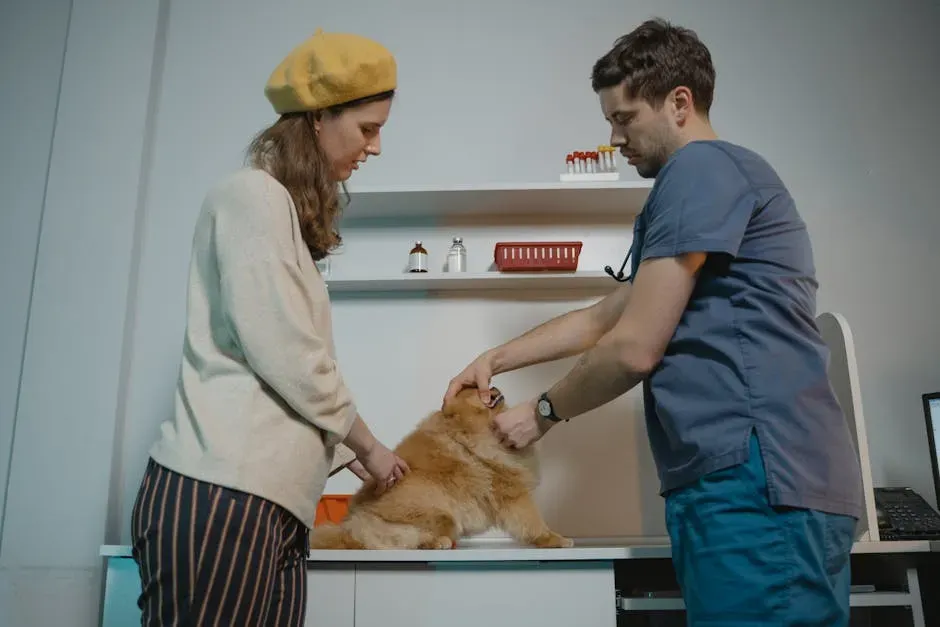
Walk your dog through a crowded park or an unfamiliar street and watch where their eyes go. A dog with a true favorite human will constantly check in visually, glancing at your face for a split second before continuing to explore.
This tiny habit is your dog using you as a safety reference point, the same way a child glances back at a parent from across a playground.
- Pausing at a doorway and glancing back before walking in
- Looking at you after a loud noise instead of panicking
- Running ahead off-leash, then whipping around to catch your eye
This isn’t about obedience, it’s attachment. They’re silently asking, “Are we okay? Is this safe?” – and they only trust a handful of people to answer that question through body language alone. If your dog orbits you visually the moment the world gets loud, you’re not just their owner. You’re their home base.
#8 – Ignoring Commands From Others but Responding Instantly to You
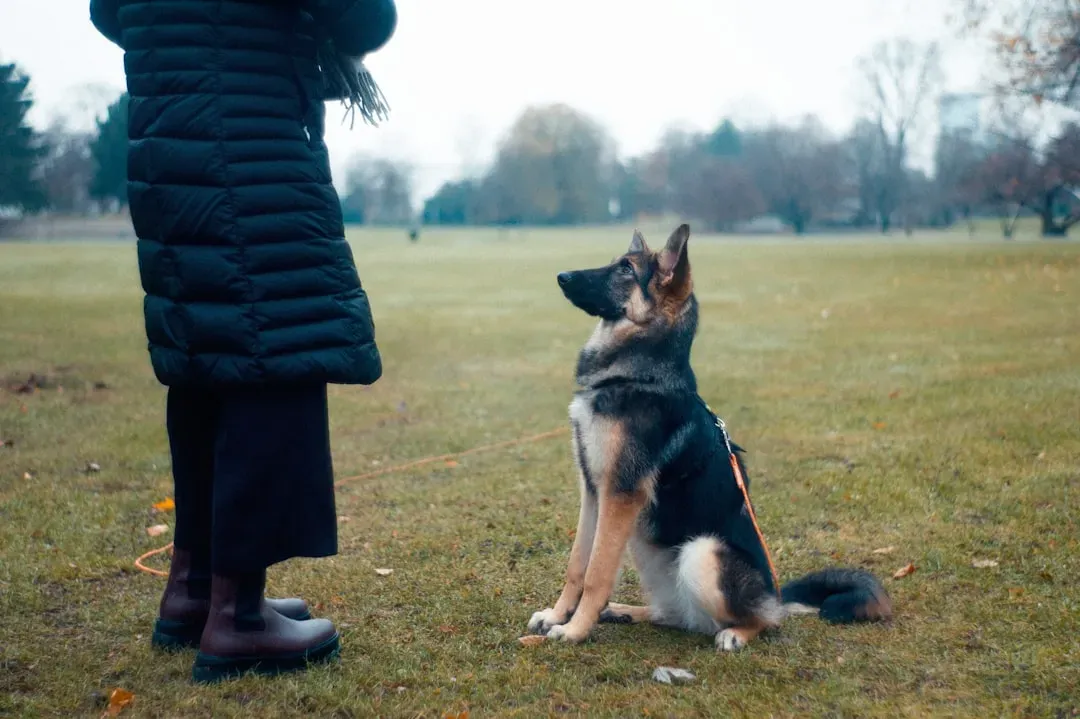
Some people call this stubbornness. It’s usually something else entirely: selective loyalty. If your dog blows off “sit” from other family members but snaps to attention the second you say it, that’s a bond issue, not a training flaw.
Dogs are simply more motivated to listen to the human they respect and feel closest to.
- A partner or child repeats the command – nothing happens
- You say it once, even from another room – instant response
- Your dog orients to your voice over everyone else’s during chaos
Does this mean you’re the only one allowed to train them? Not at all. It means your dog has already decided whose opinion matters most. Some people find it annoying, but behaviorally, it’s a compliment – you’re the one frequency they’re always tuned into.
#7 – Adjusting Their Sleep Schedule Around Yours
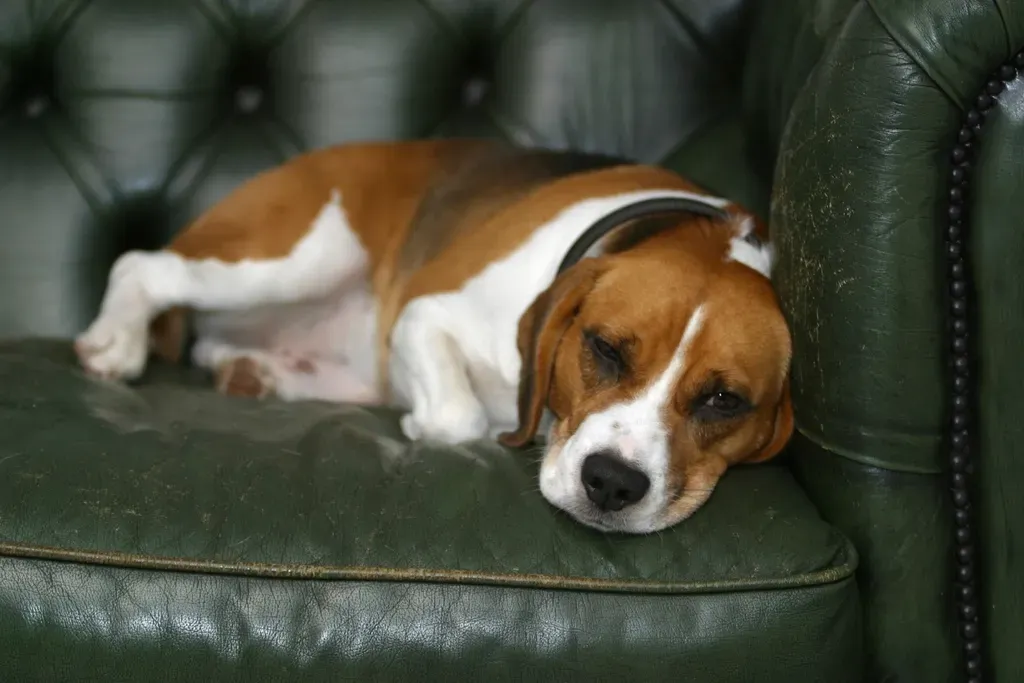
Most owners never notice this one, but it’s a big tell. If your dog stays up until you go to bed, then finally settles once you do – even though they were sleepy an hour earlier – they’re syncing their rhythm to yours.
Research shows dogs can shift their activity cycles to match their primary caregiver, and they tend to do it most strongly with their favorite person.
- They won’t fully settle until you’re in bed or on the couch
- They nap lightly when you’re active, but drop into deep sleep when you rest
- On the mornings you sleep in, they’re mysteriously calm and quiet
This isn’t laziness, it’s alignment. Plenty of owners brag that their dog wakes them at dawn, but a deeply bonded dog often does the opposite – they let you sleep, and they adjust to you. That’s not obedience. That’s attachment, quietly running in the background.
#6 – Grooming You With Tiny, Targeted Licks
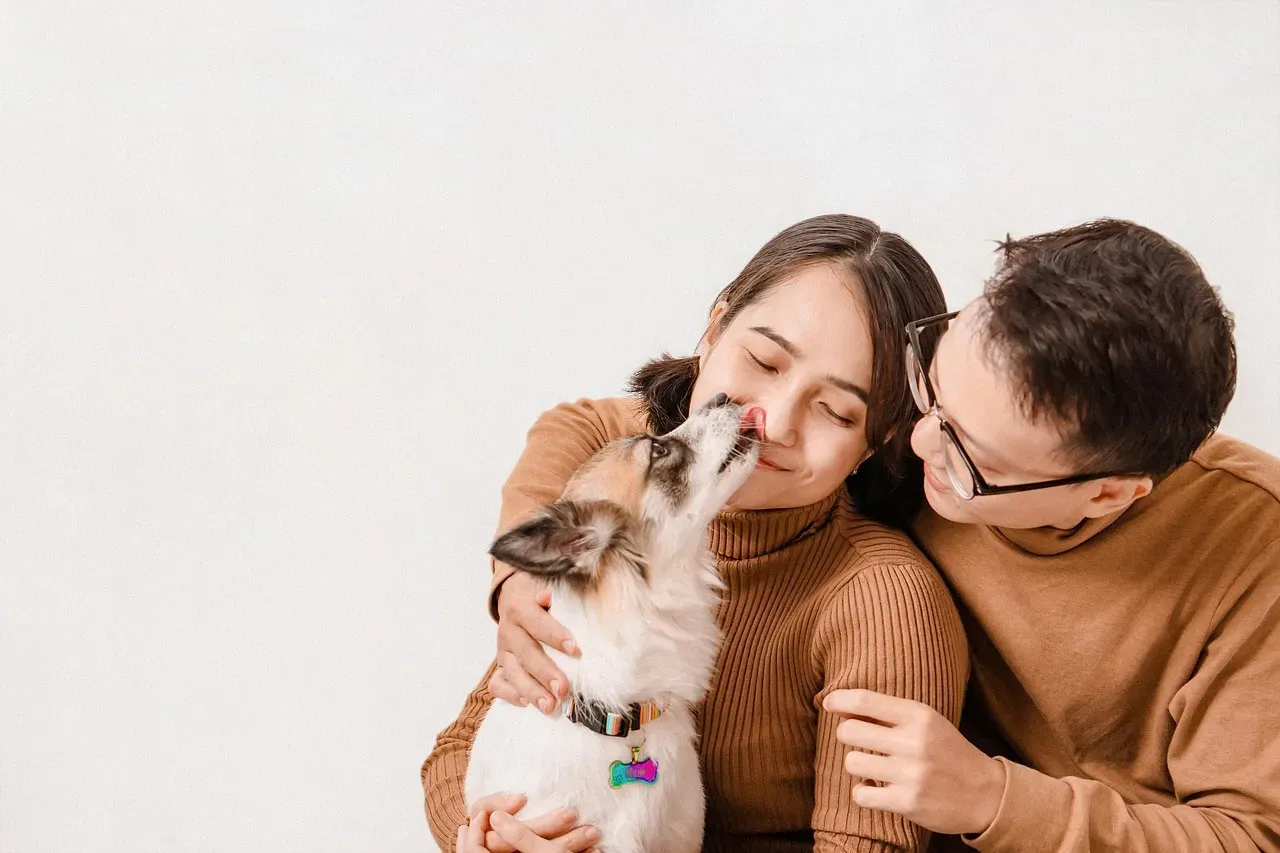
Yes, all dogs lick. But the “favorite human” lick looks nothing like excited face-licking at the door. It’s slower, more deliberate, and usually aimed at your hands, your wrists, or one specific spot on your face.
This behavior echoes how dogs groom each other in close social groups – it’s about care and bonding, not taste.
Why It Stands Out
- Social grooming among bonded dogs reinforces pack ties, not just hygiene
- Targeted, gentle licks differ from excited greeting licks aimed at everyone
- Many dogs reserve this quiet grooming ritual for a single trusted person
Watch for the pattern: they notice a tiny scratch or spot and obsessively lick it, they give one gentle lick when you’re upset and then stop, or they groom you quietly while you’re half-asleep and barely paying attention.
Plenty of people push this away as gross, but in dog language, it’s intimate. They’re saying, “You’re part of my pack, and I take care of you too.” Some dogs reserve this exact, quiet grooming for exactly one person in the whole house. If that’s you, you’re not just attached to them – you’re family, on a biological level.
#5 – Relaxing Completely When You Touch Certain “Off-Limits” Spots
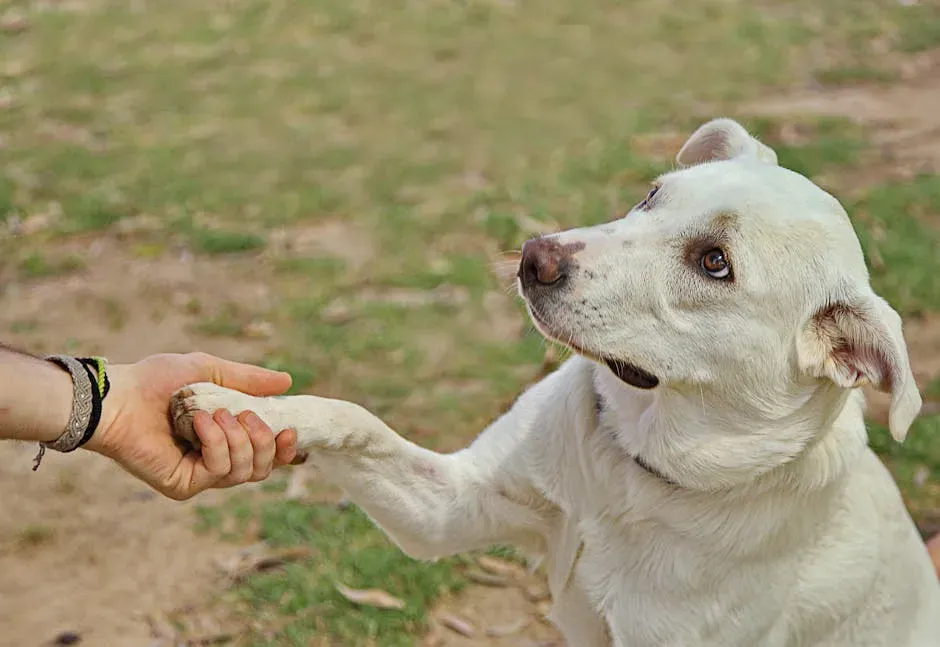
Lots of dogs pull away when humans touch their paws, ears, tail, or collar. Those are sensitive spots, and most dogs guard them out of instinct. If your dog normally hates that but melts the moment you do it – paws going soft in your hand, head heavy while you scratch inside their ears – that’s not tolerance. That’s trust.
Allowing contact with vulnerable spots is a high-level safety signal in dog language.
- Letting you wipe their eyes or clean their ears with barely a fuss
- Rolling slightly to give you better access while you trim nails
- Sighing and going boneless when you rub their chest or inner thigh
Dog trainers will tell you plainly: many dogs only grant this privilege to one person, if they grant it at all. Social media loves the videos of dogs that let anyone do anything to them, but most real dogs are far more selective. If they hand you that full-body surrender, you’re not just someone who pets them. You’re the one they trust in their most exposed, defenseless moments.
#4 – Guarding You Quietly, Even in Low-Risk Situations
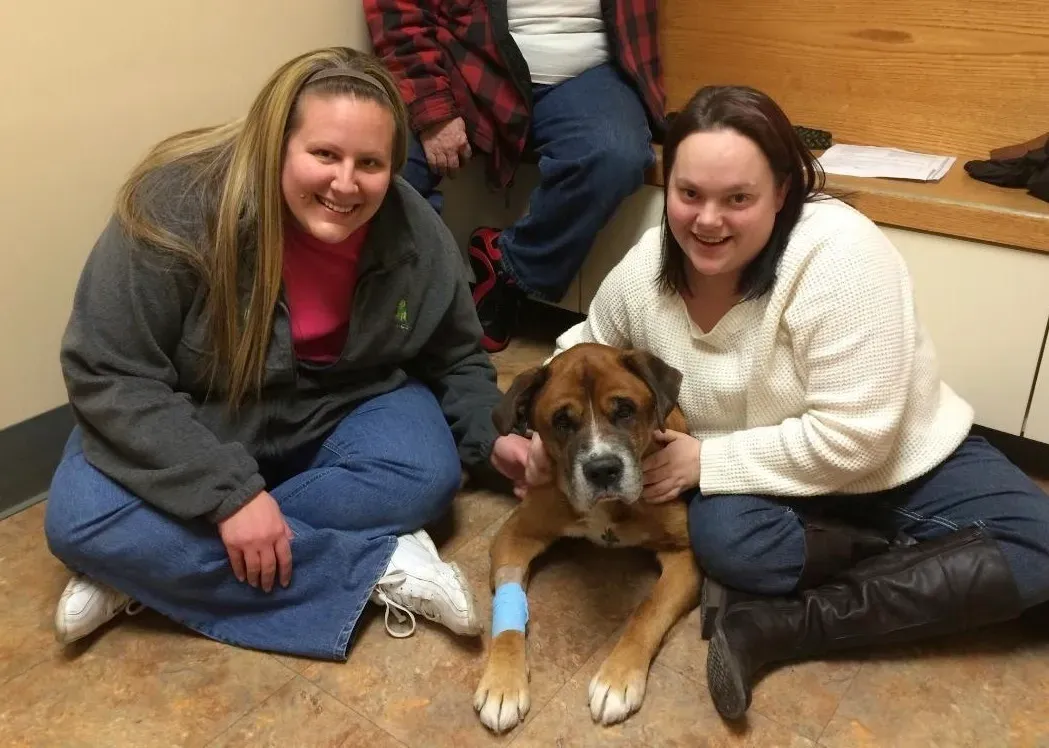
Forget dramatic barking at the door. The real tell is subtler – the almost invisible guarding a dog does around its favorite human. They position themselves between you and strangers on walks, sit facing the room while you face away, or shift closer the second someone new enters the space.
This “body blocking” is protective without ever tipping into aggression.
- Standing between you and a repair person or delivery worker
- Sitting at your feet in public, eyes scanning, body relaxed but alert
- Moving to your side the moment voices in the house start rising
This doesn’t mean they think you’re weak. It means you’re valuable. In dog social structures, the members worth watching are the ones worth protecting. Most dogs show some protective instinct, but many save this calm, measured vigilance for the one person they genuinely can’t imagine losing.
#3 – Seeking You Out First When They’re Scared or in Pain
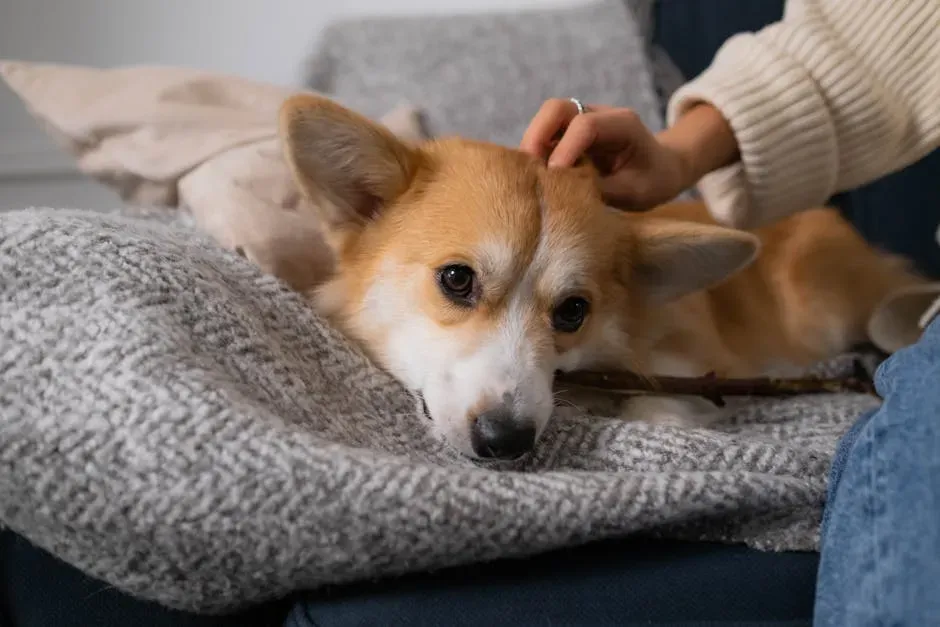
Here’s where favoritism stops being subtle. Fireworks, thunderstorms, an injury, a bad vet visit – when stress spikes, your dog’s choice of comfort person is pure instinct, not politeness. If they bolt to you, climb into your lap, hide behind your legs, or whine specifically for you even when someone else is standing closer, you are their safe place.
At the vet, they strain toward your voice, not the door. During storms, they bypass everyone else to get to your room. When they’re limping or feeling off, you’re the one they come show first.
A dog is the only thing on earth that loves you more than he loves himself.
Josh Billings
In animal behavior, the individual a scared animal seeks out is usually its attachment figure. This is the deepest layer of bonding – not just who they play with, but who they trust to keep them alive. It’s flattering, but it’s also a quiet responsibility. You’re their emergency contact in a world they only partly understand.
#2 – Doing the “Crazy Happy Dance” Only for You
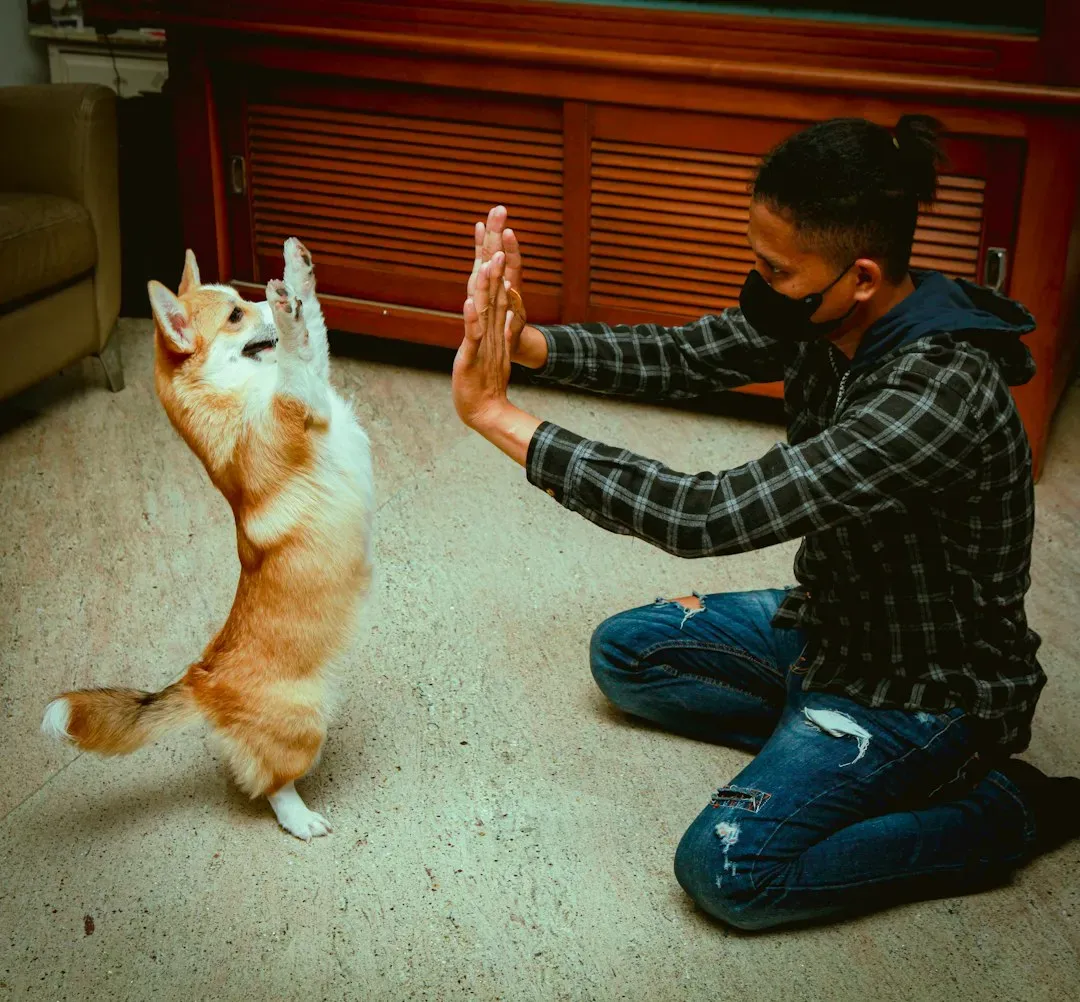
Everyone has seen the viral videos of dogs losing their minds when their owner walks in. What people miss is that dogs don’t do that reunion dance for just anyone. If your dog’s greeting for you looks radically different from how they greet everyone else in the house, that difference is the whole point.
The spins, the zoomies, the high-pitched whines, the wiggle-butt, the toy parade – that’s their personalized love explosion, built for one audience.
- Compare how they greet you versus your partner or kids
- Notice how long the excitement actually lasts
- Watch whether you get a special “welcome home” toy and no one else does
Some dogs stay chill with everyone and lose it for one specific person. Behaviorists consider these over-the-top reunion behaviors classic signs of a strong attachment bond. It’s not spoiling. It’s biologically wired joy, and they’re aiming it directly at you.
#1 – Quietly Matching Their Entire Life Rhythm to Yours
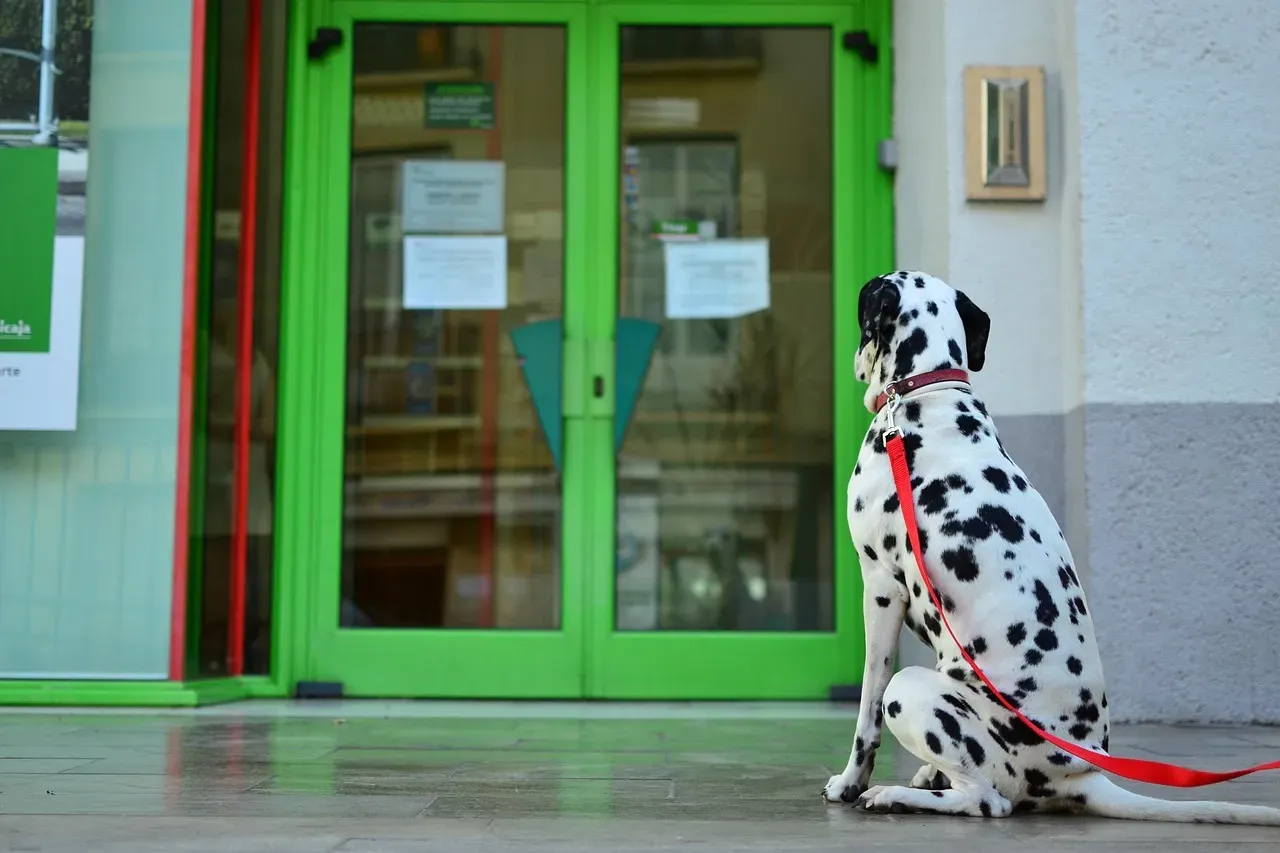
The most tender habit on this list isn’t flashy at all. It’s the almost invisible way your dog reorganizes its entire existence around you. They wait by the door at the exact time you usually get home, even on the days you’re running late.
They eat better when you’re the one feeding them. They’re more playful when you laugh, sleep deeper when you’re nearby, and act vaguely “off” when you travel without them.
Over time, their daily rhythm, their emotional highs and lows, even their preferred routes on walks, quietly start to orbit you.
At a Glance
- Waiting by the door at your usual arrival time, even when you’re late
- Eating, playing, and sleeping patterns shifting to mirror your own routine
- Noticeable changes in mood or energy when you’re away from home
This goes beyond affection. It’s attachment on a nervous-system level – your routines become their routines, your stress becomes their concern. Random visitors see a friendly pet. You know the truth: your dog has built its entire little universe around your presence, and that’s the habit they’ll never show off on TikTok.
The Bottom Line
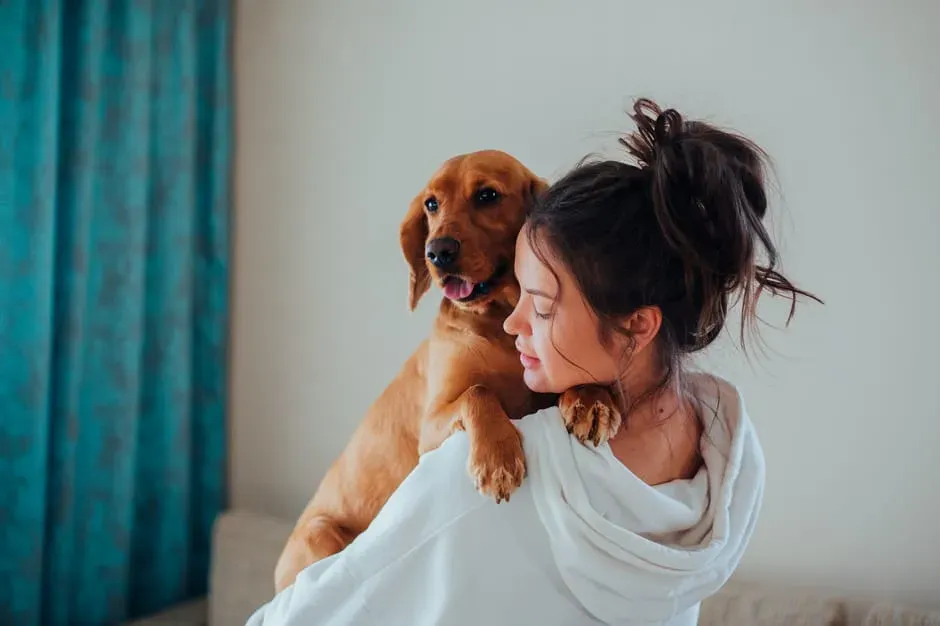
We like to pretend every family member gets loved equally, but dogs don’t operate on politeness. They pick a favorite, and then they quietly redesign their behavior around that person – the soft blinks, the exposed-belly naps, the subtle guarding, the way they come running when they’re scared or hurting.
None of it is accidental. These are the behavioral fingerprints of attachment, written in a language most of us never bothered to learn.
Some people will insist their dog loves everyone the same. Watch closely enough, though, and the tells always surface. If your dog saves its deepest calm, its biggest joy, and its quietest vulnerabilities for you, you’re not imagining it. You are their person – and honestly, that’s a better compliment than anything a treat could buy.