

Living with a dog means you get used to a certain rhythm: the way they greet you at the door, where they like to sleep, how they circle three times before lying down. When that rhythm quietly starts to change near the end of their life, most of us are too close, too hopeful, and too busy loving them to see the pattern clearly. It’s usually only later, looking back, that small moments suddenly feel like big clues.
This article is not about scaring you or turning every odd behavior into a countdown. Dogs, like people, have good days, bad days, quirky habits, and mysterious moods. But there are some common shifts that many vets and long–time dog owners notice in the final weeks. Knowing them ahead of time can help you respond with more compassion, less panic, and fewer regrets. You might recognize some of these signs in an older dog now; you might simply tuck this away for the future. Either way, understanding what might be happening gives you a chance to be even more present in the time you have.
1. The Subtle Slowdown That Everyone Dismisses as “Just Getting Old”
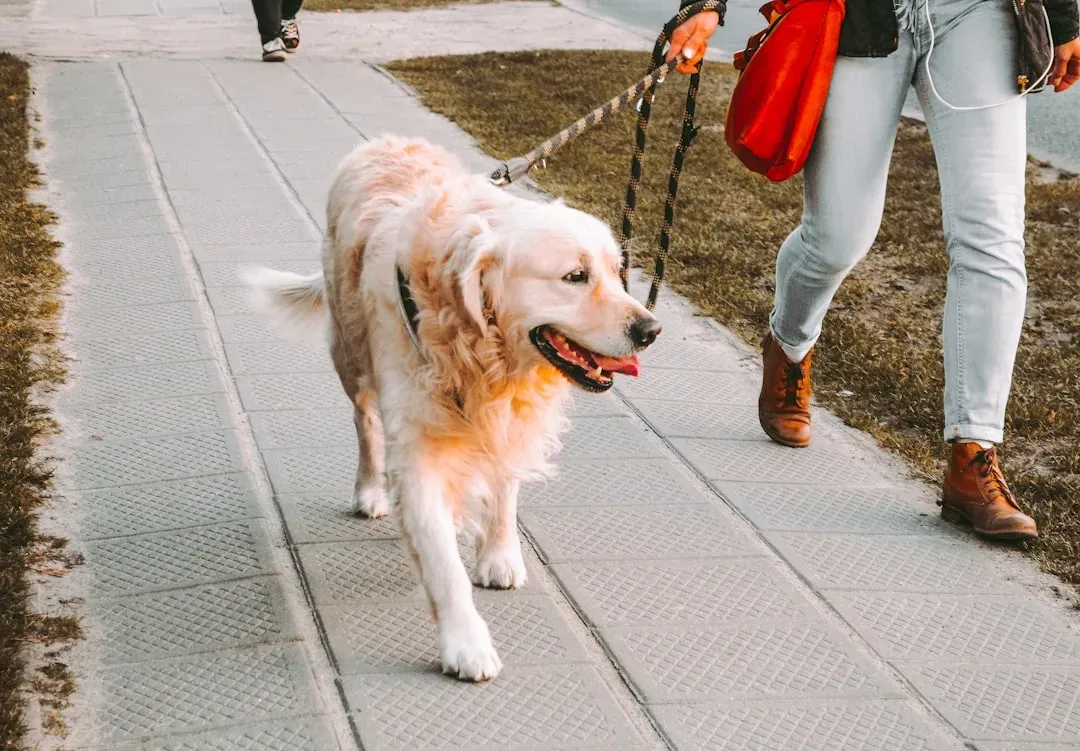
One of the earliest and easiest-to-miss signs in a dog’s final month is an exaggerated version of something you’ve already been seeing for years: slowing down. Maybe they take the stairs more carefully, pause before jumping into the car, or opt for the sunny patch on the floor instead of bouncing to the door when you grab the leash. Because it comes on gradually, most owners chalk it up to age, arthritis, or “just a tired day.”
What often stands out in hindsight is the pattern: a dog that used to tire after a full hike now seems drained after a short walk; recovery from exertion takes longer, and there are fewer “zoomies” to balance it out. It’s not just slowness, it’s a shrinking of their physical world. You might notice them choosing shorter routes on walks or turning back toward home sooner. At the time, it feels like a normal accommodation to aging; only later does it line up with other changes and look like the body preparing to let go.
2. Clinginess That Feels Sweet in the Moment but Deeply Significant Later

Many owners describe their dog becoming extra “velcro” in the final weeks. The dog that used to nap across the room suddenly wants to press against your leg, follow you from room to room, or insist on sleeping closer than ever before. It feels wonderfully flattering and deeply bonding, so we lean into it without questioning why it’s happening so intensely right now.
Emotionally, this can be the dog seeking comfort, reassurance, and safety as their body starts to feel different or uncomfortable. They may be more aware than we realize that something is off, even if they can’t understand it the way we do. In hindsight, owners often recall with a mix of gratitude and heartbreak how their dog seemed to want to be constantly near them near the end, as if quietly saying, “I want to make the most of every minute with you.”
3. The Sudden Desire for Quiet Corners and Hidden Spots

Almost the opposite of clinginess, some dogs begin to seek out more secluded, protected spaces in their final month. A dog that always slept in the middle of the living room might start curling up under the table, behind the couch, or in a tucked-away corner. At first it can look like a cute new preference, or maybe the room just feels cooler or quieter there.
From an animal behavior perspective, gravitating toward hidden or den-like spaces can be a natural instinct when they feel vulnerable or unwell. Wild animals often retreat to safe spots when they are sick or near the end of life, and that same instinct lives in our domestic dogs. Owners often look back and realize that those quiet, withdrawn naps were not about being antisocial, but perhaps about seeking a sense of safety and relief from stimulation.
4. Changes in Appetite That Were Brushed Off as Picky Phases

Appetite is one of the clearest vital signs in dogs, but it’s surprisingly easy to excuse away. In their final month, many dogs start skipping meals, taking longer to finish, or picking out only their favorite parts of the food. It might show up as “He’s being fussy again,” or “She’s probably bored with this kibble.” So we start switching foods, adding toppers, or hand-feeding to coax them.
Sometimes these tricks work for a little while, and that temporary success makes it feel less serious than it really is. Looking back, owners often remember how the dog would eagerly take treats but refuse full meals, or seem enthusiastic about dinner but then walk away after a few bites. Those small changes in appetite can reflect nausea, discomfort, or the body slowly reducing energy intake as systems wind down. It’s not always a crisis, but it is often a quiet turning point.
5. That Unmistakable “Senior Smell” and Subtle Coat Changes

Many people notice in hindsight that their dog’s smell changed in the last weeks: not necessarily foul, but different. Maybe the breath seemed stronger even with dental care, the coat had a slightly musty or metallic scent, or the dog just carried a “hospital” or “old blanket” smell that wasn’t there before. Because we live nose-to-fur with our dogs, we adjust without thinking much of it.
Those changes can be linked to shifting metabolism, kidney or liver function, skin health, and oral disease, all of which can progress as dogs near the end of life. The coat itself may become duller, thinner, or more oily or flaky, even if the grooming routine hasn’t changed. Owners often remember stroking their dog and feeling a different texture to the fur, or noticing that “puppy softness” was completely gone, without realizing these were clues that the body was working harder behind the scenes.
6. Odd Little Breathing Quirks That Seemed Too Minor to Mention
Breathing is another area where small shifts can be easy to ignore until they are extreme. In the final month, some dogs develop slightly faster breathing at rest, a soft wheeze, or a new pattern like occasional shallow pants even in cool rooms. Because the dog may still trot along on walks and seem basically fine, owners tend to think it is anxiety, heat, or just “getting older.”
What stands out in hindsight is the context: the dog is not overheated, stressed, or exerting themselves, yet their chest is moving quicker or their breathing sounds different. You might remember lying in bed next to them, counting more breaths per minute than you used to, or hearing faint snorts or sighs during sleep. While not every shift in breathing signals the end, these quiet respiratory changes are often one more piece of the larger puzzle that becomes visible only when you look back.
7. Strange Sleep Patterns: More Naps, Peculiar Nights
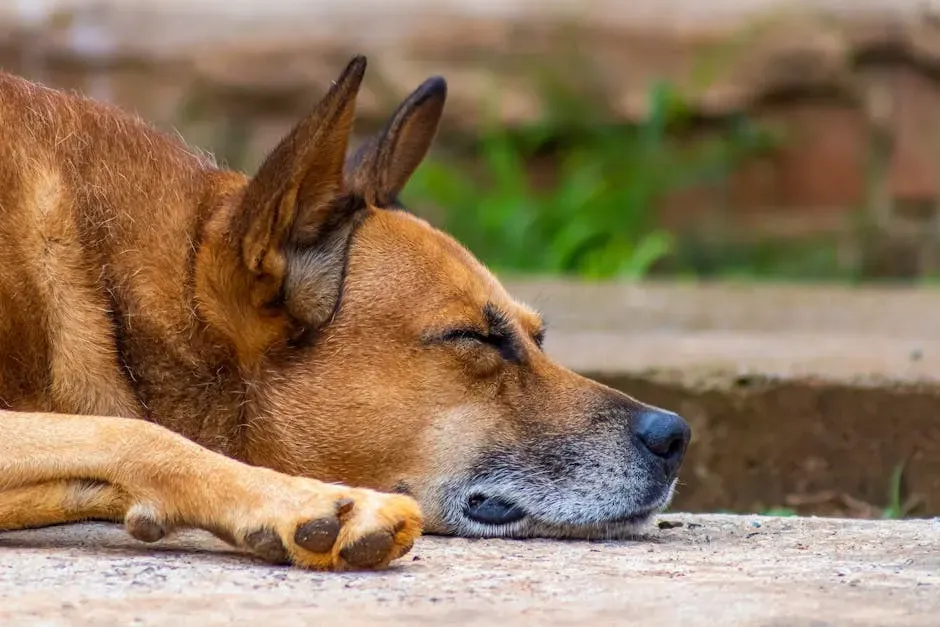
Many dogs sleep more as they age, but in the final month the pattern often becomes more pronounced or disrupted. You might notice deeper daytime naps where they’re harder to wake, combined with restless nights where they pace, pant, or change positions frequently. At the time, it’s easy to blame the weather, a noisy neighborhood, or a random off night.
Sleep-wake cycles can be influenced by pain, organ changes, cognitive decline, and general exhaustion. Owners frequently recall how their dog seemed to “check out” more during the day, then wander or whine at odd hours. It can be exhausting and confusing in the moment, but later it becomes clear that the dog’s internal rhythms were shifting in ways that mirrored their declining health.
8. Surprising Bursts of Energy That Feel Like a Miracle “Rally”
One of the most emotionally disorienting things owners talk about is the “last good day” or sudden rally. After a stretch of lethargy, the dog might wake up bright-eyed, ask for a favorite toy, demand a longer walk, or devour their food with puppy-like enthusiasm. It feels like a turning point, a sign that maybe you overreacted and they are bouncing back.
In many cases, though not all, this little surge of energy is short-lived and followed by a noticeable downturn. Some veterinarians suspect that hormonal or metabolic shifts can briefly make a dog feel better, or that adrenaline kicks in during short windows. To a grieving owner, that day becomes both a cherished memory and a haunting one: the moment they let themselves hope, not realizing it was actually part of the body’s final zig-zag toward the end.
9. Subtle Changes in Eyes and Expression You Only Understand Later
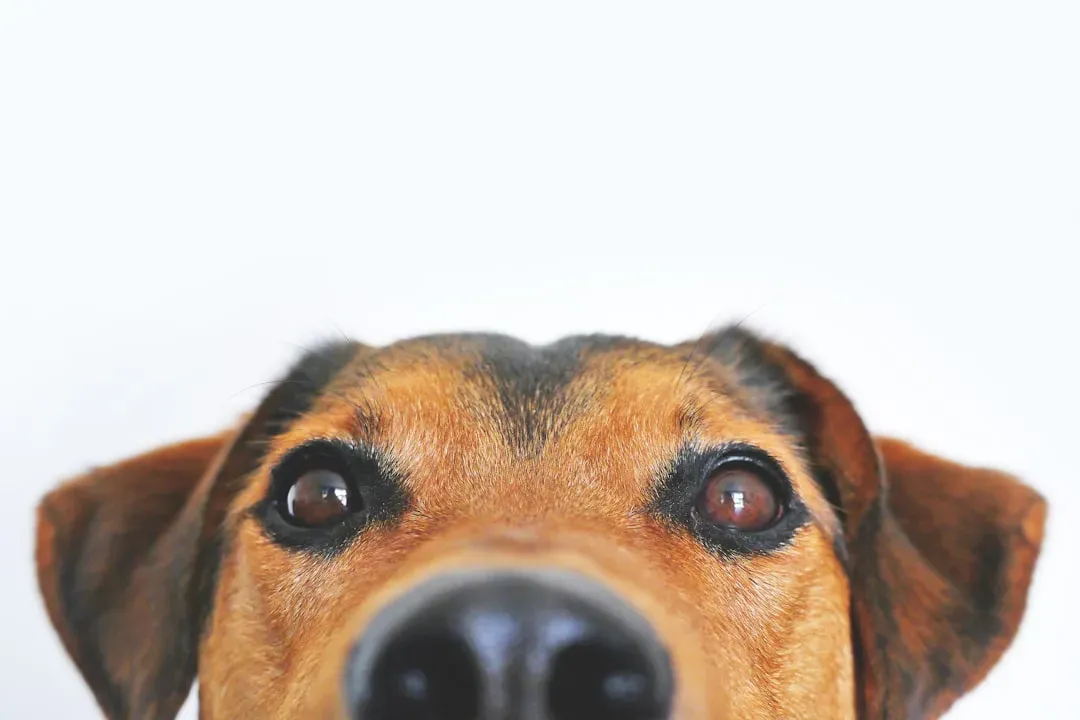
Dogs communicate so much with their eyes that we sometimes sense something is different without being able to name it. In the last month, many owners describe a “faraway” look, a softness around the eyes, or a kind of tiredness that goes beyond sleepiness. The dog may hold eye contact differently, blink more slowly, or look slightly dazed at times.
Sometimes there are physical changes too: cloudier eyes, more discharge, or slightly sunken or puffy lids. But often, it’s a vibe more than a symptom, like the sparkle has dimmed a bit. Only after the dog is gone do people find themselves staring at old photos, noticing how much more alert and sharp the eyes used to look, and realizing that the expression in those final weeks was their dog’s quiet way of saying they were running out of reserves.
10. New Sensitivity to Touch, Grooming, or Being Picked Up
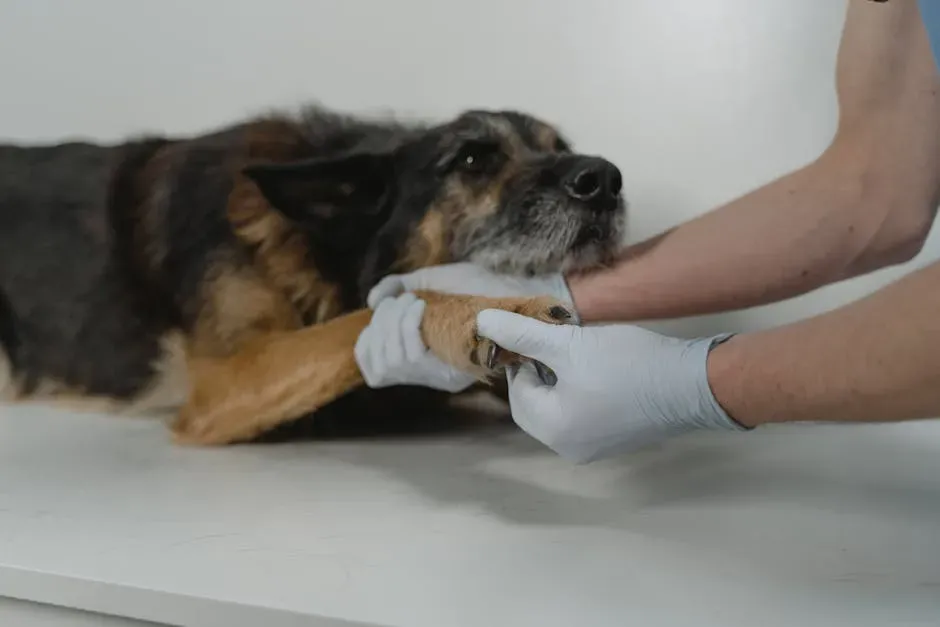
A dog that once loved full-body hugs and rough scritches might suddenly flinch, pull away, or tense up when touched in certain places. You might notice them licking or turning their head when you pet near the hips, spine, belly, or neck. Some start to resist being lifted into the car or onto the bed, or they may growl softly when brushed in an area that never bothered them before.
It’s easy to see this as “crankiness” or moodiness, especially if there are no dramatic yelps or limping. But discomfort, joint pain, abdominal issues, and even organ enlargement can all make certain kinds of touch unpleasant. In hindsight, owners often remember thinking their dog was just being difficult with grooming, not realizing that those small protests were some of the clearest signals of physical distress their dog knew how to send.
11. Odd Little Accidents and House-Training Slips
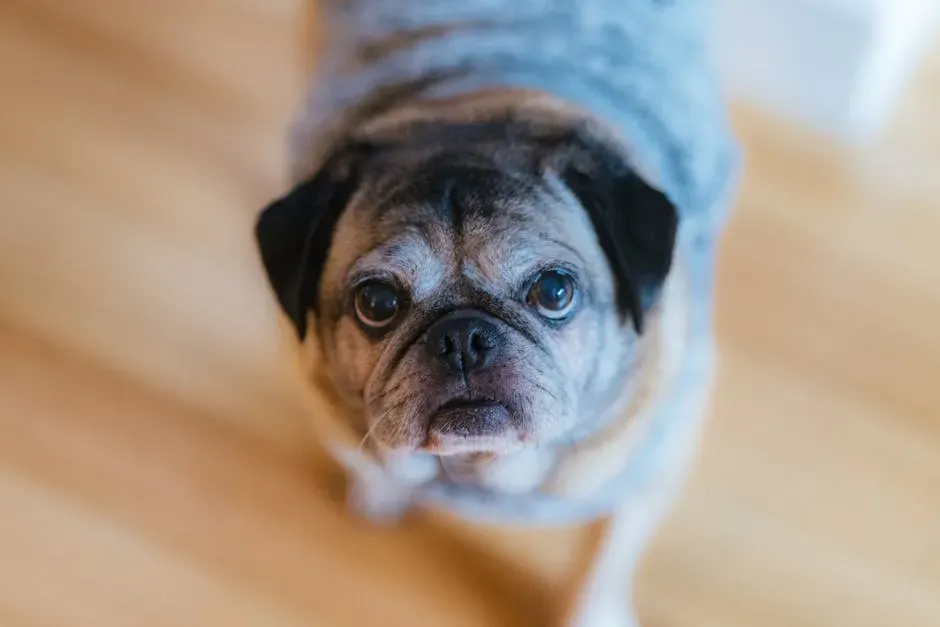
Even well-trained senior dogs may begin having accidents in the house in their final month. Peeing in their sleep, not quite making it to the door, or seeming confused about where to go can pop up out of nowhere. At first, it may feel like stubbornness or a one-off mistake, especially if the dog looks guilty or ashamed afterward.
What is usually happening underneath is less about manners and more about body function: weaker muscles, reduced bladder control, slower mobility, or neurological changes. Many owners regret feeling frustrated in the moment, only to later realize that their dog was not “forgetting the rules” but simply losing control. Understanding this early can help you shift from punishment or irritation to patient management, like more frequent trips outside and soft bedding that’s easy to wash.
12. A Shift in Social Behavior With Other Pets or Family Members
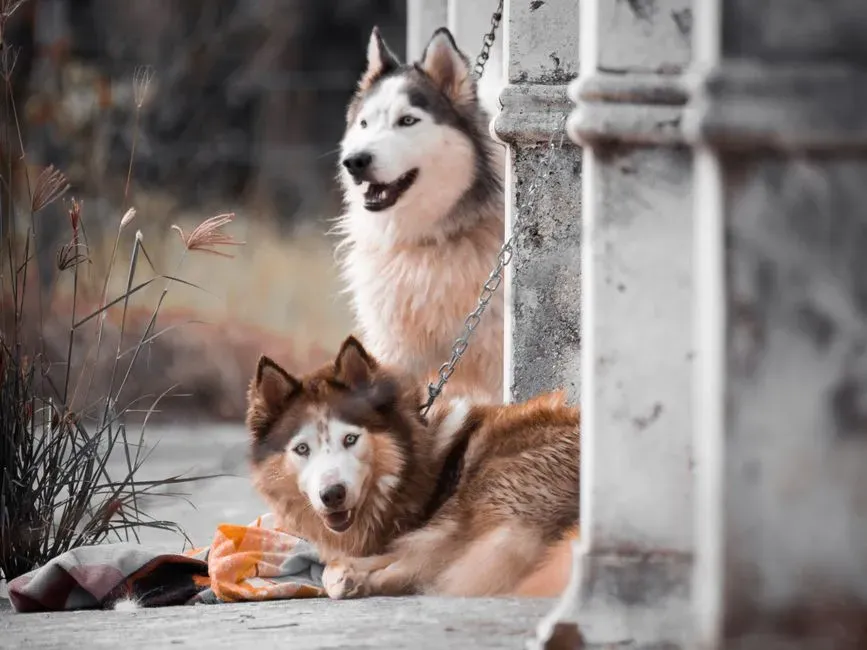
In the final month, some dogs quietly change how they relate to other animals and people in the household. They might stop initiating play with the younger dog, ignore the cat they used to chase, or withdraw from noisy children and seek only one trusted person. On the flip side, some dogs become surprisingly affectionate with family members they previously tolerated at arm’s length.
These social shifts can reflect both emotional and physical realities: less energy for interaction, more need for calm, or a narrowed circle of comfort. Owners often look back and see how their dog’s world gradually shrank to the few relationships and routines that felt safest. That change can be subtle – a dog who simply stays in their bed during family gatherings instead of mingling – but it is often one of the clearest emotional clues that something deeper was going on.
13. An Increase in Vocalization: Whines, Sighs, and Odd Little Noises
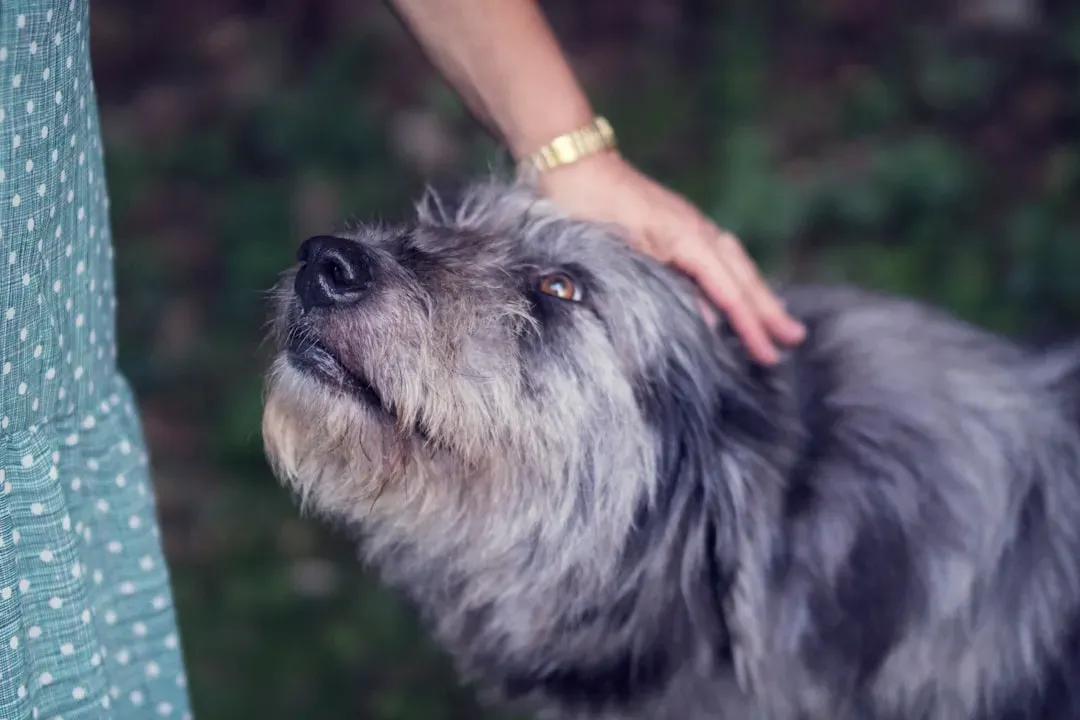
Dogs in their final month sometimes start “talking” in ways they never did before. You might hear more frequent sighs, grumbles, soft barks at nothing, or nighttime whining. Because it is inconsistent and not always tied to obvious pain, owners may wonder if the dog is just bored, demanding, or anxious out of habit.
Vocal changes can be a mix of discomfort, confusion, sensory changes, and simple frustration with a body that is no longer cooperating. A dog might whine when trying to lie down because it hurts, or bark aimlessly because their hearing or vision is fading and the world feels strange. In hindsight, these noises often take on a different meaning, sounding less like attention-seeking and more like the only language they had to express that something was deeply different inside.
14. Digestive Ups and Downs That Never Quite Went Back to Normal

Stomach upsets happen to almost every dog, so when a senior dog has a bout of diarrhea, vomiting, or gas, most owners first think of table scraps, a new treat, or a random bug. In the final month, though, you may notice these episodes becoming more frequent or lingering longer. Stool consistency might change, there may be more gurgling, or your dog may show interest in food but then walk away or lick their lips like they feel queasy.
Digestive changes can be tied to many serious conditions, from organ failure to cancer to chronic inflammation, but they can also simply reflect a body that is losing robustness. Owners often remember cycling through different diets, probiotics, or home remedies trying to “fix” it, not realizing that they were treating symptoms of a bigger decline. Recognizing a pattern of ongoing digestive trouble is one way to know it is time for a vet conversation about comfort, not just cures.
15. A Quiet, Hard-to-Describe Sense That “They’re Different Now”
Almost every grieving dog owner eventually admits something like this: “I kind of knew something was off, but I didn’t want to believe it.” Beyond any single symptom, there is often a general shift in the dog’s presence – a change in how they carry themselves, interact, rest, and move through the day. It might be a heaviness in their gait, a new stillness, or a way they lean into you that feels a little more final.
This intuition is not magical; it is your brain stitching together hundreds of tiny data points your conscious mind is too overwhelmed to process in real time. You notice, but you also hope, and hope is loud. In hindsight, that vague sense becomes crystal clear, and many people feel guilty for not acting sooner. The truth is, most of us are doing the best we can with incomplete information and a heart that desperately wants more time.
Conclusion: Reading the Signs Without Losing the Joy
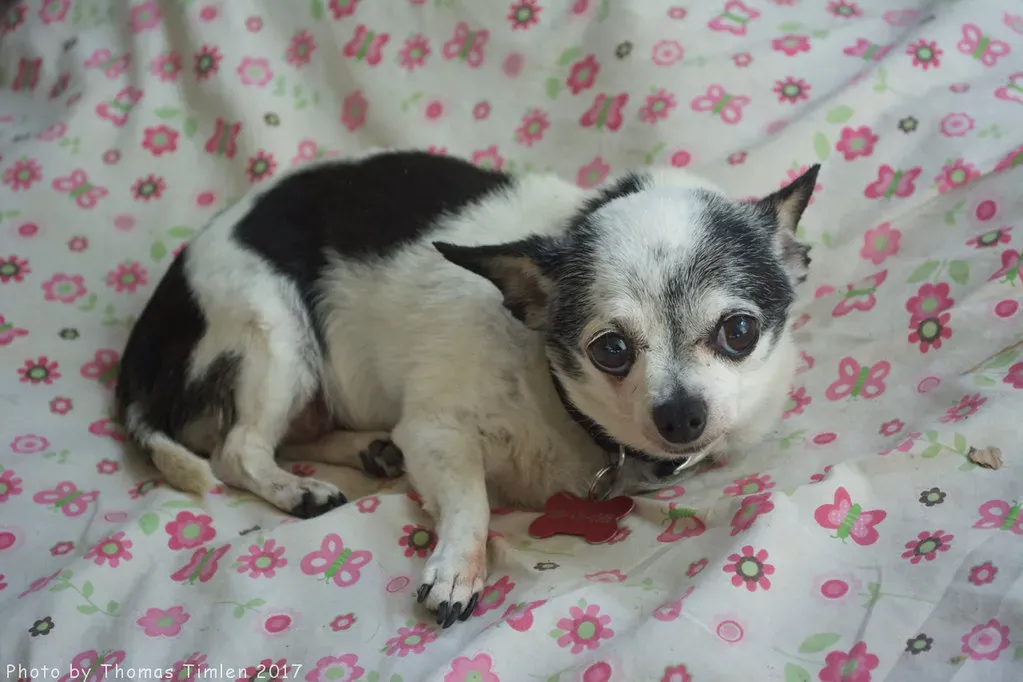
Looking back on a dog’s final month can feel like reopening a book and suddenly seeing a different story written between the lines. The skipped meals, restless nights, clingy moments, and quiet withdrawals that once seemed random now form a pattern that feels painfully obvious in hindsight. It is incredibly human to wish you had noticed sooner, done more, or made different decisions, but that regret usually comes from love, not neglect.
The harsh truth is that there is no perfect way to navigate a dog’s last weeks. You will miss some signs, overreact to others, and make choices with imperfect information. What matters most is that, overall, your dog felt safe, loved, and cared for. Paying attention to these common changes can help you ask better questions, seek veterinary guidance sooner, and prioritize comfort over denial. But it should never steal the simple joy of sitting on the floor, holding their head in your hands, and being there, fully, for the time you have. When you think about your own dog, what small moments might mean more to you now than they did when you were living them?


